Iranian saffron and the problem of not having a brand
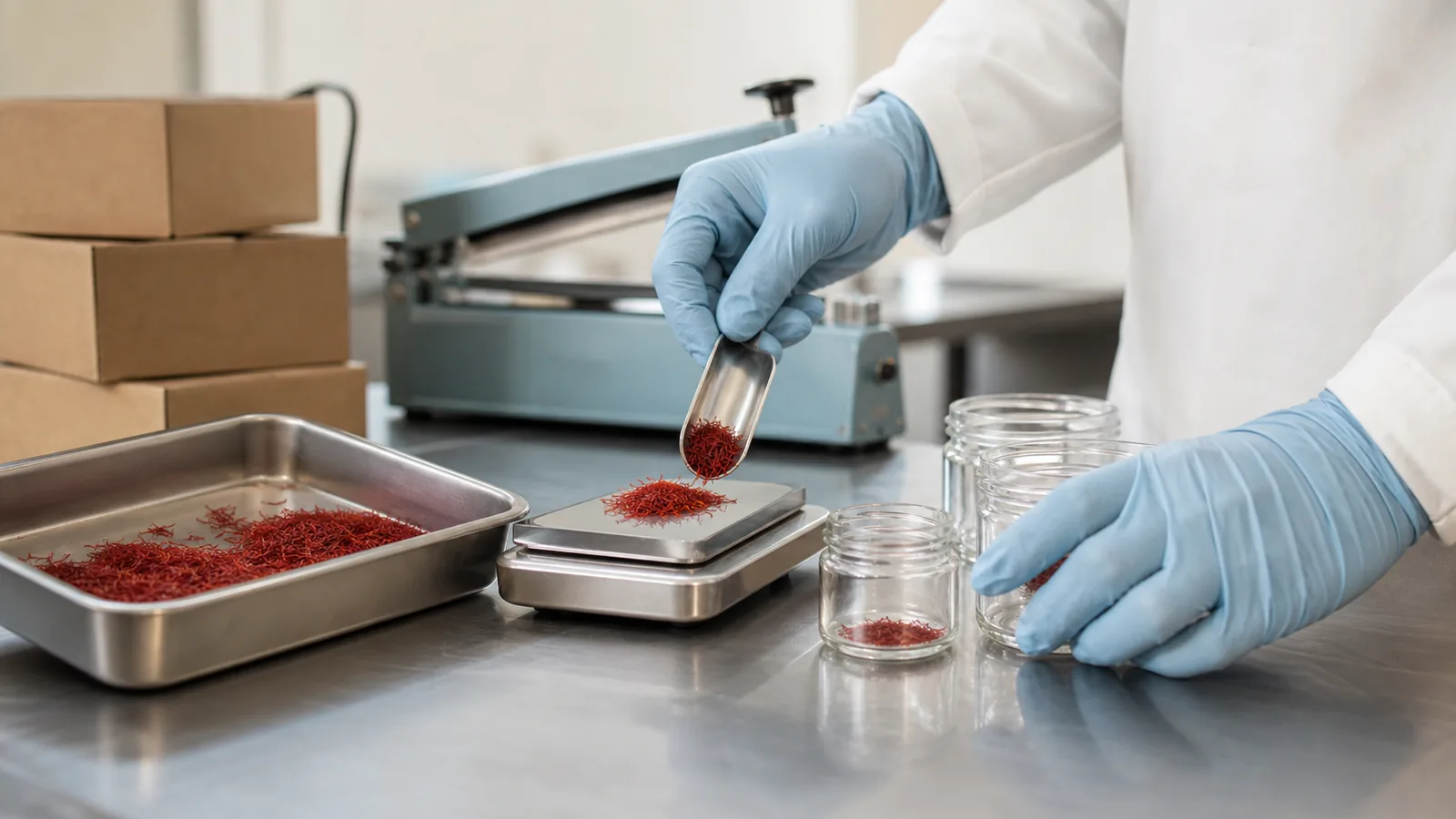
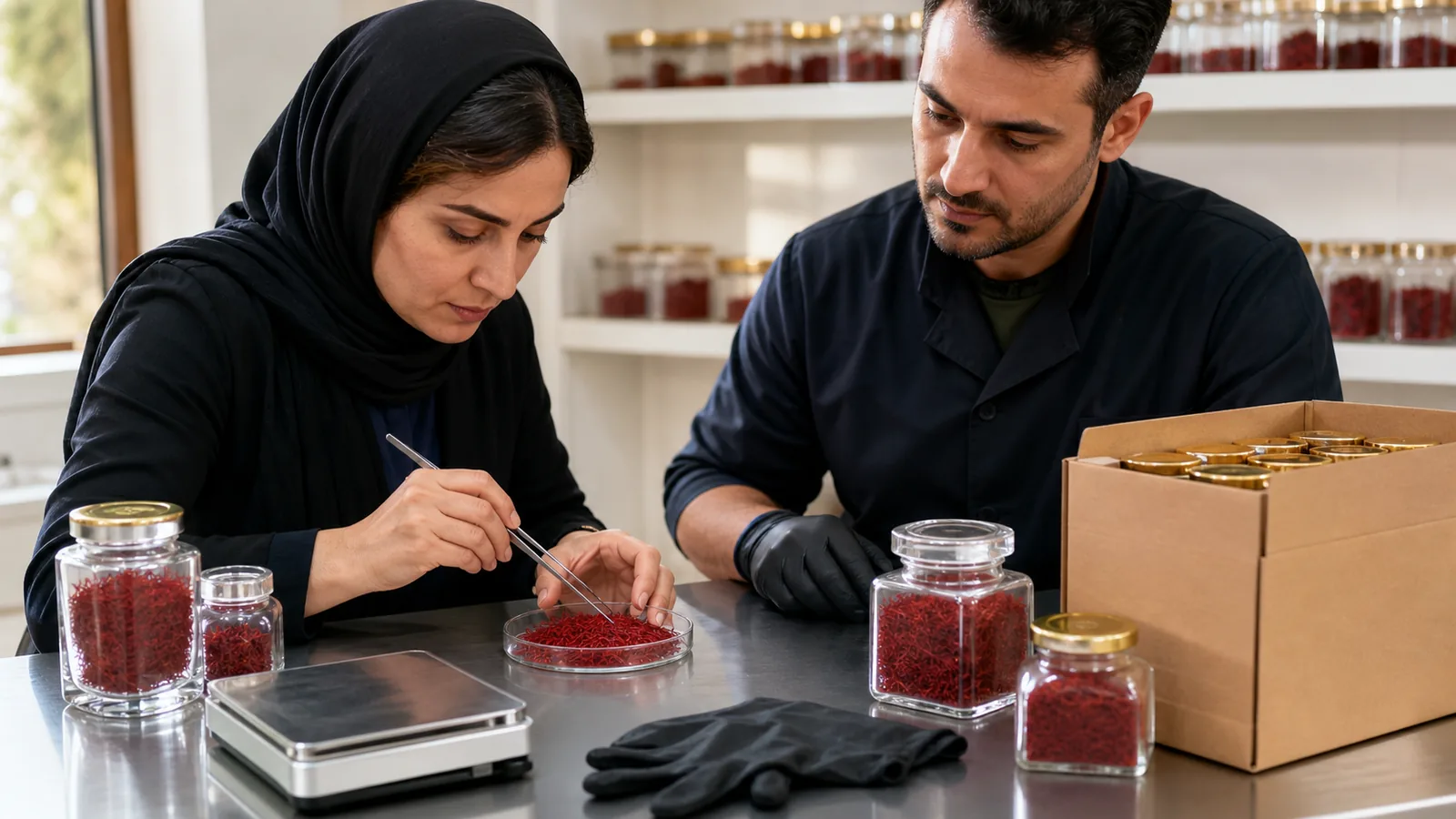
Iranian saffron does have company names and retail packs. The deeper brand problem is that Iran's origin, quality work and producer value can disappear when ... Read More...



Iranian saffron does have company names and retail packs. The deeper brand problem is that Iran's origin, quality work and producer value can disappear when ... Read More...
Raw selling of Iranian saffron is a long-standing value-chain problem when the crop leaves the country in bulk with little traceability, processing or identity and ... Read More...
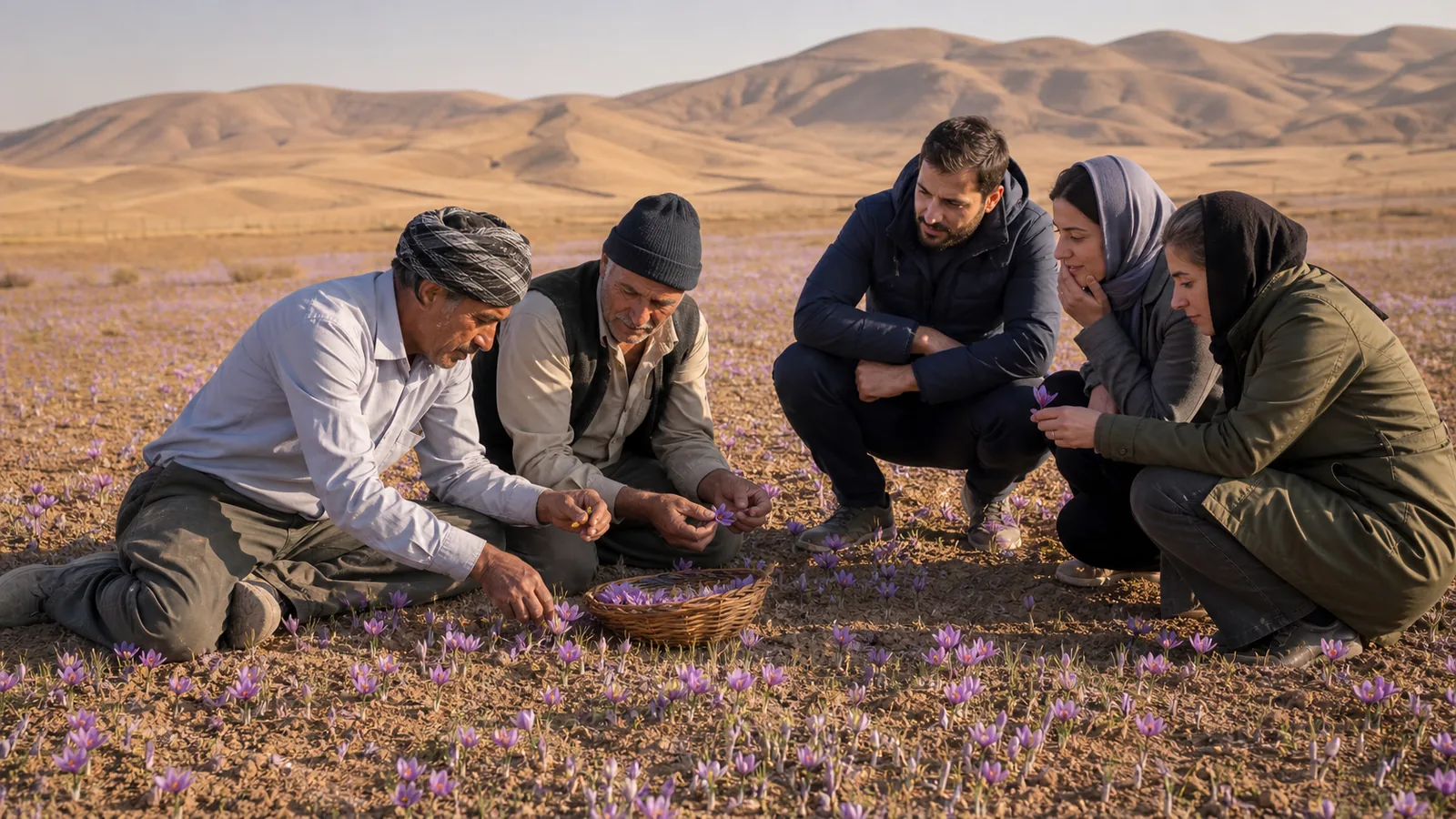
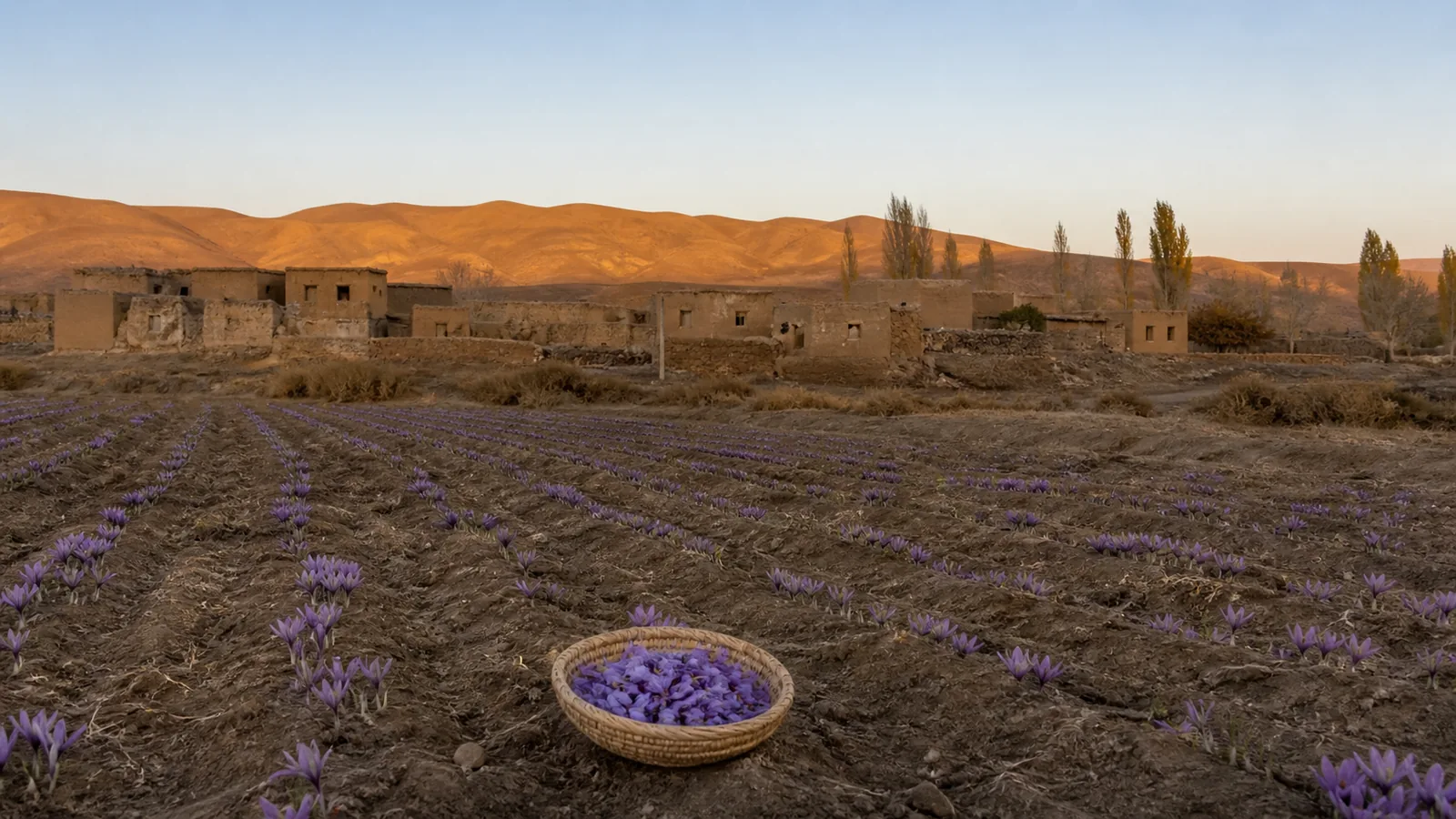
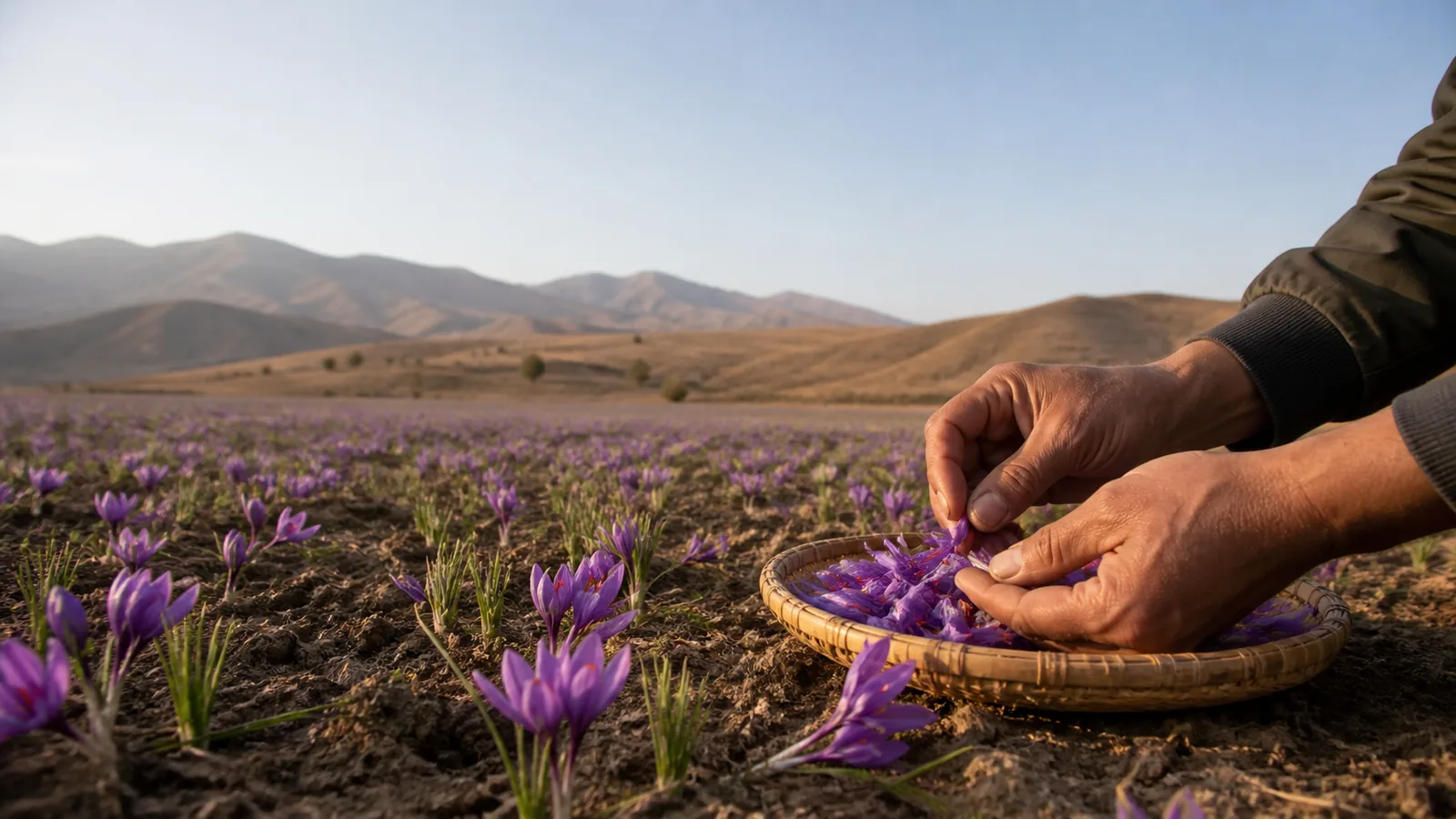
The saffron harvest in Bahabad, Yazd, was the setting for the city’s first provincial Red Gold Festival, created to introduce visitors and buyers to a ... Read More...
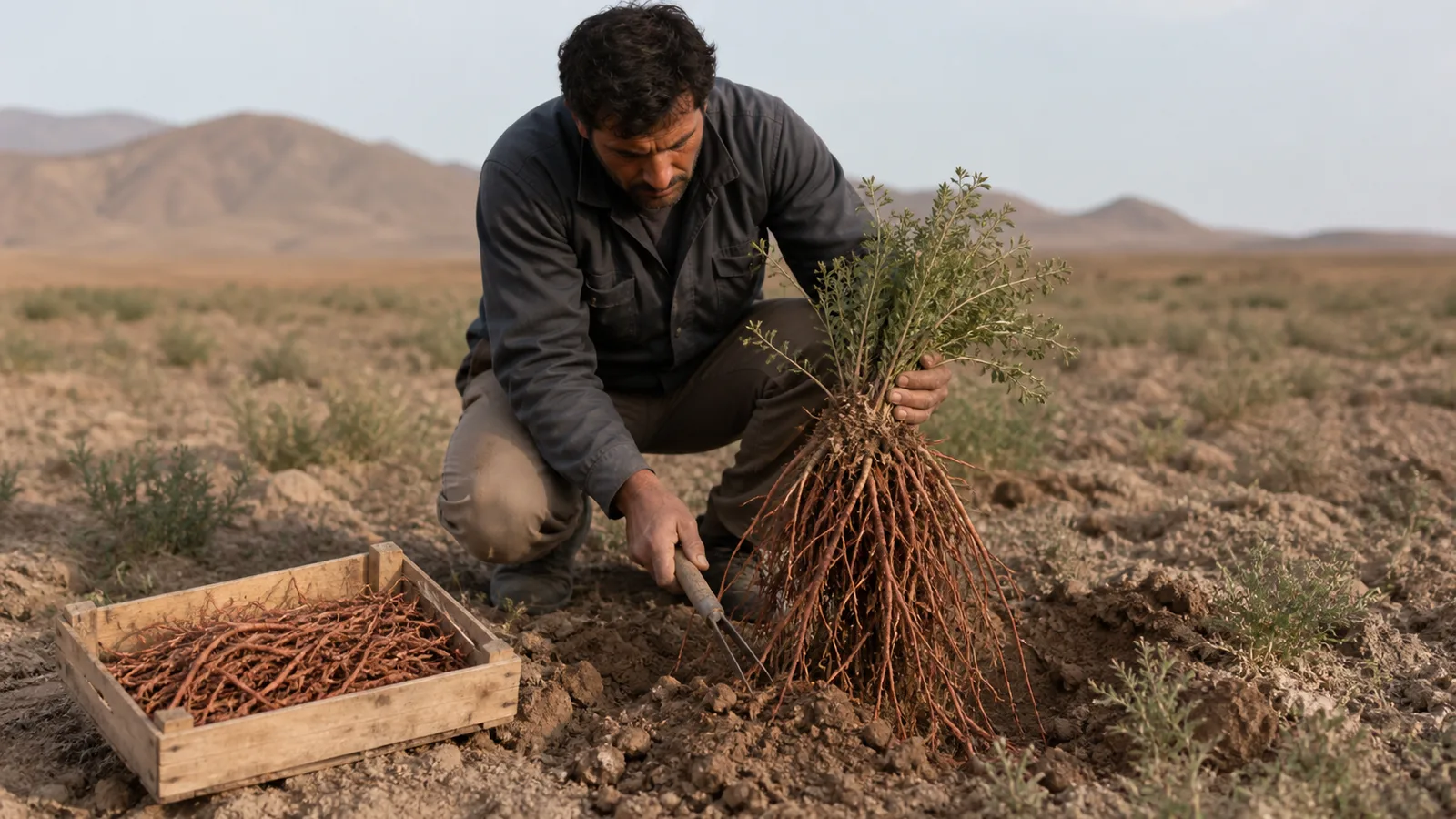
The “red gold” in this Iranian desert harvest is madder, known locally as ronas—not saffron and not rhubarb. Madder is a perennial dye crop whose ... Read More...
The report of red-gold cultivation across 57000 hectares of Khorasan Razavi farms is a historical snapshot of Iran’s saffron heartland, not a current acreage estimate. ... Read More...
Ghainat, more commonly written as Qaenat, is a saffron-growing region of South Khorasan where Iran’s “red gold” belongs to both the landscape and everyday life. ... Read More...
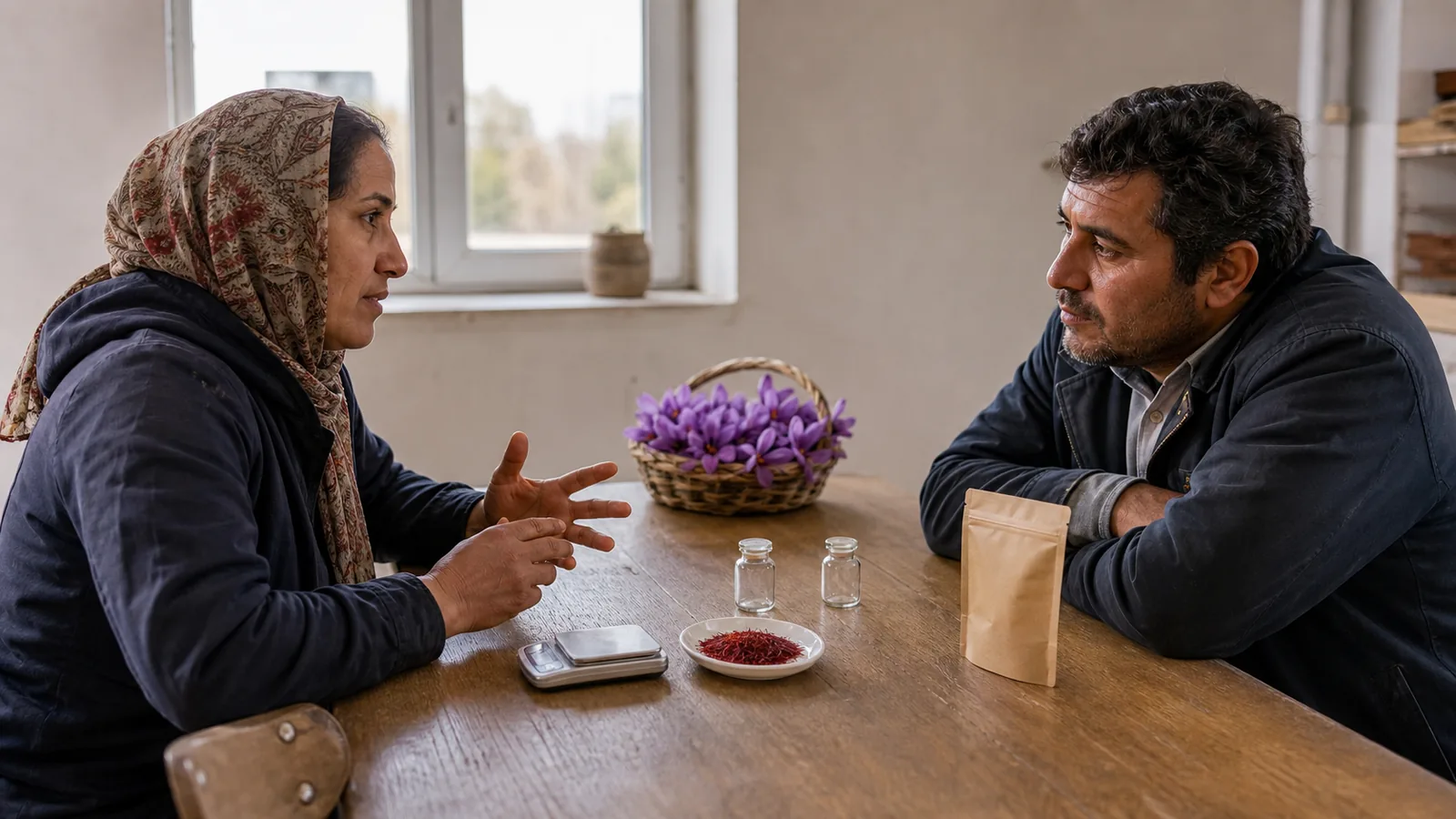
The headline calls saffron the king of plants, yet the old market commentary beneath it asks why many growers remained financially vulnerable. A grower and ... Read More...
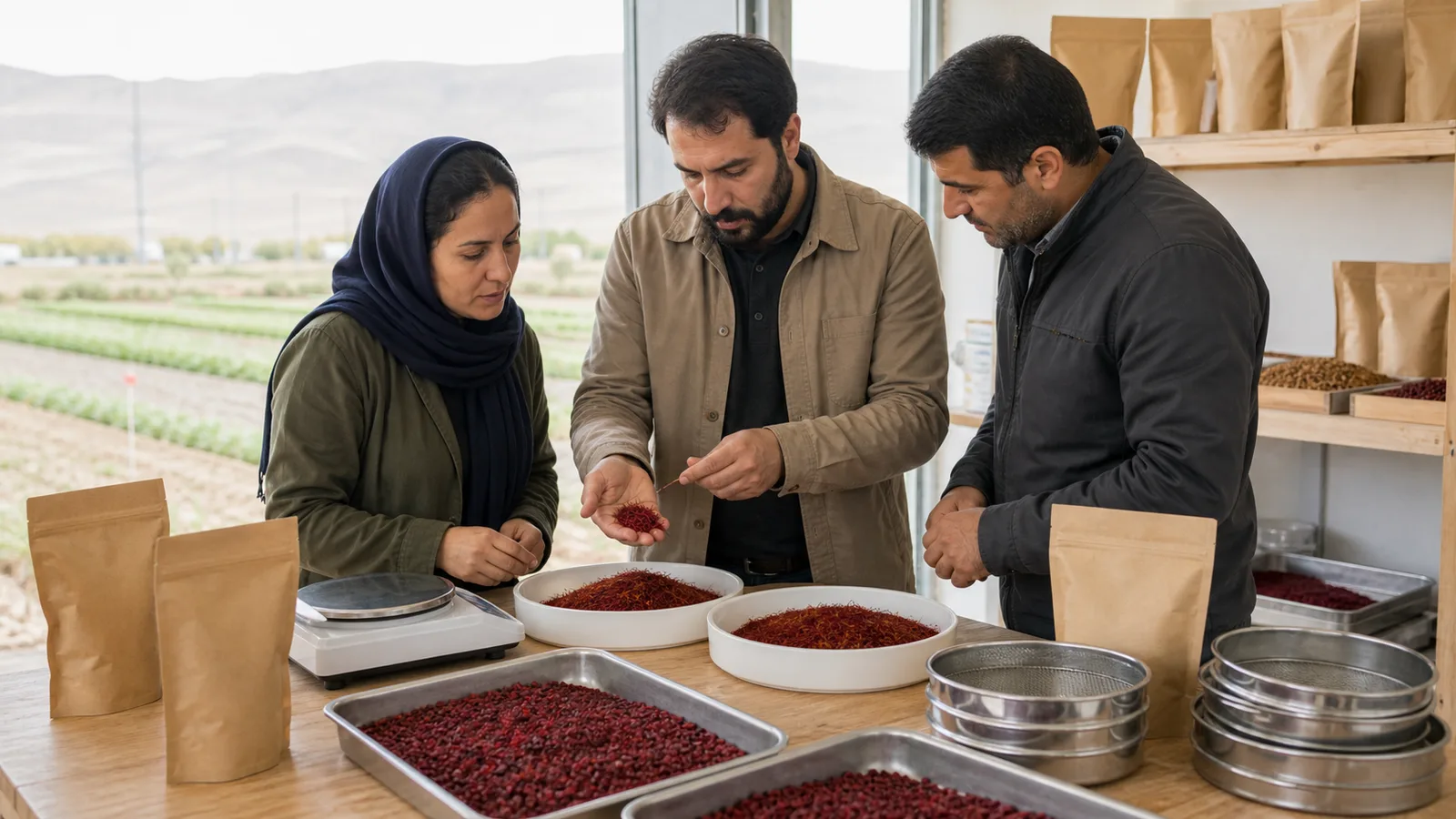
Quality education for barberry and saffron in South Khorasan means practical, standardised training that follows each crop from the field to a saleable product. An ... Read More...
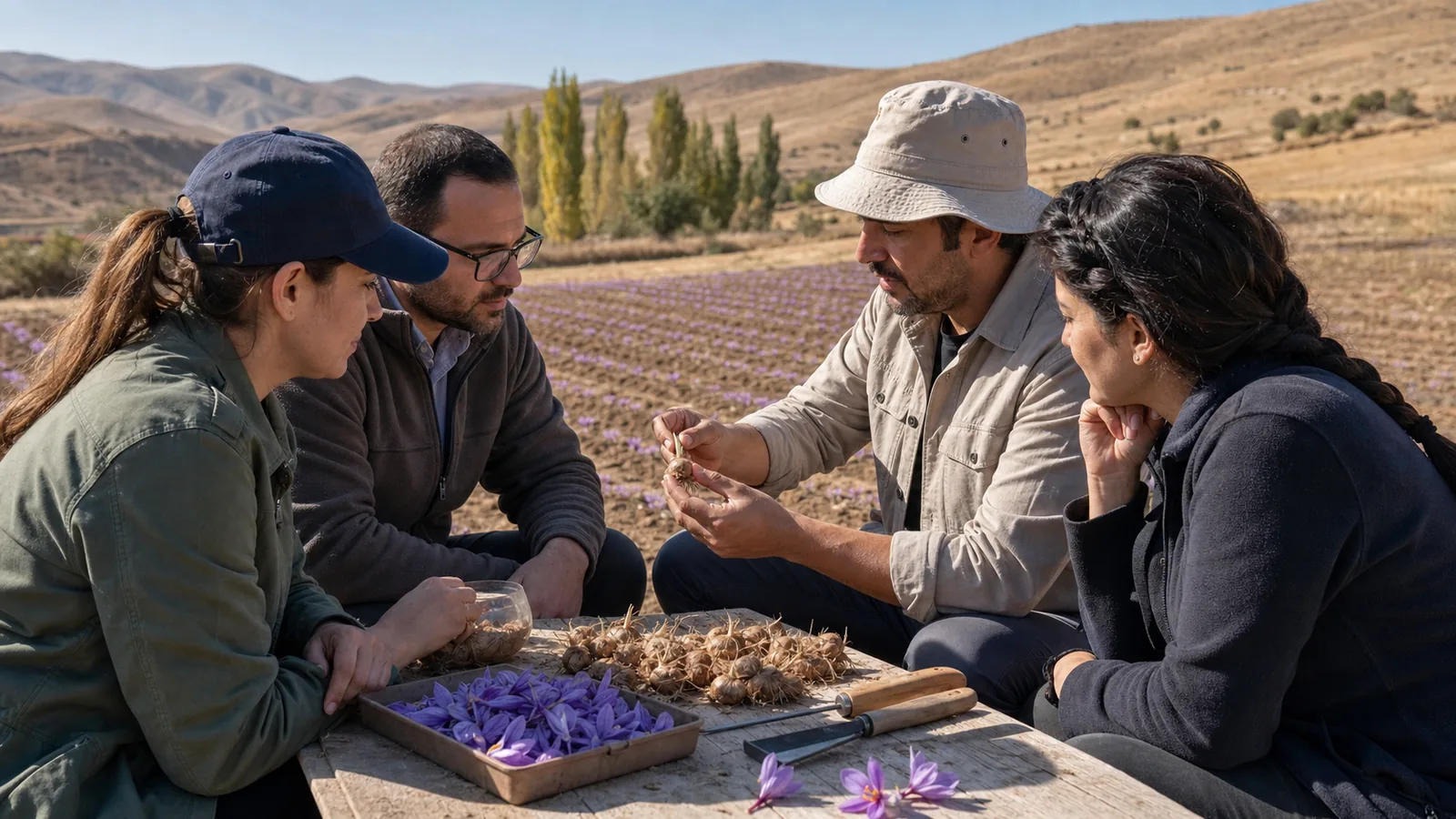
A Qazvin training programme brought four Lebanese students into a practical saffron course, linking Iranian agricultural knowledge with cultivation in Lebanon. A practical saffron cultivation ... Read More...
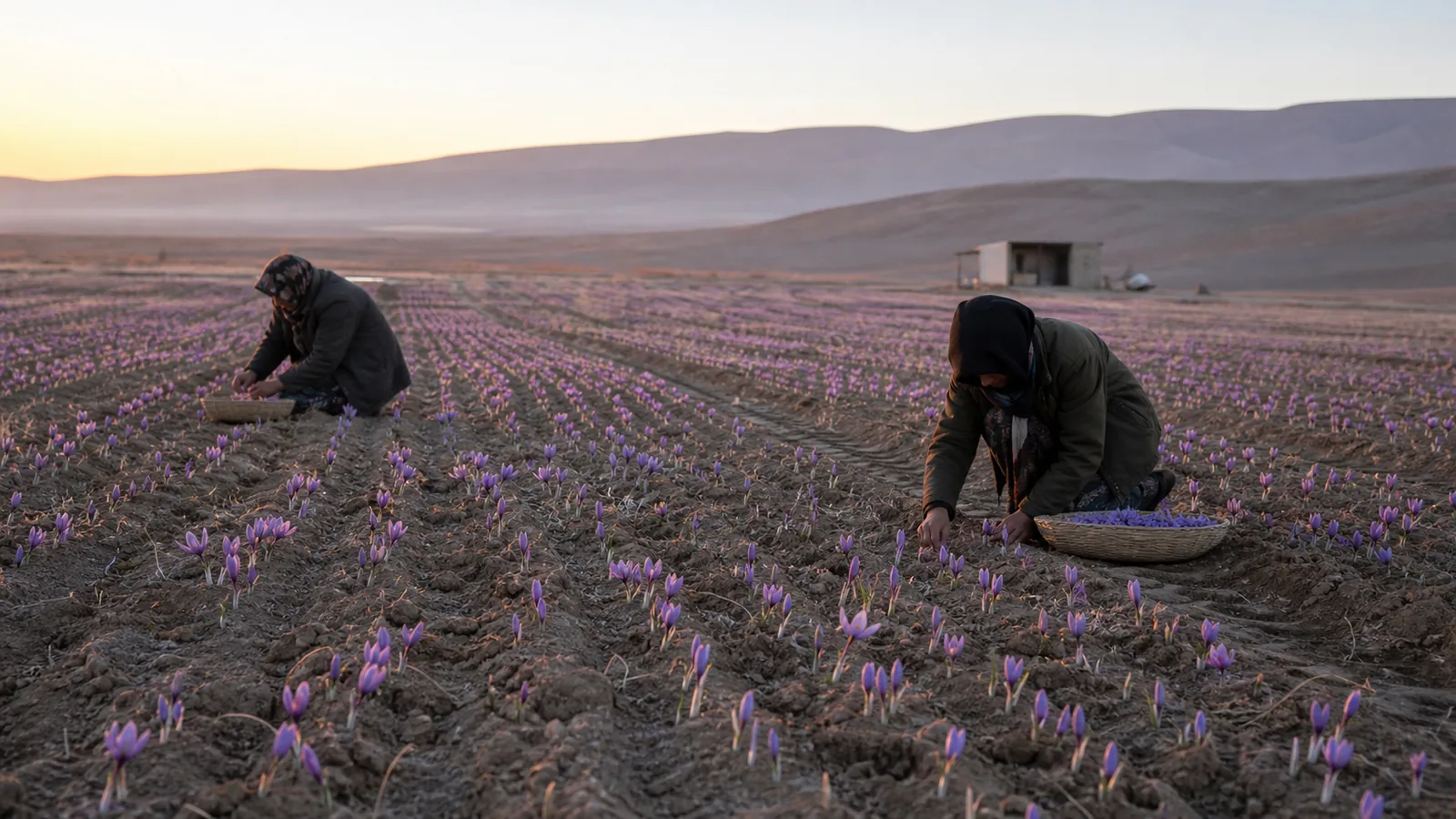
For farming communities along the Zagros, saffron’s red stigmas offered a high-value crop with relatively modest seasonal water needs. Saffron flowers being gathered in a ... Read More...