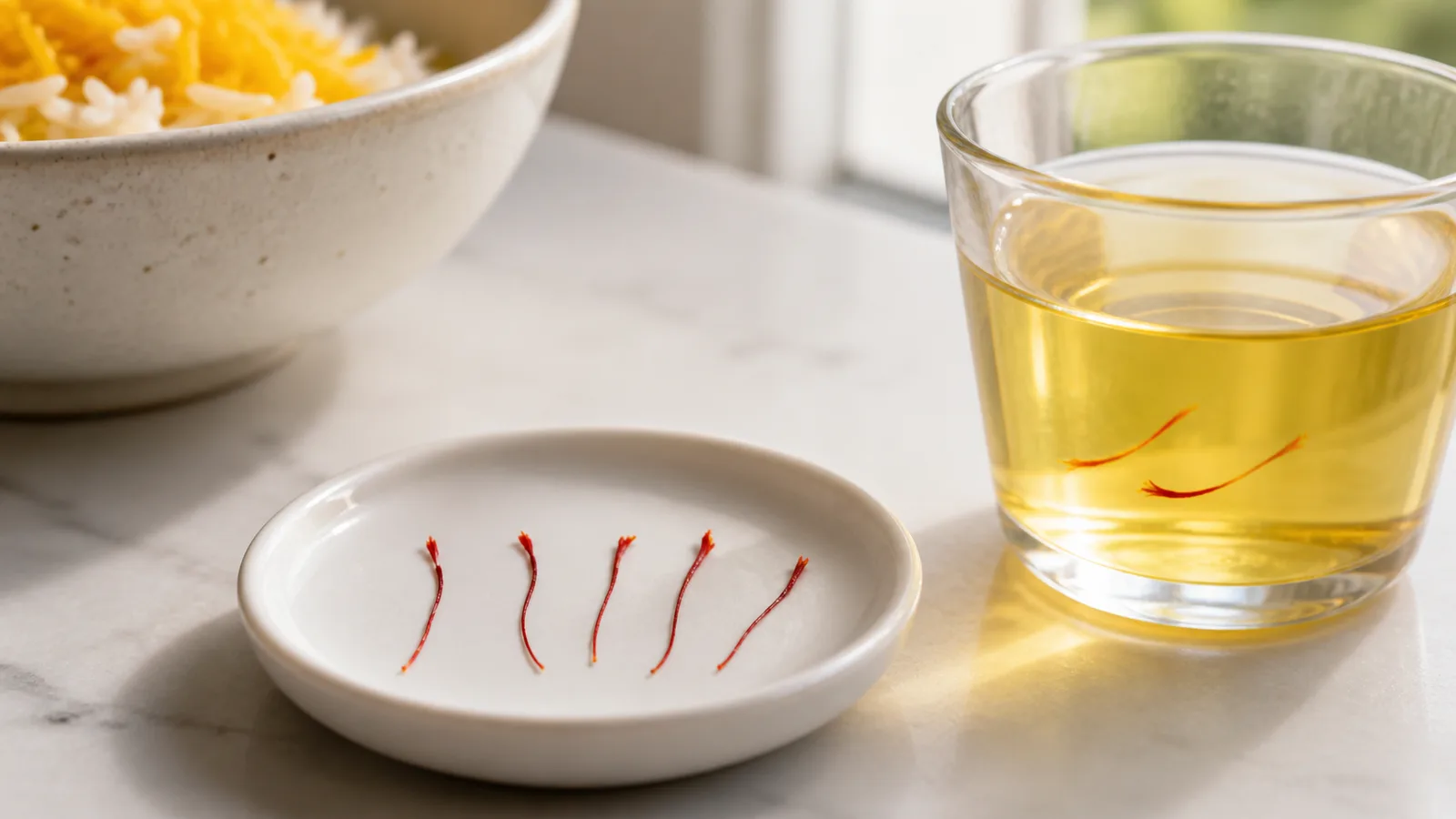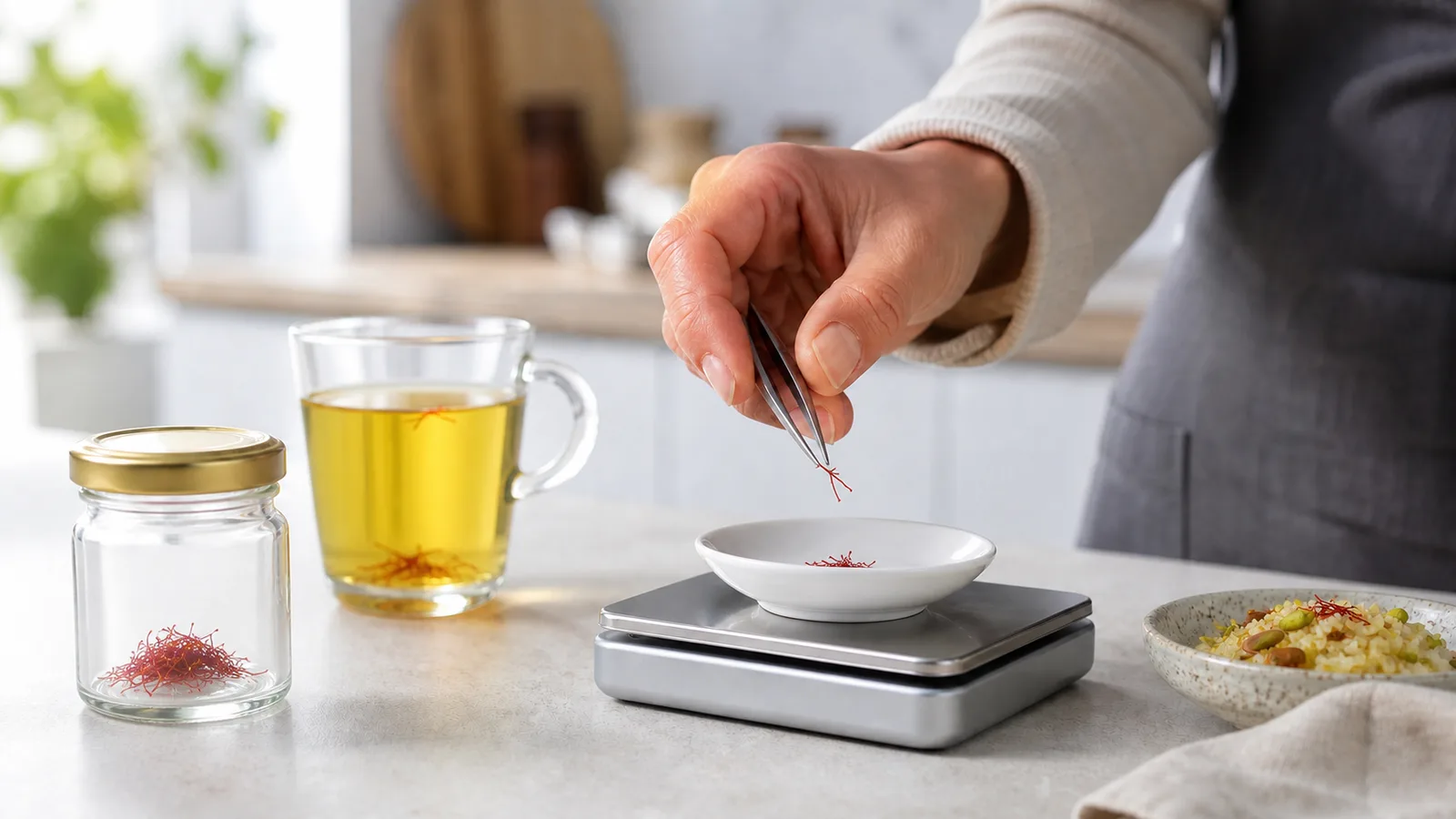
How much saffron per day depends on whether you mean saffron in food or a concentrated supplement. There is no single recommended daily amount for every adult and every purpose. The dosage of saffron has to name the form: a few threads in a recipe are a culinary serving, while 30 mg of a standardized extract is a research dose from a particular product. Those amounts are not interchangeable.
If you use saffron for cooking, follow the recipe and use enough to provide the colour and aroma you want. If you are considering a supplement for mood, sleep, anxiety or another health concern, follow its labelled form and discuss the exact product with a pharmacist or healthcare provider. “Saffron dosage for health” is too broad to supply that context, so do not calculate a medicinal dose from a generic website range.
Saffron dosage starts with the form
Whole threads in food
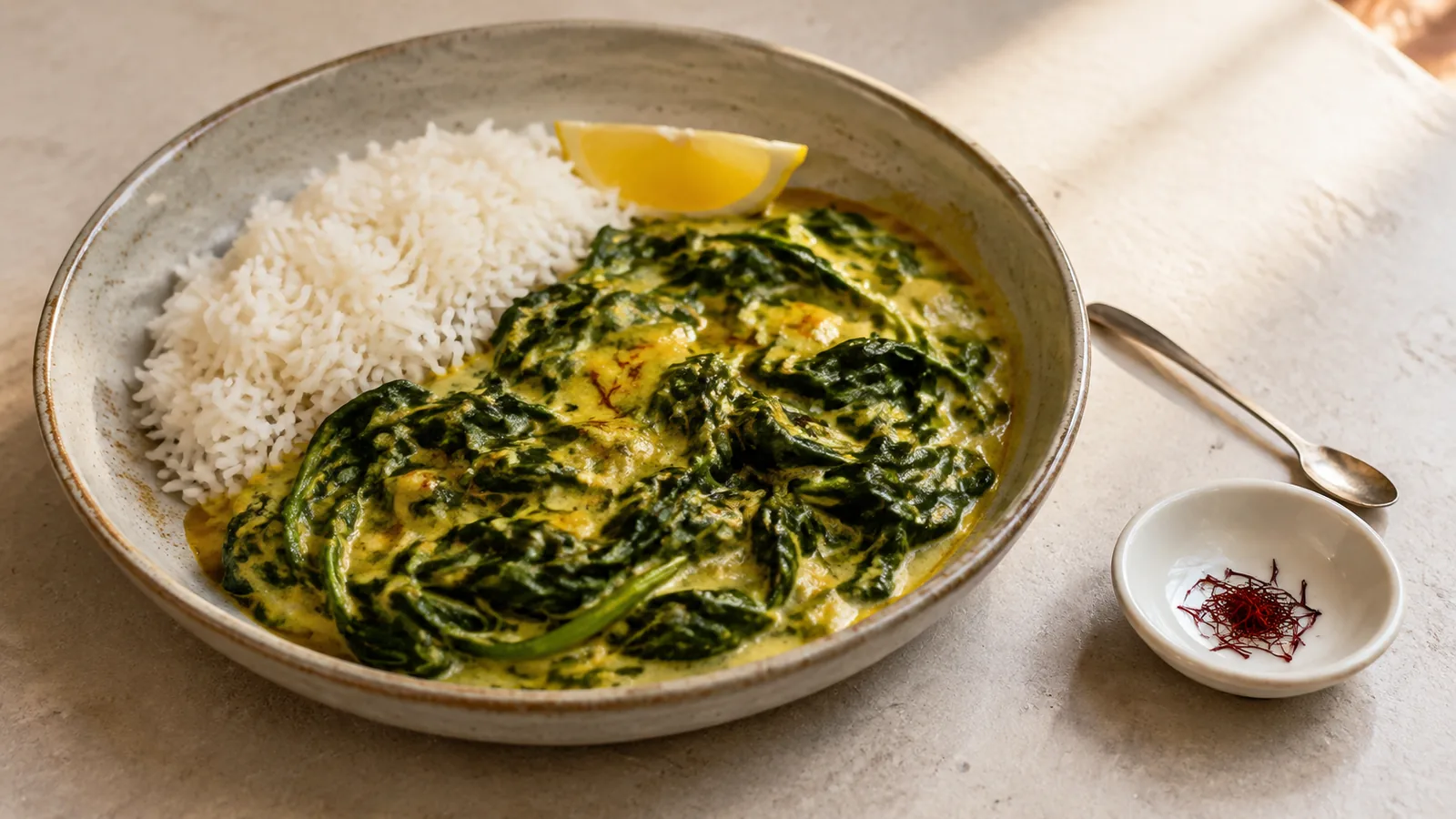
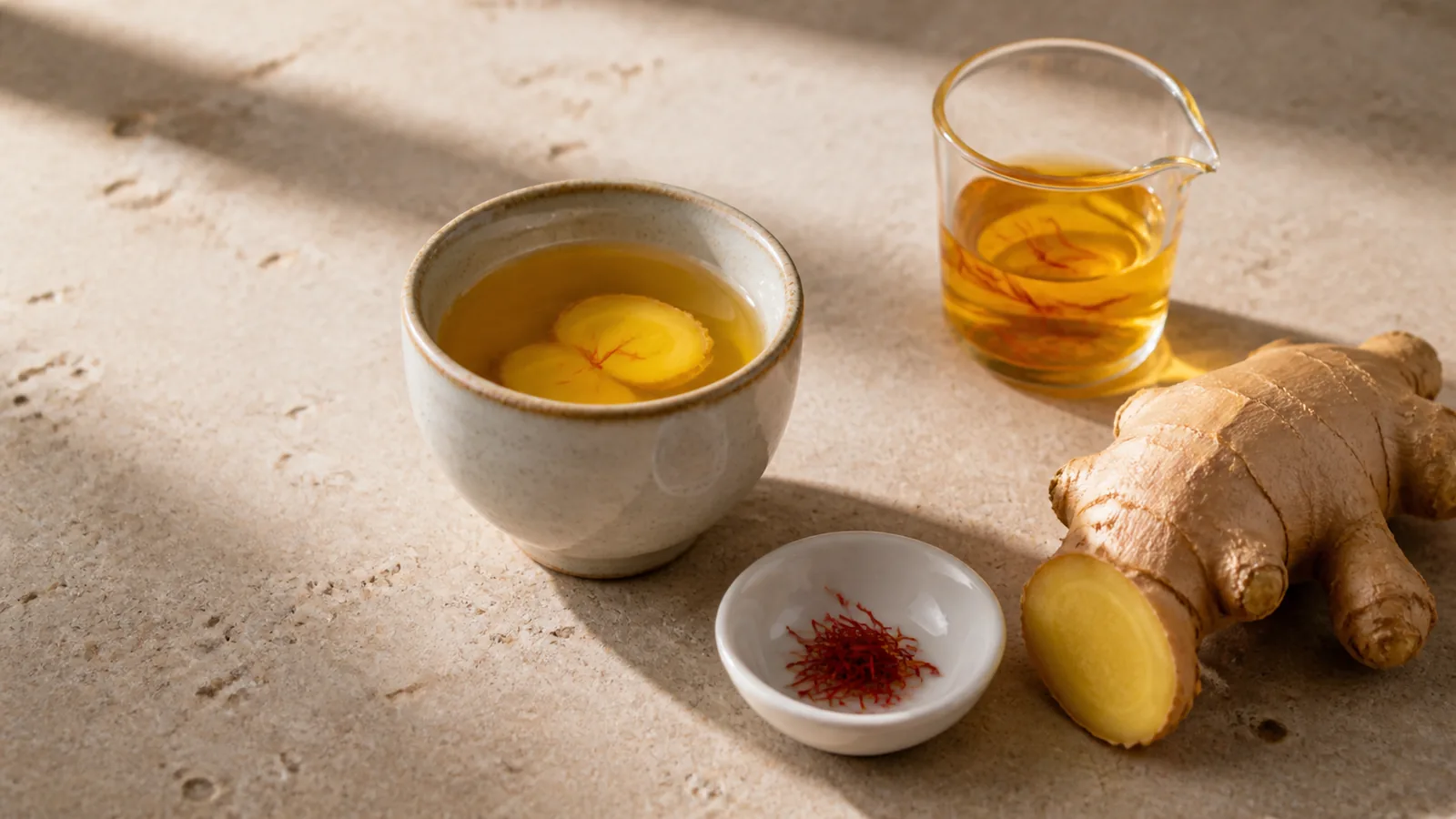
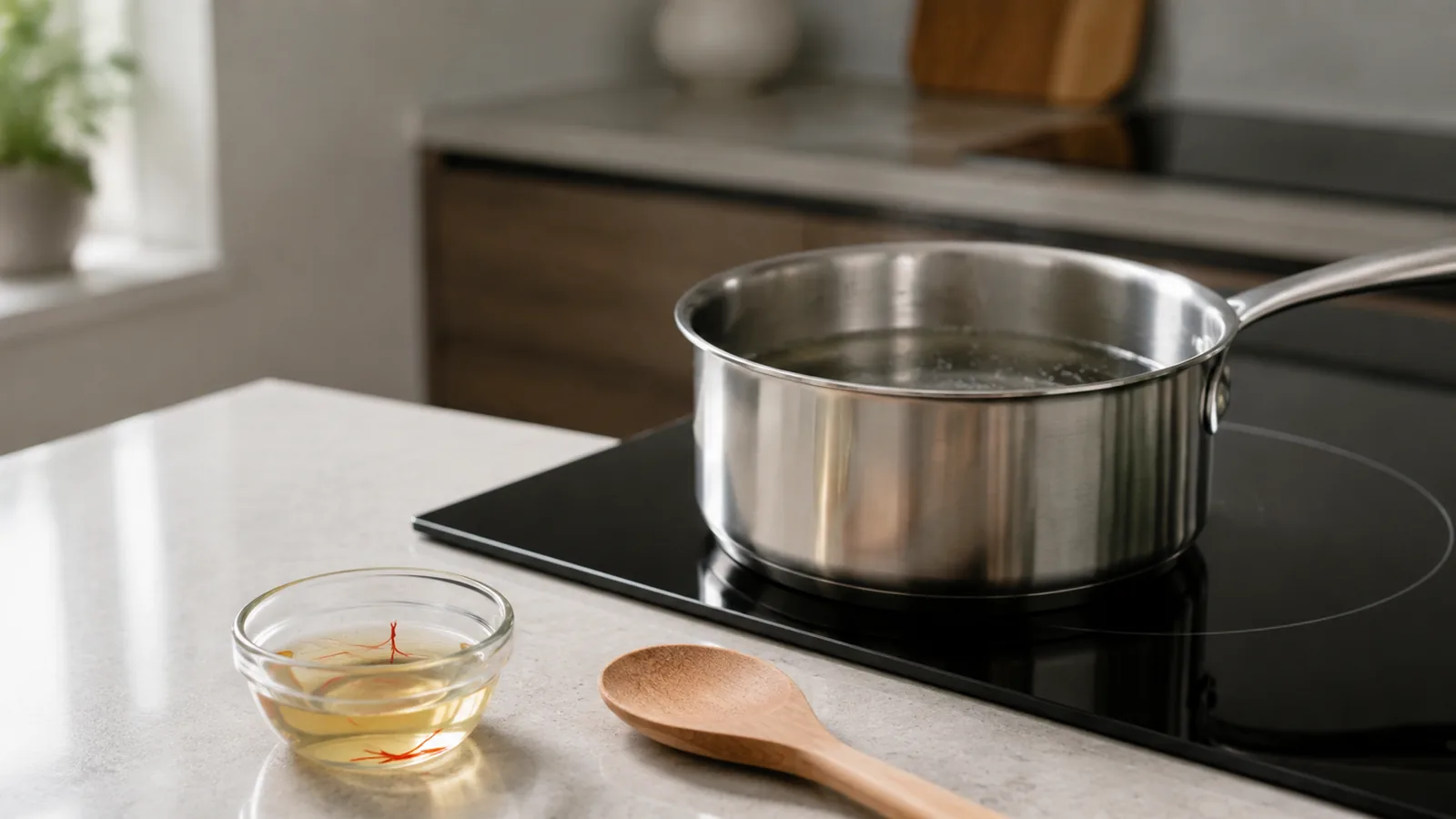
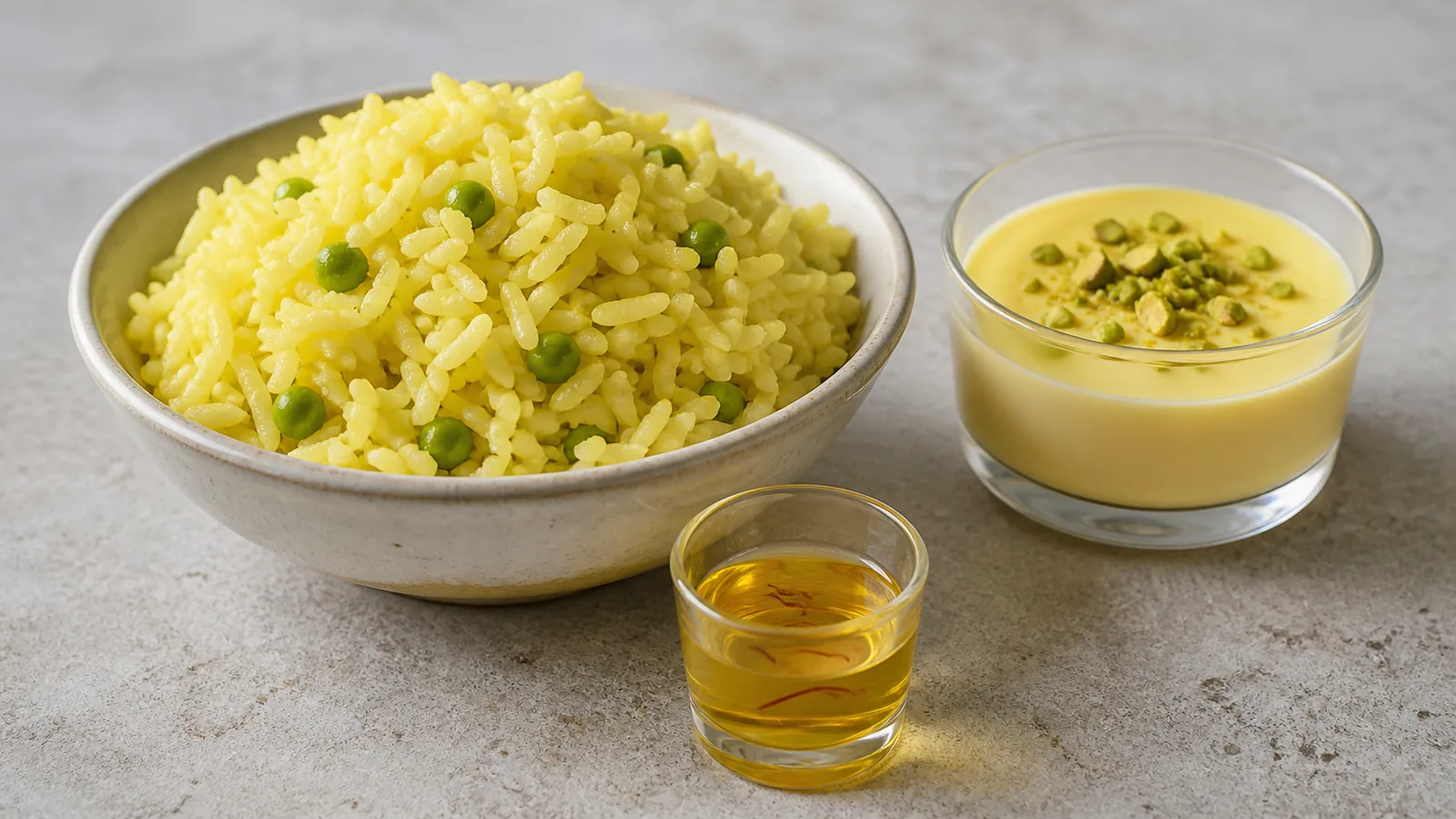
Whole saffron threads are usually infused and distributed through several portions of rice, stew, warm milk or tea. A small pinch can be enough for a family dish. There is no need to turn normal culinary use into a daily milligram target.
Queries such as “how many saffron strands per day?” sound precise, but threads differ in length, thickness, dryness and whether broken pieces are included. Asking how many saffron threads are in 30 mg, or how many strands of kesar per day, does not solve that variation. If a recipe genuinely needs a weight, use a scale made for small quantities rather than an online thread conversion.
Powdered saffron
Powder settles and is easy to overmeasure with an ordinary spoon. It can also be harder to assess for purity. Use the amount specified by a trusted recipe or a clearly labelled food product. Do not assume one spoonful of powder matches a certain number of threads.
Standardized extracts and supplements
A saffron extract dosage refers to the tested extract, not only to the weight printed on the front. Two capsules can contain different source material, concentrations and levels of crocin or safranal. A saffron supplement dosage cannot be inferred from a crocin or safranal dosage, and a multi-ingredient sleep or mood product adds another problem: its effect and safety cannot be attributed to saffron alone.
Why 30 to 50 mg appears so often
Many clinical trials have used approximately 28 to 30 mg per day of a defined saffron extract. Some have tested 20 mg, 50 mg, 100 mg or other amounts depending on the population, condition and formulation. This is how the common 30 to 50 mg range entered online dosage advice.
It is not an official universal saffron dosage for adults. Someone asking how many mg of saffron per day needs the product context, not just a number. A research protocol selects a specific preparation, screens participants, defines the outcome and monitors unwanted effects. Thirty milligrams of whole stigma powder does not necessarily match 30 mg of a concentrated extract.
Research doses vary by purpose
Mood and anxiety
A 2026 meta-analysis of 34 randomized mood and anxiety trials included interventions lasting at least four weeks and a range of saffron preparations. Some self-reported scales improved, while several clinician-rated scales did not. Questions about how much saffron for mood, how much saffron for anxiety or a saffron dosage for mood therefore do not have one study-wide answer.
Our separate evidence reviews address saffron and anxiety and the time course of mood studies. They should not be read as instructions to self-treat a mental-health condition.
Sleep
A 2025 four-week randomized insomnia study compared standardized extract doses of 20 and 30 mg with placebo. Both extract groups improved the study’s sleep-quality measure, while other outcomes were mixed. That result belongs to the tested extract and adults who met the trial criteria; it is not a general saffron dosage for sleep. Our fuller article explains what is known about whether saffron can help with sleep.
Cognition, inflammation and “overall health”
Saffron has been studied for cognitive and metabolic outcomes, but the populations and doses differ. Claims that one daily amount boosts cognition or serotonin, reduces inflammation and provides maximum benefit to everyone compress separate research questions into a sales promise. An eight-trial meta-analysis of inflammatory markers, for example, found no significant overall change in CRP, TNF-α or IL-6. A subgroup result is not a universal anti-inflammatory dose.
How much saffron is too much?
The safest approach is not to work backwards from a poisoning threshold. Older toxicology literature often cited harmful effects around 5 grams, which is thousands of milligrams and far beyond common culinary or research-extract quantities. “Avoid taking over 5 grams” is inadequate advice: it can make every smaller medicinal amount sound established and safe. A supposed maximum saffron per day is not the same as a proven saffron safe dose. The same problem applies when a search for “how much saffron to consume” produces one saffron recommended daily amount without naming the form.
A 2026 systematic review of 102 human trials and one case report found saffron generally well tolerated, with gastrointestinal problems the most frequent adverse events and usually mild. The authors still advised clinical monitoring for higher-dose or prolonged medicinal use because potentially significant adverse events have been reported.
Dizziness, nausea, stomach discomfort, headache, dry mouth or an allergic reaction can occur below a dramatic overdose threshold. Stop the new product and seek advice if symptoms appear. Severe vomiting, fainting, unusual bleeding, breathing difficulty or facial or throat swelling needs prompt medical attention.
Who should not choose a dose alone?
Ask a healthcare provider or pharmacist before medicinal saffron use if you are pregnant or breastfeeding, take prescription medication, have a bleeding disorder, low blood pressure, diabetes, bipolar disorder or another ongoing condition, or are preparing for surgery. Children and teenagers also need individual guidance.
Bring the whole label, not just the milligram number. Our safety articles explain possible supplement combinations and when to avoid medicinal saffron or ask for advice. Do not change prescribed treatment to make room for a supplement.
A practical daily-use checklist
- Name the form: whole threads, powder, standardized extract, crocin, safranal or a blend.
- Name the purpose: cooking, flavour, sleep, mood or a clinician-directed use.
- Read the unit: distinguish milligrams per capsule from milligrams per serving or per day.
- Check every ingredient: another active compound may set the safer limit.
- Use research numbers as context: they describe a tested preparation, not a personal prescription.
- Do not chase faster results: increasing the amount is not proof of greater benefit.
- Review ongoing use: if the intended effect is unclear, do not keep taking or escalating the product without advice.
The useful answer
For ordinary cooking, use a small culinary amount suited to the dish; an exact number of threads per day is neither necessary nor reliable. Taking saffron daily as a supplement is a different decision: the labelled extract, purpose, medicines and health context determine whether an amount is appropriate. Although about 28 to 30 mg appears in many trials, there is no universal recommended dose of saffron for optimal health.
If you want saffron as a food ingredient, our whole-thread saffron range is intended for culinary use. If you want a medicinal daily dose, take the exact product to a qualified professional rather than converting threads into supplement milligrams.