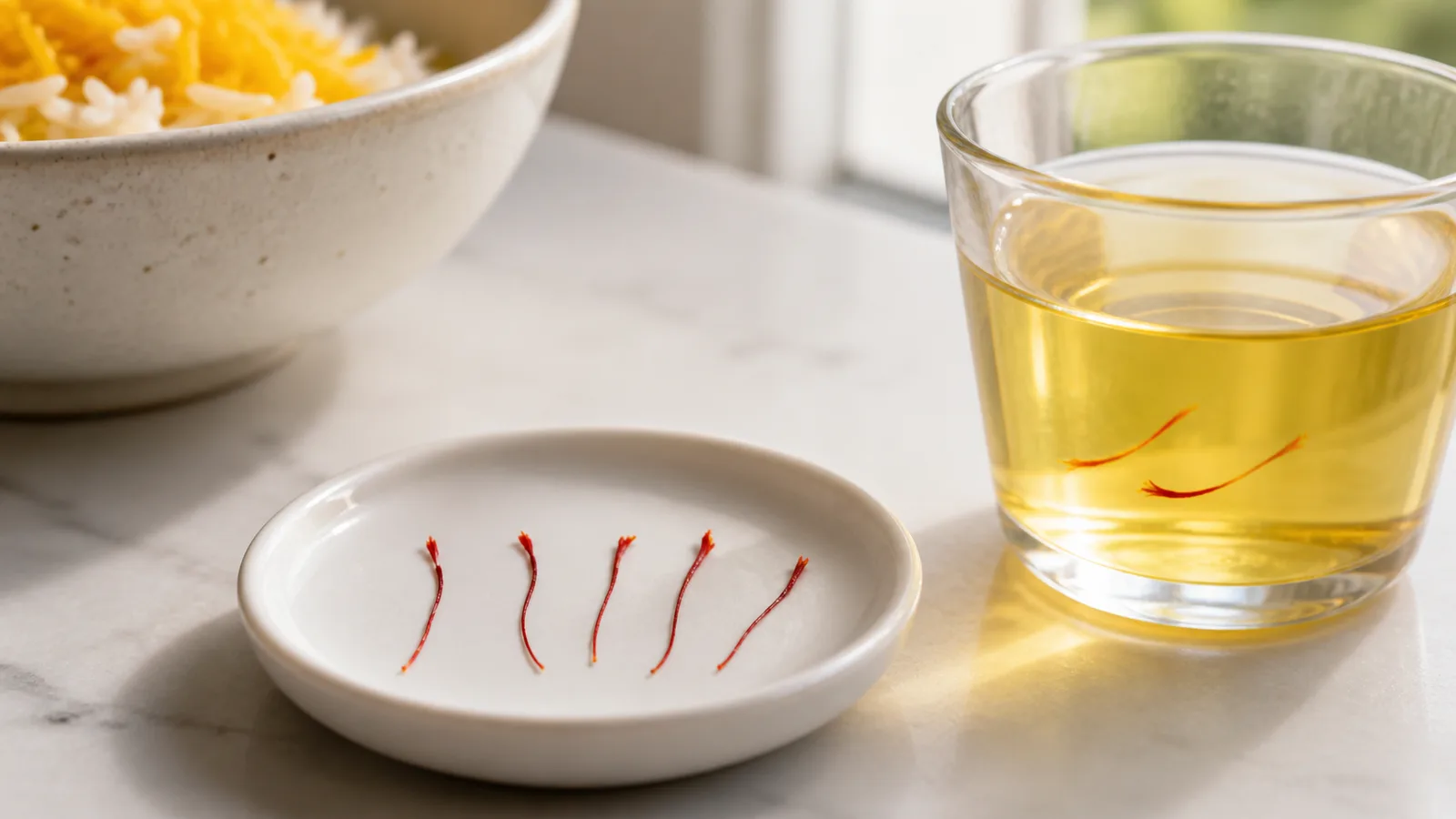
Is saffron good for anxiety? Research suggests that some standardized saffron extracts may reduce self-reported anxiety symptoms, but the evidence is not strong enough to call saffron a proven anxiety treatment. Results differ by study and by the scale used to measure anxiety. Saffron for stress relief may be a reasonable topic to discuss with a clinician; it should not replace an assessment, psychotherapy or prescribed medication.
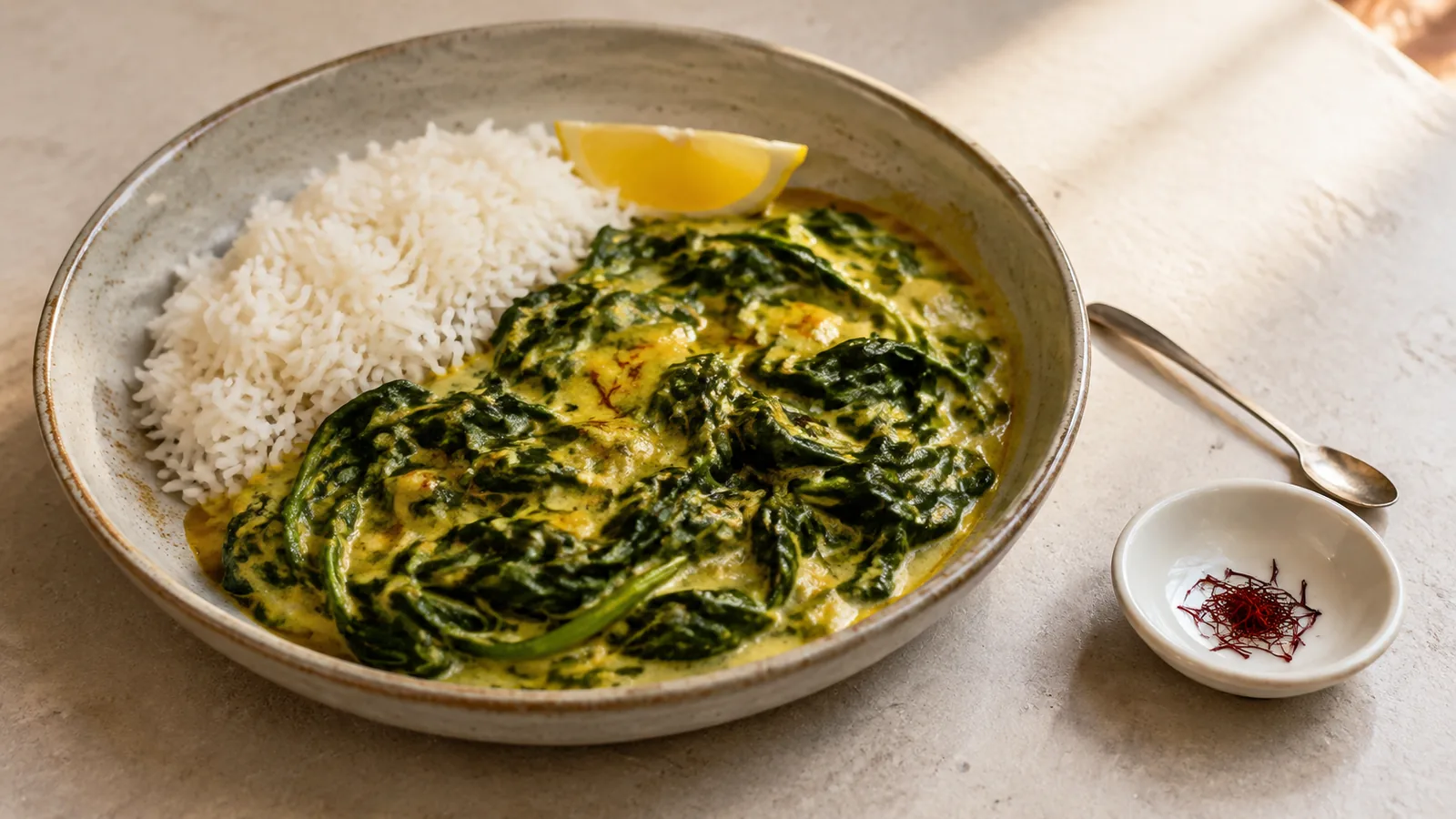
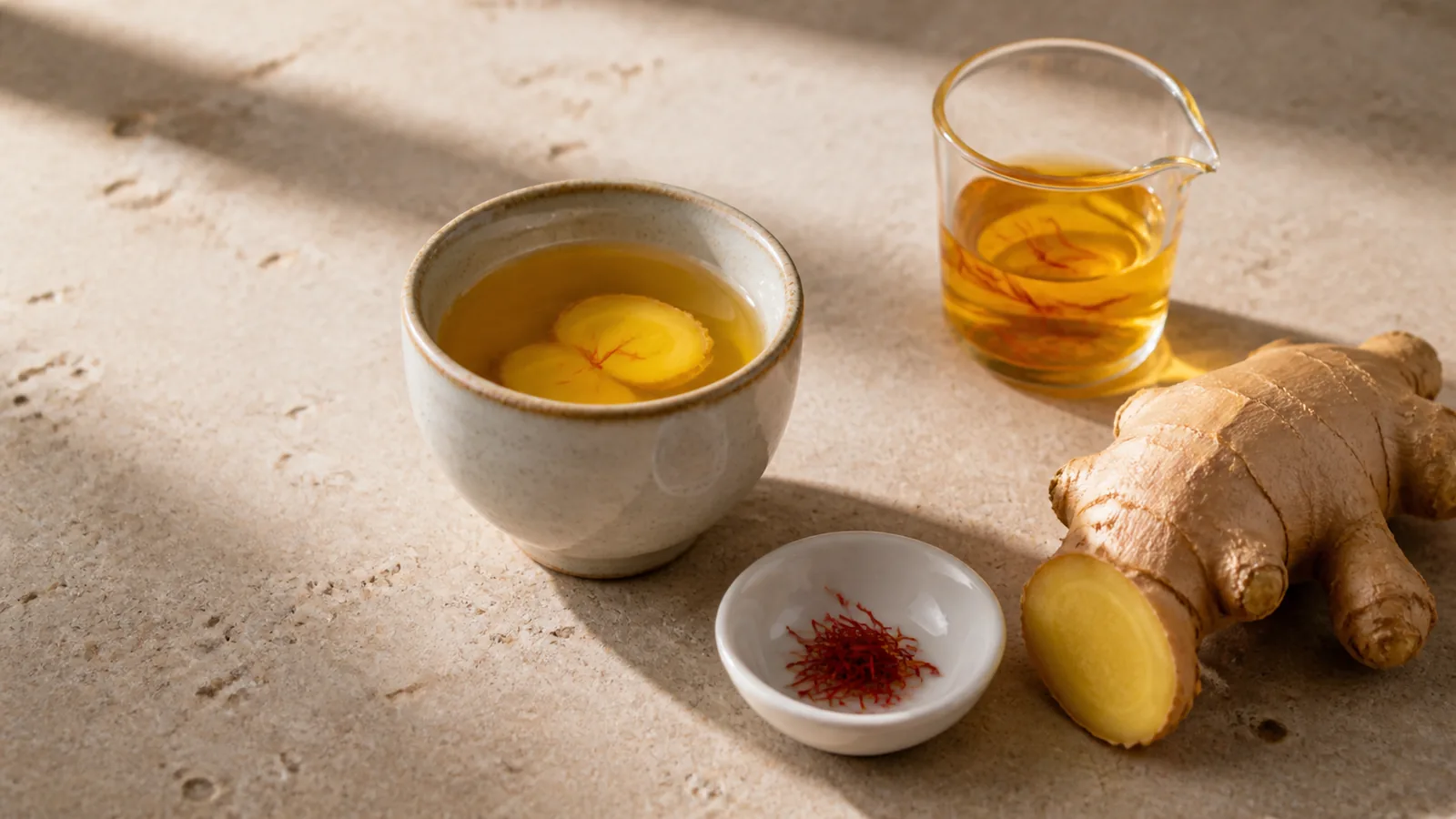
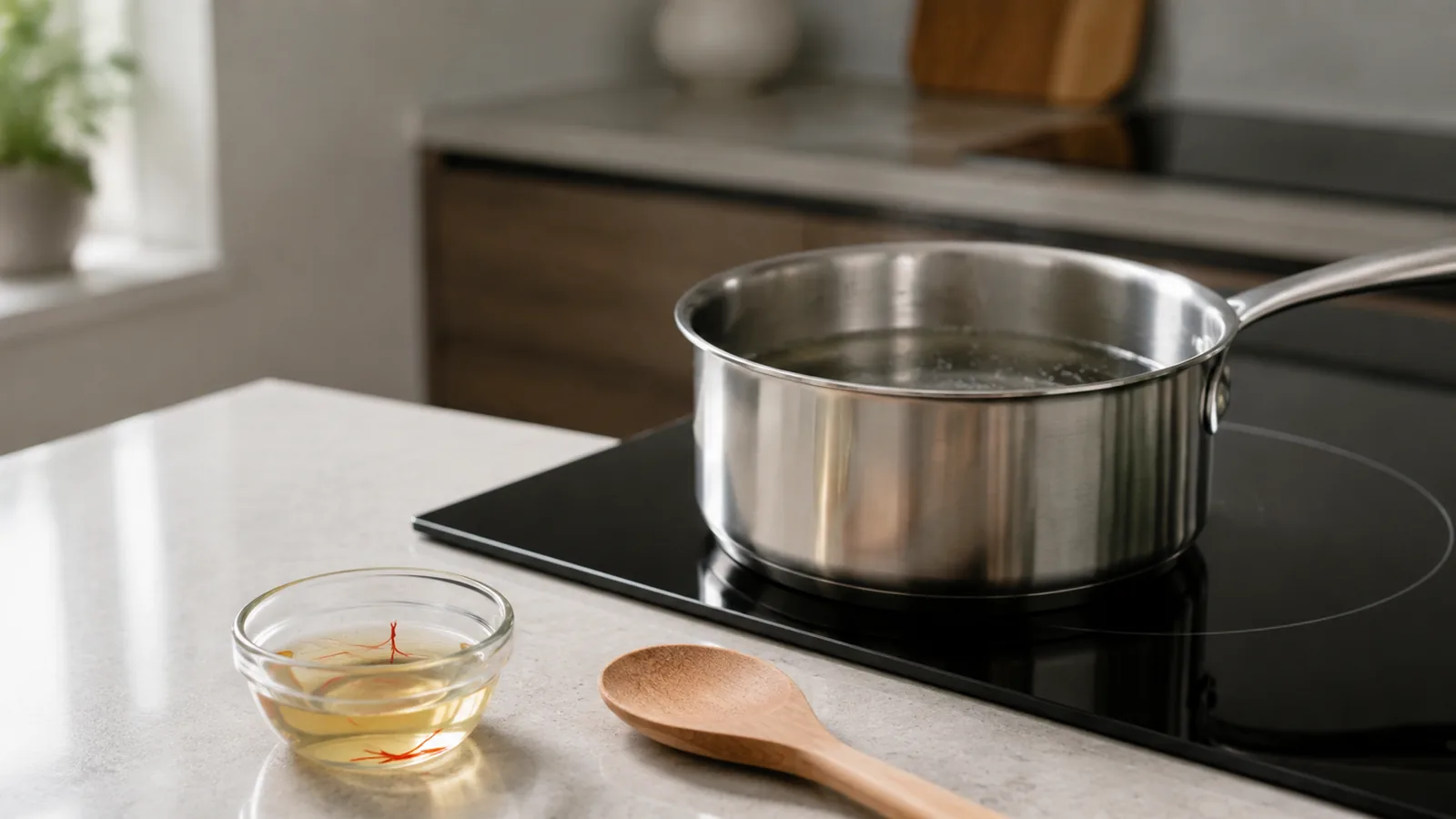
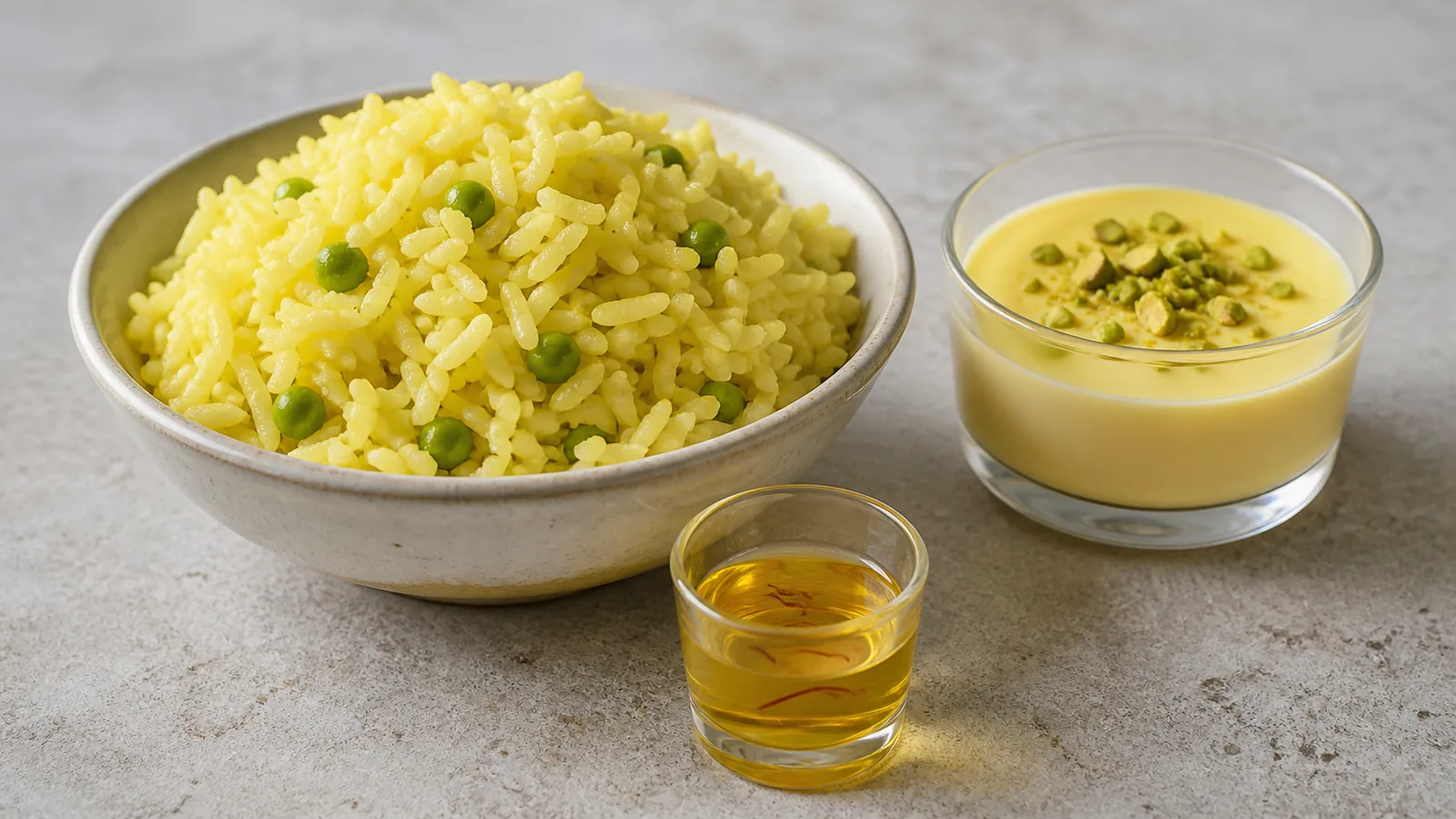
It also matters what “saffron” means. Most clinical studies test a defined extract for several weeks. A few strands used in tea, warm milk or cooking are not the same preparation, so the findings cannot be transferred directly to a culinary serving.
What studies say about saffron and anxiety
A 2026 GRADE-assessed review of 34 randomized trials found a reduction on the self-reported Beck Anxiety Inventory across six studies involving 339 participants. The studies were highly heterogeneous, meaning their findings varied considerably. The pooled result on the clinician-rated Hamilton Anxiety Rating Scale was not statistically significant. The reviewers judged the overall certainty as moderate.
An earlier review of 23 trials also reported improvements in anxiety symptoms, but found evidence of publication bias and limited regional diversity. Those limitations matter: positive small studies are more likely to reach publication, and results from a narrow group of participants may not apply everywhere.
The balanced conclusion is that saffron for calming anxiety is promising, not settled. It is especially difficult to turn pooled results into advice for one person when trials include different populations, products, doses and coexisting conditions.
Saffron is not a single anxiety remedy
Everyday worry, anxiety symptoms and an anxiety disorder are not the same. Someone may feel tense before a presentation, have persistent generalized worry, experience panic attacks or live with anxiety alongside depression. A trial in one of those settings cannot answer all the others.
The National Institute of Mental Health’s guidance on generalized anxiety disorder describes psychotherapy, medication or both as established treatment options. Cognitive behavioural therapy has substantial supporting evidence. A saffron supplement has not been shown to replace that care or to work as an emergency intervention during a panic attack.
What crocin, safranal, serotonin and cortisol can tell us
Crocin and safranal are among saffron’s best-known constituents. Laboratory and animal research investigates their possible effects on neurotransmitter, inflammatory and stress-response pathways. These mechanisms may help researchers form hypotheses, but they do not demonstrate that saffron simply boosts serotonin in the human brain and therefore eases anxiety.
The same caution applies to cortisol. One small trial may find a stress-related biological signal without proving that saffron consistently lowers cortisol in daily life. Serotonin balance, cortisol reduction and better sleep are often bundled into a neat marketing explanation; human anxiety is more complicated than that.
Could sleep or a calming routine help?
Poor sleep can intensify irritability and worry, and anxiety can make sleep harder. Some saffron studies include sleep outcomes, but an improvement in sleep does not prove a direct anti-anxiety effect. If a warm cup of saffron tea creates a quiet pause before bed, the ritual, timing and warmth may all contribute to relaxation.
That can still be worthwhile. It just belongs in the category of a pleasant food routine, not evidence that culinary saffron treats an anxiety disorder.
How saffron has been used in research
The old online recommendation of 30 to 50 mg per day needs context. Many mood studies use roughly 28 to 30 mg of a particular standardized extract. That does not establish a universal dose, and it does not make 50 mg suitable for every product or person. Concentration, composition and added ingredients vary.
Starting small and gradually increasing a dose is also not automatically safe advice. A person taking medication, managing a health condition or using several supplements needs a product-specific interaction review before changing the amount. More does not mean faster results, and supplements do not guarantee a controlled dosage merely because a number appears on the label.
How to assess a saffron product without guessing
- Identify the form. Note whether it contains whole saffron powder, crocin, a standardized extract or a multi-ingredient blend.
- Read the entire label. Record the amount per serving, suggested frequency and every other active ingredient.
- Define the symptom. Occasional stress requires a different conversation from persistent worry, panic, avoidance or impaired daily life.
- Check the complete regimen. Include prescriptions, over-the-counter medicines, vitamins, herbs and sleep products.
- Keep one simple record. Track the same anxiety measure once or twice a week, along with sleep and unusual stress, instead of relying on one memorable day.
- Set a review point with a professional. Do not keep increasing or stacking products when the intended benefit is unclear.
Safety and when to seek help
A 2026 systematic review of human safety reports found saffron generally well tolerated; gastrointestinal effects were the most frequently reported adverse events and were usually mild. Digestive issues and allergic reactions can still occur. Stop a new product and seek advice if it causes a rash, marked dizziness, persistent stomach symptoms or an unexpected change in mood.
Ask a healthcare provider or pharmacist before concentrated saffron use if you take medication, are pregnant or breastfeeding, have bipolar disorder or another ongoing condition, or are considering it for a child. Do not reduce or stop an antidepressant or anti-anxiety medication to accommodate a supplement.
Anxiety that is persistent, worsening or interfering with sleep, work, relationships or daily activities deserves professional assessment. Severe agitation, inability to stay safe or thoughts of self-harm require urgent help.
The practical answer
Saffron to reduce stress and anxiety has some supportive trial evidence, especially on self-reported symptom scales. The mixed clinician-rated findings, high variation among studies and product differences mean it should be described as a possible complementary option, not an effective natural remedy for everyone.
Use normal culinary saffron for its flavour and aroma. If you are considering an extract for anxiety, bring the exact label to a qualified professional and keep proven care in place. Our whole-thread saffron range is intended for food use, not as a promise of anxiety relief.