Does saffron go with spinach?
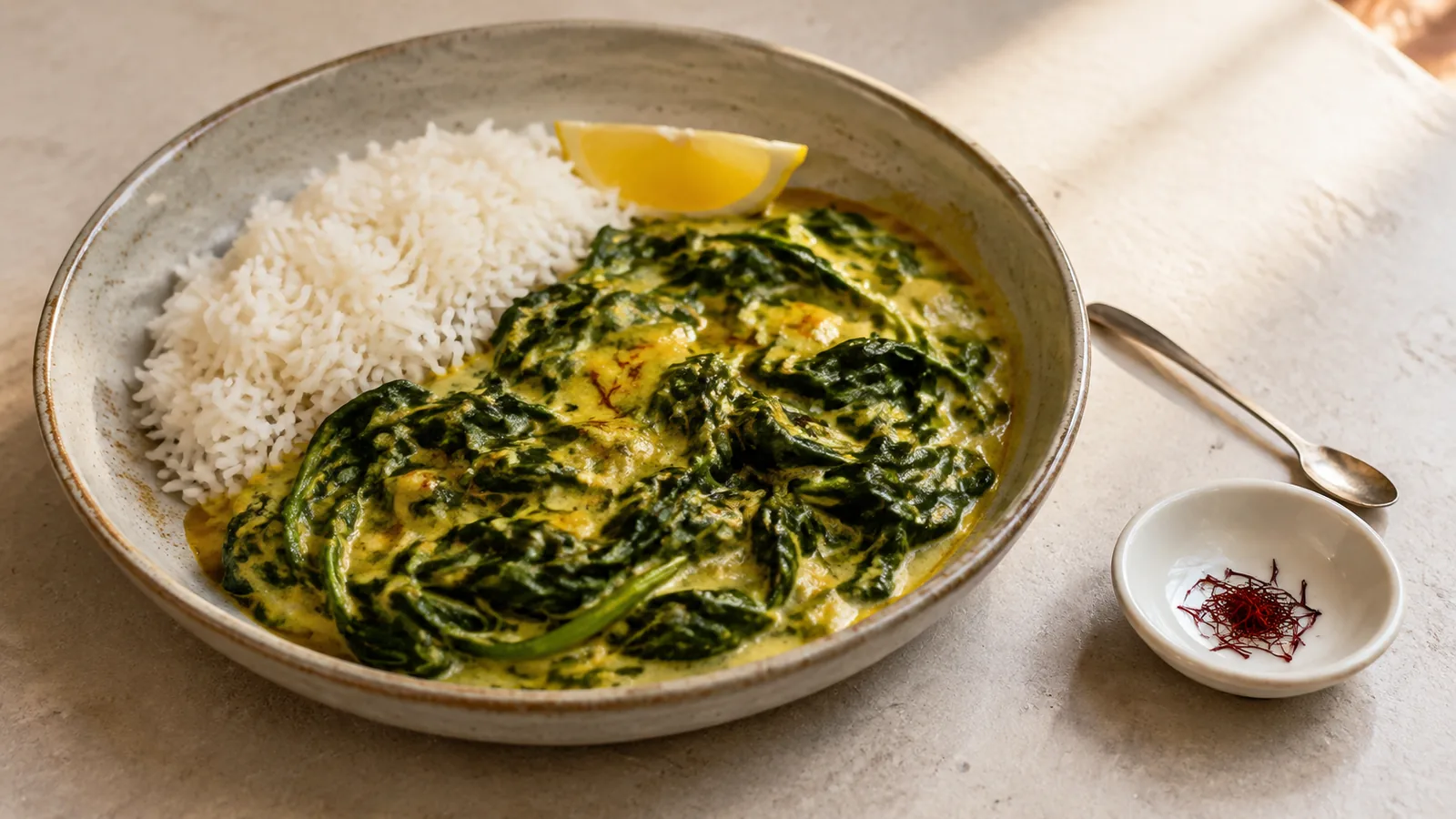
Yes, saffron goes with spinach. Saffron’s floral, honeyed aroma softens the earthy edge of cooked spinach, while the greens give a savoury base to the ... Read More...



Yes, saffron goes with spinach. Saffron’s floral, honeyed aroma softens the earthy edge of cooked spinach, while the greens give a savoury base to the ... Read More...
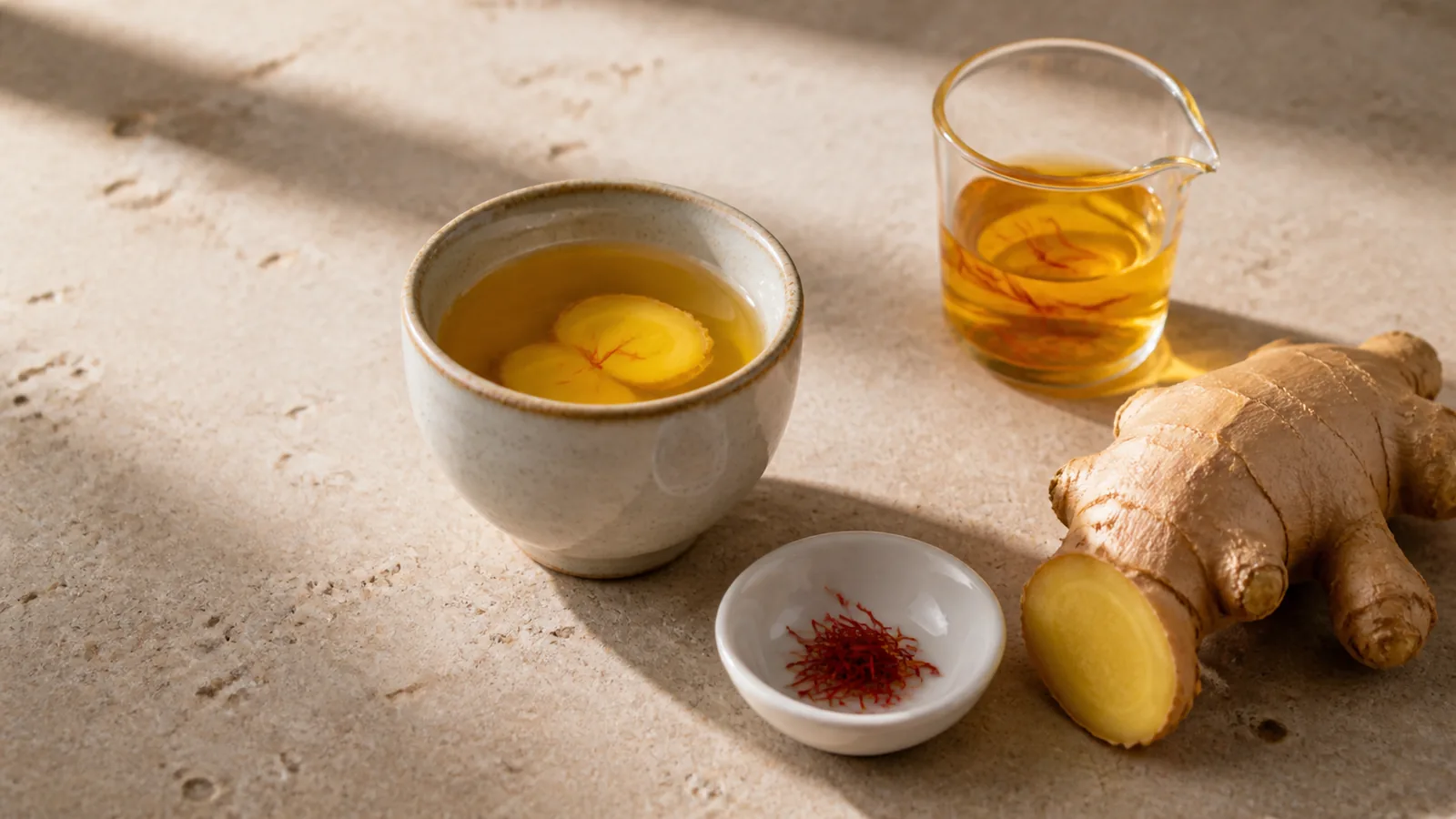
Yes, ginger goes well with saffron. Ginger brings fresh heat and citrusy sharpness, while saffron is more delicate, with floral, honeyed and earthy notes. A ... Read More...
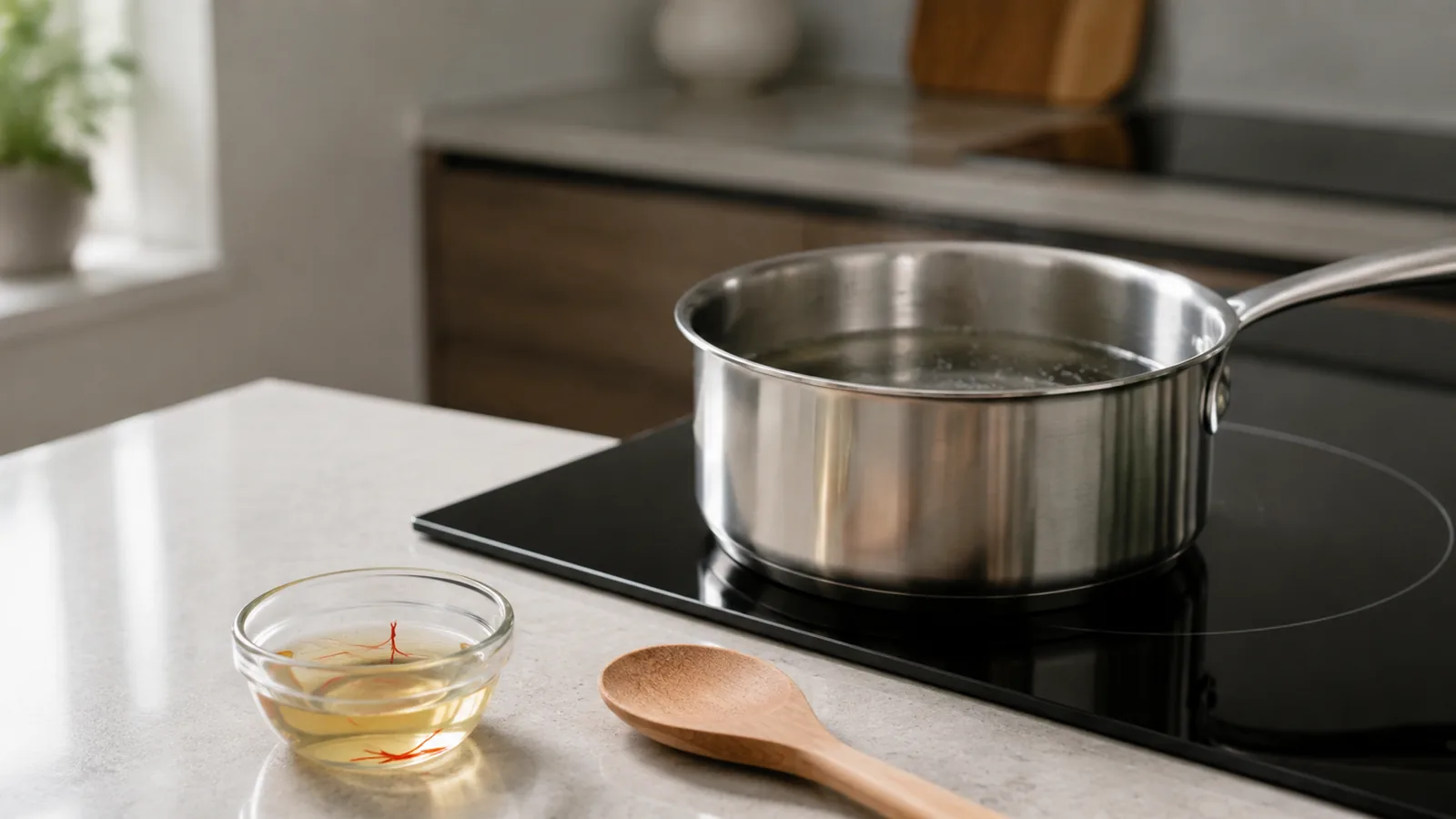
Do not boil saffron hard or for a long time. This precious spice has a unique aroma as well as colour and taste; boiling it ... Read More...
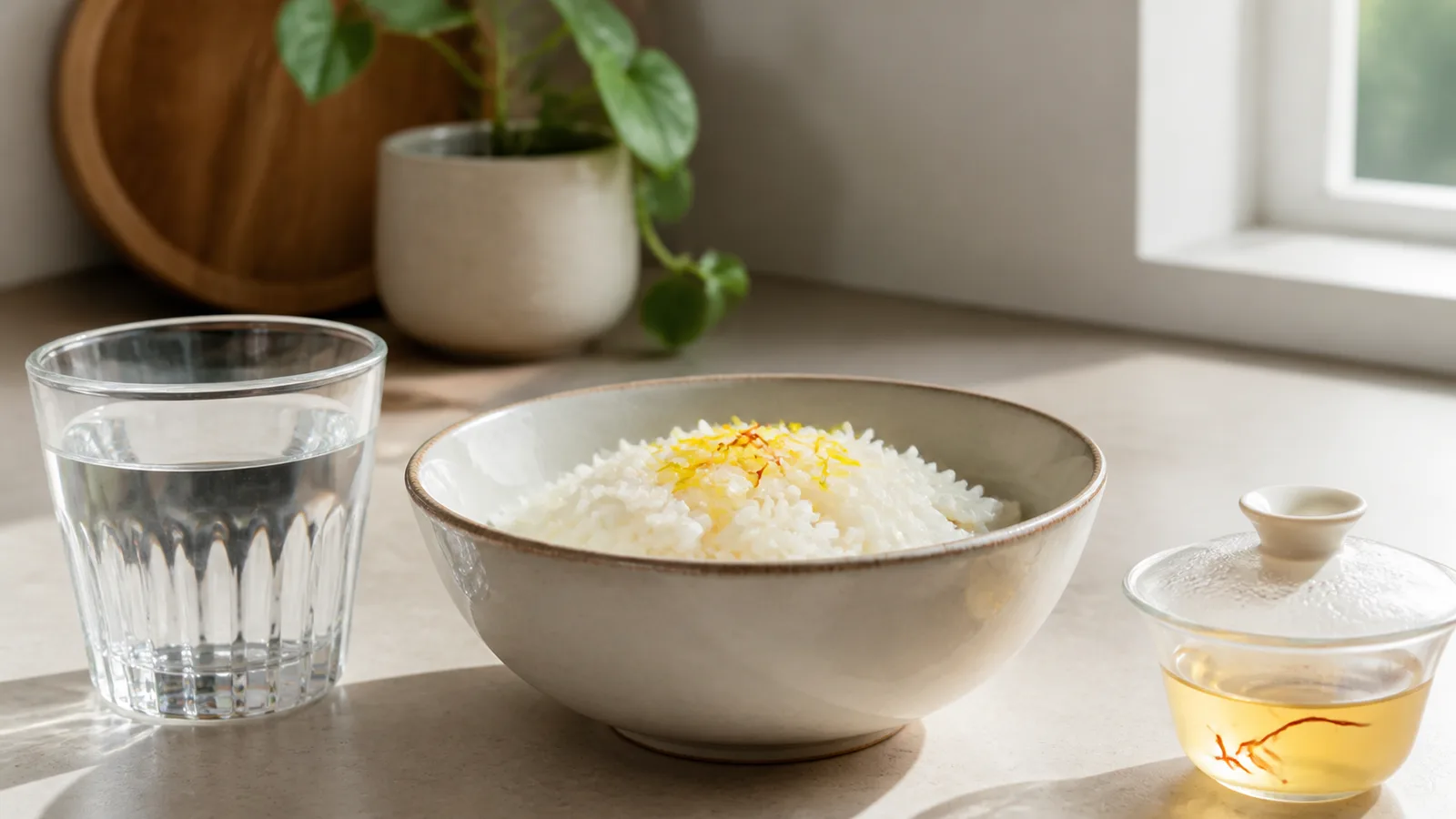
Saffron is used in small amounts to add a golden colour, distinctive aroma and delicate flavor to food. Its best-known culinary uses include rice, risotto, ... Read More...
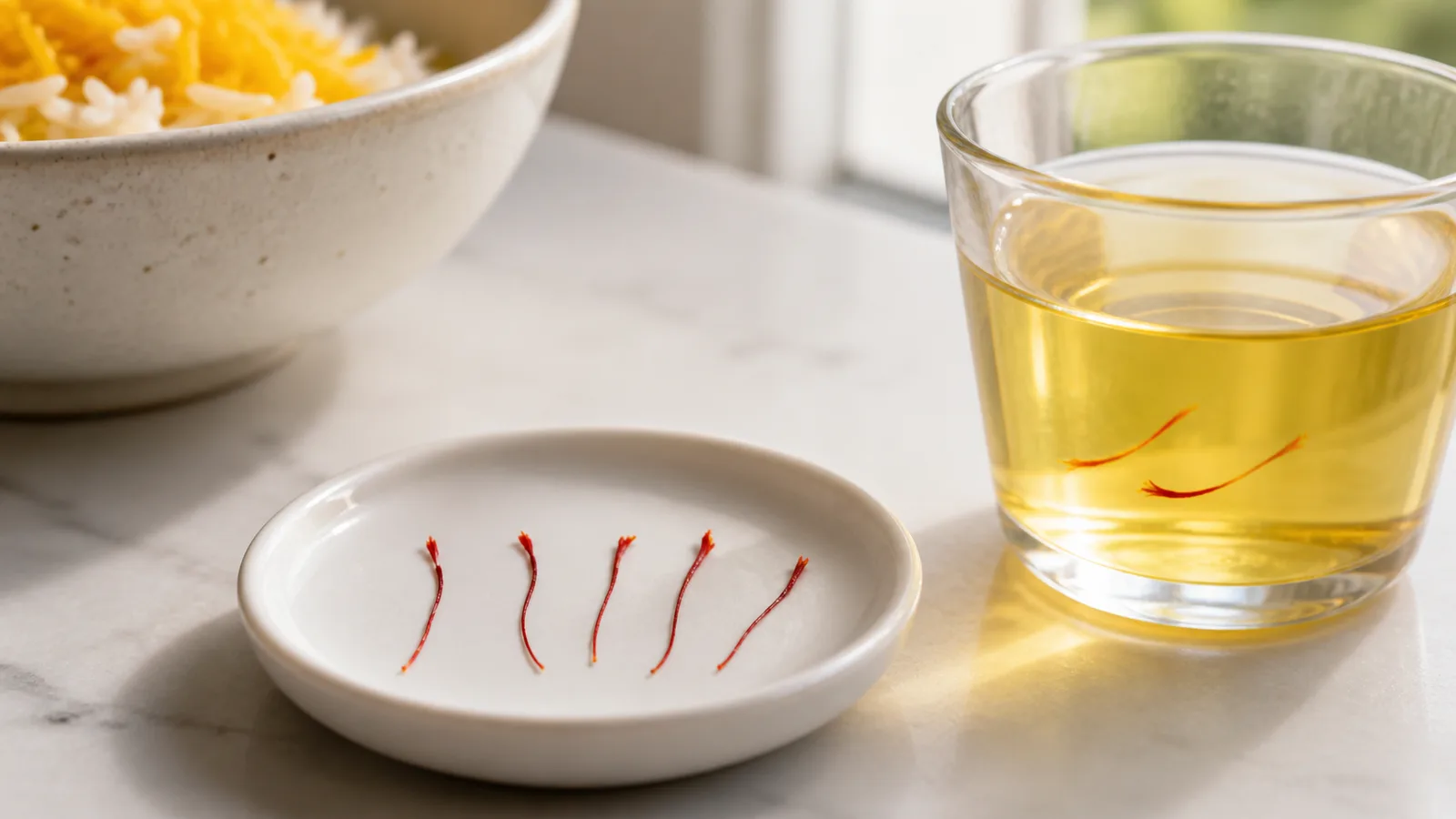
For normal culinary use, 5–15 saffron strands across a day is a modest practical amount for many adults. It is not a scientifically established daily ... Read More...
Yes, saffron adds a noticeable flavour even in a small amount, but it is more aromatic and layered than forceful. The flavor of saffron is ... Read More...
Saffron may affect appetite in some study settings, but it is not established as a reliable appetite suppressant. Research on saffron appetite effects has mostly ... Read More...
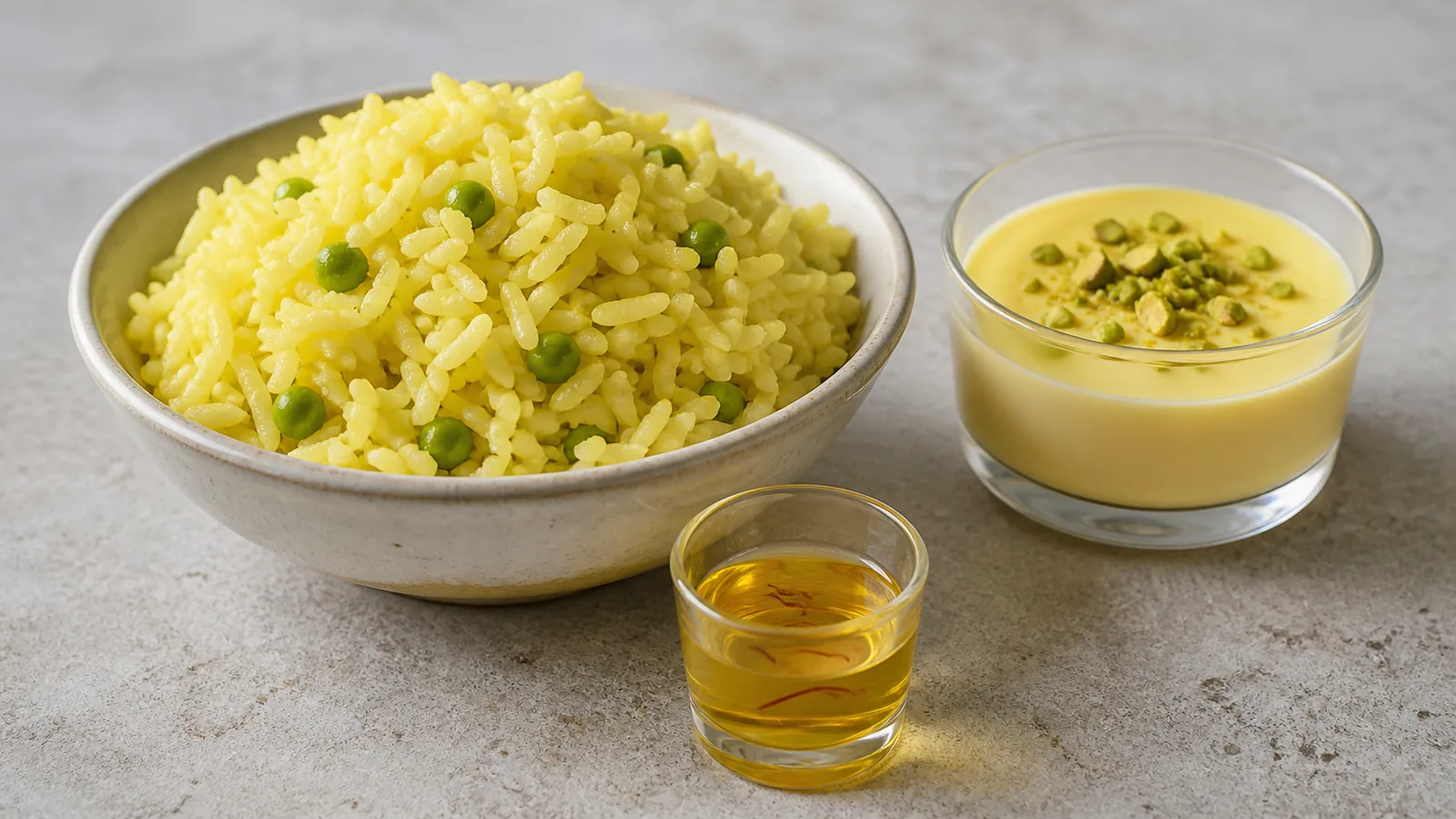
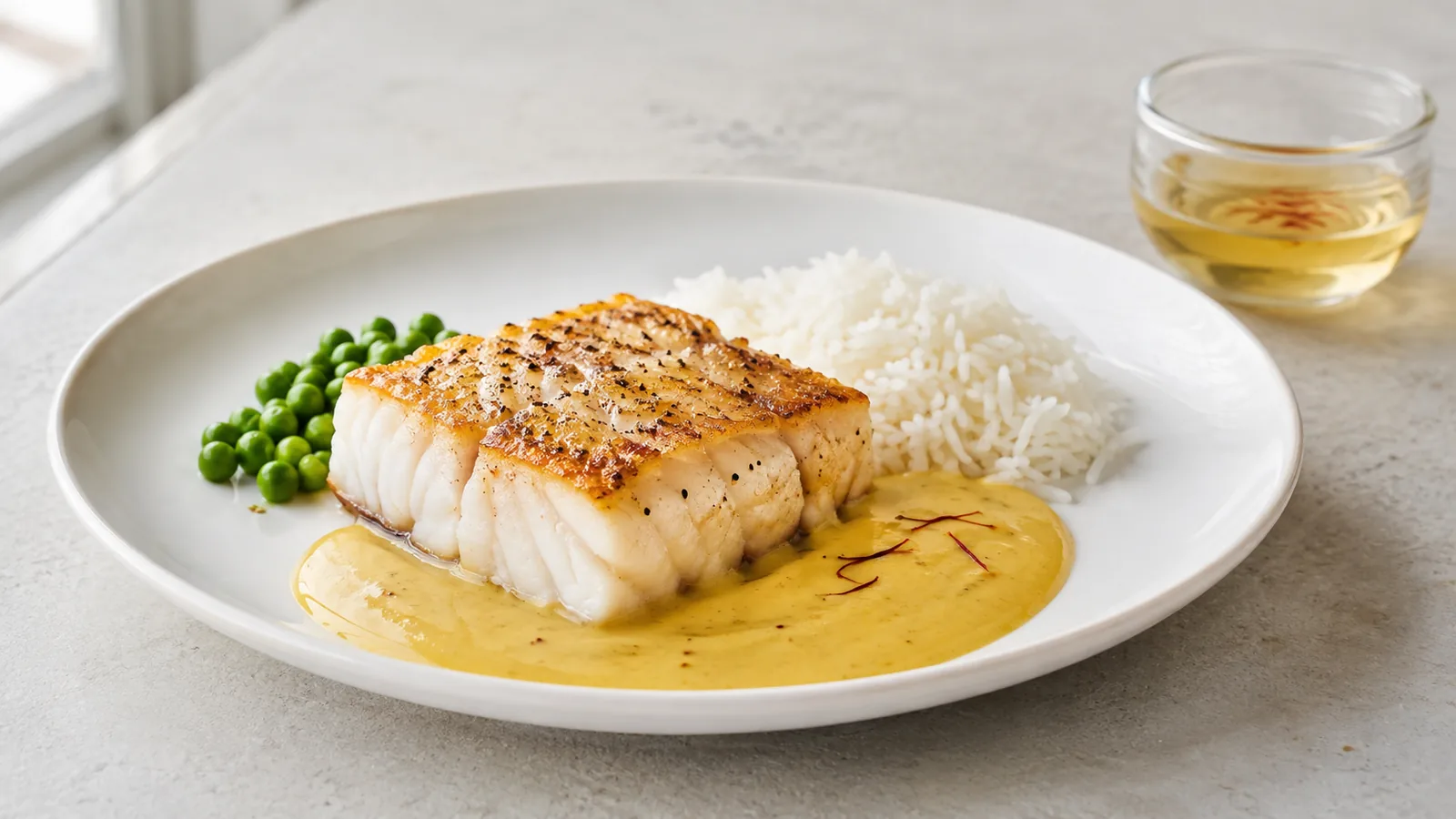
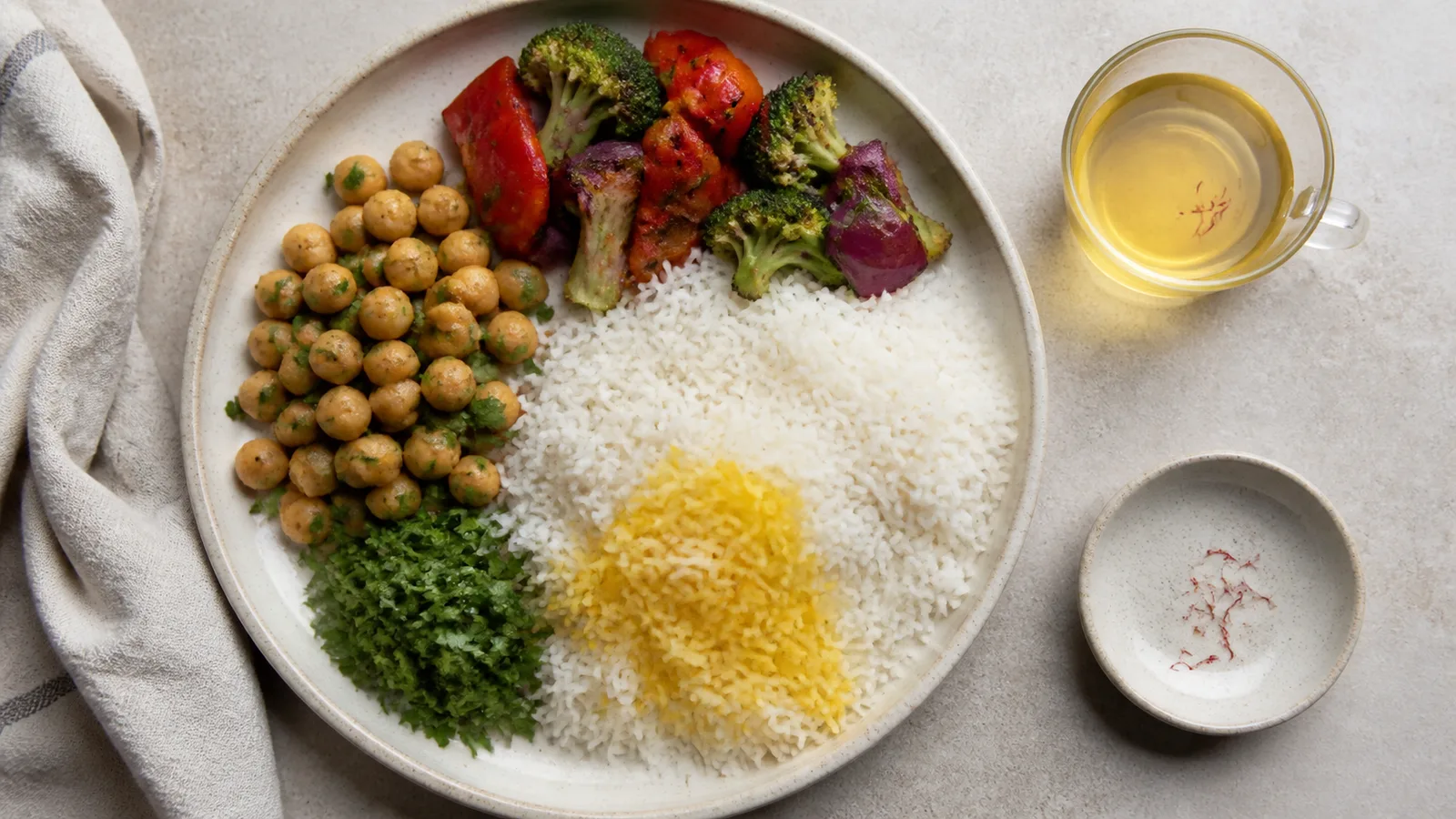
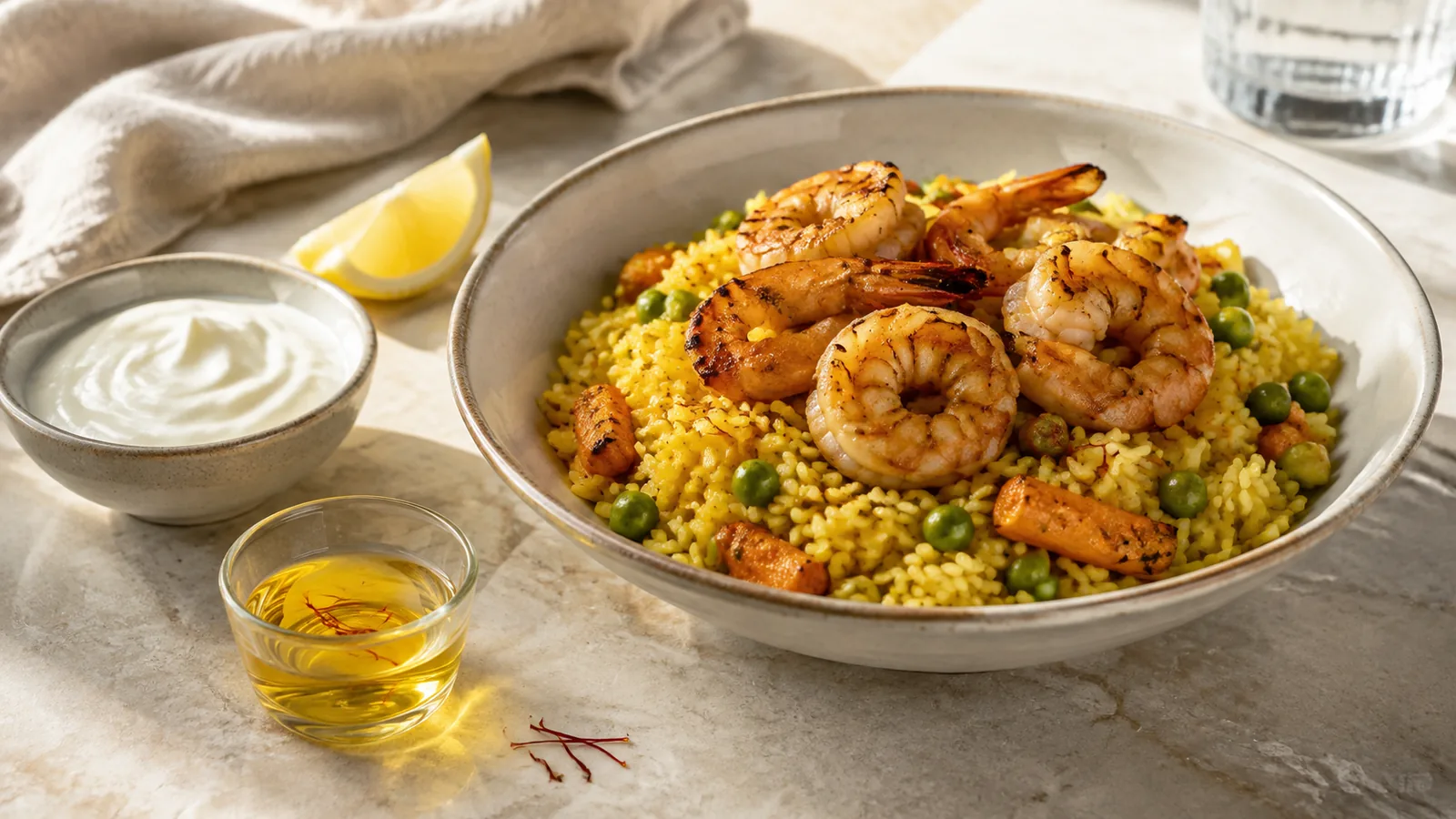
The foods that pair with saffron best are mild grains, seafood, chicken, lamb, gently flavoured vegetables and creamy dairy ingredients. Rice is the easiest starting ... Read More...
Saffron is not generally bad for the gut when it is used in the small amounts typical of cooking. However, concentrated tea, extracts or supplements ... Read More...
The possible bad effects of saffron include nausea, vomiting, diarrhoea, headache, dizziness and allergic reactions. These risks of saffron use depend heavily on the amount ... Read More...