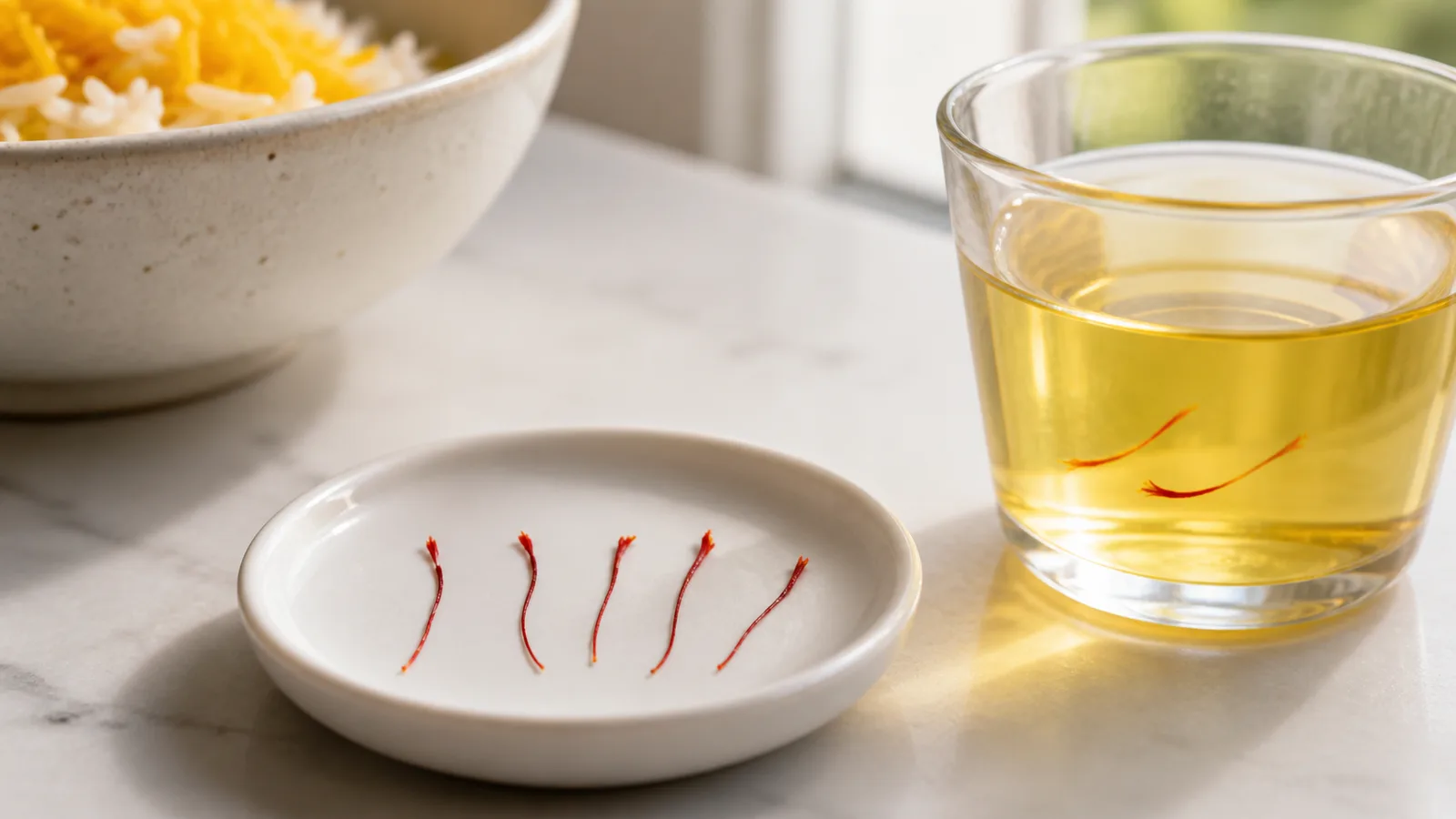
Yes, saffron adds a noticeable flavour even in a small amount, but it is more aromatic and layered than forceful. The flavor of saffron is floral, earthy and hay-like, with a faint honeyed impression and a controlled bitterness. Used well, it adds depth to a recipe’s overall flavor profile without making rice, seafood, vegetables or dessert taste only of spice.
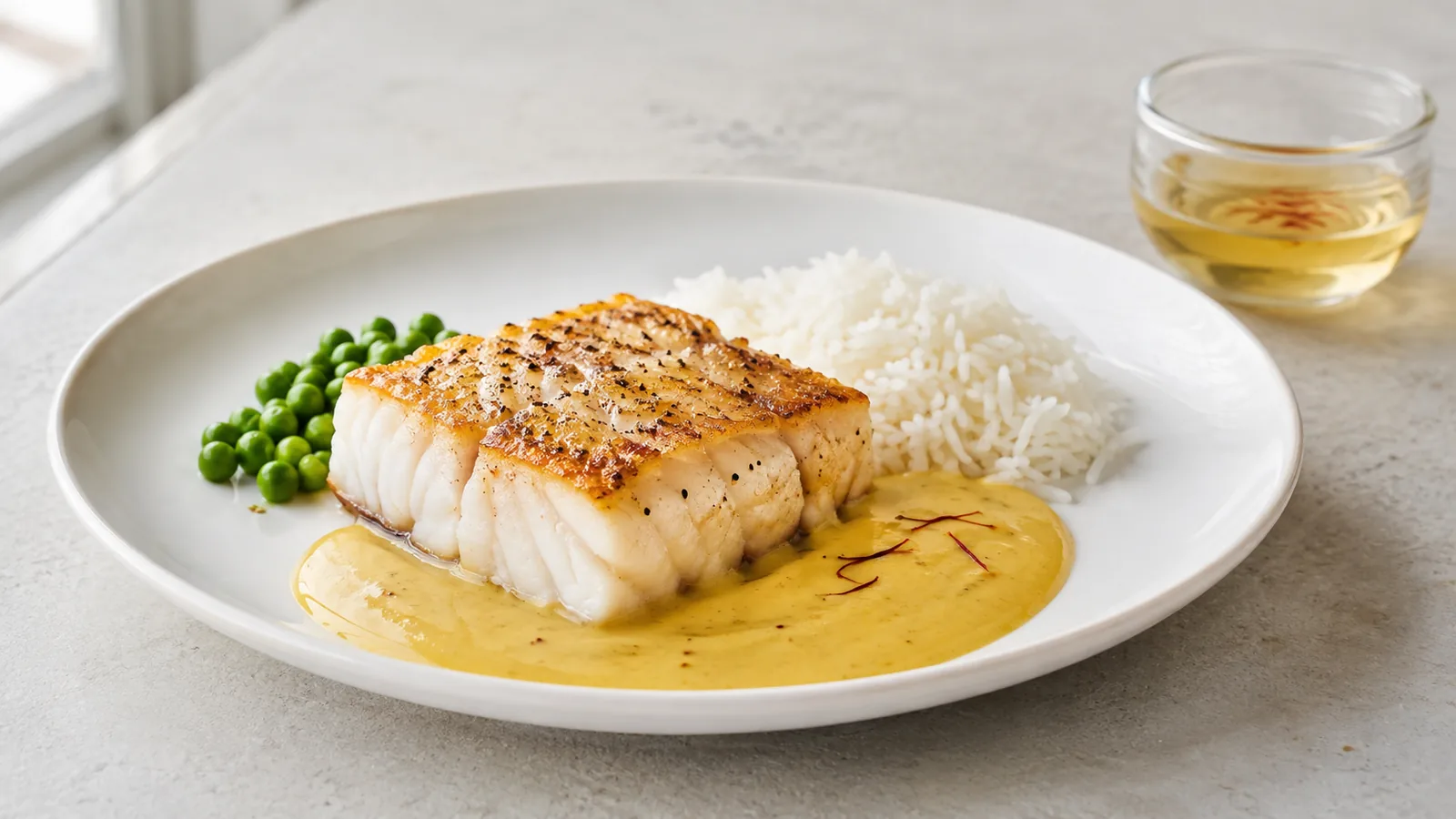
What is the flavor of saffron?
Saffron’s taste is subtle yet complex. People often call it slightly sweet, but the threads do not sweeten food like sugar. The impression comes from their warm floral aroma. There is also an earthy, sometimes mineral quality and a light bitterness that becomes much clearer when too much is used.
This distinctive aroma is a major part of the experience. If you taste a dish while holding your nose, the saffron flavor profile will seem much flatter. That is why careful heating and serving the food while its fragrance is still fresh matter as much as colour.
How strong is saffron flavor intensity?
Saffron flavor intensity depends on thread quality, dose, blooming method, cooking time and the other ingredients in the dish. A pinch can be enough for four servings when the recipe has a mild base. The same amount may be difficult to detect in a large stew with smoke, chilli and many strong spices.
Intensity is not simply a question of adding more. A heavy dose can taste bitter or medicinal. The aim is a clear aroma that complements both savory and sweet dishes while each recipe retains its own character.
How blooming changes the flavour
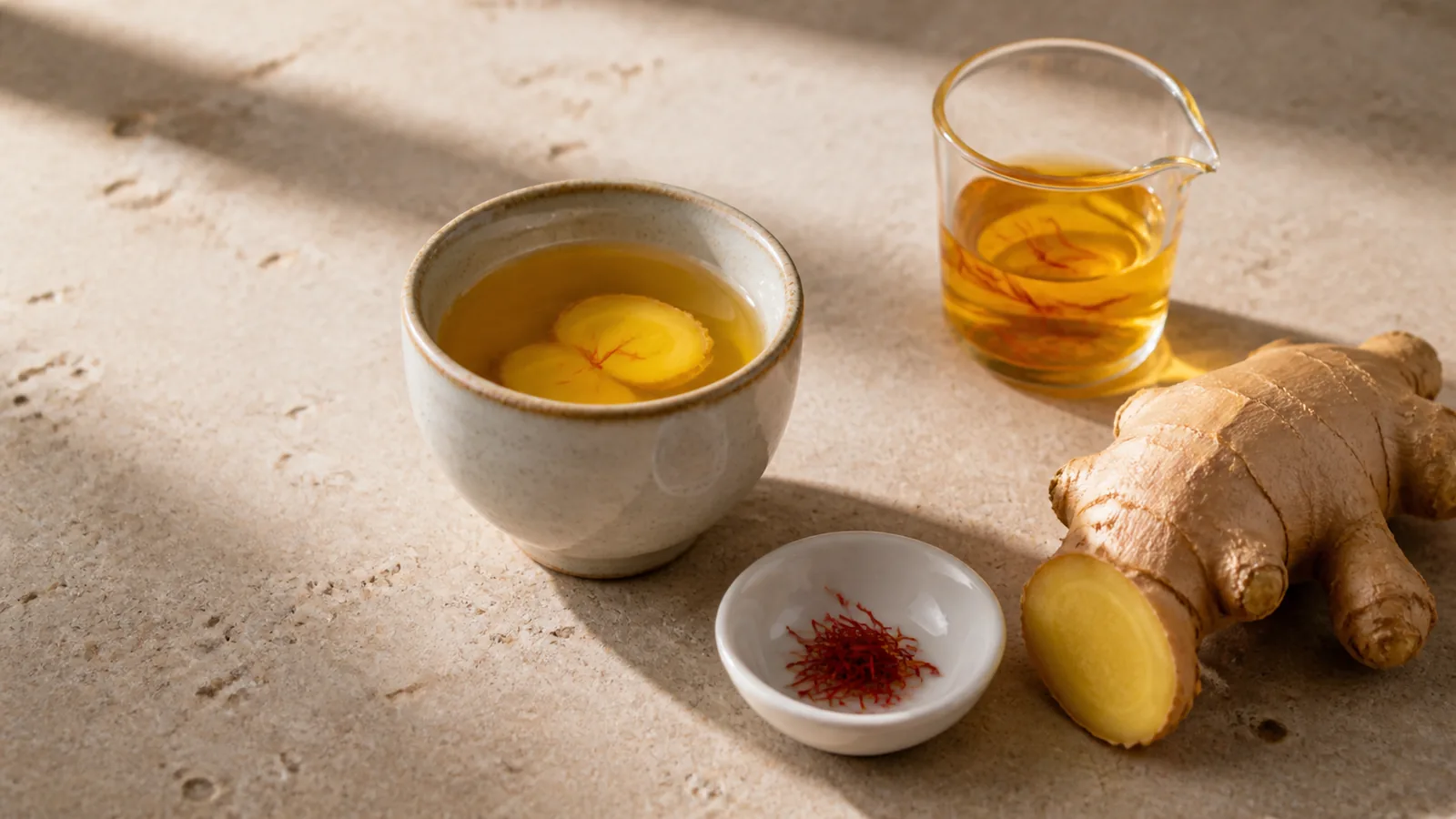
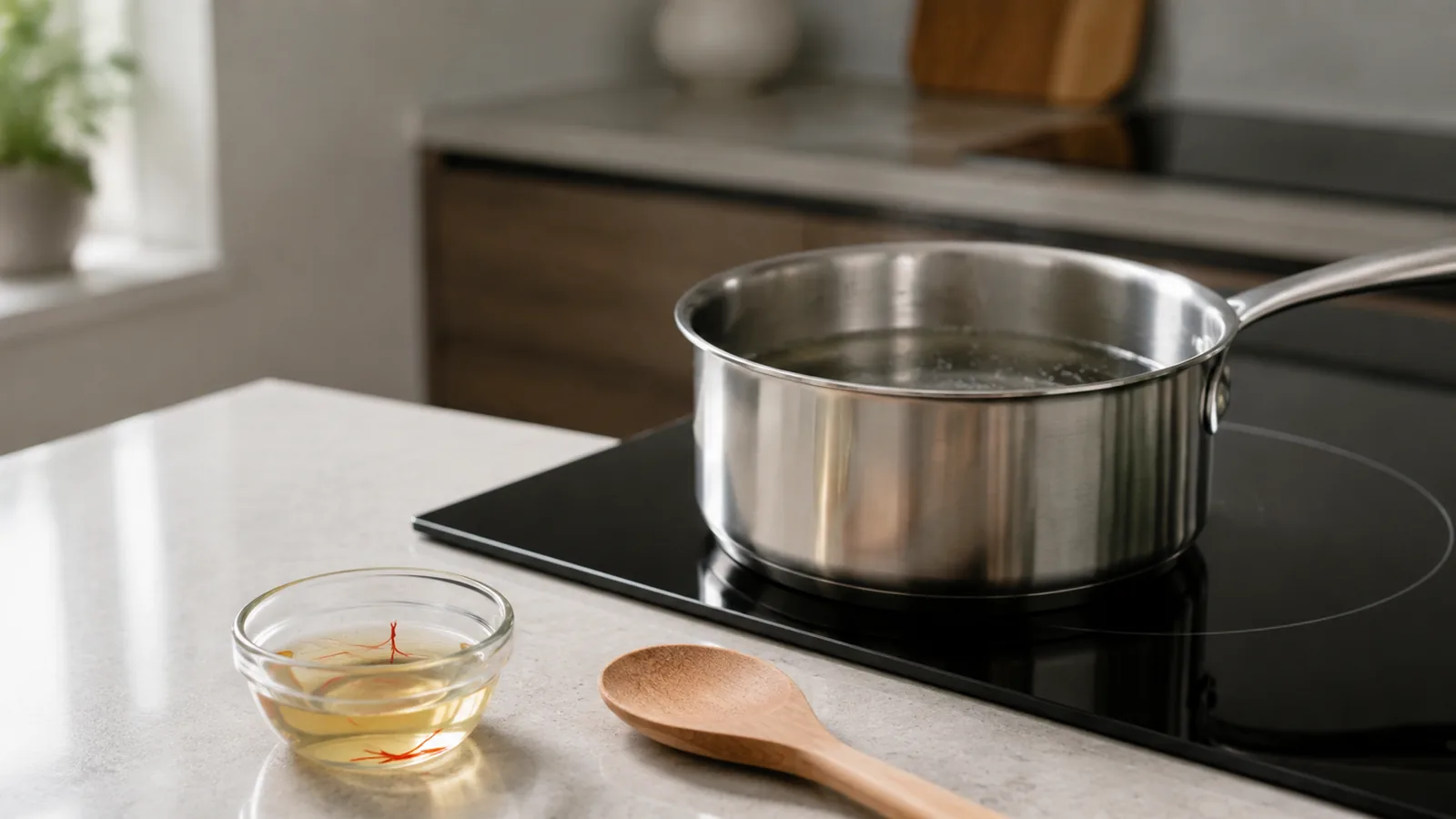
Lightly crush the threads and soak them in a small amount of warm water, milk or broth for 10 to 15 minutes. This helps release aromatic compounds and spreads the colour and taste evenly through the dish. Add both the liquid and softened threads.
Blooming is reliable, though it is not mandatory in every moist recipe. Dry threads added directly to food may release their character unevenly. A concentrated infusion gives you more control and makes it easier to judge the strength before serving.
Should saffron be added early or late?
Both approaches have a purpose. Adding the bloom during cooking lets the flavor of saffron infuse through rice, broth or sauce. Adding it toward the end protects more of the delicate aroma. For a long-cooked dish, a practical compromise is to add most of the infusion in the later stages rather than at the very beginning.
Avoid frying dry saffron or boiling it hard for a long time. High heat can flatten the fragrance, leaving colour without the full sensory effect.
Foods that make saffron easier to taste
Mild ingredients provide a clean background for saffron flavoring. Useful pairings include:
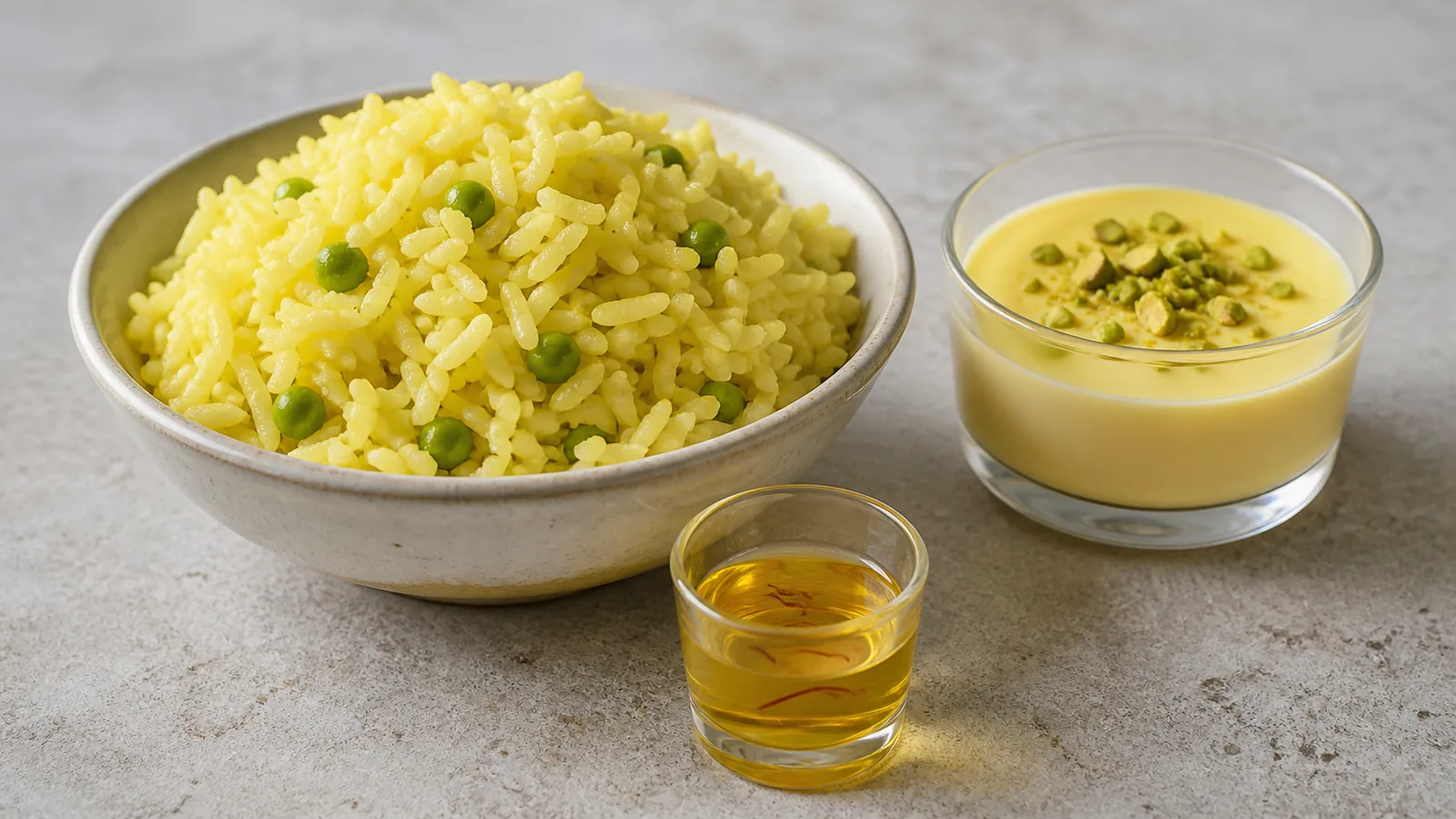
- Rice and risotto: the grains absorb the infusion while butter or olive oil rounds out the bitterness.
- Pasta and sauces: cream, mild cheese, seafood and gentle vegetables carry the aroma.
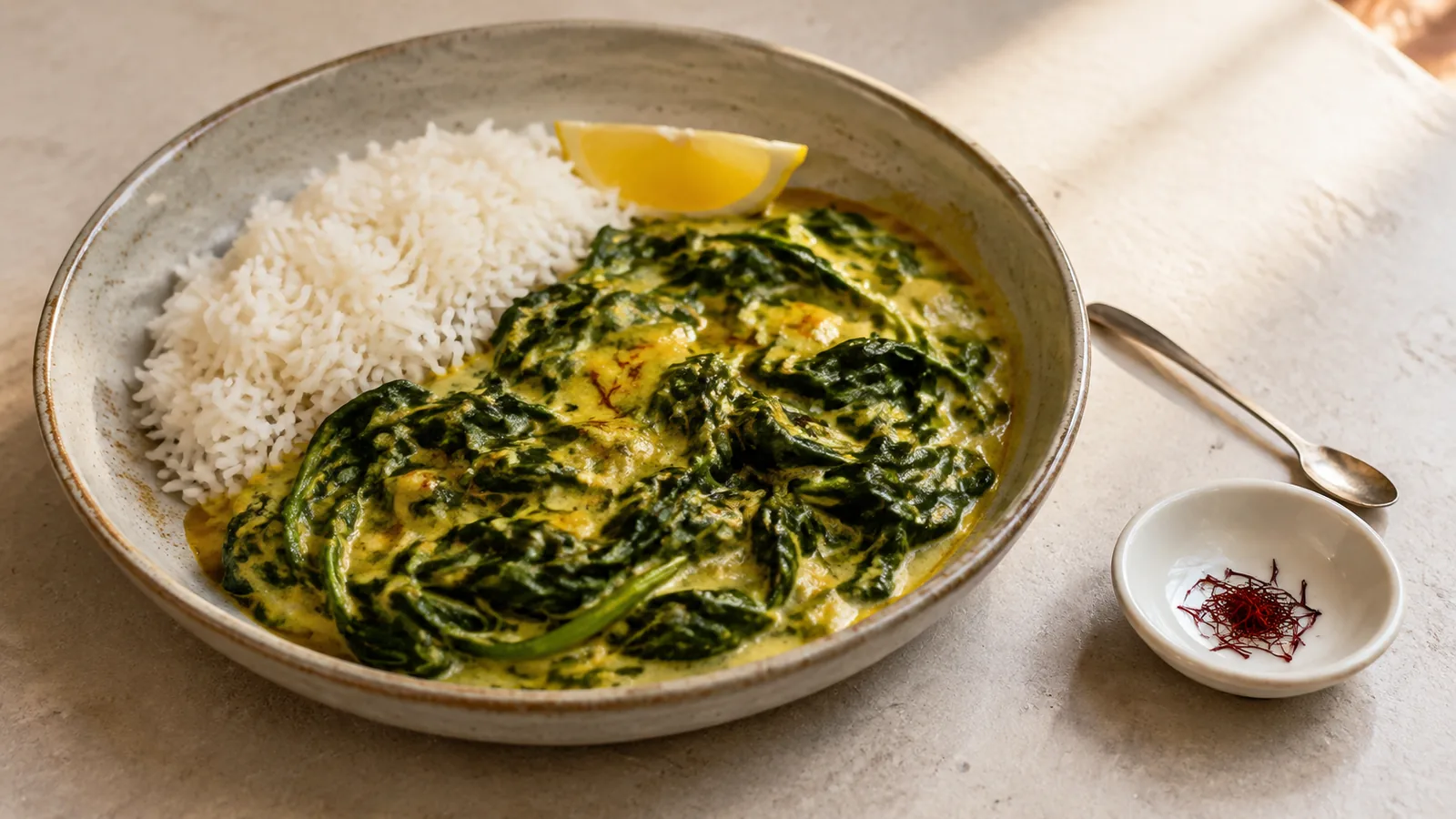
- Poultry and seafood: chicken, shrimp, scallops and white fish have enough flavour to be satisfying without masking the spice.
- Mild vegetables: fennel, leek, peas, carrots, potatoes and cauliflower are compatible partners.
- Desserts: milk, cream, honey, citrus, almond and pistachio allow the floral side to come forward.
For a broader guide, see our tested approach to saffron flavor pairings.
What can overpower saffron?
Large amounts of chilli, heavy smoke, intense bitterness and aggressive spice blends can cover it. Strong tomato acidity may also shift the balance. These ingredients are not incompatible, but use them deliberately and taste the dish before increasing the saffron.
Fat can help aroma linger, which is why butter, cream and olive oil are useful. It does not “release” saffron on its own, however; water or another suitable liquid is still the main medium for blooming the threads.
Does saffron add flavour or only colour?
It adds both. The golden color is immediately visible, but authentic saffron also contributes a unique taste and distinctive aroma. A yellow dish with no floral-earthy fragrance may have been under-dosed, overcooked or coloured with another ingredient.
Our detailed explanation of what flavor saffron adds to food compares the sensory effect across different dishes.
How to tell whether you used enough
Look for a warm aroma when the dish is stirred, a recognisable but not harsh taste, and colour that fits the amount and recipe. If the result is barely detectable, improve the blooming method before automatically doubling the dose. Use less liquid, crush the threads lightly and allow enough infusion time.
If the dish tastes bitter, metallic or medicinal, too much saffron may be the cause. Dilution can help a sauce or broth, but prevention is easier: start with a small pinch and record the quantity that worked.
Does higher quality mean stronger flavour?
High-quality saffron threads should have a clean, rich aroma and a predominantly deep crimson colour. Quality affects the result, but it does not make every batch identical or guarantee maximum taste. Storage matters too; heat, light, air and moisture gradually weaken the spice.
Whole threads are easier to inspect and measure than an unidentified powder. Keep them airtight in a cool, dark, dry place, then bloom only what the recipe needs.
The practical answer
Saffron can significantly enhance a dish, yet it should not overwhelm it. Proper blooming, careful pairing and moderate heat create enhanced taste, aroma and visual appeal from a tiny amount. That balance—not maximum strength—is what makes the meal memorable.