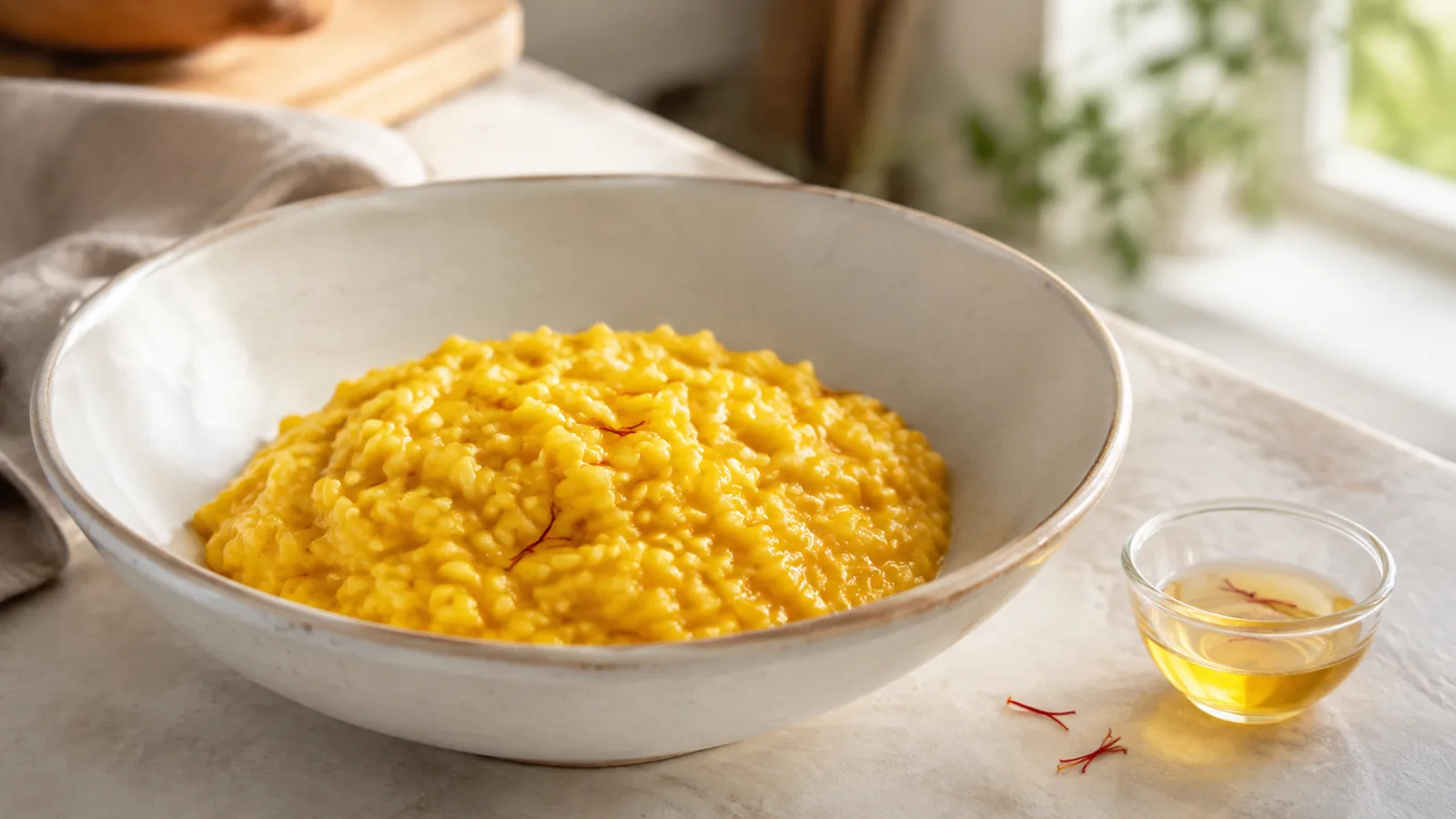
Saffron adds a floral, earthy and slightly sweet, honeyed flavor to food, followed by a mild bitter edge. The effect is subtle but distinctive. Its aroma is often more noticeable than its taste. Used in the right amount, it gives a dish warmth and depth without covering the ingredients already there.
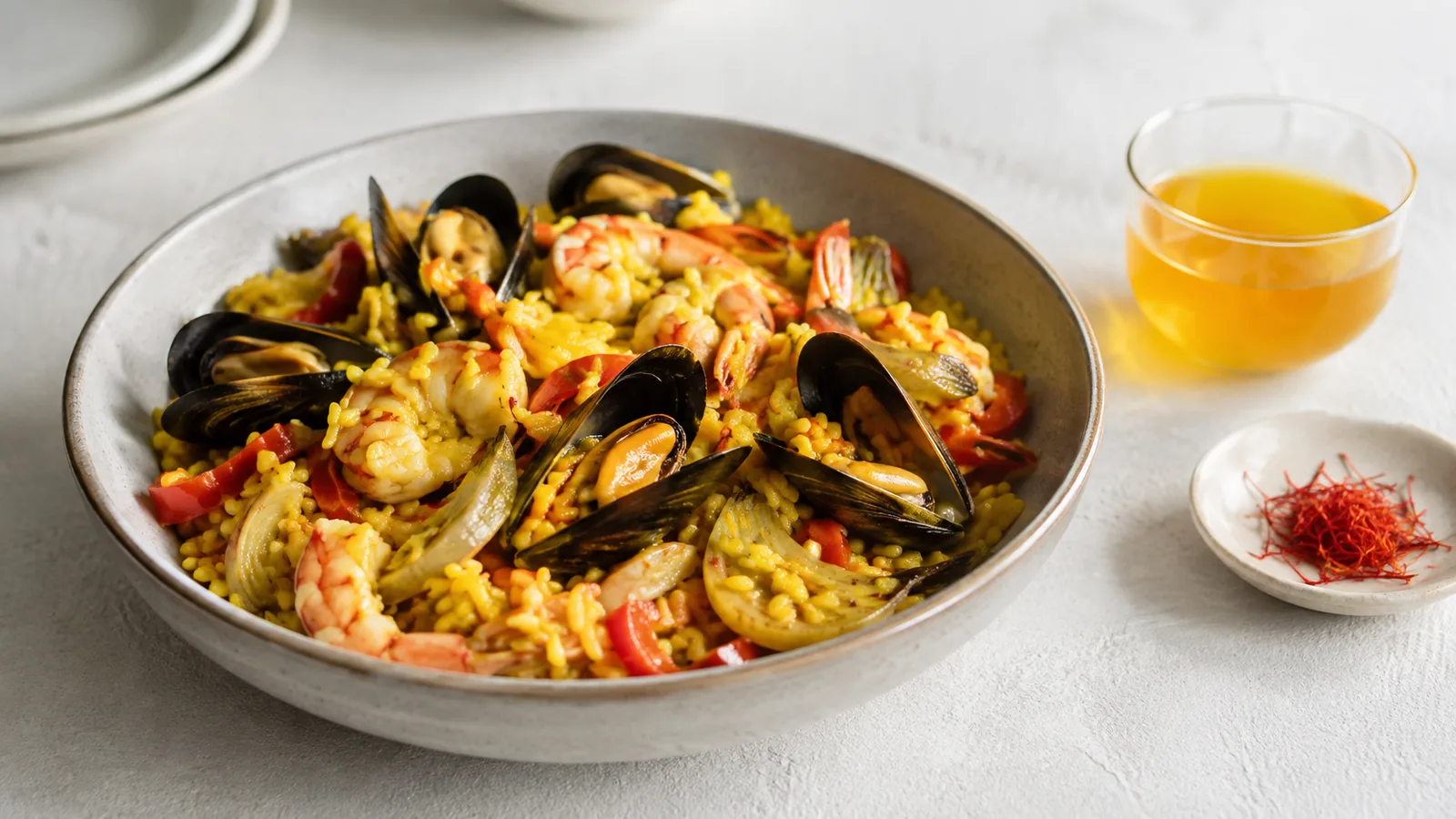
What does saffron taste like?
Saffron taste is complex rather than plainly sweet or savory. People often describe dried flowers, warm honey, hay, tea and a slight mineral quality. None is a perfect comparison, but together they explain why the spice can suit both a rice dish and a custard.
What flavor is saffron at its best? Distinctive but restrained. A harsh medicinal taste usually points to too much spice, scorching or poor storage.
What saffron adds beyond flavor
Saffron also contributes a recognisable aroma and a golden-yellow colour. These qualities work together: a diner sees the warm colour, smells the floral compounds and then notices the earthy, honeyed flavour.
Colour alone is not proof of strong saffron. Turmeric, annatto and artificial dyes can create yellow food without reproducing saffron’s sensory profile.
How it changes rice and other starches
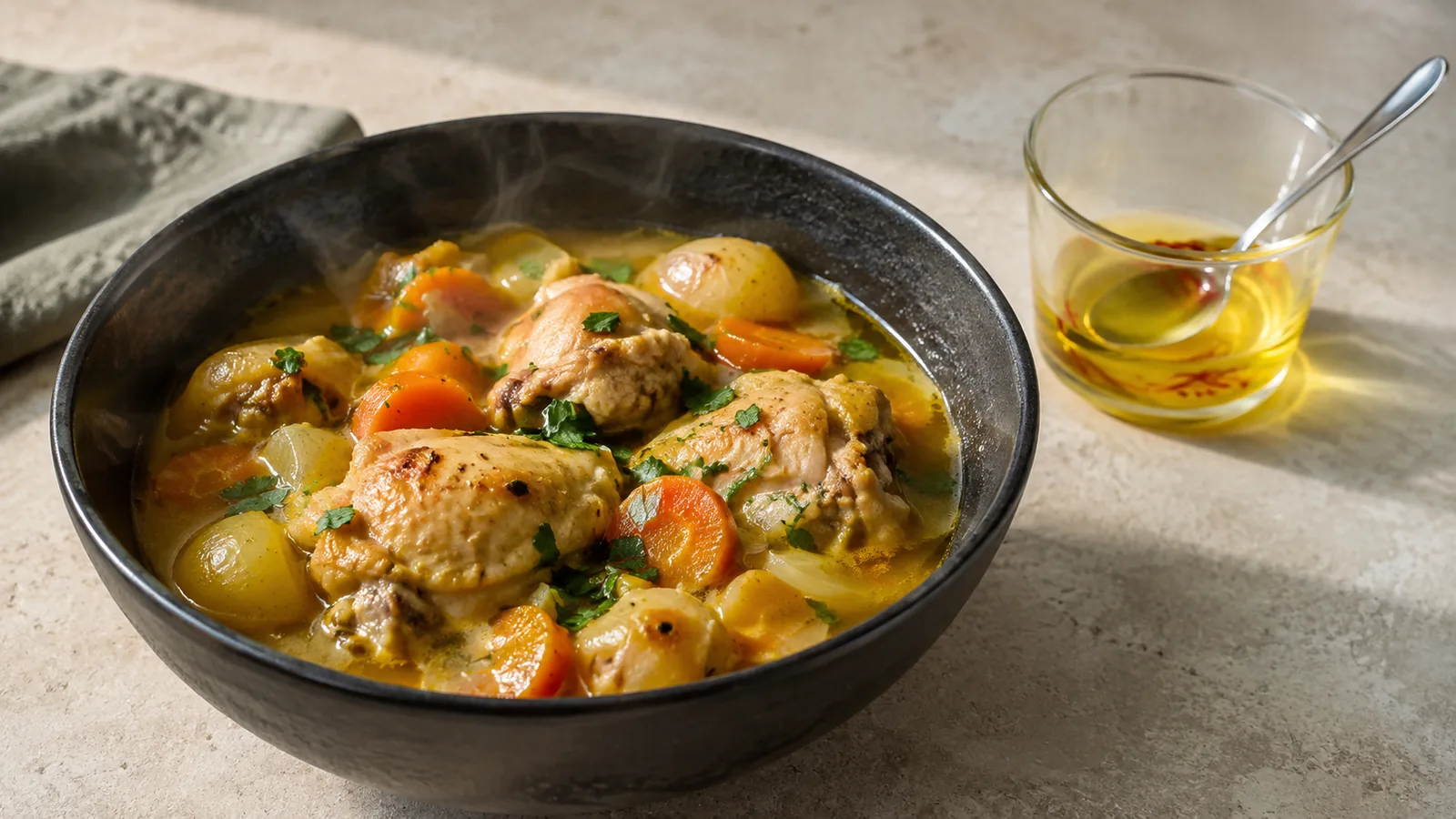
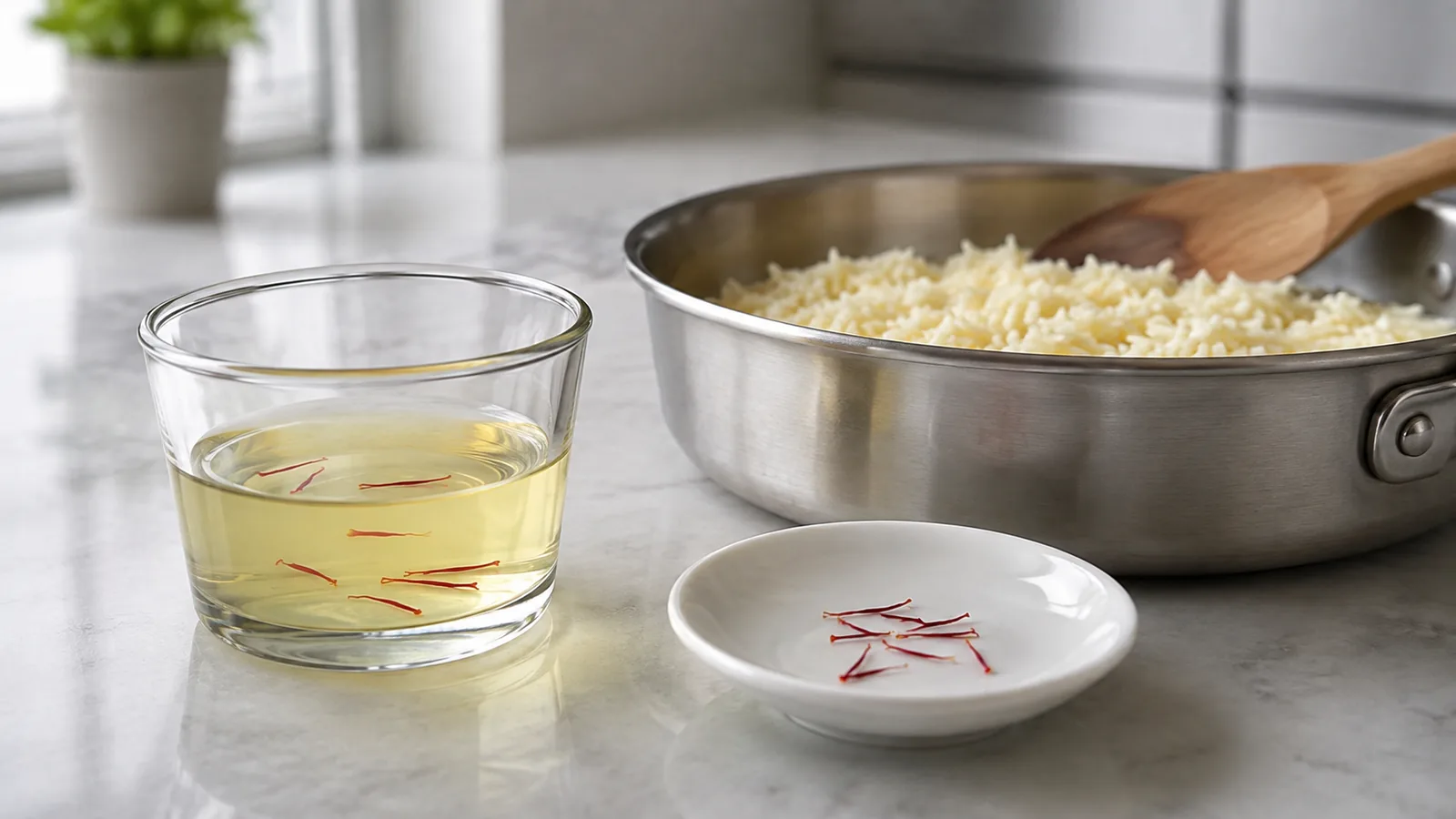
Rice absorbs a saffron infusion and spreads it across many grains, producing warm aromatic depth. In paella, biryani, pilaf and risotto, saffron supports stock, onion and gentle spices while remaining identifiable.
Potatoes, pasta, couscous and bread can carry it too. Because these foods are relatively mild, the dosage should stay measured; too much bitterness has nowhere to hide.
What it adds to seafood, poultry and meat
With seafood, saffron brings a floral warmth that complements shellfish and firm white fish. In poultry dishes, it works through marinades, broth, rice or cream sauce. Lamb and other meat can take a slightly stronger infusion, especially in slow-cooked stews. Cardamom, cinnamon and black pepper can support these savoury dishes when used sparingly.
Garlic, onion, fennel, tomato and citrus are useful partners. Very hot chilli, smoke and heavy spice blends can drown out the finer aroma.
Saffron in vegetables, soups and sauces
Carrots, squash, cauliflower, potatoes, leeks and spinach can take saffron through a braising liquid or finishing sauce. In soup, it gives broth a warm golden base. In sauce, it is especially compatible with butter, cream, light stock and gently reduced tomato.
Add the infusion after any long reduction so the fragrance is not cooked away.
What it adds to desserts and drinks
Milk, cream and sugar bring out saffron’s floral and honey-like side. The spice appears in custard, pudding, ice cream, cake and enriched bread, often with cardamom, vanilla, rosewater, citrus, pistachio or almond.
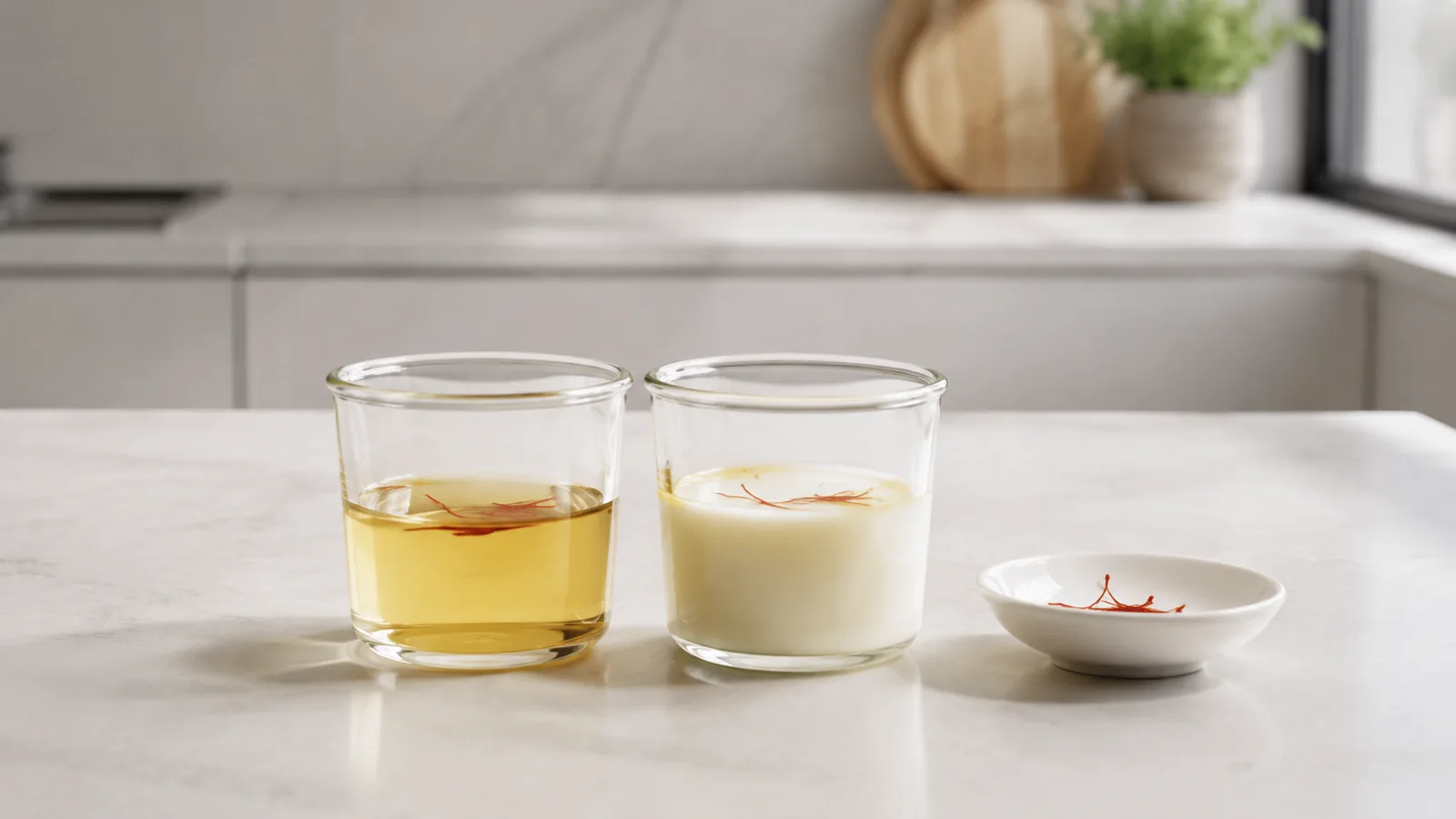
In beverages such as tea and warm milk, the flavor is less buffered by solid food, so begin with a small amount. A simple saffron syrup can also carry the aroma into a cold drink or dessert. A properly made drink should be aromatic rather than bitter.
Why saffron tastes different from dish to dish
Fat holds and carries aroma, starch spreads the infusion, acidity sharpens it, and sugar changes how bitterness is perceived. Cooking time matters too. A long uncovered simmer or other prolonged high heat can leave colour behind after much of the delicate fragrance has faded.
This does not mean the spice is inconsistent. The surrounding ingredients change which part of its profile you notice first.
How to get an even saffron taste in cooking
- Measure a small pinch of whole threads.
- Crush them lightly with a clean mortar and pestle.
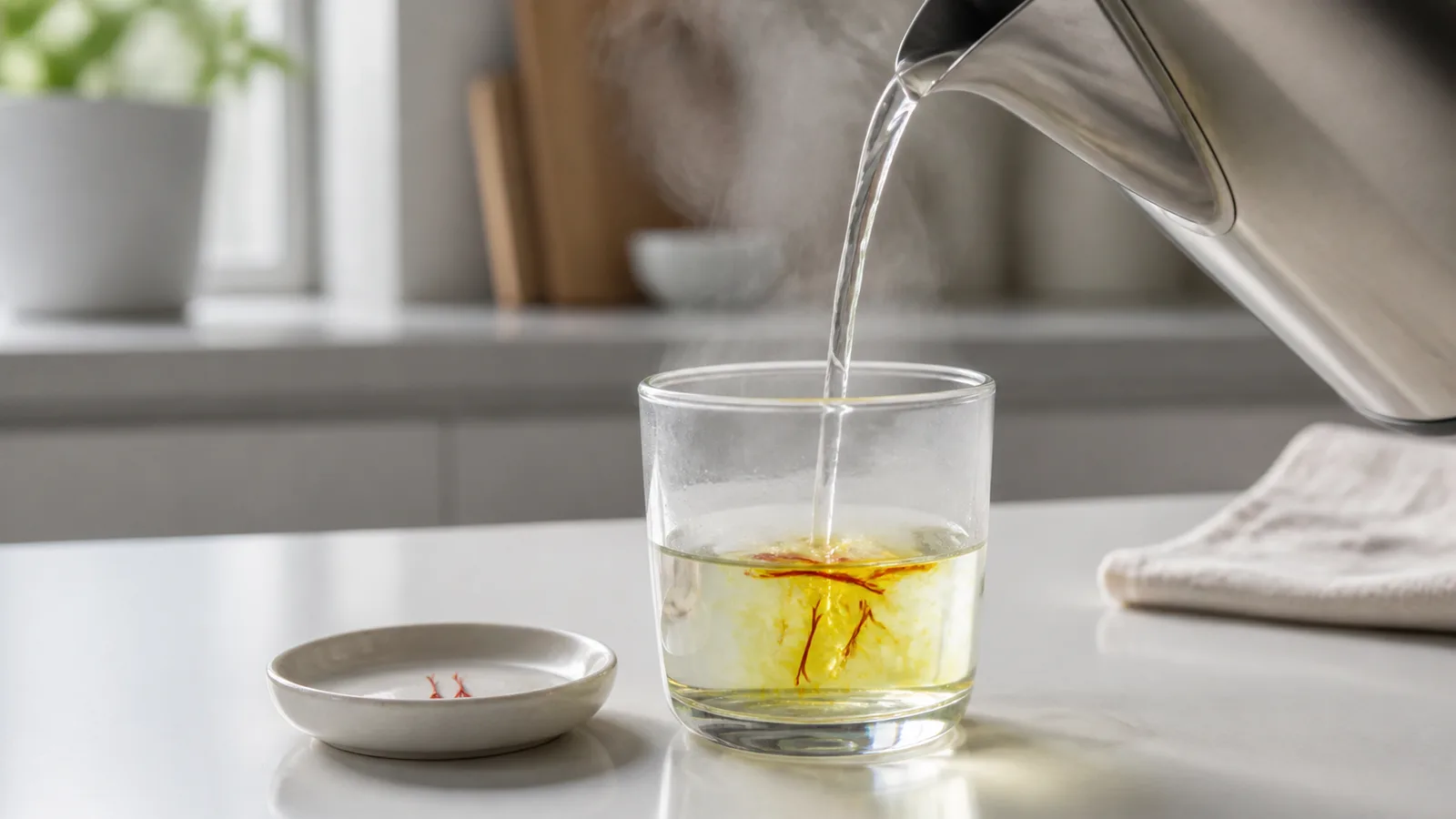
- Steep in a few spoonfuls of warm water, milk or broth for 5 to 15 minutes.
- Add the complete infusion at a stage that allows it to spread.
- Taste the finished balance before adding more.
Blooming helps release natural compounds into the liquid and avoids concentrated pockets of flavour. Direct addition can still work in a moist dish, but distribution is less predictable.
How much flavor should saffron add?
Enough to recognise, not enough to dominate. Thread counts are approximate because stigmas vary in size, so follow a tested recipe or weigh the spice for a large batch. A small measured pinch often serves a household dish.
If the food tastes bitter, do not try to correct it with more saffron. Dilute the dish when possible and adjust the next batch.
Quality, authenticity and storage
High-quality, authentic threads should have a clean, distinctive aroma. Old, damp or light-damaged saffron may look red yet contribute little flavour. Adulterated material can introduce dye, sweetness or unrelated plant tastes.
Keep saffron airtight and away from heat, light and moisture. Whole threads retain their character better than a powder repeatedly exposed to air.
Saffron flavoring versus saffron threads
On labels, saffron flavoring—or saffron flavouring—does not always mean the product contains a meaningful amount of the spice. It may describe an infused ingredient or a separate flavour preparation. Read the ingredient list if real saffron matters to you.
For a closer look at the spice itself, see the flavour saffron gives to food. For practical combinations, browse foods that go well with saffron.
The short answer
What flavor does saffron add to food? It adds floral aroma, earthy depth, a honeyed suggestion and gentle bitterness, along with a golden colour. The dish determines which of those qualities comes forward.