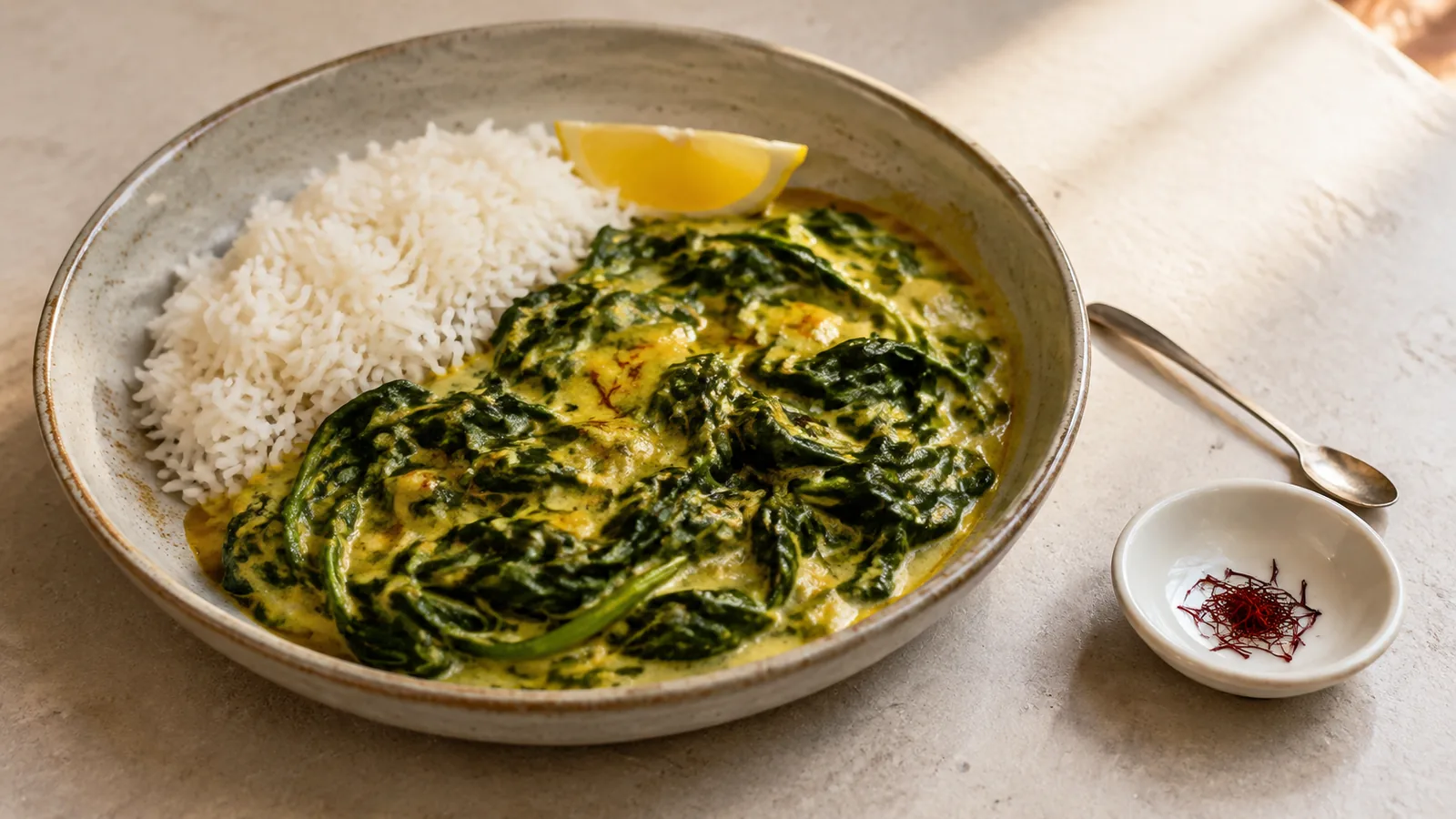
Saffron goes especially well with rice, seafood, chicken, lamb, light broths, potatoes, tomatoes, milk, cream, citrus, cardamom and nuts. The best saffron food pairings support its floral aroma and earthy, lightly bitter taste without burying it under smoke, chilli or too many competing spices. If you are deciding how to use saffron in cooking or what foods have saffron already, begin with the familiar groups below.
Rice and grains are the easiest place to start
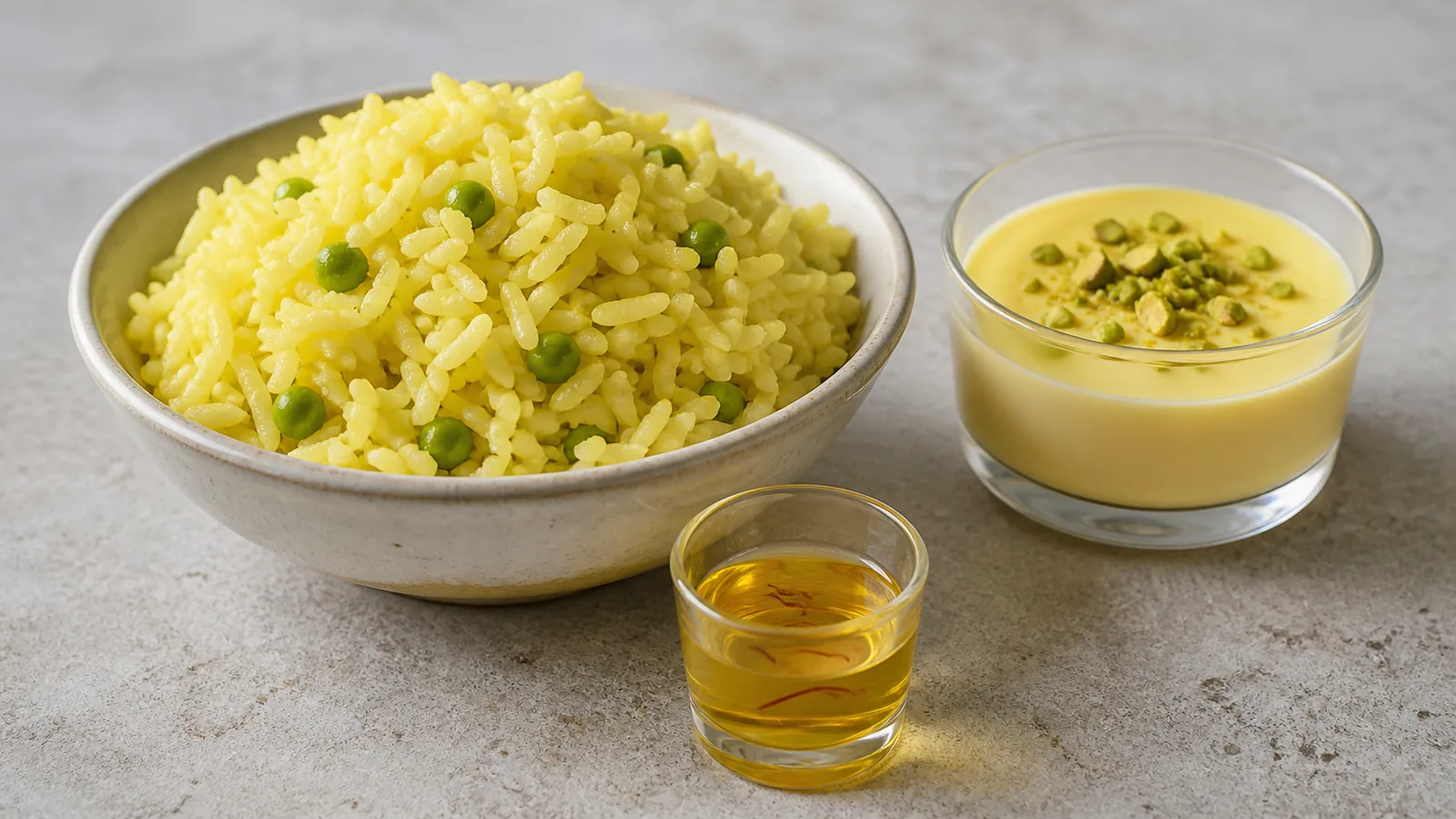
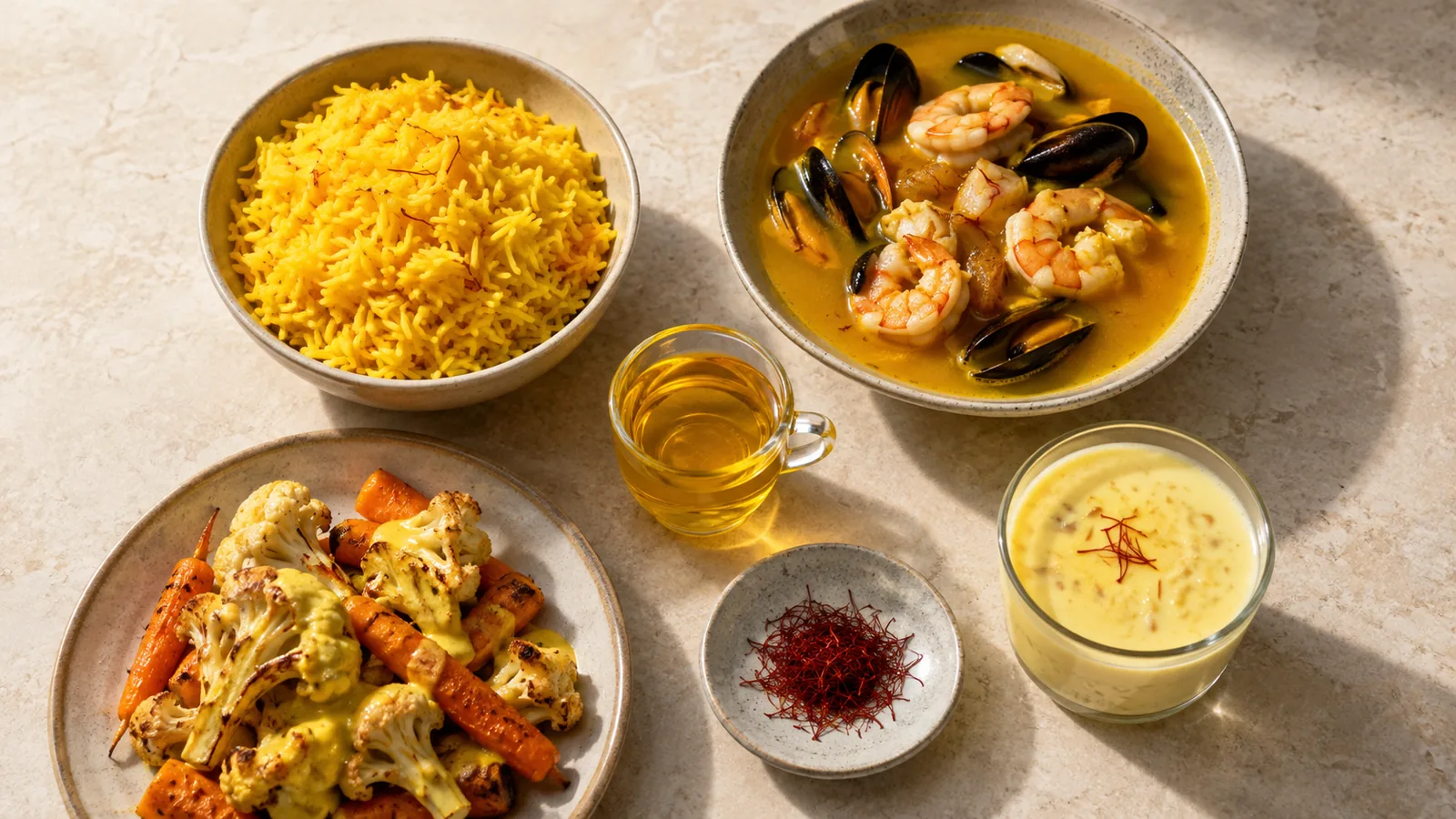
Rice is saffron’s most familiar partner because its mild flavour and absorbent grains display both colour and aroma. Paella, biryani, Persian rice and risotto use different methods, but each gives a saffron infusion space to spread.
Pilaf, couscous and quinoa can work for the same reason. Use a flavourful but not overpowering stock, and add the bloomed saffron where the grain has time to absorb it.
Seafood pairs naturally with saffron
Fish, shrimp, mussels and other shellfish suit saffron’s floral, mineral and earthy character. The spice can enrich a seafood broth or sauce without adding heat. Garlic, tomato, fennel and citrus often complete the dish.
Keep the saffron measured. Delicate fish can be overwhelmed by a bitter concentrate just as easily as it can be hidden by excessive chilli.
Chicken and lamb carry saffron well
Chicken accepts saffron in marinades, braises, rice dishes and light cream sauces. Yogurt, lemon, onion and gentle spices make useful partners. Saffron adds fragrance and colour while the meat remains recognisable.
Lamb has a stronger flavour, so it can support saffron alongside onion, dried fruit, nuts or a restrained warm-spice blend. Add the infusion late enough to protect aroma but early enough to distribute through the sauce.
Vegetables that work with saffron
Potatoes, carrots, squash, cauliflower, tomato, fennel and peas all fit comfortably in saffron dishes. Starchy vegetables absorb the infusion; sweeter vegetables echo its honey-like aroma; tomato and citrus add acidity.
A simple tray of roasted vegetables can use saffron in a yogurt sauce or warm dressing rather than exposing the spice to the full roasting time. In soups and stews, bloom it first and add it to the liquid.
Dairy softens saffron’s bitter edge
Milk and cream carry fragrance and make saffron feel rounder. This pairing appears in custards, puddings, ice cream, sauces and warm drinks. Butter can also support the aroma in rice or baking.
Dairy is not required. Water or stock works well where the dish should remain light, and plant-based recipes can use an appropriate neutral liquid.
Nuts, fruit and floral partners
Pistachio, almond and cashew bring texture and gentle richness. Orange and lemon add freshness, while apricot, raisin and date can create a warm sweet-savoury contrast. Honey suits drinks and desserts when used with restraint.
Cardamom, vanilla and rosewater are traditional companions, but all three are aromatic. Choose one clear direction rather than adding each one automatically.
Popular saffron foods and meals with saffron
- Paella: rice, stock, saffron and seafood or meat.
- Biryani: fragrant rice layered with spiced meat or vegetables.
- Risotto alla Milanese: creamy rice with saffron and savoury stock.
- Persian saffron rice: white rice finished with a golden saffron portion.
- Bouillabaisse-style seafood soup: saffron in a tomato and fish broth.
- Saffron milk pudding: dairy, sugar and a measured infusion.
- Saffron cake, buns and other baked goods: the infusion counted as part of the dough’s liquid.
For more named examples, see our collection of recipes using saffron.
Simple recipes with saffron
Easy saffron recipes do not need a long ingredient list. Try one of these basic structures:
- Fold a warm saffron infusion into cooked rice with butter and salt.
- Add it to a light chicken and onion braise near the later stage of cooking.
- Stir it into warm milk with a little honey and cardamom.
- Whisk it into yogurt with lemon for roasted vegetables.
- Add it to a mild fish stock before poaching seafood.
These are useful starting points because saffron in recipes remains easy to taste and adjust.
How to use saffron for cooking
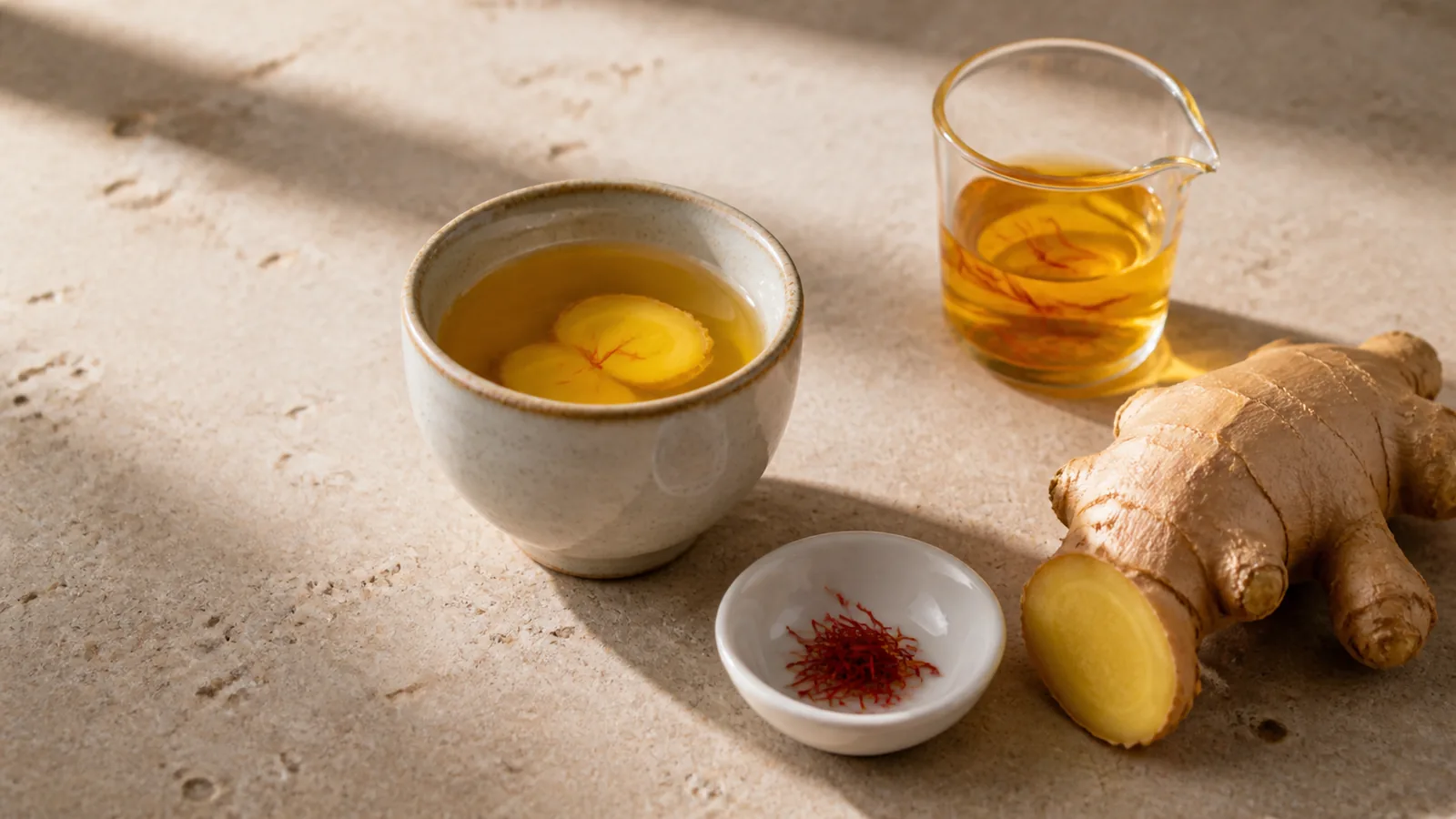
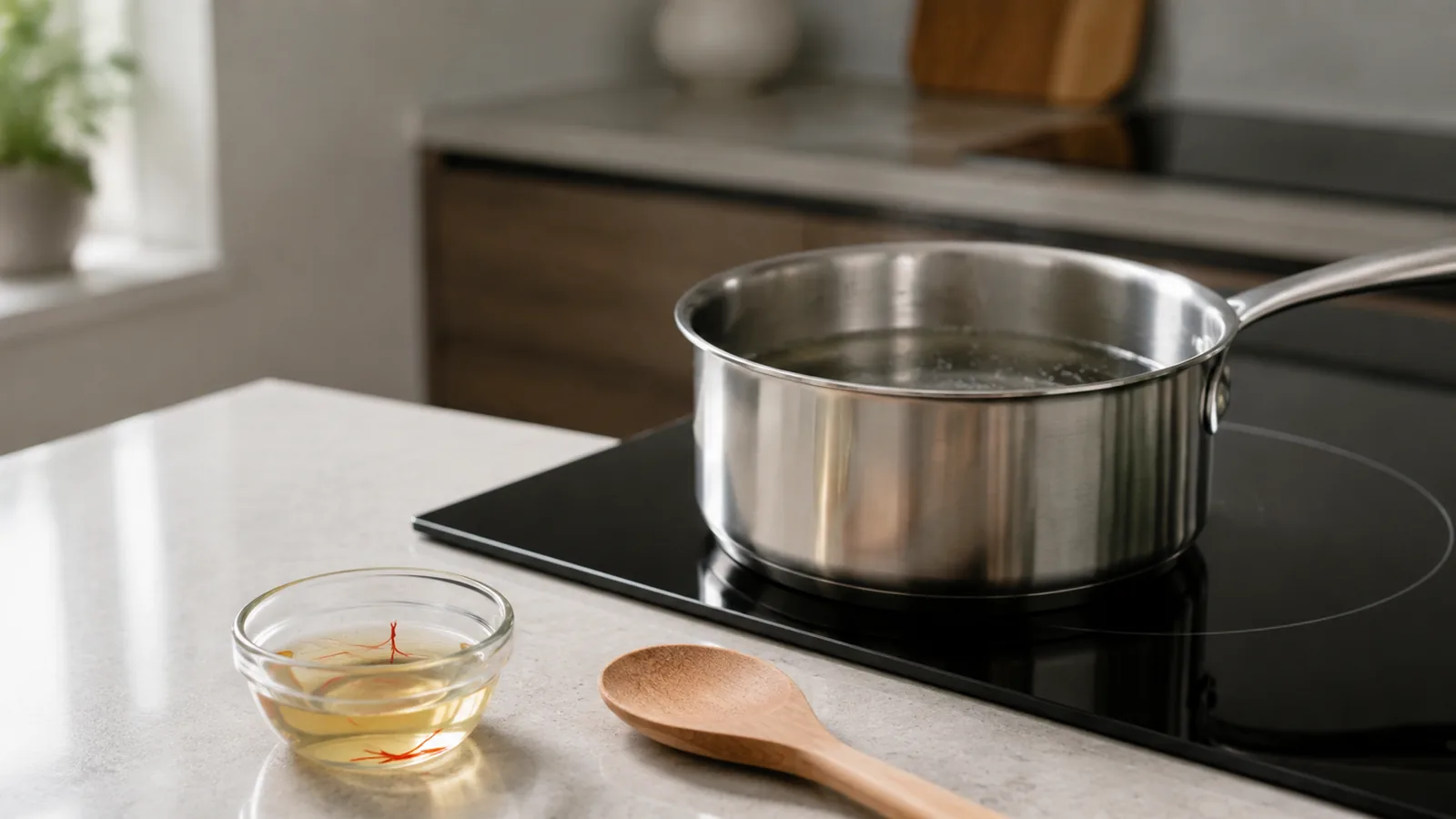
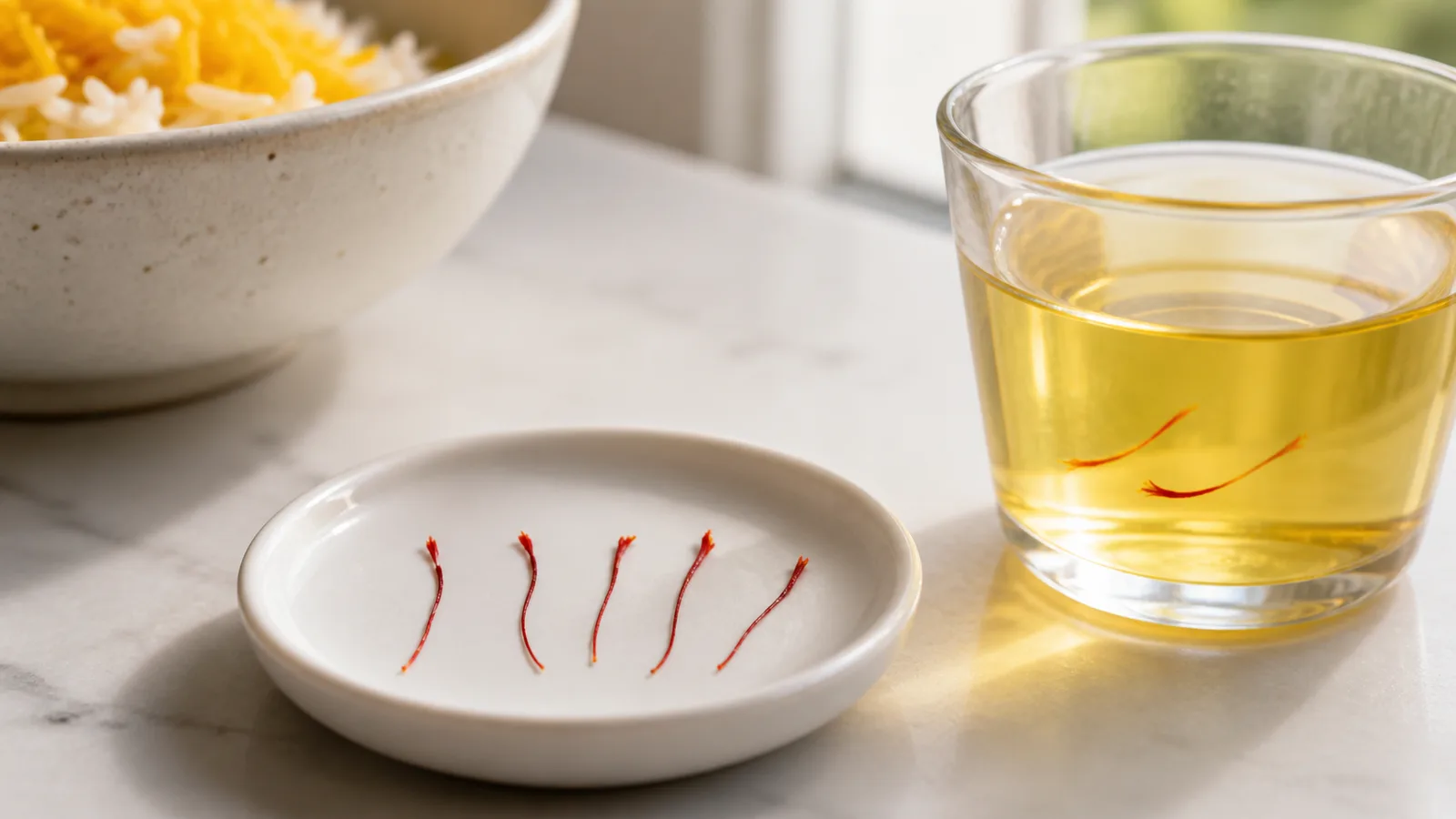
Lightly crush a measured pinch, steep it in a few spoonfuls of warm water, milk or stock for 10 to 15 minutes, then add both liquid and threads to the food. Blooming improves distribution and helps avoid one strongly flavoured bite beside several bland ones.
Our step-by-step guide to cooking with saffron threads explains dose, crushing, liquids and timing.
Pairings that can hide saffron
Strong smoke, a large quantity of chilli, very bitter greens and crowded spice blends can cover saffron’s subtler notes. That does not make the combination forbidden. It means the cook should decide whether saffron adds enough to justify using it.
More saffron is not the best remedy. Increasing the dose can make the dish bitter without restoring a fragrance hidden by stronger ingredients.
Choose pairings by the role saffron should play
If colour is the priority, use a pale base such as rice, potato, cream or dough. If aroma matters most, protect the infusion from prolonged boiling and serve the food warm. If flavour is the focus, keep the ingredient list quiet enough to notice the spice’s earthy and floral balance.
This approach is more reliable than treating saffron as a luxury garnish that belongs in every special meal.
The short answer
What goes well with saffron? Start with rice and grains, seafood, chicken, lamb, mild vegetables, dairy, citrus, nuts and a few compatible aromatics such as cardamom or vanilla. Bloom the threads, use a restrained amount and let the dish’s main ingredients remain clear. Good pairings make saffron easier to notice, not louder for its own sake.