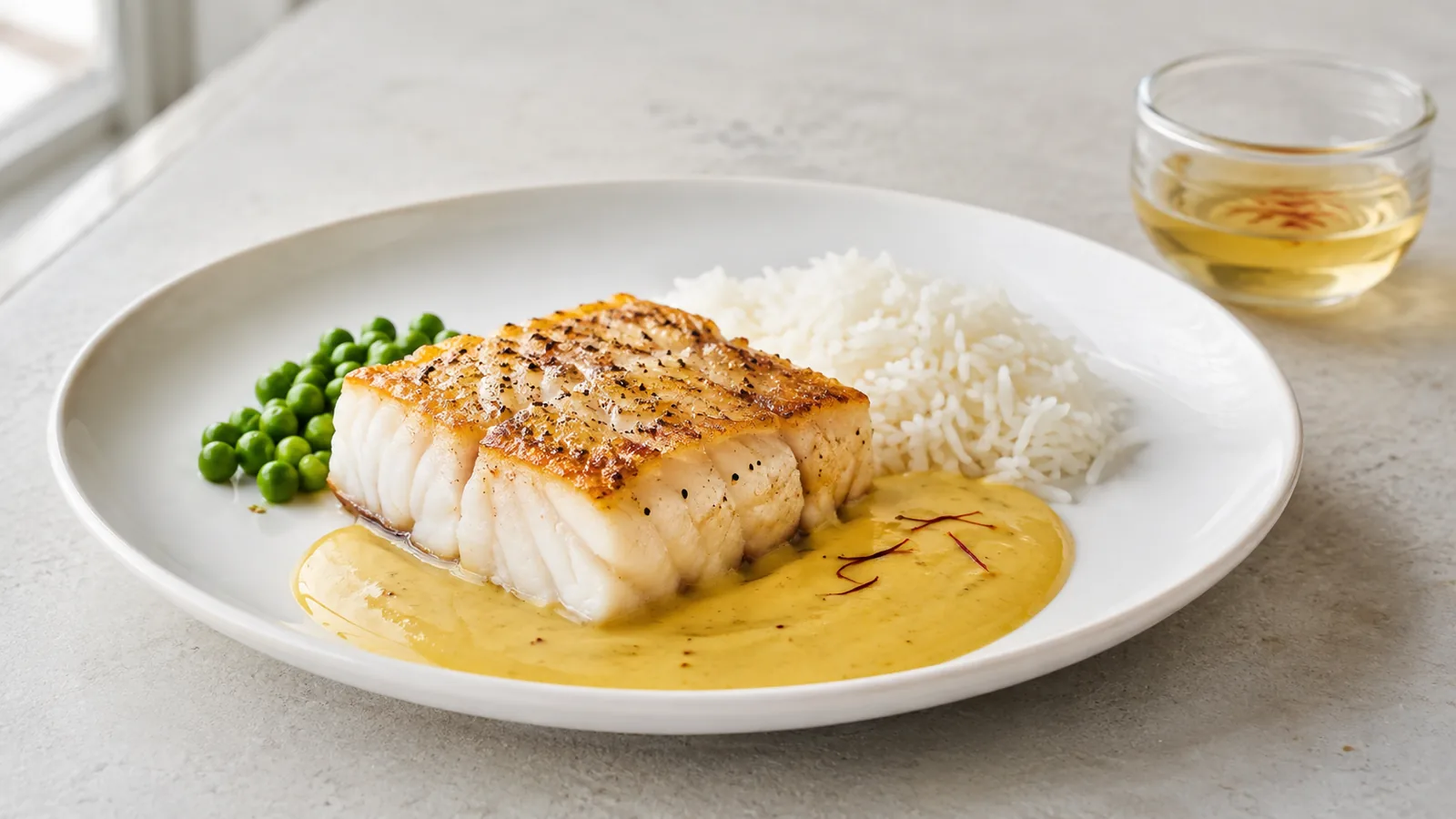


Do not boil saffron hard or for a long time. This precious spice has a unique aroma as well as colour and taste; boiling it directly in very hot water can reduce its aroma and weaken its flavor. A better method is to bloom lightly crushed threads in warm water, milk or broth for 10 to 15 minutes, then add the infusion to a gently simmering dish. Brief simmering is not a disaster, but prolonged high heat can flatten its delicate qualities.
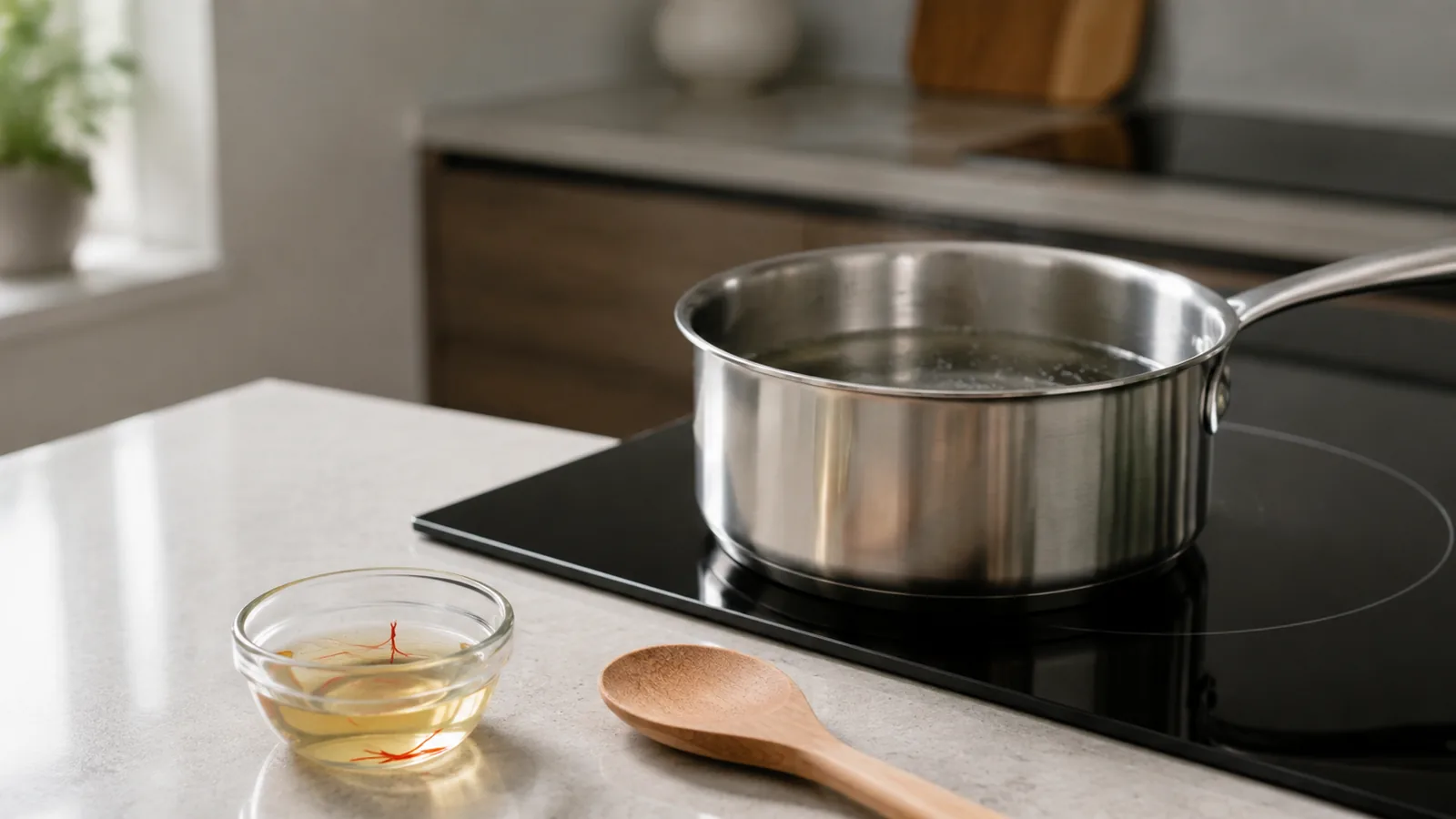
Boiling saffron tips: the short method
- Measure a small pinch of saffron threads.
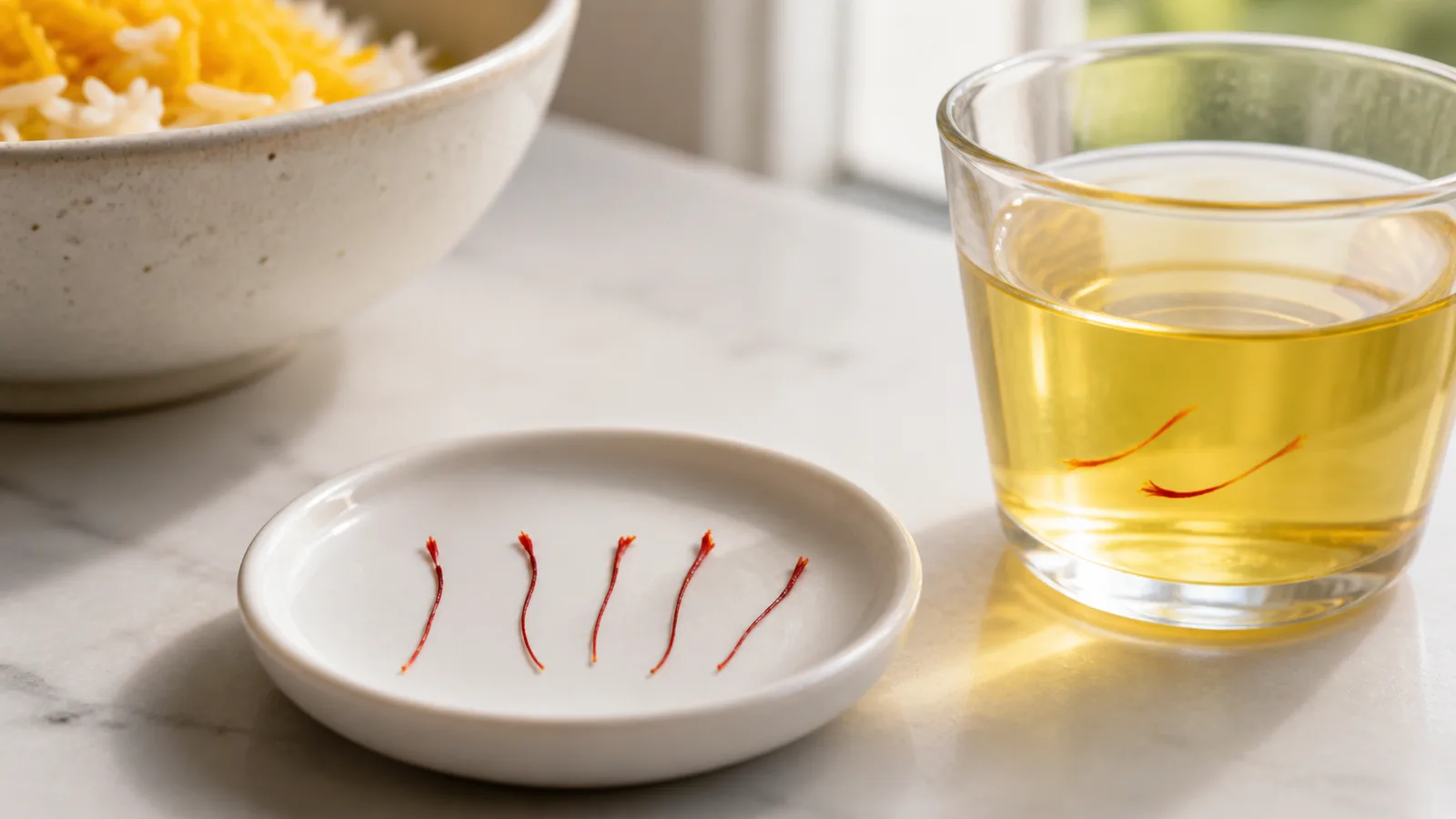
- Crush them lightly rather than grinding them into dust.
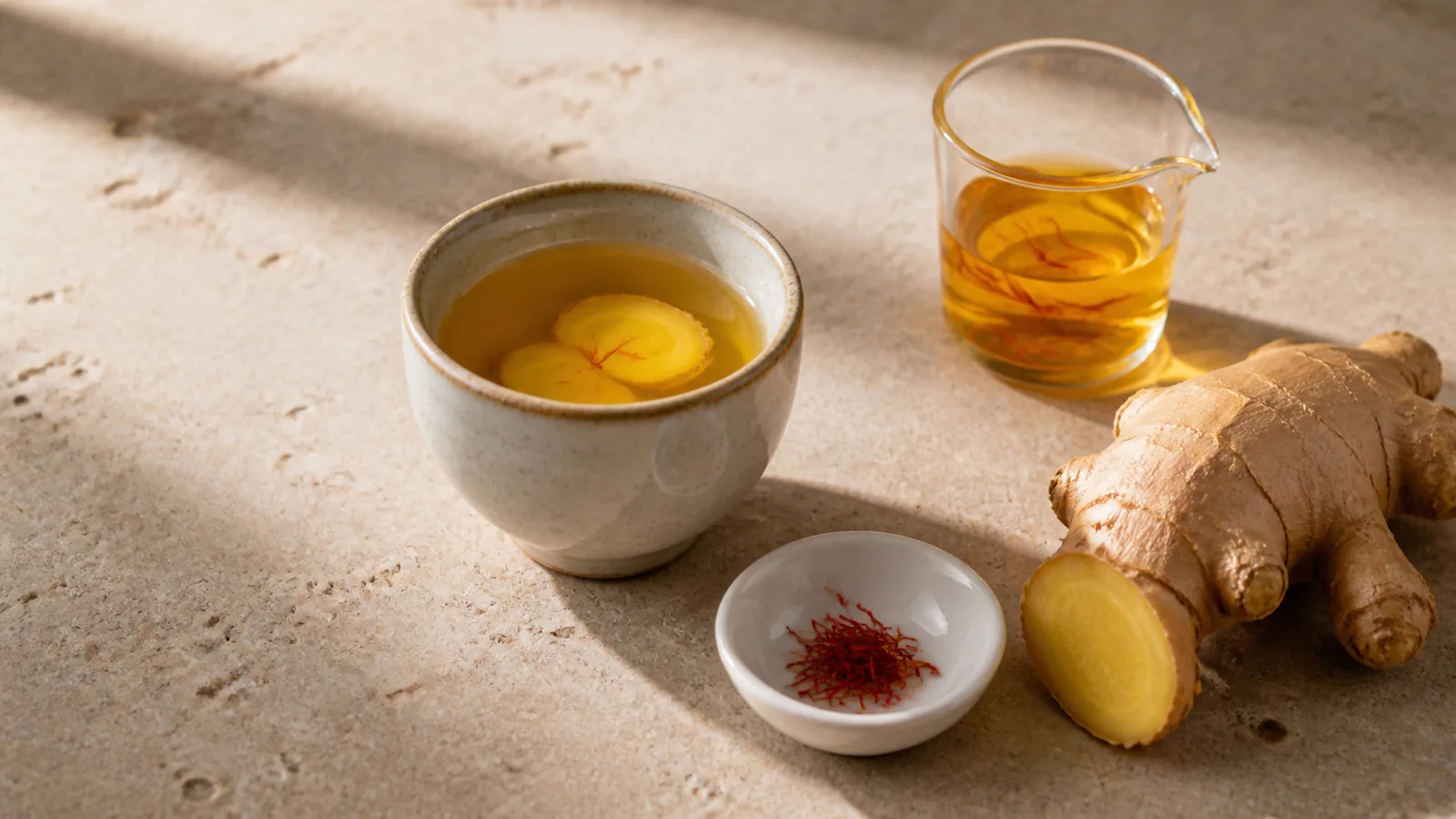
- Cover with two or three tablespoons of warm, not boiling, liquid.
- Leave the bloom for 10 to 15 minutes.
- Add both liquid and threads to the food at a moderate temperature.
- Avoid a hard boil after the saffron goes in.
This approach releases colour and aroma without exposing the threads to extreme heat. It also helps the saffron infuse the dish evenly.
What happens when saffron boils?
Heat helps water reach the compounds responsible for saffron’s colour and aroma. Too much heat for too long changes the balance. The dish may keep its golden colour while losing some of the fresh floral fragrance, so the spice can seem weaker or flatter.
The outcome depends on temperature, time, liquid and the recipe. One brief bubble does not ruin a pan. The concern is sustained, vigorous boiling, especially when the saffron is exposed from the beginning of a long cook. Our guide to what happens when saffron boils explores that distinction further.
How hot should the blooming liquid be?
Use liquid that is comfortably hot but below a rolling boil. You do not need a thermometer for ordinary cooking: heat the water, milk or broth, remove it from direct heat, then pour a small amount over the crushed threads.
A concentrated bloom should gradually turn golden and aromatic. Warm water is neutral, milk suits creamy food and drinks, and broth fits savoury dishes. Choose whichever can enter the recipe without unwanted dilution or seasoning.
Can saffron simmer in rice?
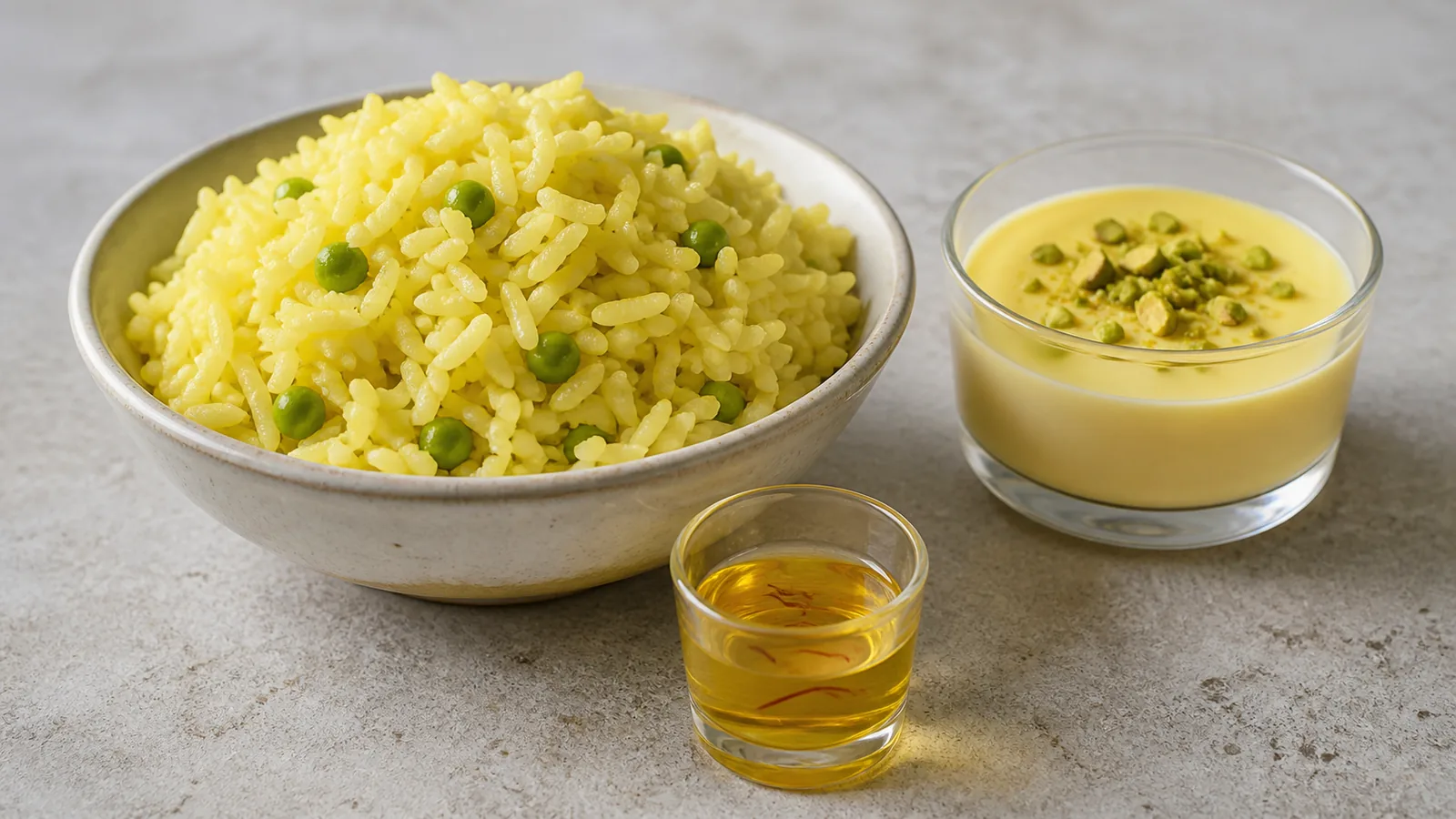
Yes. Once bloomed, saffron can simmer gently with rice, risotto or pilaf. Adding saffron too early to a boiling dish is not automatically harmful, but avoid keeping it at high heat throughout a long cooking process. Stirring the infusion into the cooking water or stock helps produce consistent color distribution and taste.
If the rice cooks quickly, the saffron can go in with the main liquid. For a longer risotto, adding it during the later stages protects more aroma.
Can saffron boil in soup, stew or sauce?
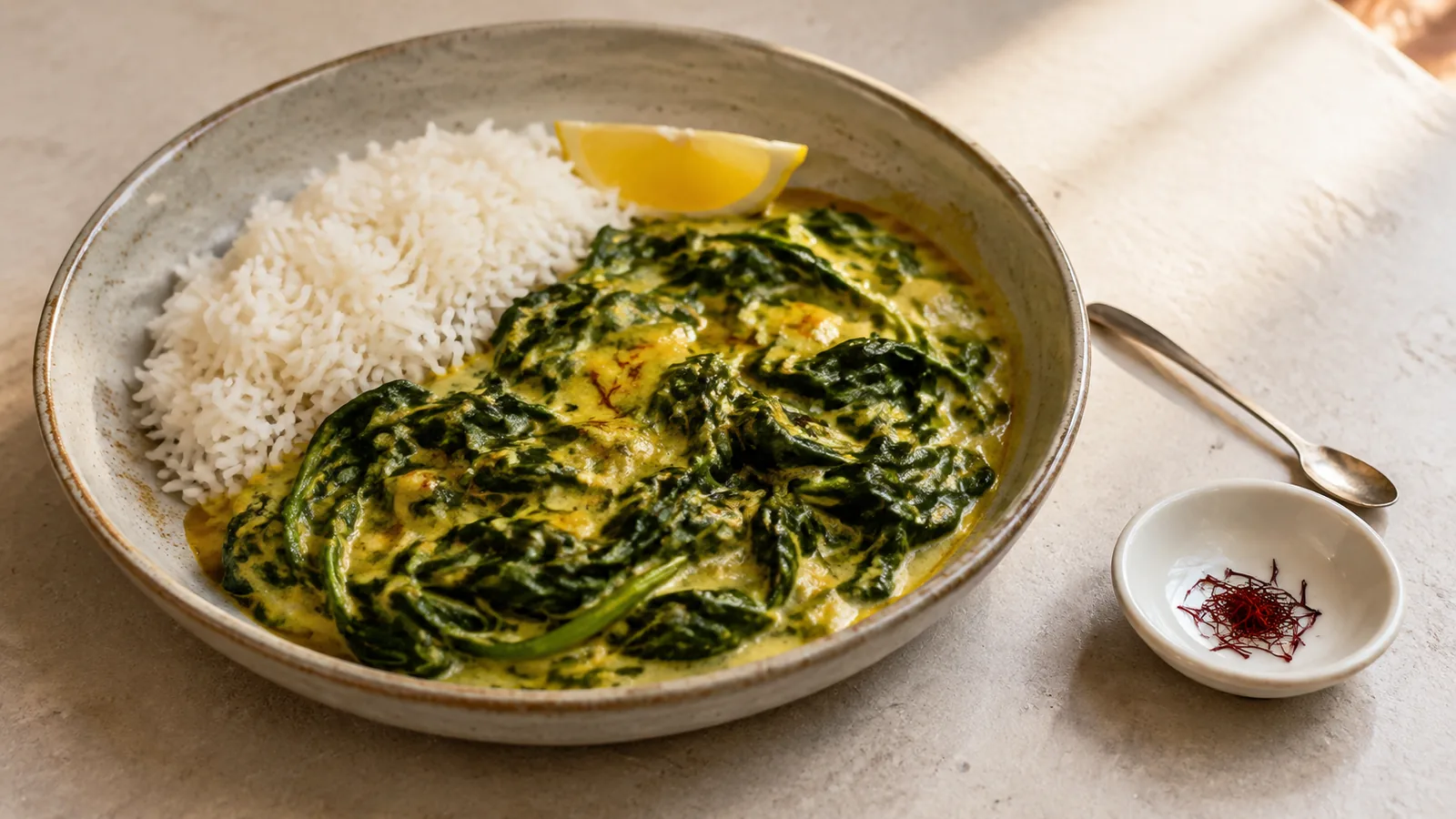
A gentle simmer is acceptable. Add the bloom during the later part of cooking so it has time to integrate without spending an hour at high temperature. This works for rice, soups, stews and sauces as well as milk-based dishes.
Do not fry dry saffron in hot oil. Butter and olive oil can round out the flavour in the finished dish, but water or another compatible liquid remains the practical medium for blooming.
Should saffron be boiled in milk?
Warm milk is an effective infusion base, but it does not need to boil with the threads. Heat the milk gently, take it off the heat and let the saffron bloom. If the recipe later requires simmering, keep it controlled and stir to prevent scorching.
This method suits custards, rice pudding, warm drinks and cream sauces. See the detailed advice on boiling saffron in milk for timing and common mistakes.
What about saffron tea?
For tea, pour hot water over the threads and steep them rather than keeping them at a rolling boil. A covered cup helps retain aroma. Additional ingredients such as lemon, honey or cardamom should be restrained if you want the saffron to remain noticeable.
Why not add dry threads directly?
You can add them directly to a sufficiently moist dish, but extraction may be uneven. Some areas can become strongly coloured while other parts receive little flavour. A separate bloom lets you see and smell the infusion before it reaches the entire recipe.
Blooming is therefore a reliable technique, not a claim that every dry thread is wasted. It is especially useful for expensive saffron because it gives the cook better control over a small amount.
How to preserve saffron’s aroma
- Use a small, concentrated bloom rather than a large weak one.
- Avoid boiling the infusion by itself.
- Add it later in long-cooked recipes.
- Keep the pot covered when appropriate.
- Store unused threads airtight, away from heat, light and moisture.
- Taste before adding more; excess saffron can become bitter.
Do butter, oil or milk increase flavour?
These ingredients can carry saffron’s aromatic compounds and soften its controlled bitterness, which is useful in both savory and sweet recipes. They do not replace blooming. A small water or milk infusion first, followed by gentle incorporation into butter, olive oil or cream, gives more predictable results.
Does quality change the answer?
High-quality saffron threads should have a rich aroma and predominantly deep crimson colour. Authentic threads can provide vibrant color and subtle flavor in a small amount, but quality does not make them immune to poor handling or guarantee maximum flavour.
The practical answer
Boiling saffron should be approached carefully: bloom first, add the infusion to gently heated food and avoid prolonged high temperatures. This preserves more of the delicate aroma, flavor and color than hard-boiling the threads. “Fullest potential” is not a measurable promise; the useful goal is full flavor at the strength the recipe needs.