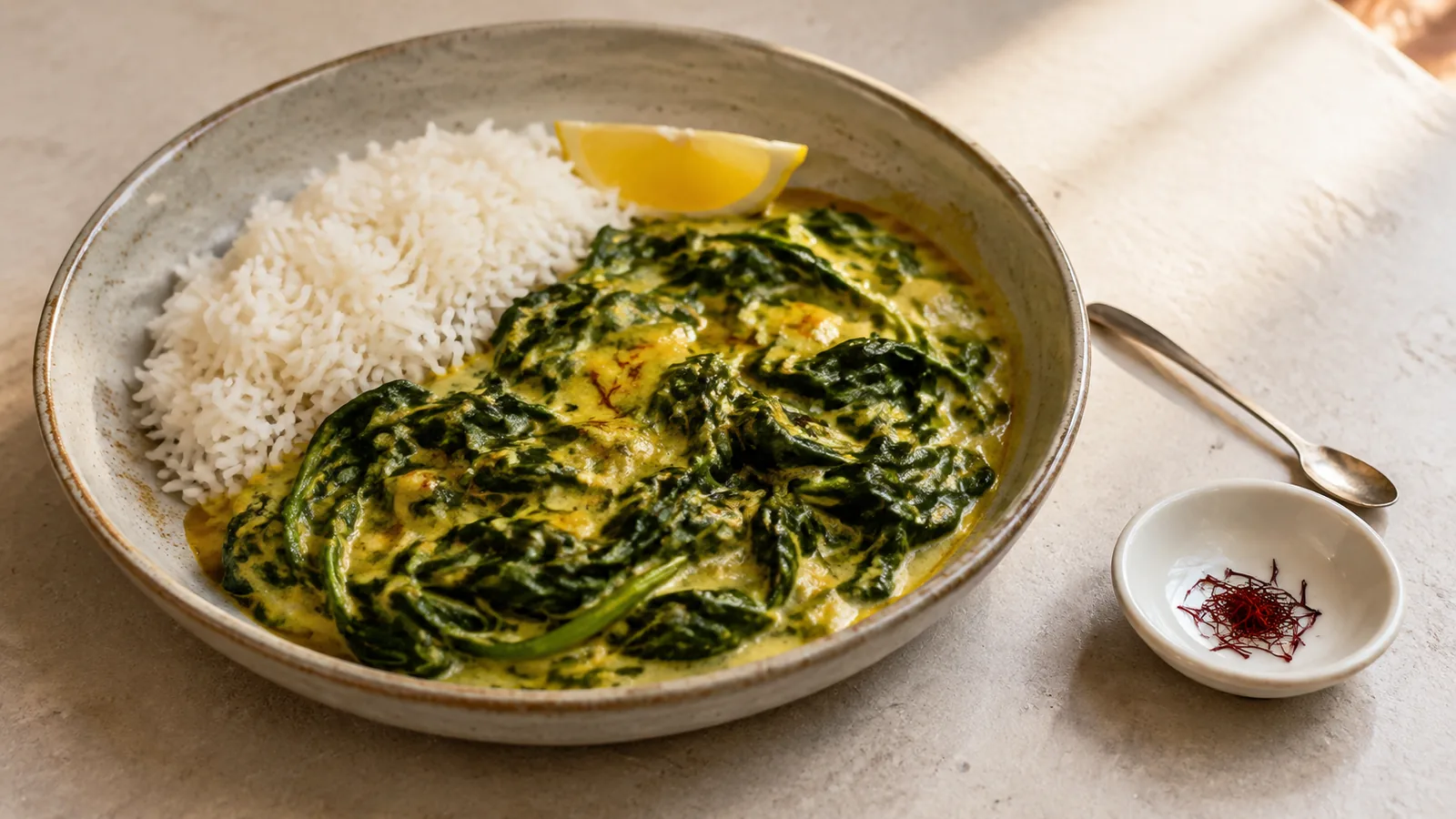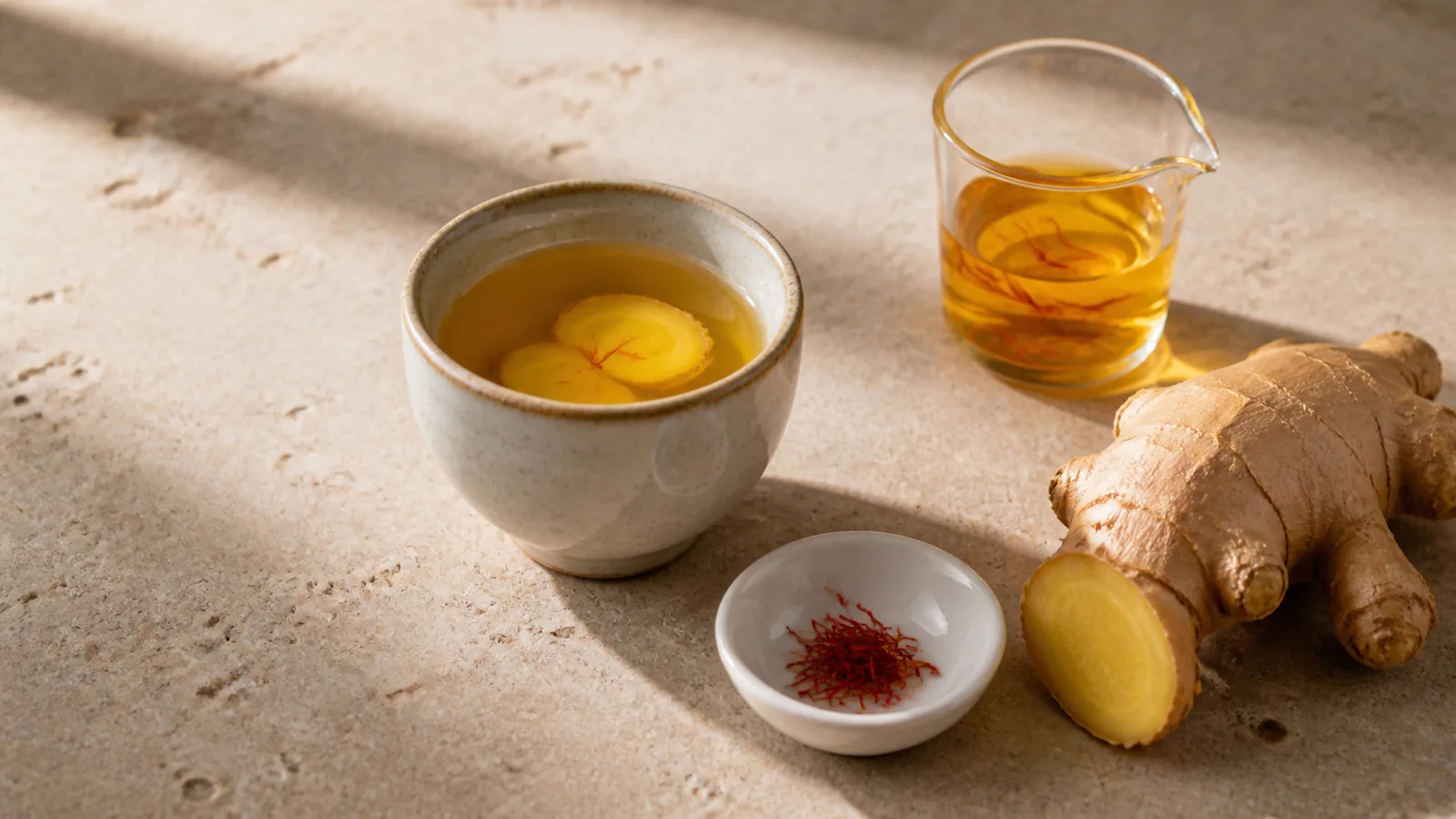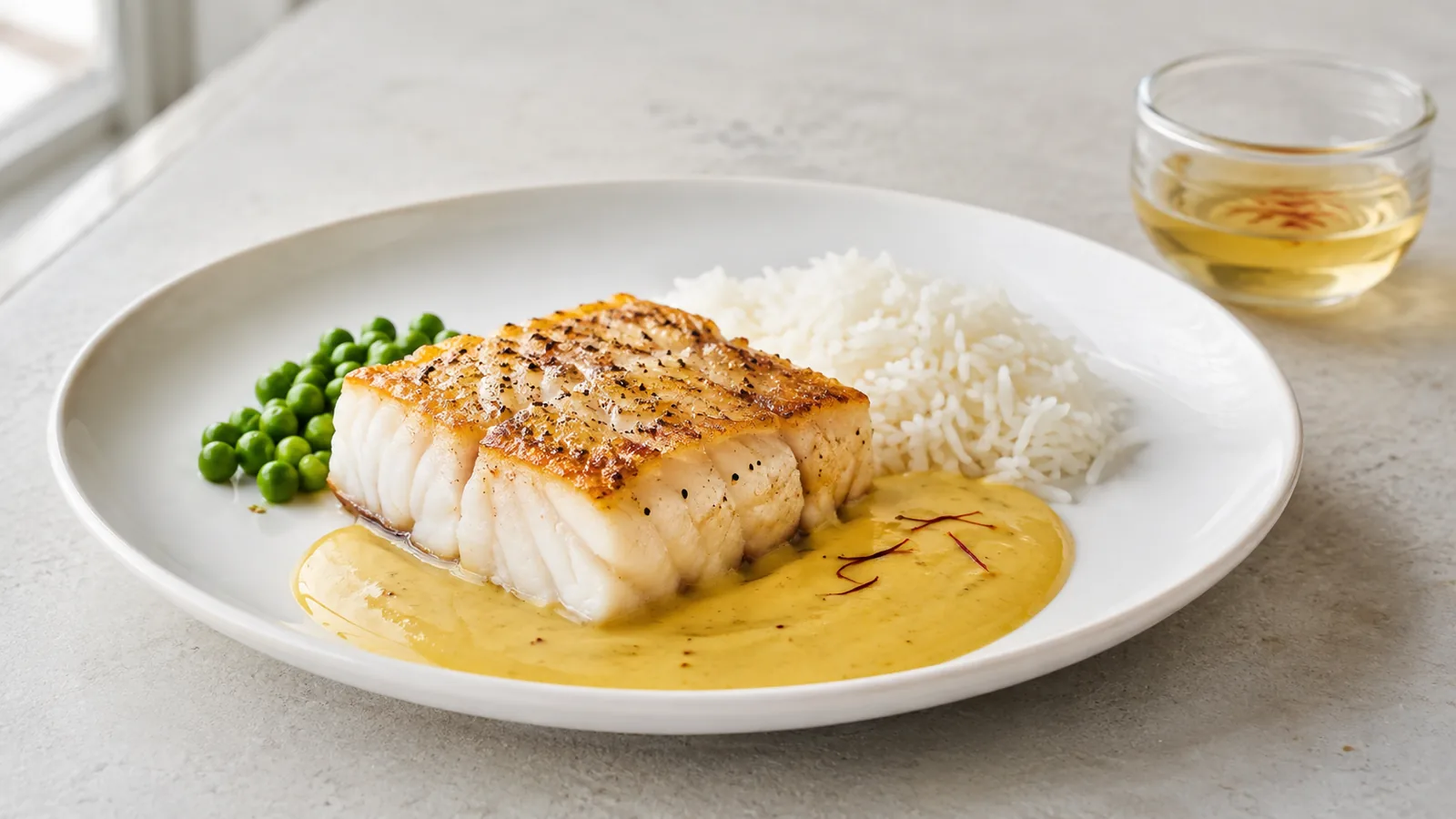


Saffron is used in small amounts to add a golden colour, distinctive aroma and delicate flavor to food. Its best-known culinary uses include rice, risotto, paella, soups, seafood, pasta, breads, baked goods, desserts and milk-based drinks. The threads are usually bloomed in warm liquid before they are added, helping their colour and aroma spread evenly.
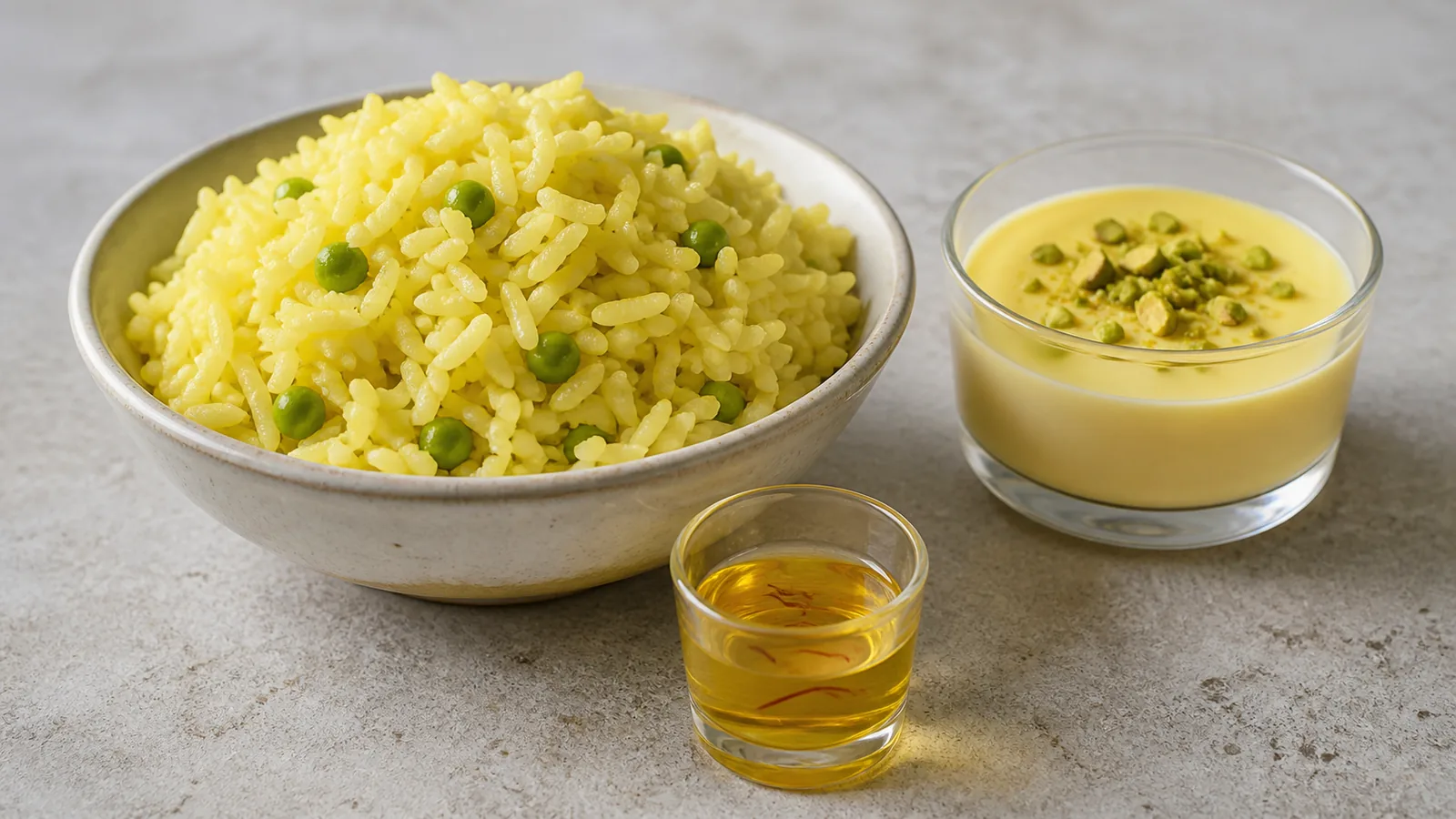
What is saffron used for in food?
In food, saffron has three connected jobs. It colours the dish, contributes a floral-earthy aroma and adds a subtle, slightly bitter flavour. These effects are strongest when the recipe gives the spice room to be noticed. Mild grains, dairy, seafood, poultry and gentle vegetables are useful partners.
A small quantity can change the taste and presentation, but “dramatically elevate” is not a guarantee. Poor timing, an excessive dose or too many competing spices can produce a flat, bitter or muddled result.
What is saffron used for in cooking?
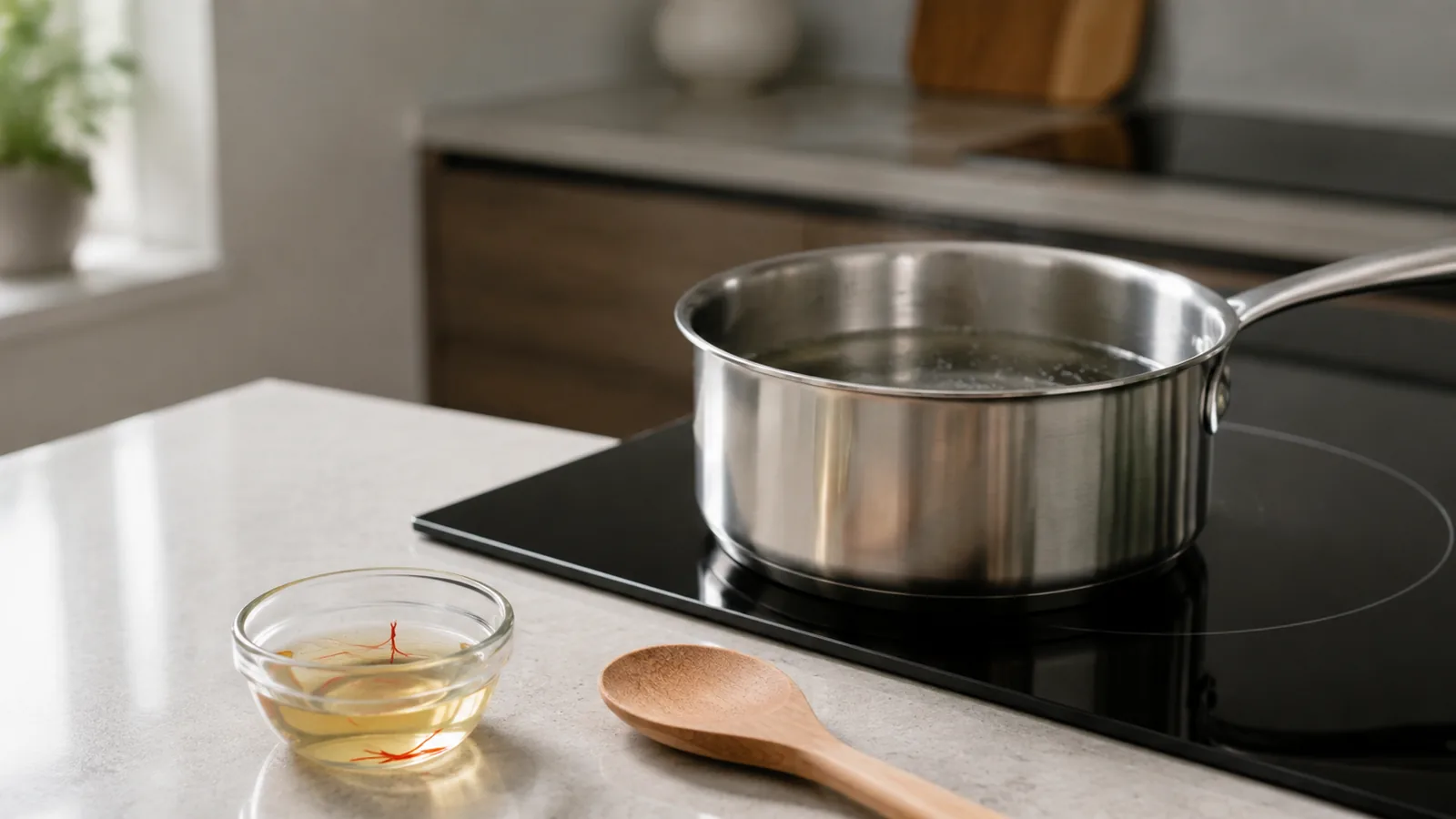
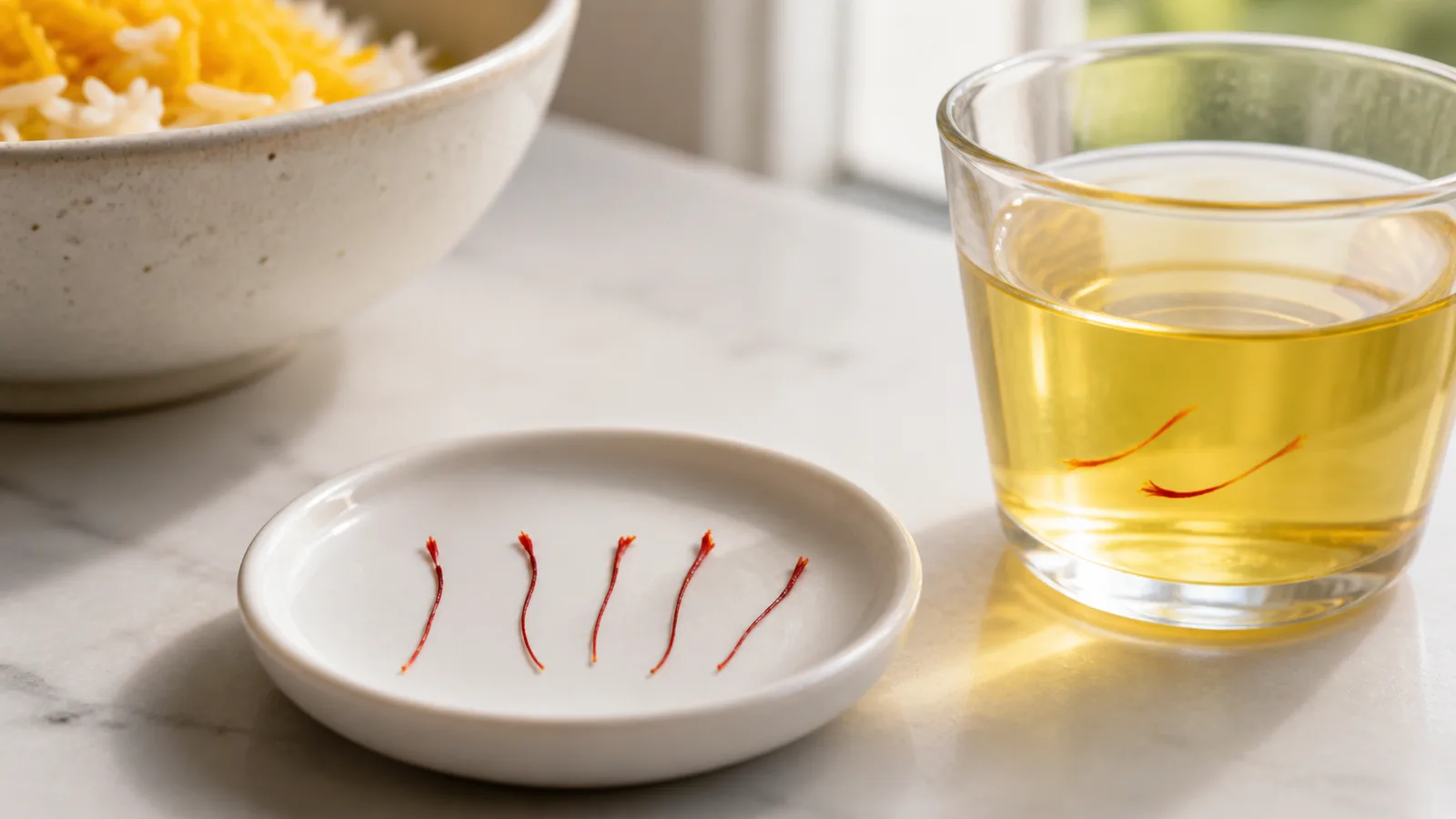
The most reliable method is to lightly crush a pinch of threads and soak them in two or three tablespoons of warm water, milk or broth for 10 to 15 minutes. Add the golden infusion and softened threads to the dish. This creates more even distribution than scattering dry threads over finished food.
Blooming is helpful rather than compulsory. In a moist, gently cooked recipe, threads can release their character directly, but scattering them dry may produce uneven colour and flavour. Our practical guide to using saffron in cooking explains quantities, liquids and timing.
Saffron in rice and grain dishes
Rice is one of the most familiar places where saffron is used. The infusion can be mixed into cooking water or stock for pilaf, paella and biryani, or stirred into risotto during the later part of cooking. Couscous and quinoa also provide a mild base.
A small pinch gives a golden hue and distinctive aroma. Butter or olive oil can round out the controlled bitterness, while stock carries the flavour through the grains.
Soups, stews and sauces
Saffron works in fish broth, chicken soup, vegetable soup and gently seasoned stews. It also suits sauces based on butter, cream, tomato or stock. Add a concentrated bloom late enough to preserve aroma but early enough to blend with the other ingredients.
Strong smoke, heavy chilli and aggressive spice blends can cover the saffron. If those flavours belong in the recipe, decide which one should lead and adjust the dose rather than simply adding more threads.
Pasta, poultry and seafood
In pasta, saffron can colour dough or flavour a sauce. Cream, mild cheese, fennel, leek and peas make calm supporting ingredients. Use pasta water carefully, because too much will dilute the bloom.
Chicken, shrimp, scallops, mussels and firm white fish also suit saffron’s floral and earthy character. A broth, marinade or sauce helps distribute it. For more combinations, see our guide to foods that pair with saffron.
Sweet saffron culinary uses
Saffron adds colour, aroma and complexity to custards, ice creams, rice pudding, milk-based drinks, cakes and enriched breads. Blooming the threads in warm milk integrates them smoothly with creamy textures. Almond, pistachio, citrus, honey, vanilla, rose and cardamom can all work, provided they are restrained enough for saffron to remain clear.
The unique aroma and vibrant color can make a dessert visually striking and memorable, but the spice does not add sweetness by itself. Sugar, fruit or honey still determines how sweet the recipe tastes.
Can saffron be used in drinks?
Yes. A small bloom can be stirred into warm milk, tea or other culinary beverages. Water gives a lighter result; milk makes the flavour feel rounder. Avoid hard boiling for a long period, which can flatten the fragrance.
Keep this separate from concentrated supplement use. In an ordinary drink recipe, saffron is there for taste, aroma and colour.
When should saffron be added?
Timing depends on the dish. Rice needs enough cooking time for the infusion to reach the grains. A quick sauce can take saffron near the end. Bread dough, cake batter and custard need the bloom mixed into their liquid before the structure sets.
If a recipe cooks for a long time, add most of the infusion in the later stages. This protects more aroma while still allowing the colour to spread.
How much should you use?
Start with a small pinch for a four-serving dish and adjust on a later attempt if needed. Thread length and strength vary, so no single count suits every batch. Too little may be hard to detect; too much can taste bitter or medicinal.
Use a concentrated bloom and taste before increasing the dose. That is more effective than adding a large amount and hoping other ingredients will soften it.
Threads, powder and extracts
Whole threads are easiest to inspect and measure. Ground saffron disperses quickly but can be harder to evaluate, especially when the powder’s identity is unknown. Food-grade extracts vary in concentration and should be used according to their culinary instructions.
Choosing and storing saffron
Authentic, high-quality saffron threads should be dry, aromatic and predominantly deep crimson. Quality supports consistent flavor, color and aroma, but it cannot guarantee a luxurious experience or maximum flavour in every dish; preparation still matters.
Store the threads airtight, away from heat, light and moisture. Bloom only the amount you need, then use the infusion promptly.
The short answer to saffron use
Where is saffron used most successfully? In recipes with enough liquid for the spice to spread and a flavour base gentle enough for it to remain recognisable. The use of saffron in cooking is not limited to one cuisine or one course: it can support savory and sweet food, from rice and seafood to custard and milk drinks, when it is bloomed and measured carefully. No technique guarantees a fixed “full potential”; the useful goal is a balanced result in the actual dish.