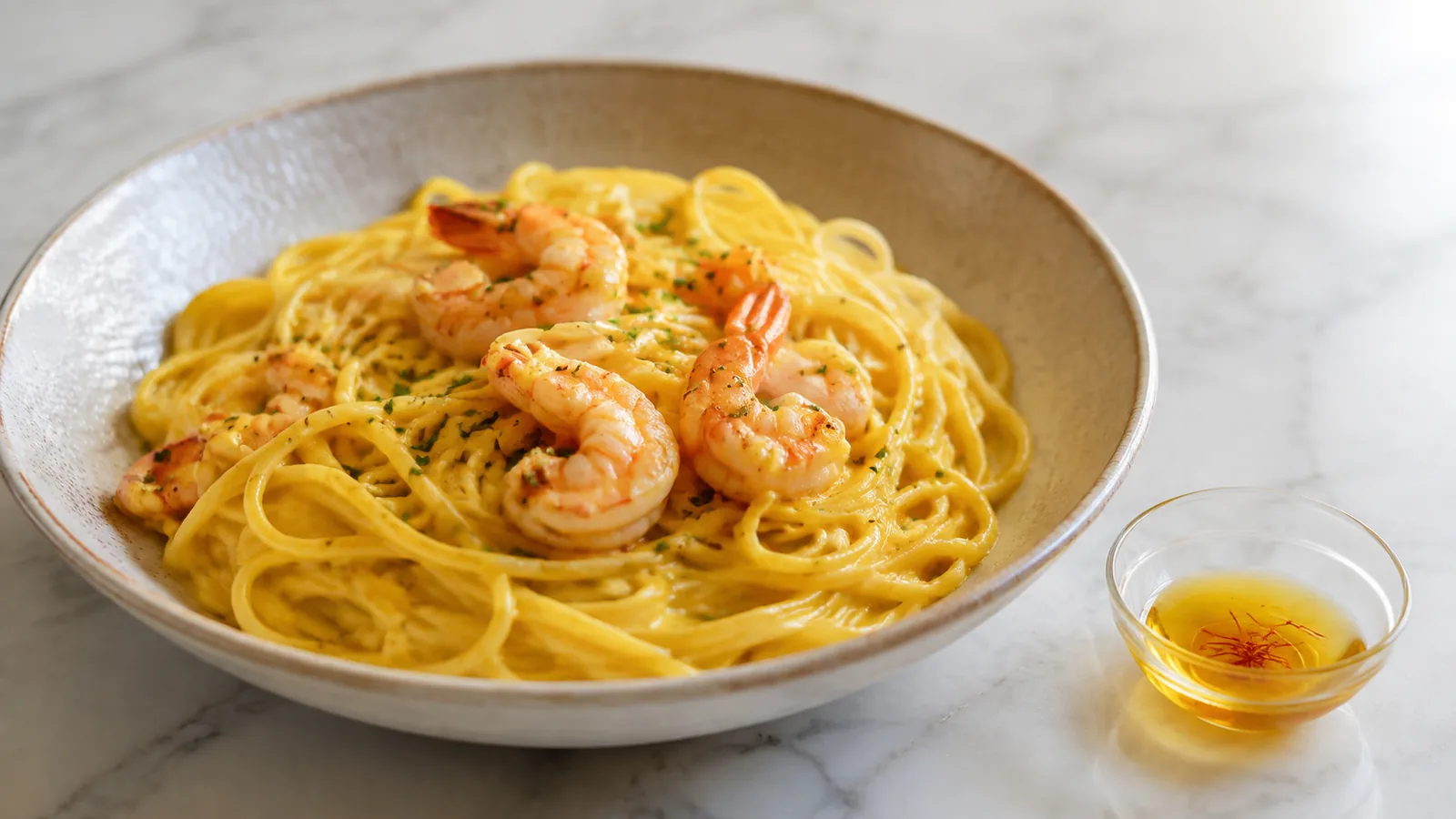
Using saffron in cooking is straightforward: lightly crush a small pinch of threads, bloom them in two or three tablespoons of warm water, stock or milk for 10 to 15 minutes, then add the entire infusion to the dish. This releases the vivid color, unique aroma and subtle flavor more evenly than dropping dry threads into a finished meal. If your question is “how do I use saffron?”, that is the short answer.
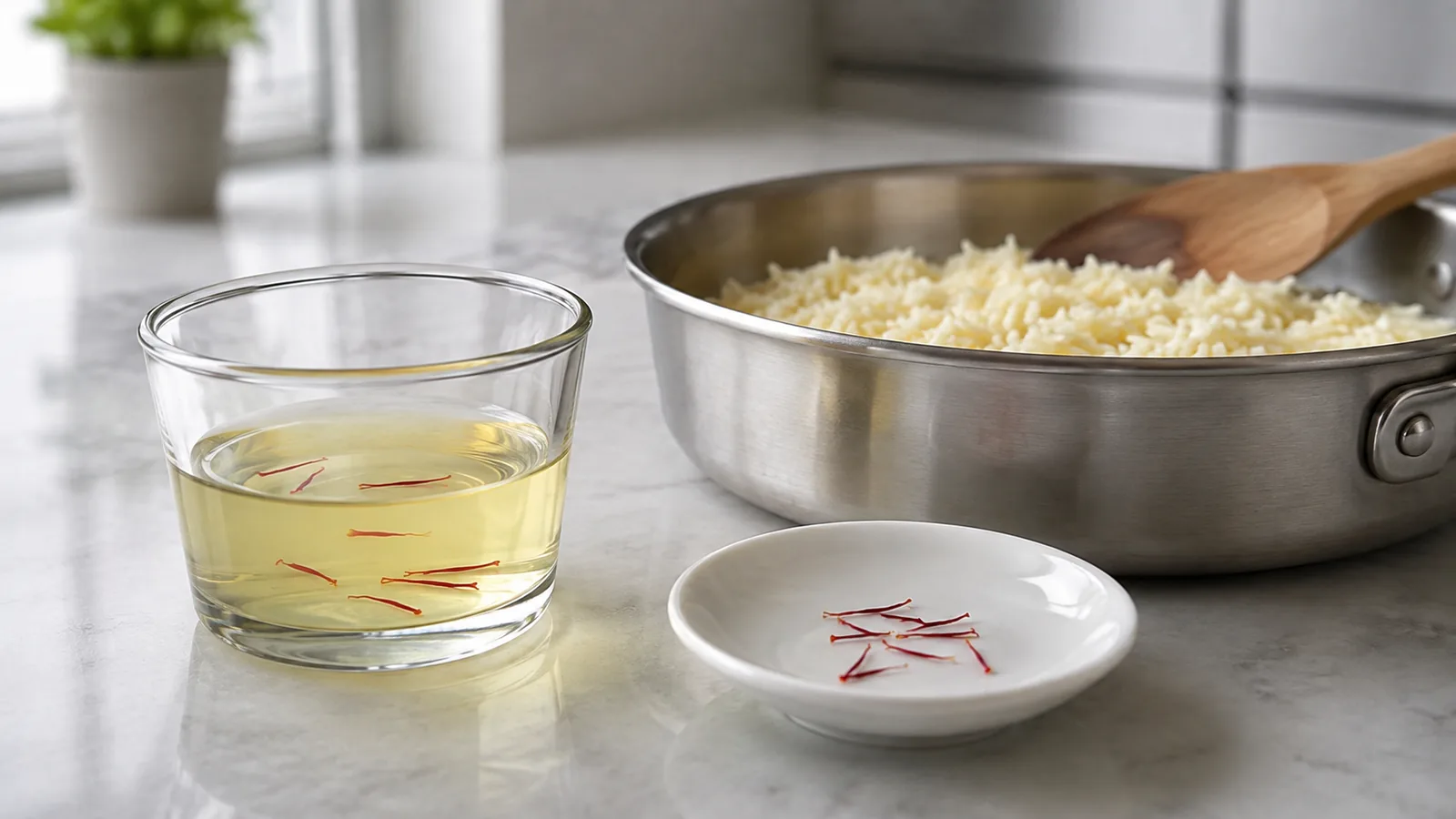
How to cook with saffron: the quick method
- Measure a small pinch of saffron threads; for many four-serving dishes, roughly 15 to 20 threads is a sensible starting point.
- Crush them lightly with a dry mortar or between clean fingertips.
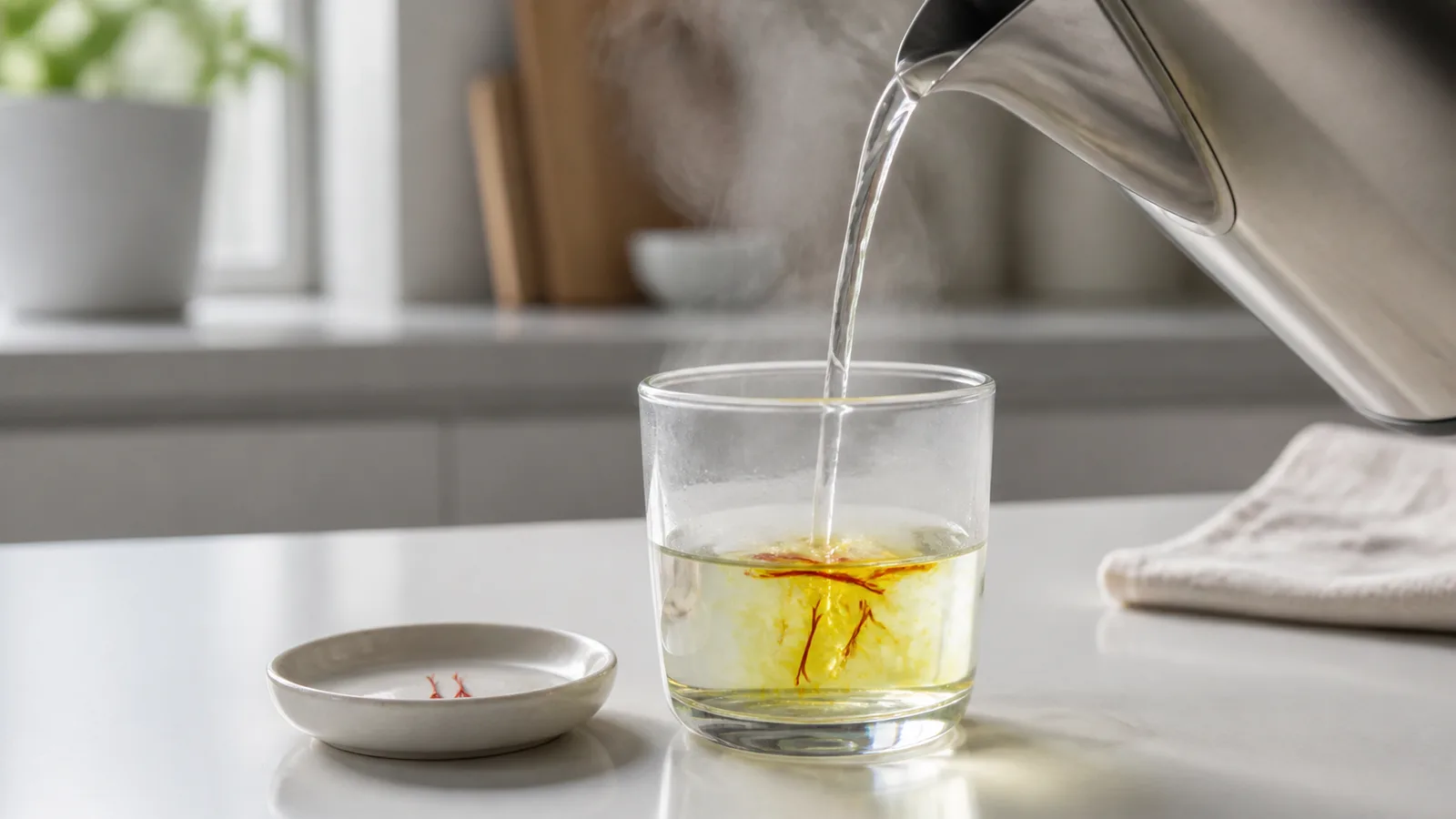
- Cover with a small amount of warm, not boiling, liquid.
- Leave the bloom for 10 to 15 minutes.
- Add both the golden liquid and softened threads during cooking.
- Taste and judge the colour before adding more.
A little goes a long way. The amount varies with thread strength, recipe size and how prominent you want the saffron to be, so moderation and a measured first addition are more reliable than trying to correct an overly bitter dish. The best results do not depend on elaborate gourmet dishes; they come from careful preparation that avoids wasting this precious spice.
How to prepare saffron for cooking
If you are asking how to use saffron threads, blooming is the most dependable technique. Light crushing increases the surface available to the liquid without reducing the spice to dust. Warmth helps the water-soluble colour disperse and carries the aroma into the food.
Soaking is useful, but it does not need to become a ritual. Ten minutes is often enough for finely crushed threads; 15 minutes gives a more complete infusion. Our detailed guide explains when and why to soak saffron before cooking.
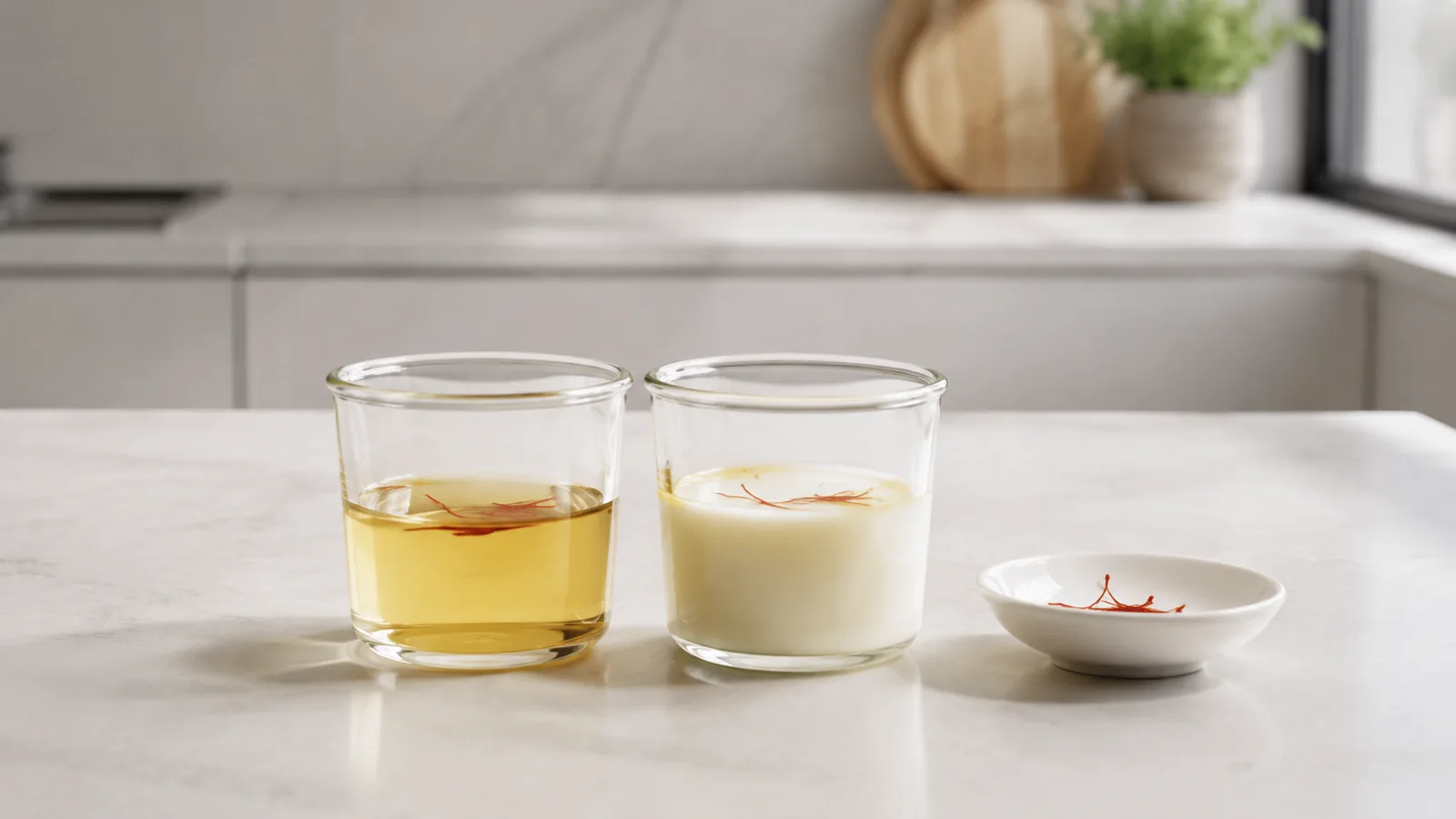
Should you use water, stock or milk?
Choose the blooming liquid to suit the recipe:
- Warm water is neutral and works for almost any dish.
- Broth or stock is a natural choice for rice, risotto, soups, sauces and stews.
- Milk suits desserts, drinks and creamy sauces.
Use only enough liquid to immerse the crushed threads. A small, concentrated bloom is easier to incorporate than a large, pale infusion that waters down the recipe.
When should saffron go into the dish?
The best moment depends on cooking time. In rice and risotto, add the infusion early enough to spread through the grains but not so early that prolonged heat flattens the aroma. In a quick sauce, soup or stew, stir it in during the later part of cooking. For custards and drinks, blend it into the warm liquid before chilling or serving.
Avoid frying dry threads or holding saffron at very high temperatures for a long period. Heat is useful for extraction, but hard boiling and extended cooking can reduce the fragrance. Adding the bloom gradually to a sauce also makes it easier to avoid overpowering the other flavours.
Where to use saffron
Saffron works in savoury food, sweets and selected drinks. The best recipes provide moisture for even distribution and a relatively gentle flavour base.
Rice, grains and risotto
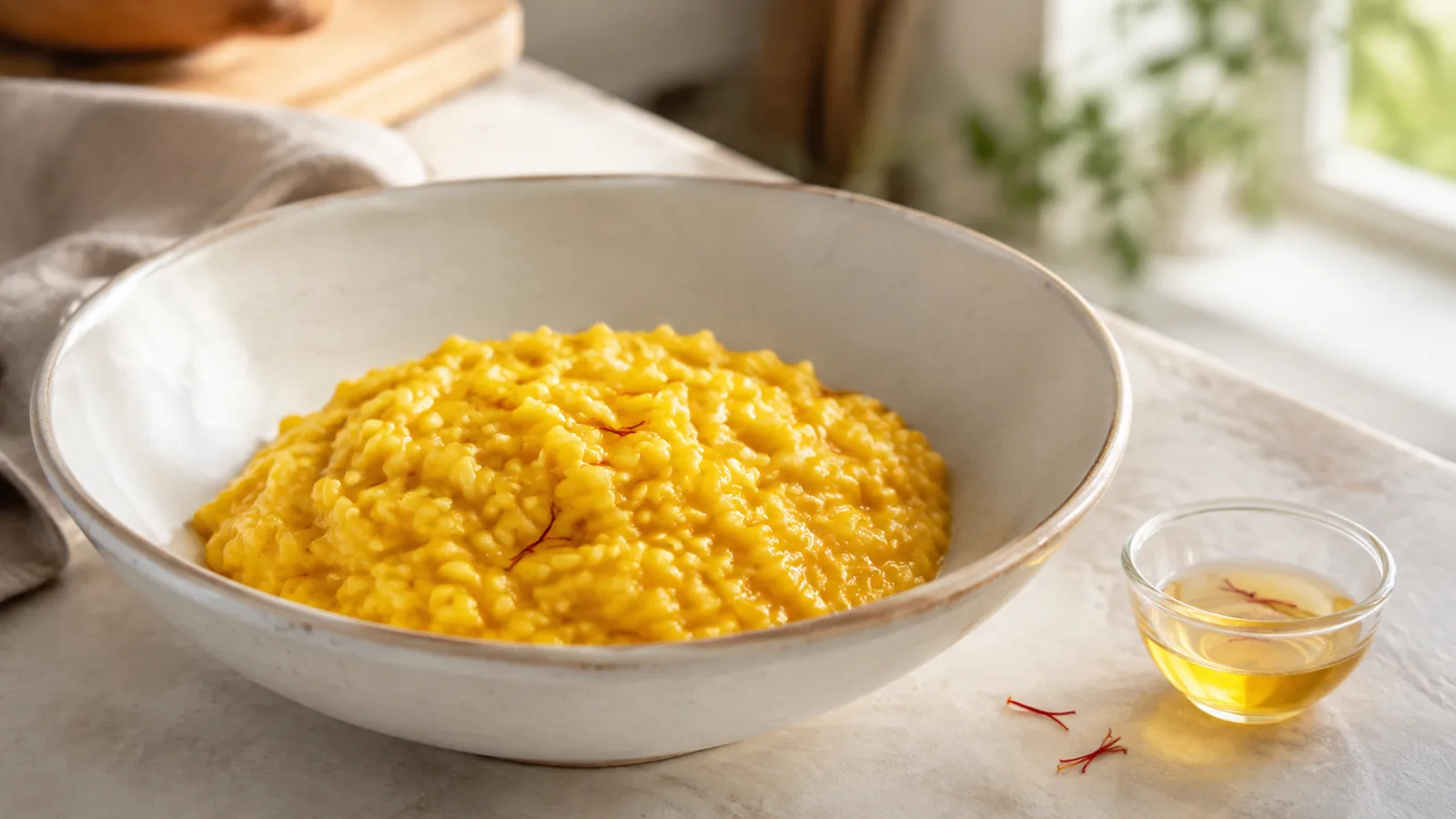
Stir the bloom into cooking water or stock for rice, pilaf, paella, risotto, couscous or quinoa. Mild grains let the spice’s vivid color and aroma remain clear. Butter or olive oil can round out its controlled bitterness.
Soups, stews and sauces
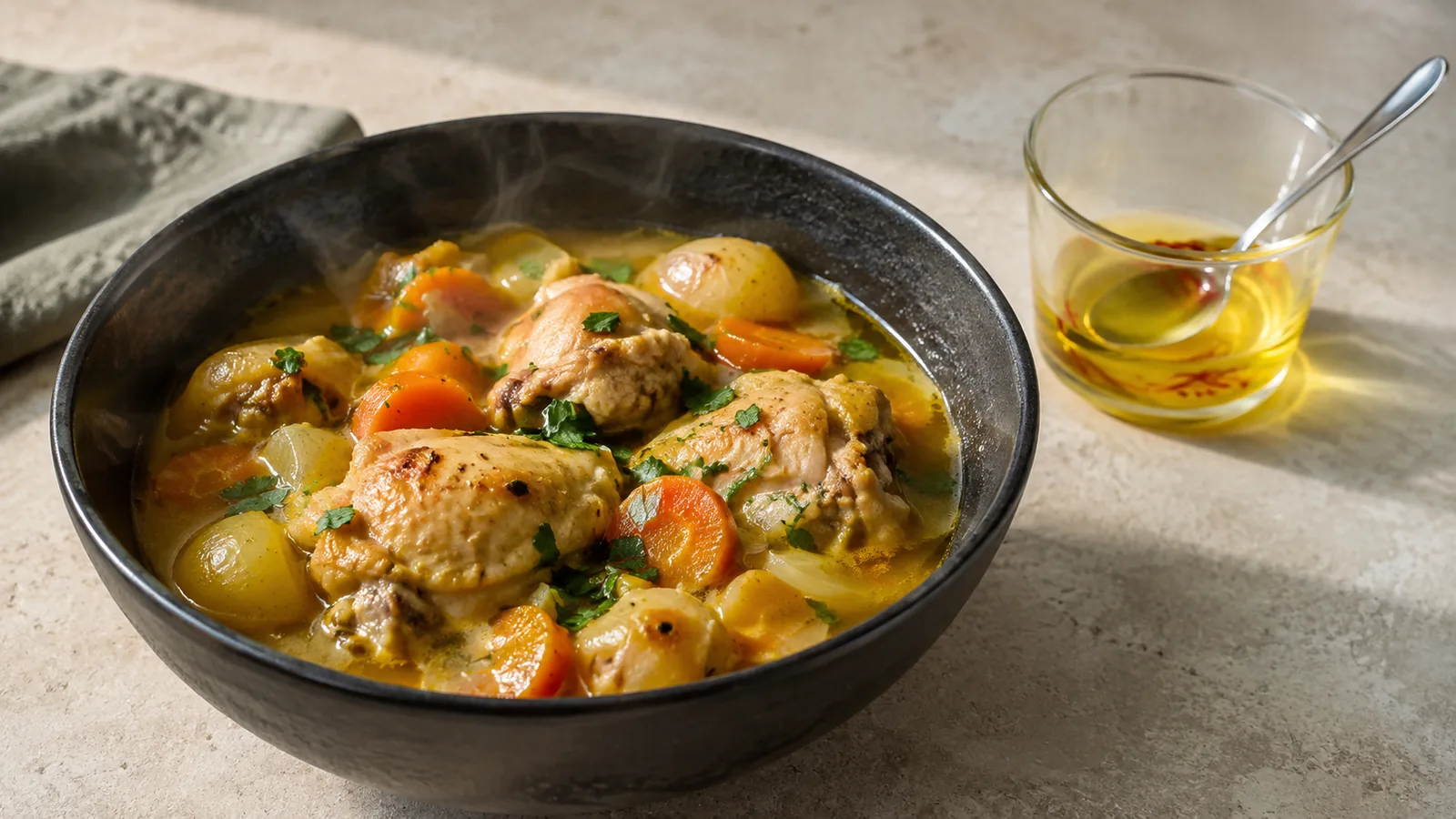
Add saffron to seafood broth, chicken soup, vegetable soup or a gently seasoned stew. Cream-based sauces carry its aroma particularly well. The spice can also support tomato, provided acidity and stronger seasonings are kept in balance.
Pasta and savoury bakes
Saffron suits pasta sauces built around butter, cream, mild cheese, seafood or vegetables. It can also be incorporated into bread dough, savoury pastries and baked rice dishes by mixing the bloom with the recipe’s liquid.
Desserts and drinks
Milk, cream, rice, honey, citrus, almond and pistachio are familiar partners. Add the infusion to custard, rice pudding, cake batter, ice cream or a warm milk drink. Restraint matters: vanilla, rose and cardamom can complement saffron, but heavy doses can hide it.
What ingredients pair well with saffron?
Seafood, poultry, vegetables and grains are reliable choices. Mild proteins such as chicken and fish absorb the infusion without dominating it, while peas, fennel, leek, carrots and potatoes provide a gentle background. Butter, olive oil, yoghurt and cream help the aroma linger.
Strong smoke, heavy chilli and aggressive spice blends can overwhelm saffron. They are not forbidden; they simply require a clear decision about which flavour should lead.
Cooking with saffron threads, powder or extract
Whole threads are usually easiest to judge and measure, and they make the spice’s identity and purity easier to assess. Ground saffron disperses quickly, but an unidentified powder can be harder to evaluate and is easier to overuse. Culinary extracts vary in concentration, so follow the product’s directions rather than assuming a direct substitution.
Kesar is another name for saffron. If a recipe explains how to use kesar in food, the same basic principles apply: use a small amount, bloom it in a suitable warm liquid and add it where the infusion can spread.
How much saffron should you use?
A pinch is a useful kitchen measure, but thread size and strength differ. Start conservatively for four servings and adjust the next time you make the dish. The guide to how much saffron to use in cooking gives more context for different portions and recipes.
More is not automatically more luxurious. Excess saffron can turn bitter or medicinal, while a weak bloom may add colour without a clear aroma. Authentic, high-quality saffron and careful preparation matter more than a large dose.
How to eat saffron
In culinary use, saffron is normally eaten as part of the prepared dish: the infusion and softened threads go into the rice, sauce, soup, dessert or drink. There is no need to chew dry threads separately. Cooking with saffron spice in ordinary food amounts is about flavour, aroma and colour, not about turning a recipe into a concentrated supplement.
What is saffron used for in cooking?
Saffron is used to add a recognisable golden colour, floral-earthy aroma and refined flavour. How do you use saffron in cooking successfully? Bloom the threads, measure with restraint, match the liquid to the recipe and protect the infusion from unnecessarily harsh heat. Those four decisions deliver better results than simply adding more spice. A visually appealing, vibrant color is welcome, but judge the full flavor and aroma as well.