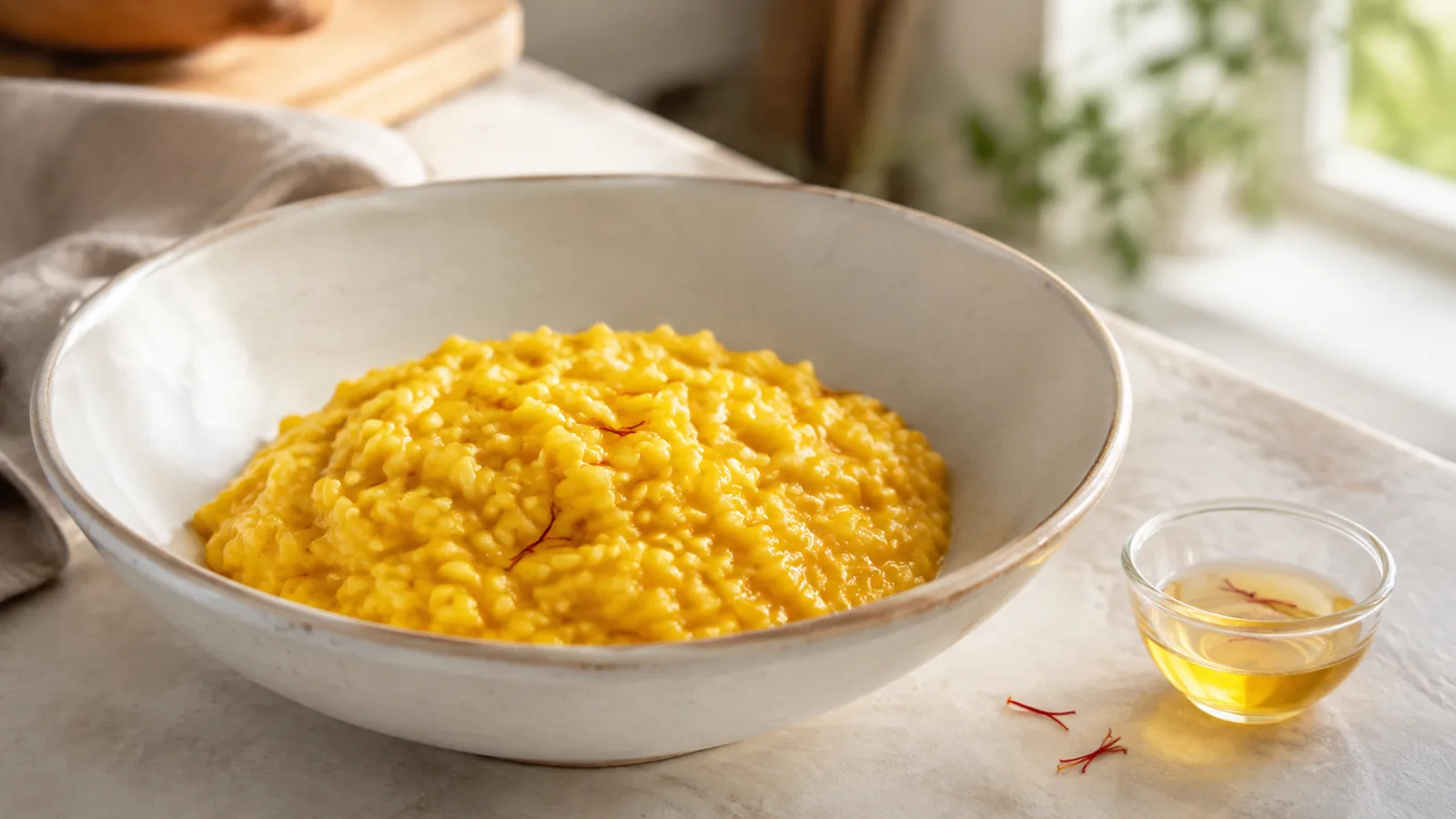
Saffron has three main purposes in cooking: it gives food a distinctive aroma, a gentle bittersweet flavour and a natural golden colour. Used well, it also connects a dish to culinary traditions in which saffron has long mattered. The purpose of saffron in recipes is not simply to make them look expensive.
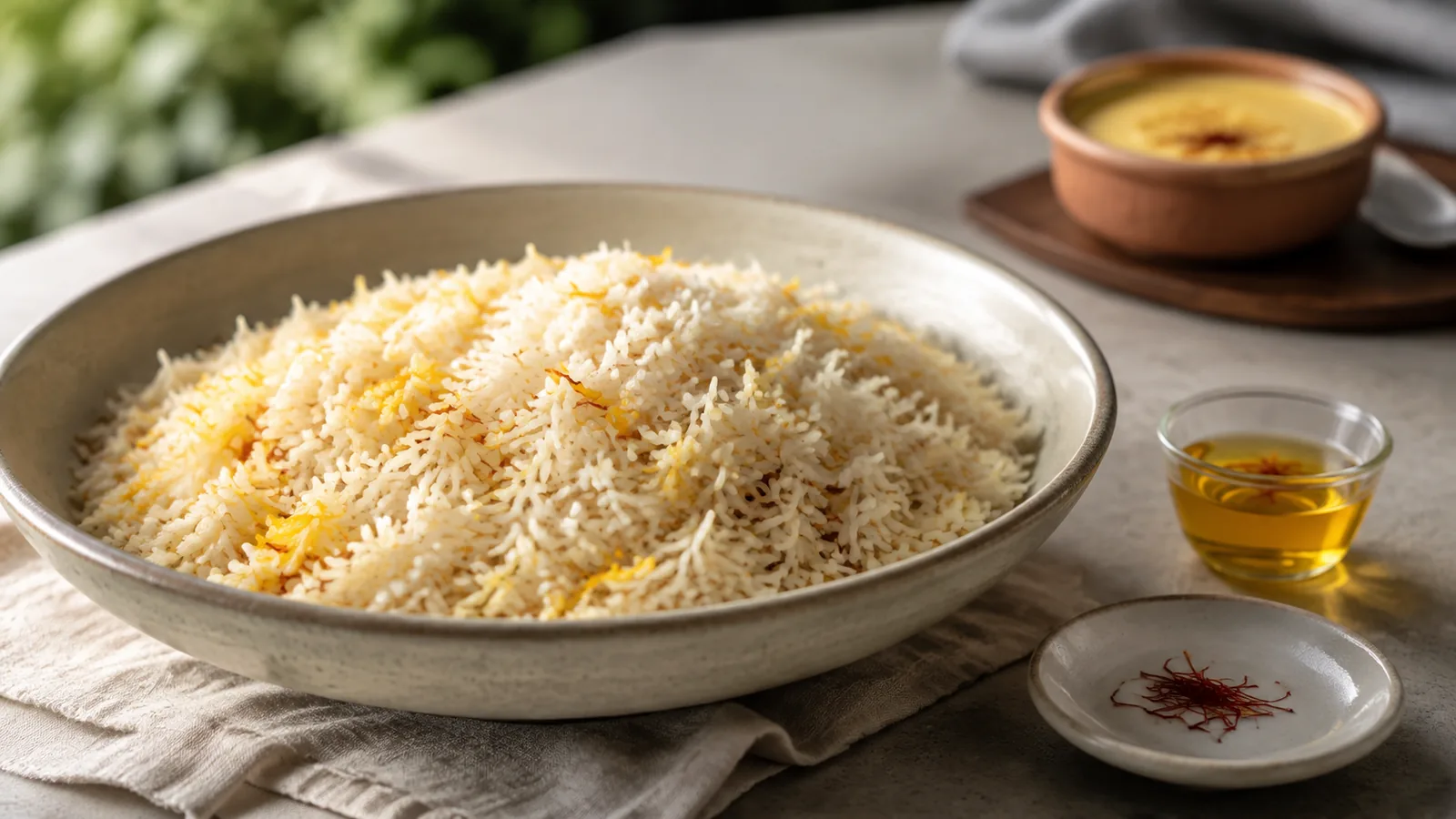
What is saffron used for in cooking?
Chefs use saffron when they want a flavor that is difficult to replace. Its delicate, slightly sweet and floral taste can also seem hay-like and faintly honeyed, with a controlled bitterness that gives savory and sweet dishes more depth. The effect should be noticeable but integrated, not loud.
Its water-soluble pigments also create a yellow-to-gold colour. That visual appeal is useful in rice, broths, sauces and desserts, but colour alone does not prove quality. Artificial colouring can be bright; good saffron should also have convincing aroma, taste, thread structure and provenance.
The four practical uses of saffron in cooking
1. Building flavour
A small amount can add complexity to simple ingredients such as rice, milk, stock or butter. Saffron works especially well when the rest of the recipe leaves space for its delicate character. Heavy smoke, aggressive chilli or too many competing spices can bury it.
2. Adding aroma
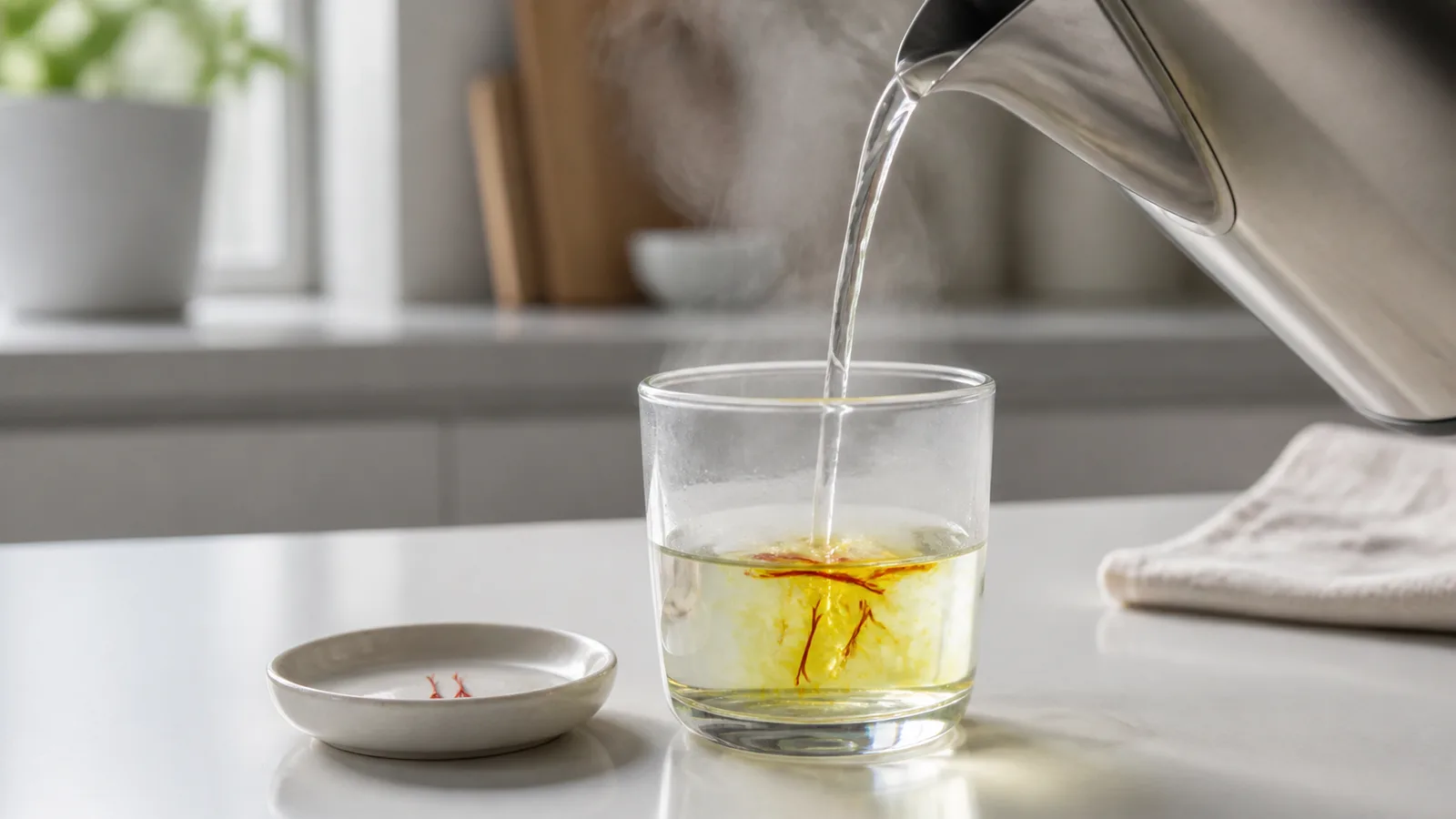
Saffron’s fragrance is part of the first impression of a dish. Blooming the threads in warm liquid before cooking helps release that aroma and distribute it more evenly. Prolonged hard boiling can make the final result smell flatter.
3. Colouring food naturally
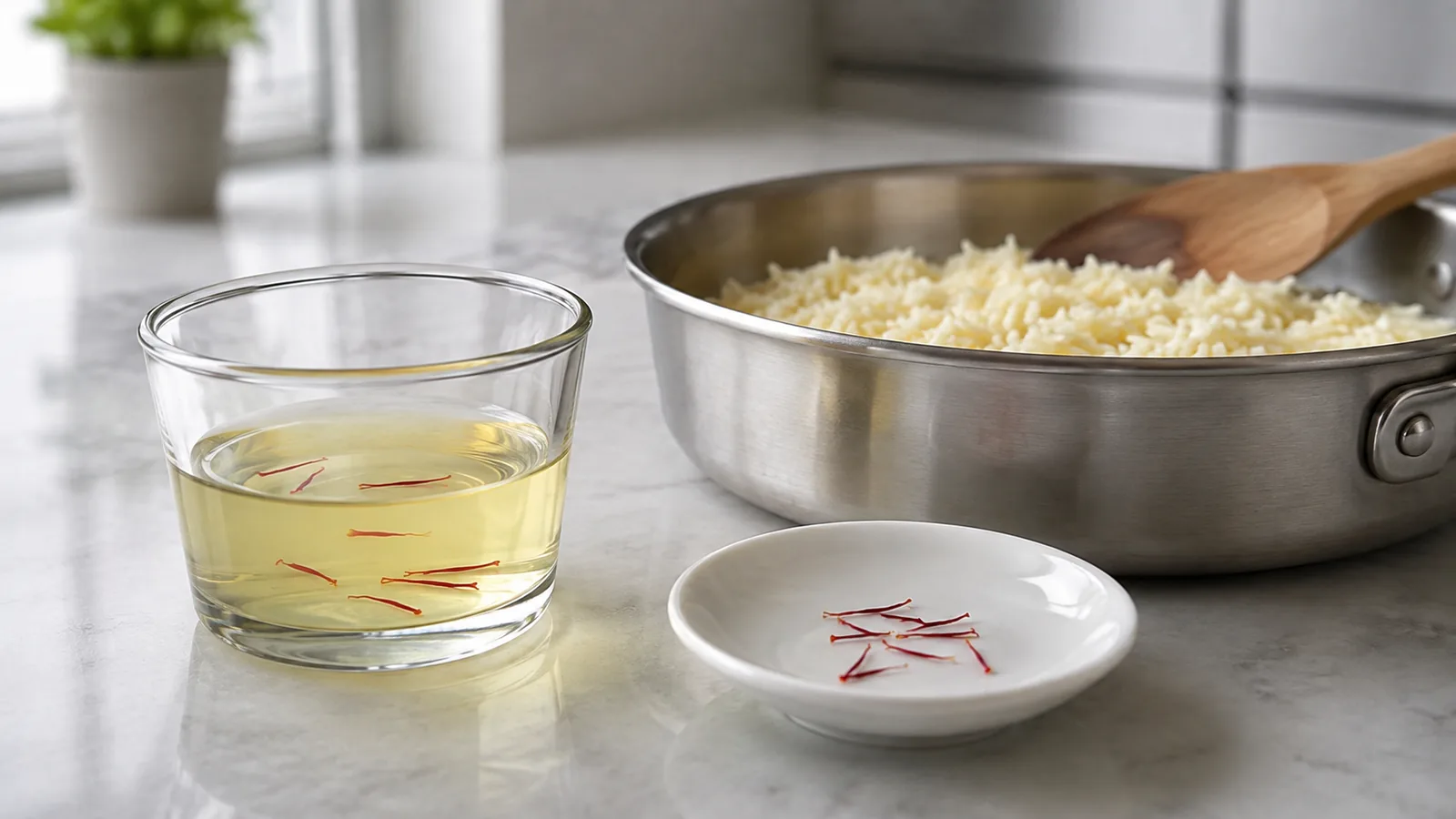
Crocin and related pigments give an infusion its golden-yellow hue. This is why saffron is used in dishes such as Persian saffron rice, paella, risotto alla Milanese, biryani, custards and some breads. The exact shade depends on dose, liquid, cooking method and the food’s existing colour.
4. Carrying cultural meaning
In Persian, Indian, Spanish, Italian, Arab, Turkish, Mediterranean and Middle Eastern food traditions, saffron can mark hospitality, celebration or careful preparation. Its traditional and celebratory meaning comes from history and use, not from luxury language alone.
How saffron changes savoury dishes
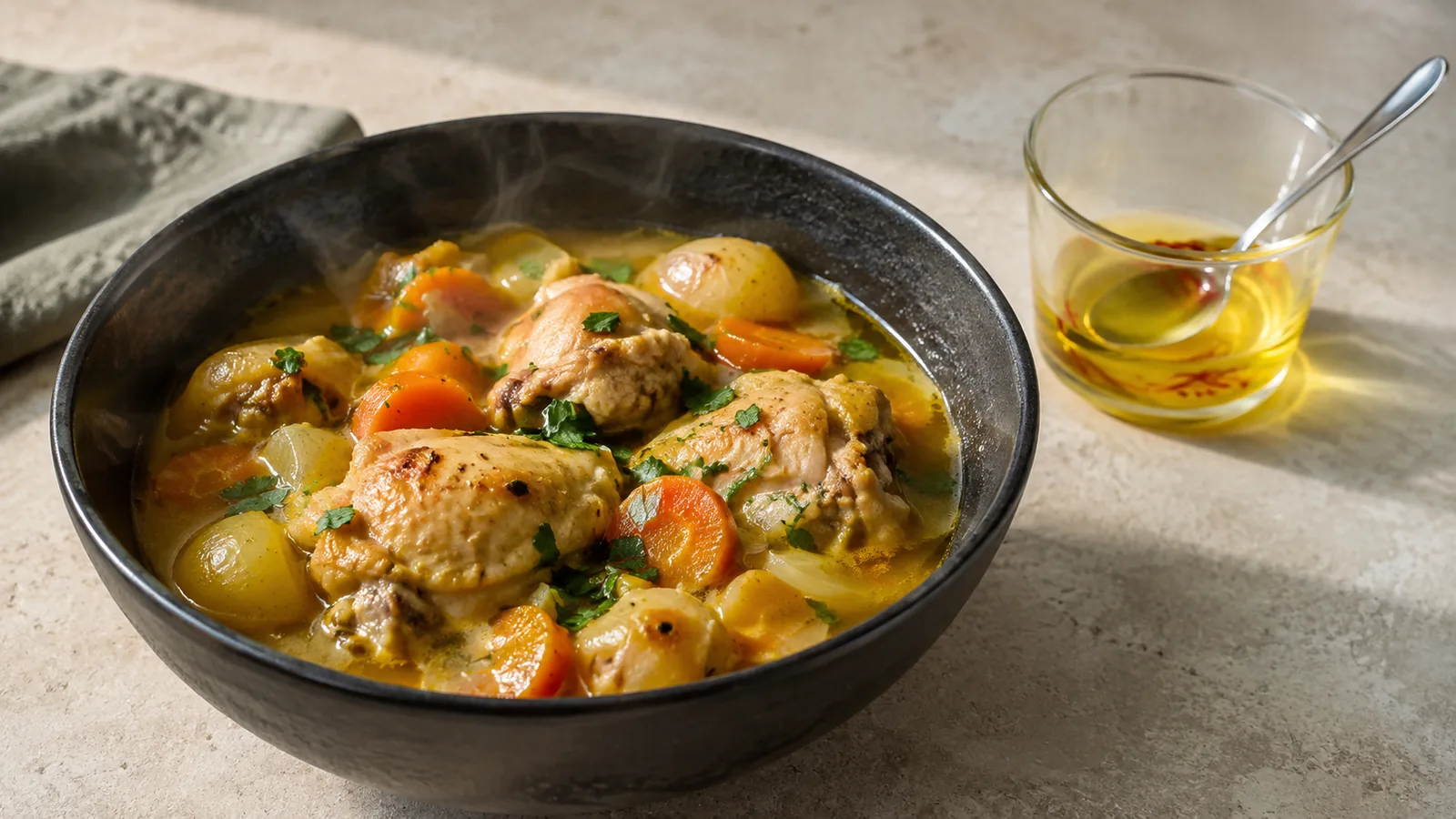
In rice, saffron adds aroma and colour without making the grains taste like a conventional spice blend. In soups, seafood or chicken dishes, its dry floral note can join the savory base while lifting it. In a cream or butter sauce, fat rounds the flavour, so dose cautiously.
The spice does not make every recipe richer by default. A good use has a clear reason: the dish needs saffron’s aroma, colour, flavour, or cultural character. If none of those helps the food, adding it only for prestige wastes the ingredient.
What saffron does in desserts and drinks
Milk, cream, sugar, nuts, rose water and cardamom can all work with saffron, but balance matters. In custards, ice cream, rice pudding and cake, it brings a warm golden appearance and a fragrance that keeps sweetness from feeling one-dimensional.
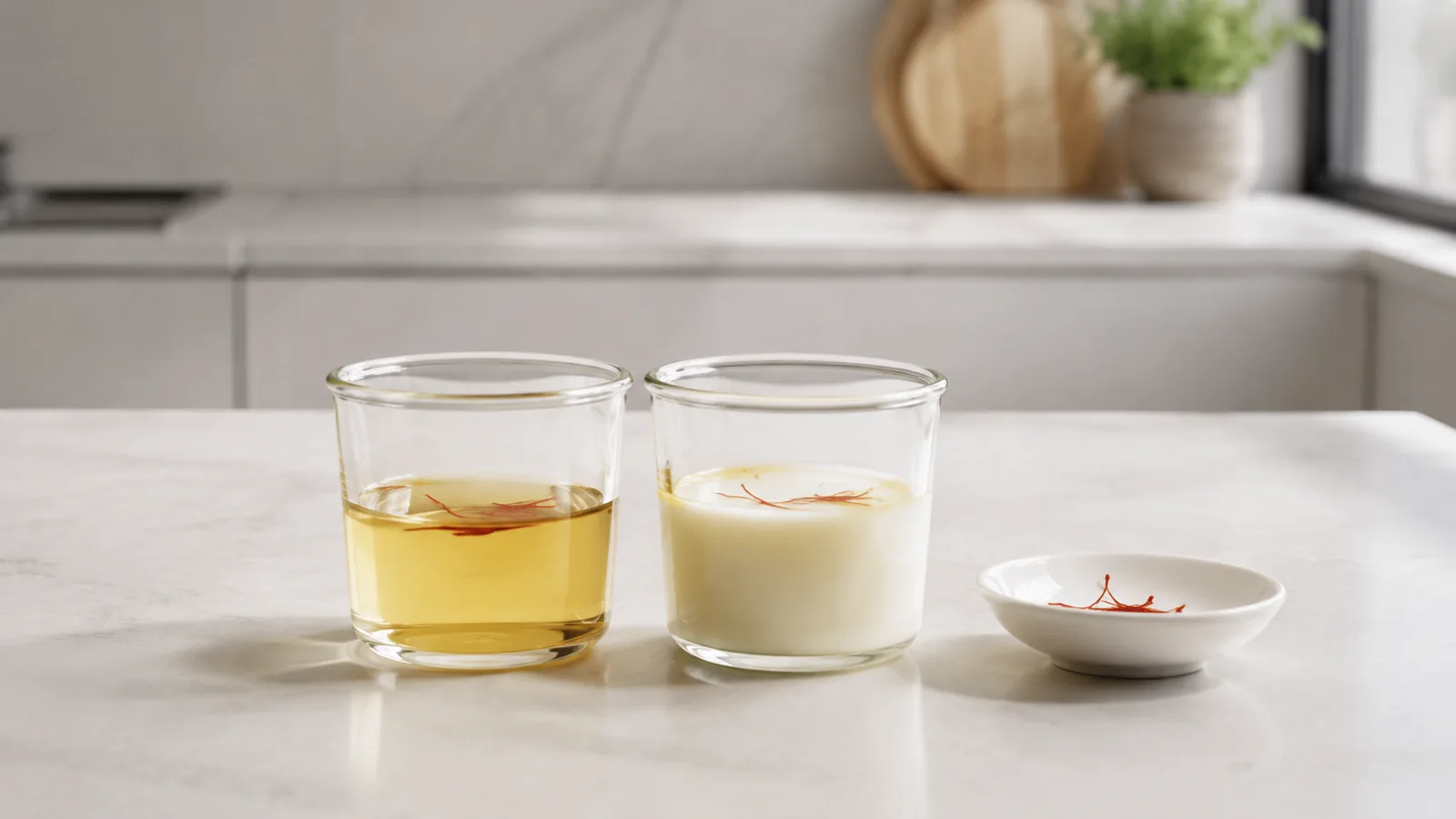
In tea or a milk drink, the infusion is more exposed, so stale saffron or an excessive dose is easy to notice. Start small, allow time for extraction and taste before adding more.
Why blooming matters
- Lightly crush the amount required for the dish.
- Cover it with a small quantity of warm water, milk or broth.
- Steep for roughly 10 to 15 minutes.
- Add both the liquid and softened threads where they can spread evenly.
Blooming supports even distribution, preventing a few bites from receiving all the saffron while the rest gets none. It also lets you judge colour and aroma before committing the infusion to a full pot.
How much saffron is enough?
The right amount depends on the dish, number of servings and strength of the threads. More is not automatically better: too much can make food bitter, medicinal or dusty. Start with the recipe’s tested amount and adjust in a later batch rather than doubling it during cooking.
For practical dose ranges, see how much saffron to use in cooking.
What dishes use saffron?
- Persian rice, tahdig and stews
- Paella and other seafood rice dishes
- Risotto alla Milanese
- Biryani and festive rice
- Fish, chicken and light broths
- Custards, puddings, ice cream and baked sweets
- Tea, milk drinks and fruit-based beverages
For more combinations and first-use ideas, browse what you can cook with saffron.
Quality and storage affect its purpose
High-quality, authentic saffron needs less help from sugar, dye or heavy seasoning. Look for a recognisable aroma and predominantly crimson threads, then store them airtight away from light, heat and moisture. The word “premium” is not a substitute for those checks.
Old or badly stored saffron may still colour a dish but contribute little fragrance. In that case, adding more can increase bitterness without restoring the missing aroma.
The best reason to use saffron
Use saffron when its flavour, aroma, golden colour or cultural role improves the culinary experience. Bloom it, add it at a sensible stage and let the surrounding ingredients support it. That is how saffron turns an ordinary base into a specific, memorable recipe without overwhelming the food, whether in home cooking or fine dining.