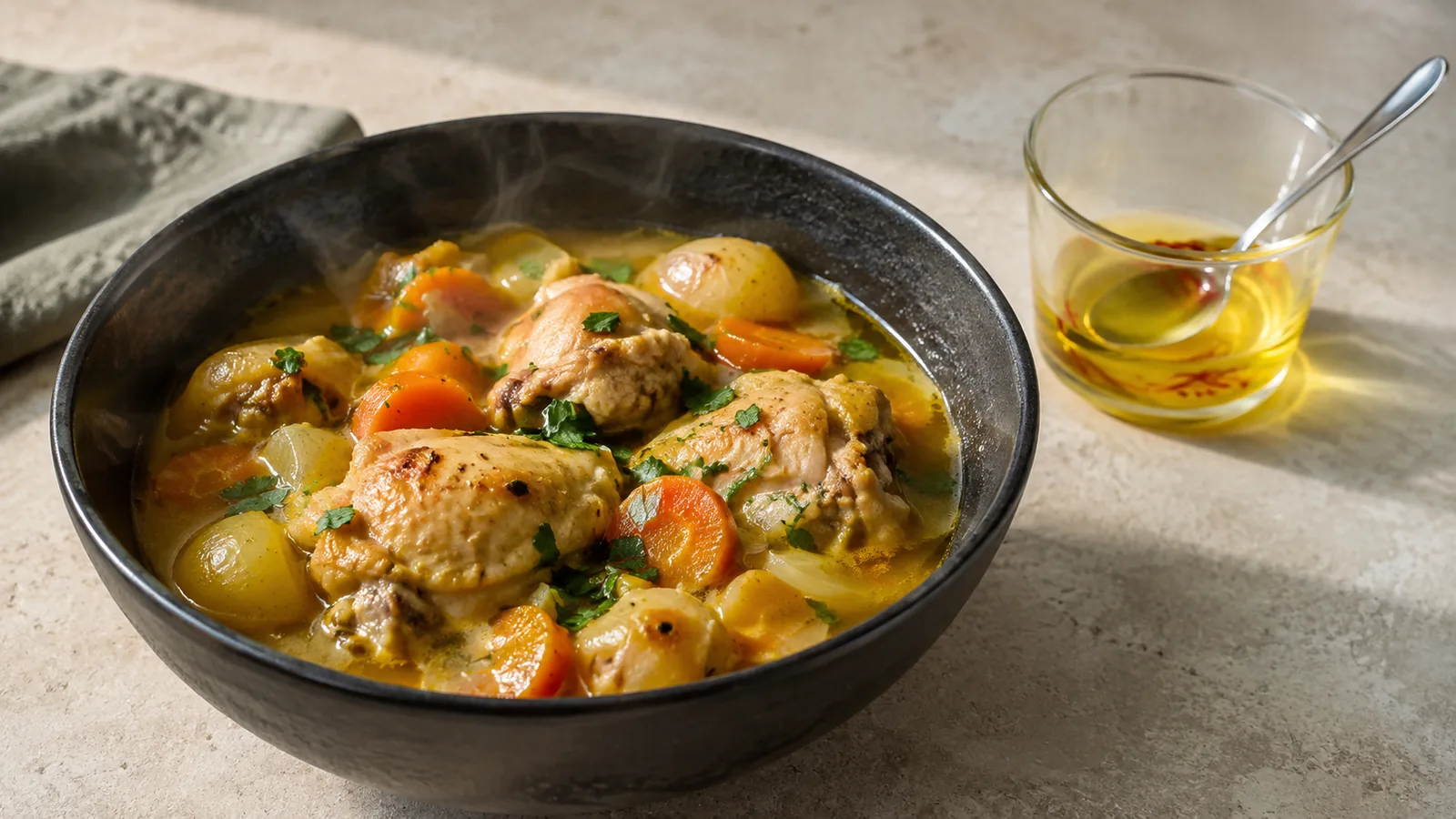
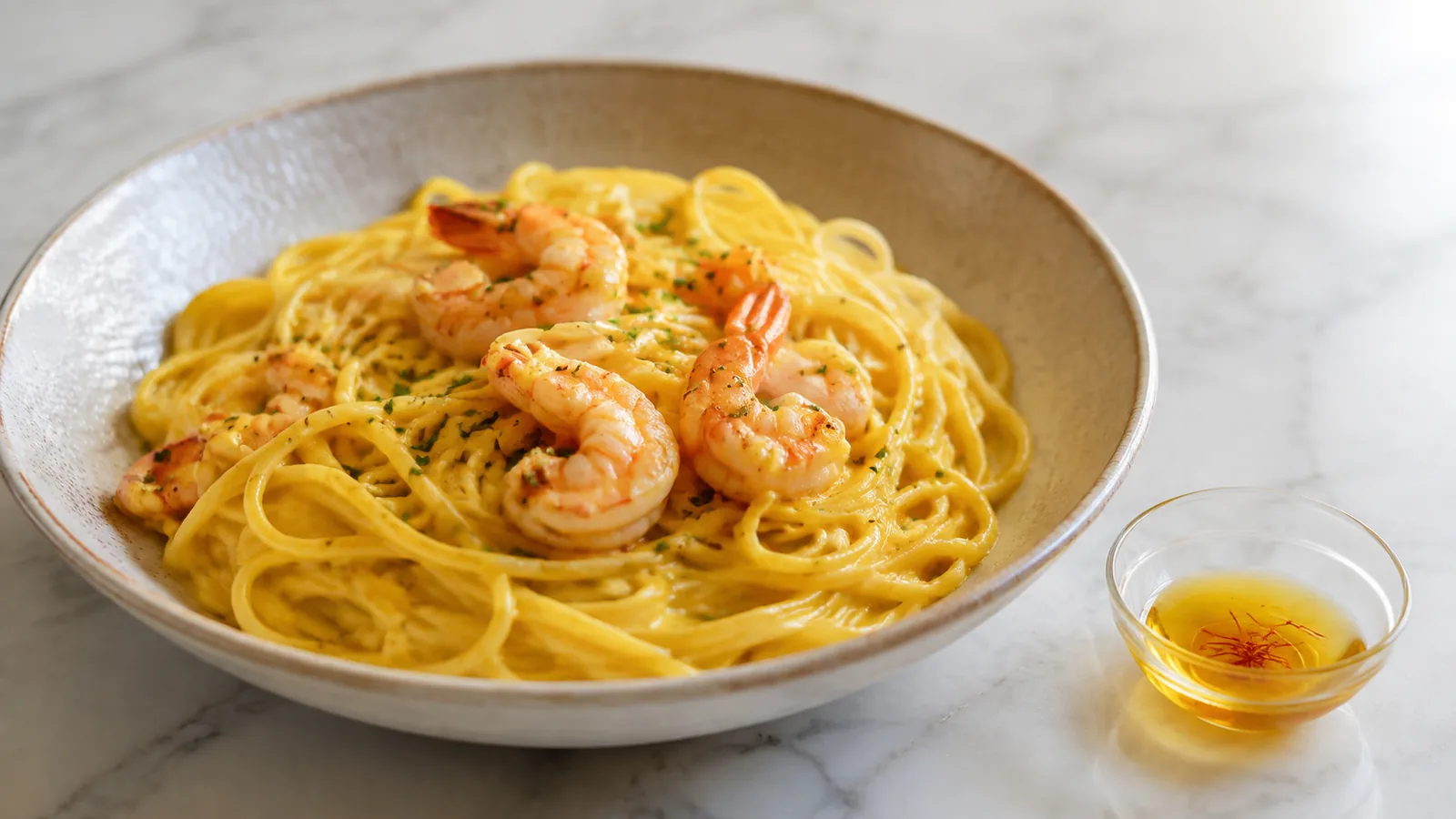
Yes. Italians cook with saffron, although it is a distinctive ingredient rather than an everyday seasoning in every region. Its best-known Italian role is in risotto alla Milanese, where a small amount gives the rice a golden colour, a delicate aroma and a flavour that sits comfortably beside butter, stock and cheese.
Where saffron appears in Italian cooking
Saffron has a long history in Italian cooking, particularly in traditional dishes from the northern region of Lombardy. Italian cooking is regional, so there is no single answer for the whole country. Saffron is especially associated with northern rice dishes, but it also appears in selected pasta sauces, seafood dishes, breads and desserts. These recipes use it with restraint. The aim is a recognisable fragrance and warm golden colour, not a sauce that tastes strongly medicinal or bitter.
This is why “Italian saffron” may refer either to saffron grown in Italy or to the way the spice is used in Italian recipes. Saffron in Italian cooking is usually treated as a featured flavour, supported by simple ingredients rather than buried beneath many competing spices.
Risotto alla Milanese: the classic example
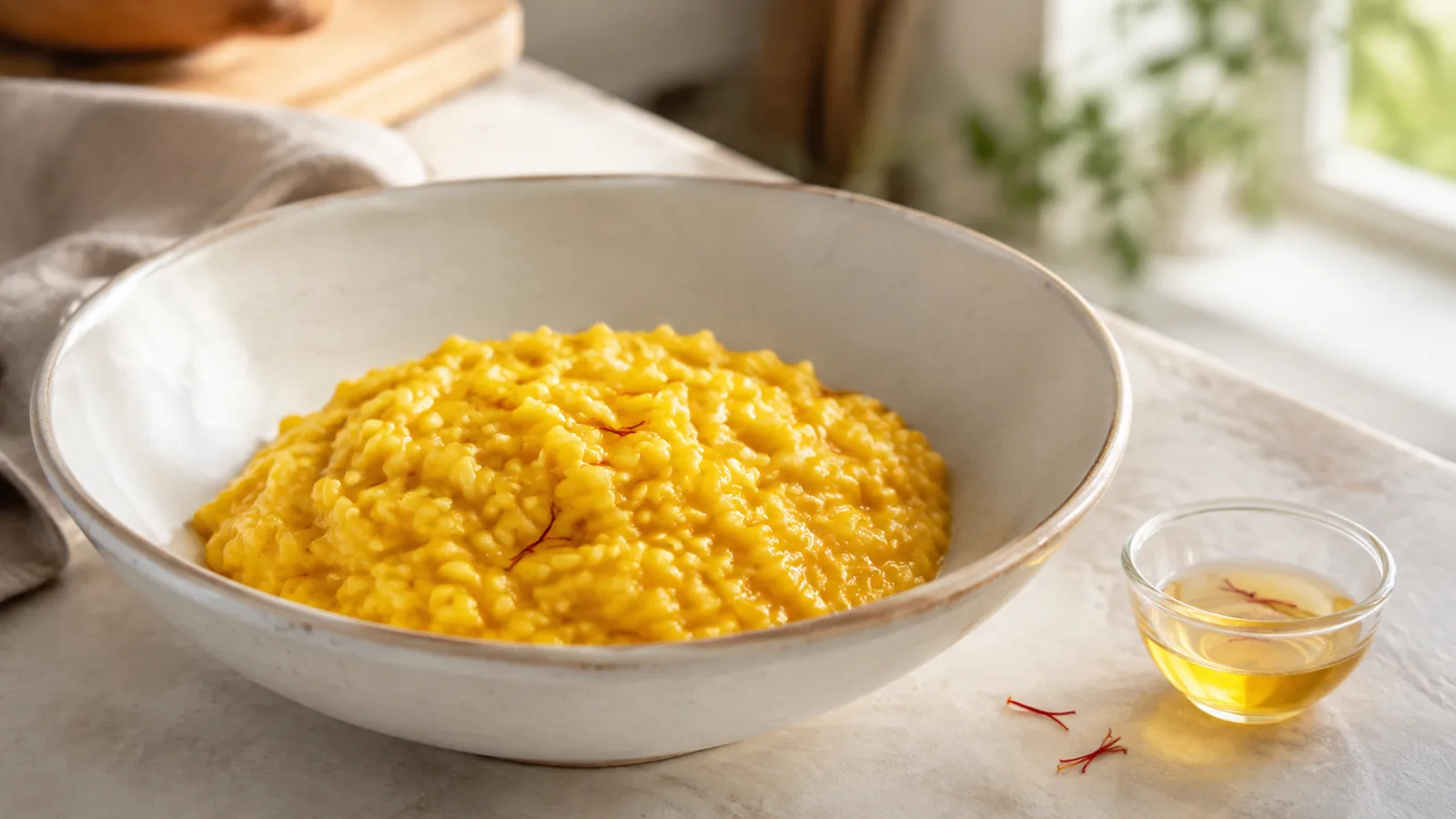
Risotto alla Milanese is the clearest answer to the question. Saffron gives the rice its characteristic golden-yellow appearance and a floral, hay-like aroma. Butter and cheese soften its slight bitterness, while the stock carries the infusion through the rice.
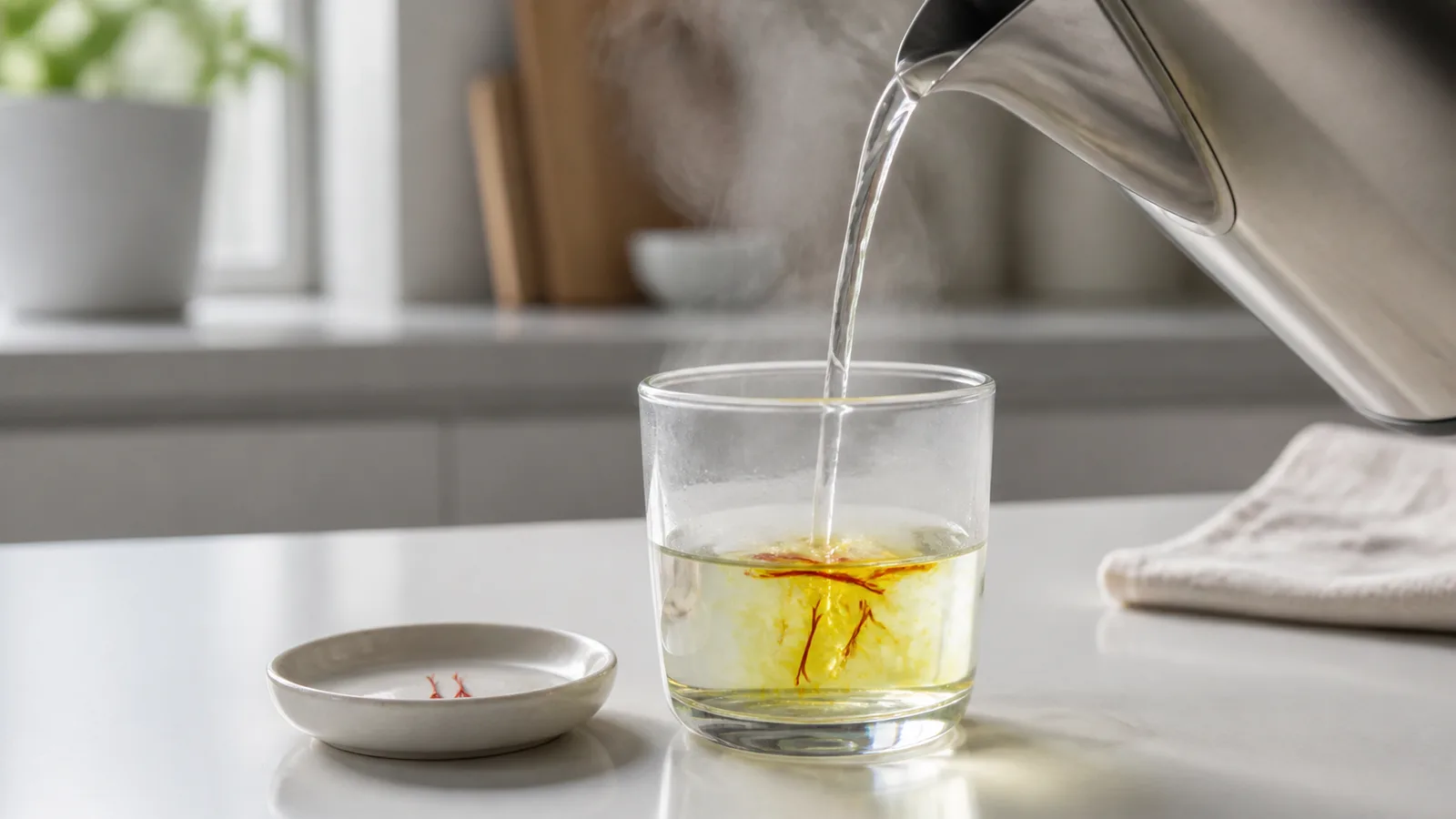
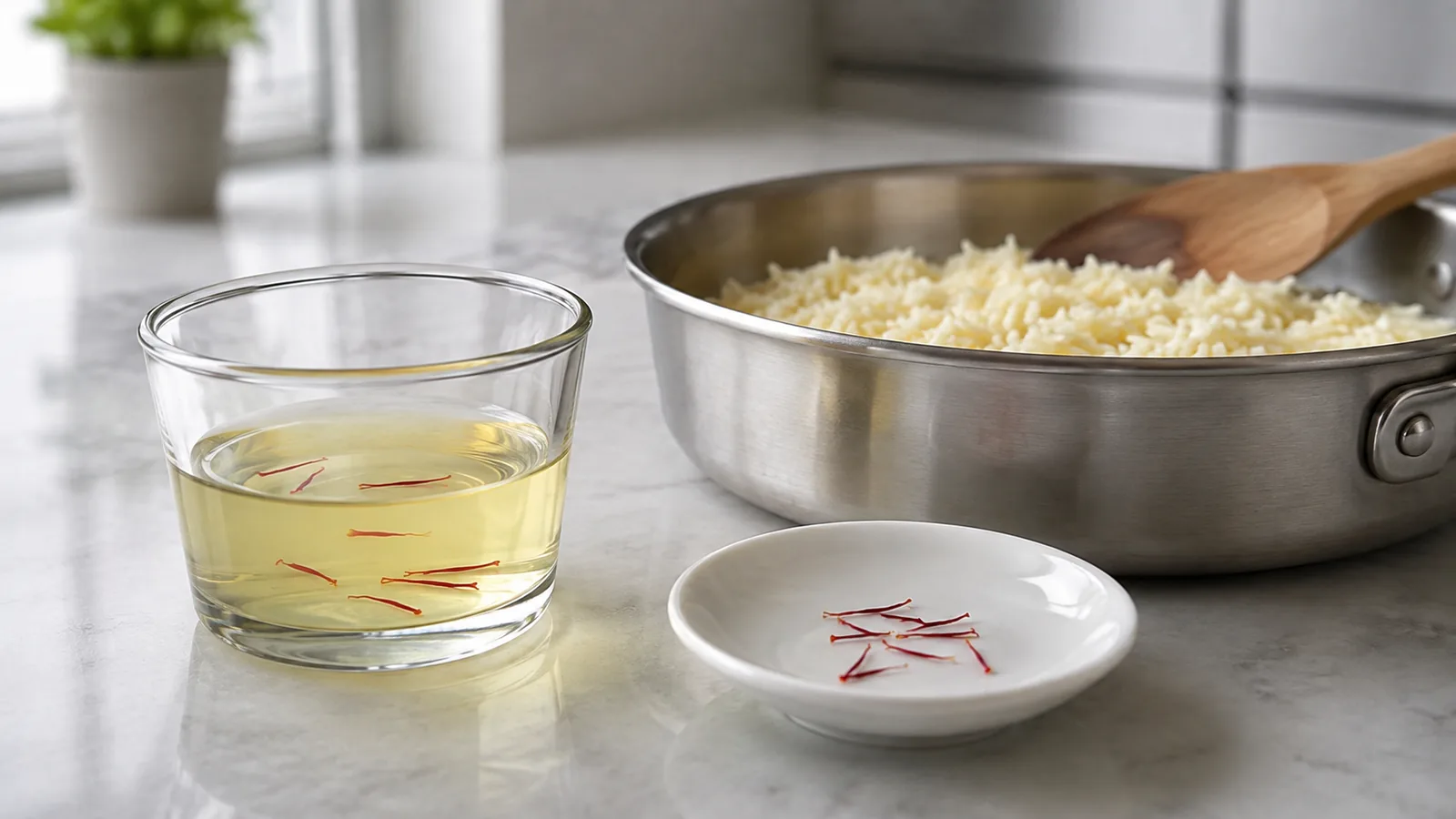
Lightly crush the threads and soak them in a small amount of warm stock. Stir the infusion into the risotto during the later part of cooking, allowing enough time for the colour to spread without simmering away all of the aroma. Our guide to when to add saffron to risotto explains the timing in more detail.
Do Italians use saffron in pasta?
They do, particularly when the sauce has a gentle base that lets the spice remain noticeable. Cream, butter, mild cheese and seafood all work well. Saffron can also give fresh pasta dough a golden tone, although adding it to a sauce or concentrated cooking liquid usually provides more aroma.
For a sauce, bloom the threads first and add the liquid gradually. A small amount of pasta water can loosen the sauce, but a large volume will dilute the saffron. See the practical method in our guide to using saffron in pasta.
Other Italian dishes that can use saffron
Beyond risotto and pasta, saffron suits fish and shellfish broths, potato or vegetable soups, enriched bread and milk-based desserts. It is not essential to all of these dishes. It works when the recipe has enough moisture or fat to distribute its aroma and a restrained flavour profile that will not overwhelm it.
- Seafood: pair it with shellfish, firm white fish, fennel, garlic or a modest amount of white wine.
- Vegetables: try it with leeks, peas, courgettes, potatoes or cauliflower.
- Breads and doughs: dissolve the bloom into the recipe’s liquid so the colour spreads evenly.
- Desserts: warm milk or cream is an effective infusion base for custards, rice desserts and gently flavoured cakes.
How to prepare saffron for an Italian recipe
- Use a small pinch of high-quality saffron threads and lightly crush them.
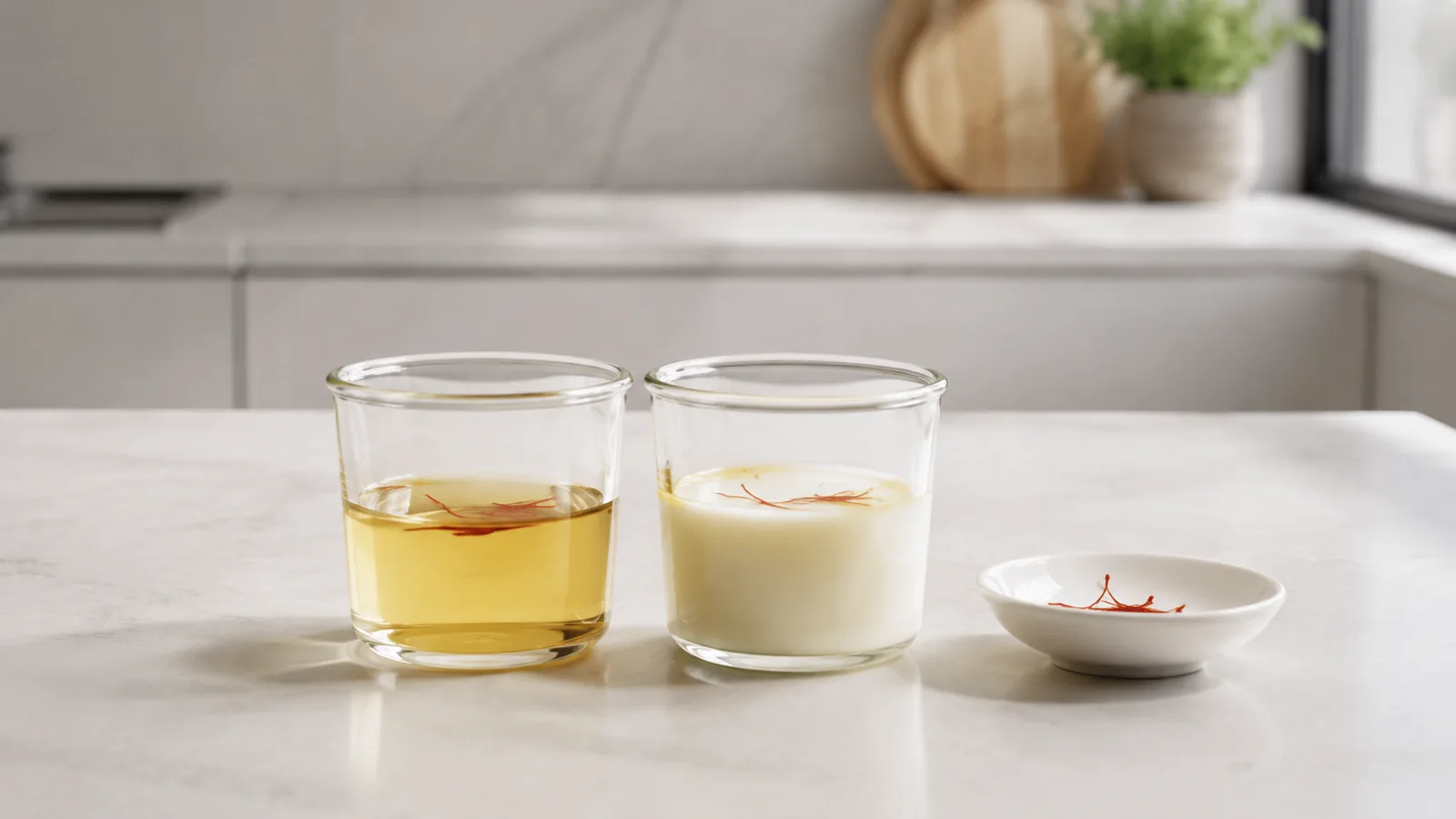
- Cover them with two or three tablespoons of warm water, broth or milk.
- Leave the threads for 10 to 15 minutes, until the liquid becomes deeply golden and aromatic.
- Add both the liquid and the softened threads to the dish.
- Taste before adding more; excess saffron can become bitter.
Warm liquid releases colour and aroma while helping with even distribution. It should not be violently boiling. For risotto and savoury sauces, broth often makes the most natural base. Milk or cream suits desserts and rich sauces, while water is useful when you do not want the infusion to alter the dish’s seasoning.
What flavour does it add?
Saffron is floral and earthy, with a faint honeyed quality and a controlled bitterness. Describing it simply as “slightly sweet” misses part of its character: the threads do not sweeten a dish like sugar. Instead, their aroma can seem rounder when combined with butter, cheese or cream.
The spice also creates strong visual appeal. Its golden hue makes pale rice, pasta and sauces look warmer and more appetising, but colour alone is not the benefit. A dish tinted yellow without saffron’s delicate fragrance will not have the same sensory effect.
Choosing saffron for Italian food
Choose dry, whole threads with a clean aroma and a predominantly deep crimson colour. Store them airtight, away from heat, light and moisture. Whole threads make it easier to judge the ingredient and control the dose than an unidentified powder.
High-quality saffron does not guarantee a good result by itself; preparation and proportion matter just as much. A concentrated bloom and careful timing will usually produce a more refined result than adding a larger quantity directly to the pan.
Is saffron essential to Italian cuisine?
It is essential to the identity of a few traditional recipes, most notably risotto alla Milanese, but not to Italian cooking as a whole. Its luxurious reputation and striking colour also make it suitable for festive occasions and special meals. Used carefully, saffron adds colour, aroma and a subtle flavour while still allowing the rice, pasta, seafood or dessert to taste like itself.