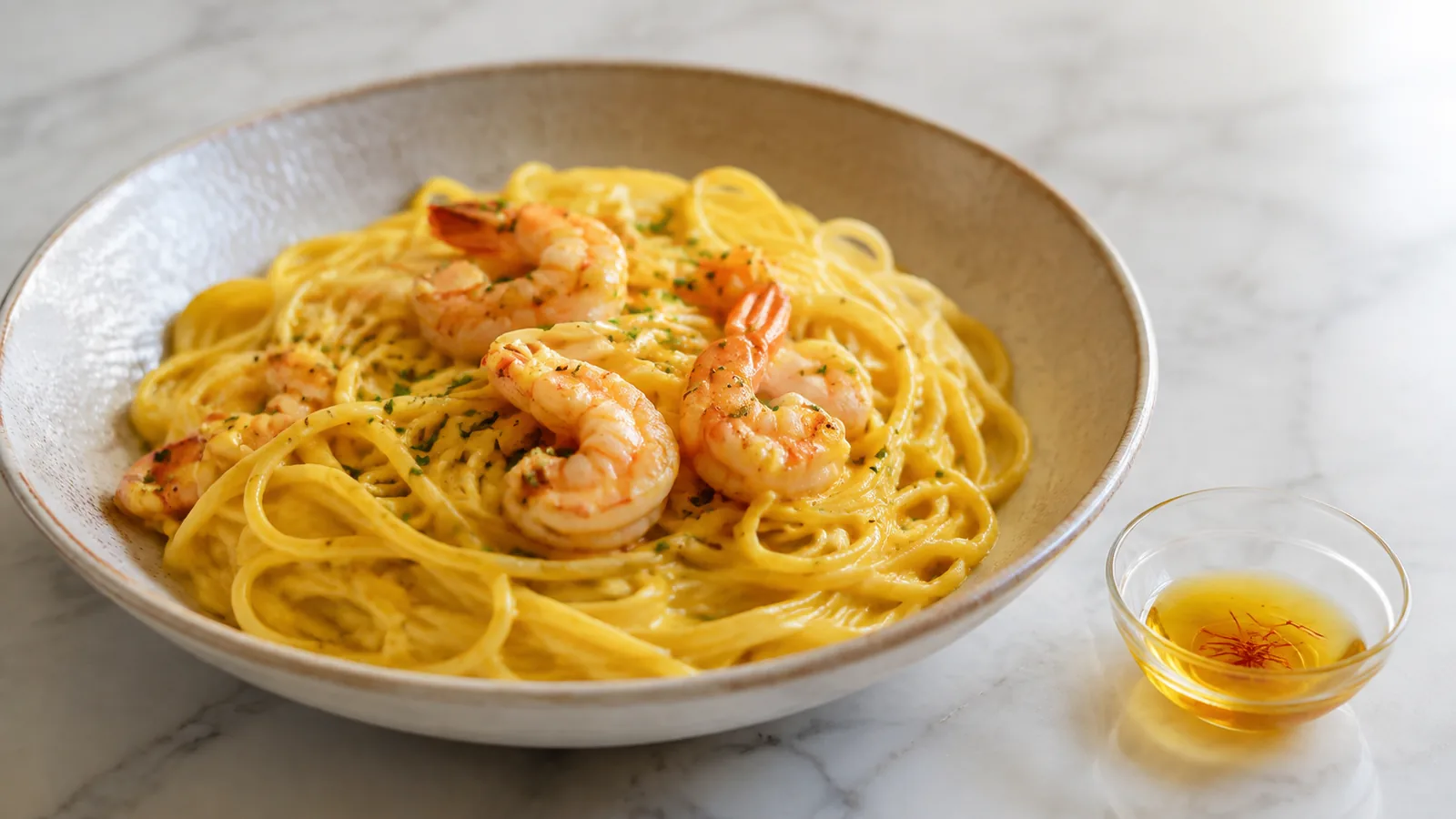


Yes, saffron is good in stew. A small amount adds a golden colour, a floral aroma and a gentle earthy bitterness that suits chicken, lamb, seafood and vegetable stews. The key to using saffron in stew is to bloom it first and add it at a time that preserves its fragrance.
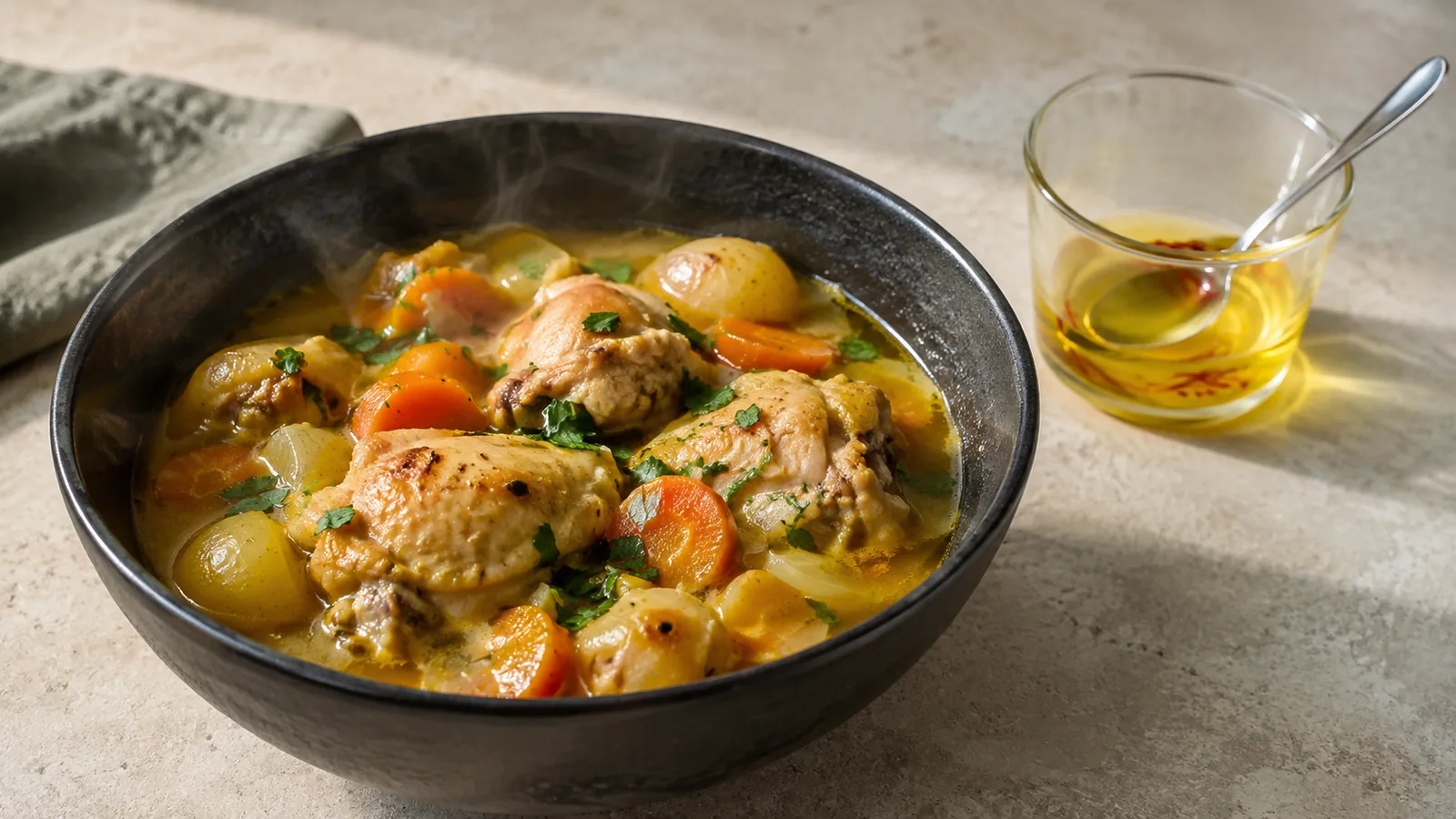
What saffron adds to a stew
Stew gives saffron enough liquid to spread through the whole pot. Its colour is clearest in pale broths and cream-based sauces, but its aroma can also lift a tomato, onion or herb base when those flavours are not too aggressive.
Saffron does not taste like turmeric or curry powder. It is more delicate and slightly bitter, so simply adding more will not create more depth. A restrained amount works best when the other seasonings leave it room.
Bloom saffron before it goes into the pot
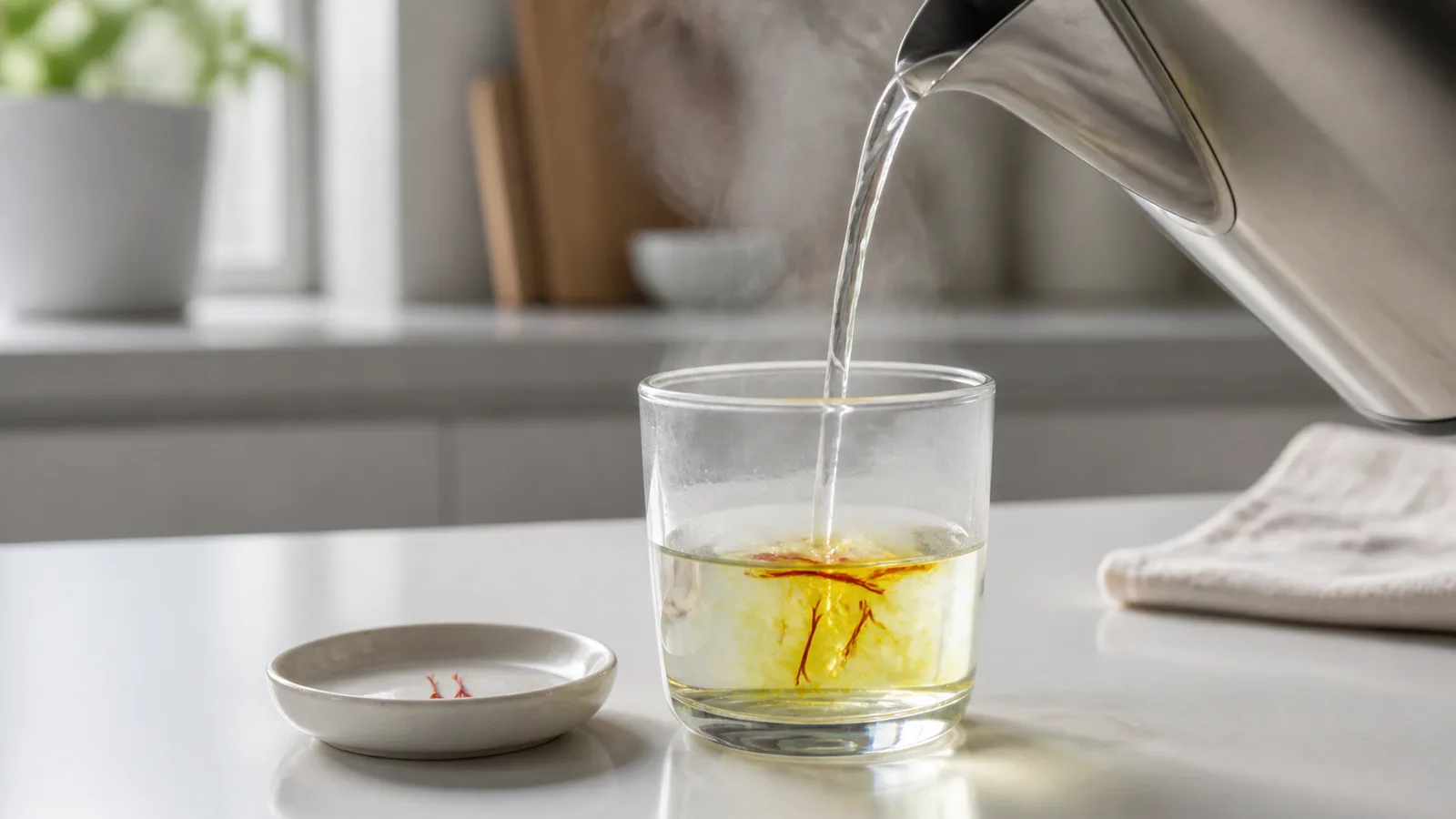
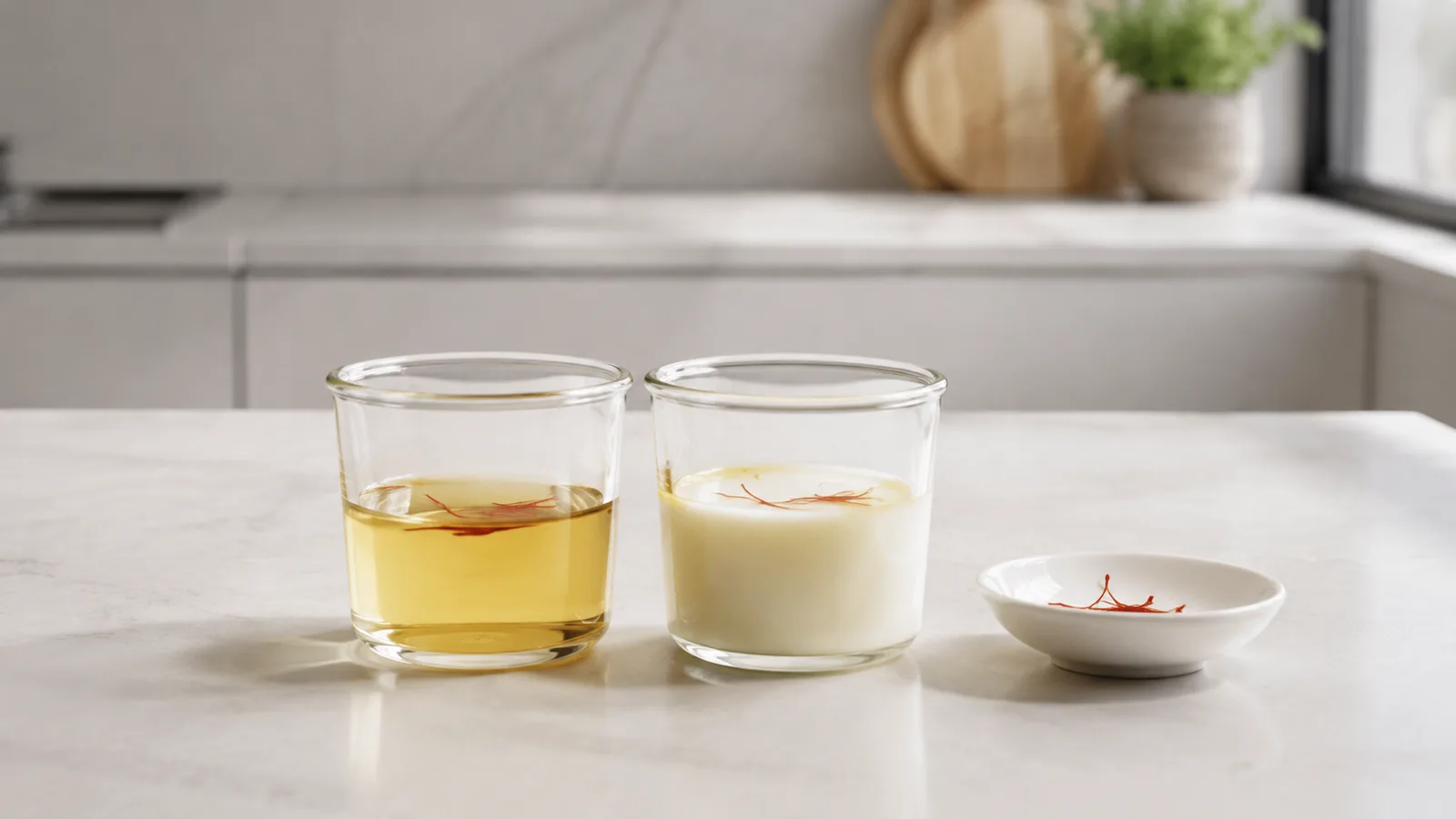
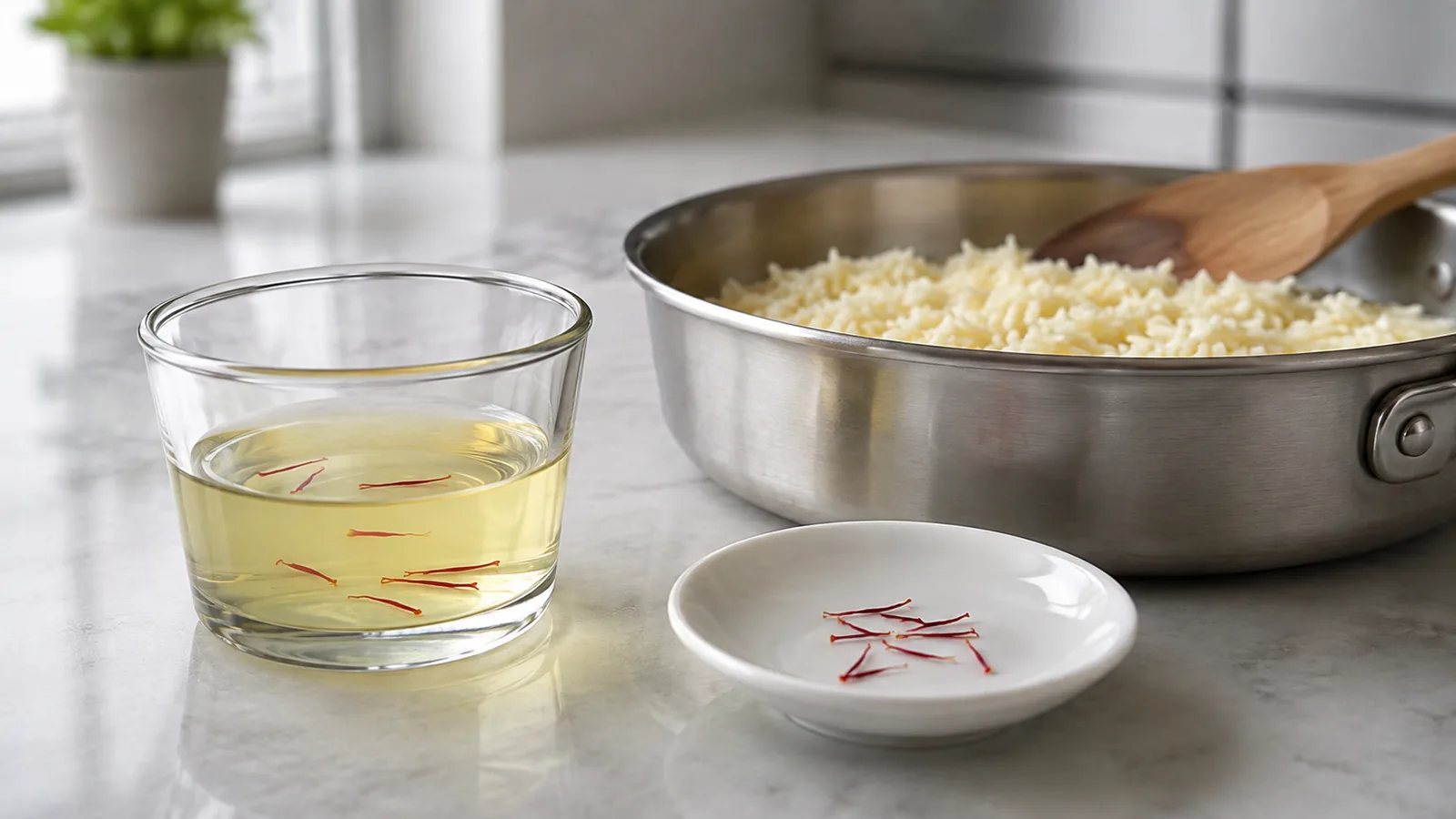
Lightly crush a small pinch of saffron threads, cover them with a few tablespoons of warm water or broth, and let the mixture stand for 10 to 15 minutes. Stir the golden liquid and the threads into the stew.
This short step distributes the spice more evenly than scattering dry threads across a full pot. It also lets you smell the infusion before committing it to the dish. If the aroma is faint, give it a few more minutes rather than immediately doubling the amount.
When should saffron be added to stew?
Adding saffron near the beginning gives its colour and flavour time to move through the broth. Adding it near the end keeps more of the delicate aroma. Both approaches can work, which is why the best practical method is often to divide the infusion.
Add roughly two-thirds after the main liquid enters the pot, then stir in the remainder during the final 10 to 15 minutes. A long-cooking lamb stew benefits from this layered approach. A quick seafood stew can take the whole infusion late because it has less time to develop.
The right timing also depends on the recipe. Our guide to when to add saffron during cooking explains how heat and cooking time affect other dishes.
Ingredients that pair well with saffron in stew
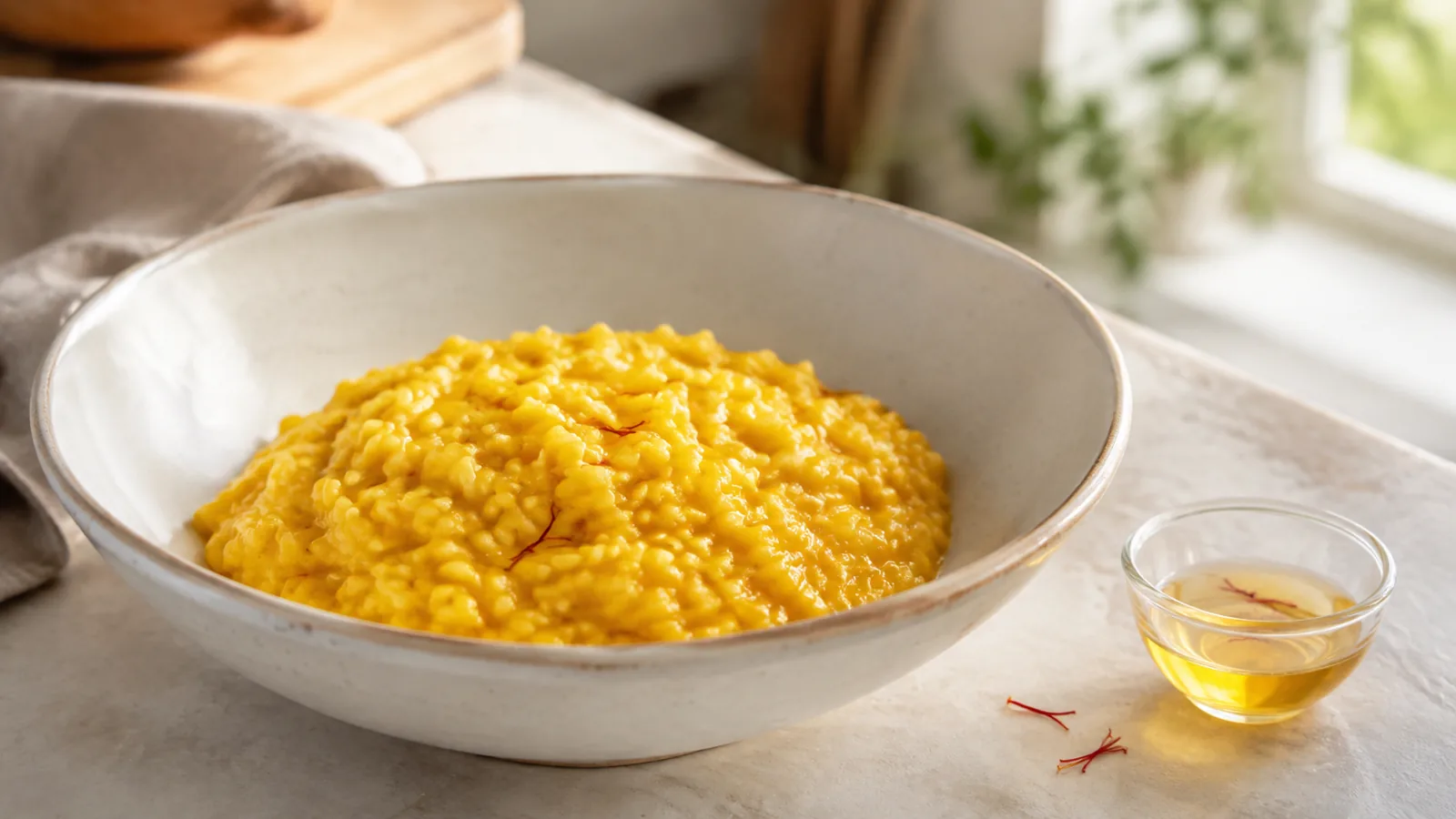
Saffron works naturally with chicken, lamb, firm white fish and shellfish. Carrots, potatoes, squash, chickpeas and white beans are mild enough to carry its aroma. Rice can be served alongside the stew or cooked into a looser, soup-like dish.
Onion, leek and a modest amount of garlic build a savoury base. Lemon brightens the finished broth, while cream or yogurt rounds it. Mild spices such as coriander seed, cumin or cinnamon can support saffron, but they should not all be used heavily in the same pot.
A simple method for saffron chicken stew
This is a flexible framework rather than a fixed regional recipe.
- Bloom a small pinch of lightly crushed saffron in warm chicken stock for 10 to 15 minutes.
- Brown the chicken in a little oil, then set it aside.
- Soften onion in the same pot. Add a small amount of garlic if wanted.
- Return the chicken and add carrots, potatoes and enough stock to simmer gently.
- Stir in most of the saffron infusion, cover and cook until the chicken and vegetables are tender.
- Add the remaining infusion near the end. Taste for salt, acidity and saffron before serving.
A squeeze of lemon may be enough to sharpen the broth. Add it gradually: too much acid can make the saffron seem thinner rather than brighter.
How the method changes by type of stew
Chicken stew
Chicken is one of the easiest partners because its broth does not compete with the spice. Carrot, potato, peas and lemon all fit. Keep the browning moderate if you want a clear golden colour.
Lamb stew
Lamb needs a stronger savoury base and longer cooking. Onion, chickpeas, dried fruit or a little cinnamon can bridge the meat and saffron. Reserve part of the infusion for the end so it is not lost during the long simmer.
Seafood stew
Fish and shellfish cook quickly, so build the broth first and add saffron before the seafood enters. Tomato can be used, but a large amount will dominate the colour and may obscure the more delicate aroma.
Vegetable and bean stew
Potatoes, squash, carrots, cauliflower, chickpeas and white beans make a gentle base. Add green vegetables late so they stay fresh in colour. A spoonful of yogurt or a little lemon at the table can provide contrast.
How much saffron should go in a stew?
For a family-sized pot serving four to six people, begin with a small pinch. Bloom it, smell the infusion and taste the stew after it has simmered. Pot size, broth strength and saffron quality all affect the result.
If more is needed, bloom an additional small amount rather than dropping dry threads into the pot. For guidance across different dishes, see how much saffron to use in cooking.
Common mistakes
- Using too many strong spices: chilli, smoked seasoning and heavy spice blends can hide saffron completely.
- Boiling the infusion for a long time: the colour may remain while the finer aroma fades.
- Adding dry threads at serving time: they colour unevenly and do not have enough time to release their character.
- Expecting saffron to rescue a weak broth: the stew still needs proper browning, seasoning and a balanced liquid base.
- Judging only by colour: a very yellow stew is not necessarily more aromatic or better seasoned.
Does saffron make stew healthier?
Saffron can be enjoyed as a culinary spice, but adding it to stew does not turn the dish into a treatment or guarantee benefits for digestion or mood. The nutritional character of the meal depends mainly on the full recipe, portion and the person eating it. Use saffron here for flavour, aroma and colour.
The practical answer
Saffron is a good choice for stew when the broth and seasonings are gentle enough to show it. Bloom a small pinch for 10 to 15 minutes, add most during cooking and reserve a little for the end. With chicken, lamb, seafood or vegetables, careful timing brings more to the pot than simply using more spice.