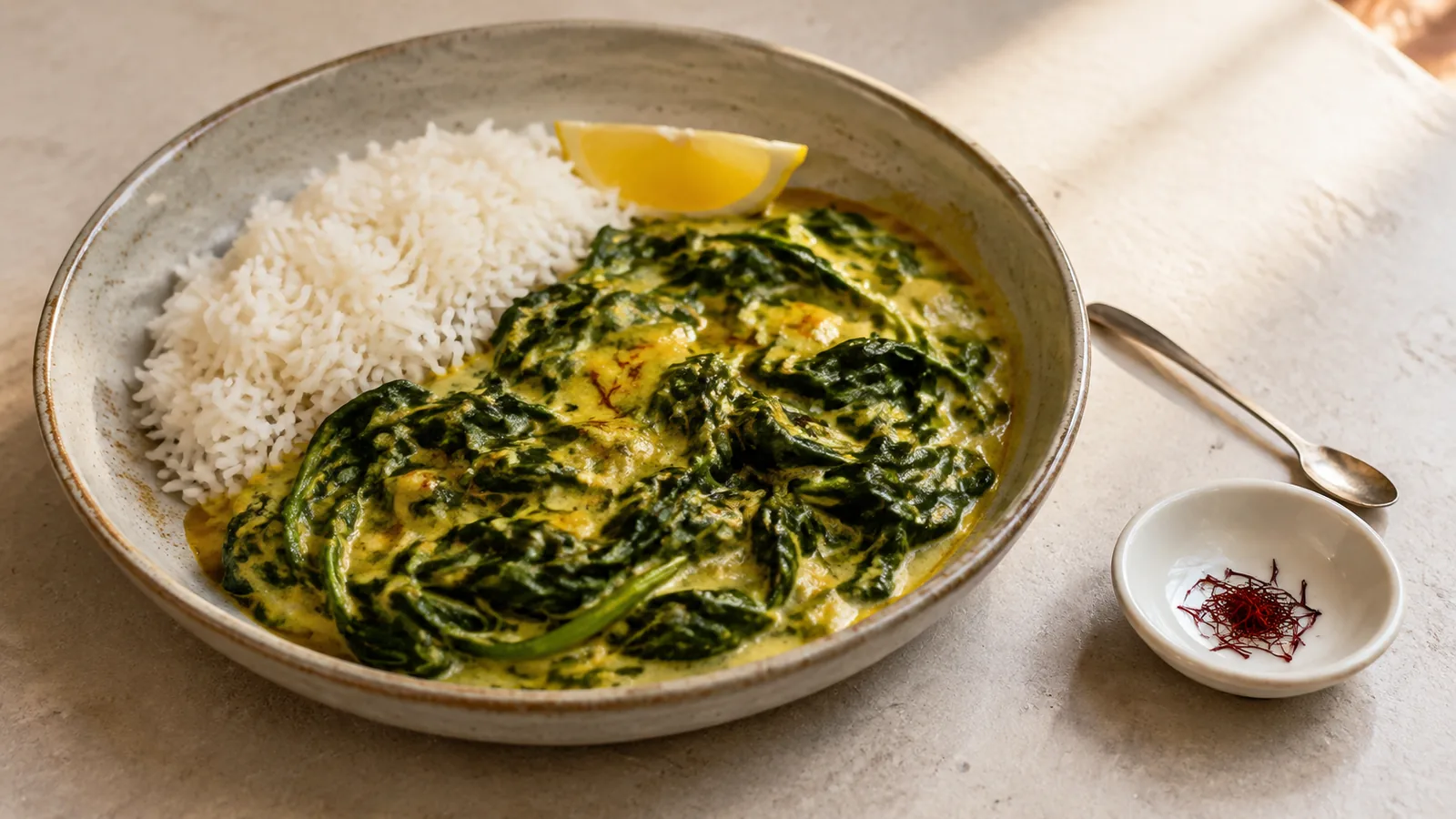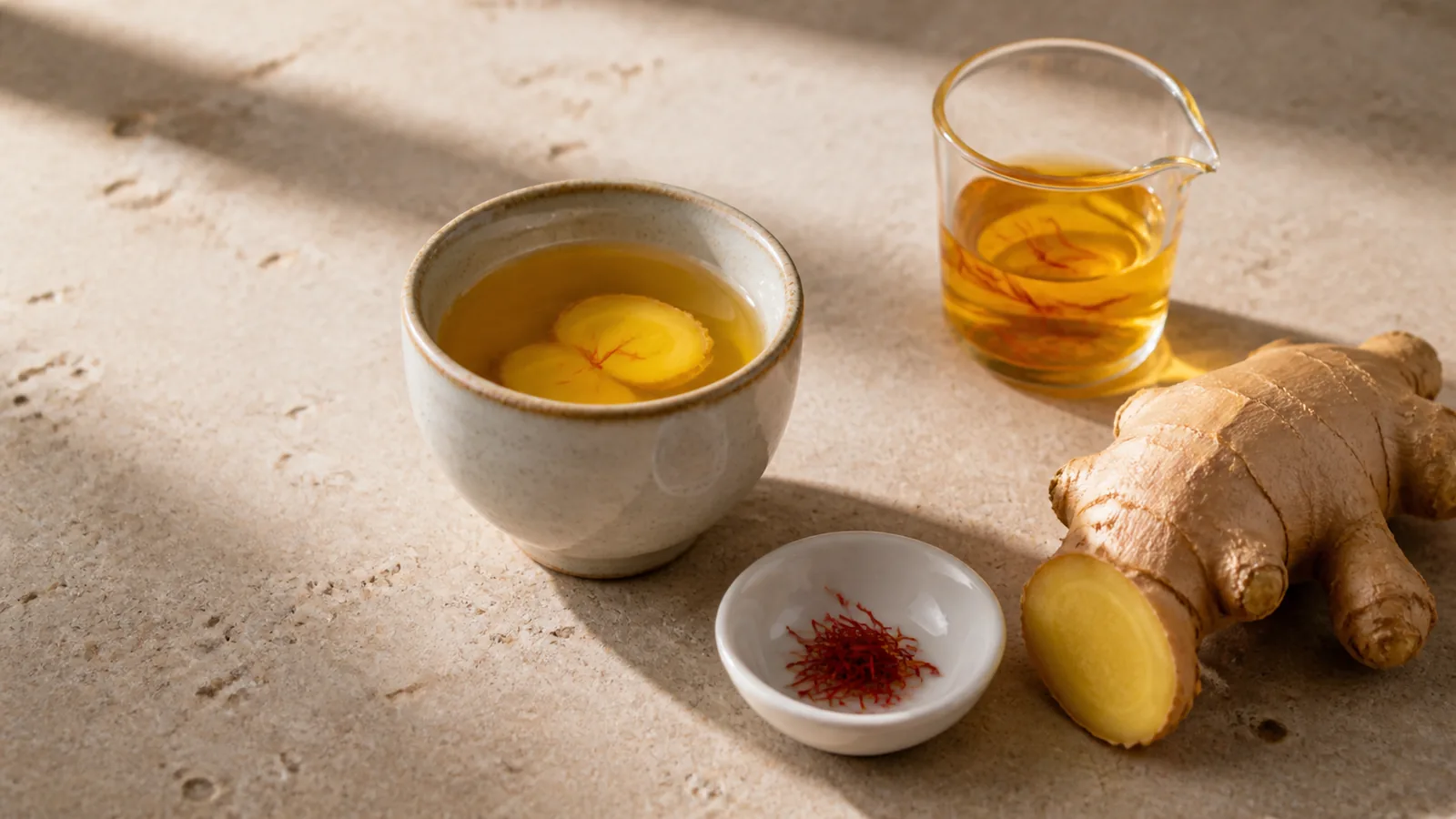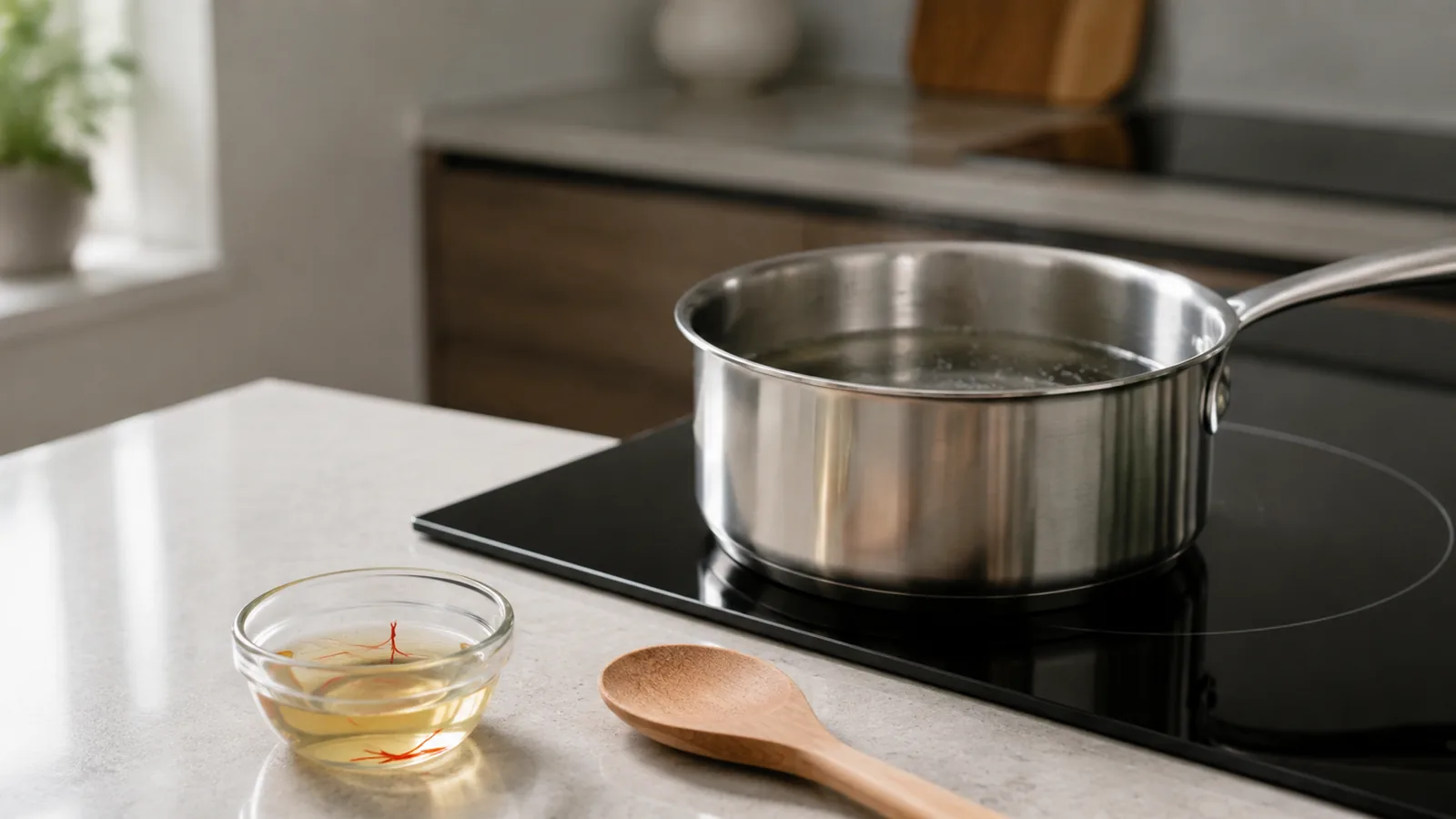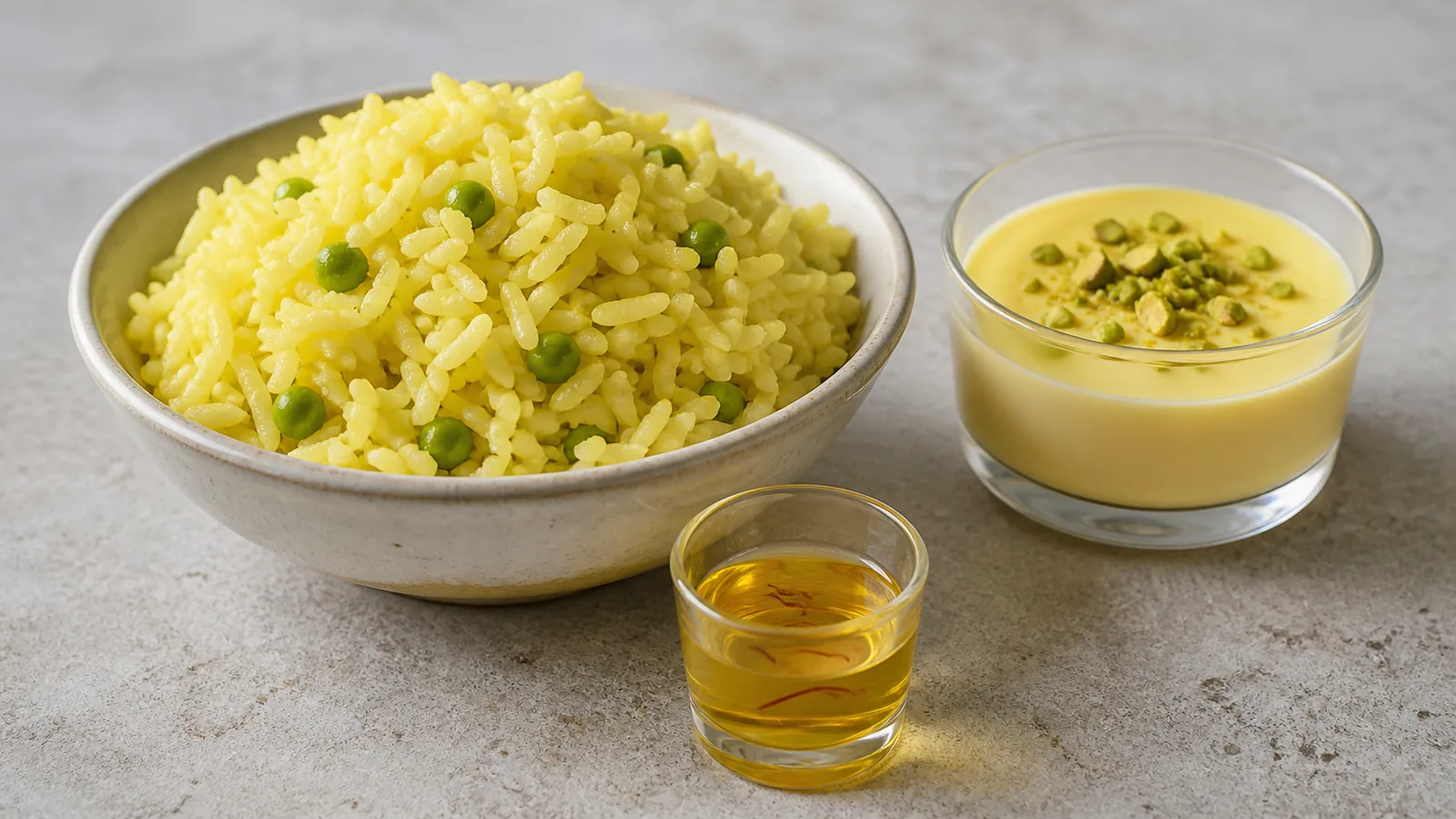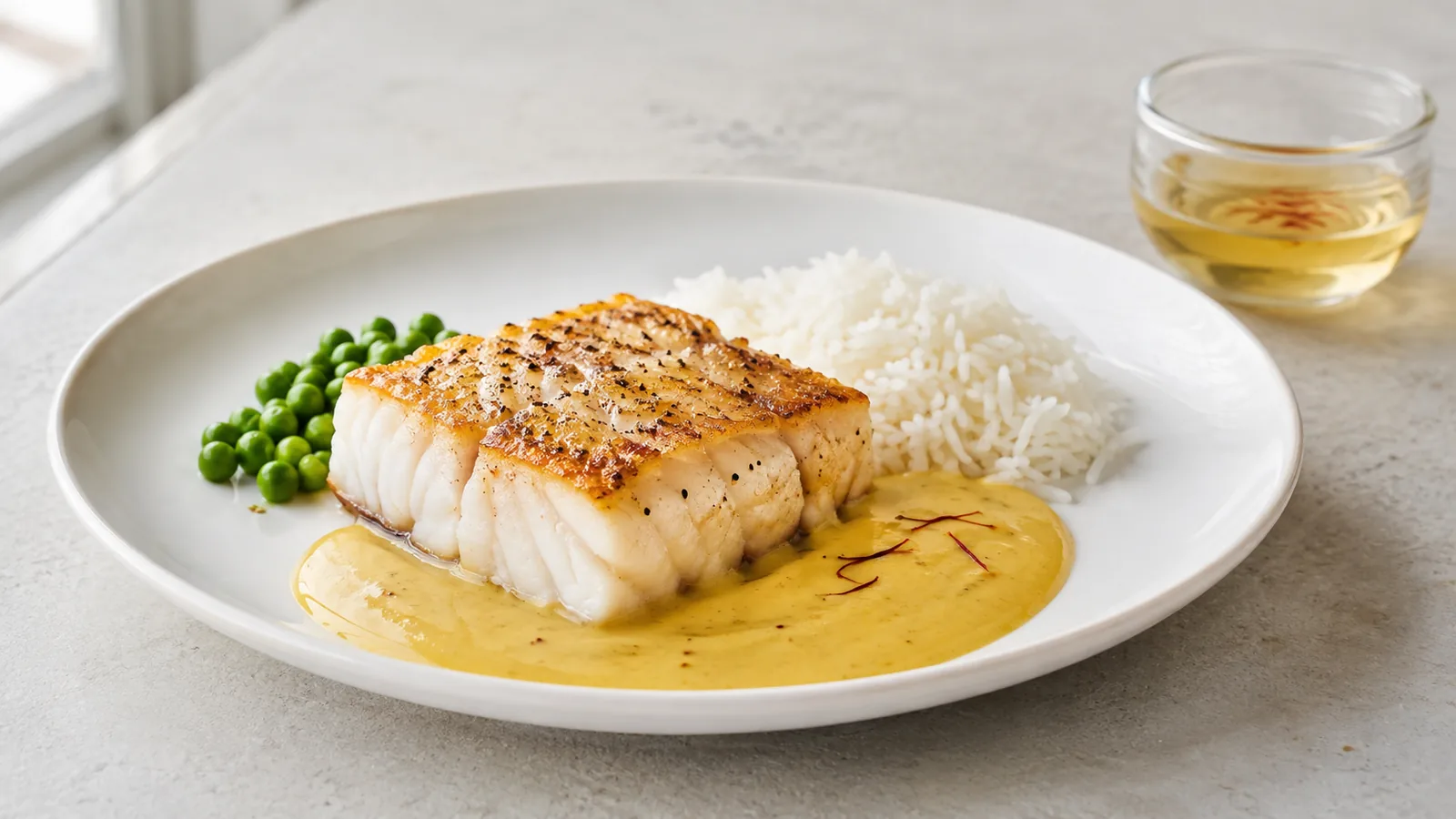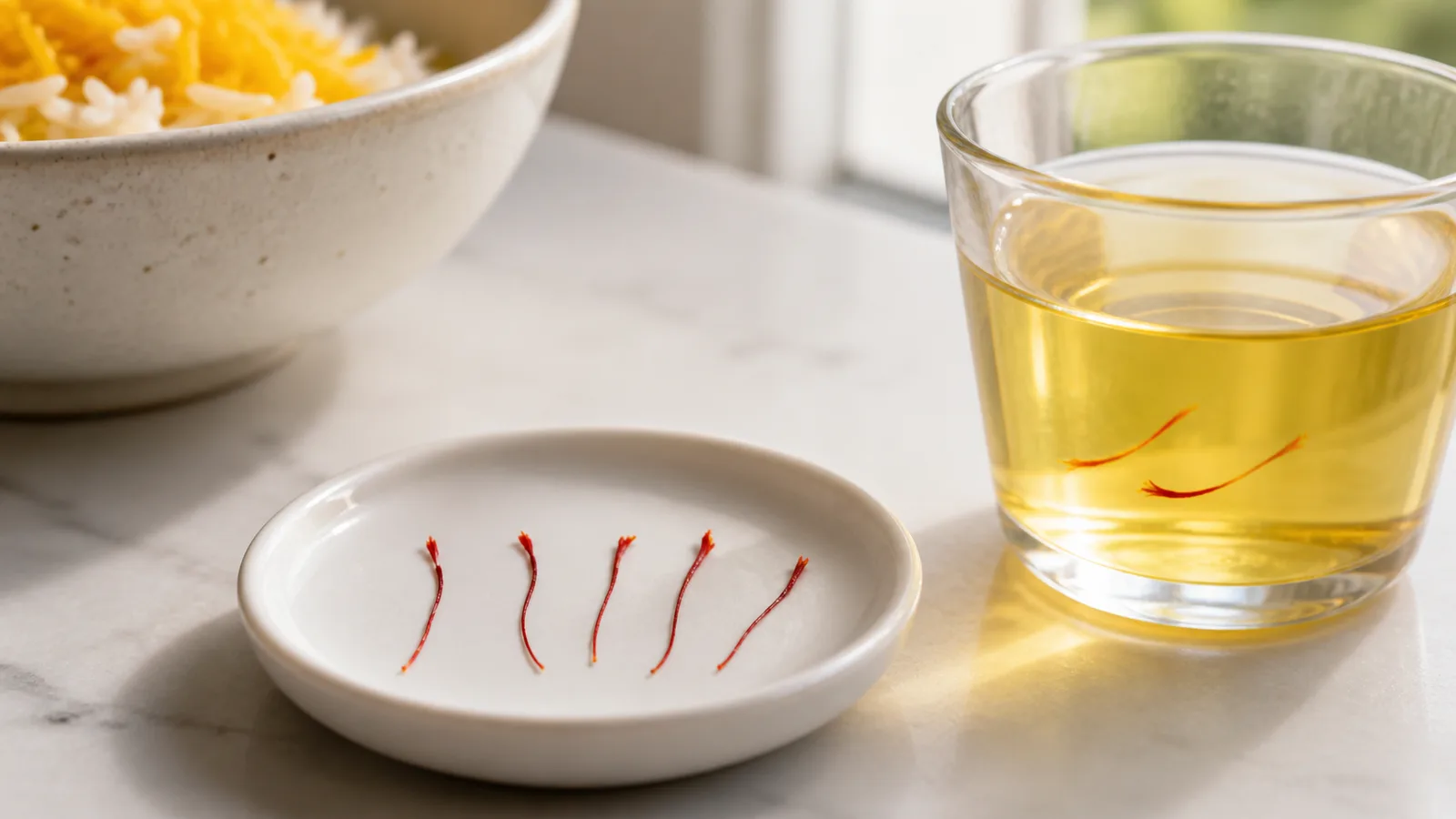
For normal culinary use, 5–15 saffron strands across a day is a modest practical amount for many adults. It is not a scientifically established daily limit, because threads vary in size and strength and individual circumstances differ. Sound saffron consumption guidelines should distinguish a flavouring amount from a concentrated tea, powder, extract or supplement.
If you simply want saffron in rice, milk or tea, a few threads are usually enough. There is no reason to swallow a large handful for “extra benefits,” and research doses should not be converted into a homemade strand count.
Can you eat saffron threads?
If your question is “can I eat saffron threads?” or “can I eat saffron strands?”, the answer is yes. Genuine saffron threads are the dried stigmas of Crocus sativus and are edible. They soften in food and drink, so it is fine to eat the threads left in a finished dish. Can you swallow saffron threads directly? A few genuine culinary threads can be swallowed, but blooming them first usually gives better colour, aroma and flavour.
Can you eat saffron threads raw?
A small number can be eaten without cooking, although dry threads are intensely flavoured and do not distribute well. Lightly crushing and blooming them in warm water, milk or broth for several minutes makes a modest quantity work across a full recipe. Direct eating is not more potent or healthier.
Confirm that the product really is saffron. Do not eat an unidentified crocus-like flower or a substitute sold under a similar common name. If identity is uncertain, leave it out.
How many saffron strands per day?
For a culinary routine, 5–15 whole strands is a conservative starting range, not a medical dose or maximum. Some recipes use fewer; a family dish may use more but spread them over several servings. Count and thread size are both approximate, so there is no defensible universal answer to exactly how many strands of saffron per day every person can eat.
Kesar is a common South Asian name for saffron. The question “how many strands of kesar per day?” therefore has the same answer: use a small recipe amount for flavour and speak with a qualified professional before any concentrated or supplement use.
Why thread counts cannot define safety
One long thick stigma can weigh more than several short fragments. Moisture, grade and handling also change the number found in a given weight. Extracts may be standardised, while whole spice is naturally variable. A trial reported in milligrams cannot be reproduced accurately with a guess at strand count.
The original claim that amounts below a stated number of grams or strands are automatically safe was too broad. Large or unknown quantities can cause nausea, vomiting, diarrhoea, dizziness or other adverse effects. A 2026 systematic review of adverse events in human saffron studies examined different monopreparations and exposures, underscoring why form and dose matter.
Is it safe for everyone?
No food or supplement is guaranteed suitable for everyone. Ask a doctor, pharmacist or other qualified professional before concentrated saffron use if you are pregnant or breastfeeding, take regular medicines, have a bleeding disorder or unstable blood pressure, live with kidney or liver disease, are preparing for surgery, or are giving a product to a child.
Stop after hives, swelling, wheezing or another suspected allergy. Breathing difficulty, throat or tongue swelling, faintness or rapidly worsening symptoms require emergency care. If someone swallowed a large or unknown amount, contact a local poison-information or emergency service rather than waiting for an online threshold to be crossed.
What about health benefits of saffron threads?
Saffron strands contain crocin, crocetin, safranal and other compounds studied for antioxidant and biological activity. That does not prove that eating 5–15 strands improves mood, digestion or general health. Clinical studies usually test defined preparations over time, and their results cannot be assigned to each thread in a meal.
The phrase saffron strands benefits is best kept in proportion: whole threads make colour, aroma and flavour easy to appreciate, and they are easier to inspect than an anonymous powder. Those are dependable culinary advantages. Saffron should not replace mental-health care, digestive treatment or prescribed medicine.
Practical ways to use a few strands well
- For tea or milk, begin with 3–5 threads and taste before increasing.
- For rice, start with roughly 10–15 threads per cup of uncooked rice, adjusted for strength and style.
- Bloom lightly crushed threads in warm liquid for 5–15 minutes.
- Add the coloured liquid and threads to the recipe; there is no need to discard them.
- Store the closed container away from light, heat and moisture.
Buying and checking saffron strands
Whether whole threads come from a supermarket or a specialist seller, examine the ingredient name, seal, origin information and condition of the package. A retailer listing does not establish a safe dose, and a premium label cannot prevent an individual reaction. Avoid anonymous loose powder when identity matters.
The Rowhani Saffron products page lists whole-thread culinary formats. Use a few strands to make food better, rather than treating the count as a daily health prescription.