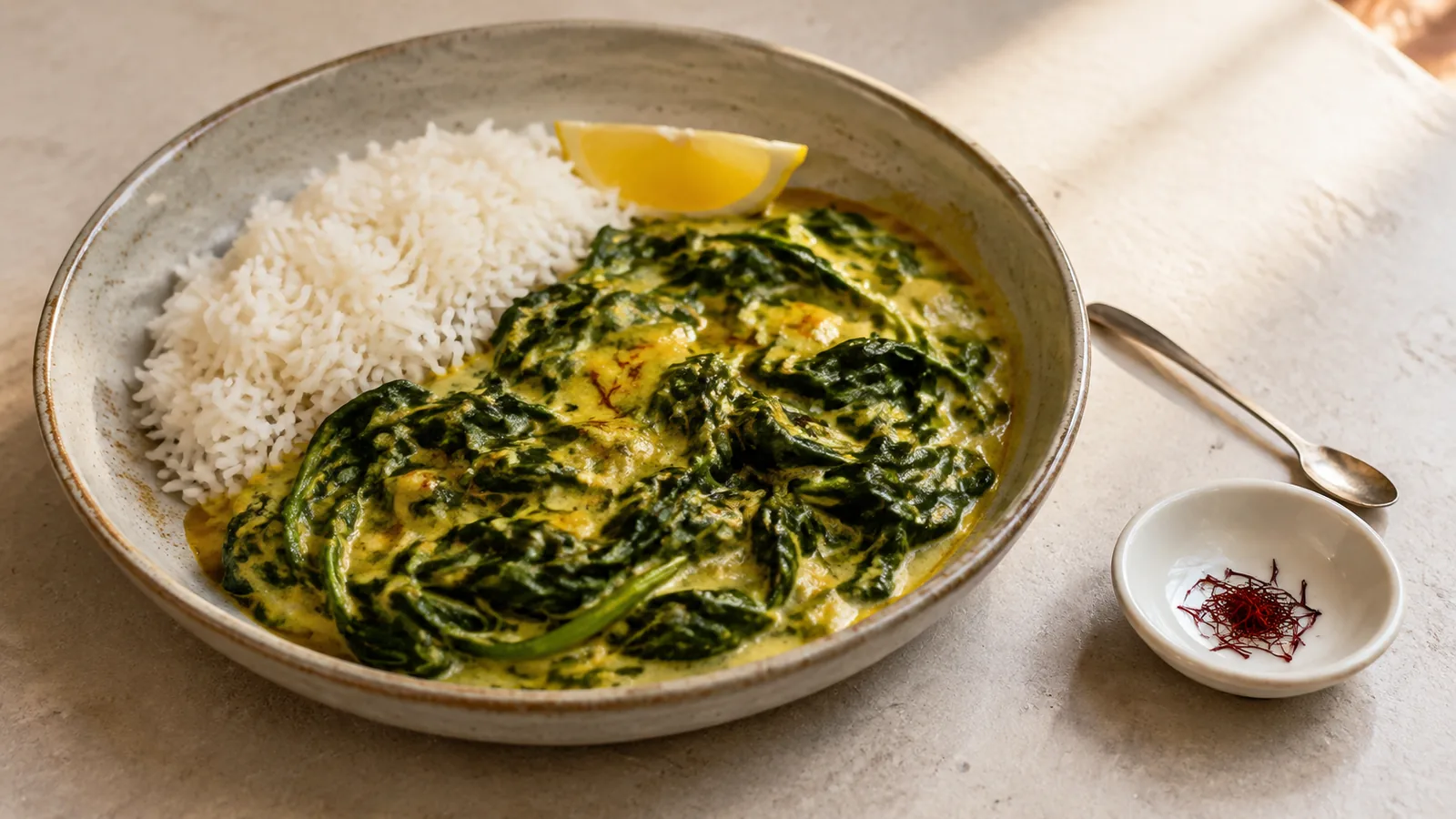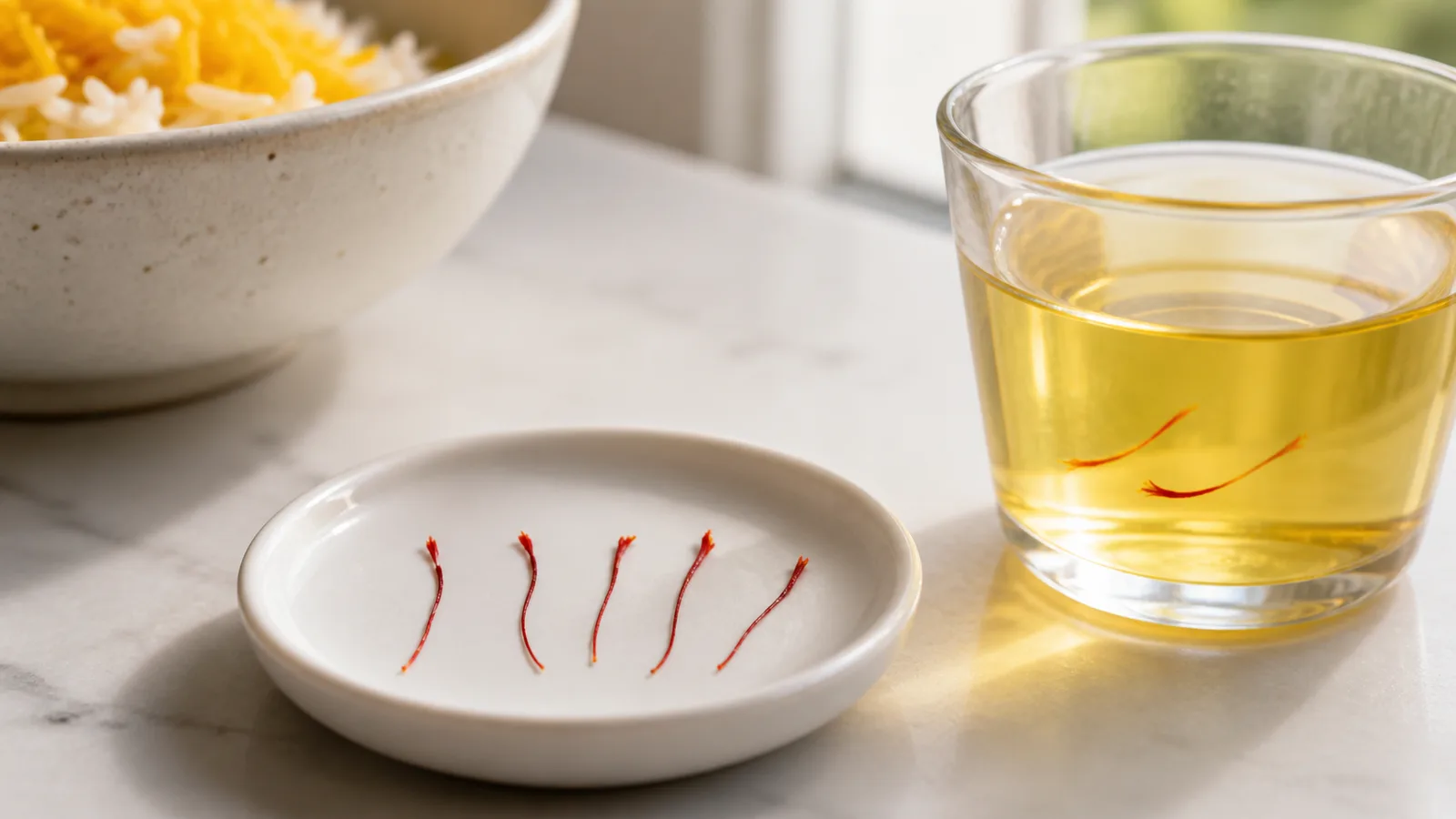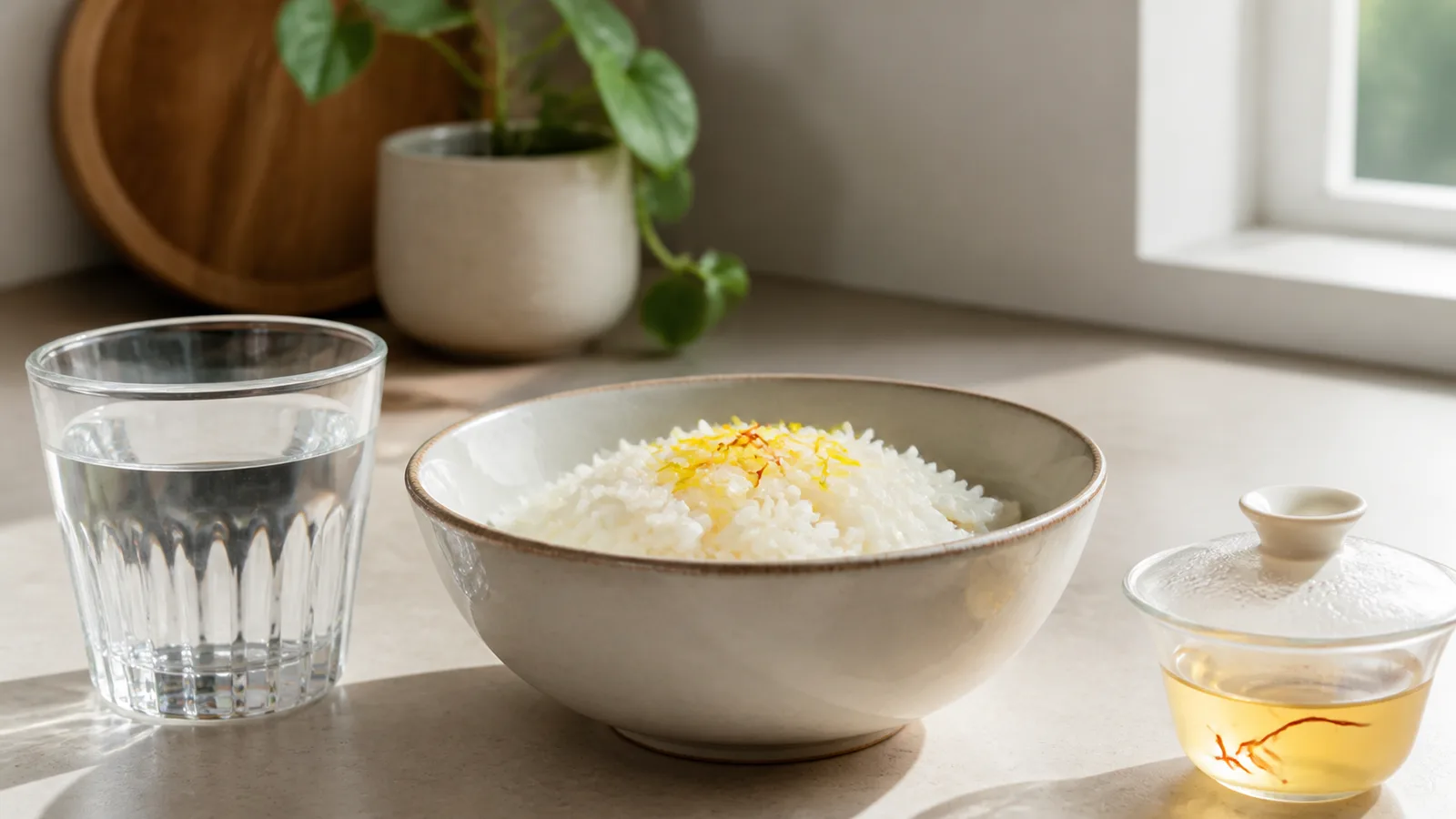
Saffron is not generally bad for the gut when it is used in the small amounts typical of cooking. However, concentrated tea, extracts or supplements can cause digestive symptoms in some people, including nausea, vomiting, abdominal discomfort or diarrhoea. Understanding these saffron digestive effects means separating ordinary food use from a much larger or more concentrated exposure.
The old claim that saffron “supports digestion” is not established strongly enough to promise. It may be comfortable for one person and disagree with another. A new symptom also has many possible causes, so timing can raise suspicion without proving that saffron is responsible.
Can saffron cause bloating?
It may coincide with bloating in a sensitive person, especially when the saffron is part of a rich milk drink or a recipe containing other spices, sweeteners or high-fat ingredients. Evidence does not show that culinary saffron is a common, specific cause of bloating.
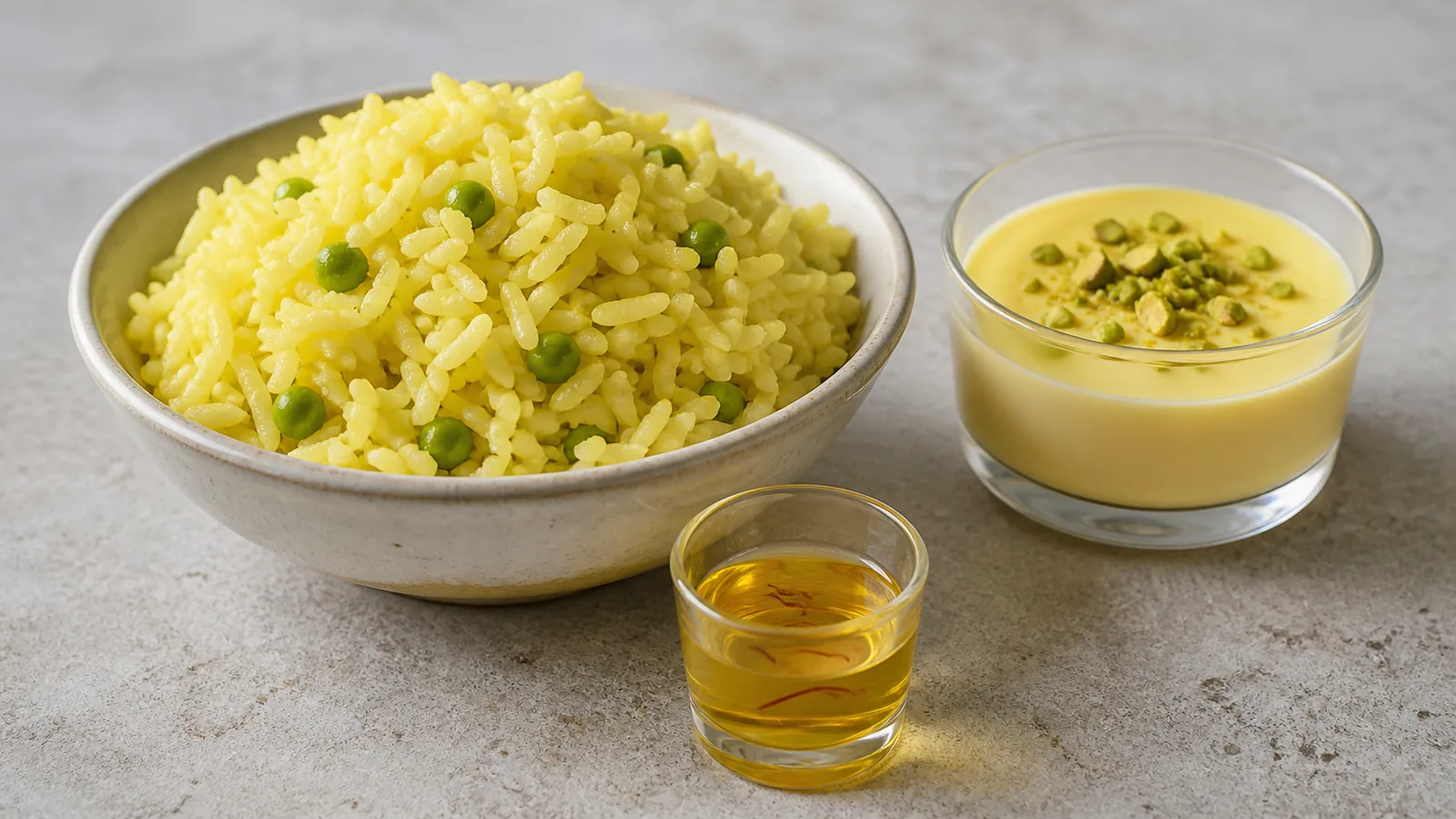
Look at the whole preparation. Milk can be relevant for someone with lactose intolerance; sugar alcohols can produce gas; large meals, fizzy drinks and many digestive conditions can also cause fullness or swelling. The US National Institute of Diabetes and Digestive and Kidney Diseases notes that bloating has many potential dietary and medical causes.
Can saffron cause diarrhoea?
Diarrhoea has been reported among the possible digestive reactions to larger or concentrated saffron use. That does not mean a few threads in rice will cause it, or that every episode after a saffron dish came from the spice.
A 2026 systematic review of adverse events in human saffron studies examined monopreparations including stigma powder and extracts. The different preparations and doses are one reason not to translate supplement findings directly into a culinary rule.
If loose stools begin after a new saffron product, stop using it and pay attention to hydration. The NIDDK guidance on diarrhoea explains that dehydration can become serious. Seek prompt medical advice for blood or black stool, severe pain, high fever, repeated vomiting, marked dizziness, signs of dehydration, or symptoms that persist.
Nausea, vomiting and stomach discomfort
These are possible effects of taking too much or using a concentrated preparation, but they are not unique to saffron. Stop the suspect product rather than taking more to see what happens. Keep its label or ingredient list, particularly if it was an extract or a blend.
If symptoms follow an unknown or unusually large amount, contact a local poison-information service or urgent medical service. Do not induce vomiting unless a professional instructs you to do so.
Allergy can include digestive symptoms
A true allergy may involve hives, itching, swelling, wheezing or breathing difficulty, sometimes alongside nausea or abdominal symptoms. Stop using saffron after a suspected reaction. Breathing difficulty, throat or tongue swelling, faintness or rapidly worsening symptoms require emergency care.
Allergy is different from intolerance or an overly strong, bitter drink. A clinician can help assess the pattern; repeatedly testing the food at home is not a safe diagnostic method.
Who should be more cautious?
Ask a healthcare professional before concentrated or supplement use if you are pregnant or breastfeeding, take regular medicines, have a diagnosed digestive disorder, are preparing for surgery, or have previously reacted to saffron. Do not use saffron to self-treat irritable bowel syndrome, reflux, ulcers or inflammatory bowel disease.
If you already have a digestive condition, a simple food-and-symptom record may be more informative than removing several ingredients at once. Record the product, approximate amount, accompanying foods and timing, then discuss recurrent symptoms with the clinician who knows your history.
Safer culinary use for a sensitive stomach
- Begin with a few whole threads in a familiar meal rather than a strong extract or supplement.
- Try one new saffron recipe at a time, without several unfamiliar spices or sweeteners.
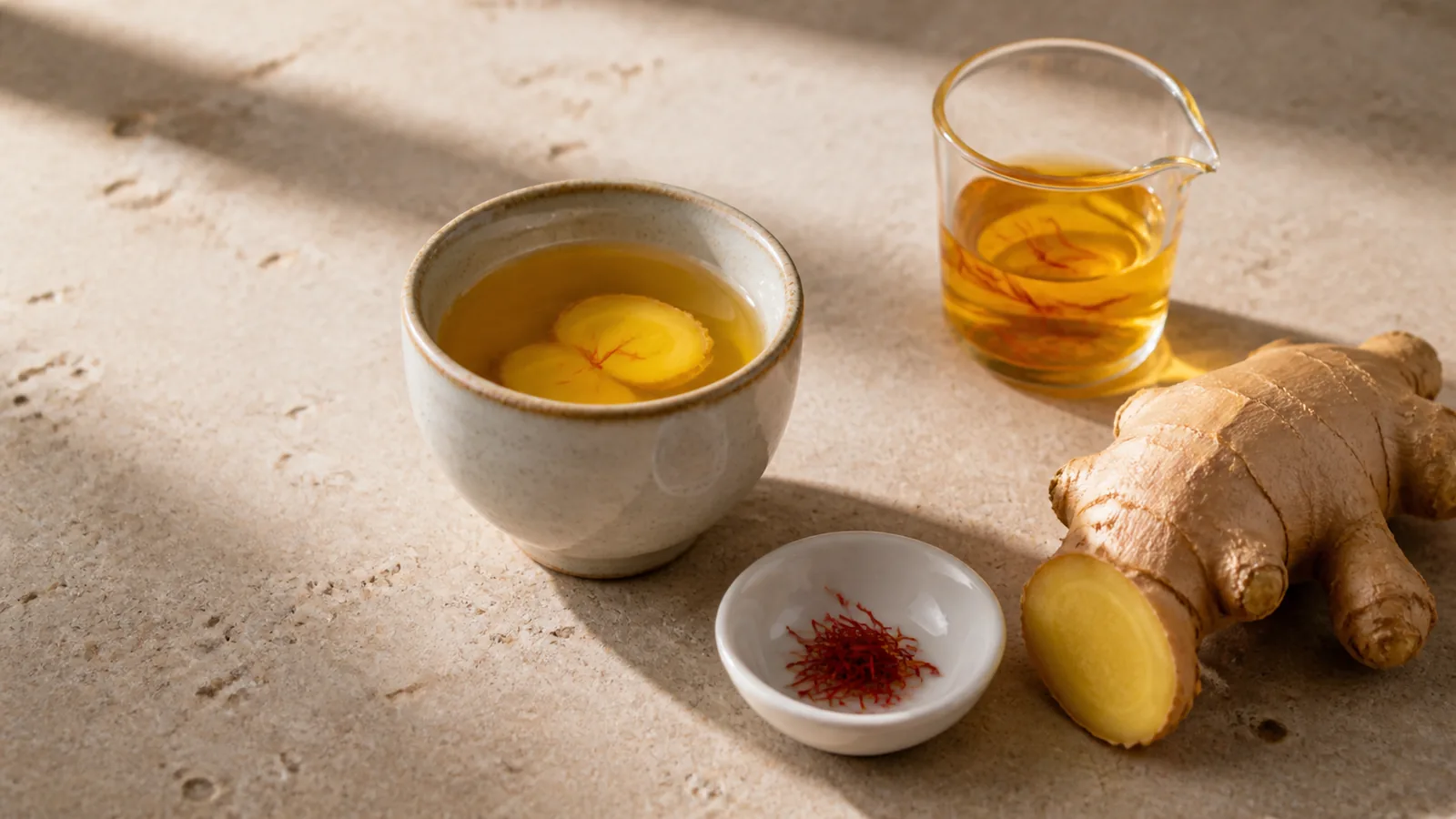
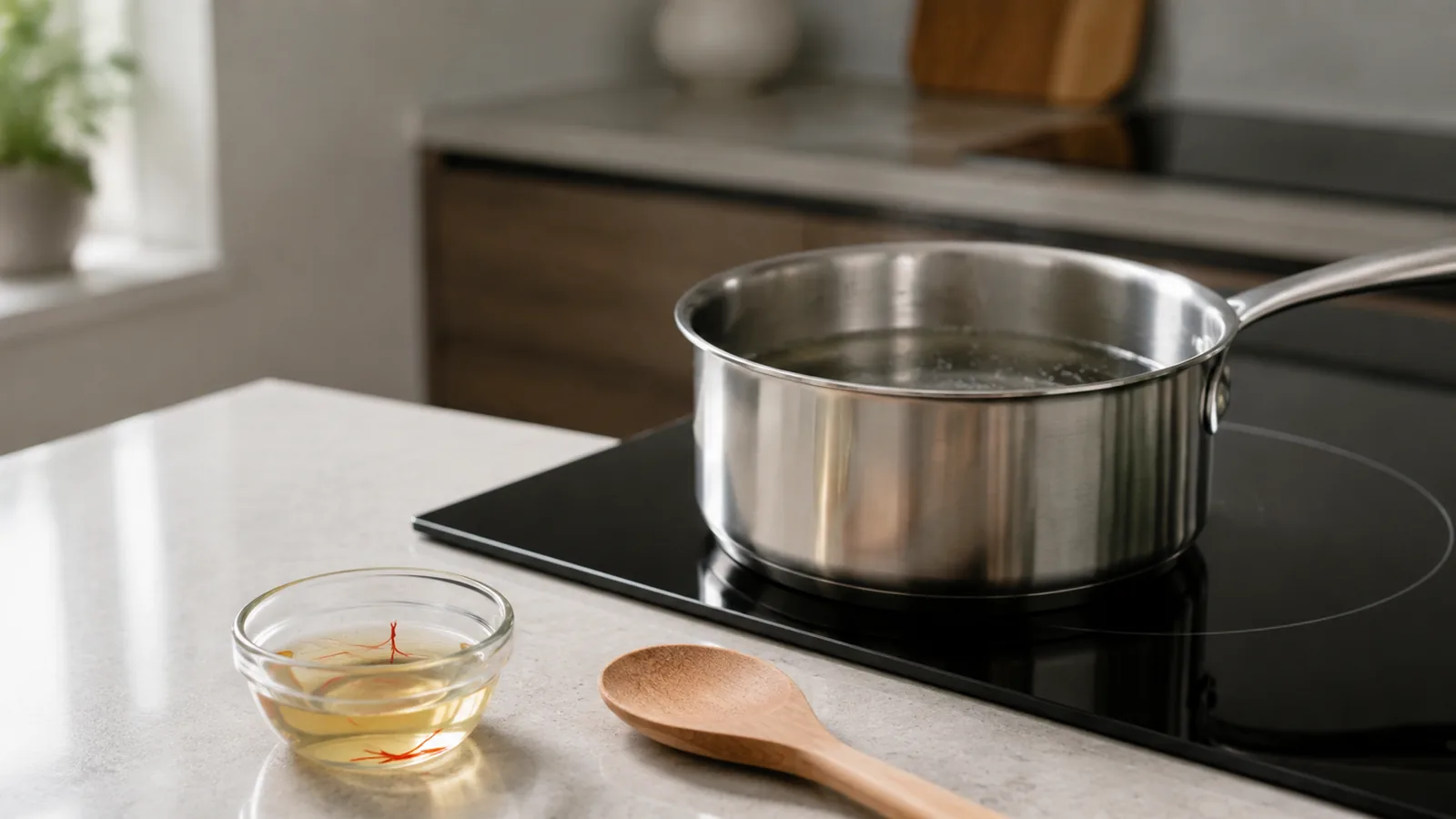
- Bloom threads in warm water or milk for even flavour and colour, but do not claim that blooming prevents irritation.
- Avoid taking more simply because the colour seems pale.
- Stop if the same symptom repeatedly follows the product and seek advice when needed.
Quality matters, but it is not a gut guarantee
Authentic whole threads make the ingredient easier to identify and measure. They can reduce uncertainty associated with an anonymous powder, but “premium” saffron cannot guarantee that no person will experience an allergy or digestive reaction. Balanced meals and fibre are generally sensible, yet they do not neutralise an adverse response.
The Rowhani Saffron products page lists whole-thread culinary formats. Use a modest quantity for colour, aroma and flavour—not as a digestive treatment.