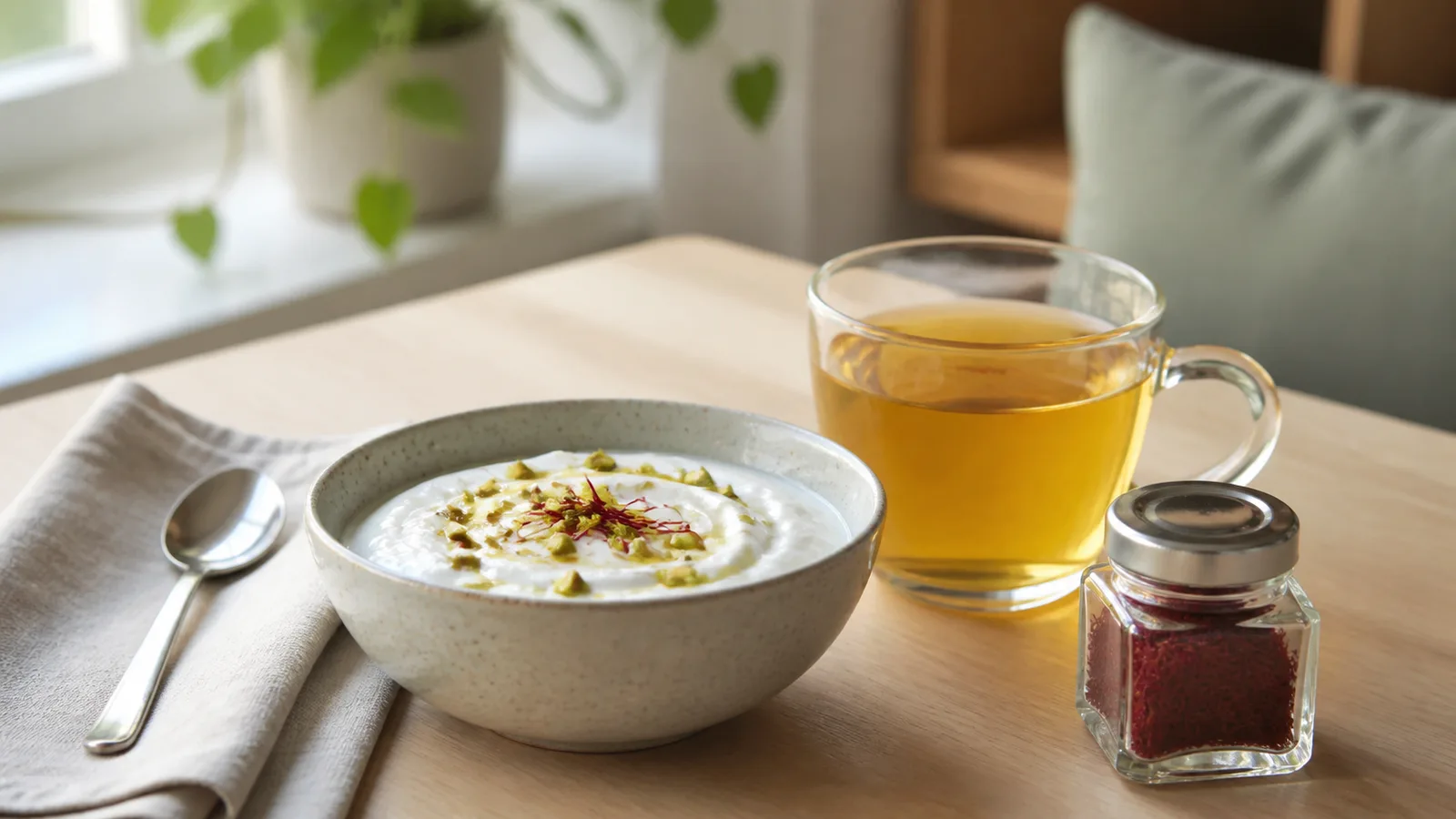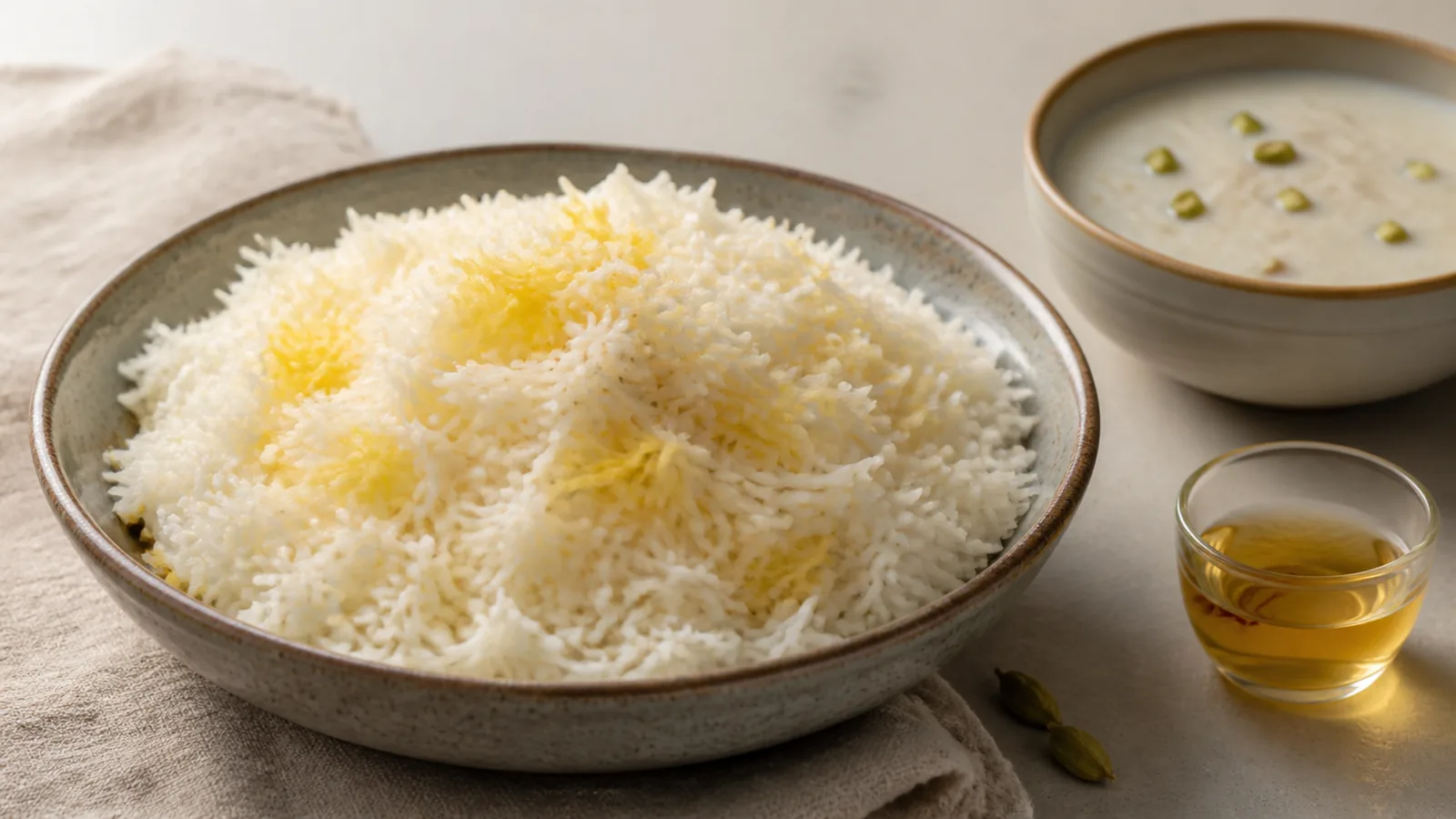
Does Indian cooking use saffron?
Is saffron used in Indian food? Yes—especially in festive rice dishes, milk sweets and recipes shaped by Mughal and regional traditions. It is not an ... Read More...



Is saffron used in Indian food? Yes—especially in festive rice dishes, milk sweets and recipes shaped by Mughal and regional traditions. It is not an ... Read More...
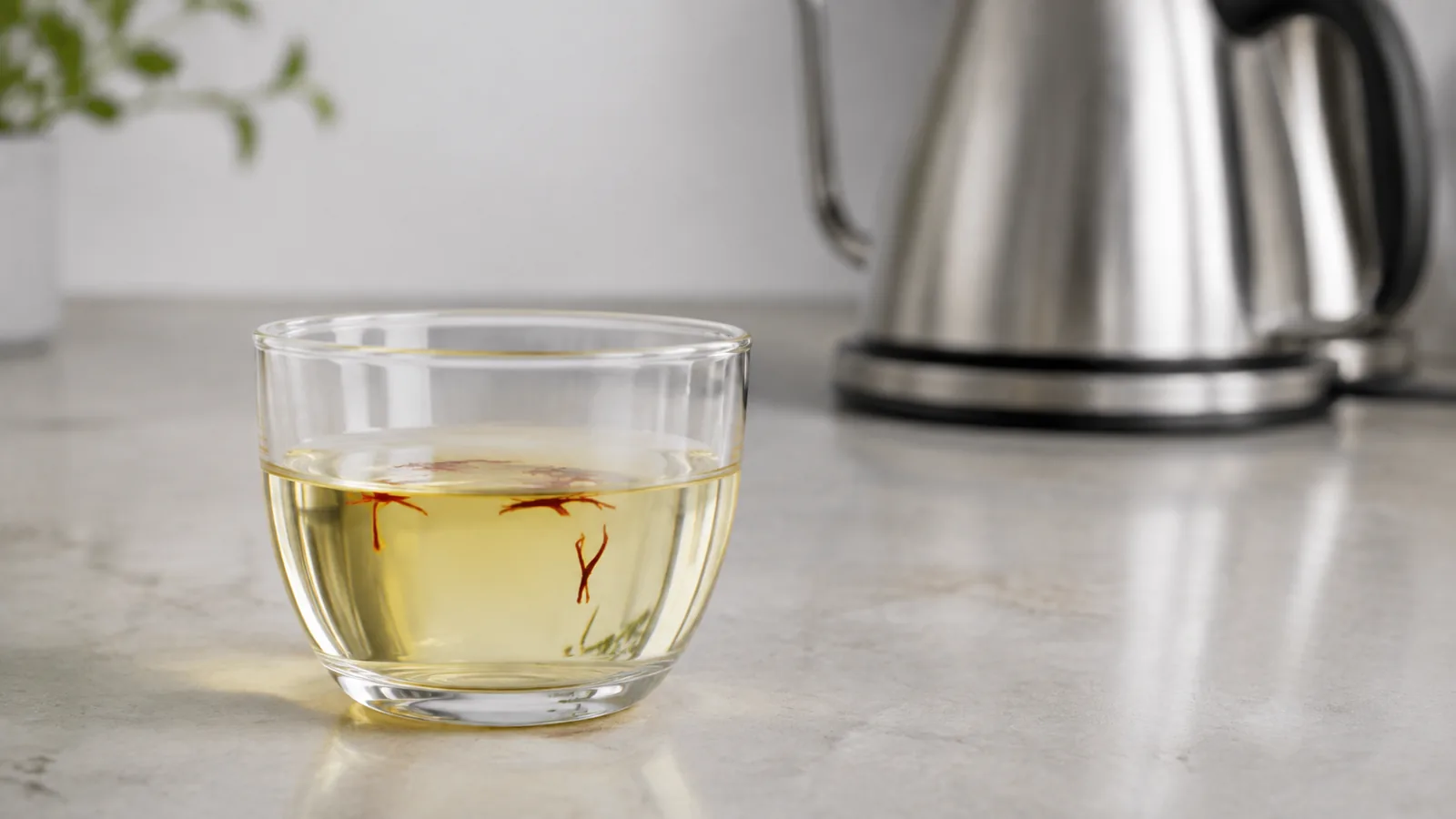
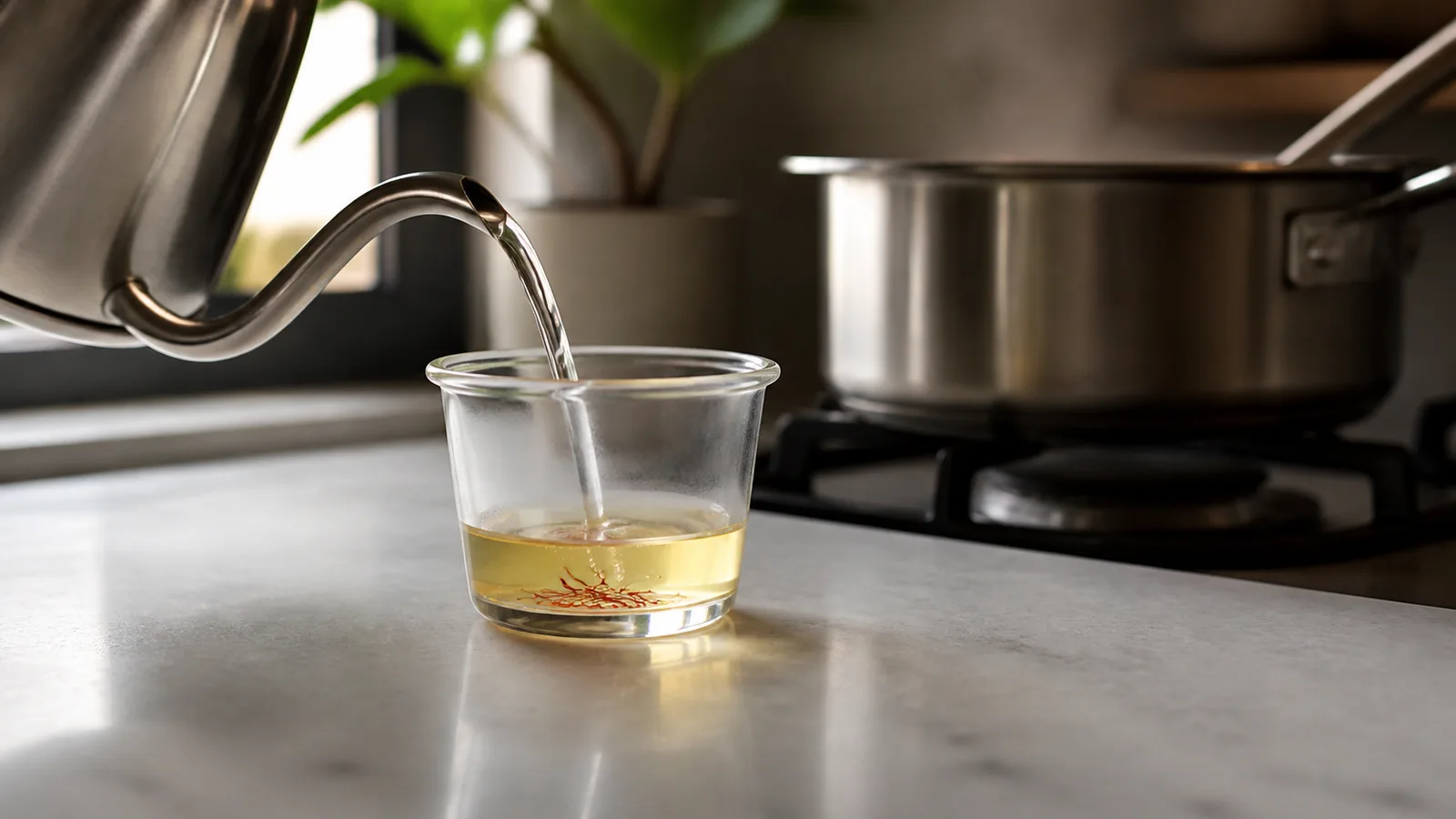
A useful saffron infusion temperature is about 60–80°C (140–176°F): hot enough to extract colour and flavour efficiently, but below a rolling boil. If your water ... Read More...
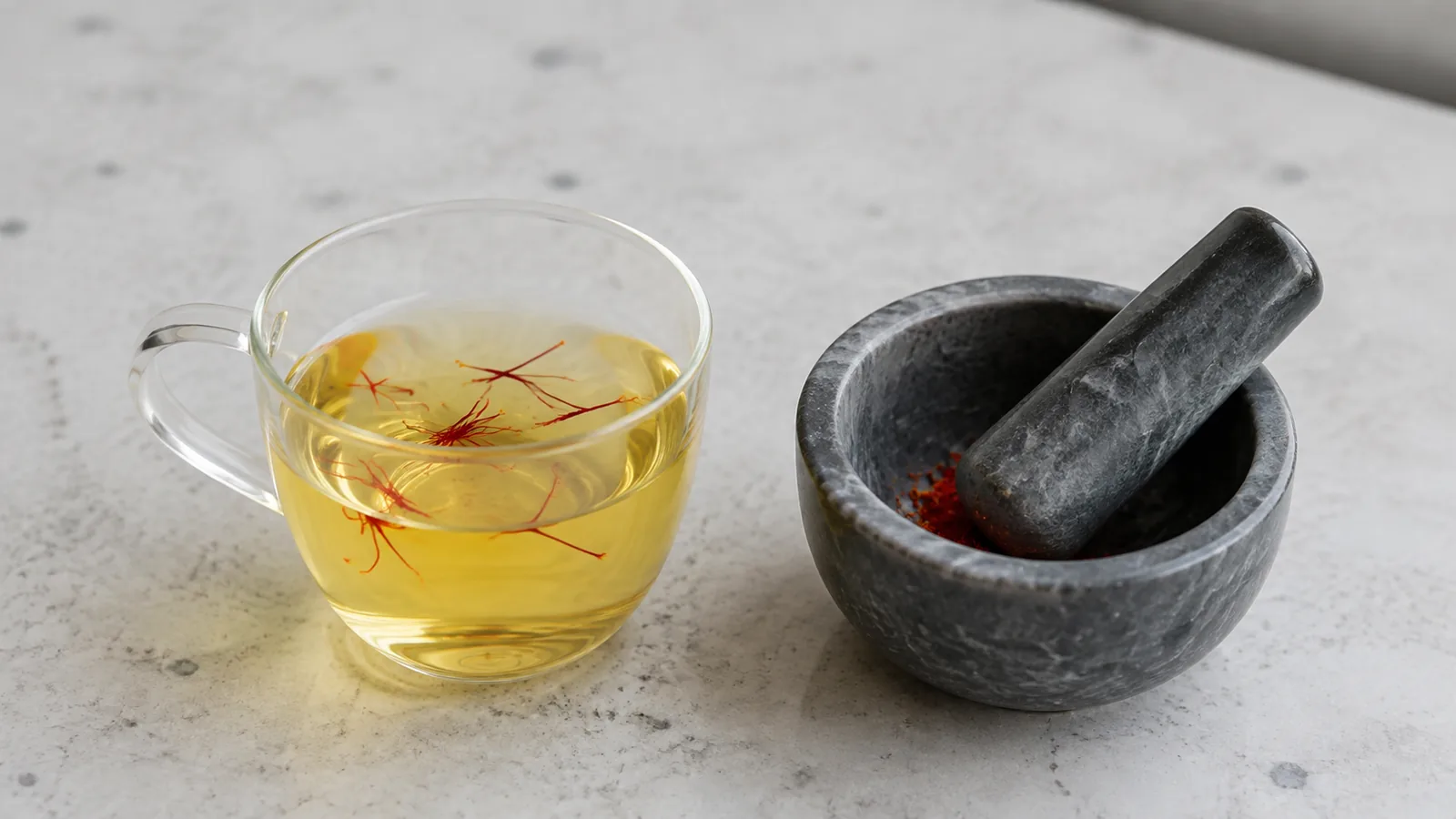
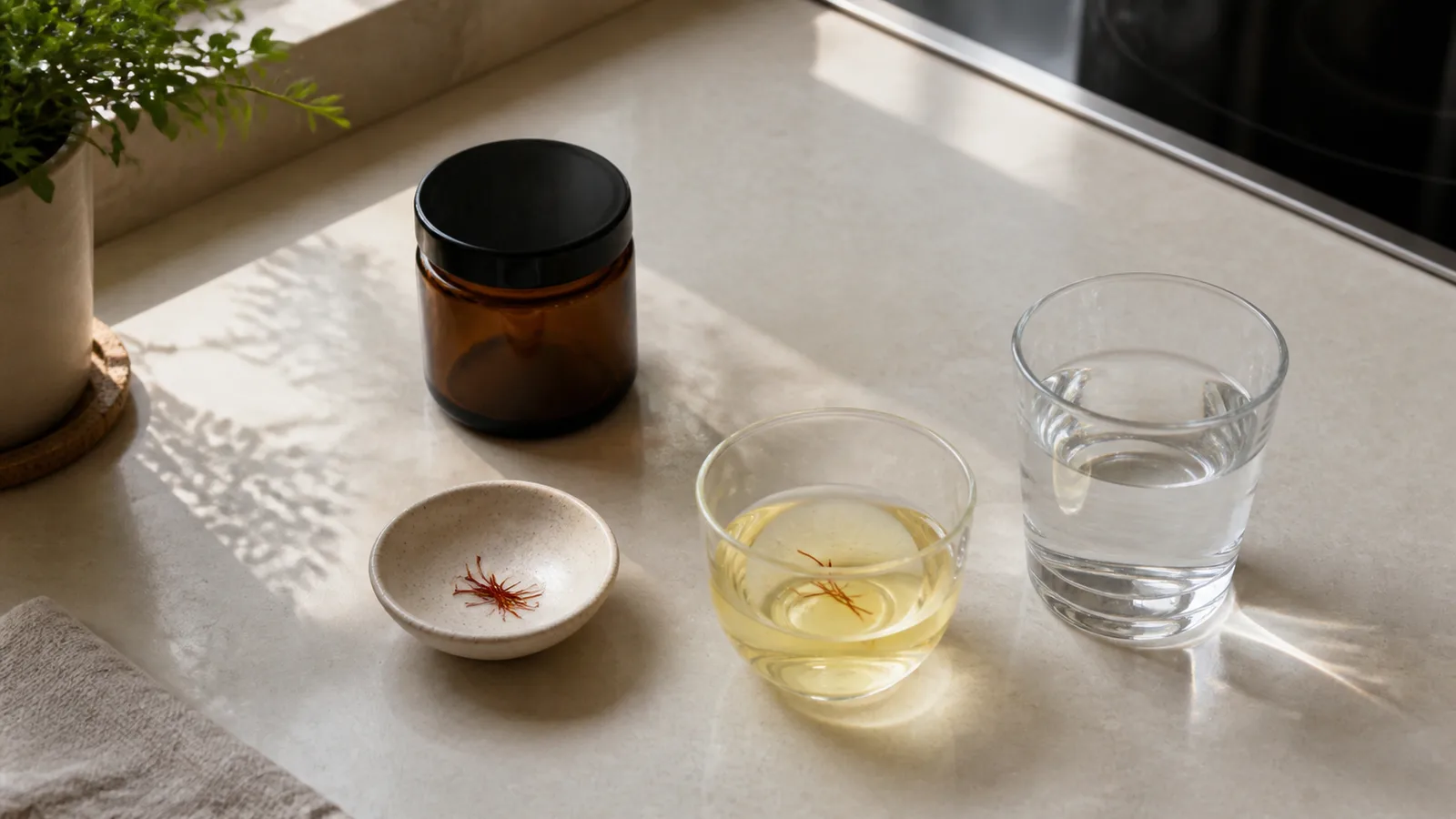
Soak saffron in hot water for about 10 to 15 minutes. Finely crushed threads can give useful colour in 5 minutes, while whole threads may ... Read More...
People with a known saffron allergy should not drink saffron. Pregnant people, children, anyone taking regular medicine, and anyone considering a concentrated tea, extract or ... Read More...
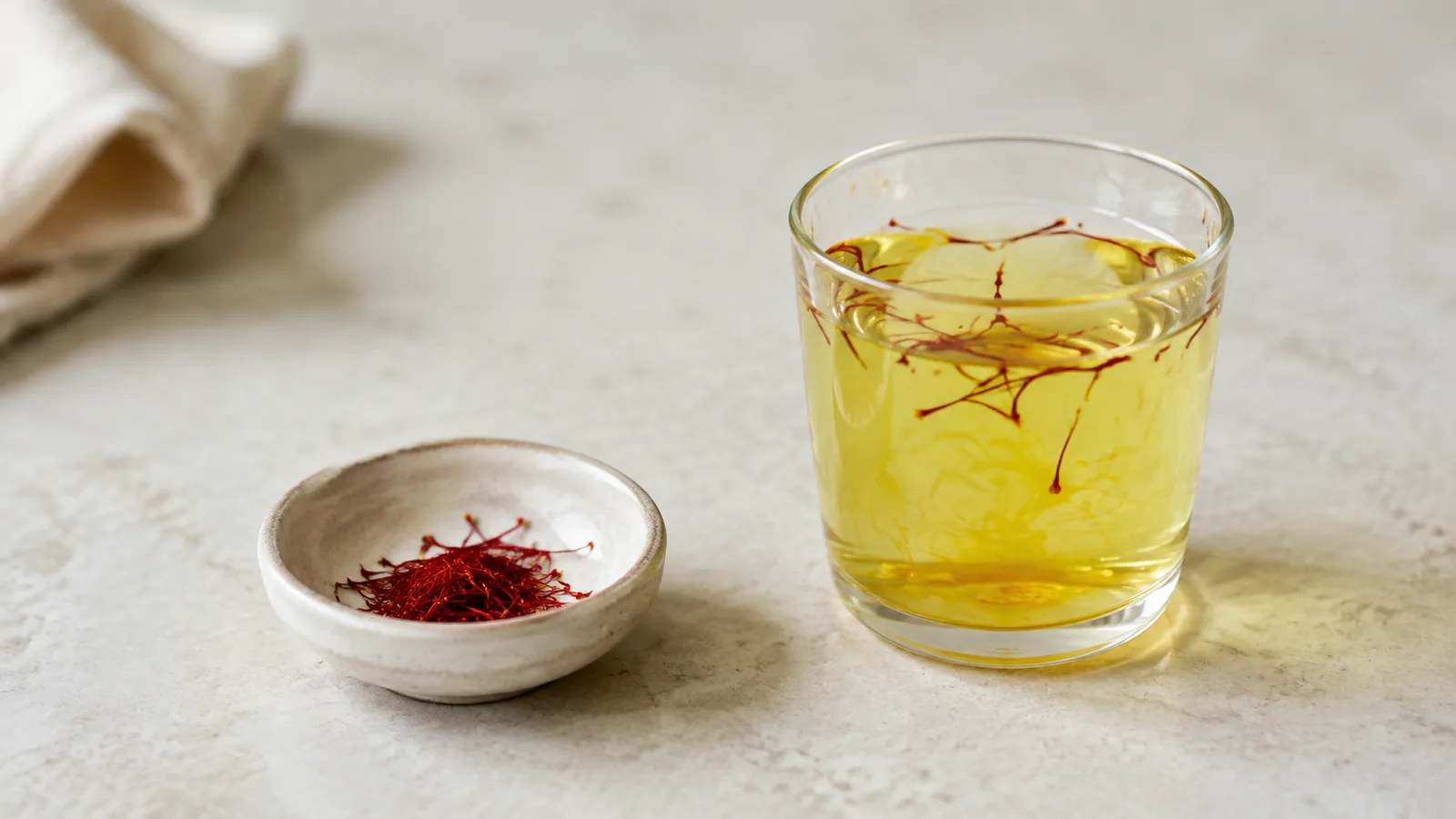
Yes. Real saffron turns water, milk and food a golden-yellow colour when its pigments are extracted. The dried spice itself is red or deep crimson, ... Read More...
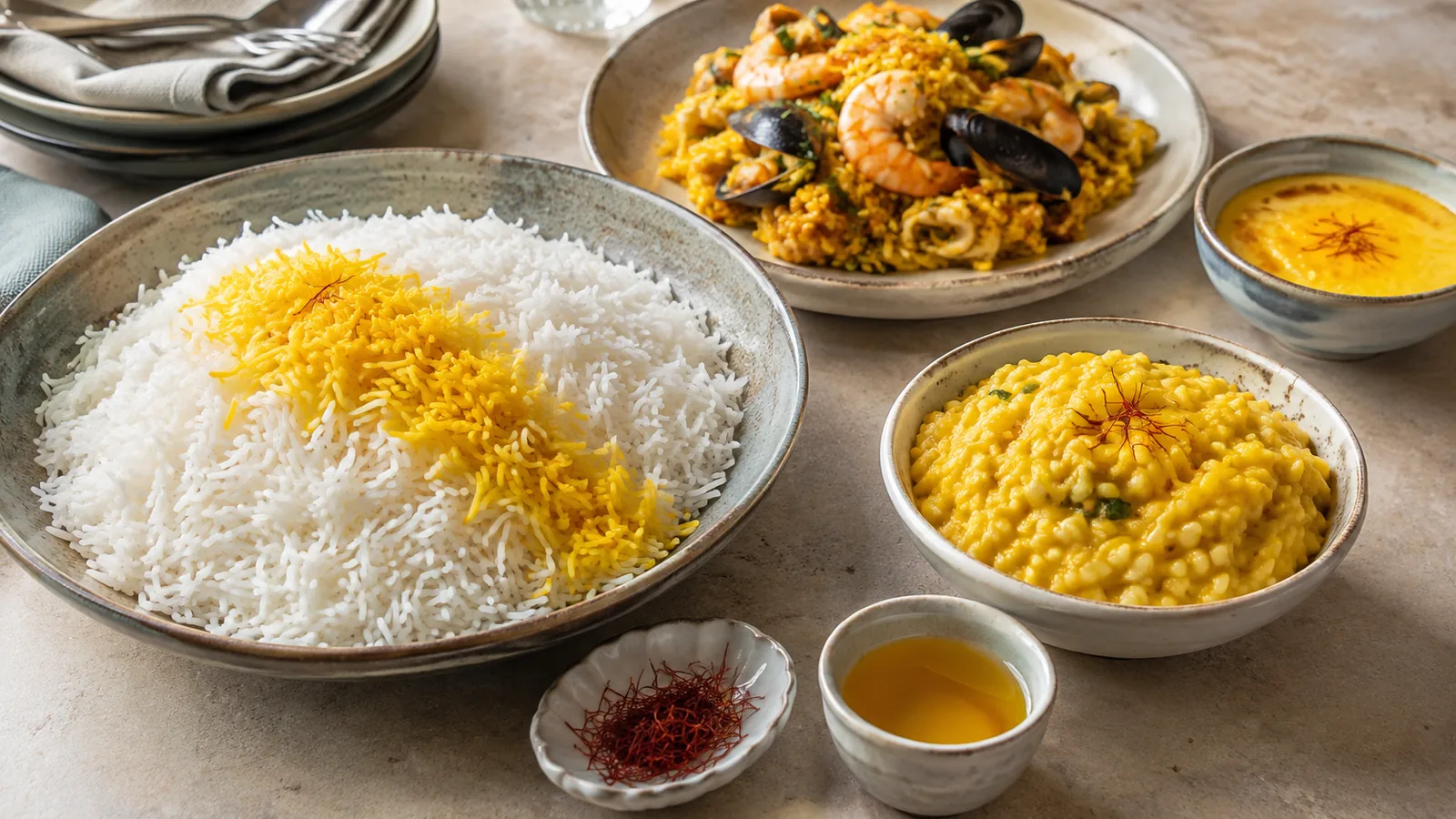
Saffron is most closely associated with Iranian and wider Persian cuisine, where it appears in rice, stews, sweets and drinks. It is also central to ... Read More...
Boiling does not instantly ruin saffron. Heat helps water extract its golden colour, but a long, vigorous uncovered boil can drive off delicate aroma; the ... Read More...
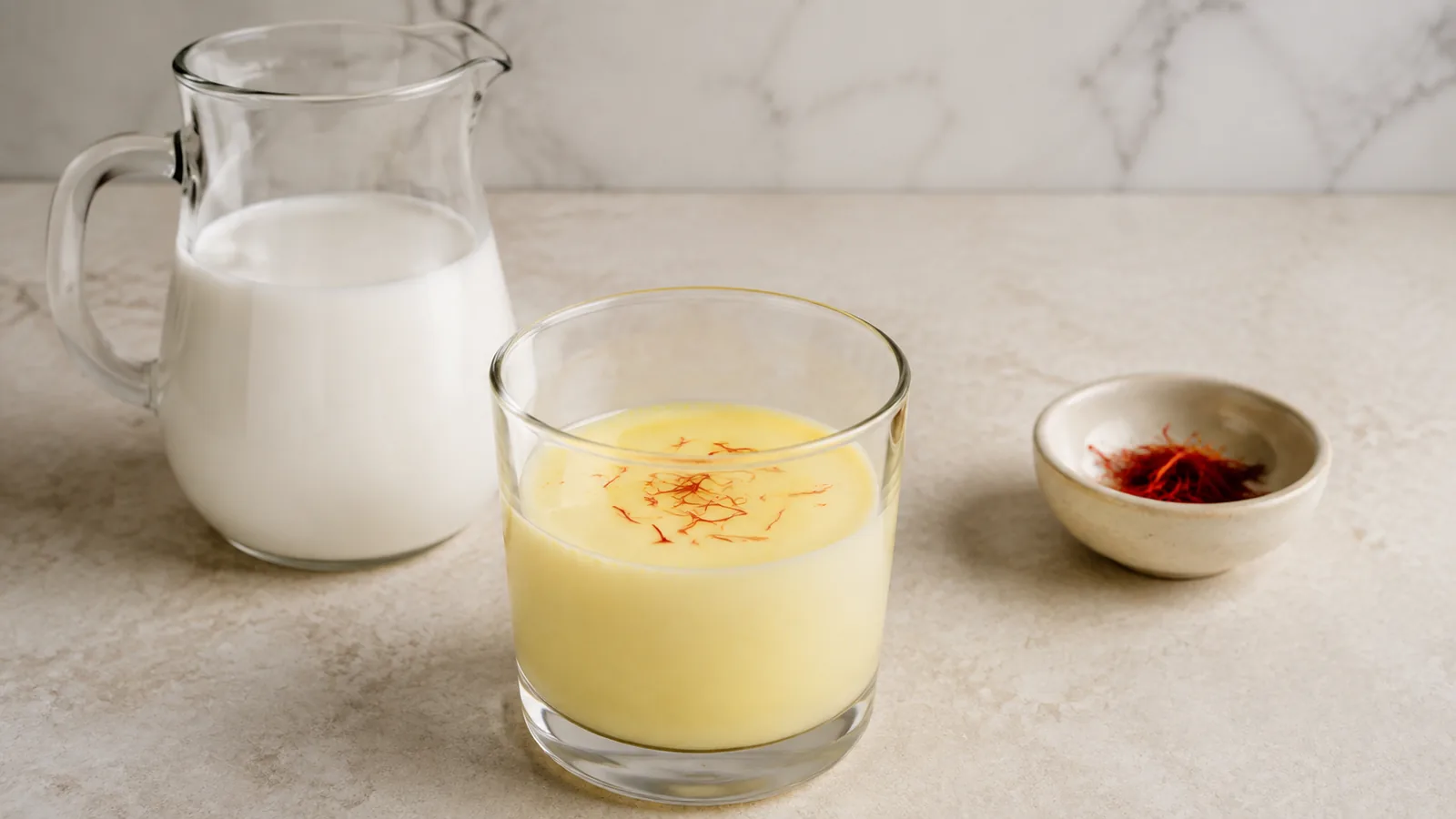
If saffron is not turning milk yellow, give it more time before assuming anything is wrong. Lightly crush the threads, steep them in a few ... Read More...
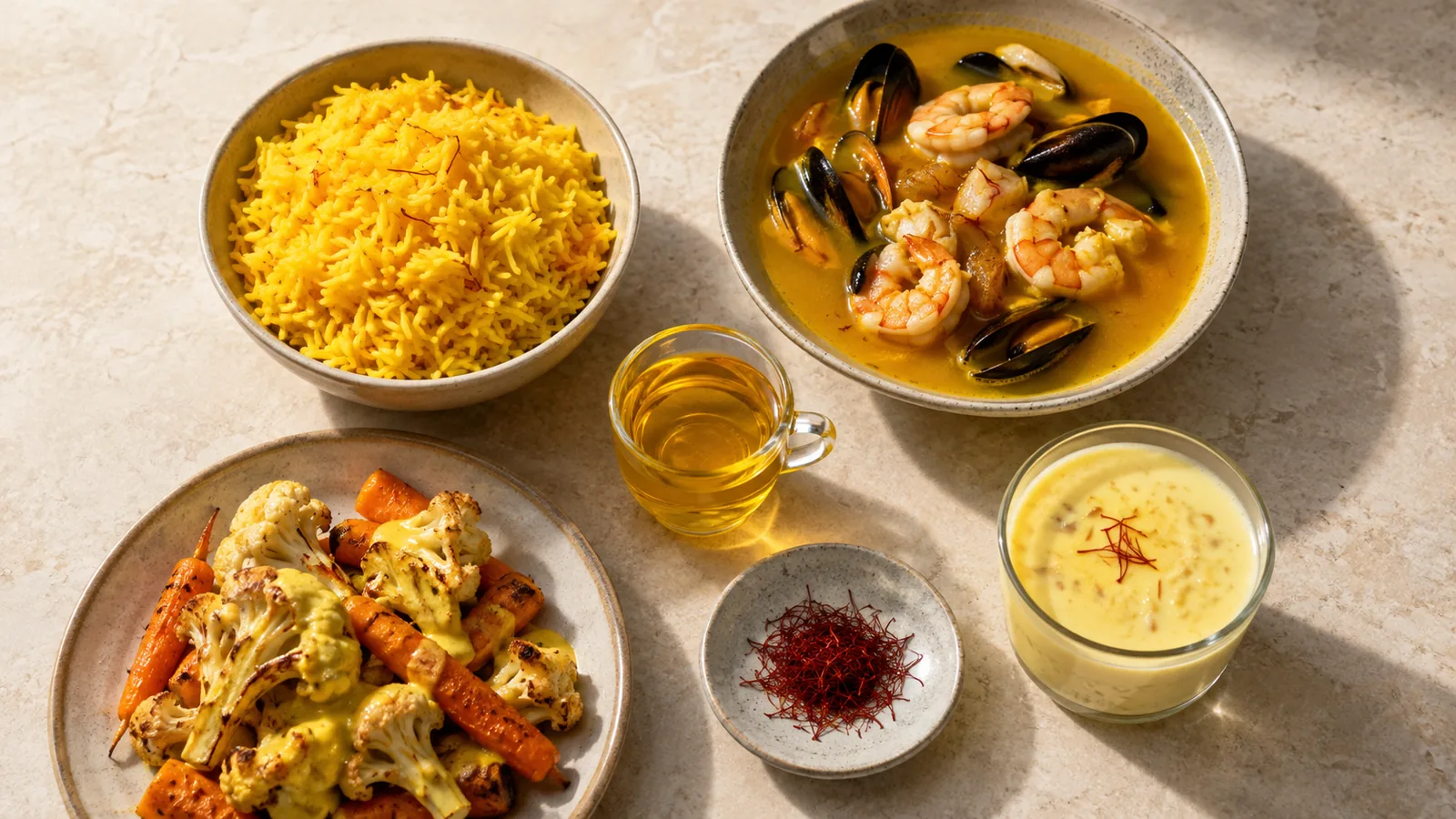
Saffron goes especially well with rice, seafood, chicken, lamb, light broths, potatoes, tomatoes, milk, cream, citrus, cardamom and nuts. The best saffron food pairings support ... Read More...
If you eat a small culinary amount of saffron every day, the most predictable effects are flavour, aroma and colour in your food. Research has ... Read More...