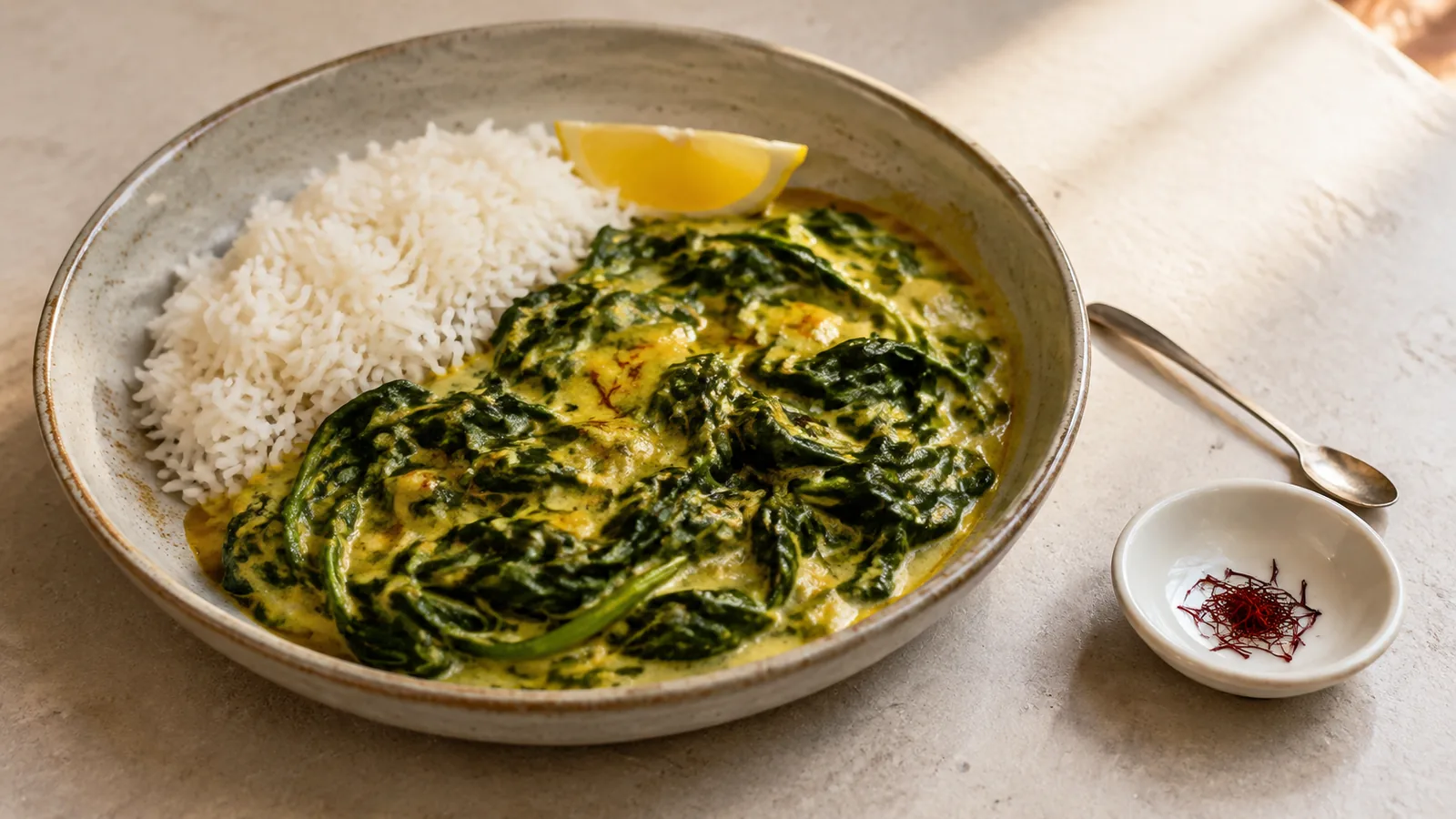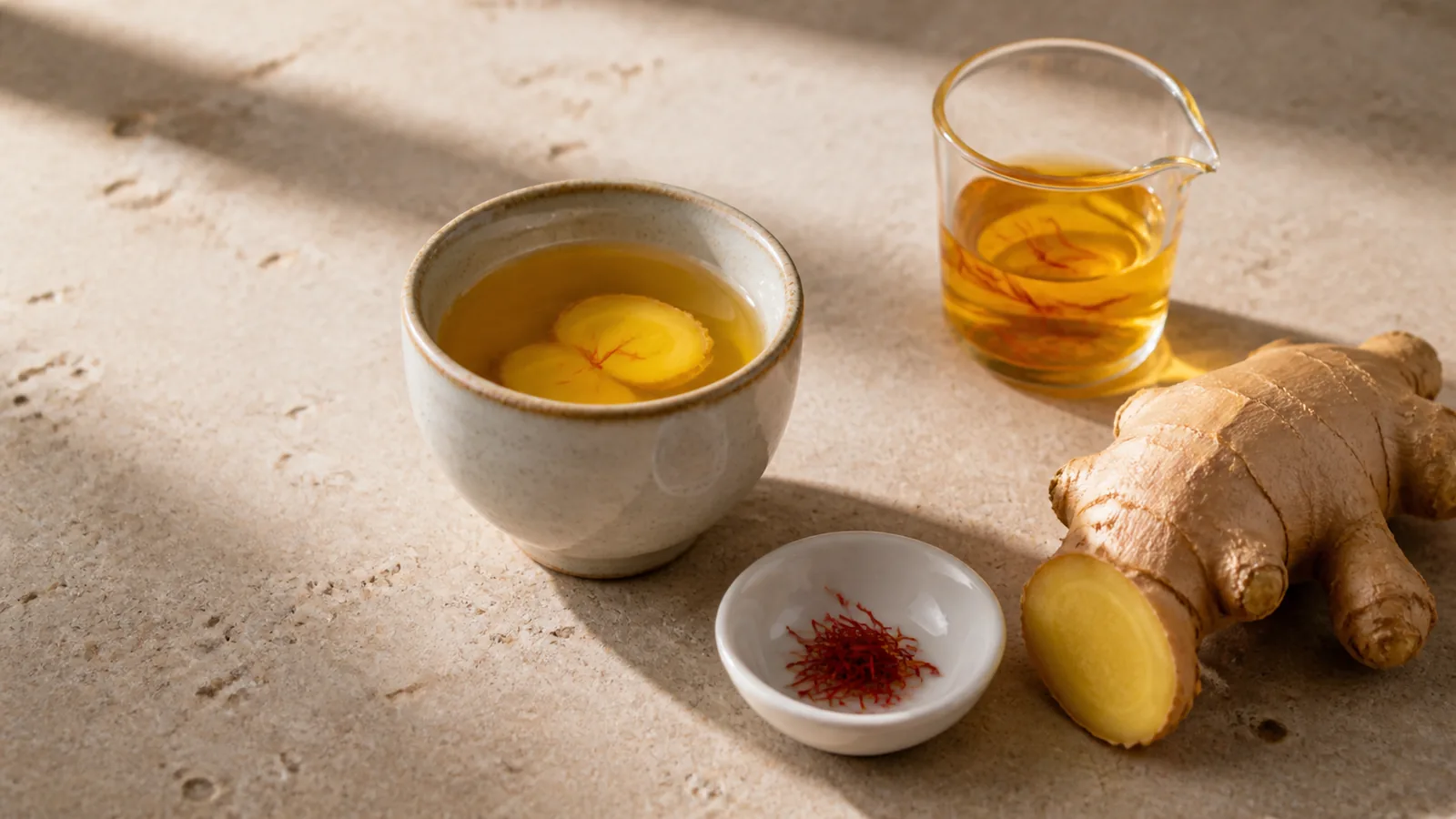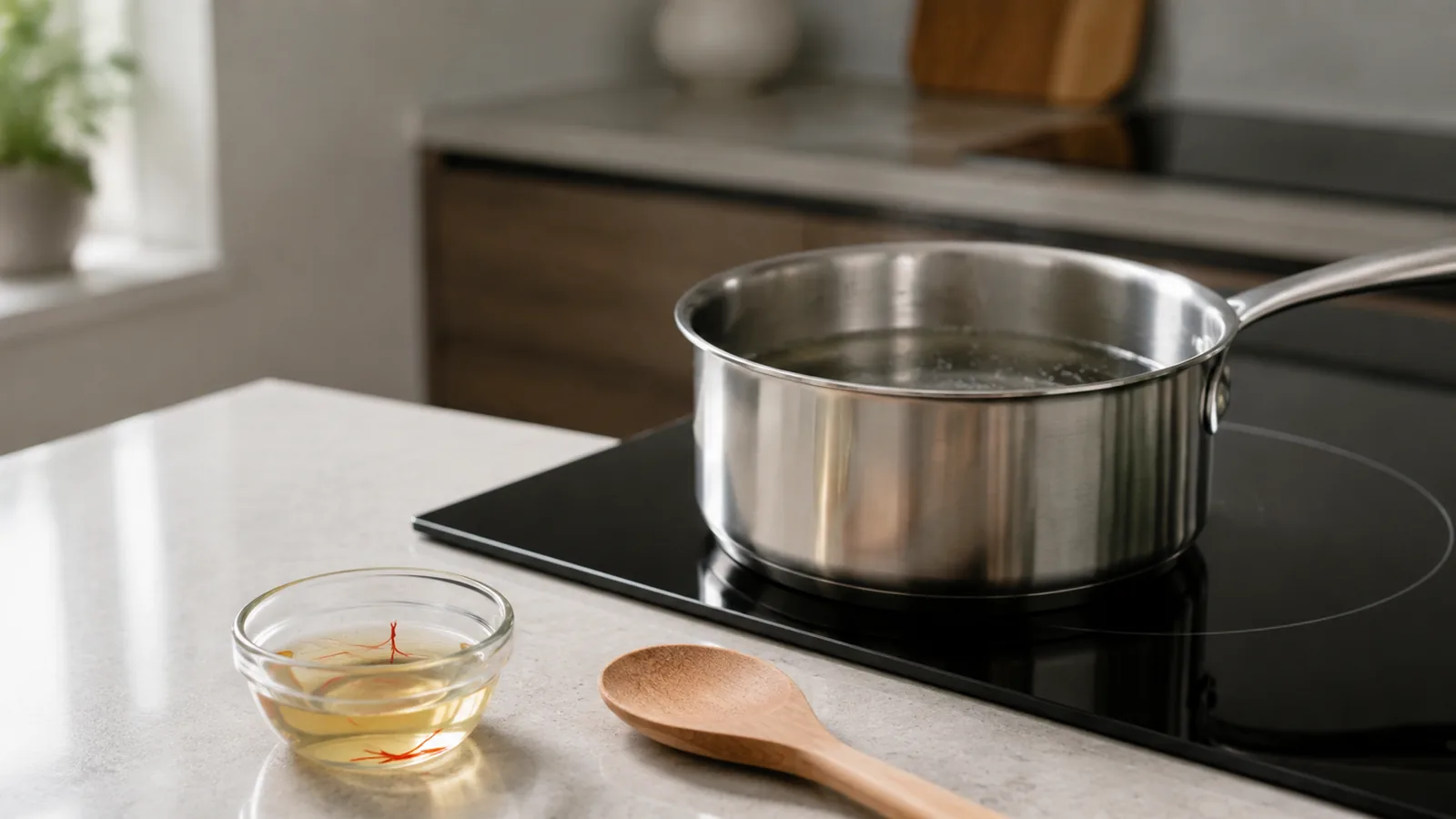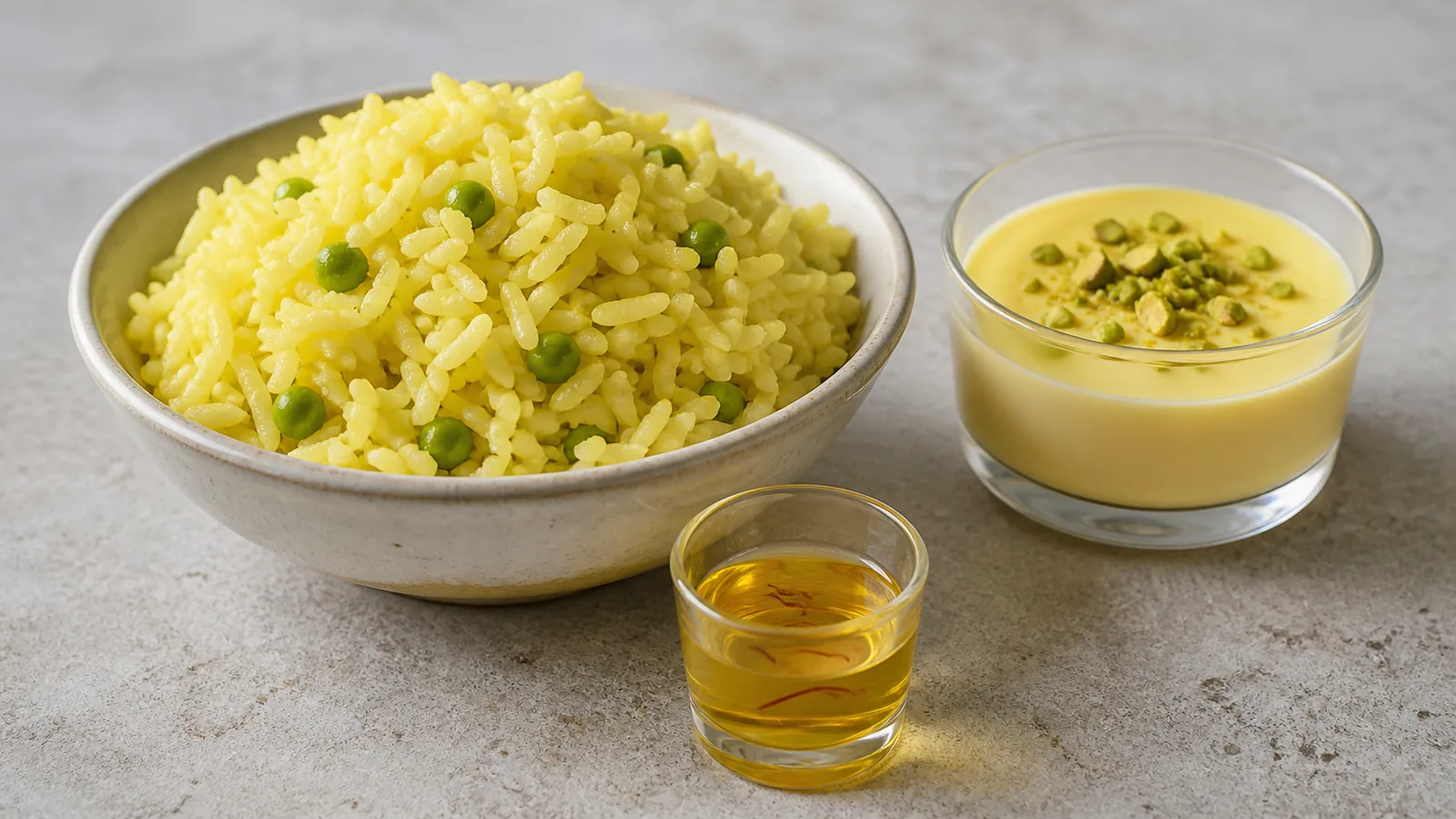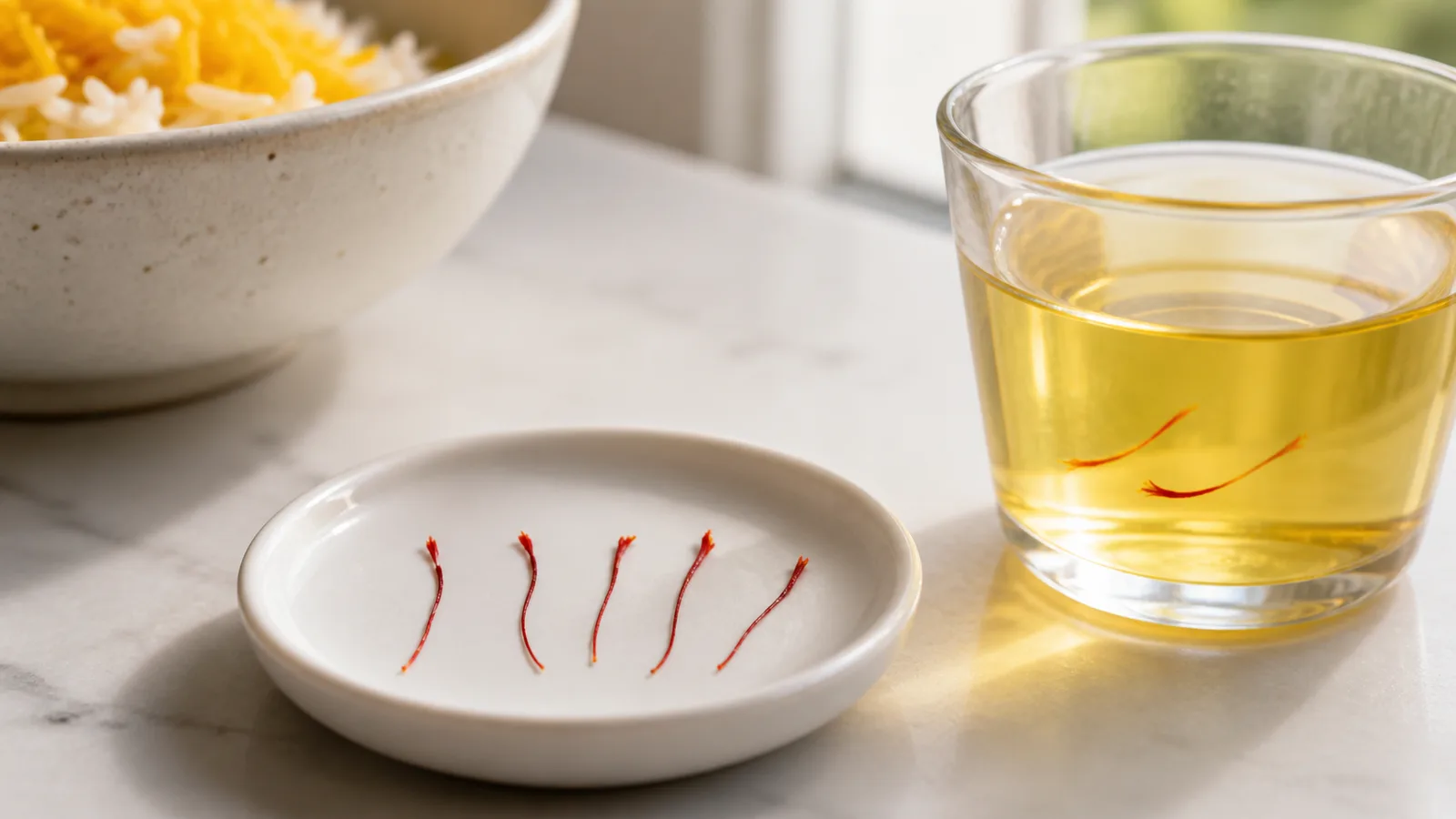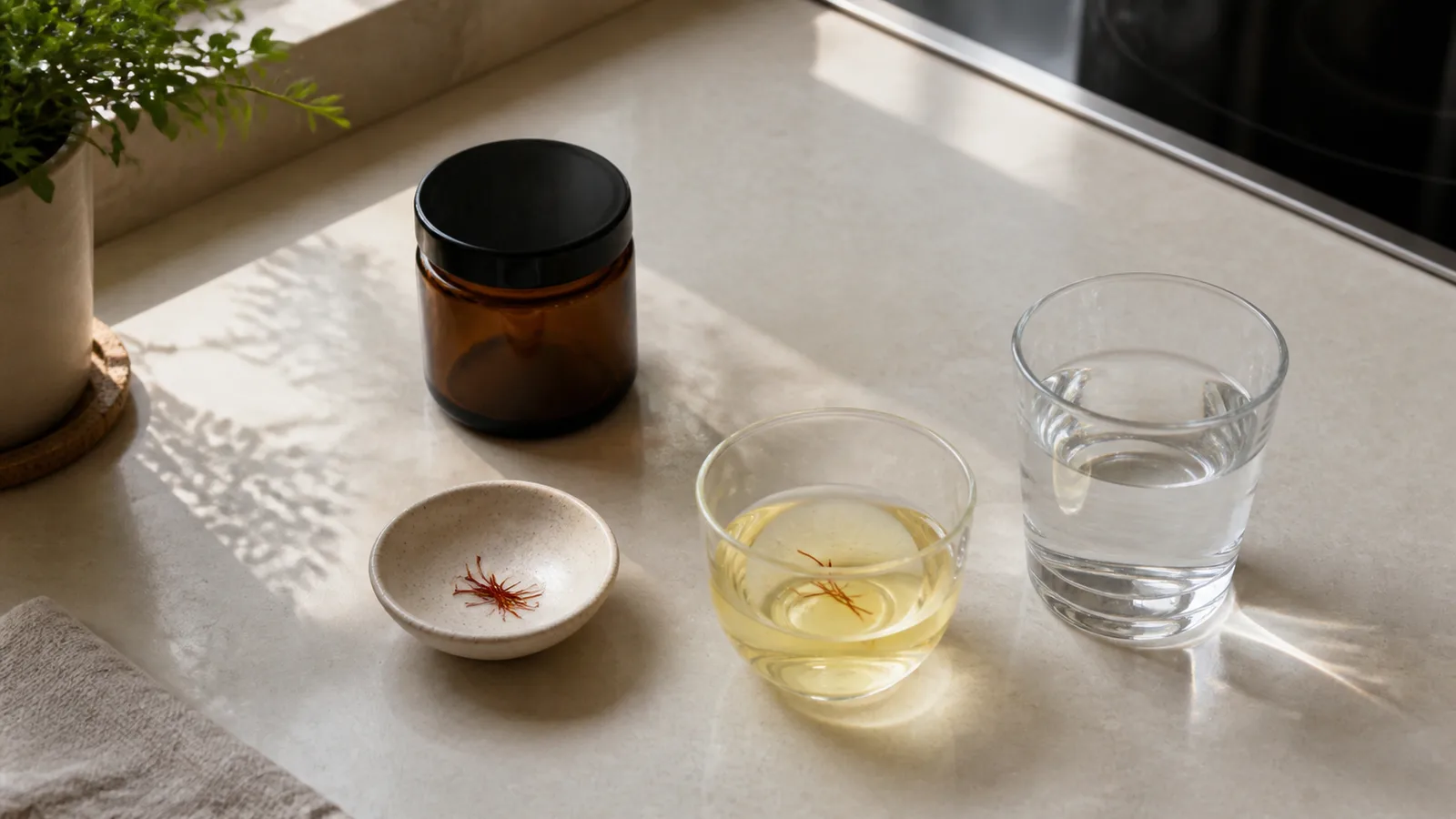
People with a known saffron allergy should not drink saffron. Pregnant people, children, anyone taking regular medicine, and anyone considering a concentrated tea, extract or supplement should ask an appropriate healthcare professional before using it beyond normal food amounts. These saffron safety precautions matter because a few threads used for flavour are not the same exposure as a strong infusion or measured extract.
For most adults, ordinary culinary use is a different question from medical use. Saffron can make a pleasant drink, but quality and the word “natural” do not guarantee that every form or amount is suitable for every person.
Who should avoid saffron completely?
Anyone with a previous saffron allergy
Do not drink it again if saffron has previously caused hives, swelling, wheezing or another allergic reaction. A new rash, itching, lip or tongue swelling, breathing difficulty, faintness or rapidly worsening symptoms after a drink needs prompt medical attention; severe breathing or swelling symptoms are an emergency.
A saffron allergy is different from disliking its flavour or feeling that a very strong tea is bitter. If the reaction is unclear, stop using the product and discuss it with a clinician rather than testing yourself with a larger serving.
Anyone currently reacting to the drink
Stop drinking it if you develop an unexpected symptom. Nausea, dizziness, headache or stomach discomfort can have many causes, and a webpage cannot decide whether saffron is responsible. Seek medical advice according to the severity and persistence of the symptom.
Who should get individual advice first?
Pregnant people
Pregnancy is not the time to experiment with concentrated saffron milk, strong tea, extracts or capsules. A 2026 review of saffron use in pregnancy found that safety evidence remains limited and inconclusive, with dose-dependent concerns and insufficient data for clinical recommendations. Normal food seasoning and a concentrated preparation are not interchangeable.
A search for “NHS saffron pregnancy safe” does not lead to a saffron-specific approved dose. The NHS guidance on medicines and remedies in pregnancy says that not all natural or complementary remedies are safe and advises discussing them with a pharmacist, midwife or GP. There is no sound universal answer to when to start drinking saffron milk during pregnancy; ask the professional responsible for your antenatal care.
Children
Can kids drink saffron tea? A few threads used to flavour a family food are not equivalent to giving a child a concentrated herbal drink. Child-specific dosing and safety data are limited, so do not use strong saffron tea, extracts or supplements for a child unless their paediatric clinician has advised it. Keep all concentrated products out of young children’s reach.
People taking medicines or preparing for surgery
If you use anticoagulants, medicines that affect blood pressure or mood, or any treatment with a narrow safety margin, show the exact saffron product to a pharmacist or prescriber before taking it regularly. This is a precaution, not a claim that a culinary thread amount will always interact. Extract strength, dose, frequency, other supplements and the person’s condition all change the assessment.
The US Food and Drug Administration advises discussing supplements with a healthcare professional because they can interact with medicines, affect laboratory tests or create problems around surgery. Do not stop or alter prescribed treatment to make room for saffron.
People with a bleeding disorder or an unstable medical condition
The old blanket statement that everyone with a blood disorder “cannot drink saffron” is too broad. The safer approach is individual review before concentrated or regular non-food use. The same applies when blood pressure is unstable, unexplained symptoms are being investigated, or a clinician has asked you to avoid herbal products.
Culinary tea, concentrated tea and extract are different
A light culinary tea may contain only a few threads. A strong preparation can use much more, while a capsule may contain a standardised extract that cannot be translated reliably into cups or strands. That difference is why saffron tea side effects cannot be discussed without knowing the product and amount.
A 2026 systematic review of reported adverse events examined human studies of saffron monopreparations. Its existence is not proof that every cup is dangerous; it is a reason to avoid claiming that all forms and doses are risk-free. Likewise, searches for saffron extract benefits should not turn preliminary or product-specific findings into a reason to ignore safety, interactions or professional advice.
How to use saffron more cautiously as a drink
- Use a small culinary amount rather than an unmeasured handful.
- Choose identifiable whole threads from a traceable seller.
- Do not combine several new herbal products at once.
- Follow the label exactly for any packaged product; do not improvise with an extract.
- Stop if an unwanted reaction occurs, and seek medical help when symptoms are serious.
- Treat saffron as a flavouring, not as a replacement for medical care.
High-quality saffron helps with identity, flavour and storage, but it does not remove dose-related uncertainty or make a supplement suitable for everyone. Whole culinary threads are listed on the Rowhani Saffron products page; anyone in a higher-risk group should still obtain personal advice before concentrated use.