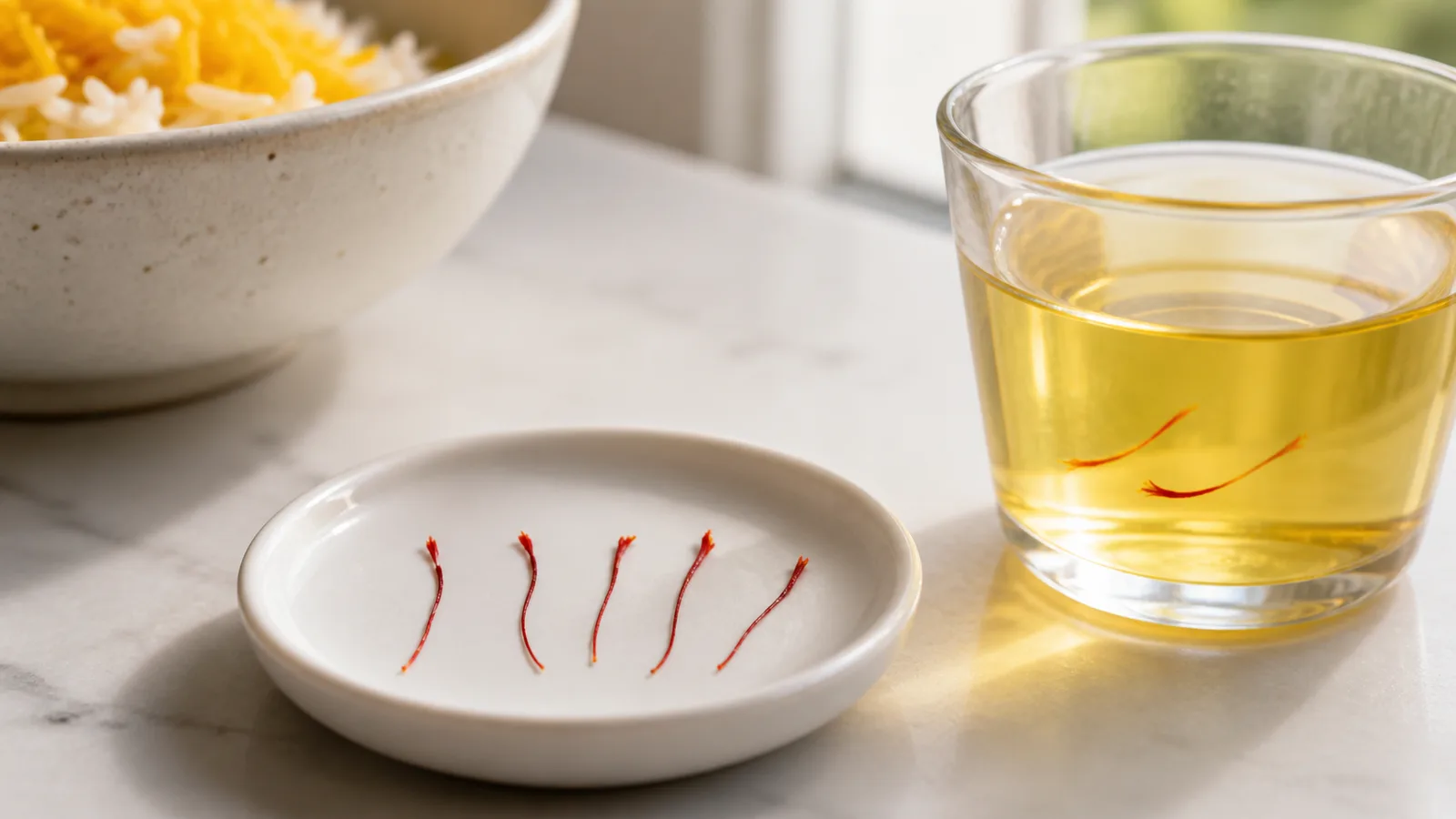
Why does saffron make you happy? It does not make everyone happy, and research has not identified a simple “happiness switch.” What clinical studies suggest is narrower: certain standardized saffron extracts may improve some measures of low mood, anxiety or emotional well-being in some groups over several weeks. That is why saffron is sometimes described as a saffron mood booster, but the phrase should not be mistaken for a guaranteed effect.
The difference between “may support mood” and “makes you happy” is important. Happiness changes with sleep, relationships, health, stress and circumstances. A spice or supplement cannot replace those influences, and it is not a substitute for mental-health care.
What the research actually measures
Clinical trials do not measure happiness as a single chemical event. They use questionnaires that assess depressive symptoms, anxiety, stress, quality of life or particular aspects of mood. A 2026 systematic review and meta-analysis of 34 randomized trials found improvements on some self-reported depression and anxiety scales. Several clinician-rated measures were not significantly different, however, and the studies varied substantially in their participants and methods.
An eight-week trial in 56 healthy adults with subclinical low mood, anxiety or stress is a useful example. The main total mood-disturbance outcome did not change, while a depression subscale and social-relationship measure favoured the standardized extract. Some authors were employed by the extract manufacturer, which is relevant when weighing a small product-specific study.
Those results are more complicated than “saffron creates happiness.” They suggest a possible effect worth studying while leaving room for placebo response, different outcomes and people who notice no benefit.
Does saffron increase serotonin?
Crocin and safranal are two well-known saffron constituents. Laboratory and animal research has explored how saffron compounds may interact with neurotransmitter, inflammatory and stress-related pathways. Serotonin is one proposed part of the explanation, but human evidence does not show that taking saffron simply raises brain serotonin to a known amount and therefore causes happiness.
Serotonin also has roles beyond mood, and a neurotransmitter hypothesis cannot predict how one person will feel. Mechanism research helps scientists decide what to test; it is not proof of an effect or a reason to combine saffron casually with antidepressant medication or several mood supplements.
What about stress, anxiety and cortisol?
Stress can make enjoyment and relaxation harder, so reducing stress-related symptoms could indirectly improve how someone describes their day. The eight-week trial above also tested an acute laboratory stressor. It reported a heart-rate-variability finding, but did not establish that saffron reliably lowers cortisol or removes stress in everyday life.
Research on saffron for emotional well-being should therefore be described by its measured outcomes. “Some participants reported fewer depressive symptoms” is more accurate than “saffron reduces cortisol and makes you happy.” Anxiety, depression, ordinary sadness and temporary pressure are not interchangeable conditions.
How long might a mood change take?
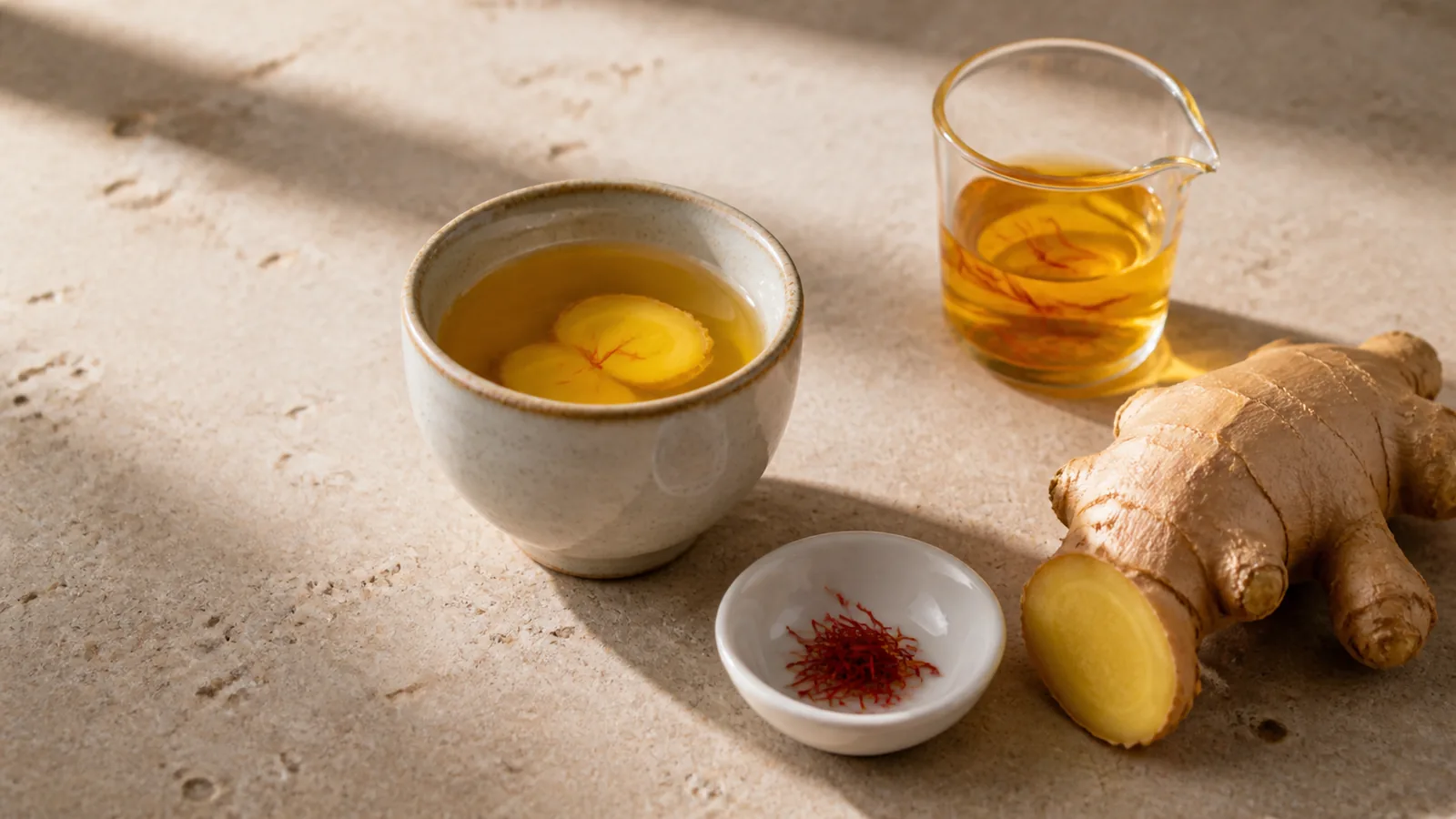
Most mood research evaluates consistent use over weeks rather than minutes. A calm feeling while drinking warm saffron milk or tea may come from taste, warmth, expectation and the chance to pause. It does not establish a medicinal effect.
Our guide to how quickly saffron may work for mood explains why one to two weeks is best treated as an early observation window. The stronger trial evidence generally comes from later scheduled assessments. A steady record of sleep, mood and major stressors is more useful than judging a supplement from one unusually good afternoon.
Culinary saffron and studied extracts are not the same
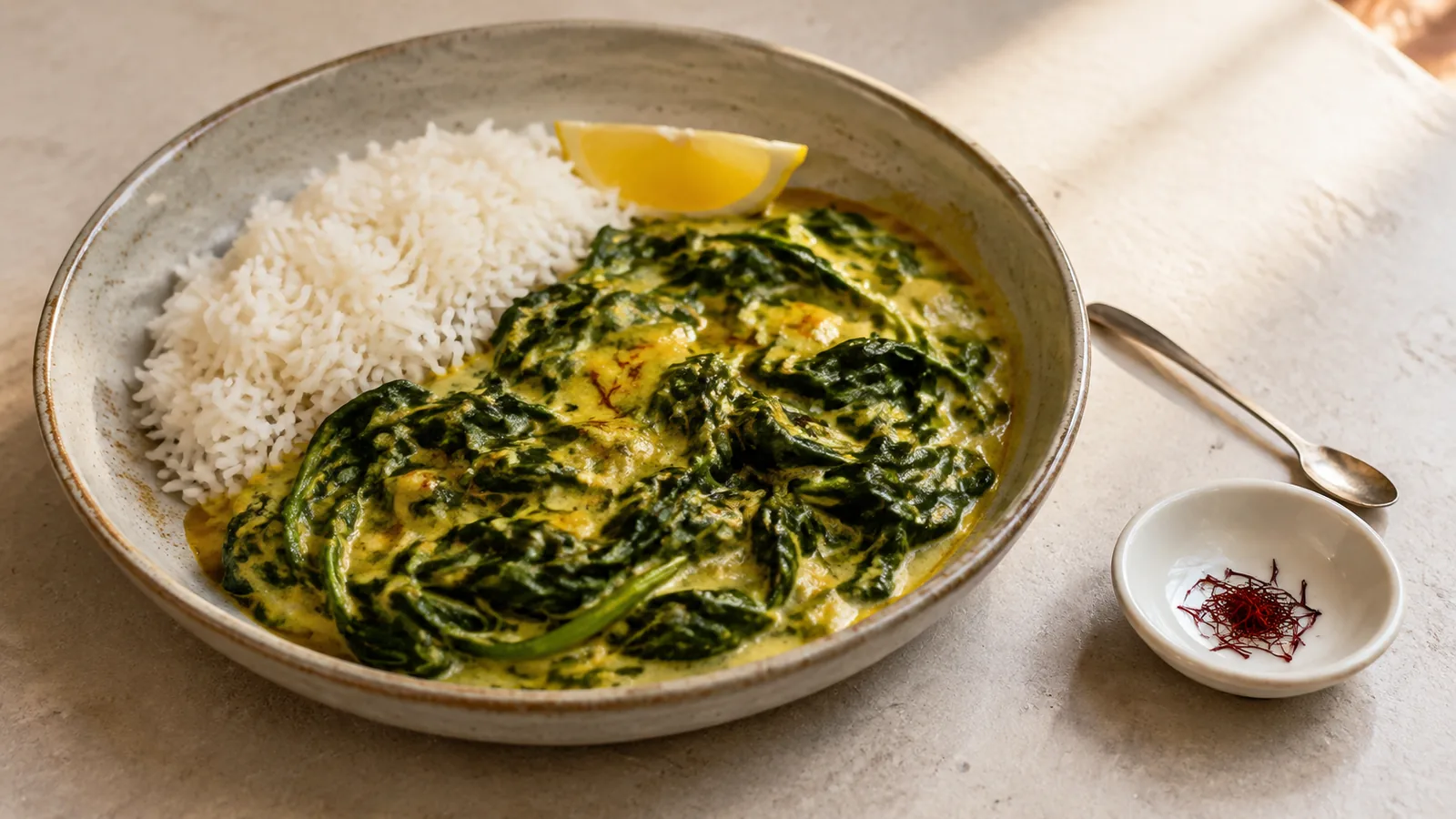
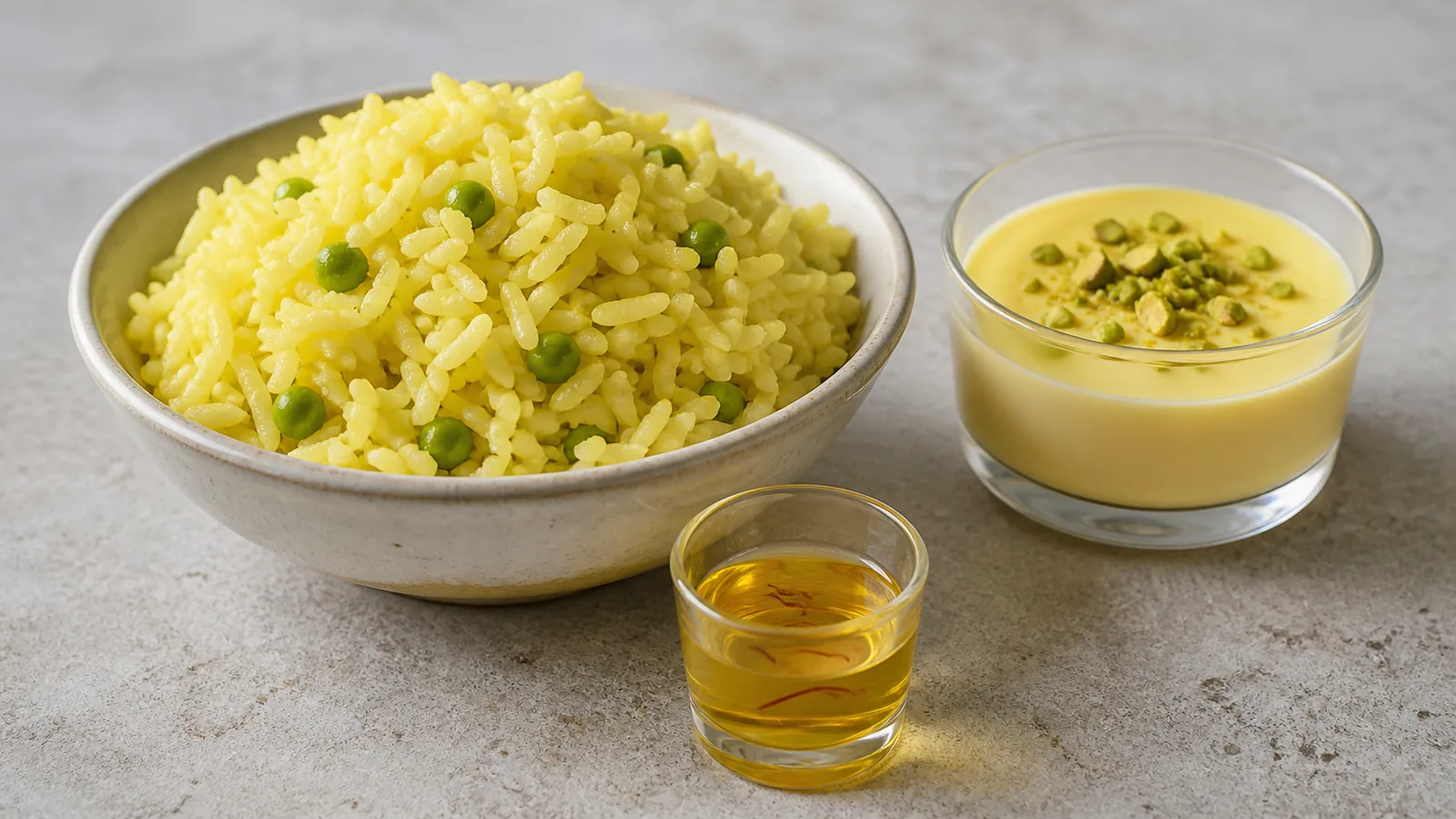
A few threads infused in tea, milk or food provide flavour, colour and aroma. The clinical trials usually use a standardized extract with a defined daily amount. That does not make kitchen saffron inferior as an ingredient; it means the study result cannot be assigned to a culinary serving.
The original advice often repeated online is 30 to 50 mg per day for mood enhancement. That is not a universal dosage range. Many trials have used about 28 to 30 mg of a particular preparation, while products differ in strength, composition and testing. Fifty milligrams of one powder cannot be assumed equivalent to 30 mg of another extract, and taking more does not guarantee a happier mood.
A sensible way to approach saffron for happiness
- Decide what you mean by “better.” Less tension, more enjoyment, improved sleep and fewer depressive symptoms are different goals.
- Separate food from supplementation. Enjoying saffron in cooking is not the same decision as using a concentrated product for a symptom.
- Check the complete label. Look for the saffron form, amount per serving and every other active ingredient.
- Change one thing at a time. Otherwise, it becomes difficult to tell what helped or caused an unwanted effect.
- Track a pattern. Note the same simple mood measure once or twice a week along with sleep and unusual stress.
- Keep appropriate care in place. Do not stop or reduce prescribed treatment to try saffron.
This is not a promise that self-tracking will show a benefit. It is a way to avoid turning a vague hope into escalating doses or an increasingly complicated supplement routine.
Safety and realistic expectations
A 2026 systematic review of saffron safety reports found that it was generally well tolerated in the reviewed human studies; gastrointestinal effects were the most frequent adverse events and were usually mild. Digestive issues and allergic reactions are still possible, and another ingredient in a blend may be responsible.
Ask a healthcare provider or pharmacist before using a concentrated saffron product if you take medication, are pregnant or breastfeeding, have an ongoing condition, or are considering it for a child. Seek urgent help for thoughts of self-harm, inability to stay safe, mania, severe agitation or rapidly worsening depression. A saffron supplement is not an emergency treatment.
The honest answer
Saffron for happiness is better understood as a research question about mood symptoms. Some trials are encouraging, and some outcomes are mixed. Crocin, safranal and possible serotonin-related pathways help frame that research, but they do not prove that saffron directly makes a person happy.
Use saffron as food because you enjoy it, and treat a concentrated extract as a separate health decision. For culinary whole threads, you can view our saffron selection; for a mood or anxiety concern, use evidence and individual clinical advice rather than a product promise.