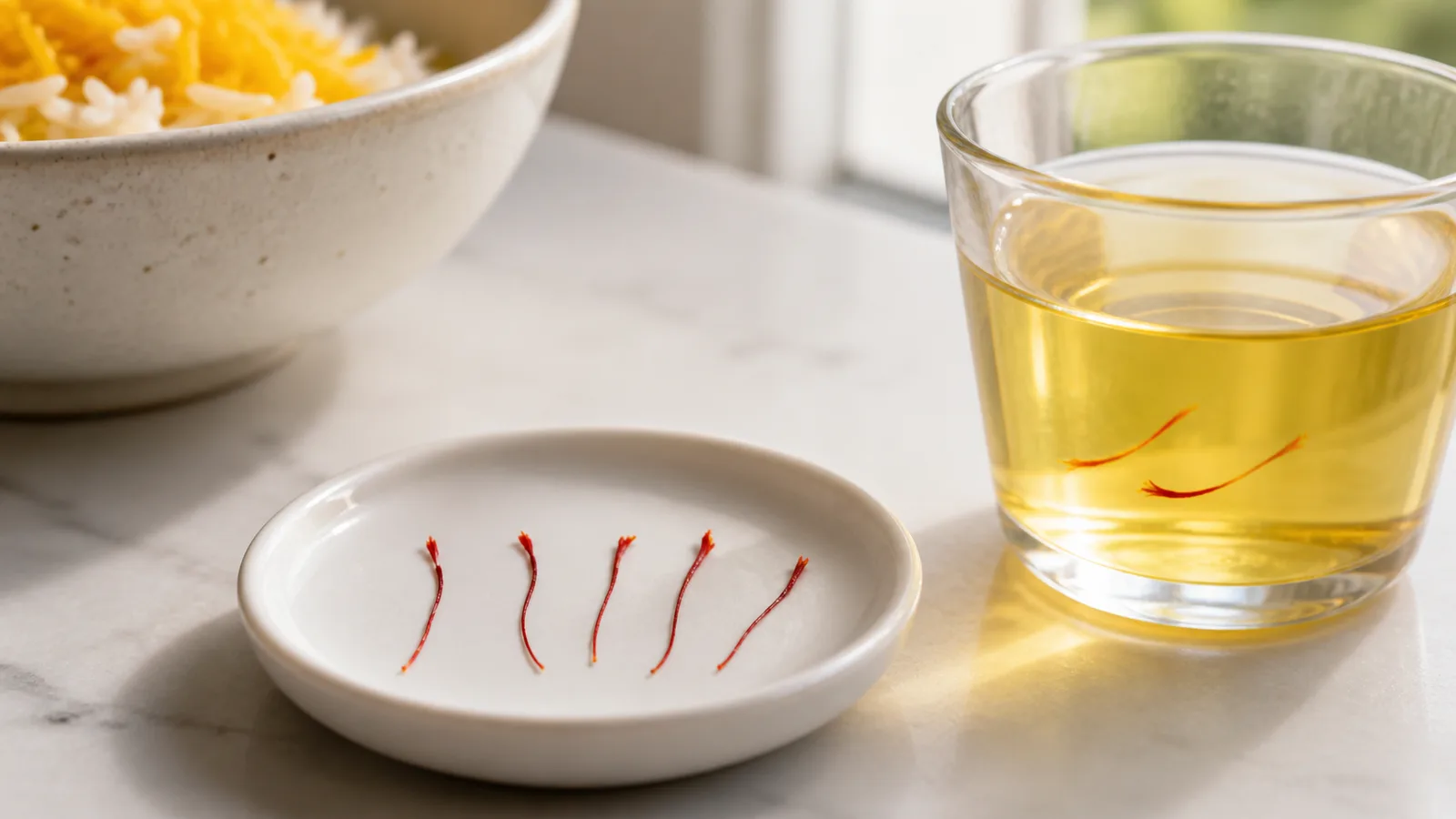
How quickly does saffron work for mood? There is no dependable same-day answer. Some people may notice a change within one to two weeks, but most clinical trials judge mood over four to twelve weeks, not after a cup of tea or a single capsule. If saffron has an effect for an individual, it is more sensible to look for a gradual pattern over several weeks than an immediate lift.
That distinction matters because “saffron” can mean a few threads used in food, a powdered product or a standardized extract. The clinical studies usually test a defined extract or dose. Their results cannot be transferred automatically to every spice jar, tea or supplement on the market.
How fast does saffron work in clinical studies?
Researchers rarely design saffron trials to identify the first hour or day when a person feels different. They normally compare questionnaire scores at scheduled visits. A 2026 systematic review and meta-analysis of 34 randomized trials included studies lasting at least four weeks. It found improvements in some self-reported depression and anxiety scales, while changes on several clinician-rated scales were not statistically significant. The studies also differed substantially from one another.
That evidence supports a cautious time frame, not a promise. One recent eight-week trial reported statistically significant changes at day 28 that continued to day 56. Another six-week study in adults with subclinical symptoms did not improve its primary combined mood outcome, although one self-perceived mental-health measure changed over time. Together, these results show why “one to two weeks” should be treated as an early observation window rather than a deadline.
If nothing changes after a few days, that does not prove the product has failed. Equally, feeling calmer on the first day does not prove that saffron caused it. Sleep, expectations, stress, meals, other treatment and the natural movement of mood can all affect how someone feels.
Why the timing varies
The saffron product is not always equivalent to the one studied
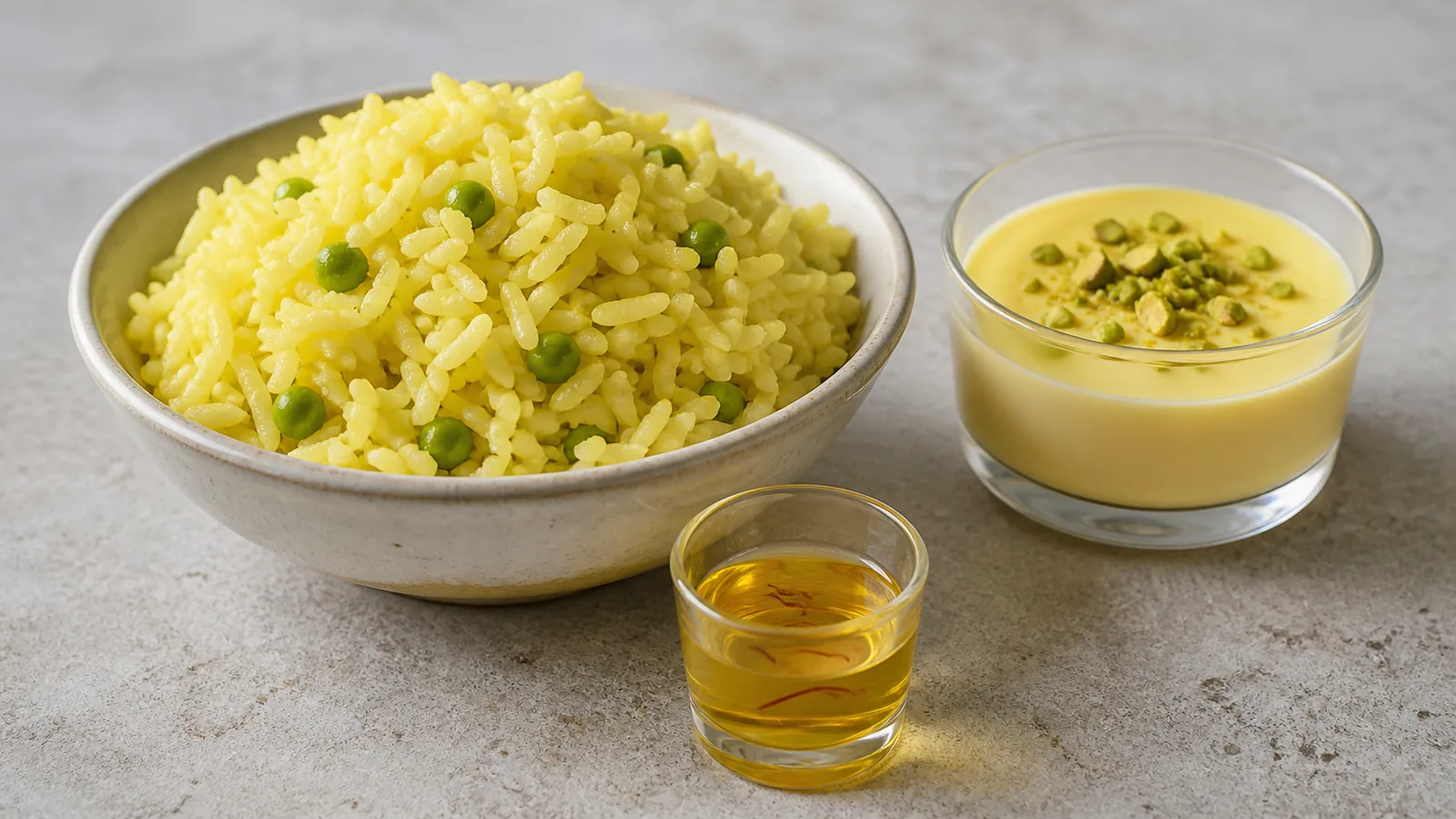
Clinical research may use a standardized extract with measured constituents, while a kitchen preparation uses whole threads in warm milk or tea. Crocin and safranal are among the compounds studied in saffron, but their amounts can vary with the plant material, processing, storage and product. A supplement is more concentrated than a culinary serving; that does not mean it will produce a quicker or better mood response.
The starting problem and the outcome are different
A trial involving diagnosed depression is not the same as a study of ordinary stress or temporary low mood. Anxiety, sleep, well-being and depressive symptoms are separate outcomes, even though they may overlap in daily life. Age also matters: an eight-week study in adolescents found improvement in several youth-reported measures, but the parent reports were inconsistent and the result should not be generalized to every age group.
Mood rarely changes in a straight line
One good or difficult day can distort an informal judgment. That is especially true when someone begins a product during a stressful period. Consistency, dose, other medications, sleep and individual response all influence what is noticed and when.
Does saffron create an immediate calming effect?
There is not good evidence that culinary saffron produces a reliable, immediate calming effect. Some research explores the response to a laboratory stressor and possible longer-term changes in stress, anxiety, relaxation and well-being, but that is not the same as proving rapid relief in ordinary life.
Crocin, safranal and several biological pathways are being studied. You may also see saffron described as “boosting serotonin.” That is an oversimplification: proposed mechanisms do not establish exactly how a person will respond, and they do not provide a clock for the onset of an effect.
Deep breathing, a short walk, meditation or a quiet tea ritual may help someone pause during a tense day. Those practices should be understood on their own terms rather than used as proof that saffron worked immediately.
How to judge whether anything is changing
A brief written record is more useful than trying to remember how you felt several weeks ago. Before starting, note the symptom you hope to change and how often it affects you. Then record the same measure at a regular time once or twice a week.
- Use one simple measure, such as mood from 1 to 10, rather than changing the question every day.
- Record sleep, unusual stress and medication changes that could explain a difference.
- Keep the saffron product and serving consistent; do not increase it simply because the first days feel unchanged.
- Look for a sustained pattern across several weeks, not a single unusually good day.
- Stop and seek advice if symptoms worsen or an unwanted effect appears.
This approach cannot diagnose a condition, but it makes a discussion with a healthcare provider more concrete. It also reduces the temptation to keep adding supplements when the original question has not been answered.
Culinary saffron, tea and supplements are different
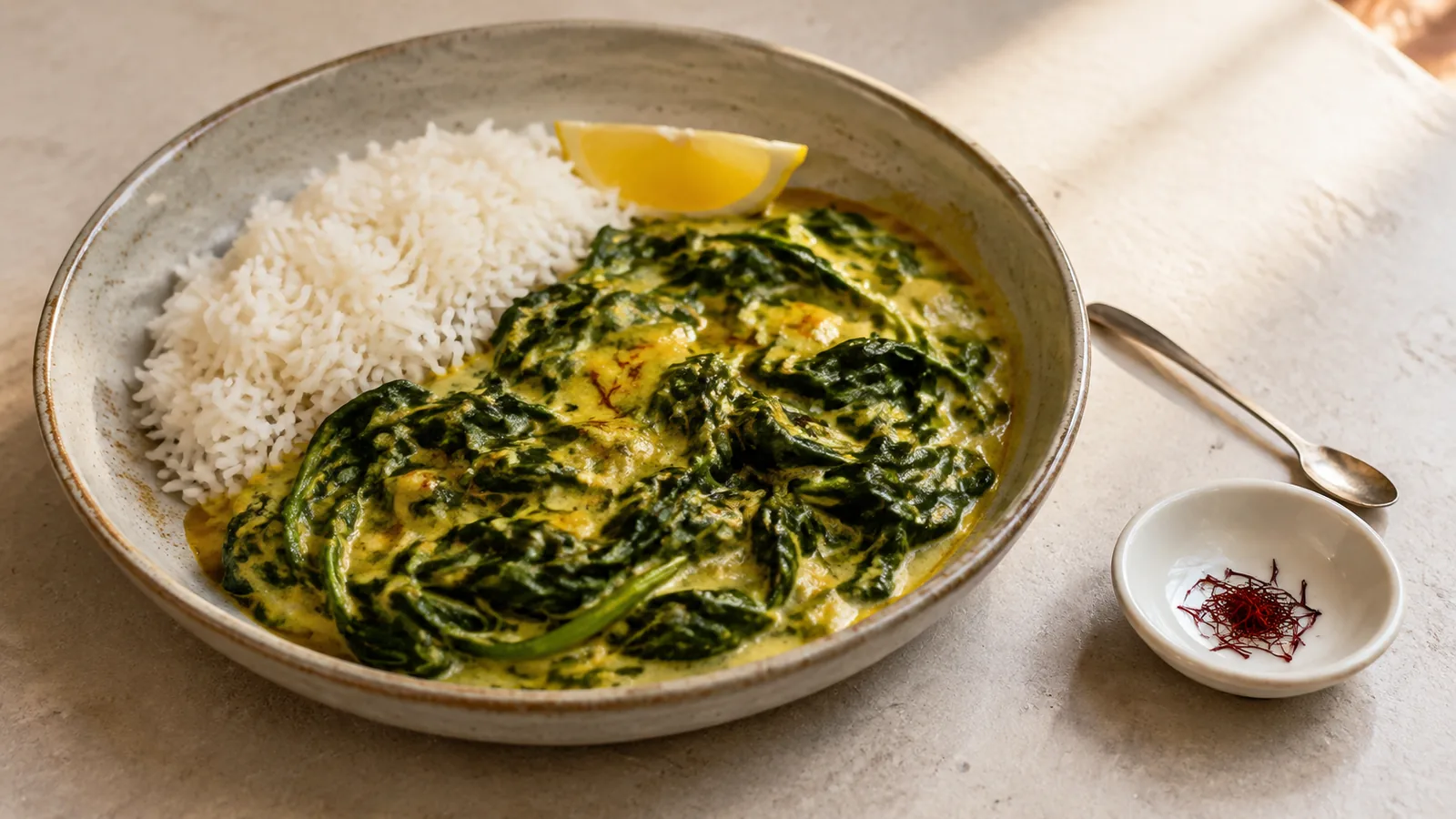
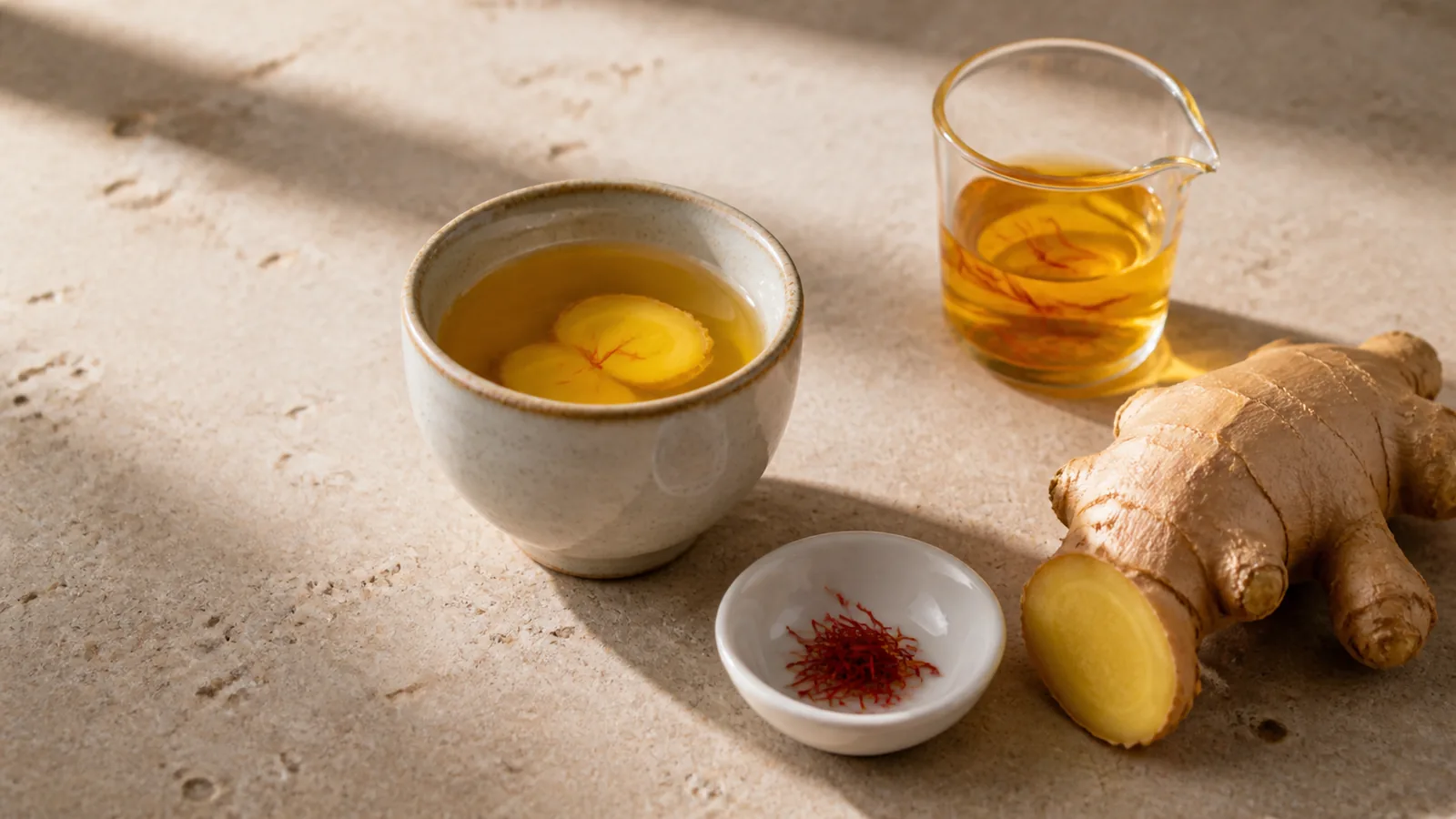
A few saffron threads steeped in warm milk or tea can contribute colour, aroma and flavour. It may be a pleasant part of a routine, but it is not equivalent to the standardized preparations used in mood trials. Our related guide explains the broader evidence on how quickly saffron works for different purposes, and a second article looks more closely at the time researchers use when studying mood.
Many trials have used around 30 mg per day of a defined saffron preparation, but that figure is a description of research, not a personal dosage recommendation. Products are not interchangeable, and taking more does not establish a faster effect.
Safety matters while you wait
Saffron was generally well tolerated in the clinical literature, but digestive discomfort and allergic reactions can occur. Concentrated products need more care than normal amounts used in food. Ask a healthcare provider before medicinal use if you are pregnant or nursing, take medications, have a mood disorder or other ongoing condition, or are considering saffron for a child or teenager.
Do not stop, reduce or delay prescribed treatment while waiting to see whether saffron changes your mood. Saffron is not a proven emergency treatment. New thoughts of self-harm, inability to stay safe, severe agitation, mania or rapidly worsening depression call for urgent professional help rather than a supplement experiment. Our safety guide explains more situations in which to avoid medicinal saffron or seek individual advice.
The practical answer
Small clinical trials have led to the common estimate that people may notice mood improvements within one to two weeks of consistent use, with possible benefits building over several weeks. The stronger interpretation is that saffron research usually measures change over four weeks or longer, and not everyone improves.
Choose a clearly labelled product, keep expectations realistic and assess a steady trend. If the question is about enjoying saffron as food rather than treating a symptom, our whole-thread saffron selection is intended for culinary use.