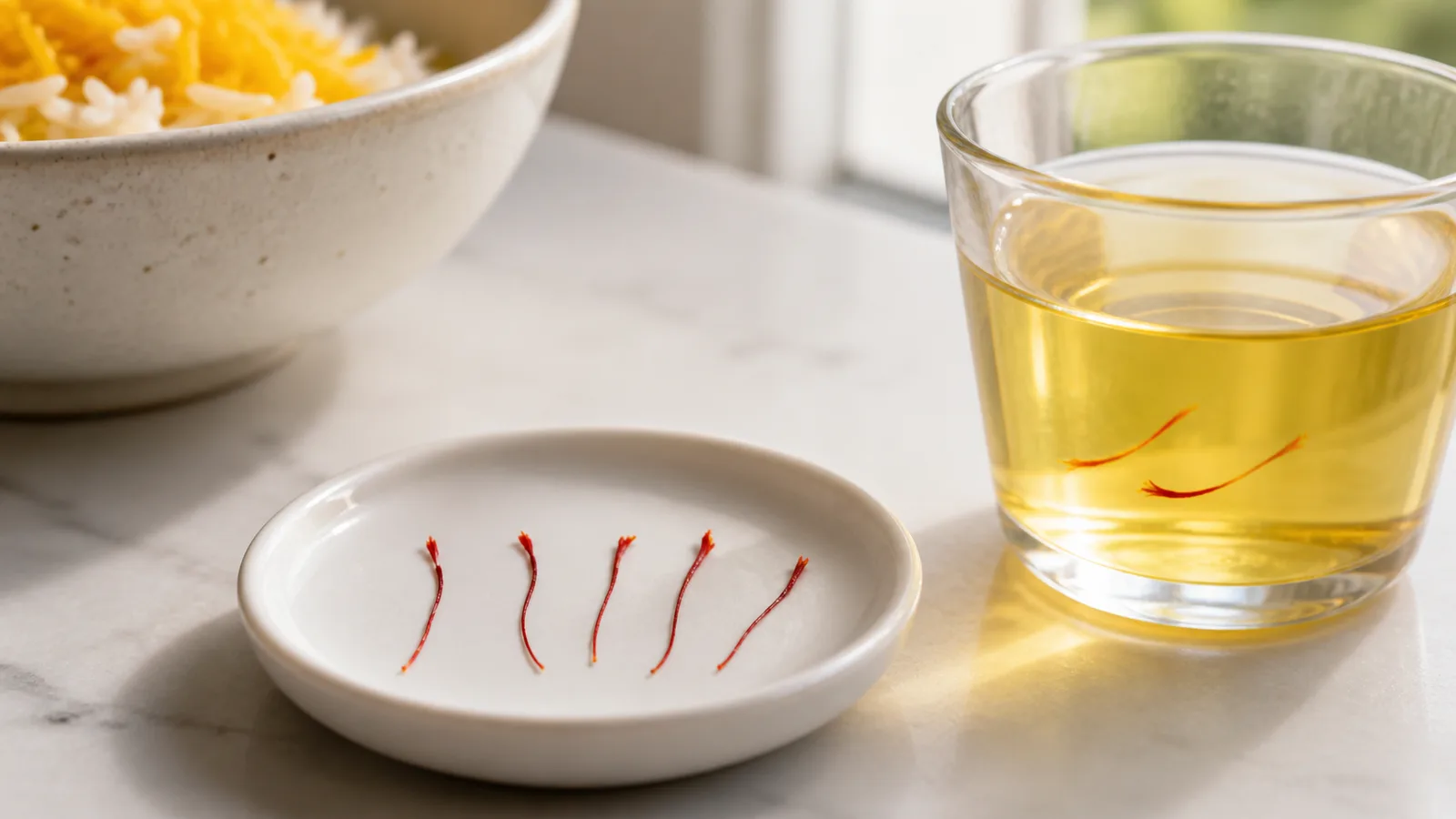
The price of 1 gram of saffron currently starts at about €4.33 in our five-gram range and reaches about €6.82 for the highest-priced culinary grade, before tax and shipping. That works out to roughly $5.03–$7.93 using the European Central Bank reference rate published on 4 September 2026. Prices change, so treat this as a dated retail snapshot rather than a permanent market quote.
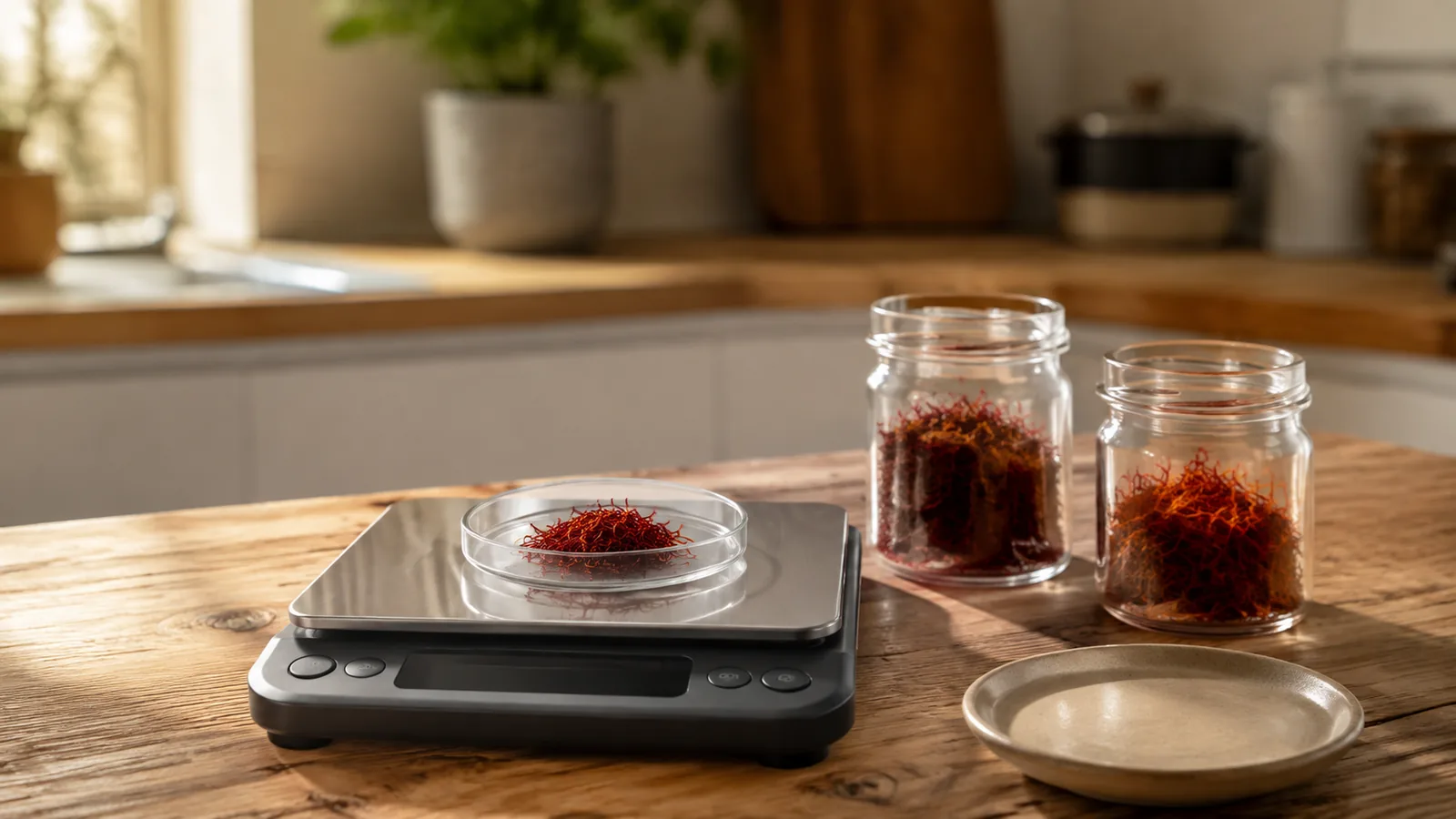
How Much Is 1 Gram of Saffron?
If you are comparing retail packs, the price of 1 gram of saffron depends on the grade, how much you buy and what the seller includes in the price. On 5 September 2026, the five-gram packs available in our shop ranged from €21.63 for Bunch saffron to €34.11 for Super Negin A. Dividing those pack prices by five gives a saffron price per gram of €4.33–€6.82.
For readers searching for the 1 gram saffron price in USD, the dollar figures above are conversions, not separate US retail prices. The calculation uses the ECB euro–US dollar reference rate of €1 = $1.1622 on 4 September 2026. Your final checkout amount can differ because of exchange fees, tax, delivery and changes in the product price.
You can see the live amount rather than relying on this dated example on our saffron price page or in the current product range.
How to Compare Saffron Prices Fairly
A low price on the front of a pack does not necessarily mean a low cost per gram. First check the net weight, then divide the product price by that weight. Keep the currency, taxes and delivery basis the same for every offer you compare.
Using the current per-gram range above, simple weight conversions look like this:
- 1 gram: €4.33–€6.82.
- 5 grams: €21.63–€34.11, the actual pack prices used for this example.
- 1 ounce (28.35 grams): about €122.64–€193.40 at the same per-gram rate.
- 1 pound (453.59 grams): about €1,962–€3,094 at the same per-gram rate.
- 1 kilogram: about €4,326–€6,822 at the same per-gram rate.
The ounce, pound and kilogram figures are mathematical equivalents, not wholesale quotations. Larger packs often have a different unit price, while testing, export documents, insurance, packaging and delivery can change a commercial order considerably.
What Changes the Cost per Gram?
Grade and the Parts of the Flower Included
Saffron products do not all contain the same proportion of red stigma and lighter style. Bunch saffron retains more of the style, while Sargol and Negin trade grades contain a greater proportion of separated red material. That difference affects appearance, processing and price. “Super Negin” is a trade description rather than a guarantee that every pack bearing the name has identical laboratory quality.
Colour alone is not enough to judge a purchase. A useful comparison also considers aroma, dryness, cleanliness, traceability and, where supplied, a suitable test report. Our guide to buying high-quality saffron explains the checks you can make before ordering.
Threads, Powder and Product Integrity
Whole threads let you inspect the shape and colour distribution more easily than powder. Powder can still be a legitimate product, but its identity is harder to assess by sight. Compare like with like, and be cautious when an unexplained bargain is far below similar offers. Certification language is useful only when the certificate is relevant, current and tied to the batch being sold.
Pack Size and Selling Channel
A one-gram gift pack, a five-gram household pack and a wholesale lot have different packaging and handling costs. The place of sale matters too: a producer, exporter, specialist retailer and marketplace seller do not have the same cost structure. This is why a single “world market price” rarely describes what an individual customer will pay.
Origin and the Meaning of Iranian Saffron Prices
Iranian or Persian saffron is widely traded, but “saffron price in Iran” can mean a farm-gate, wholesale, domestic retail or export price. Those are not interchangeable. An Iranian saffron price per gram is meaningful only when the grade, trade level, date and currency are clear. Currency movements and the cost of moving a food product across borders also matter. Saffron may appear cheaper near its production region, yet the lowest local quote is not automatically the delivered price for a buyer abroad.
Kesar, jafran and kungumapoo are names used for saffron in different languages and markets. The name does not create a separate spice or quality grade. For a sound price comparison, identify the botanical product, net weight, form, grade or stigma content, origin and seller terms rather than judging it by a regional name alone.
Why Is One Gram So Valuable?
Saffron is one of the most expensive spices in the world because each flower produces only three stigmas, and the crop is harvested and separated with substantial hand work. The University of Vermont’s saffron programme estimates about 167 flowers to produce one gram of dried saffron. Yield varies, but that scale explains why genuine saffron costs far more per gram than common dried spices.
Its retail value should not be confused with farming profit. Growers also face the cost of corms, land preparation, labour, drying, quality control, storage and selling. A high shelf price does not show what the grower retained.
What Can You Do with 1 Gram of Saffron?
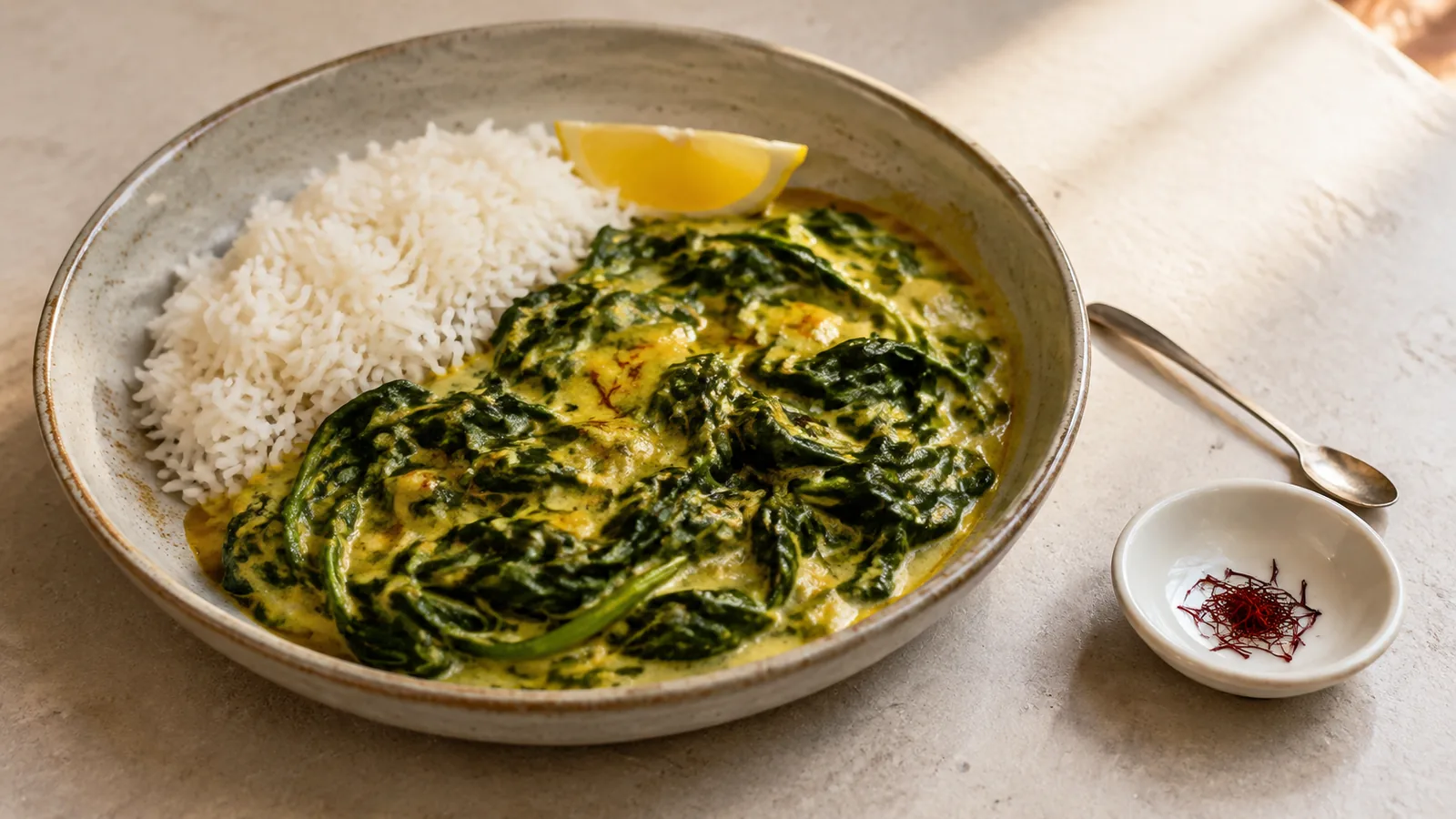
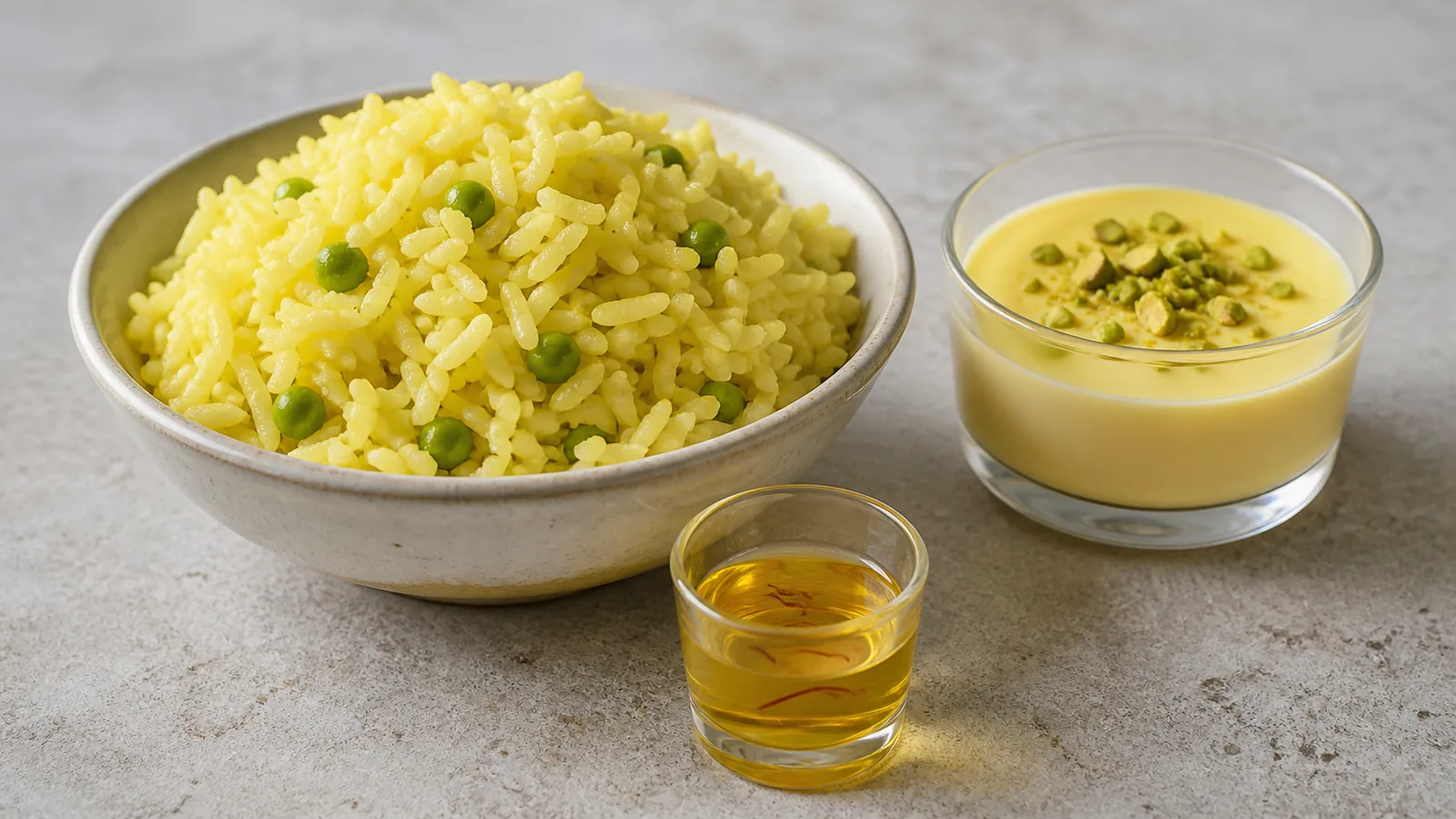
One gram is a practical household quantity because saffron is normally used in small amounts. Common uses for saffron include flavouring and colouring rice, stews, soups, seafood, bread, desserts and drinks. The number of dishes depends on the recipe and the strength you prefer, so measuring for the food is more reliable than assuming that every “pinch” weighs the same.
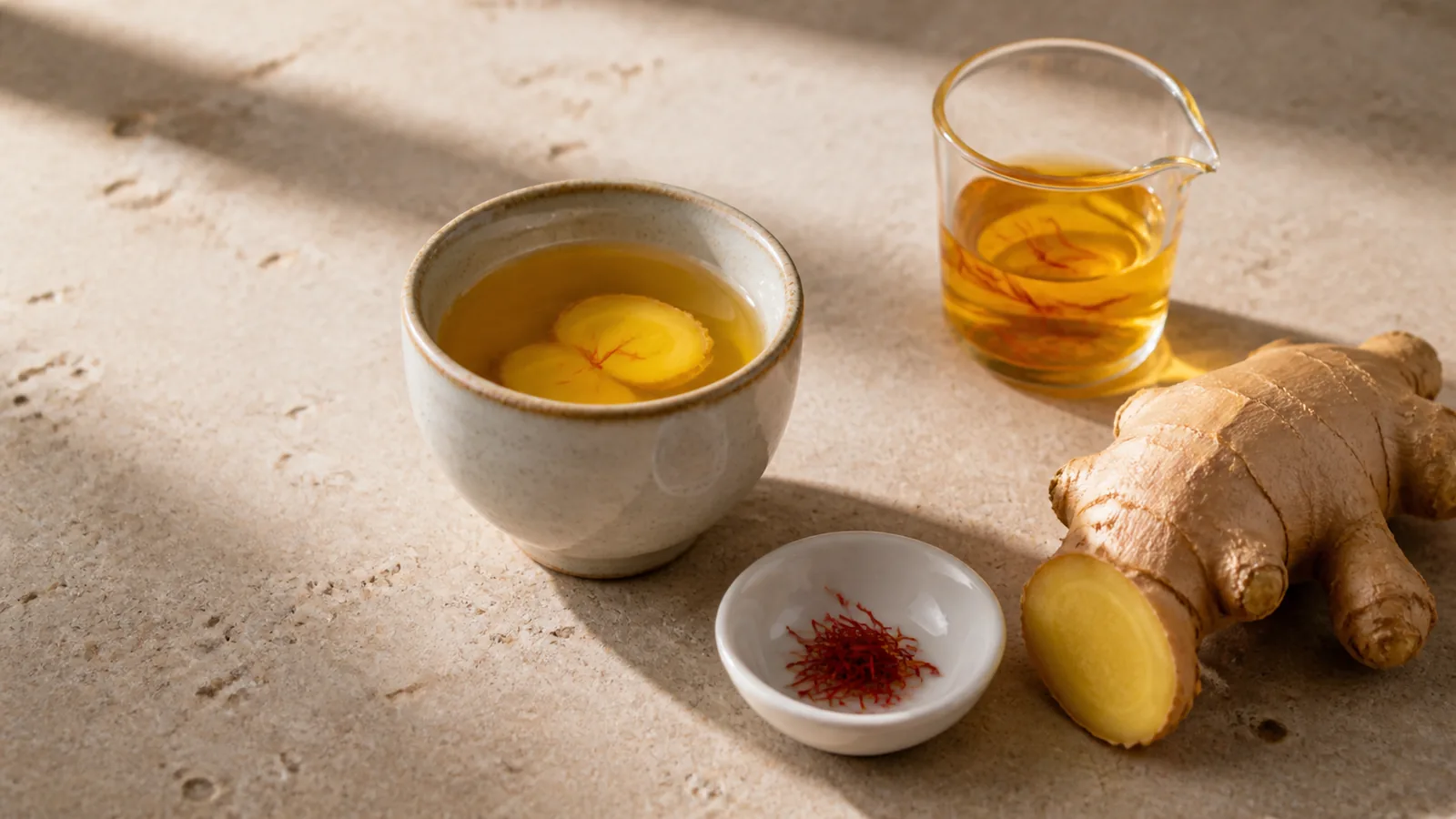
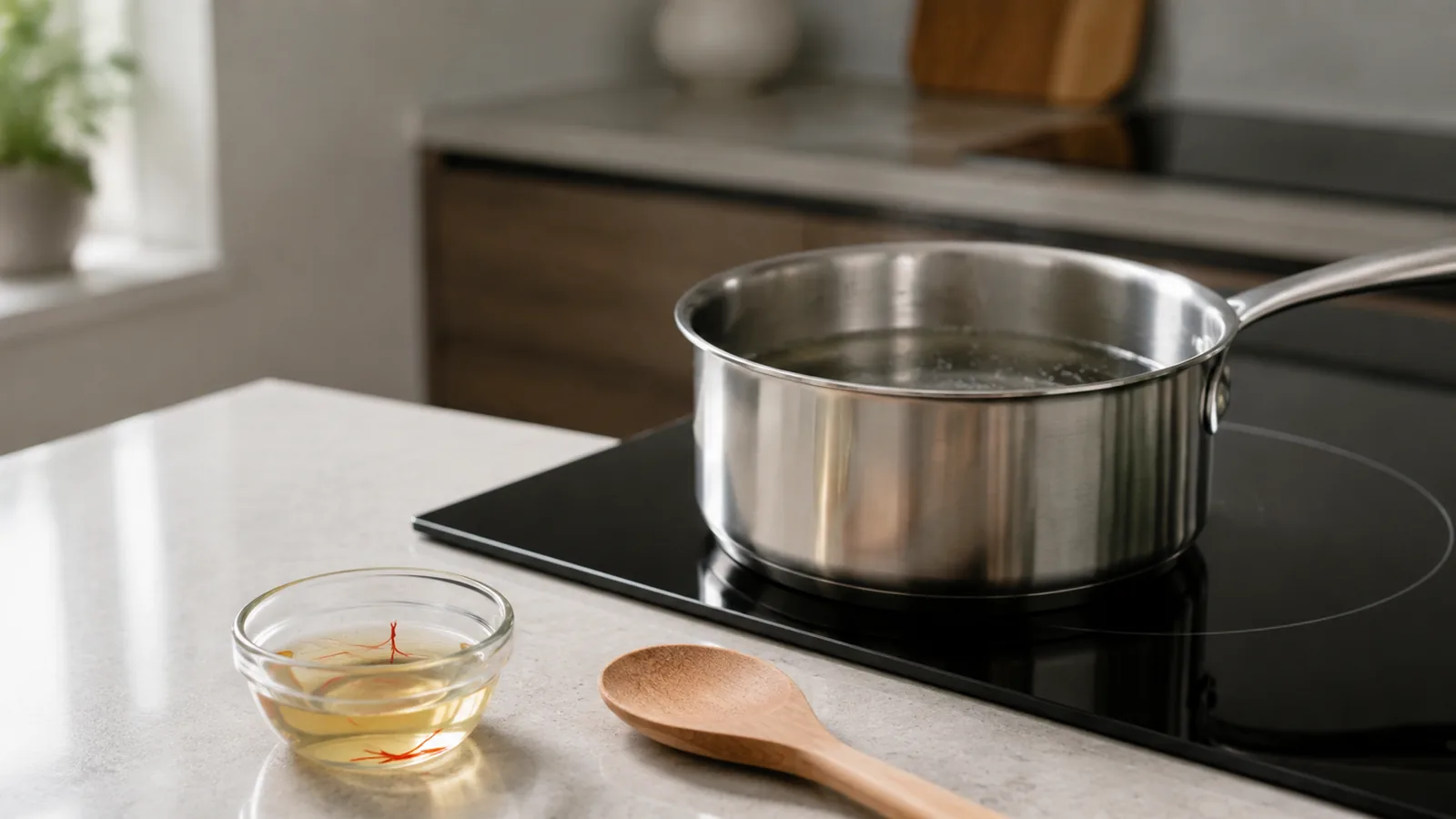
For many recipes, gently crushing a measured portion and steeping it in warm water or milk distributes the colour and aroma more evenly than scattering dry threads in one spot. Add the infusion where the recipe allows its fragrance to remain noticeable. See how saffron is used for preparation ideas beyond price comparisons.
Buying One Gram without Paying for the Wrong Thing
- Check that the displayed weight is the net weight of saffron, not the package weight.
- Compare the same form and grade, rather than comparing whole threads with an unspecified powder.
- Read whether tax and delivery are included before comparing sellers.
- Look for clear origin, batch and seller information instead of relying on broad premium claims.
- Choose an amount you can store well; keep it tightly closed, dry and away from heat and light.
The Short Answer
How much does 1 gram of saffron cost? In our live five-gram offers checked on 5 September 2026, the pro-rata answer was €4.33–€6.82 per gram before tax and shipping, or about $5.03–$7.93 at the ECB reference exchange rate from the previous business day. Use the live product price for a purchase, and compare net weight, grade, form and delivery terms before deciding which gram offers the better value.