Which grade of saffron is best?
For most cooking, a fresh all-red grade such as Sargol or Negin is a practical premium choice because a high proportion of the package is ... Read More...



For most cooking, a fresh all-red grade such as Sargol or Negin is a practical premium choice because a high proportion of the package is ... Read More...
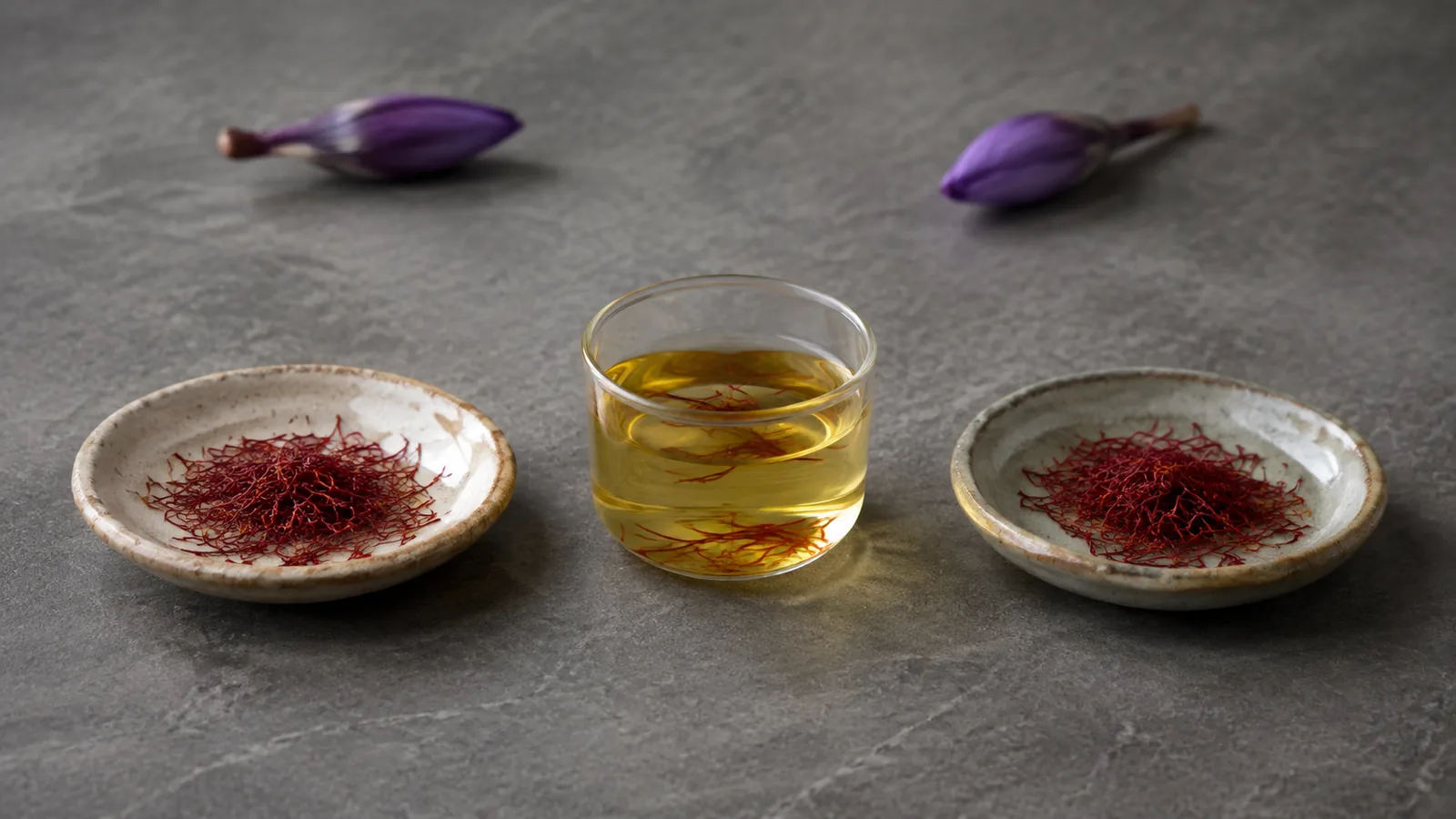
High-quality saffron is identified by several pieces of evidence working together: recognizable Crocus sativus stigmas, a clean complex aroma, a clear golden infusion, good storage ... Read More...
The best “strain” of saffron is not a named country or grade. Culinary saffron is Crocus sativus, a sterile crop propagated by corms rather than ... Read More...
There is no single correct number of saffron types. Culinary saffron comes from one plant species, Crocus sativus, but sellers use “type” for regional origins, ... Read More...
Kashmiri saffron is expensive because a small regional crop depends on careful field work, hand picking and fast processing during a short autumn harvest. The ... Read More...
Kashmiri and Iranian saffron are the same spice species, Crocus sativus, grown in two different regions. Kashmir offers a protected, limited regional product with a ... Read More...
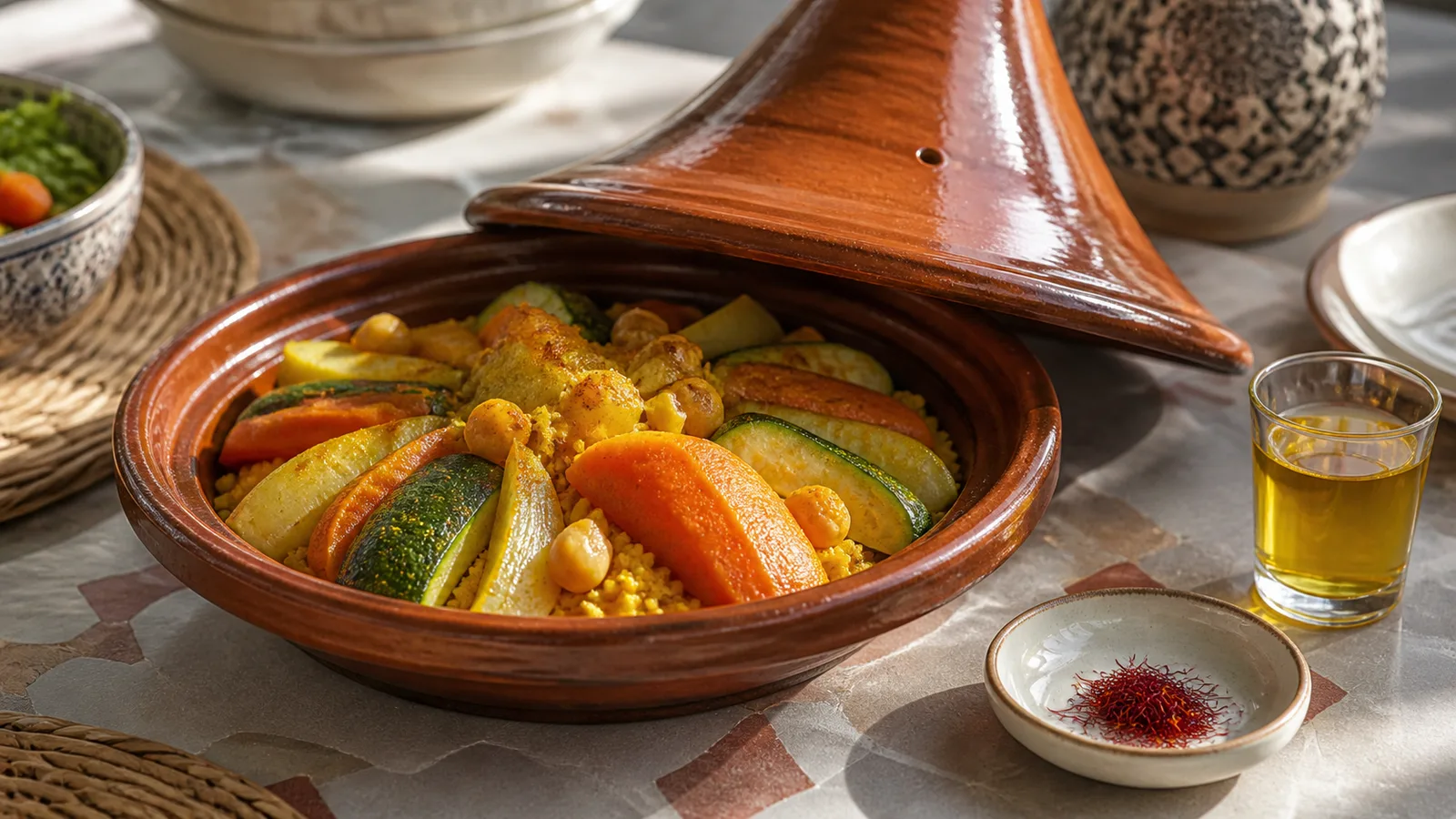
Moroccan saffron can be excellent, but no country automatically produces the “best” saffron. A careful harvest from Taliouine may outperform a poorly stored batch from ... Read More...
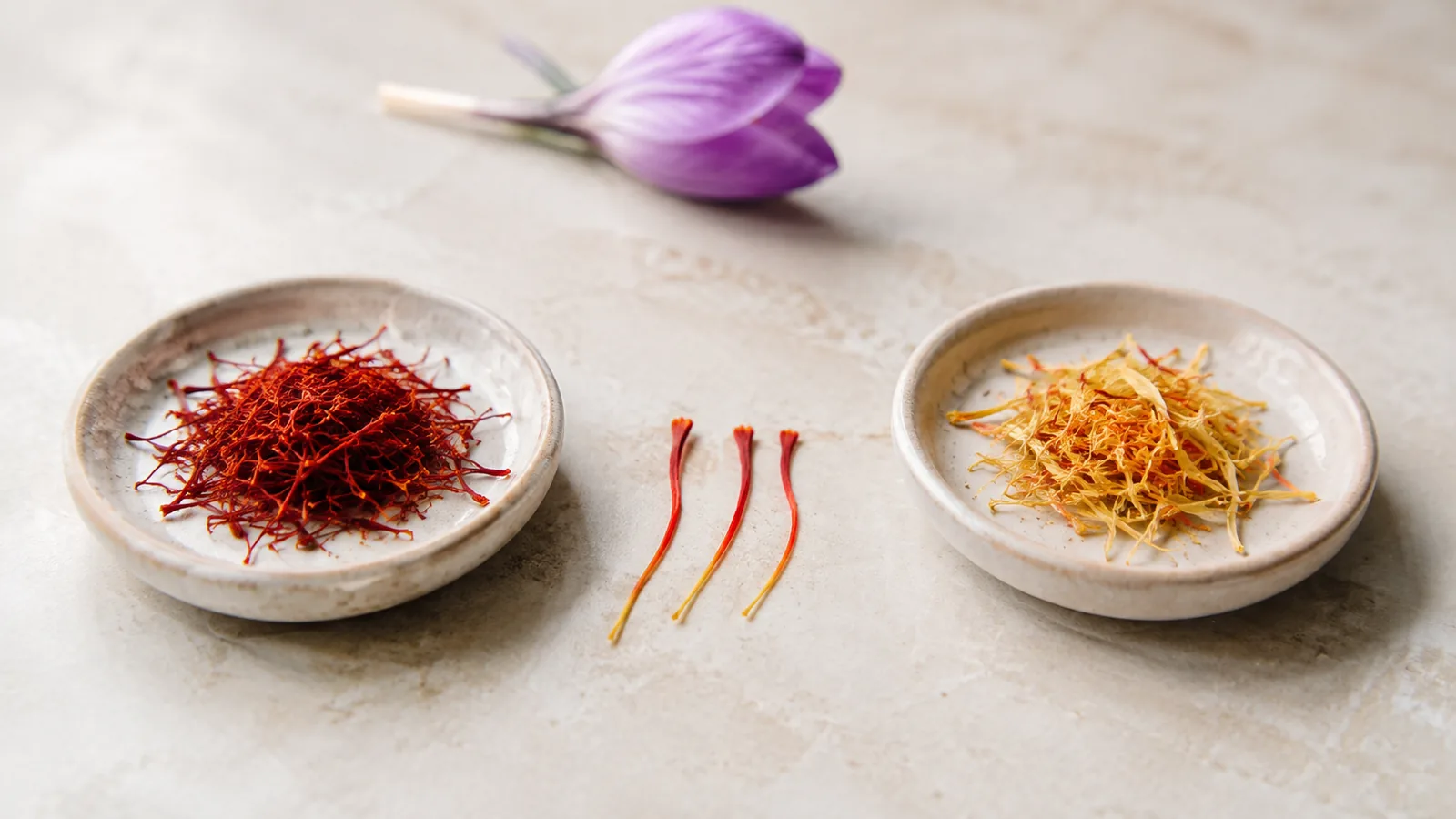
Red saffron is the dried red stigma of Crocus sativus, the part richest in the compounds prized for color, aroma and flavor. “Yellow saffron” usually ... Read More...
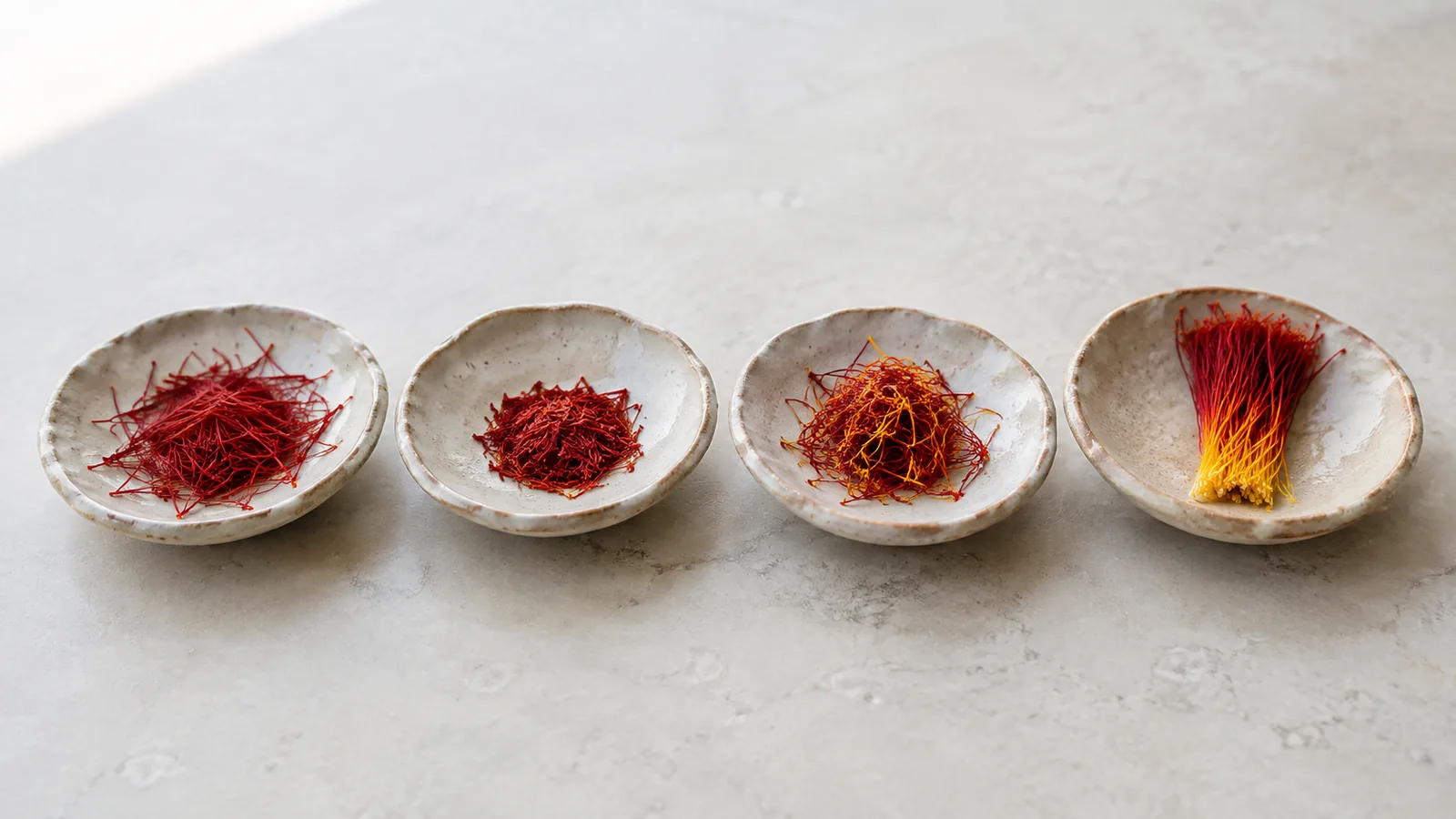
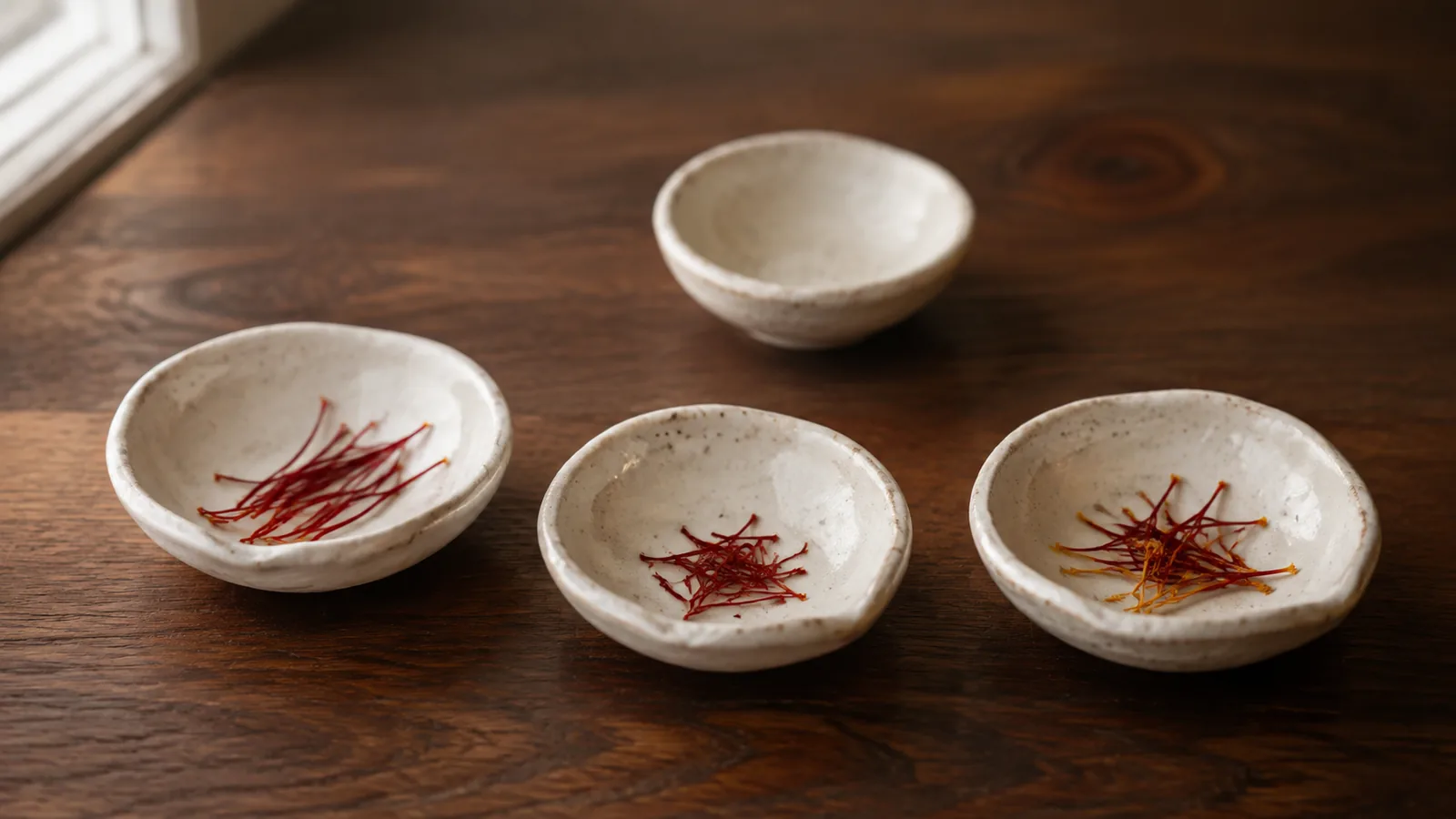
The four names most often used for Iranian saffron thread grades are Negin, Sargol, Pushal and Dasteh, also called Bunch saffron. They describe how much ... Read More...
Spanish saffron is not automatically better than Iranian saffron, and Iranian saffron is not automatically stronger. Both come from Crocus sativus. The better choice is ... Read More...