Moroccan saffron can be excellent, but no country automatically produces the “best” saffron. A careful harvest from Taliouine may outperform a poorly stored batch from a more famous origin, while a strong Iranian, Spanish or Kashmiri saffron may suit a particular dish better. Moroccan saffron quality should be judged from the product in front of you: its authenticity, aroma, colouring strength, freshness and handling.
Origin still matters. It can explain a spice’s tradition and character. It is not, by itself, a laboratory result or a guarantee that every package contains the same grade.
What is Moroccan saffron?
Morocco’s best-known saffron-growing area is around Taliouine and Taznakht in the Anti-Atlas. The Food and Agriculture Organization’s production guide describes the region’s established growing tradition and work to strengthen production and post-harvest quality.
Like saffron elsewhere, the spice comes from the red stigmas of Crocus sativus. The flowers are picked and the stigmas separated largely by hand because the material is delicate. Drying then concentrates the aroma and makes the threads shelf-stable. Soil, climate, harvest timing and traditional methods can influence the finished batch, but drying and storage after harvest are just as important.
Moroccan threads are sometimes described as slightly thicker, with a vibrant colour and a balanced aroma. Those traits may describe a particular lot; they should not be treated as a definition of everything grown in Morocco. Thread thickness alone cannot establish purity or strength.
How Moroccan saffron quality should be assessed
A useful comparison begins with measurable and observable characteristics rather than reputation. The current ISO 3632-1:2025 specification sets requirements for dried saffron in filament, cut-filament and powder forms. A supplier that provides credible batch testing offers stronger evidence than one that merely prints a country name on a label.
At home, look for several signs together:
- Dry red threads with recognisable saffron-stigma shapes, rather than a uniformly dyed powder.
- A fresh, complex scent often described as floral, hay-like and faintly honeyed.
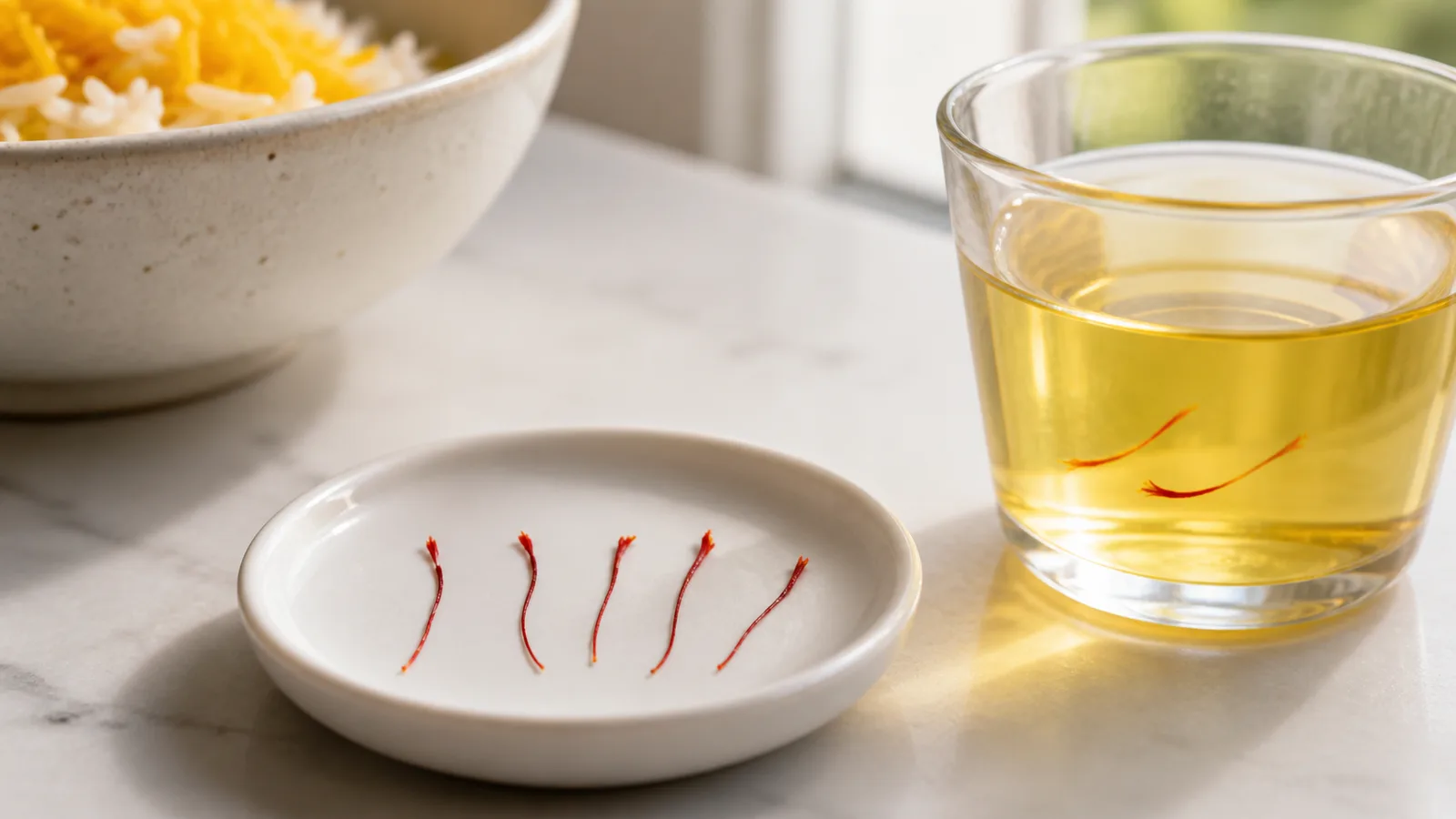
- Colour that develops into a clear golden infusion instead of immediately releasing a harsh red dye.
- A clean bitter edge in the taste, without mustiness or excessive sweetness.
- Packaging that protects the spice from moisture, strong light and air.
These observations are useful screening clues, not a substitute for laboratory authentication. Very old genuine saffron can be weak, and sophisticated adulteration may not be obvious by sight.
Moroccan, Iranian, Spanish and Kashmiri saffron
A simple Spanish saffron vs Iranian saffron comparison often turns into stereotypes: Iranian saffron is said to have intense red colour and strong flavour, Spanish saffron a milder or sweeter aroma, Kashmiri saffron a deep colour, and Moroccan saffron a moderate, balanced profile. Individual batches vary too much for those descriptions to work as fixed rules.
Iran is the largest and most varied production origin, so “Iranian saffron” covers multiple cuts, grades and producers. Spanish products may use different presentation and drying traditions. Kashmiri saffron has its own geographic identity and limited supply. Morocco’s Taliouine tradition is equally meaningful, especially for buyers who value traceable origin. Yet freshness and documented quality can matter more in the cup or pot than the passport of the threads.
Which saffron is best for cooking?
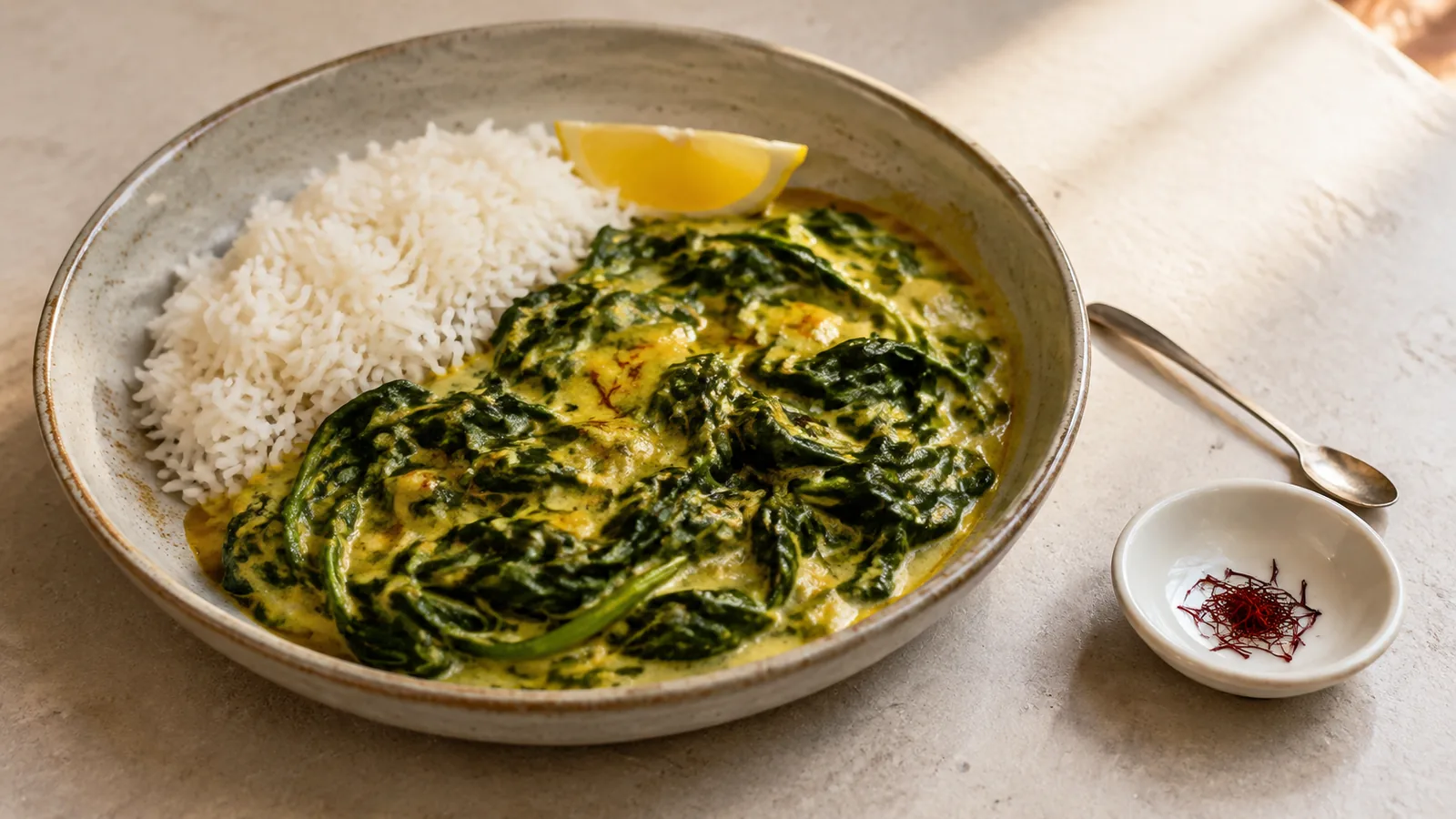
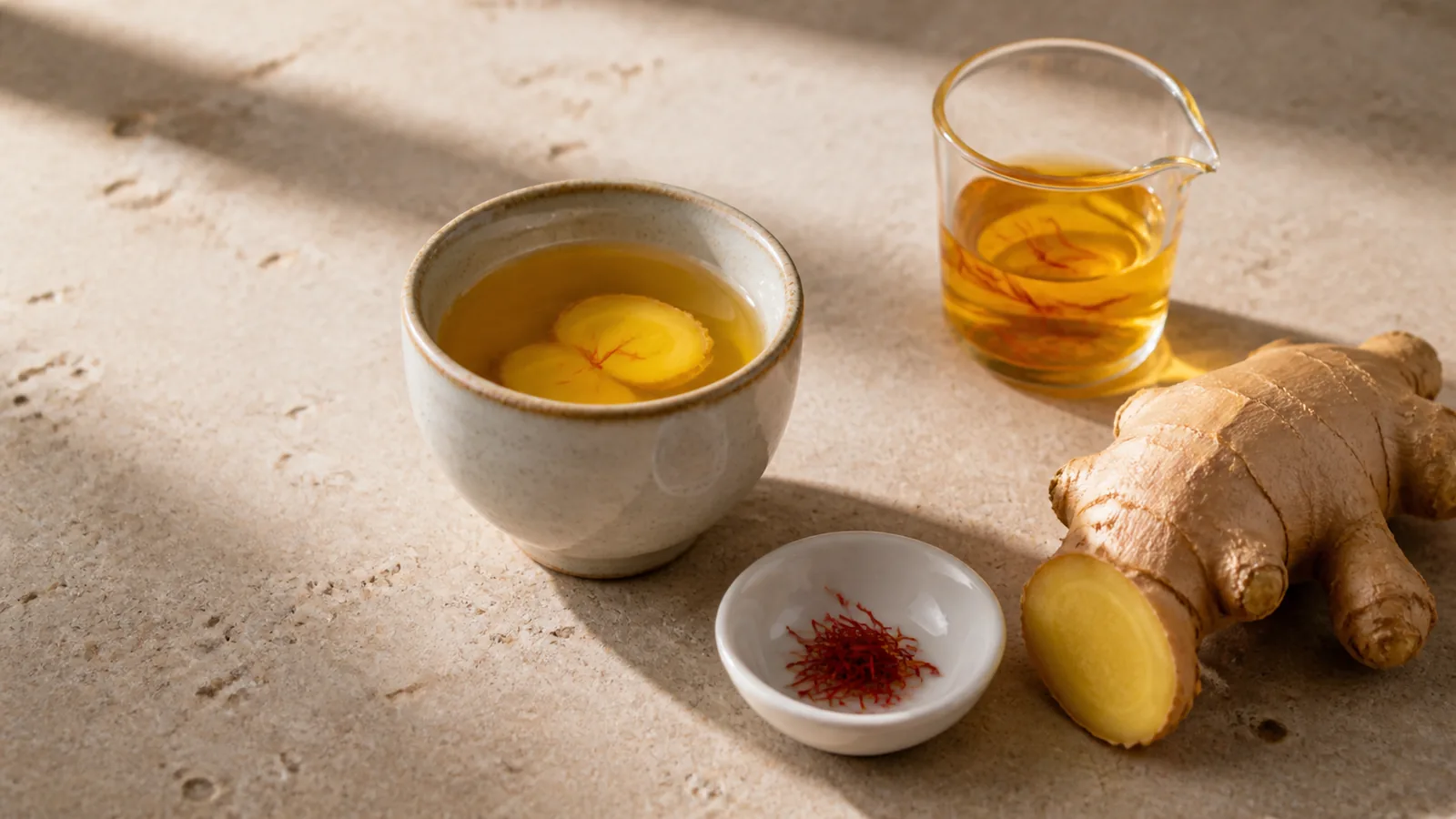
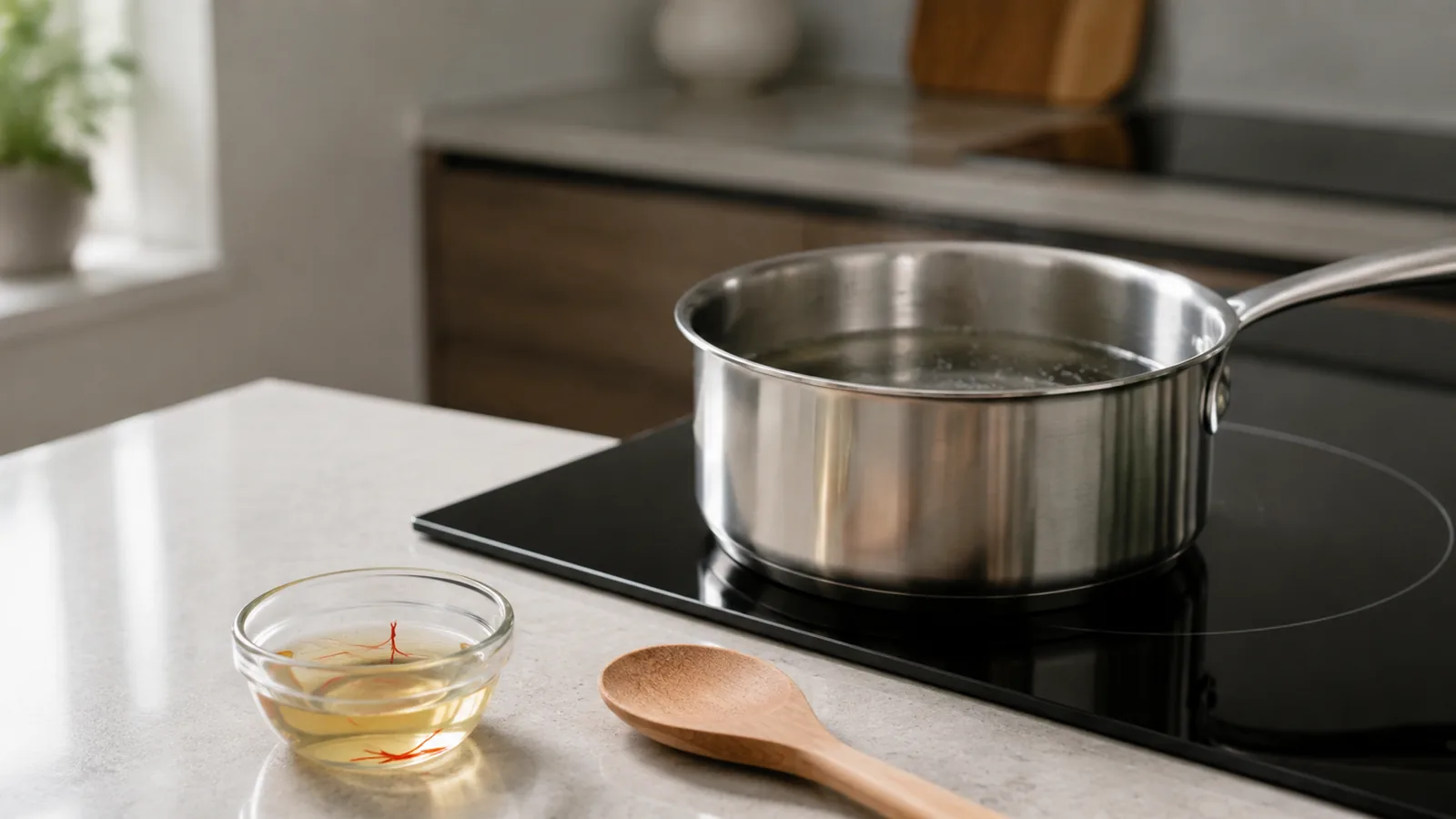
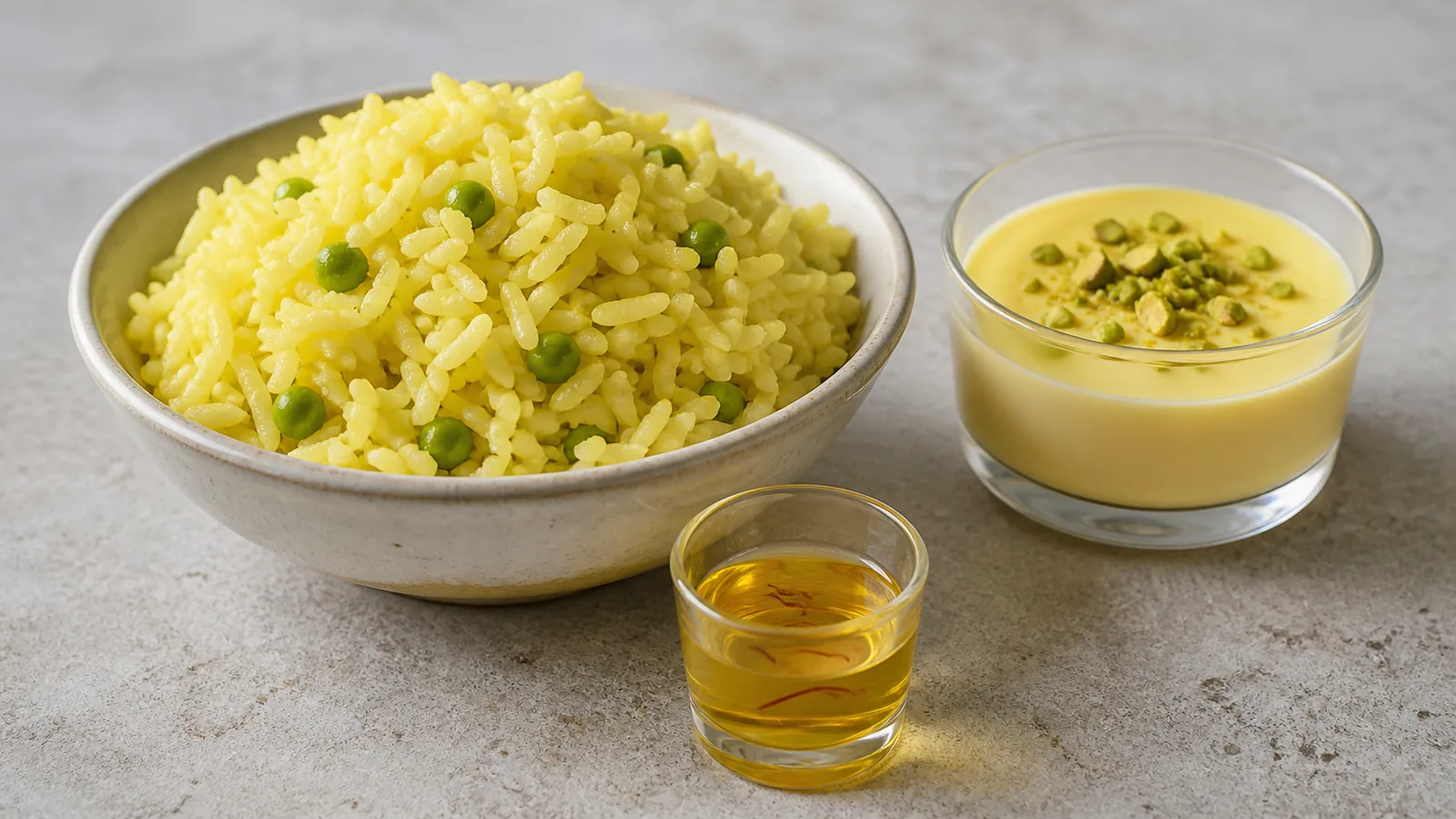
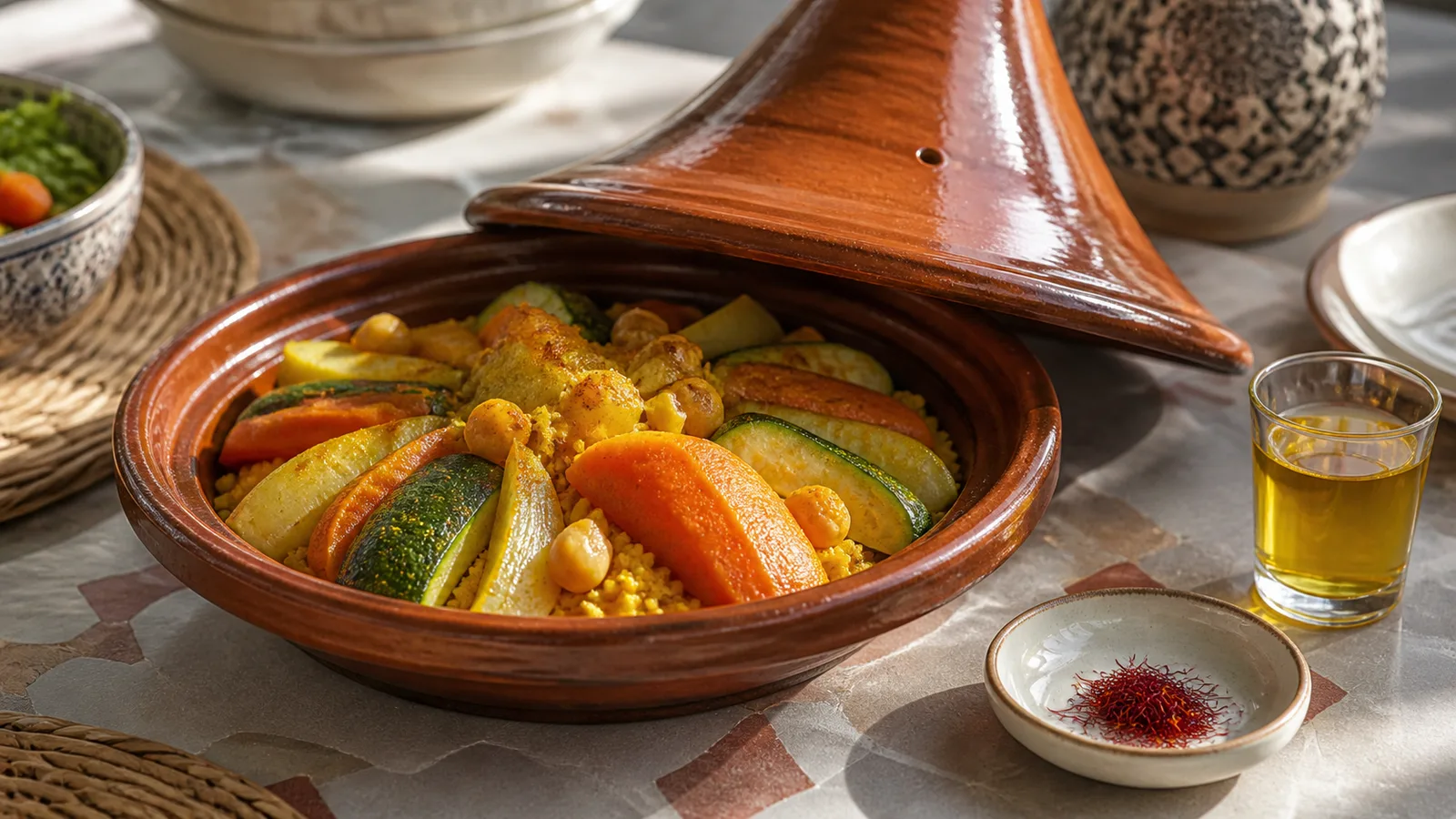
For a tagine, rice dish or tea, a fragrant Moroccan saffron can be an excellent choice. Bloom a small measured pinch in warm water, then add the infusion and threads to the dish. This lets you judge its colouring power and aroma before using more.
If a recipe needs especially deep colour or a forceful saffron note, choose the strongest verified batch available rather than assuming one country will always provide it. For a delicate custard or tea, a softer aromatic profile may be preferable. “Best” therefore means suitable, genuine and fresh, not universally superior.
Buying authentic Moroccan saffron
Look for a seller who identifies the producing region, harvest or packing information, thread form, storage conditions and any meaningful test standard. Be cautious when a product uses “Moroccan” only as a decorative claim and offers no traceability. An implausibly low price is another reason to ask questions, because genuine saffron requires extensive hand work.
Our own all-red saffron is Iranian, not Moroccan; that distinction should be clear when comparing products. Wherever you buy, judge what the supplier can substantiate rather than choosing on nationality alone.
What about medicinal or wellness use?
The original culinary profile of a saffron does not show that it is suitable for medicinal needs or wellness preparations. Origin, colour and aroma are food-quality questions. Health research uses defined preparations and doses, so it should not be converted into a promise about an ordinary package of threads.
Is Moroccan saffron the best? It is a respected origin with a distinctive regional tradition, and a well-grown, properly dried batch can be superb. The fair conclusion is narrower: Moroccan saffron deserves consideration alongside top saffron from Iran, Spain and Kashmir, while authenticity, test evidence, freshness and intended use decide which batch is best for you.