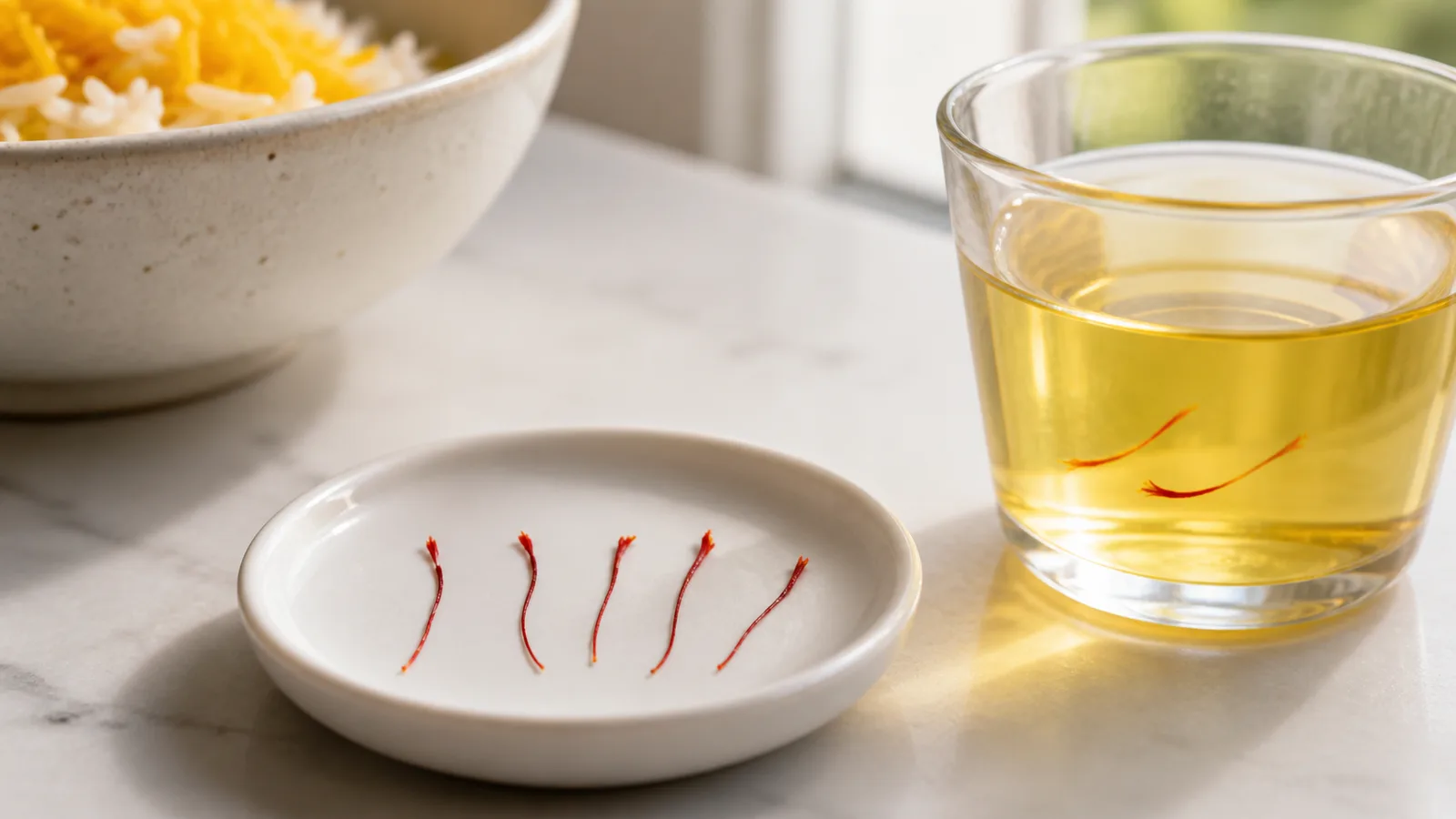
Kashmiri and Iranian saffron are the same spice species, Crocus sativus, grown in two different regions. Kashmir offers a protected, limited regional product with a strong identity; Iran is the world’s largest producer and supplies a much broader range of grades. Neither origin makes every batch automatically better.
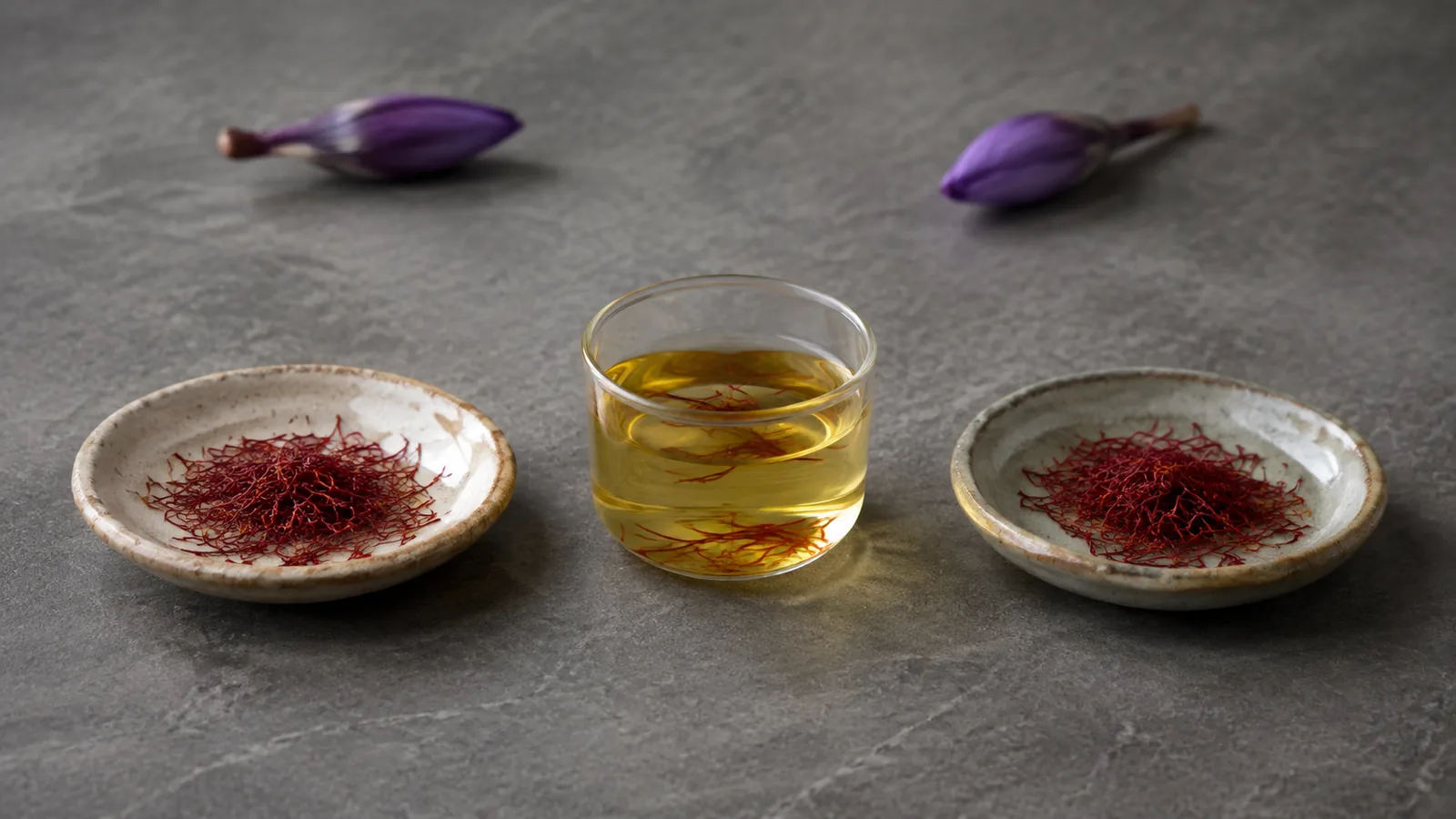
Kashmiri vs Iranian Saffron
The most important difference in a Kashmiri vs Iranian saffron comparison is provenance. “Kashmir Saffron” is registered in India as a geographical indication. The official Geographical Indications Registry entry ties that protected name to a defined place and product identity.
Iranian saffron comes from a far larger production system. The Food and Agriculture Organization’s description of Iran’s qanat-based saffron system identifies Iran as the world’s largest producer and documents a long cultivation tradition adapted to an arid landscape.
Scale changes availability, not the biology of the spice. Both origins produce dried red stigmas from the saffron crocus. The quality in a particular package still depends on the harvest, separation, drying, storage, purity and age of that lot.
Origin and Availability
Kashmiri Saffron
Kashmiri saffron is associated with a relatively small growing region and a limited crop. Genuine traceable supply can therefore be harder to find outside its market. The scarcity and regional reputation can support a high price, but they also make the name attractive to sellers who may use it loosely.
Iranian or Persian Saffron
Iranian saffron—also called Persian saffron in many shops—is produced and exported at much greater scale. Buyers encounter several thread presentations, grades and price points. That range makes Iranian saffron accessible, while also making it important to distinguish a documented batch from an unsupported “premium Persian” claim.
Flavor and Aroma
Kashmiri saffron is often described as rich, distinctive or gently sweet, while Iranian saffron is often described as strong, floral or earthy. These are broad tasting conventions, not dependable rules. Drying method, storage and freshness can change aroma more than the country name.
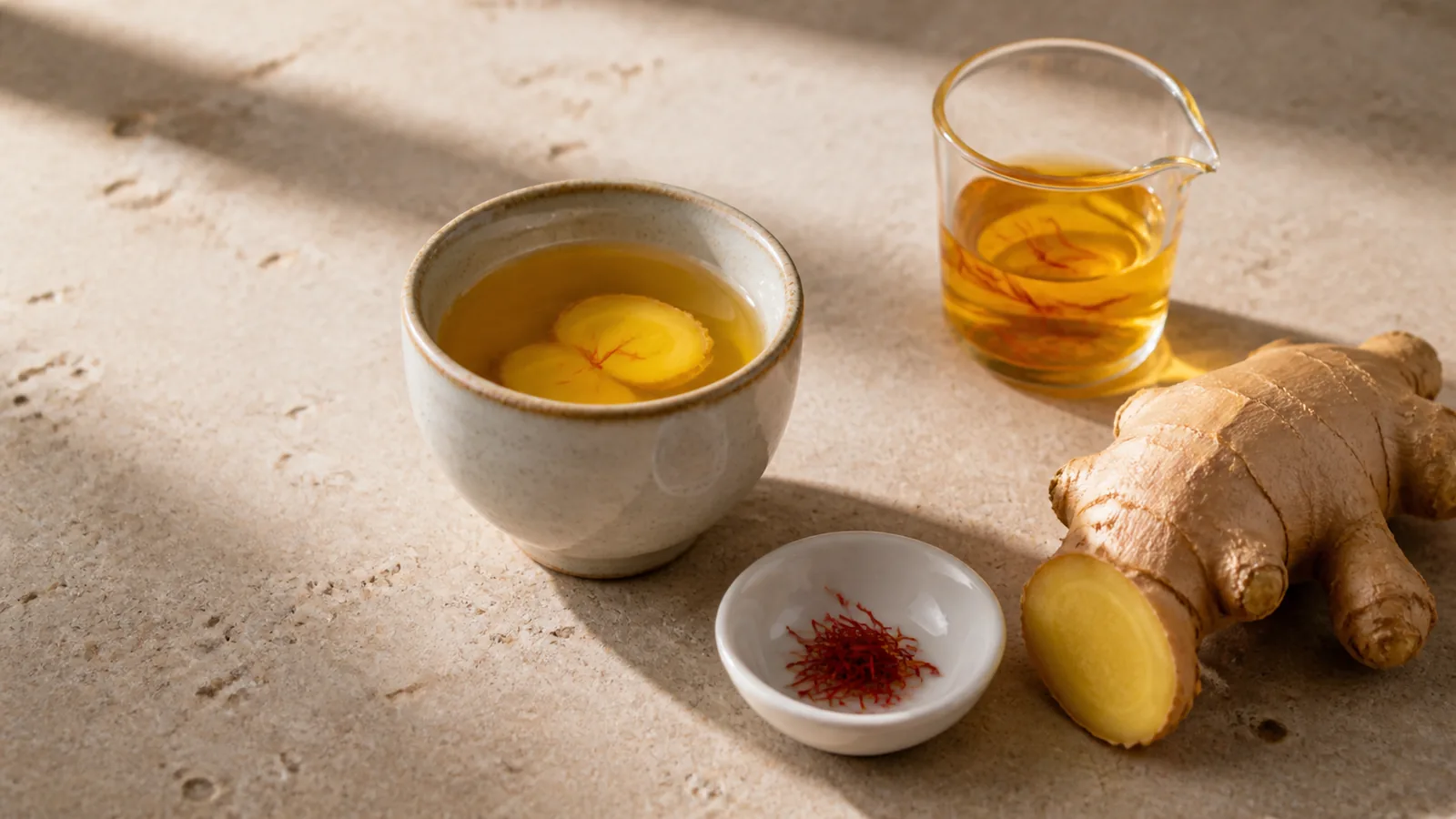
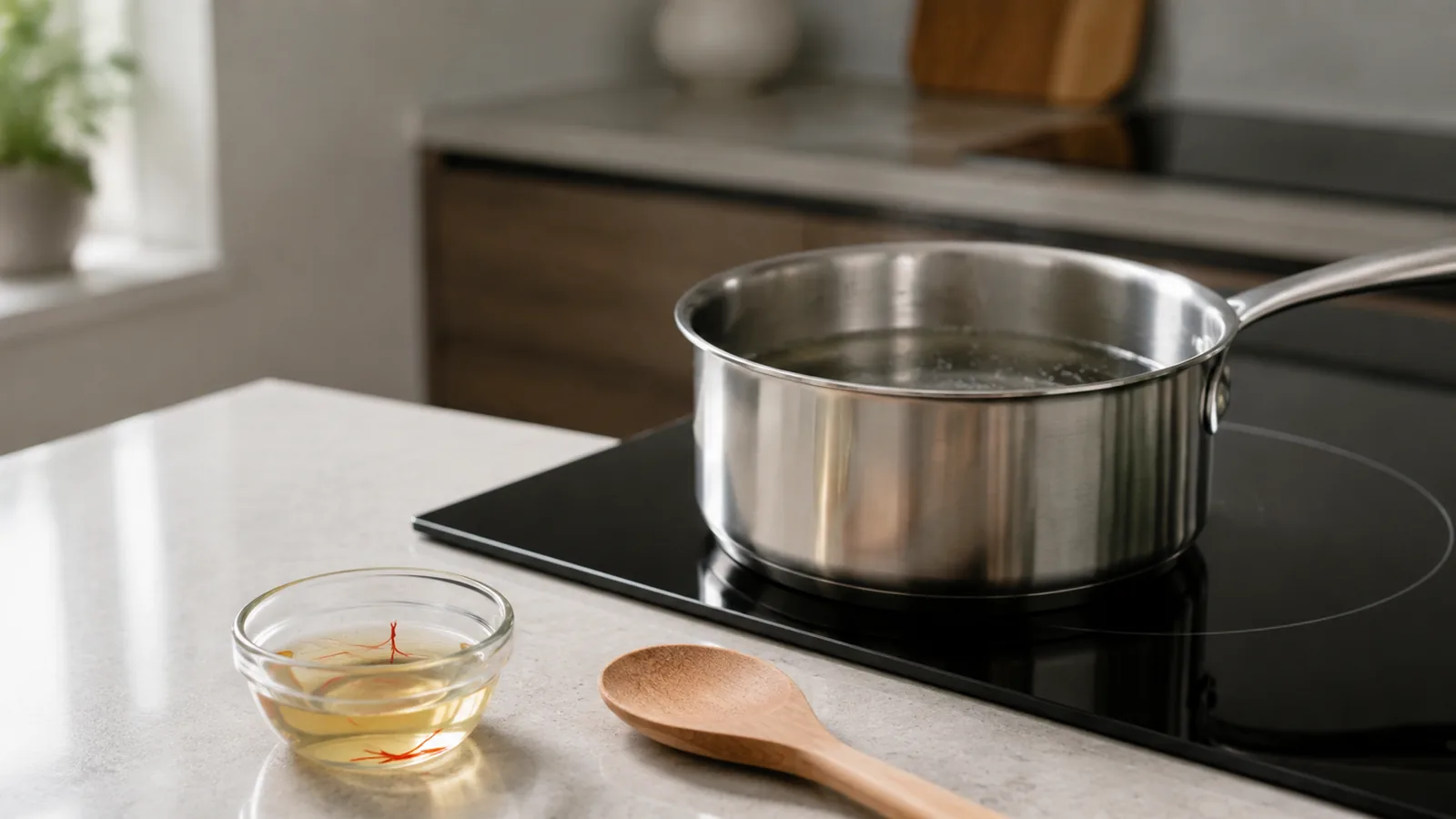
For an honest comparison, weigh equal amounts and infuse them in equal volumes of warm water for the same time. Smell and taste the infusions before adding them to food. A heavily dosed cup should not be compared with a lightly dosed one.
Color and Thread Appearance
Both origins can provide deep-red stigmas and a clear golden-yellow infusion. Kashmiri saffron is sometimes marketed with claims about unusually dark threads or extra length; Iranian grades are often marketed by the proportion and shape of the red stigma. Neither description proves strength by itself.
Look for recognizable stigma structure, dryness and a clean, complex aroma. Some yellow-orange style may be intentionally retained in a traditional grade. A vivid red appearance can also be imitated, so visual inspection should sit alongside traceability and credible testing.
Iran Saffron vs Kashmiri Saffron Grades
Whether the comparison is phrased as Iranian saffron vs Kashmiri saffron or in the opposite order, grade vocabulary is not interchangeable across the two origins. Iranian sellers commonly use names such as Negin, Sargol, Pushal and Dasteh to describe thread presentation. Protected Kashmir Saffron follows its regional registration and market conventions. Converting one name directly into another can create a false equivalence.
The guide to saffron grades explains the difference between a physical thread cut and laboratory quality. Ask what parts of the flower a package contains and what a grade specifically means before comparing prices.
Does One Origin Have Better Quality?
No origin is a substitute for batch evidence. A peer-reviewed review of saffron quality assessment shows why chemical and sensory evaluation extends beyond origin and visual appearance. Compounds related to color, bitterness and aroma change with production and storage.
A fresh, pure and properly stored Kashmiri batch can be exceptional. The same is true of good Iranian saffron. An old, damp or adulterated package from either place should not win because its label carries a famous region.
Price and Value
Genuine Kashmiri saffron is often expensive because supply is limited and the regional name has strong demand. Iranian saffron is generally available in more grades and package sizes, which creates a wider price range.
Compare like with like: equal net weight, similar red-stigma proportion, comparable harvest or packing information, and the same level of traceability. A low price is not automatically a bargain if much of the weight is pale style or the batch has lost its aroma.
Which Is Better for Cooking?
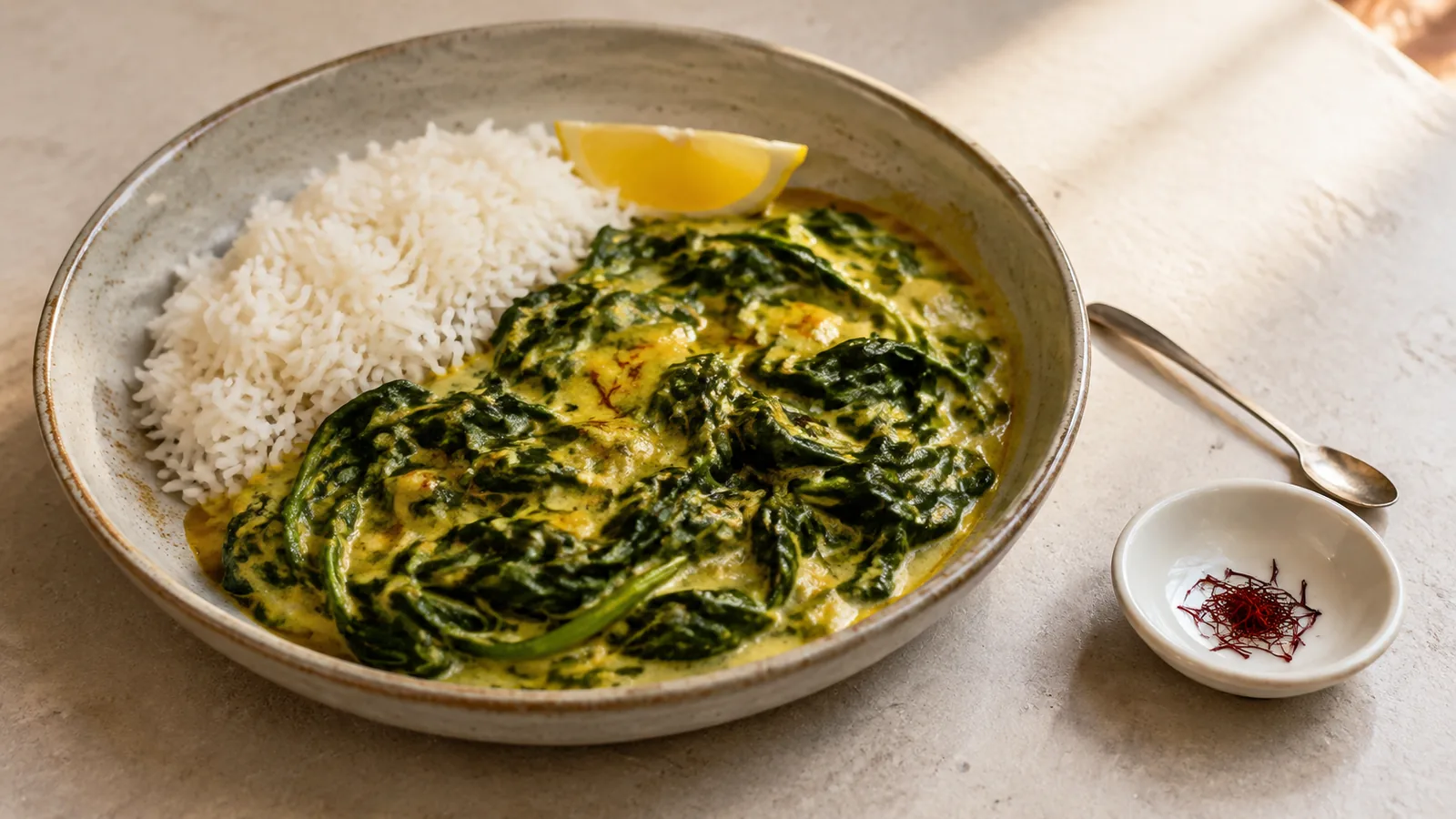
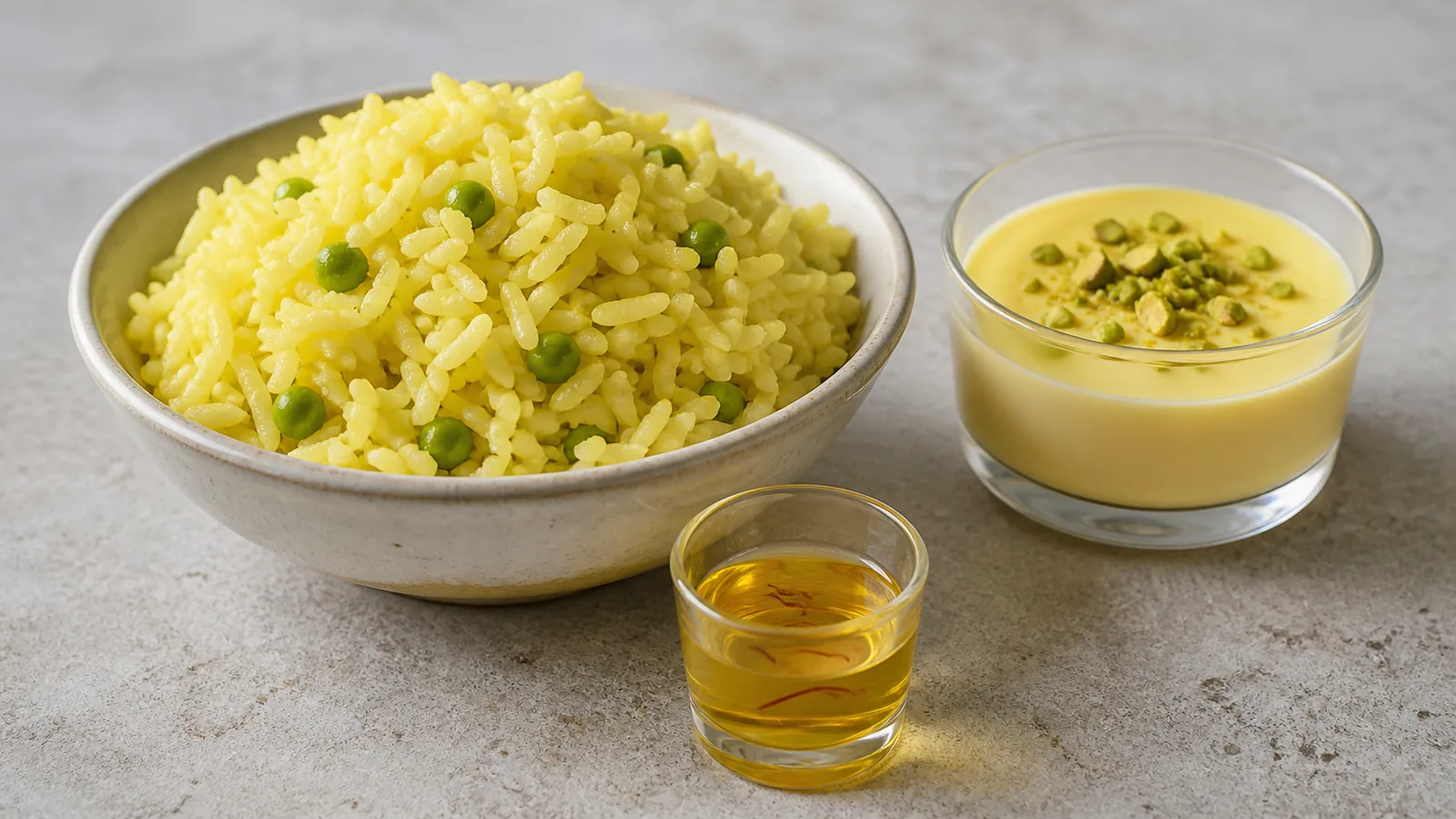
Either can work in rice, desserts, drinks and savory dishes. Choose a fresh product, measure it carefully and prepare it well. Crushing the threads lightly and blooming them in warm water helps distribute color and aroma more evenly than dropping whole dry threads into one corner of a dish.
If a recipe is tied closely to a regional tradition, saffron from that region may add cultural authenticity. For everyday cooking, the batch that is genuine, fresh and well priced is usually more useful than the origin with the strongest marketing story.
How to Check Authenticity
- Read the explicit country and region of origin rather than inferring it from a brand name.
- Check the ingredient: genuine saffron is Crocus sativus stigma.
- Look for a batch, producer, packer or certification trail appropriate to the claim.
- Prefer packaging that protects the threads from light, moisture and air.
- Be cautious when a scarce premium origin is offered at an implausibly low price.
- Do not rely on a single water test to prove geography or purity.
The guide to identifying pure saffron explains practical observations and their limits. A home check may reveal an obvious problem, but it cannot certify Kashmir or Iranian origin.
How Do Spanish Comparisons Fit?
Spanish saffron is another genuine Crocus sativus tradition, and it raises the same basic question: are you comparing countries, protected origins or actual batches? The separate Spanish and Iranian saffron comparison covers La Mancha, processing and cooking choices without turning national descriptions into universal flavor rules.
What Is the Difference Between Kashmiri and Iran Saffron?
Kashmiri saffron comes from a limited Indian region with a protected geographical identity. Iranian saffron comes from the world’s largest producing country and is sold in a broader range of thread presentations. Availability, grade vocabulary and traceability therefore differ.
For the cook, the final choice should come down to the sample: authentic origin, fresh aroma, good storage, honest composition and performance at an equal dose. Those details give a fairer answer than assuming Kashmiri is always sweeter or Iranian is always stronger.