Where to plant saffron?
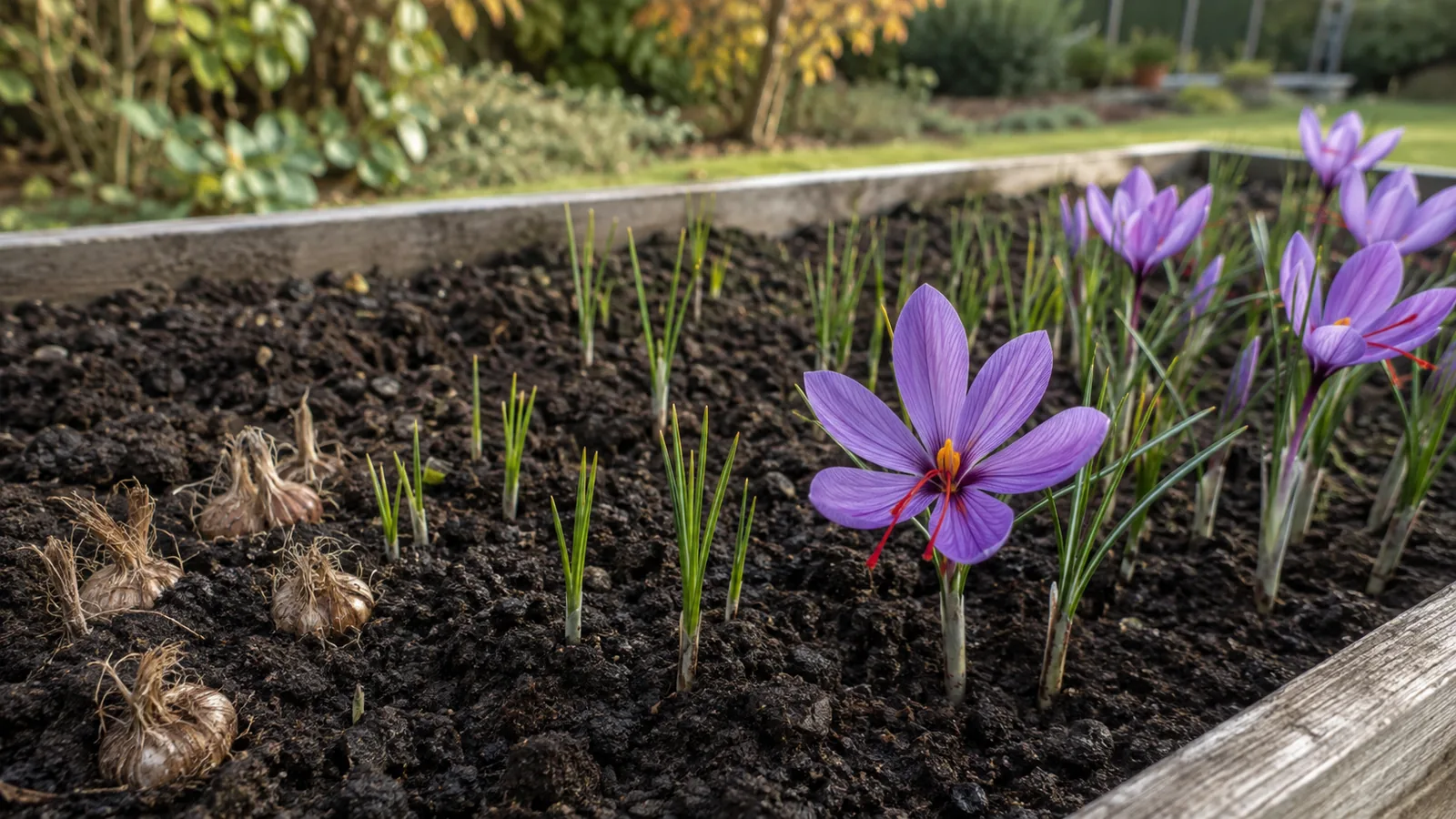
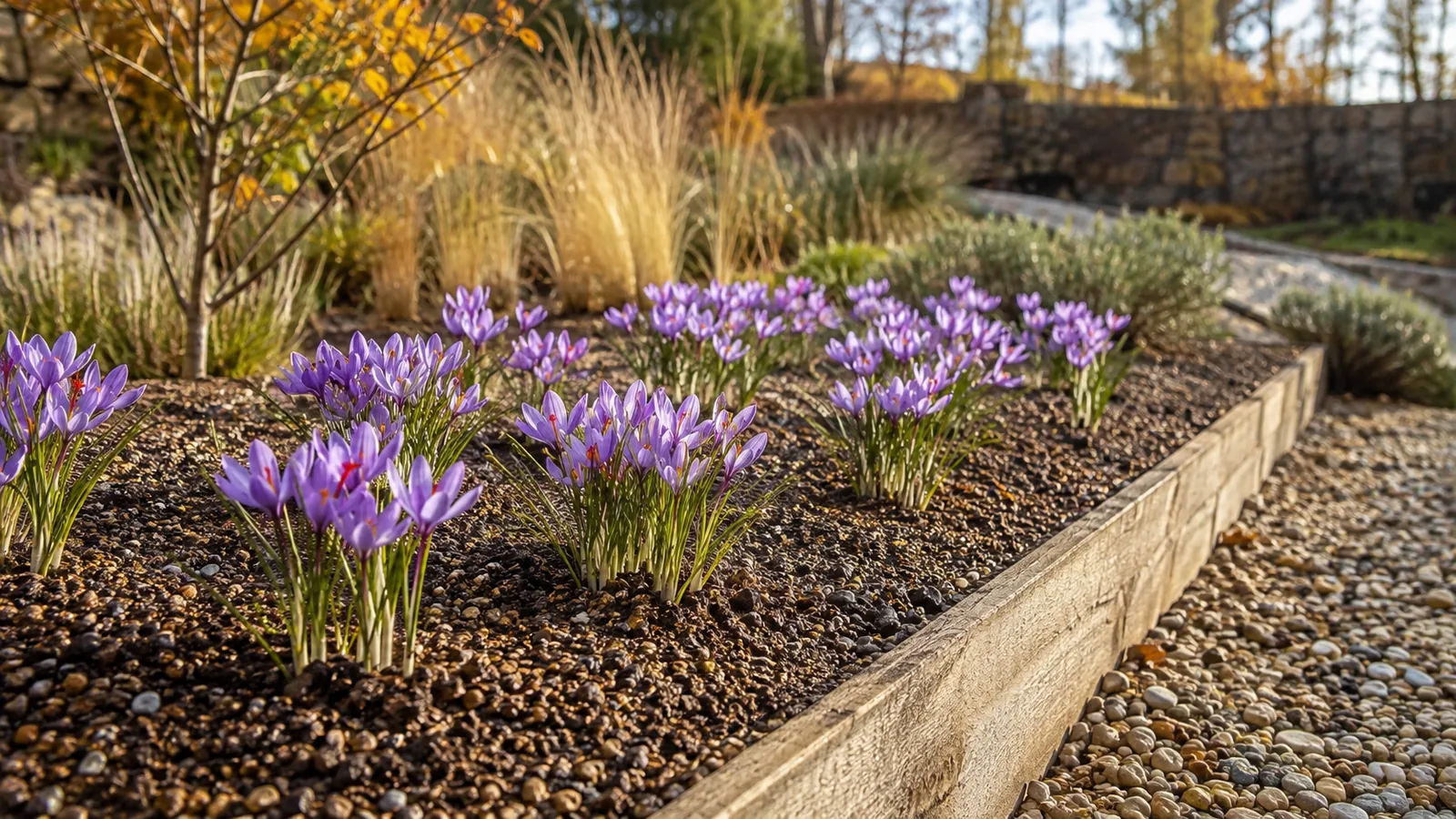
Plant saffron in the sunniest well-drained spot you can provide. A raised bed, sloping border or deep container can all work, provided rainwater drains away ... Read More...



Plant saffron in the sunniest well-drained spot you can provide. A raised bed, sloping border or deep container can all work, provided rainwater drains away ... Read More...
Saffron can flower in its first autumn, often only several weeks after healthy corms are planted in late summer. That quick bloom is just one ... Read More...
Iran is the country most closely associated with the world’s best saffron: it is the leading producer, has centuries of growing experience and supplies a ... Read More...
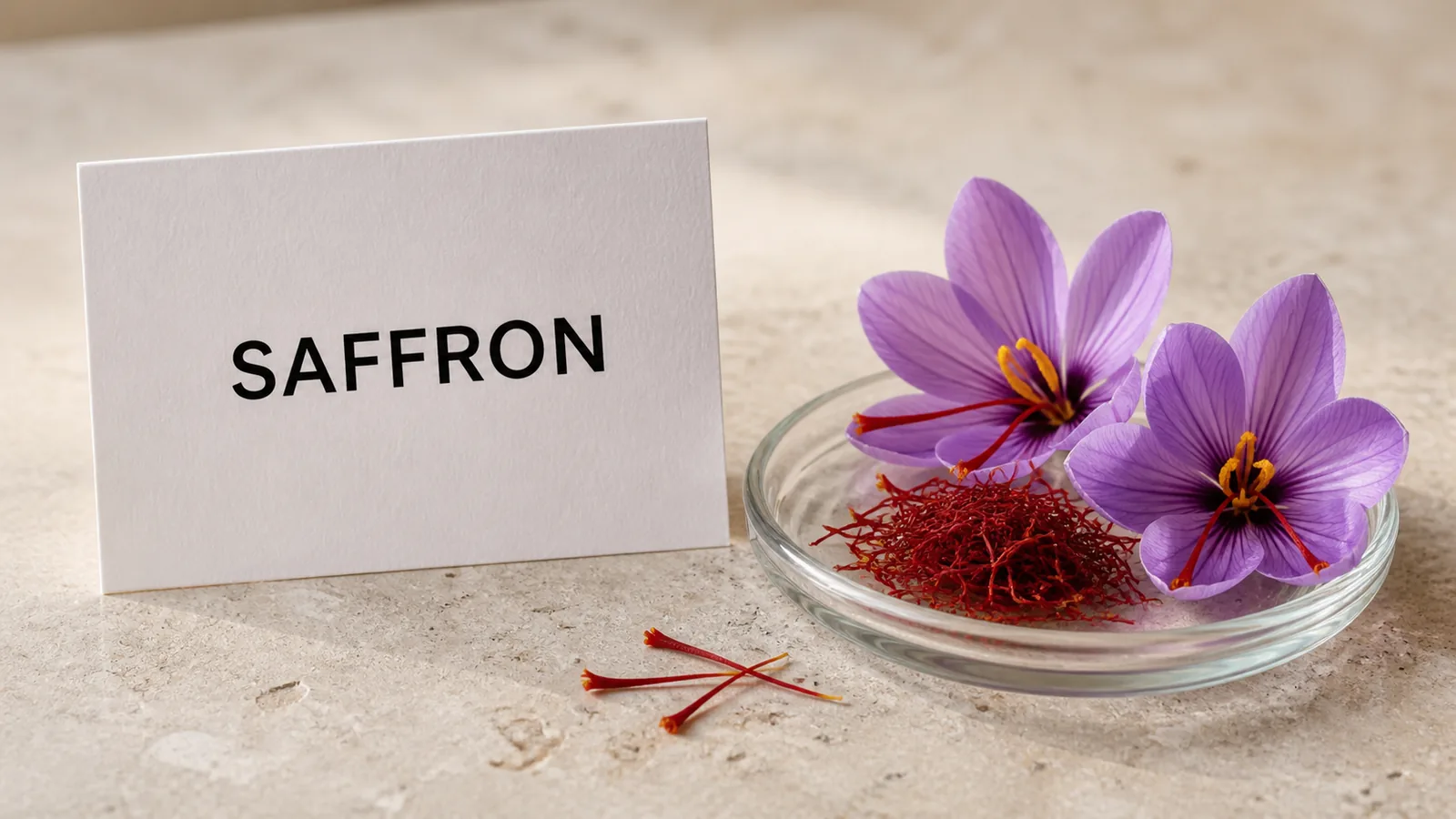
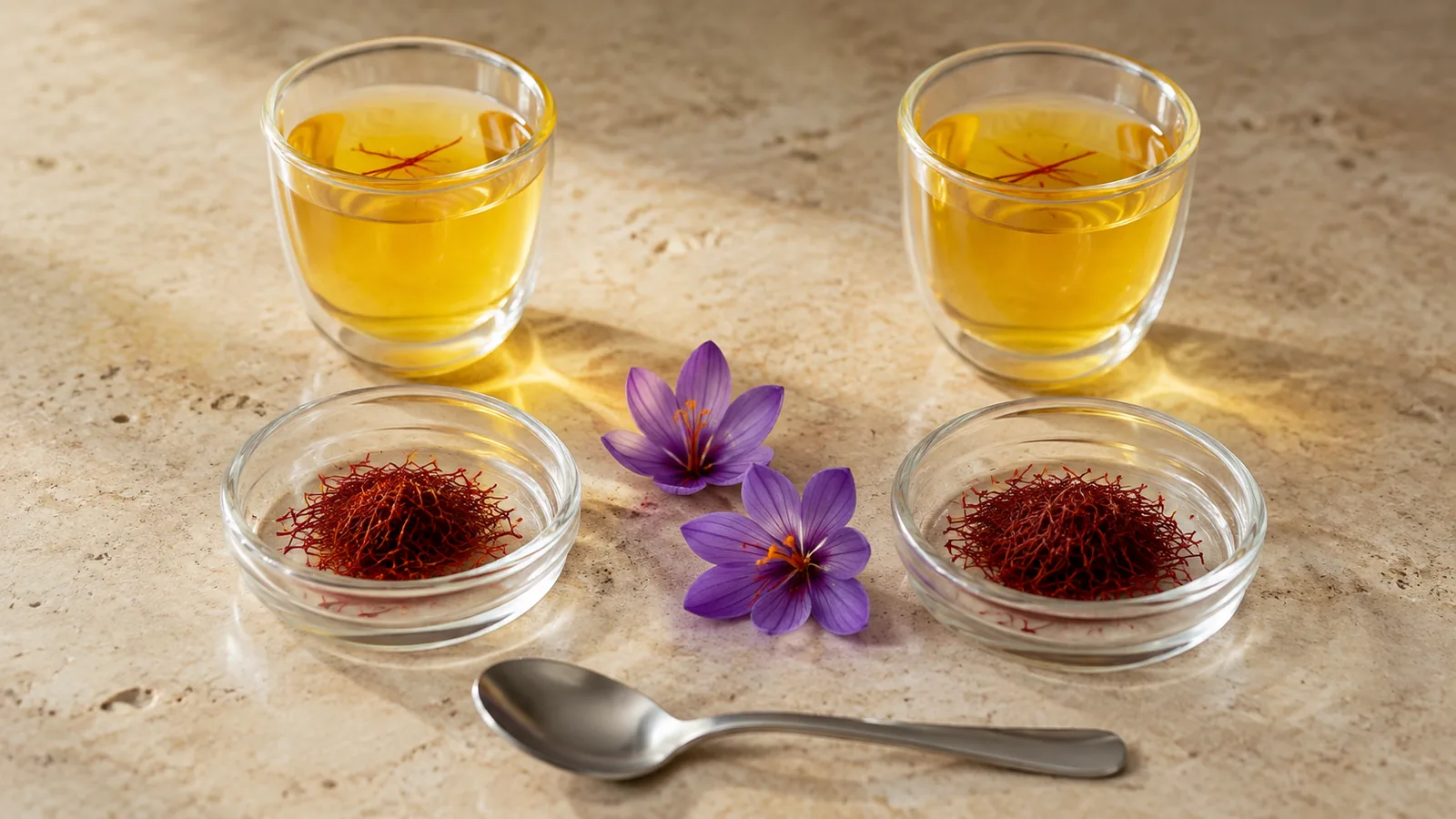
Saffron is called saffron in English. Kesar, zafaran, za’faran, azafrán and kungumapoo are regional words or transliterations that may lead an English-speaking shopper to the ... Read More...
Saffron’s scientific name is Crocus sativus, and “red gold” is its best-known nickname. In different languages you may see kesar, zafaran, azafrán, safran, zafferano, saffraan ... Read More...
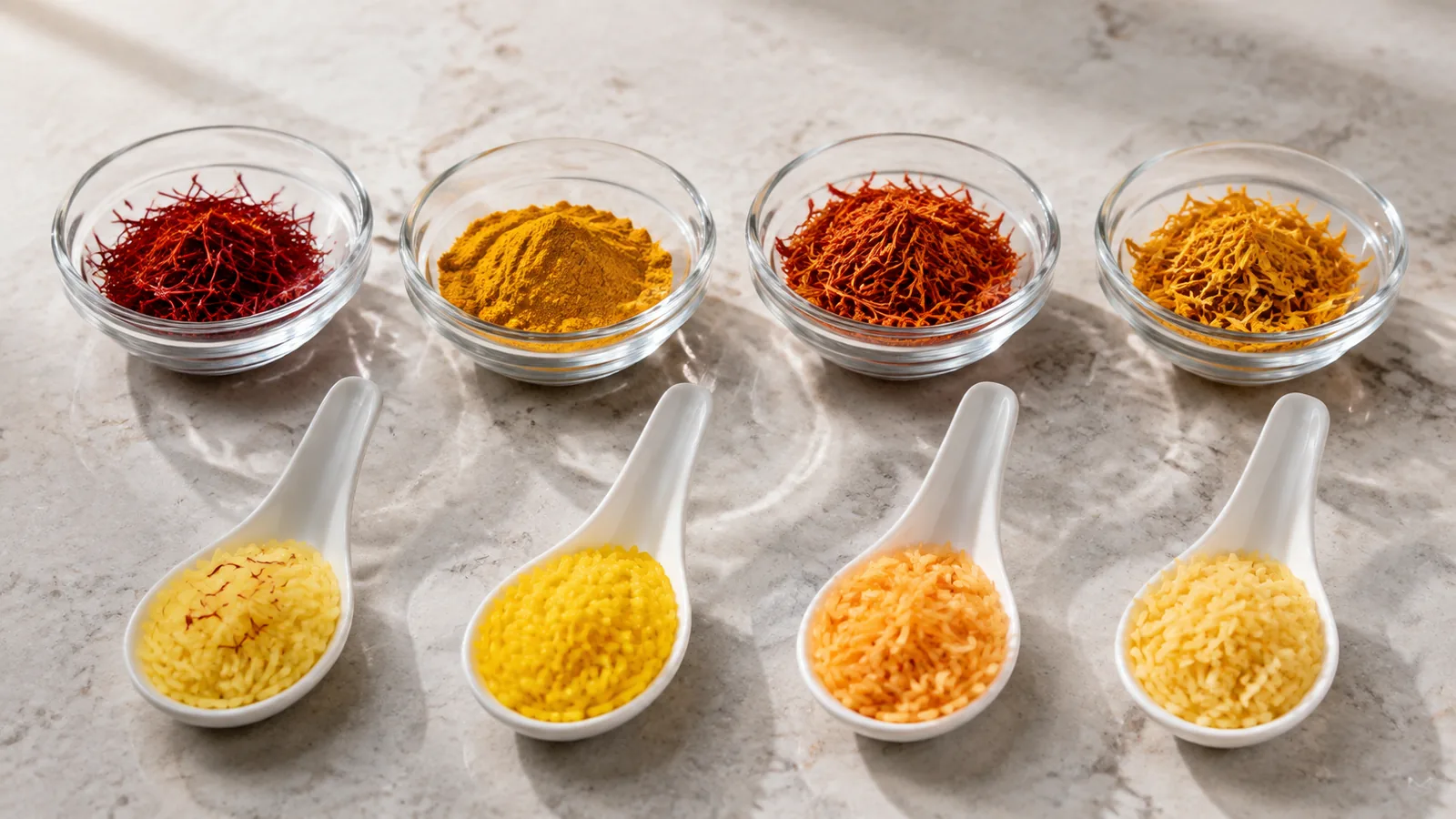
Turmeric is the easiest cheap saffron substitute when a recipe mainly needs a golden color. Safflower petals are another traditional coloring option, while culinary marigold ... Read More...
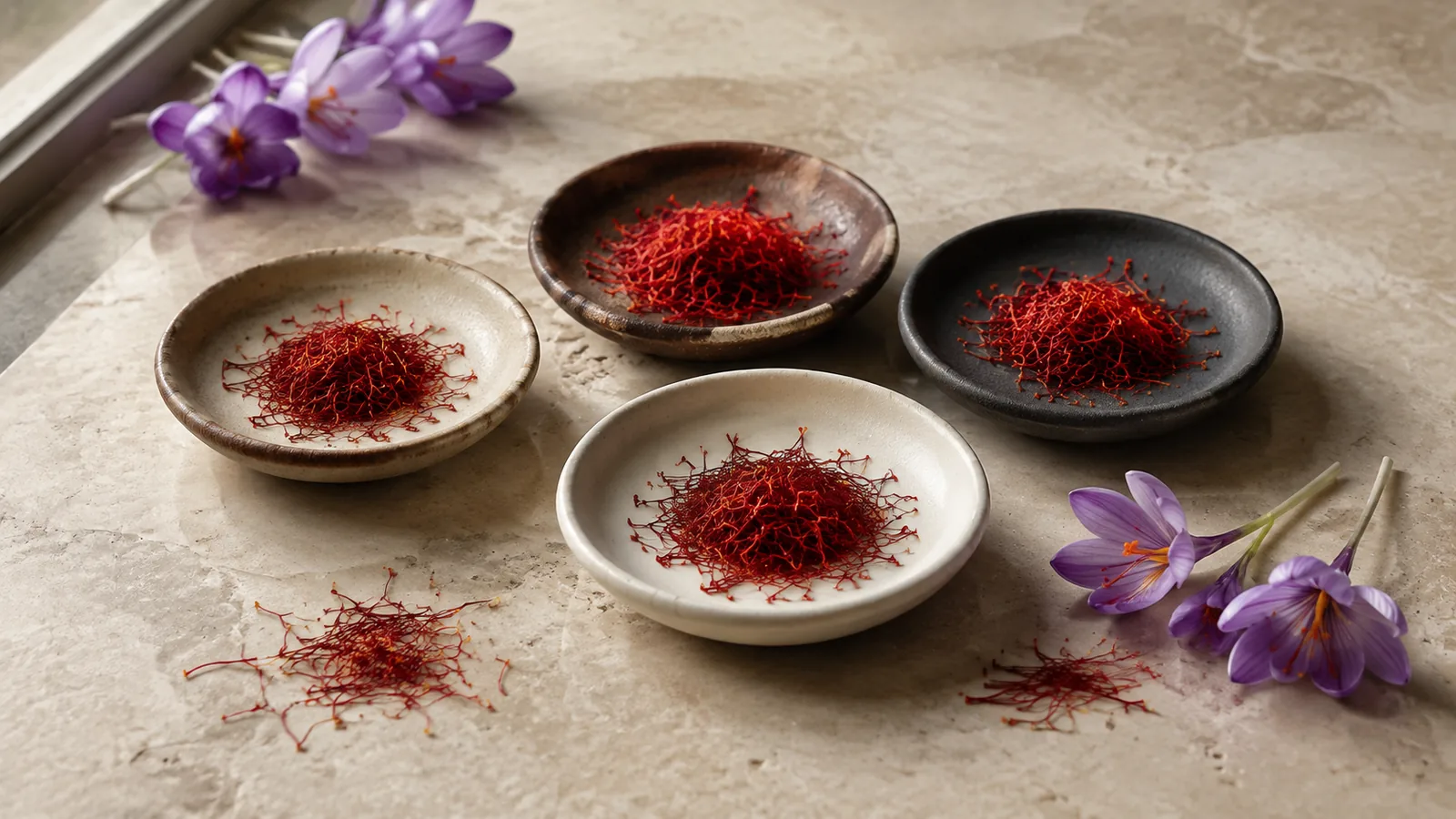
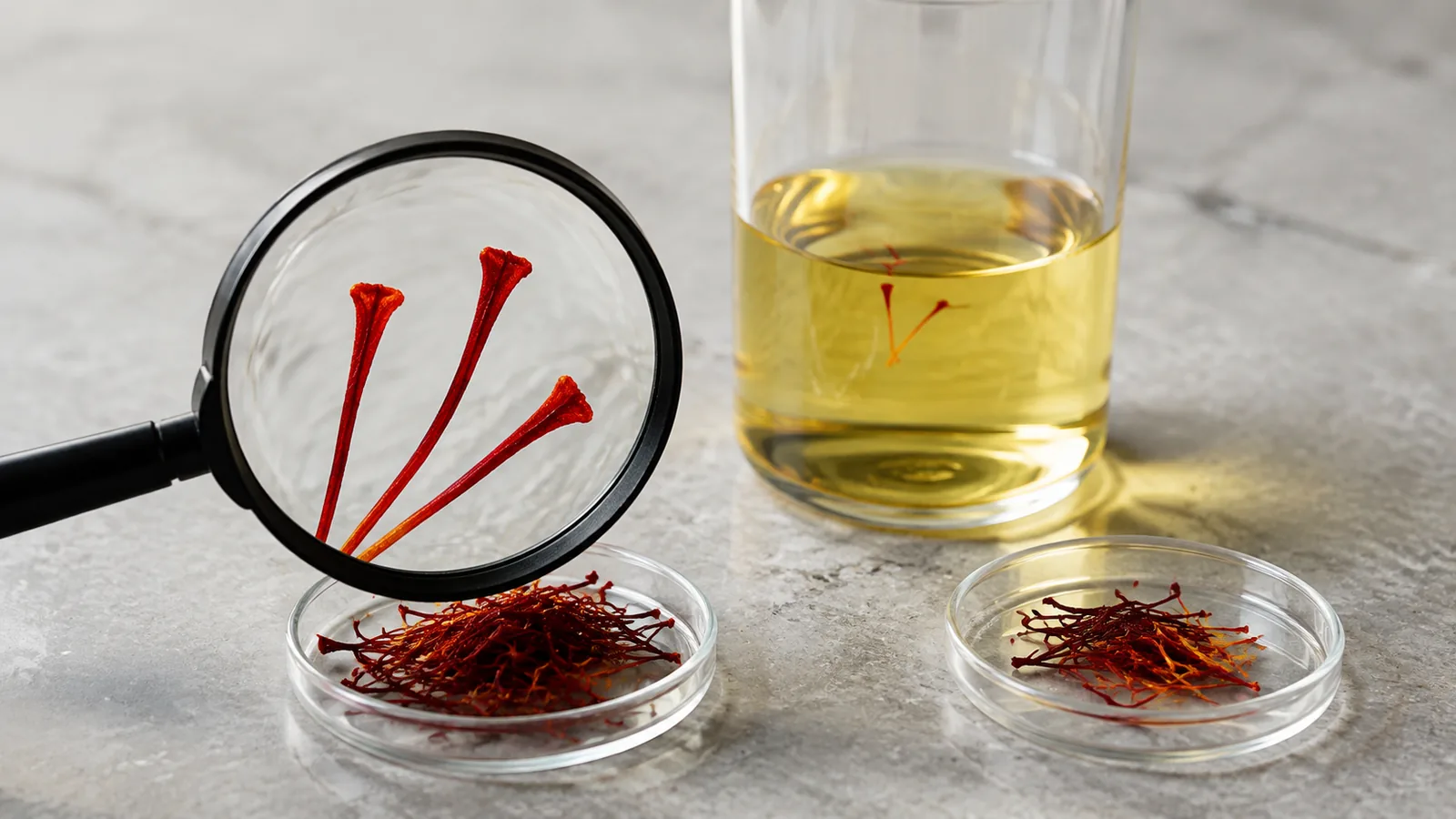
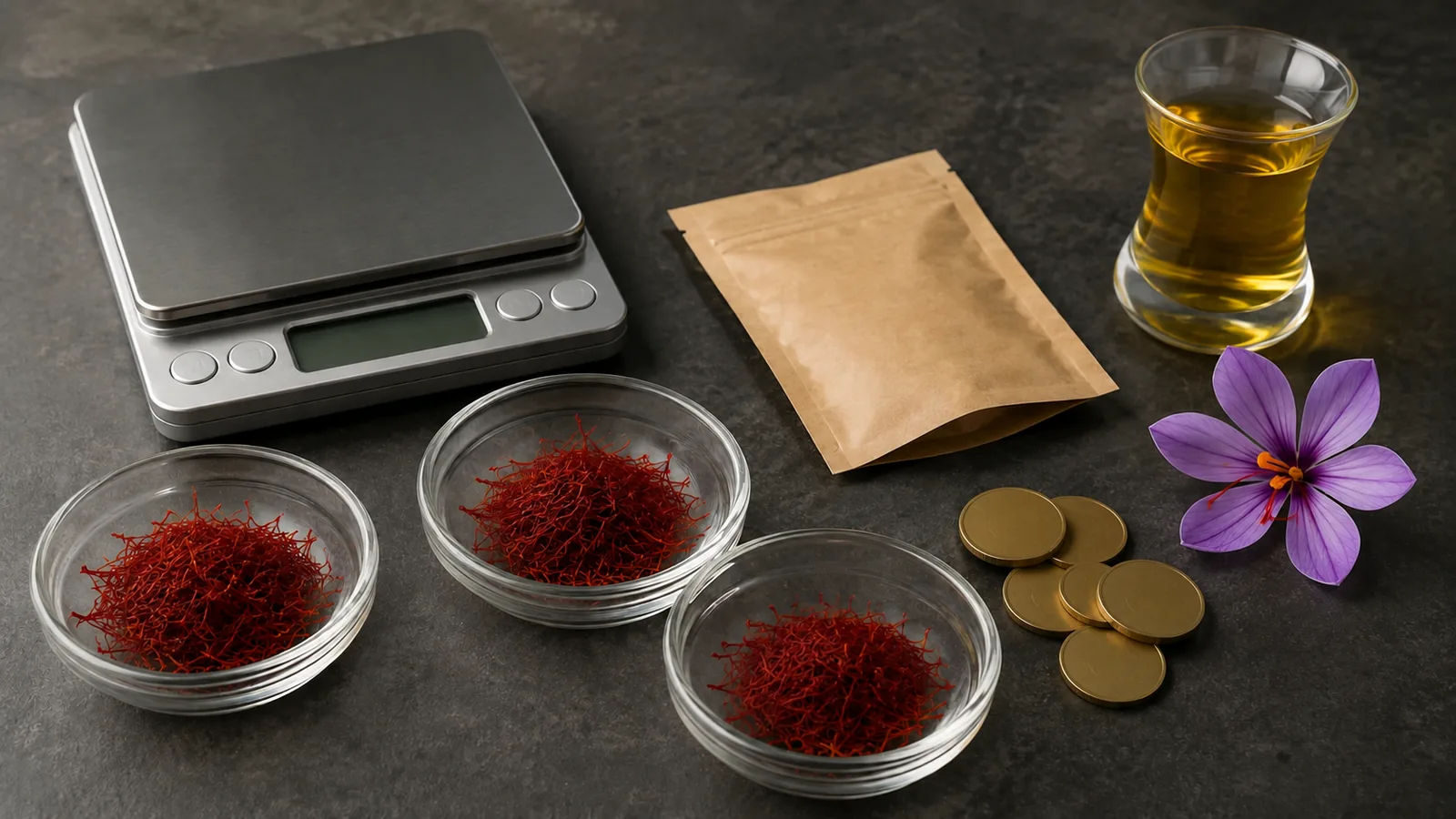
Original saffron should look like dried flower stigmas, smell complex rather than perfumed, and release a clear golden color gradually in warm water. Those clues ... Read More...
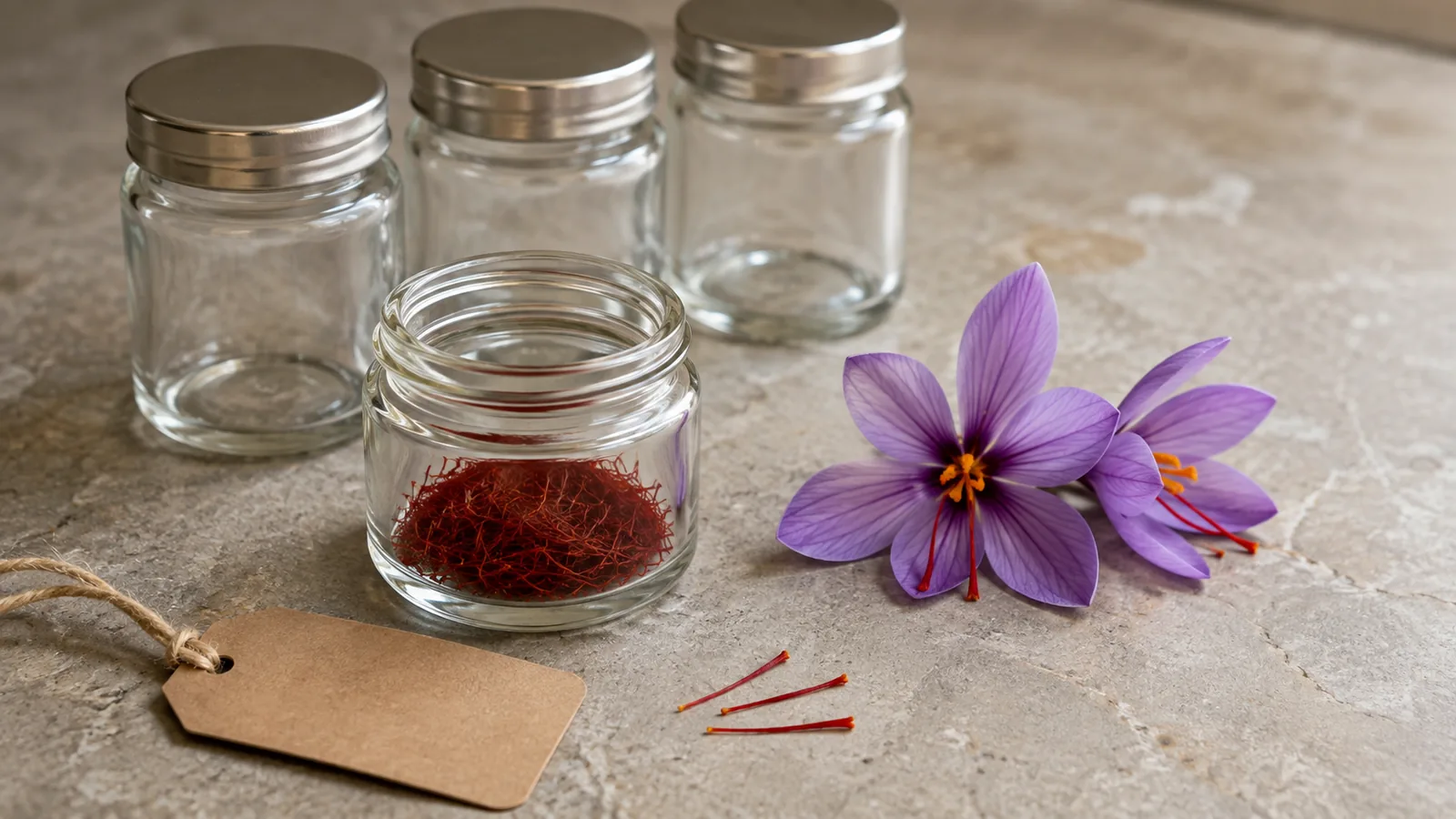
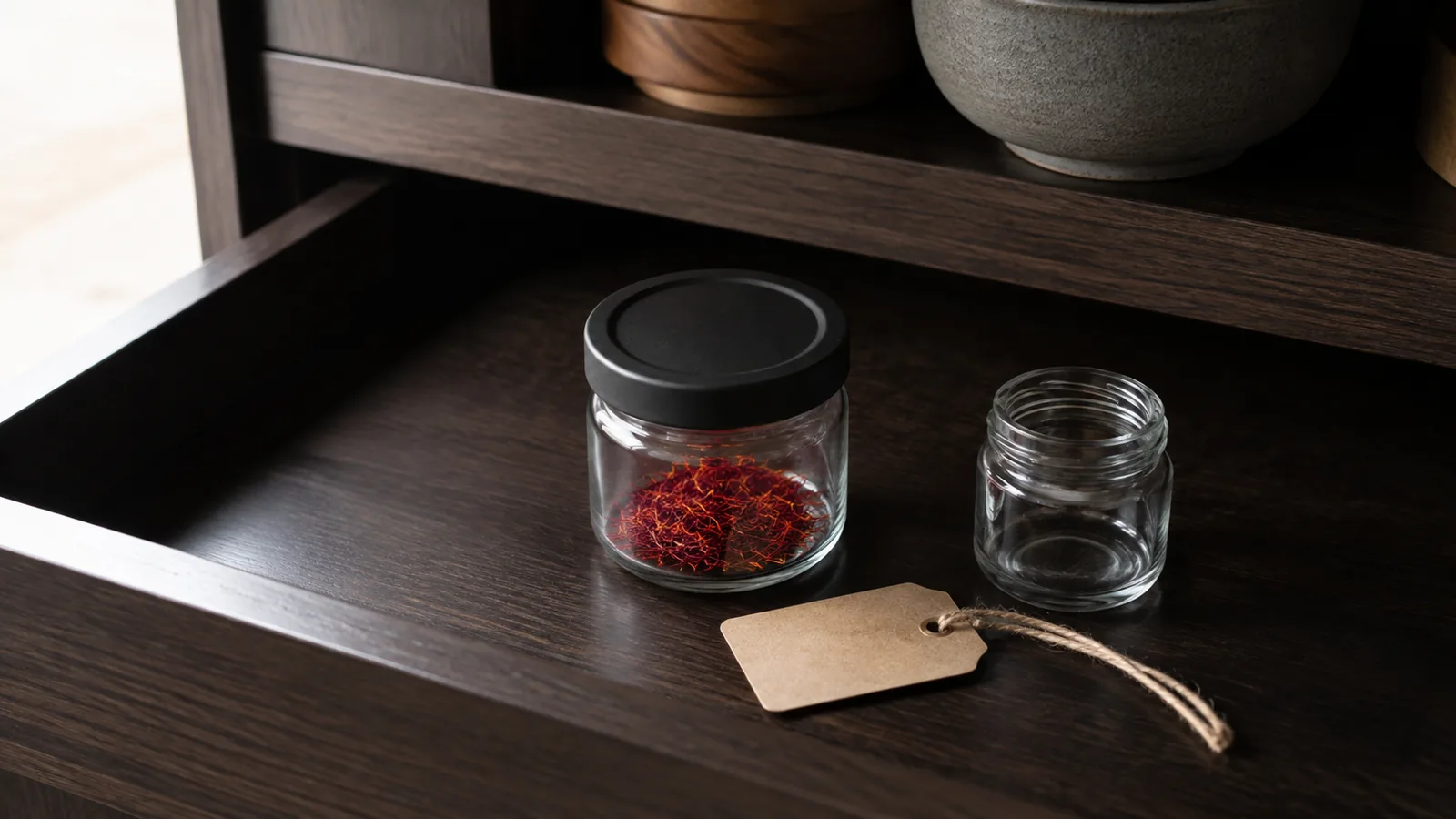
Whole saffron threads can keep good cooking quality for about two to three years when they are dry, tightly sealed and protected from light and ... Read More...
Irani saffron and Kashmiri saffron come from different growing regions and supply systems. Iranian saffron is produced at far greater scale and is usually easier ... Read More...
Iran is usually the country where saffron is cheapest at the point of production. Its large harvest and established supply chain can lower the price ... Read More...