Saffron is called saffron in English. Kesar, zafaran, za’faran, azafrán and kungumapoo are regional words or transliterations that may lead an English-speaking shopper to the same spice. Its scientific name is Crocus sativus.
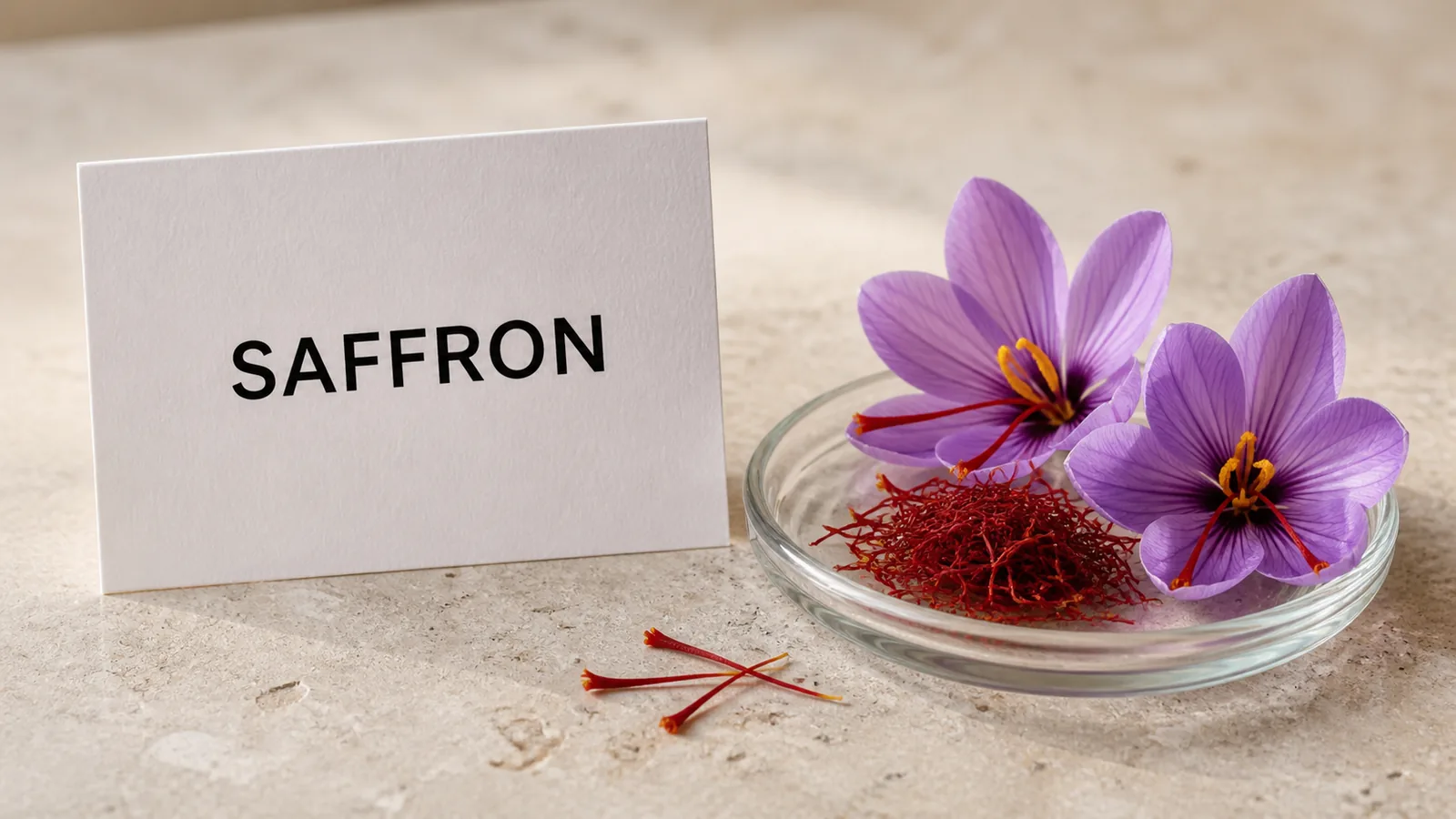
Saffron English Name
The English term for saffron is simply “saffron.” It names the red stigmas harvested and dried from the saffron crocus. In botanical writing, the plant is called Crocus sativus L.; that scientific name is useful when a common name could refer to more than one plant.
“Red gold” is a familiar English nickname based on saffron’s color and value. It is not a species, grade or legal quality description. Phrases such as “golden spice” may also appear in marketing, but the ingredient should still be identified as saffron.
What Is Kesar Called in English?
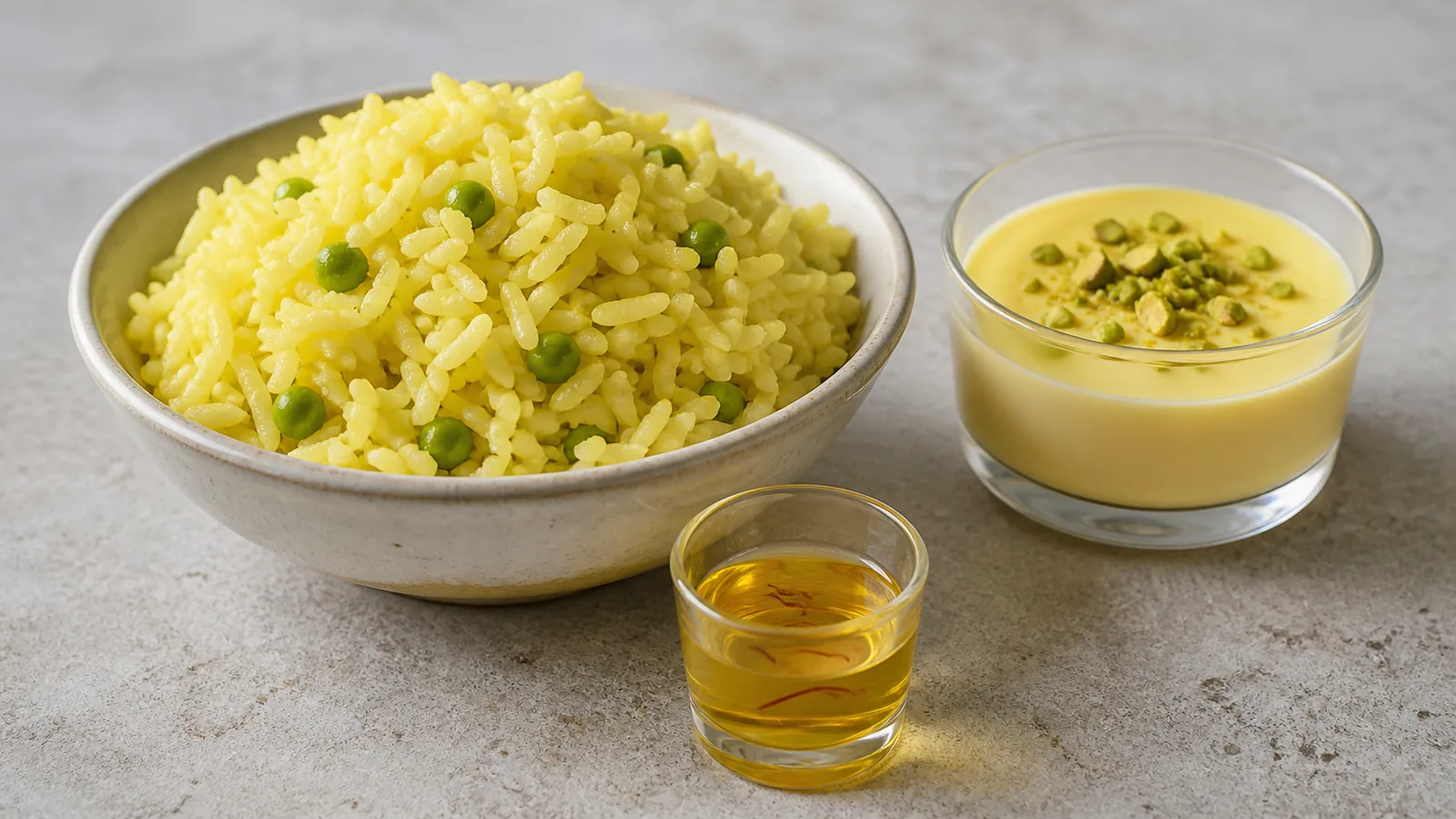
Kesar in English is saffron. The word appears in Indian recipes for rice, sweets, milk drinks and festive dishes. It may also be used in the names of colors, fragrances and products that do not contain saffron, so the ingredient list and context remain important.
If a recipe says “a few kesar strands,” it is asking for saffron threads. If a product promises only a “kesar color” or scent, it may describe a shade or flavoring rather than the spice itself.
What We Call Kesar in English
The direct translation is saffron, not turmeric. Both ingredients can make food yellow, but turmeric comes from Curcuma longa and has a different earthy flavor. Saffron comes from flower stigmas and produces its own distinctive aroma and golden infusion.
“Kesar” is also part of names for unrelated fruits, varieties and commercial products in South Asia. When shopping for the spice, look for saffron threads or Crocus sativus on the label.
Regional and Common Terms
The English word stays the same even when the source recipe or package uses another language:
- Kesar: a common South Asian term for saffron.
- Kungumapoo or kungumappoo: a Latin-alphabet rendering used for saffron in Tamil contexts.
- Zafaran, zafran or za’faran: common transliterations in Persian- and Arabic-speaking contexts.
- Azafrán: Spanish for saffron.
- Safran: used in French, German, Turkish and other languages.
- Zafferano: Italian for saffron.
Different transliterations do not create different grades. Zafaran and za’faran may reflect the way a word has been written with the Latin alphabet, not a difference in the contents.
What Is Zafran Called in English?
Zafran is called saffron in English. The spelling may omit a vowel compared with “zafaran,” but both can refer to the culinary spice. The Arabic search phrase for saffron in English has the same answer: saffron.
A regional word does not prove regional origin. A package marked zafaran could contain saffron grown in Iran, Afghanistan, Spain or elsewhere. Check the explicit origin statement if place matters to the purchase.
Saffron Is Also Known As Red Gold
Saffron is also known as red gold because a small quantity represents many flowers and substantial harvesting work. The nickname describes reputation and value; it should not replace the ingredient name on a clear label.
Other expressions—such as king of spices or golden spice—are promotional nicknames. They do not tell a buyer whether the package contains whole threads, powder or a blend.
What Saffron Means on a Recipe
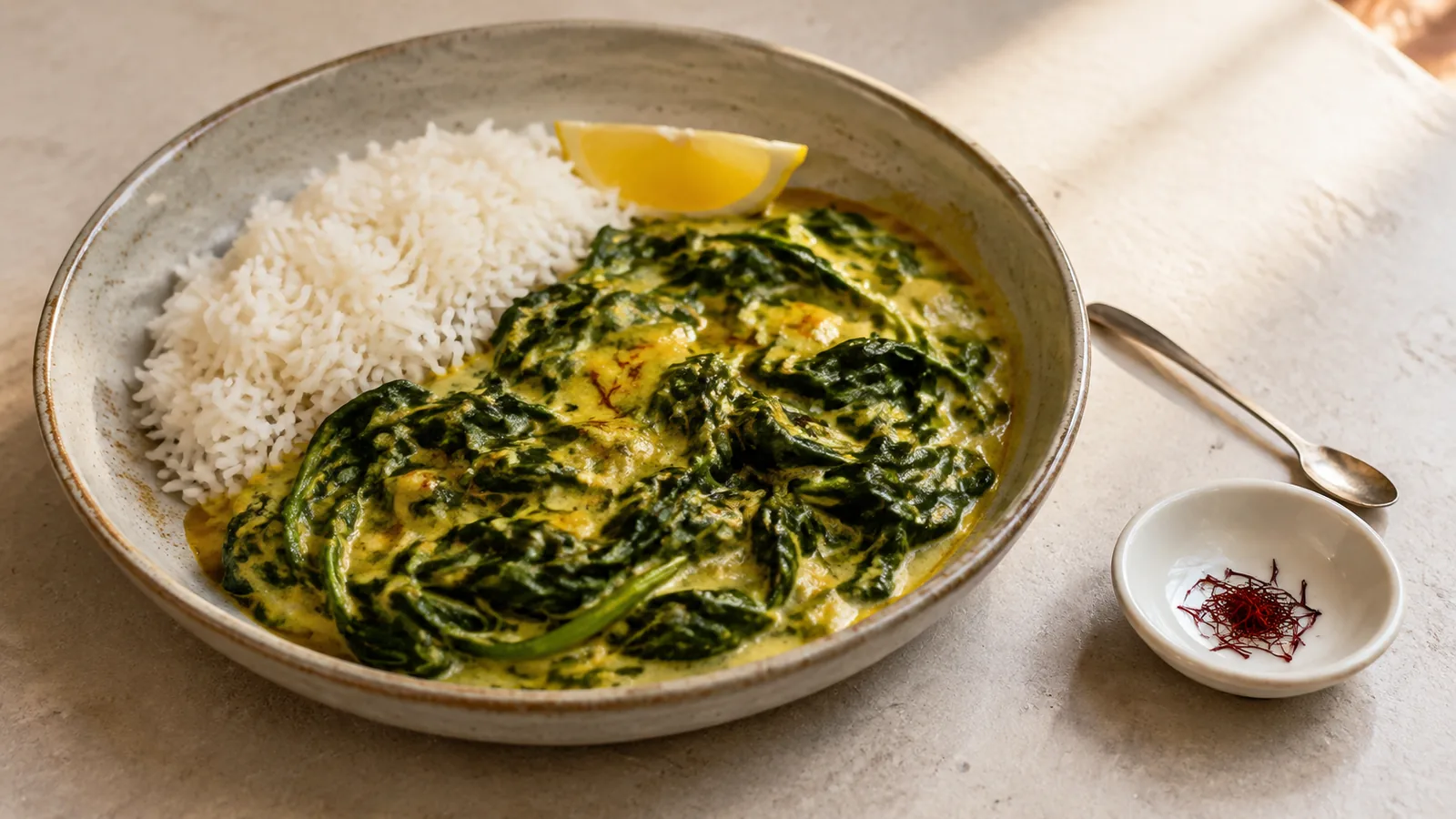
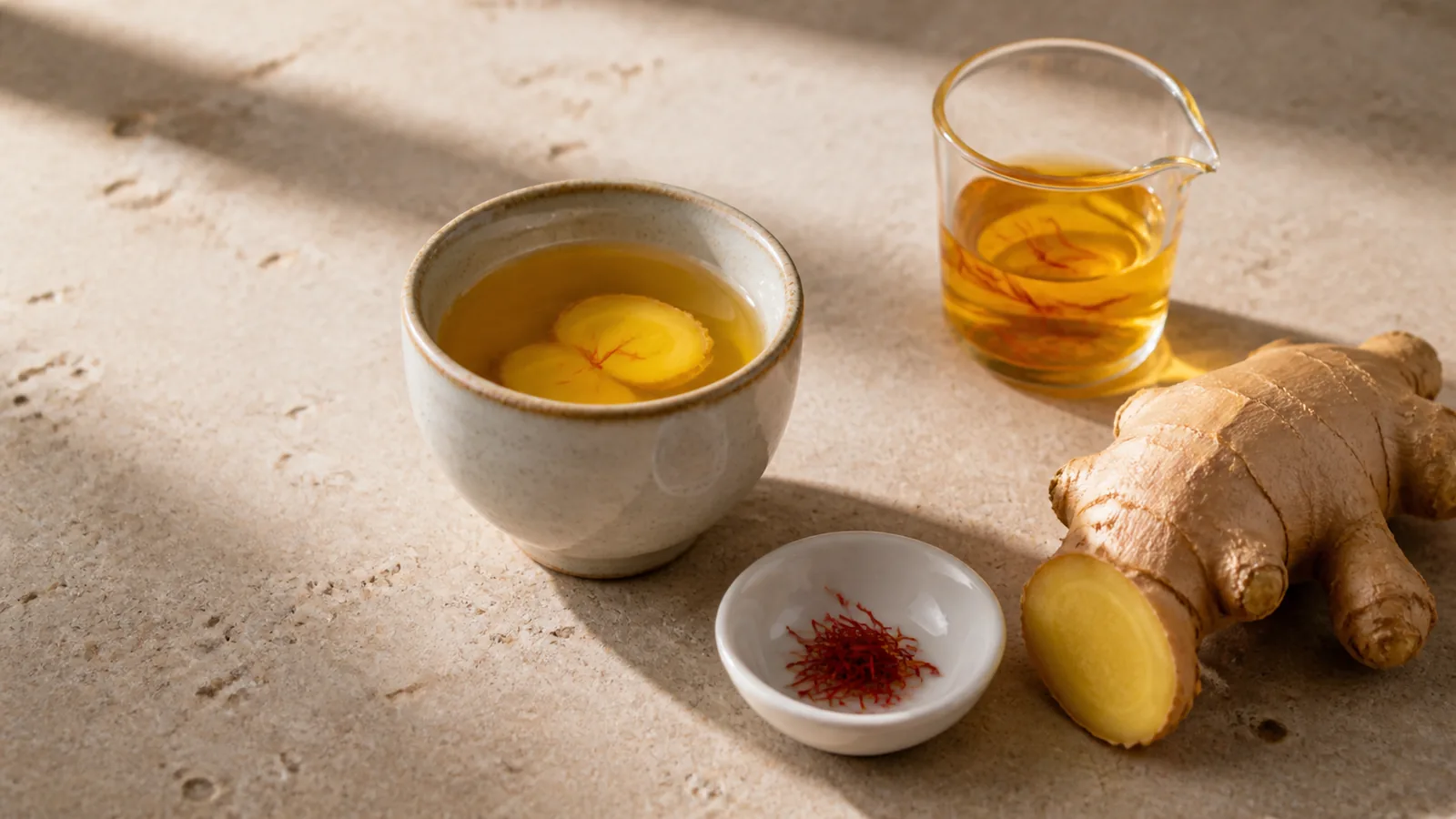
In an English recipe, saffron normally means the dried culinary spice. Instructions may call for threads, strands, a pinch or a measured weight. “Saffron water” means an infusion made from the threads; it is not a different ingredient.
A recipe that specifies saffron powder may mean ground genuine saffron, but commercial seasoning blends can also use saffron in the product name. Read the ingredient list and do not assume every yellow powder is pure saffron.
Names That Are Not the Same Spice
False Saffron
Safflower petals are sometimes called false saffron because they color food yellow-orange. Safflower is a different plant and lacks saffron’s characteristic aroma. It can be an honest culinary ingredient when named correctly, but it should not be sold as genuine saffron.
Meadow Saffron
Meadow saffron can refer to Colchicum, a poisonous plant that is not culinary saffron. A common name is not enough reason to eat a garden flower. Culinary saffron comes specifically from Crocus sativus.
Saffron Color
In clothing, design or product descriptions, saffron may name a yellow-orange color. The word does not imply that the item contains the spice. The same distinction applies to a fragrance described as saffron-like.
Usage and Recognition
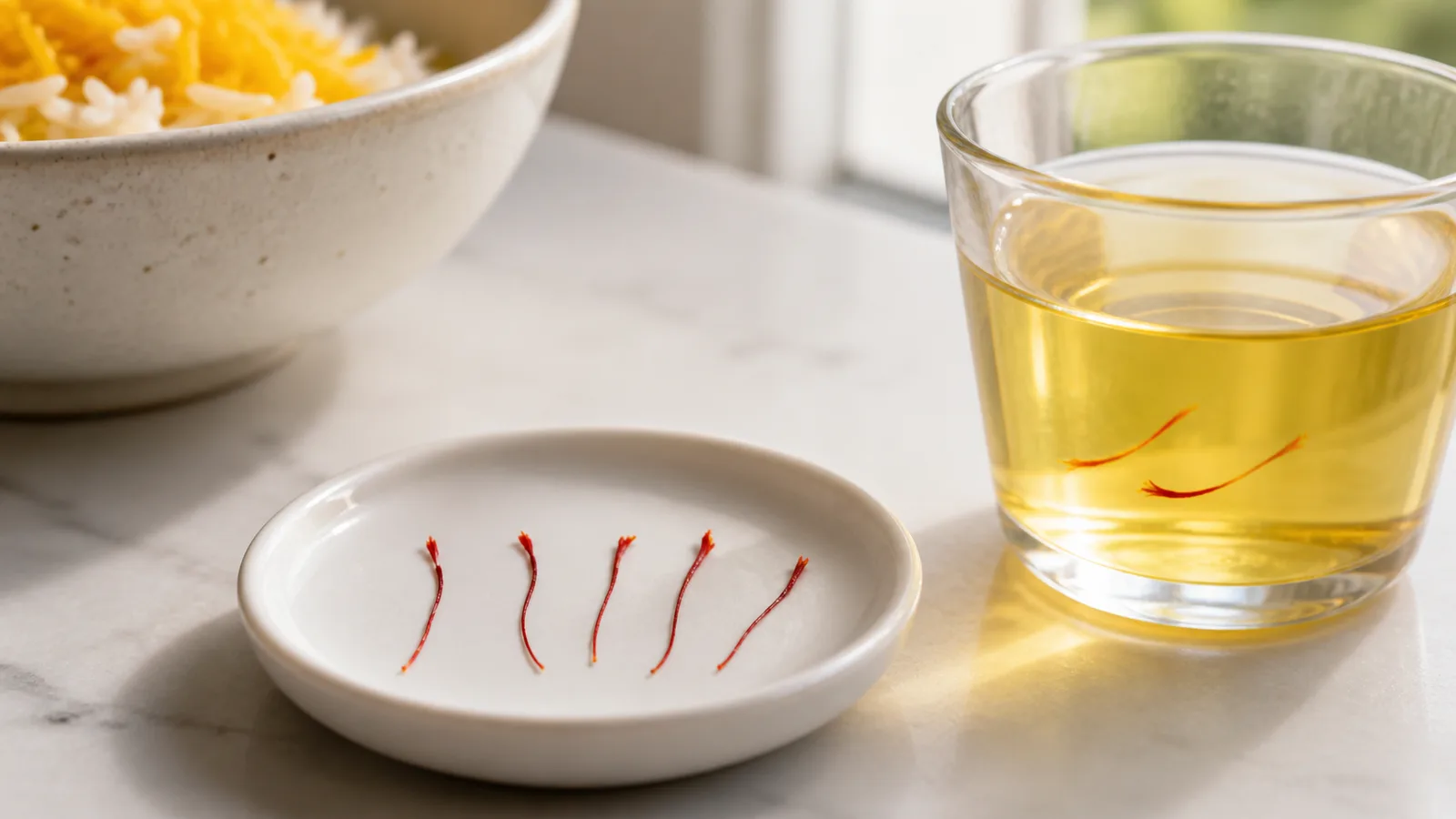
When translating a recipe, first establish whether the term refers to the culinary spice, a color or another plant. For food, useful confirming details include whole red threads, Crocus sativus, a recognizable saffron aroma and gradual golden color release in warm water.
The full guide to other names for saffron separates translations, nicknames, trade grades and look-alike plants. If the product itself is uncertain, use the guide to identifying real saffron.
How to Shop Using the English Term
- Search for “saffron threads” when you want the whole spice.
- Check for Crocus sativus when botanical identity is important.
- Separate the language name from the stated country of origin.
- Look for net weight, seller, batch and storage information.
- Do not treat red gold, premium or super grade as proof by themselves.
What Is Saffron Called in English?
The answer is saffron. Kesar in English, zafran in English and kungumapoo in English all commonly point to the same culinary spice, while Crocus sativus is its scientific plant name.
Use the name as a starting point, then verify the actual product. Whole recognizable threads, clear traceability and responsible packaging carry more meaning than a nickname. The all-red saffron collection shows one current whole-thread format.