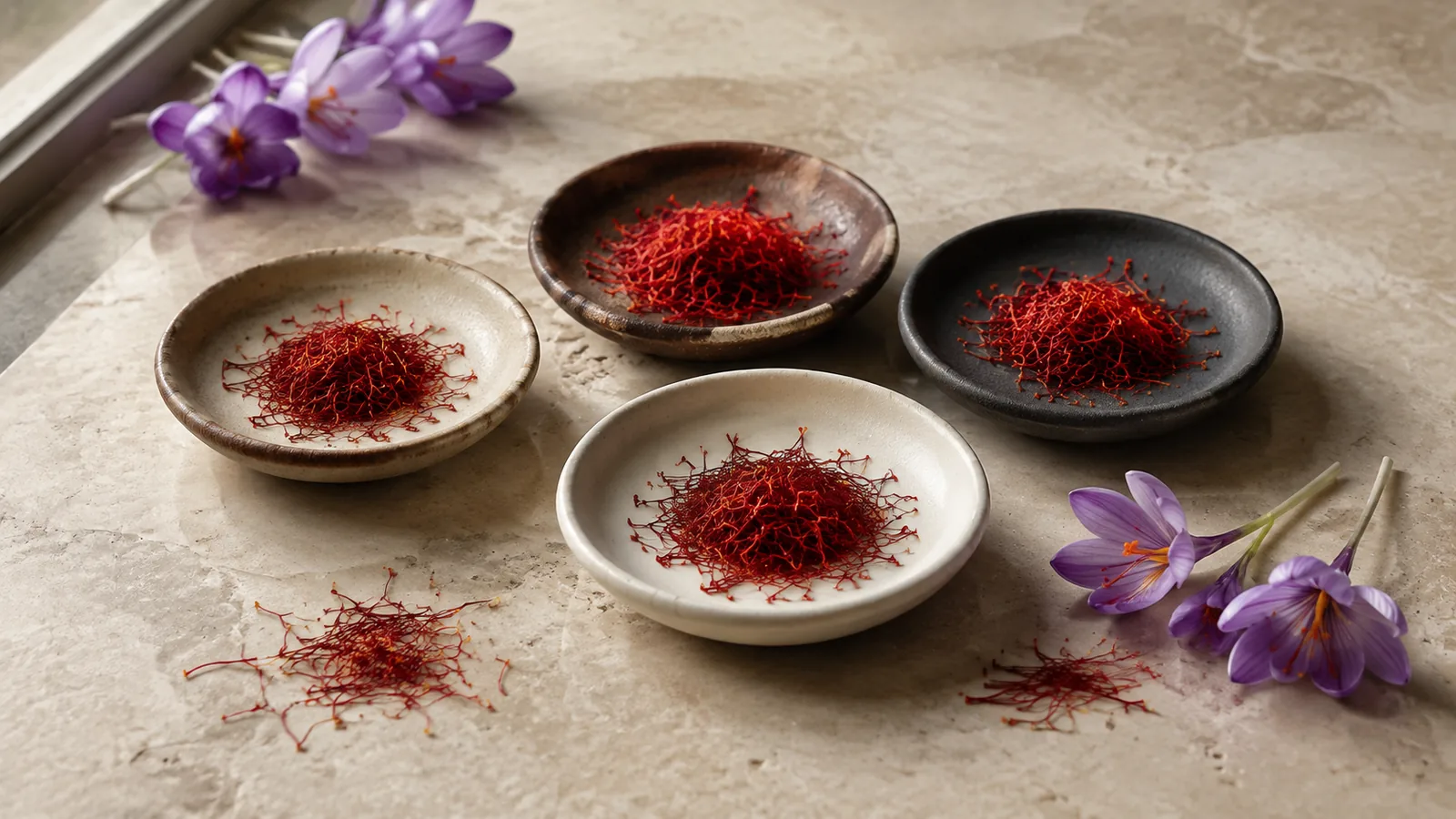
Iran is the country most closely associated with the world’s best saffron: it is the leading producer, has centuries of growing experience and supplies a wide range of excellent thread saffron. Yet country alone does not decide quality. A fresh, pure and well-handled batch from Spain, Kashmir, Greece or Morocco can be better than a poorly stored batch from a more famous origin.
Which Country Has the Best Saffron in the World?
Iran leads the world’s saffron producing countries and is the clearest answer for production scale, established expertise and consistent availability. The Food and Agriculture Organization describes Iran as the world’s largest saffron producer and documents a traditional cultivation system shaped by dry conditions and qanat irrigation.
That does not make “Iranian” an automatic quality guarantee. Saffron passes through picking, separation, drying, packing, transport and storage before it reaches a kitchen. Care at every stage affects the color, aroma and flavor in the final jar. Comparing saffron growing countries can narrow a shortlist, but it cannot tell you how a particular jar was handled. Origin is useful information; the individual batch is what a buyer actually uses.
Top Saffron Producing Country Versus Best Quality
The top saffron producing country is not necessarily the winner of every taste comparison. Production tells us how much a country grows. Quality describes the condition and performance of a particular sample. Mixing up those two questions is why simple country rankings can be misleading.
A better judgment considers several things together:
- Purity: the package should contain genuine saffron stigmas rather than dyed fibers, unrelated petals or fillers.
- Freshness: even excellent saffron loses aroma when it spends too long exposed to air, light, heat or moisture.
- Thread condition: intact red threads make visual inspection easier, although appearance cannot replace reliable testing.
- Aroma and flavor: good saffron should contribute more than yellow color; its fragrance and gently bitter complexity matter.
- Traceability: clear origin, producer, batch and storage information carry more weight than words such as “premium” or “finest.”
How the Main Saffron Origins Compare
Iran
Iran combines a suitable dry climate, deep agricultural knowledge and very large production. It offers several commercial thread styles and grades, so Iranian saffron can range from carefully selected all-red stigmas to more economical material containing portions of the yellow style. The country name therefore needs context: grade, harvest, drying and storage still matter.
For a buyer who wants strong color, a characteristic aroma and dependable availability, good Iranian saffron is an excellent choice. It is also widely traded, which makes seller transparency particularly important. A vague origin claim on an untraceable package is not the same as a well-documented batch.
India and Kashmir
Kashmir is India’s best-known saffron-growing region. Kashmir Saffron is registered with India’s official Geographical Indications Registry, which protects a regional identity rather than acting as a universal score for every package advertised online.
Genuine Kashmiri saffron is often sought for its deep-colored threads and pronounced character. Its more limited supply can make it expensive and can also attract misleading use of the Kashmir name. If that origin is important, look for credible provenance instead of accepting the label at face value.
Spain and La Mancha
Spain has a celebrated culinary saffron tradition, especially in rice cookery. Azafrán de La Mancha is a protected designation with an official European Union product specification defining its area and production requirements.
Spanish processing traditions may include careful toasting after the stigmas are separated, which influences the finished character. Buyers should distinguish a protected, traceable La Mancha product from a package that merely uses Spanish imagery or a Spanish trade name.
Greece and Morocco
Greece is associated with saffron from the Kozani area, while Morocco’s best-known production is around Taliouine. Both have genuine regional traditions and can produce excellent spice. Their smaller scale does not by itself make every batch superior, just as Iran’s larger scale does not make every batch ordinary.
These origins can be especially interesting to cooks who want to compare aroma and processing styles. Use the same amount and brewing method when comparing samples; otherwise differences in dose and preparation can overwhelm the difference between origins.
Why Is Saffron So Expensive?
Saffron is expensive because each flower produces only three stigmas and those delicate threads are collected and separated during a short flowering period. The work is difficult to mechanize without damaging the crop. Drying reduces the weight further, so a small finished quantity represents many flowers and substantial skilled labor.
Price also reflects grade, origin, testing, packaging and the path through the supply chain. The highest price does not prove the highest quality, but an implausibly cheap offer deserves caution. The site’s saffron price guide explains the practical variables behind retail cost.
How to Choose the Best Saffron for Cooking
Start with the dish rather than a country leaderboard. Whole threads are useful when you want to inspect the spice and control how it blooms. Powder can be convenient, but it hides the thread structure and should come from a particularly trusted supplier.
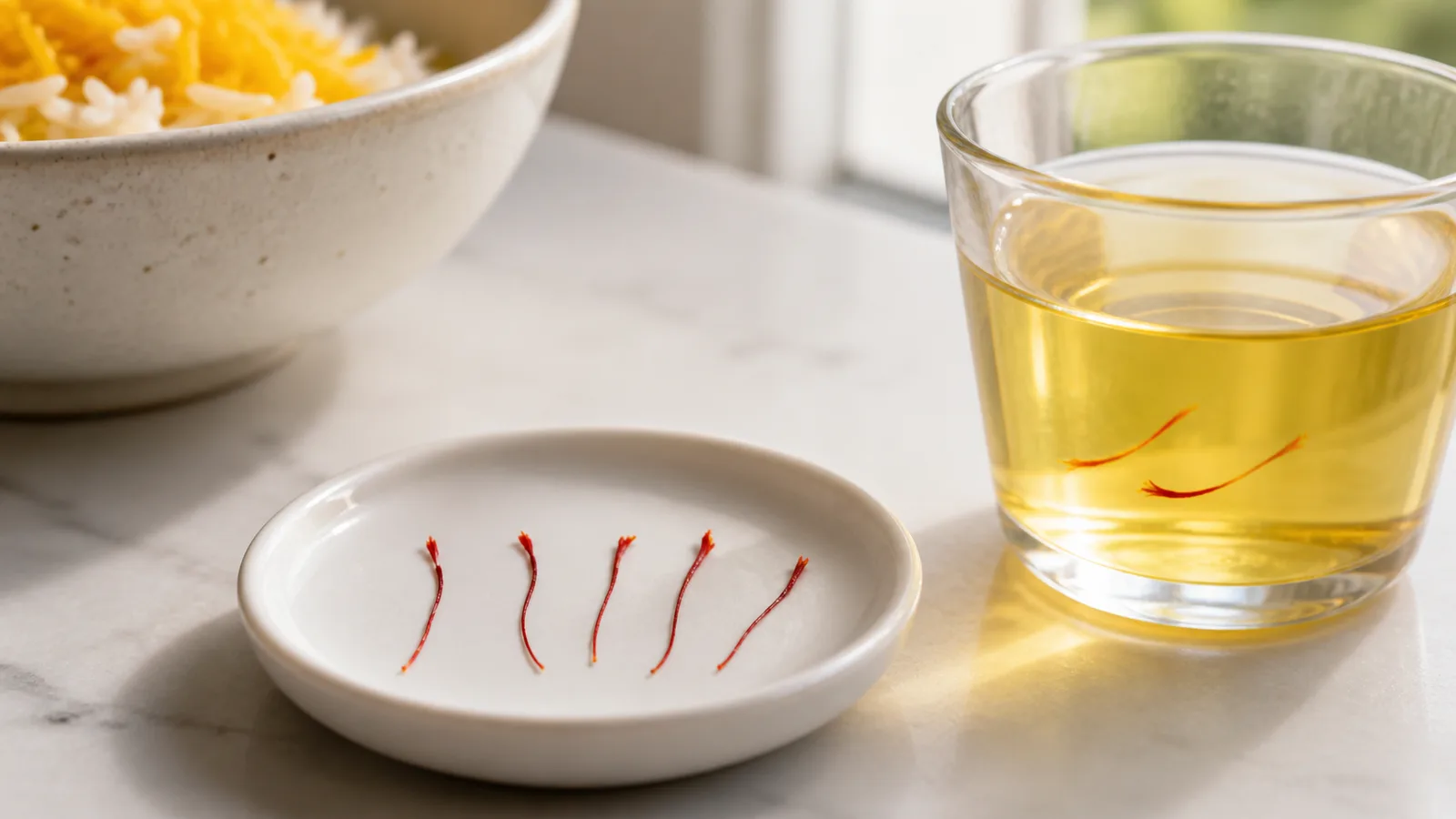
Before buying, check the net weight, origin statement, seller information, packaging and any credible batch documentation. Avoid judging saffron by an instant bright-red cloud in cold water; added dye can create dramatic color without genuine aroma or flavor. The guide to identifying pure saffron explains sensible checks and their limits.
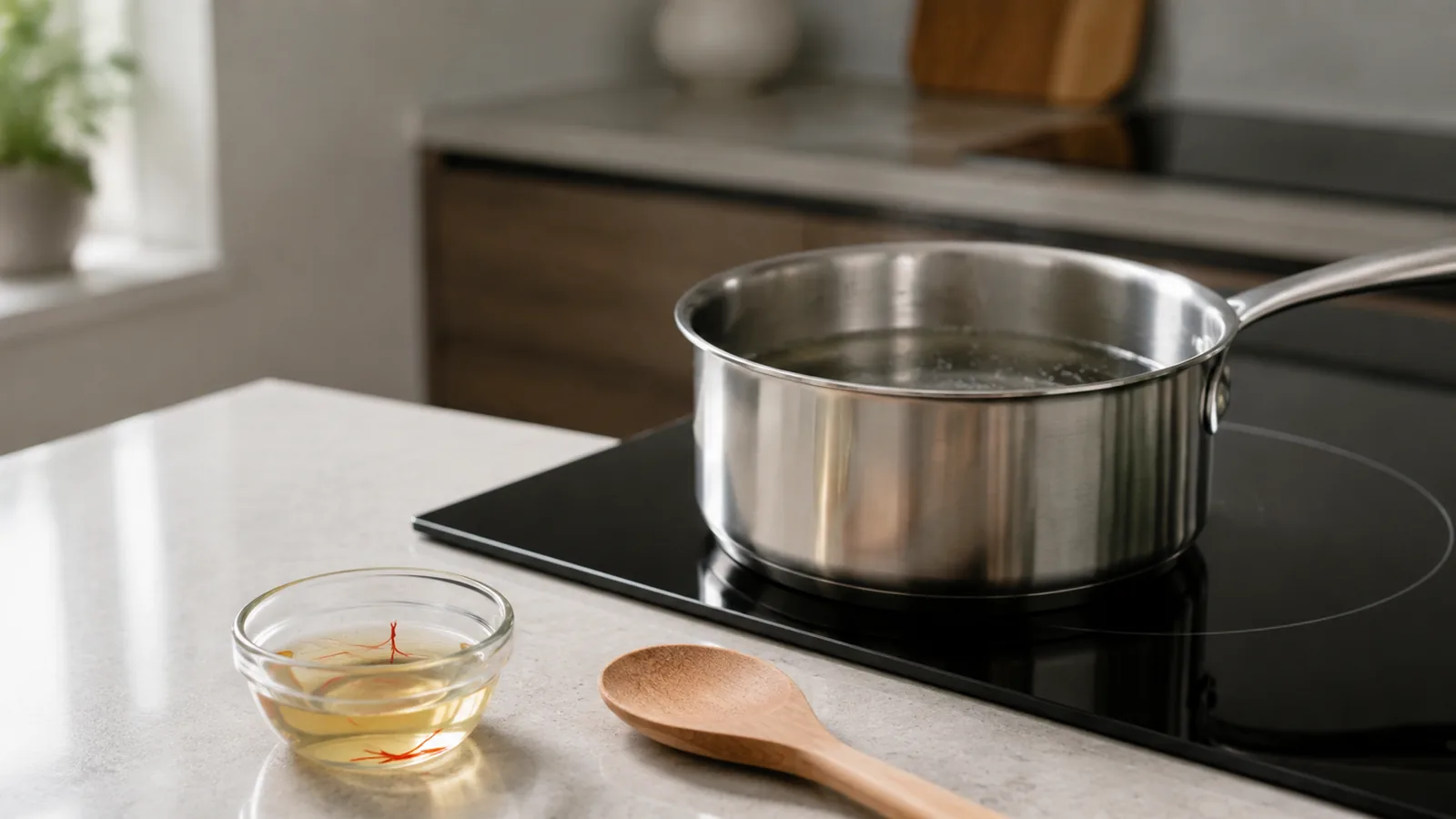
At home, store saffron tightly closed in a cool, dry and dark place. For a fair comparison, crush or grind equal measured amounts, infuse them under the same conditions and taste them in a simple preparation. Good saffron releases a golden hue gradually and brings a distinctive aroma alongside its color.
Where to Buy Authentic Saffron
Choose a supplier that describes the actual product rather than relying on a country name and superlatives. Useful information includes thread or powder form, net weight, origin, grade where meaningful, packing details and storage guidance. A return policy and responsive customer service also give the buyer somewhere to turn if the product does not match its description.
The saffron shop shows the formats currently available. Whichever origin you choose, keep the same standard: authentic material, clear traceability, sound storage and a flavor profile that suits the food you plan to cook.
So, Where Does the Best Saffron Come From?
Iran is the strongest general answer to which country has the best saffron in the world because of its scale, history and breadth of high-quality production. Kashmir, La Mancha, Kozani and Taliouine also have respected regional saffron traditions.
The most reliable final answer sits one level below the country name. The best saffron is a genuine, fresh and carefully handled batch with the aroma, color and flavor you want. Use origin to narrow the search, then let purity, traceability and the condition of the spice decide.