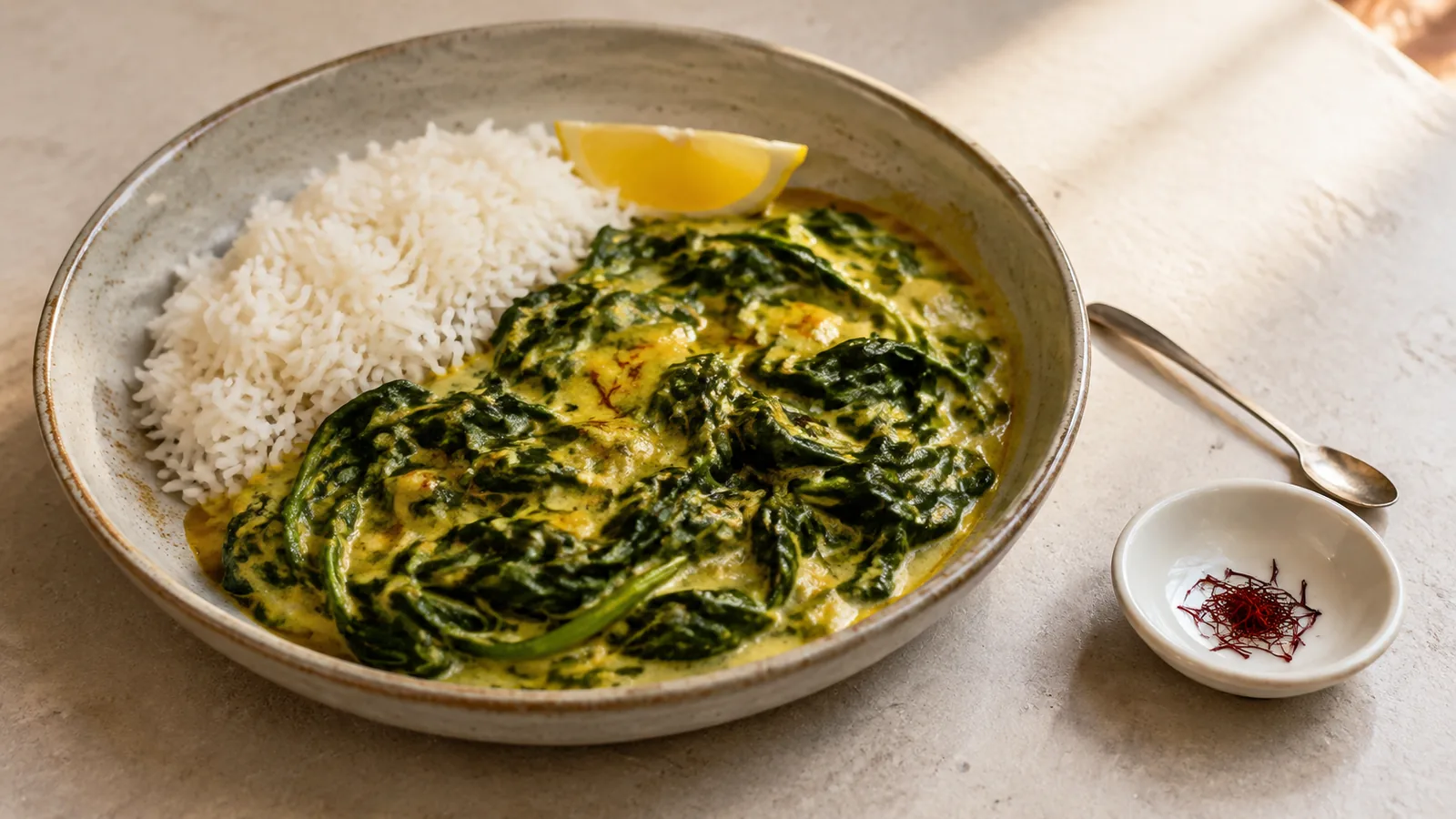
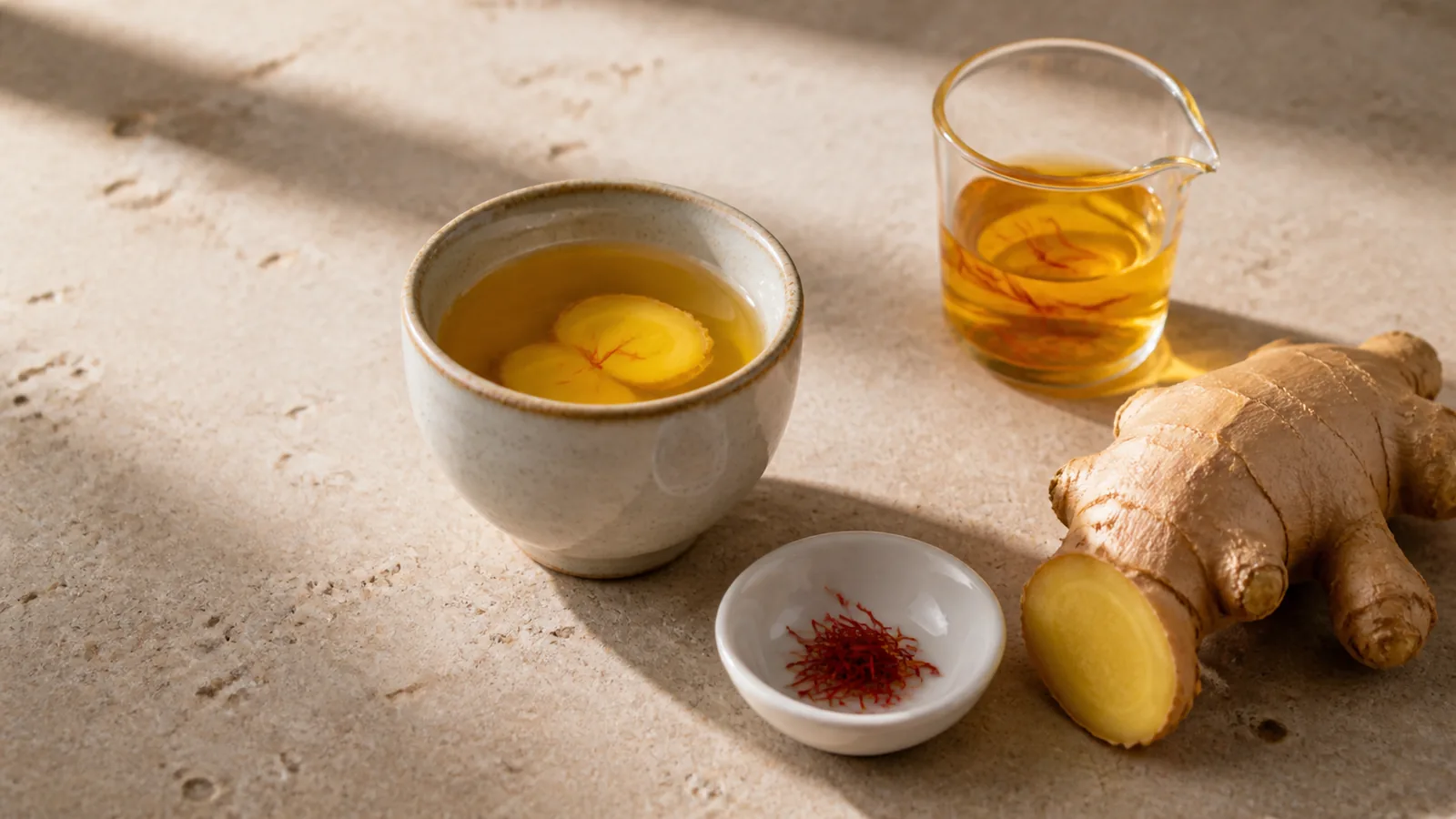
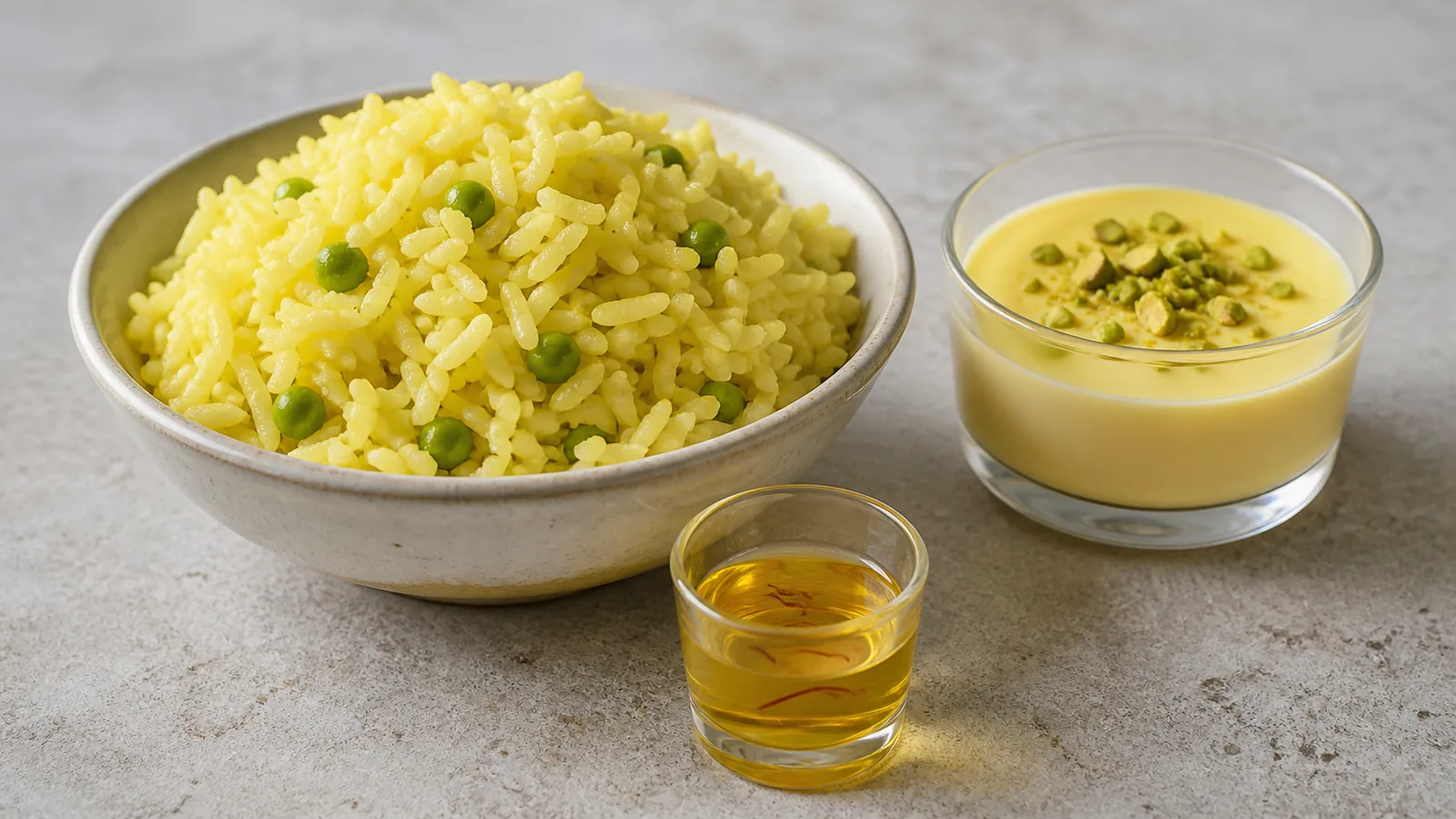
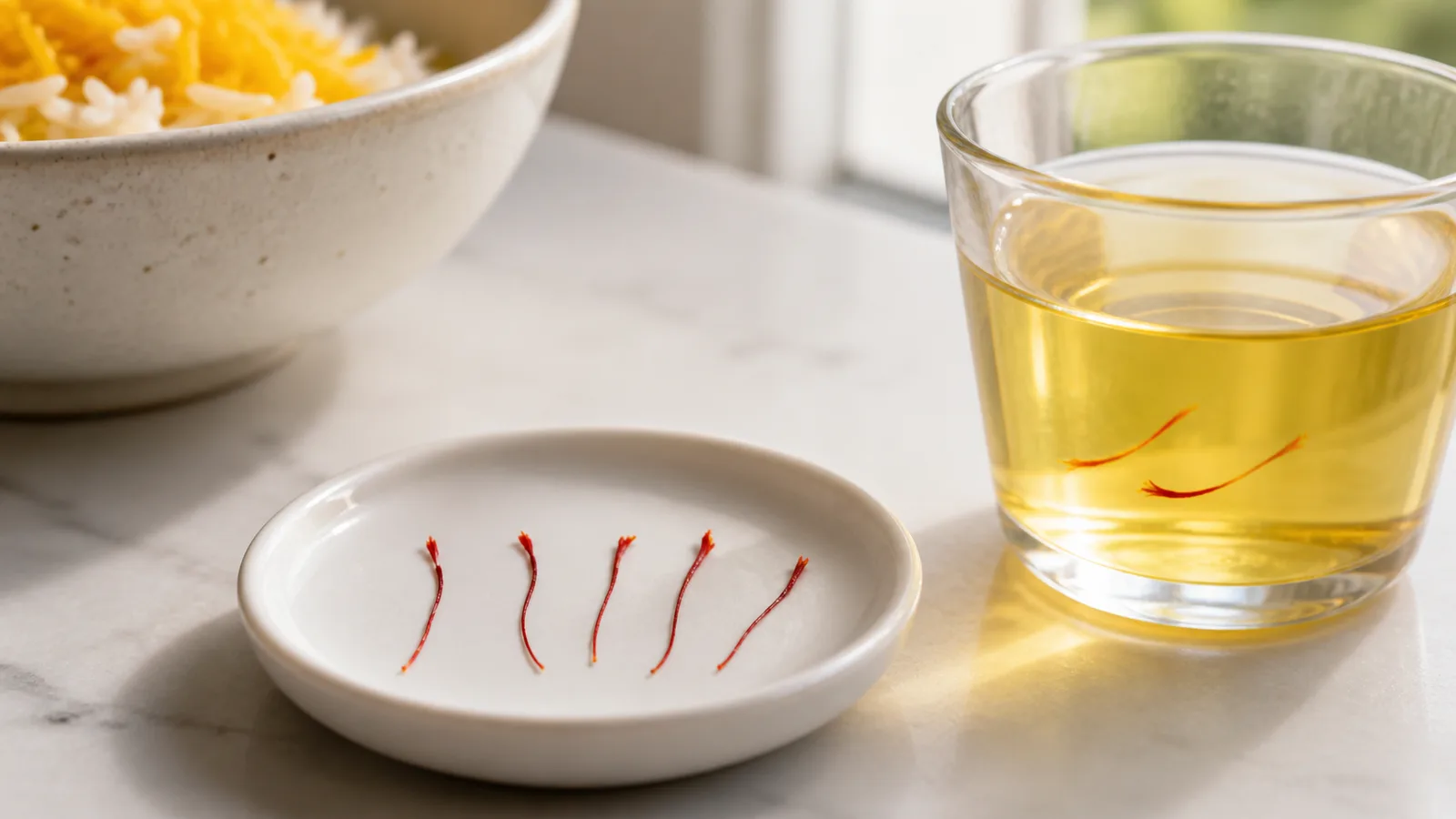
Saffron’s scientific name is Crocus sativus, and “red gold” is its best-known nickname. In different languages you may see kesar, zafaran, azafrán, safran, zafferano, saffraan or szafran. These can refer to the same culinary spice, but similar names such as “meadow saffron” and “false saffron” may identify entirely different plants.
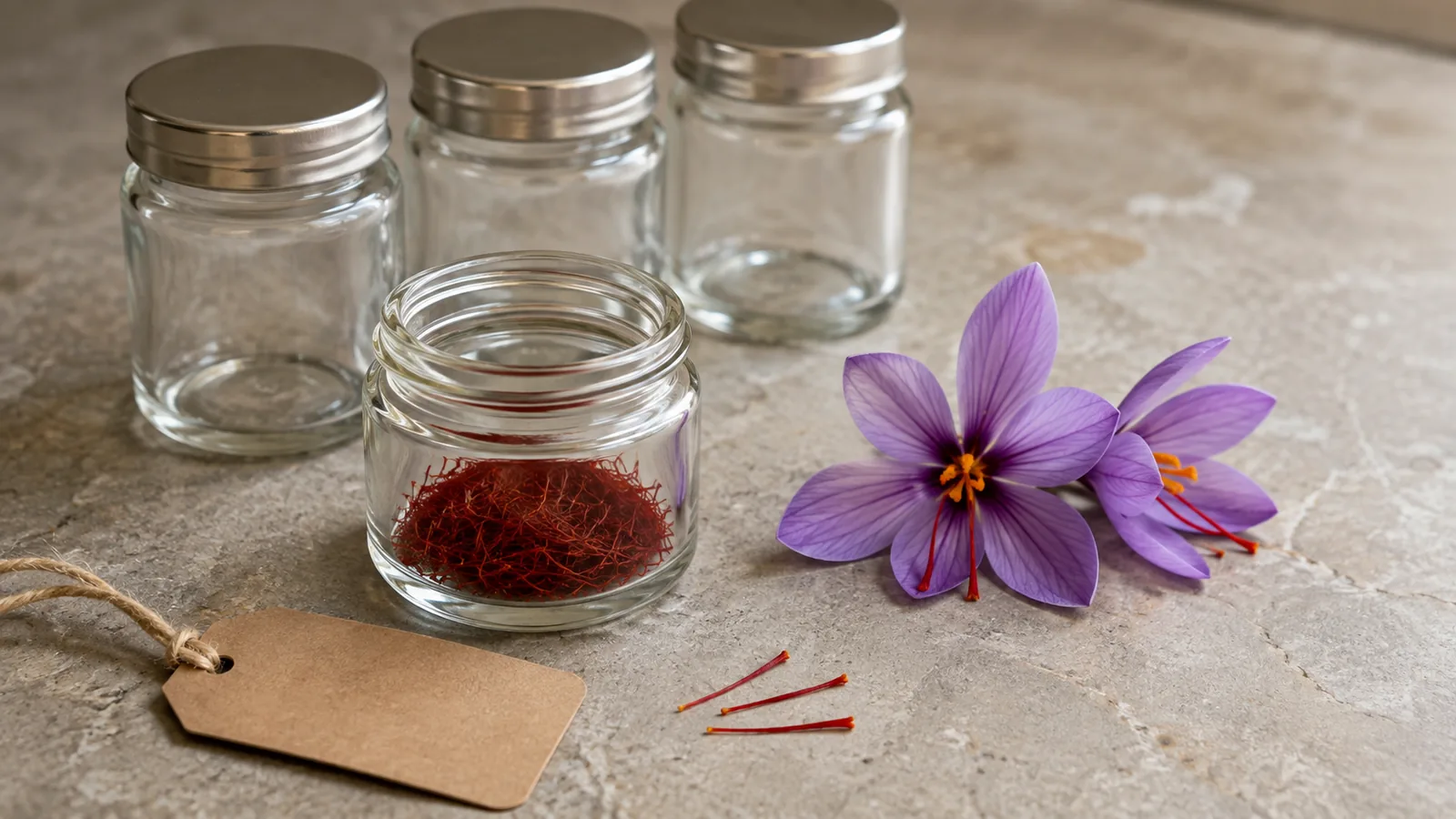
Saffron Alternative Names
Knowing saffron alternative names helps when reading recipes, shopping abroad or comparing a translated product listing. Lists labelled “saffron other names” often mix true translations with nicknames and unrelated plants, so context matters. The word may change, but genuine culinary saffron is still the dried red stigmas of one plant: Crocus sativus.
The Royal Horticultural Society’s guide to saffron describes the spice as the stigmas of the saffron crocus. That botanical identity is the safest reference when a common name is ambiguous.
Botanical Name
Crocus sativus L. is the accepted scientific form commonly printed in botanical and technical material. It names the plant, while “saffron” usually names the spice harvested from its flowers. The italicized two-word name is not a grade or brand.
Red Gold
“Red gold” is a nickname inspired by the color and value of the threads. It is not a botanical name, legal grade or guarantee of quality. Sellers also use phrases such as “golden spice,” but those expressions should be treated as marketing language unless the package provides useful product details.
Common and Regional Names
These are common names or spellings a shopper may encounter:
- Kesar: widely used in India and in South Asian recipes and markets.
- Zafaran or za’faran: familiar transliterations in Persian- and Arabic-speaking contexts.
- Azafrán: the Spanish word for saffron.
- Safran: used in French, German, Turkish and several other languages.
- Zafferano: the Italian word.
- Saffraan: used in Dutch and Afrikaans.
- Saffran: used in Swedish.
- Szafran: the Polish word.
Romanization creates legitimate variations. Zafaran, za’faran, zafran and zaafran can all appear when a word from another writing system is represented with the Latin alphabet. Spelling alone does not tell you the origin, grade or purity of the product.
Is Kesar the Same as Saffron?
In a food recipe or reputable spice listing, kesar normally means saffron. Indian sweets, rice dishes and milk drinks may use that name. Confirm that the ingredient is identified as Crocus sativus or as saffron threads, especially when a listing uses “kesar” for a color, fragrance or unrelated product.
Is Zafaran the Same as Saffron?
Yes, zafaran is a common transliteration used for saffron in Persian and related market contexts. Za’faran is a familiar Arabic transliteration. The term may appear on packages from many countries, so it does not prove that the contents came from Iran or any other origin.
Names That Can Cause Dangerous Confusion
Meadow Saffron Is Not Culinary Saffron
“Meadow saffron” and “autumn crocus” are sometimes used for plants in the genus Colchicum. They are not the source of the culinary spice. The Royal Horticultural Society specifically warns that Crocus sativus must not be confused with highly poisonous Colchicum.
Do not harvest a crocus-like flower for food from a garden or meadow unless its identity is certain. Buy culinary saffron as a food product or obtain genuine saffron crocus stock from a specialist.
False Saffron and Safflower
Safflower, Carthamus tinctorius, may be sold as false saffron because its petals can add yellow-orange color to food. It does not have saffron’s botanical identity or characteristic aroma. Safflower sold honestly under its own name can be a culinary ingredient; safflower passed off as expensive saffron is adulteration.
Indian Saffron and Turmeric
“Indian saffron” is sometimes used informally for turmeric because of its strong yellow color. Turmeric is Curcuma longa, a different plant with an earthy flavor. The phrase can also be interpreted as genuine saffron grown in India, so a product listing should name the actual ingredient.
Saffron Color and Saffron Flavoring
A fabric, paint or food color described as “saffron” may refer only to a yellow-orange shade. A saffron-flavored product may use an extract, an aroma or a blend rather than visible threads. Read the ingredient list instead of treating the color name as proof of saffron content.
Trade Names, Grades and Origins
Terms such as Negin, Sargol and Pushal are used in the Iranian saffron trade for different cuts or presentations. Kashmir, La Mancha, Kozani and Taliouine are geographic references. These words add information about a product, but they are not alternative names for the spice itself.
Likewise, “premium,” “super,” “grade one” and “all red” need context. Ask how the seller defines the term, what portion of the stigma is included and whether credible batch testing is available.
Uses and Recognition
Different names help a cook find saffron in translated recipes, but the ingredient should still behave like saffron. Whole threads should have recognizable stigma structure, a complex aroma and a gradually developing golden infusion. Powder is harder to assess because its structure is hidden.
Check the scientific name, net weight, seller, origin and batch details when the package is unfamiliar. The guide to identifying real saffron explains what visual and infusion checks can—and cannot—prove.
How to Read a Saffron Label
- Find the ingredient name and, where provided, Crocus sativus.
- Check whether the product is whole threads, cut threads, powder or a blend.
- Separate a language translation from an origin claim.
- Look for net weight, producer or packer, batch details and storage guidance.
- Do not treat “red gold” or “premium” as evidence on its own.
What’s Another Name for Saffron?
The precise scientific answer is Crocus sativus. Kesar, zafaran, azafrán, safran, zafferano, saffraan and szafran are common regional or language names, while red gold is a nickname.
Always check the context. Meadow saffron is a toxic Colchicum, false saffron may be safflower, and turmeric is a different spice. If you want the culinary product, look for genuine saffron threads from Crocus sativus. The all-red saffron collection shows one current thread format.