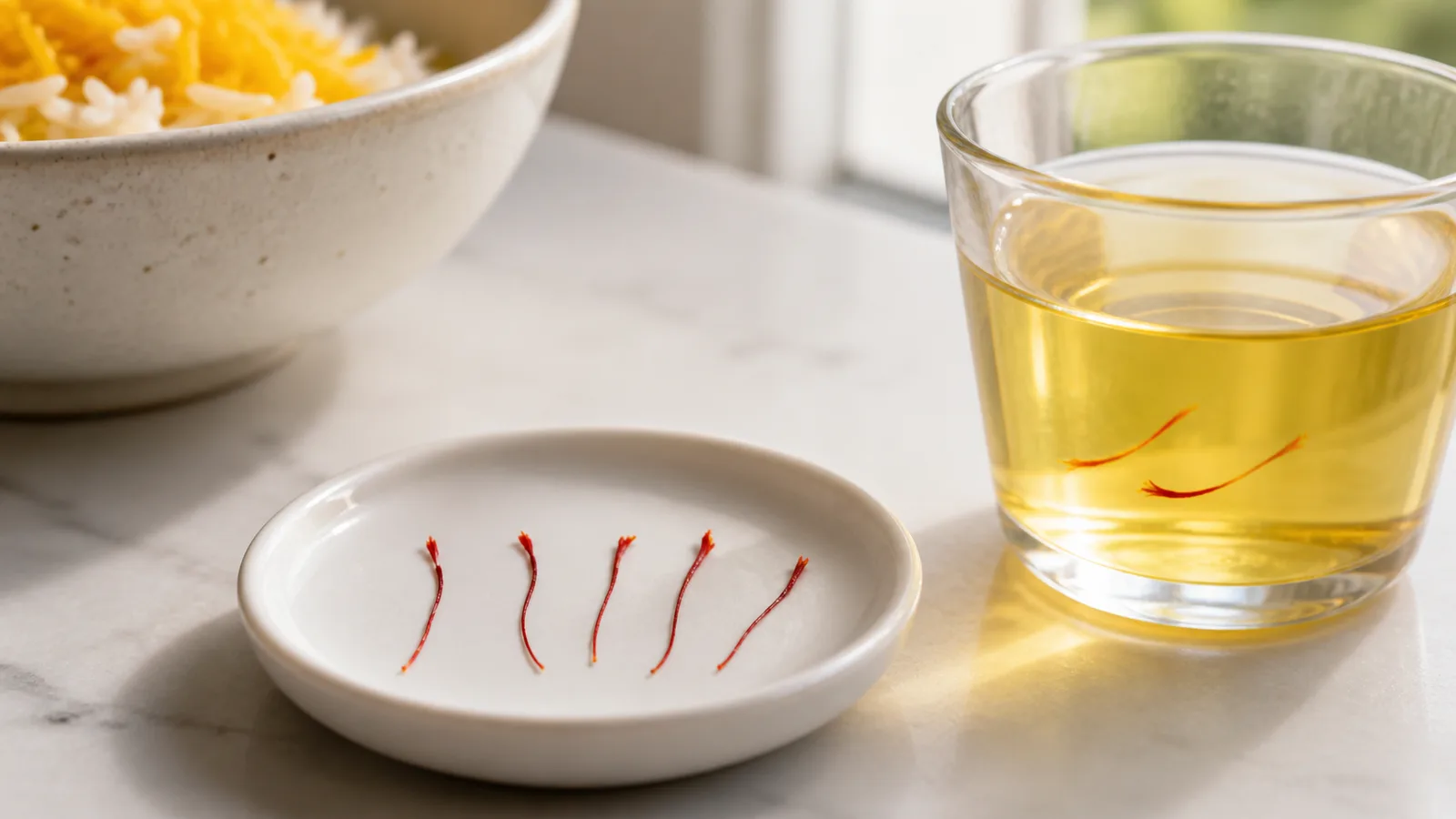
Turmeric is the easiest cheap saffron substitute when a recipe mainly needs a golden color. Safflower petals are another traditional coloring option, while culinary marigold or annatto can suit particular dishes. None is a true cheaper version of saffron: each changes the flavor, and none reproduces saffron’s distinctive aroma.
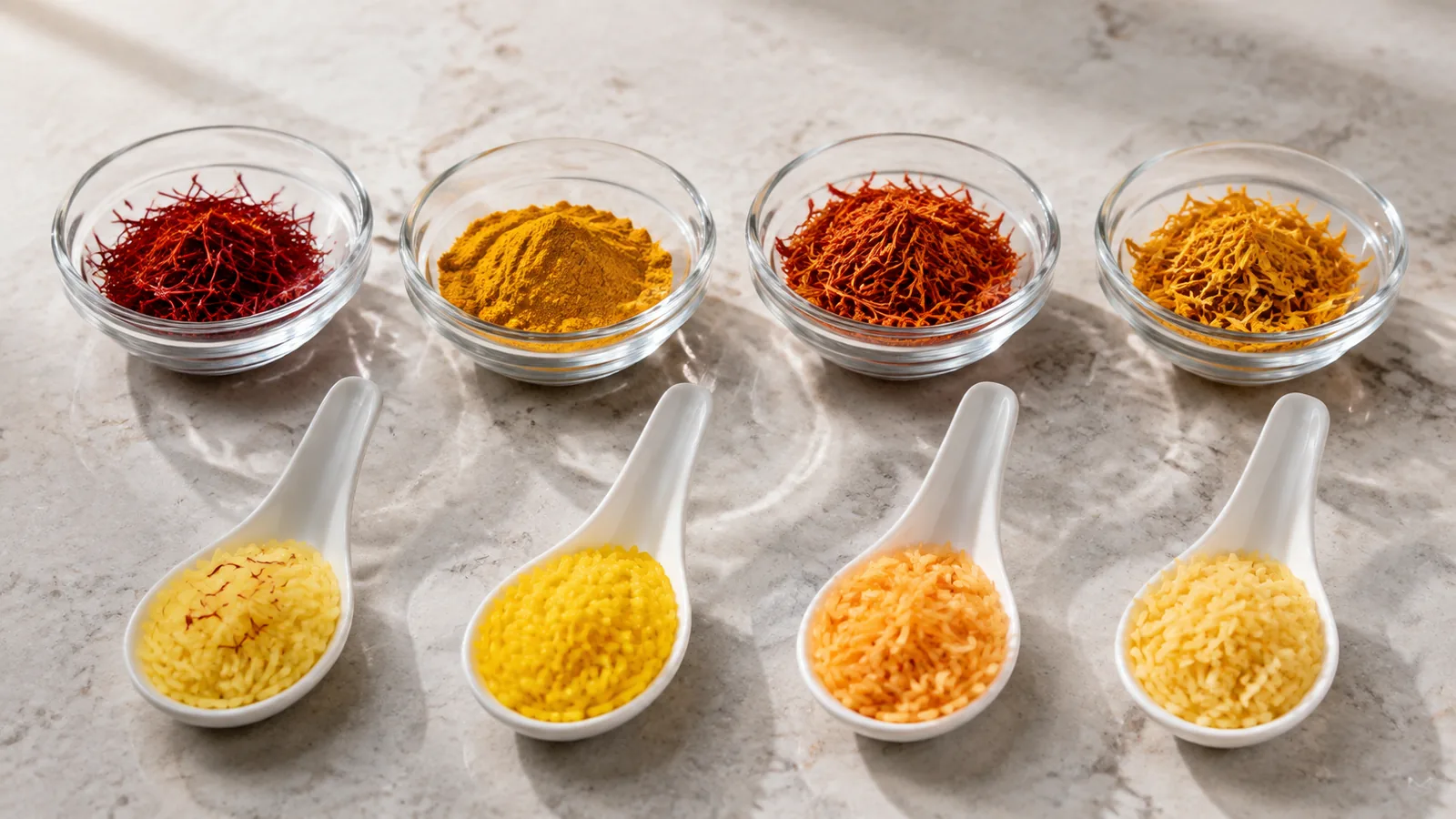
Affordable Saffron Alternatives
Saffron is one of the most expensive spices, so cooks often look for affordable saffron alternatives. The right replacement depends on what saffron is doing in the recipe. If the goal is yellow color, several ingredients can help. If the dish depends on saffron’s floral, hay-like, gently bitter aroma, there is no exact substitute.
The most useful options are:
- Turmeric for a strong yellow color and an earthy flavor.
- Safflower petals for yellow-orange color with much less aroma.
- Food-grade marigold petals for color in recipes where their floral character fits.
- Annatto for a warm yellow-orange tone in cuisines that already use it.
- A small amount of real saffron, bloomed well, when the original aroma matters.
Is There a Cheaper Substitute for Saffron?
Yes, if “substitute” means an ingredient that can give food a similar warm color. No, if it means an ingredient that tastes and smells the same. Saffron’s sensory profile is unusual, and a dish made with turmeric or safflower should be understood as a variation rather than a perfect copy.
This distinction prevents disappointment. A yellow rice dish can still be delicious without saffron, but calling the coloring ingredient “imitation saffron” may imply a closer match than it delivers.
Turmeric as a Substitute
Turmeric is widely available, inexpensive and powerful. A very small amount gives rice, soup, stew and sauce a warm yellow color. Its flavor is earthier and more savory than saffron, and too much can make a delicate dish taste dusty or bitter.
Start with a pinch, stir, then judge the color before adding more. Do not replace saffron by equal volume: a spoonful of turmeric is far more turmeric than most saffron recipes need as a color adjustment. Add it with other ground spices so it disperses evenly.
Where Turmeric Works Best
Turmeric works well when the recipe already contains stock, onion, garlic, cumin or other assertive flavors. It is less convincing in a simple saffron custard, ice cream or clear infusion, where its earthiness becomes the main flavor.
Safflower and Marigold Petals
Safflower petals are sometimes sold as “false saffron” because they can color food yellow or orange. They do not deliver saffron’s strength or aroma. Use them as their own culinary ingredient and buy them from a food supplier; a bag presented deceptively as genuine saffron is adulteration, not a bargain.
Marigold petals can also color food, but only petals sold specifically for culinary use belong in a recipe. Ornamental flowers may be the wrong species, may have been treated with pesticides not intended for food, or may simply taste unpleasant. Do not collect unknown landscaping flowers as a saffron replacement.
Annatto and Other Color Options
Annatto seeds or prepared annatto oil create a yellow-orange color and a mild, different flavor. They suit dishes from cuisines that already use annatto. Sweet paprika can warm the appearance of a savory dish, but it pushes the color toward red and changes the taste more noticeably.
Commercial yellow food coloring changes appearance without adding saffron flavor. If used, it should be declared honestly rather than presented as saffron.
Cheap Saffron Substitute by Recipe
Rice and Pilaf
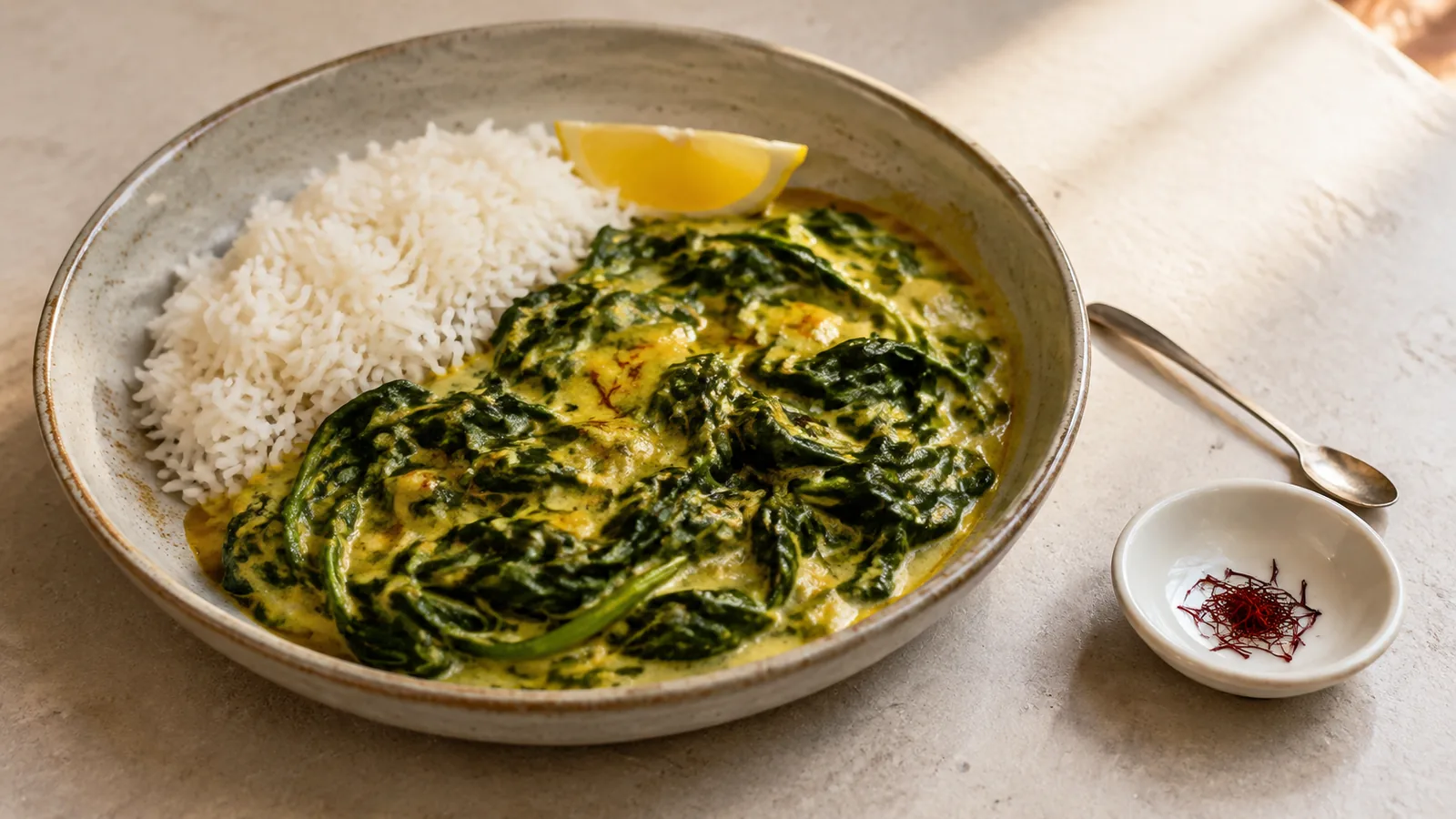
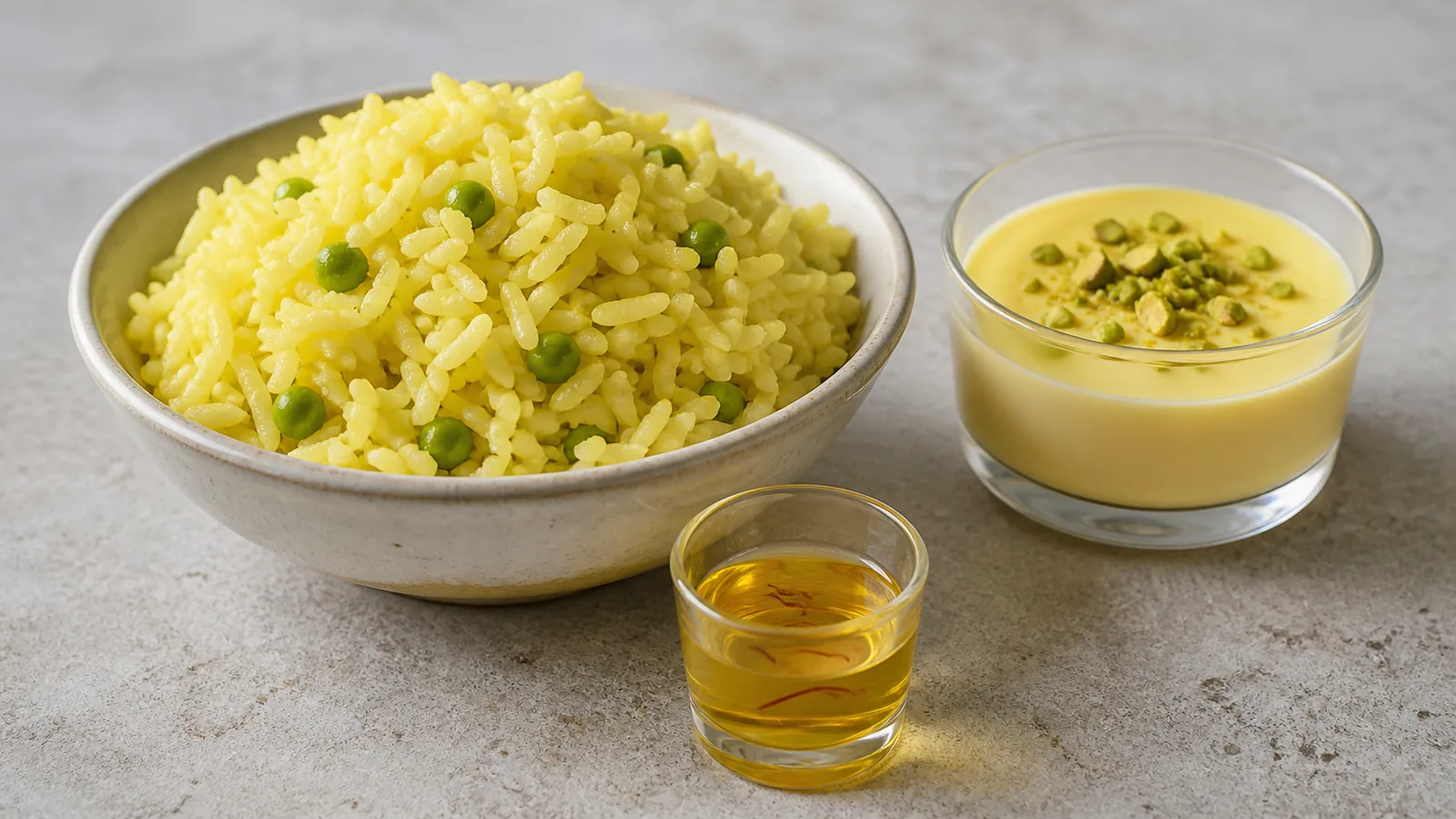
For everyday yellow rice, a pinch of turmeric is the simplest choice. Safflower petals can give a softer result. If the recipe is built around saffron aroma, use a small measured amount of genuine saffron and bloom it carefully instead of trying to hide it beneath a large amount of turmeric.
Paella
Turmeric can color the rice but will not make a saffron paella taste authentic. Safflower or coloring may also change appearance without replacing the aroma. Treat the result as a practical variation and let the stock, rice and other ingredients carry the dish.
Soups and Stews
Turmeric is usually the most forgiving alternative because other savory ingredients can accommodate its flavor. Add it cautiously. Annatto can work where its own flavor and color are traditional.
Desserts and Milk Drinks
There is no close replacement for saffron in a delicate dessert or milk drink. Turmeric quickly tastes out of place if overused, and petals offer color without the expected fragrance. Consider using a smaller saffron dose, choosing another flavor such as cardamom or vanilla, or making a deliberately different recipe.
Bread and Pastry
A little turmeric can create warm color in dough, but it changes the flavor. Food-grade safflower or marigold may suit some regional breads. Test a small batch before changing an entire recipe.
Maintaining Flavor and Aroma
A substitute cannot preserve a flavor it does not contain. The better budget strategy is often to use less real saffron more efficiently:
- Measure a modest pinch instead of pouring from the jar.
- Crush the threads just before use.
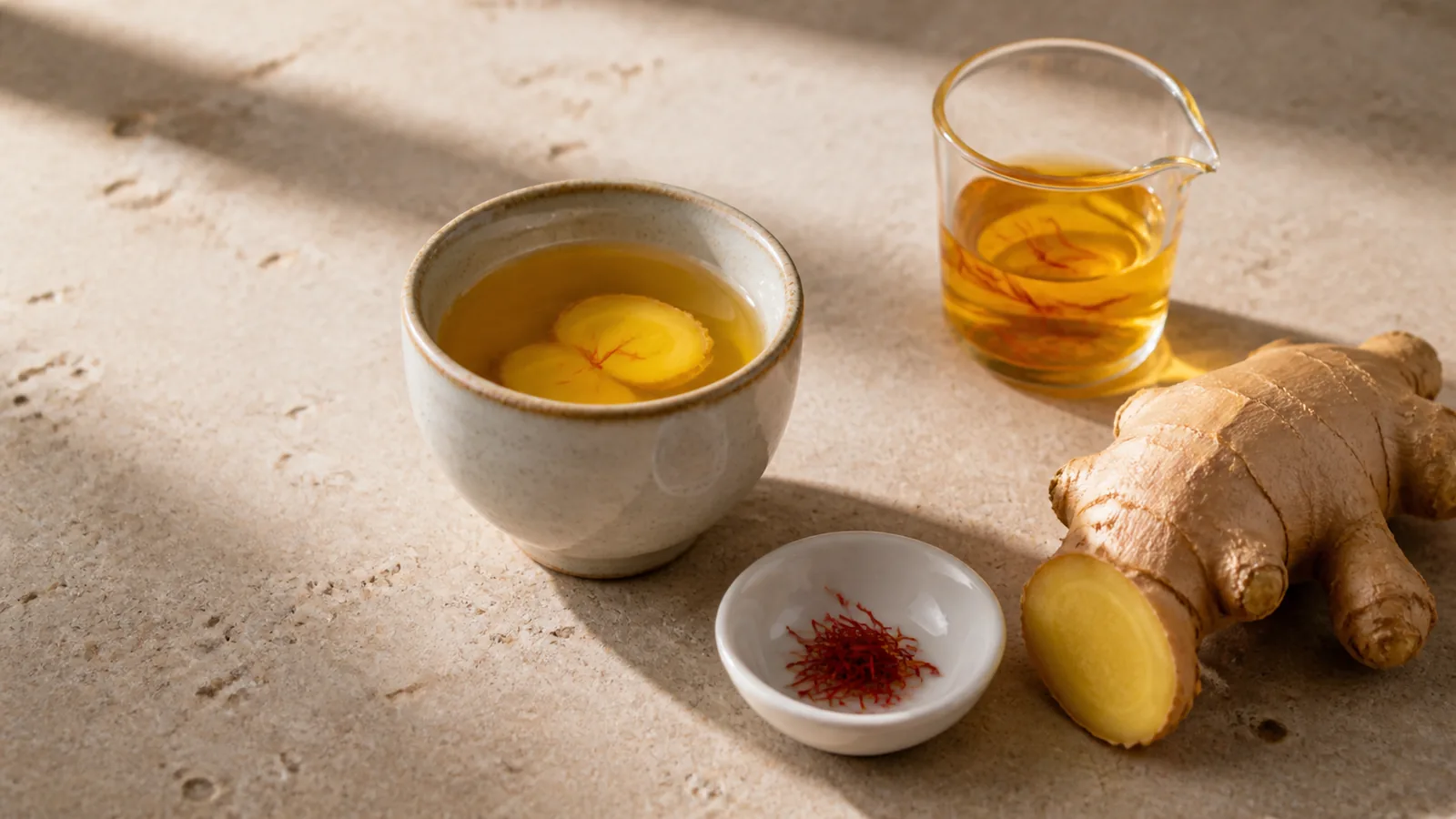
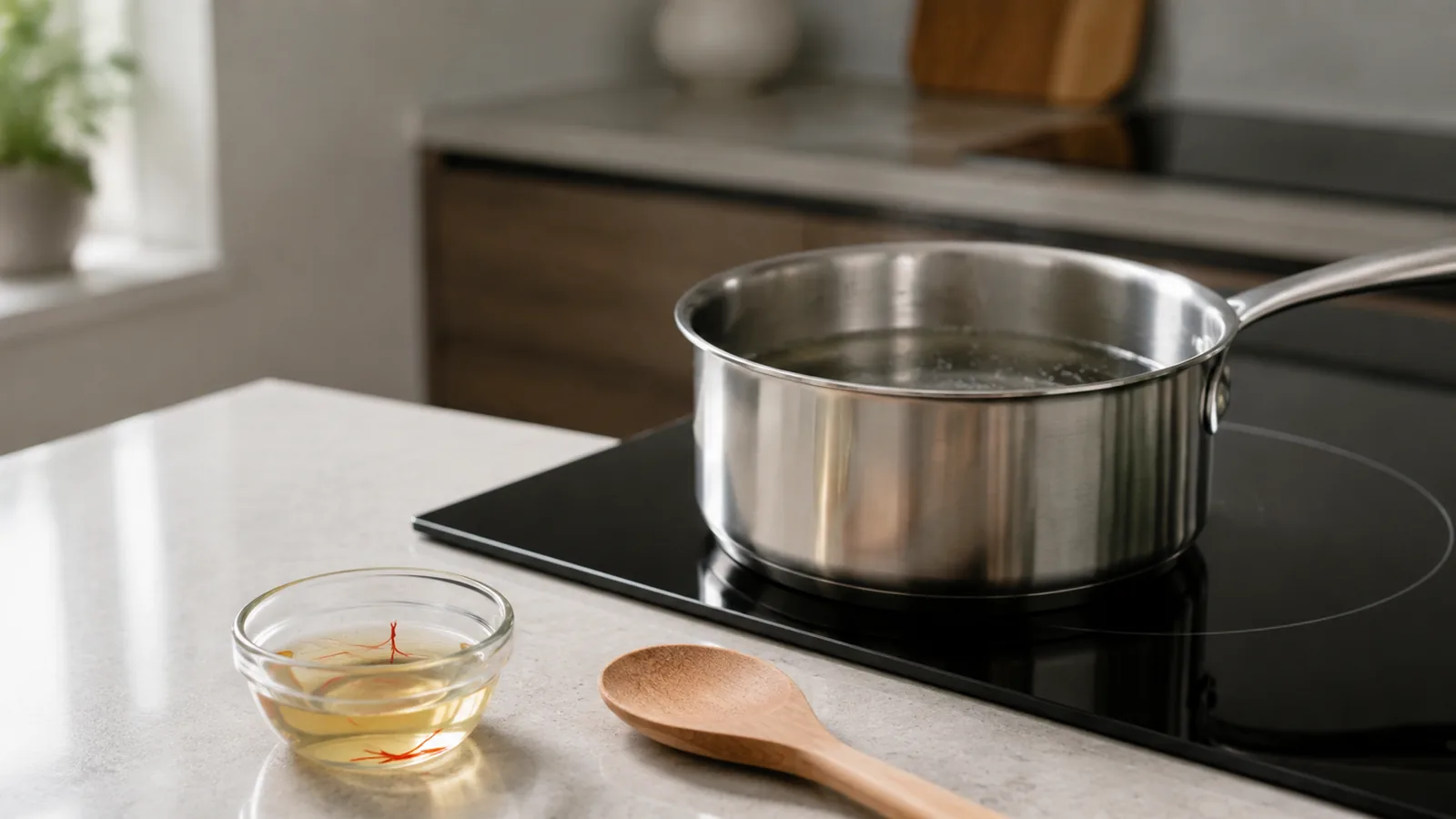
- Bloom them in a small amount of warm water for 10 to 15 minutes.
- Add the infusion throughout the dish so the aroma and color spread evenly.
- Keep the remaining threads sealed, dark, cool and dry.
The guide to brewing saffron explains this method. Good extraction can make a small genuine portion more useful without claiming that turmeric or petals have become saffron.
Can You Mix Saffron With an Alternative?
You can, provided the dish is described honestly. A small saffron infusion can supply some aroma while turmeric or safflower strengthens the color. Add the alternative sparingly so it does not overpower the saffron you paid to use.
This is different from selling a blended product as pure saffron. A packaged mixture should identify its ingredients clearly. When buying threads, use the real-saffron identification guide to understand visible warning signs and the limits of home checks.
How to Choose the Best Alternative
- Decide whether color, aroma or both matter to the recipe.
- Choose an ingredient that already fits the dish’s flavor.
- Use only food-grade petals and spices from a responsible seller.
- Start with less than you think you need, especially with turmeric.
- Do not describe a colored substitute as genuine saffron.
What Is a Cheaper Version of Saffron?
For color, turmeric is the most accessible answer; safflower, culinary marigold and annatto are useful in the right recipes. For flavor and aroma, there is no similar spice to saffron that produces the same result.
If saffron is central to the dish, use a small amount of the real spice and extract it well. The online saffron shop shows the available formats. If color is the main goal, choose an affordable alternative and let it taste honestly like itself.