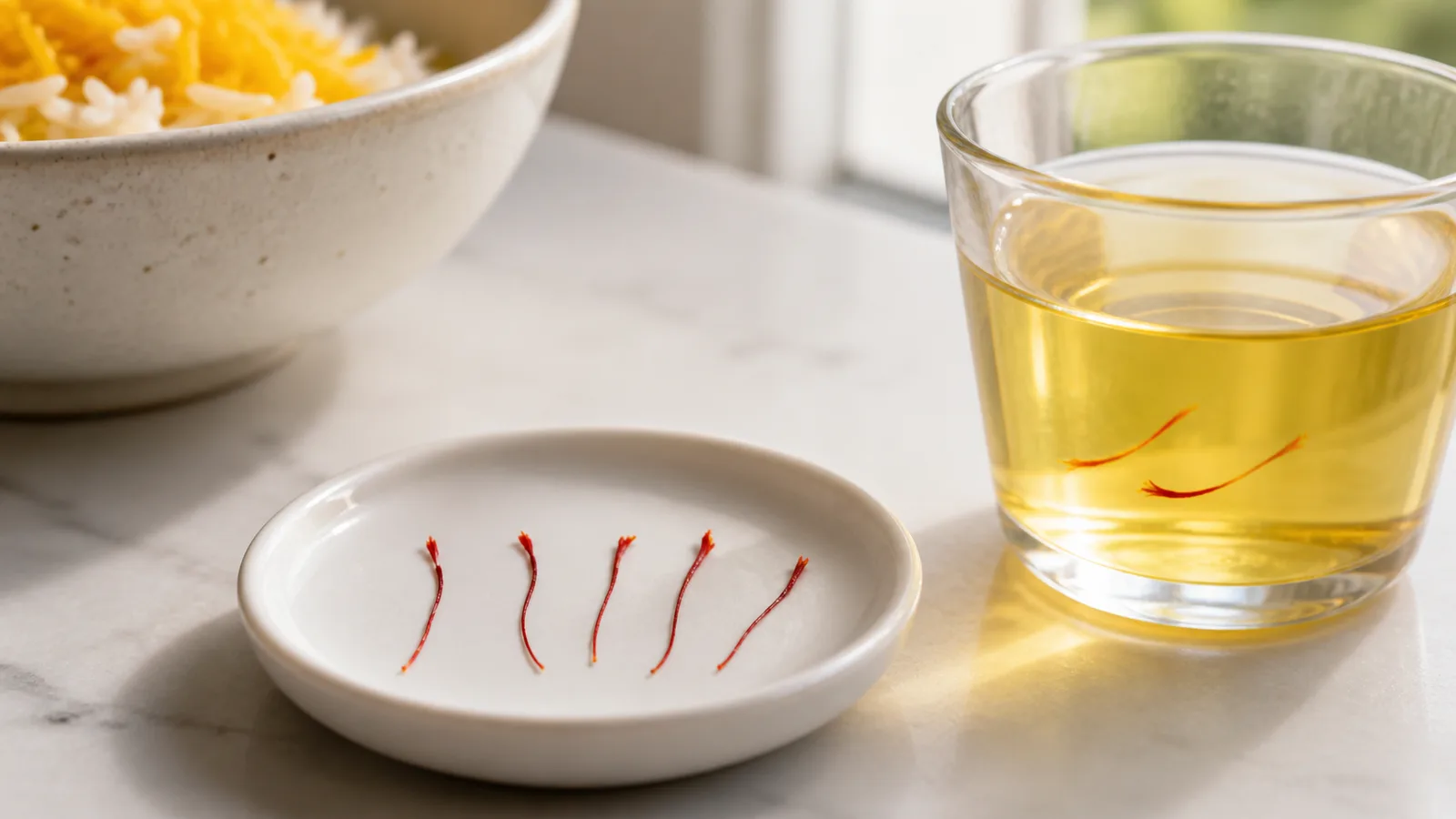
Whole saffron threads can keep good cooking quality for about two to three years when they are dry, tightly sealed and protected from light and heat. That is a quality window, not a universal safety deadline. A poorly closed jar may fade much sooner, while a well-kept batch can remain usable after its aroma has begun to soften.
Saffron Shelf Life
Saffron shelf life depends less on a single printed date than on the form of the spice and the way it has been handled. Whole threads normally hold their character better than powder because less surface area is exposed to air. Once saffron is ground or brewed, it should not be expected to last as long as dry, intact threads.
For practical kitchen planning:
- Whole dry threads: aim to use them within two to three years for their best color, aroma and flavor.
- Ground saffron: buy a small quantity and use it sooner, since powder is more exposed and harder to assess.
- Prepared saffron water: refrigerate it promptly in a clean, sealed container and use it as a short-lived food preparation, not as a pantry product.
Follow the package’s best-before guidance when it is available. If the producer provides a harvest or packing date, that gives more context than a jar with no date at all.
Does Saffron Expire?
Dry saffron usually loses quality gradually rather than changing from perfect to unusable on one day. Its color may release more weakly, the fragrance may become flatter and a familiar recipe may need more threads to achieve the same result.
A best-before date normally speaks to expected quality. It should not override visible evidence of damage. Saffron that is damp, moldy, contaminated by insects or carrying an unfamiliar musty or rancid odor should be discarded, whatever date appears on the package.
How Storage Affects Saffron
Light, heat, air and moisture are the main household storage problems. Saffron’s color and sensory character come from compounds that change over time. A study of saffron’s volatile compounds after one year of storage found meaningful changes in its aroma profile, which is why age and conditions matter even when the threads still look acceptable.
Light
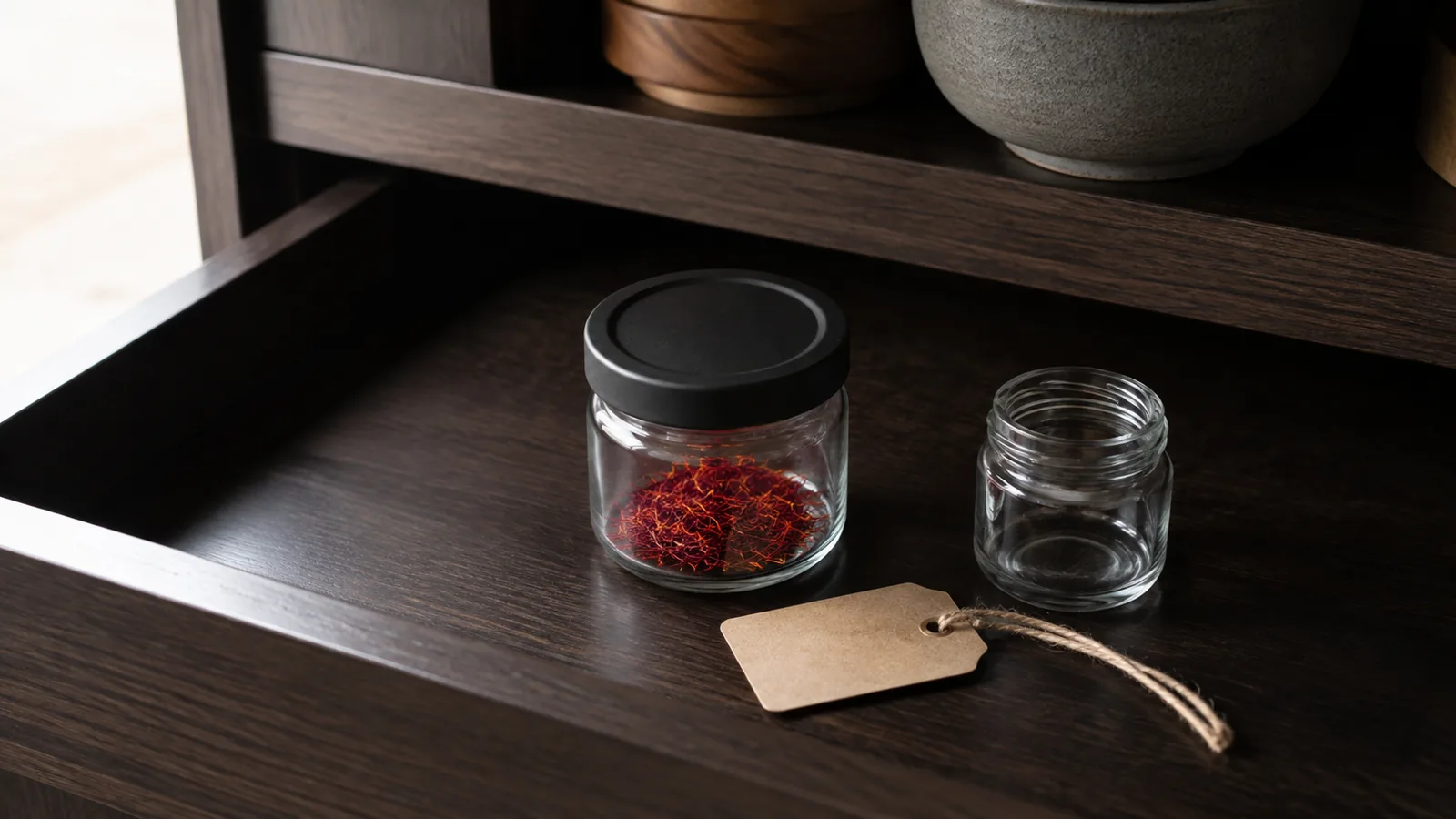
Direct sunlight and bright counter storage are unnecessary exposure. An opaque container is useful, but a small sealed glass jar inside a closed cupboard also works. Do not leave saffron on a sunny shelf simply because the red threads look attractive.
Heat
Choose a cabinet away from the oven, hob, dishwasher and radiator. The cupboard above a cooker may become hotter than the rest of the kitchen. A stable, cool room-temperature location is usually more practical than moving the jar in and out of cold storage.
Moisture
Dry threads should stay dry. Never reach into the container with a wet spoon, and do not hold the open jar over a steaming pan. Condensation can form when a cold container is opened in a warm kitchen, so refrigeration is not automatically an improvement for a small everyday supply.
Air and Odors
A tight lid limits air exchange and keeps nearby cooking odors away. Saffron is used partly for its delicate aroma; storing it open beside coffee, strong spice blends or cleaning products can spoil the experience even without obvious physical damage.
The Best Container for Saffron
Use a clean, food-safe container that closes firmly. A small glass jar with a tight lid is easy to inspect and clean. Metal tins and suitable opaque containers can work as well. What matters is a good seal, a dry interior and protection from light.
Match the container to the amount. A very large jar holds more air and is opened repeatedly. If you buy in bulk, keep the main supply sealed and decant a small working portion into a second jar. Label it with the purchase or opening date so you do not have to rely on memory.
Should Saffron Be Refrigerated or Frozen?
Most household quantities do not need refrigeration. A cool, dark cupboard with stable conditions avoids condensation and is convenient. If a commercial or bulk quantity must be kept cold, it needs moisture-proof packaging and should reach room temperature before the sealed package is opened.
Freezing is also unnecessary for a small jar used regularly. Each removal creates another opportunity for moisture to enter. Good packaging and sensible buying quantities are simpler protections.
Signs of Expired Saffron
Saffron past its peak may show several quality changes:
- a noticeably weak aroma when a few threads are gently crushed;
- slow or faint color release from a measured warm-water infusion;
- a flat taste compared with the same recipe made previously;
- faded threads or extensive unexplained dust;
- a damaged seal or evidence that moisture entered the package.
Dull color alone does not establish age, and bright red alone does not prove freshness. Artificial coloring can make poor material look vivid. Use aroma, structure, traceability and a controlled infusion together.
How to Check an Older Jar
- Inspect the container for moisture, insects, mold or a broken seal.
- Smell a small pinch away from other strong kitchen aromas.
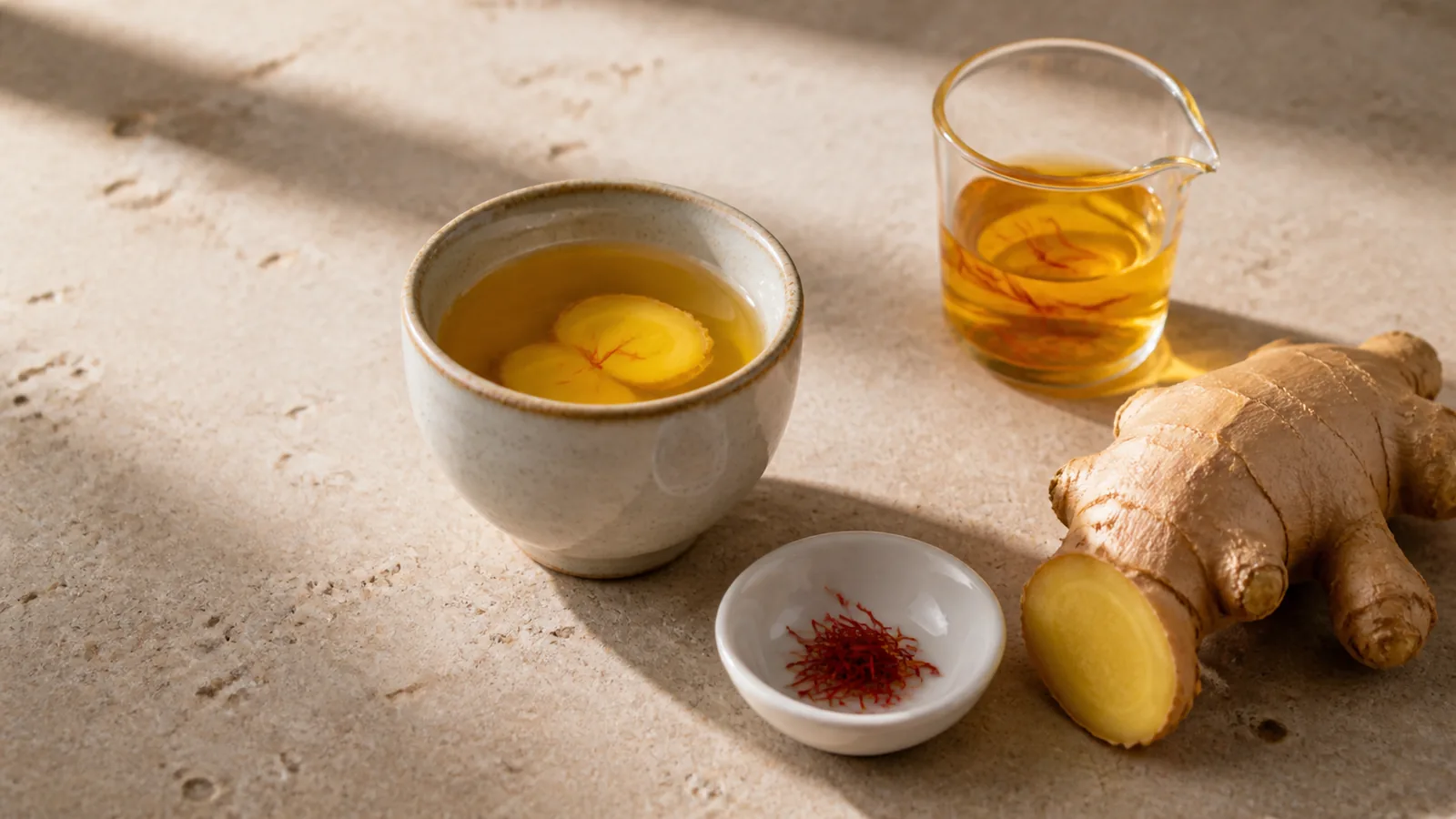
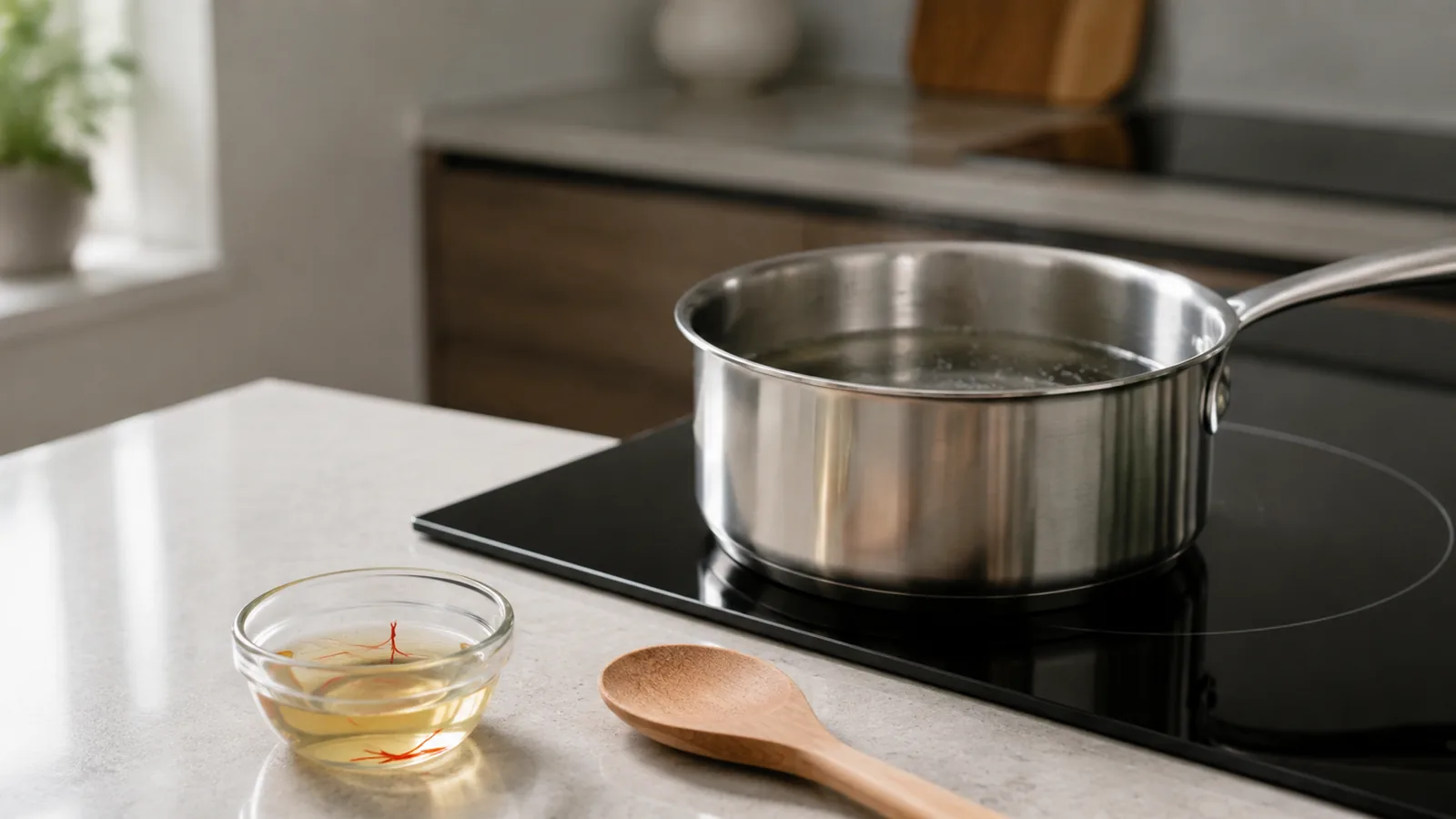
- Crush the same amount you normally use and steep it in warm water.
- Watch for gradual golden color release and taste the cooled infusion.
- Discard it if there is contamination or an abnormal odor; replace it if it is simply too weak to be useful.
The real-saffron identification guide explains why quick home tricks cannot certify purity. Age and authenticity are different questions: old genuine saffron can be weak, while adulterated material can be newly packed.
Buying Quality Saffron
Purchase an amount that suits the way you cook. A smaller fresh package can offer better value than a large bargain jar that sits open for years. Whole threads, a clear net weight, a sound seal, traceable seller information and a packing or best-before date make storage decisions easier.
The all-red saffron collection shows the current thread format. Once opened, keep the product in its sealed container or transfer it immediately to a clean, dry jar.
How Long Does Saffron Last?
For the best kitchen results, plan around a two-to-three-year saffron shelf life for properly stored whole threads and use ground saffron sooner. Keep the jar airtight, cool, dark and dry, and open it only as long as needed.
If the aroma and infusion have weakened, the spice may be past its best even without a dramatic visual change. If it shows moisture, mold, pests or an abnormal odor, do not try to rescue it. Careful storage preserves quality; a simple inspection protects the food you are about to make.