The best “strain” of saffron is not a named country or grade. Culinary saffron is Crocus sativus, a sterile crop propagated by corms rather than a set of conventional seed-bred strains. The highest quality saffron is the batch that is pure, fresh, properly dried and strong in color, aroma and flavor for its intended use.
What Is the Best Strain of Saffron?
In everyday shopping language, people use saffron strain to mean several different things: the plant, its country of origin, the physical cut of the threads, or the commercial grade. Those are separate attributes. Calling Sargol a strain, for example, confuses a thread presentation with plant genetics.
Research on variation within Crocus sativus germplasm describes saffron as a sterile triploid that is propagated vegetatively through corms. Regional planting stocks can show variation, and growing conditions matter, but buyers are not choosing among simple named strains in the way they might choose tomato or wheat cultivars.
Strain, Origin and Grade Are Not the Same
- Species or plant: genuine culinary saffron is Crocus sativus.
- Origin: Iranian, Kashmiri, Afghan, Greek, Spanish and Moroccan describe places of production.
- Thread cut: Negin, Sargol, Pushal and Dasteh describe how much red stigma and pale style remain.
- Quality category: analytical testing can assess characteristics related to color, bitterness, aroma, moisture and foreign material.
The broader guide to saffron types separates these systems. That distinction makes price and quality comparisons much fairer.
What Makes the Highest Quality Saffron?
A good batch begins with clean stigmas harvested and processed promptly. Soil, climate, altitude, crop care and flowering conditions can influence the raw material. After picking, careful separation, drying and storage determine how much of the spice’s character reaches the kitchen.
The visible thread is only part of the evidence. Saffron quality is associated with crocins for color, picrocrocin for characteristic bitterness and aroma-related volatile compounds including safranal. A peer-reviewed review of saffron quality assessment explains why chemical and sensory evaluation is more informative than judging a country name or deep-red photograph.
Purity and recognizable structure
Whole threads should look like plant tissue rather than uniformly cut fibers or powder. The package should not contain unexplained debris, added dye or a misleading amount of other flower parts. Powder can be genuine, but it removes useful visual clues and demands greater trust in the supplier.
Fresh aroma and clean flavor
Good saffron has a complex aroma and a distinctive, slightly bitter flavor. It should not smell musty, damp or flat. Strength declines with poor storage, so harvest or packing information and protection from light, moisture and air are valuable.
Controlled color release
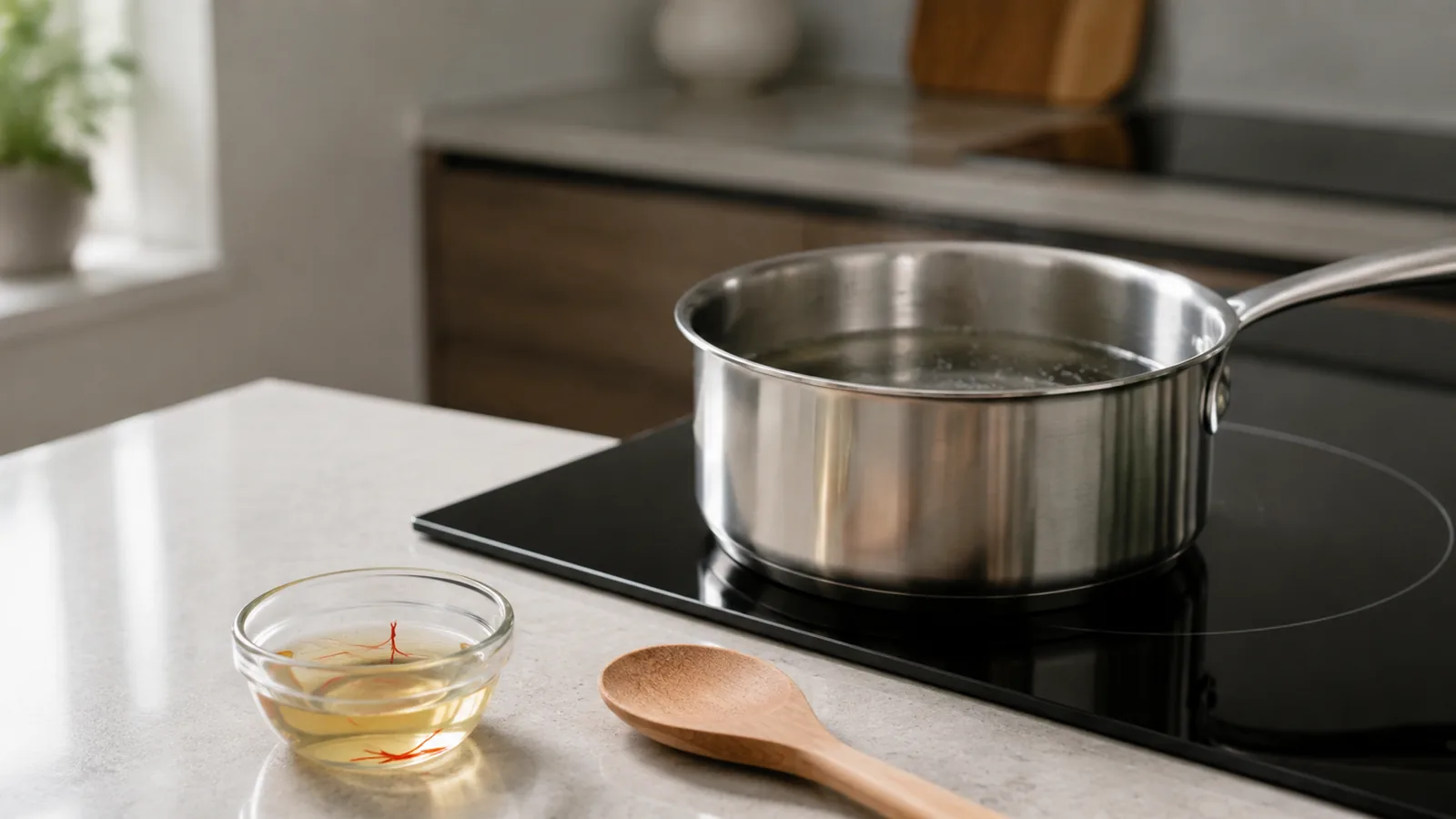
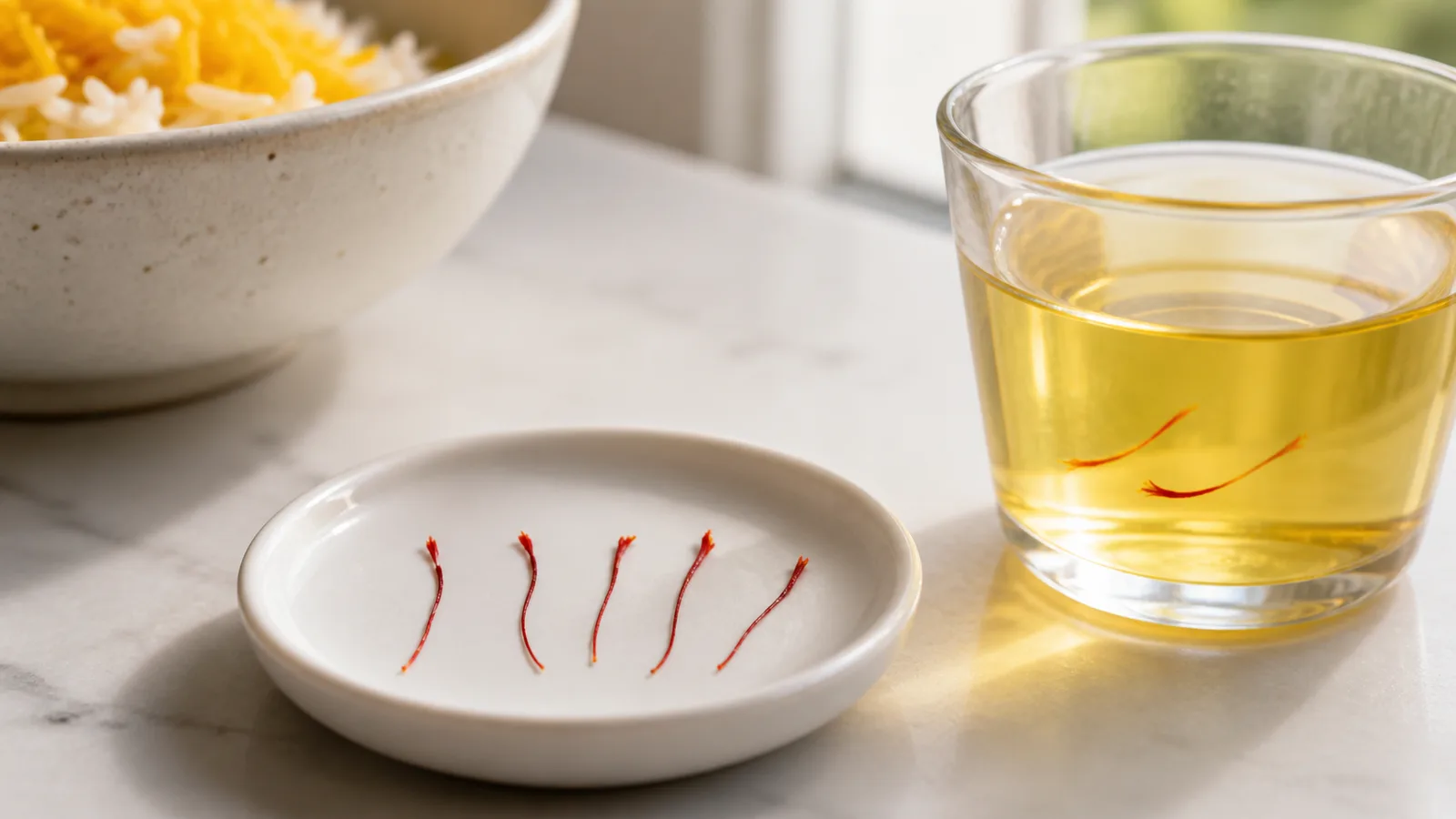
A small, measured amount should produce a clear golden-yellow infusion when bloomed in warm water. Immediate clouds of artificial-looking red are a warning, not proof of potency. Compare samples at equal weight, temperature and infusion time.
Are Sargol and Negin the Best Saffron Strains?
Sargol and Negin are all-red thread presentations, not biological strains. Sargol generally consists of separated red stigma pieces. Negin is selected for longer, well-formed red branches with little or no pale style. Their high proportion of red stigma makes them attractive for many culinary uses, but appearance still cannot guarantee freshness or laboratory quality.
Pushal keeps a small portion of orange-yellow style, while Dasteh or Bunch saffron retains more of the whole stigma-and-style structure. These forms are not automatically inferior in authenticity; they simply contain different proportions of the flower. The saffron grades guide explains the practical differences without treating a grade name as a complete quality verdict.
Iranian Saffron and Kashmiri Saffron
Iranian saffron is produced in a large, established agricultural system and reaches the market in several cuts and grades. Kashmiri saffron comes from a much smaller region with a protected identity and limited supply. Both origins can produce excellent or disappointing batches.
Descriptions such as “strong Iranian” or “delicate Kashmiri” are broad market conventions, not rules for every jar. Drying, age, storage, dose and the individual harvest can outweigh national stereotypes. A buyer should compare traceability and batch evidence before declaring one origin the best.
What About the Best Iranian Saffron Brand?
A search for the best Iranian saffron brand is really a search for consistent sourcing and quality control. A brand may change suppliers or sell several grades, so reputation is useful only when the current package is also documented.
Look for a clear origin, ingredient identity, net weight, batch or packing information, suitable packaging and a realistic explanation of the grade. Be cautious with sellers that offer only superlatives, medicinal promises or an implausibly low price. Use the guide to identifying pure saffron for practical warning signs, while remembering that a home test cannot certify origin or grade.
Choose the Best Saffron for the Job
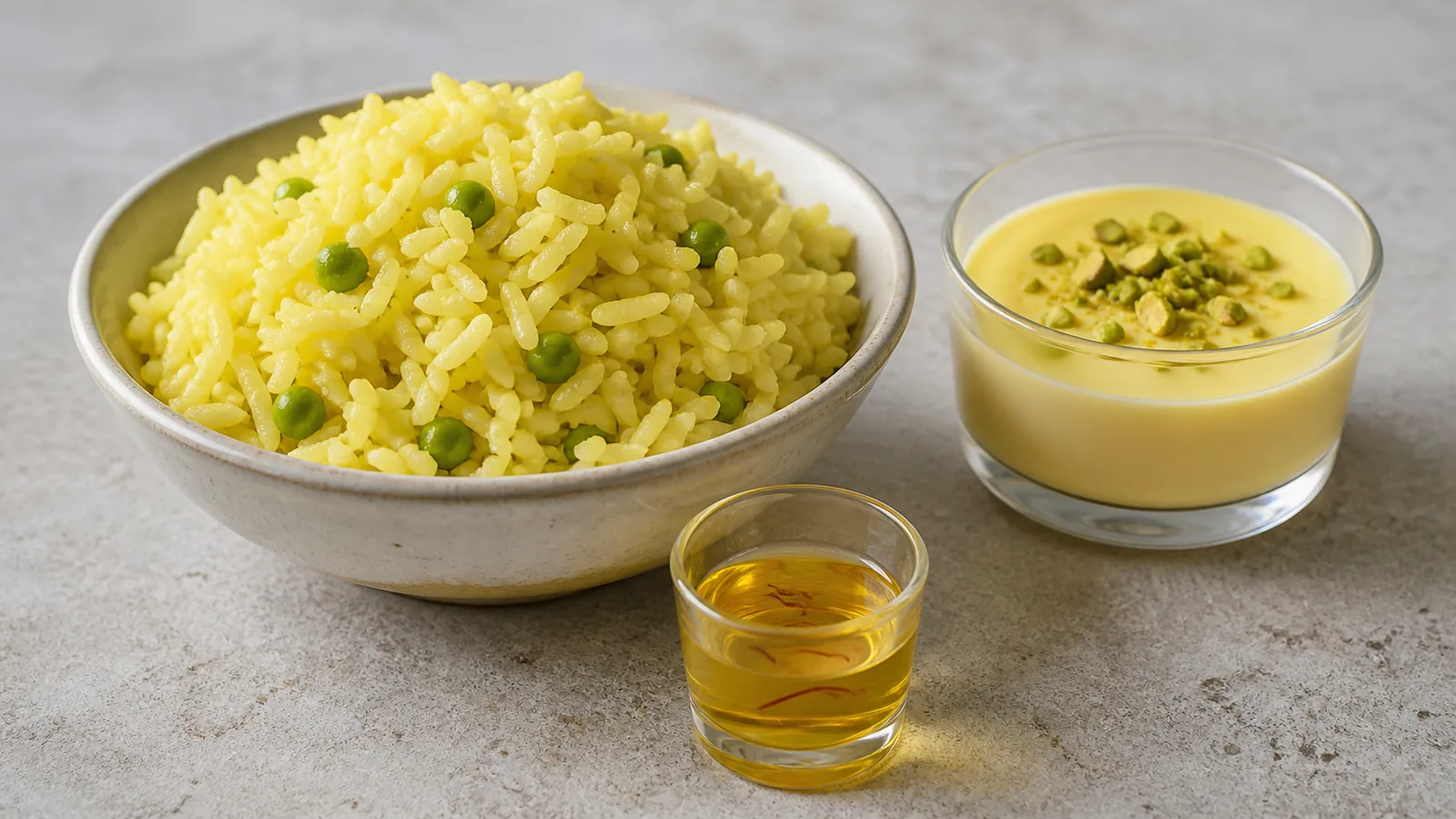
The best choice depends on how you will use it. For rice, desserts, sauces and drinks, begin with a small known weight and bloom it consistently. An all-red, fresh batch can be efficient when strong color and aroma are wanted. A traceable regional saffron may matter more when a dish is tied to a particular tradition.
When comparing products, use this order:
- Confirm that the ingredient is Crocus sativus stigma.
- Verify the stated origin and understand what the grade name means.
- Check freshness, storage, packaging and batch traceability.
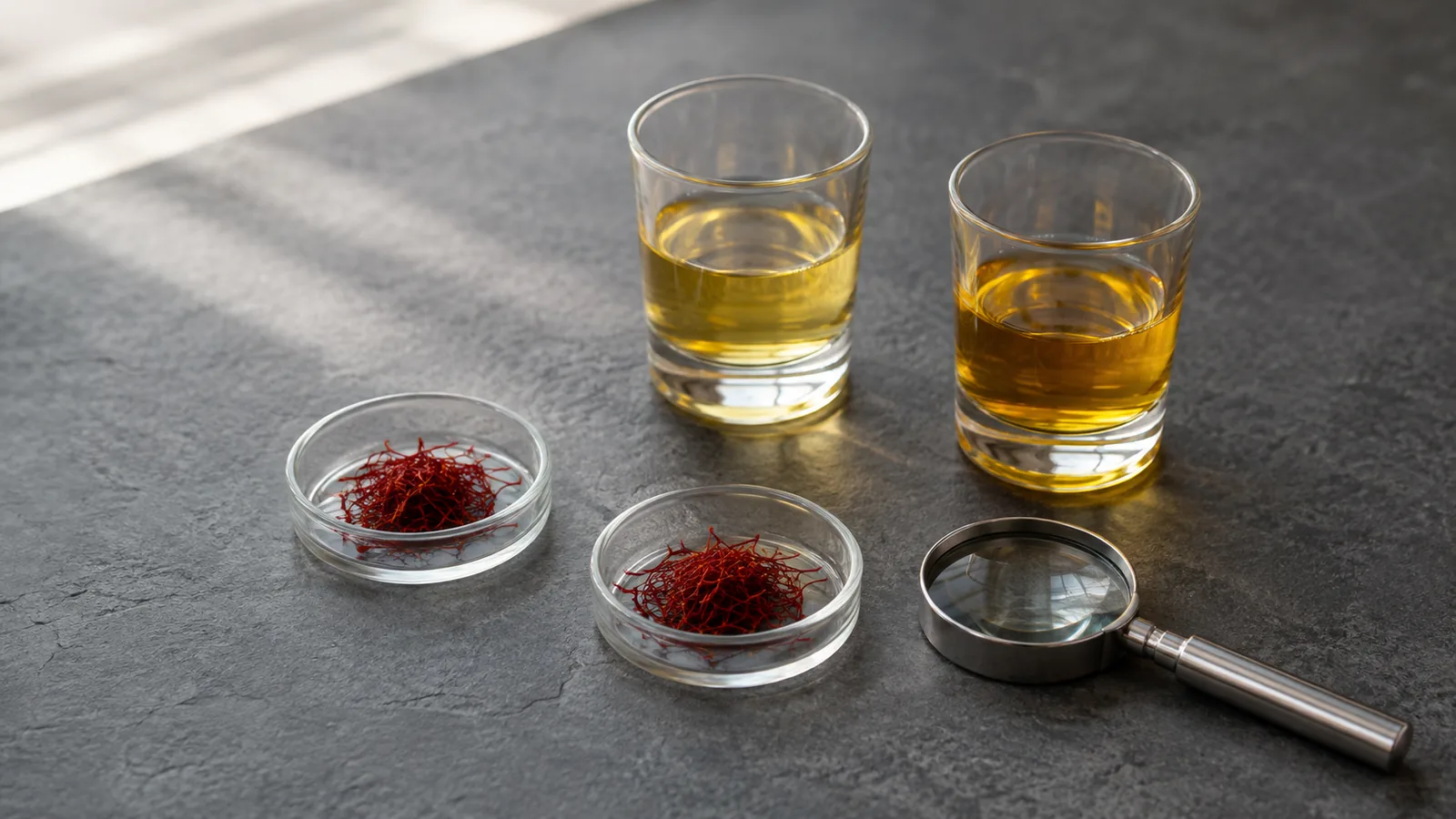
- Compare equal weights and prepare equal-dose infusions.
- Judge performance in the recipe rather than relying on price or prestige alone.
The available saffron products can be compared using the same checklist. A documented, fresh batch that performs well is a better answer than any unsupported claim about the world’s best strain.
The Practical Answer
There is no universally best saffron strain. There is one culinary species, several regional origins, several thread presentations and batches of differing quality. Sargol or Negin may suit a buyer seeking a high red-stigma proportion, but the highest quality saffron is ultimately demonstrated by purity, freshness, traceability and performance.