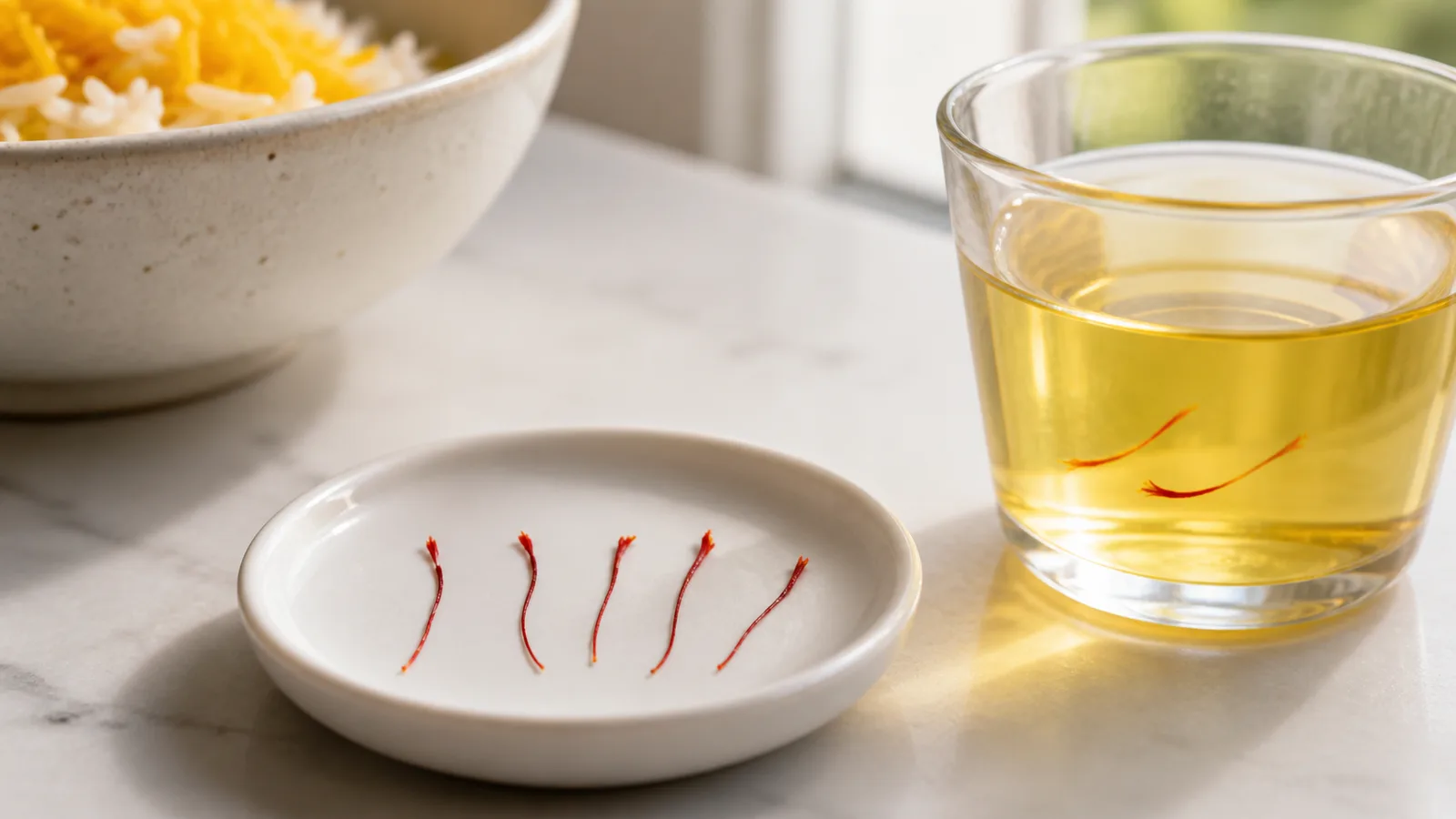
For most cooking, a fresh all-red grade such as Sargol or Negin is a practical premium choice because a high proportion of the package is red stigma. It is not automatically the “best” saffron, though. The right grade depends on purity, batch quality, traceability, price and the way you plan to use it.
Which Grade of Saffron Is Best?
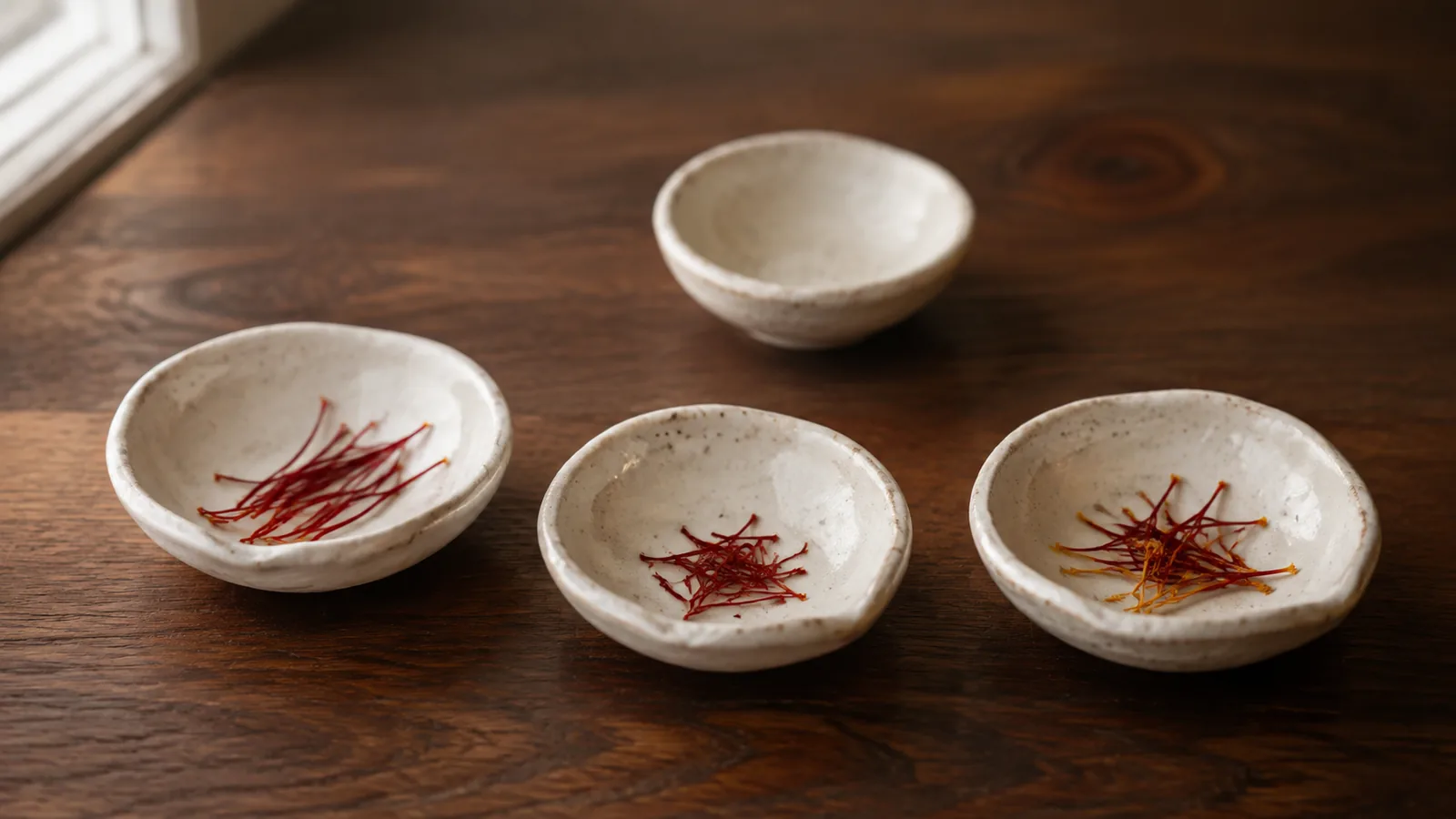
If the goal is a strong, efficient culinary saffron with little pale style, well-documented Sargol or Negin usually makes sense. If you want visible flower structure and a more traditional presentation, Pushal or Dasteh may be preferable. A grade name describes the cut; it does not guarantee freshness, aroma or laboratory performance.
This answer also depends on the grading system. Any saffron grading comparison needs the system named first. Iranian trade names describe thread presentation. ISO-style analytical categories assess characteristics related to color, bitterness, aroma, moisture and foreign matter. Regional protected-origin rules answer a different question again. Comparing all three as though they were one ladder creates confusion.
The Main Iranian Saffron Grades
Negin
Negin is selected for long, well-formed red stigma branches with little or no pale style. Its tidy appearance and high red-stigma proportion can command a premium. Terms such as “Super Negin” are commercial descriptions whose exact meaning may vary between suppliers, so ask for a specification.
Sargol
Sargol consists of separated red stigma pieces without the yellow style. It is easy to measure and can provide excellent color, aroma and flavor. Shorter or broken pieces do not necessarily make it weak; the current batch and its storage matter more than perfect-looking length.
Pushal
Pushal retains red stigma with a small orange-yellow portion of the style. The visible transition shows more of the original flower structure. It has a lower red-stigma proportion by weight than an all-red cut, but a fresh genuine batch may still perform well.
Dasteh or Bunch
Dasteh, also called Bunch saffron, keeps the stigma and a longer part of the style together in a bundled presentation. It is useful when traditional form and traceable flower structure matter. Buyers should compare it with other Dasteh products rather than expecting the same composition as Sargol.
The detailed guide to the four main saffron grades explains these cuts and the extra terms encountered in the market.
Why an All-Red Grade Is Not Automatically Superior
Red stigma contains more of the material associated with saffron’s valued culinary properties than pale style, so red-stigma proportion is meaningful. Yet grade is only one factor. Old, damp or adulterated Sargol is not rescued by its name, and carefully processed Pushal can be more satisfying than a badly stored all-red package.
A peer-reviewed review of saffron quality assessment describes how color, bitterness, aroma, moisture and other characteristics are evaluated. That evidence is more useful than assuming the darkest threads or highest price always win.
Best Saffron Country vs Best Saffron Grade
Country and grade answer different questions. Iran is the largest producer and supplies a broad range of familiar cuts. Kashmir has a limited protected regional identity. Spain and Greece also have protected saffron traditions, while Afghanistan and Morocco produce genuine Crocus sativus.
These top saffron origins and other saffron producing countries can all deliver good batches. Soil, climate, altitude, harvest timing and local technique influence the crop, while drying and storage shape what reaches the buyer. None of those country names replaces a current batch assessment.
The dedicated guide to which country has the best saffron compares origin, scale and protected names without turning nationality into a universal quality score.
What Country Has the Best Saffron?
People ask “best saffron from which country?” and sometimes expect a one-word answer. Iran offers enormous experience, availability and grade choice; Kashmir offers scarce protected-origin saffron; Spain has a strong culinary tradition. The best purchase can come from any of them when the product is genuine, fresh and documented.
Searches for “saffron which country best” often surface confident rankings that mix production volume, reputation and personal taste. Treat them cautiously. The comparison of Kashmiri and Iranian saffron shows why equal-dose tasting and traceability are fairer than national stereotypes.
Is There a Best Saffron in the World?
There is no defensible top-ten ranking for every buyer. Lists of the “best saffron in the world” or “best kesar in world” usually mix brands, countries, grades and protected origins. A brand can also sell multiple qualities or change its source over time.
A better comparison uses the exact product in front of you: ingredient identity, red-stigma proportion, batch documentation, packing date, storage, analytical results where available and performance at an equal dose. The best Iranian saffron brand, for example, is not necessarily the same product in every package or market.
How to Judge a Grade Before Buying
- Read the composition: ask which parts of the stigma and style the stated grade contains.
- Check the ingredient: genuine culinary saffron is Crocus sativus stigma.
- Look for traceability: origin, batch, producer or packer details should support the claim.
- Inspect condition: avoid moisture, mustiness, unexplained debris and artificial-looking color.
- Compare equal weight: a large container can hold very little spice.
- Request relevant testing: a certificate should match the lot being sold.
Which Grade Works Best for Cooking?
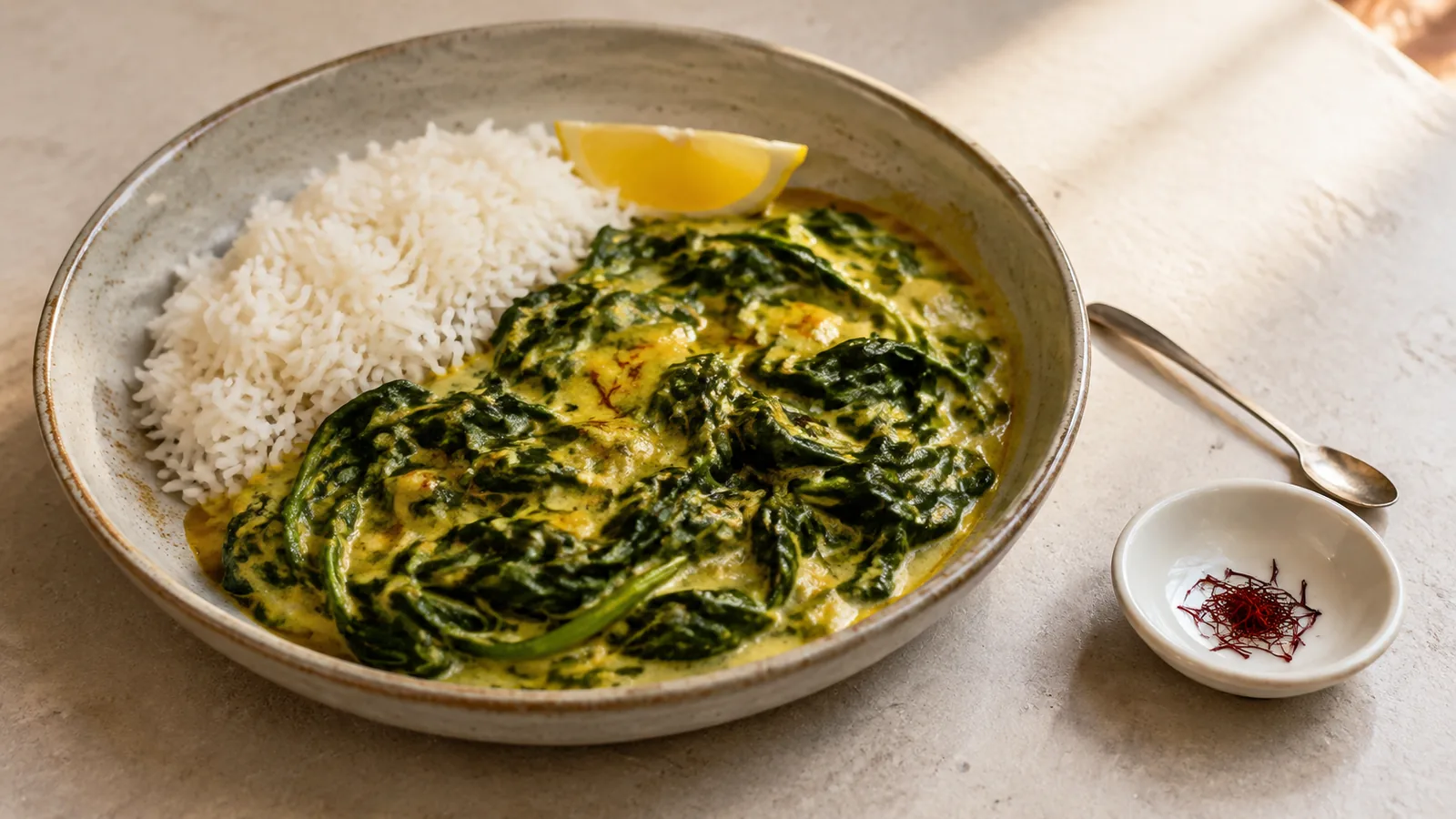
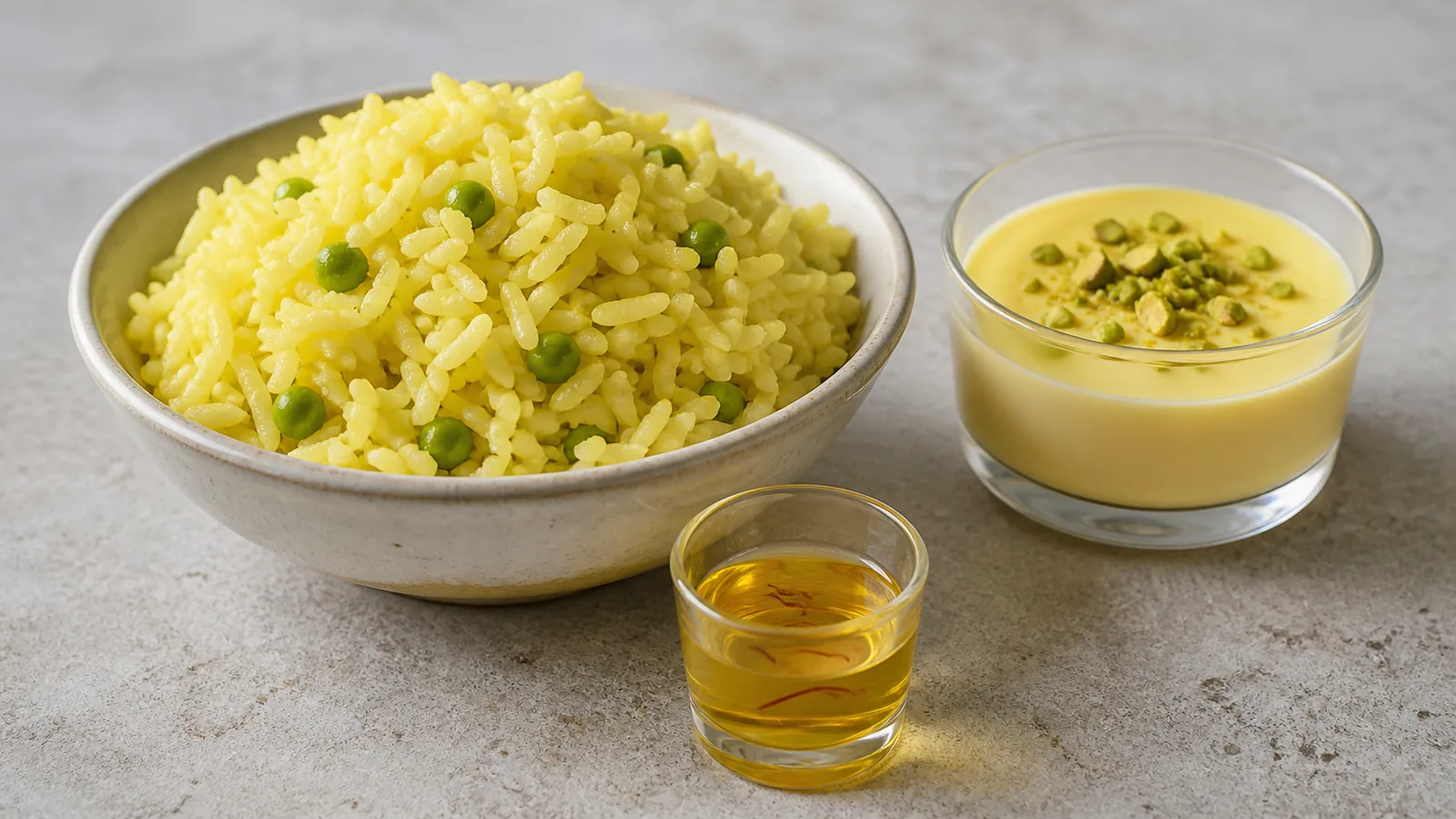
Negin and Sargol are efficient choices for rice, sauces, desserts and drinks when a high proportion of red stigma is wanted. Pushal can suit buyers who prefer recognizable whole-thread structure. Dasteh has a traditional form but includes more style by weight.
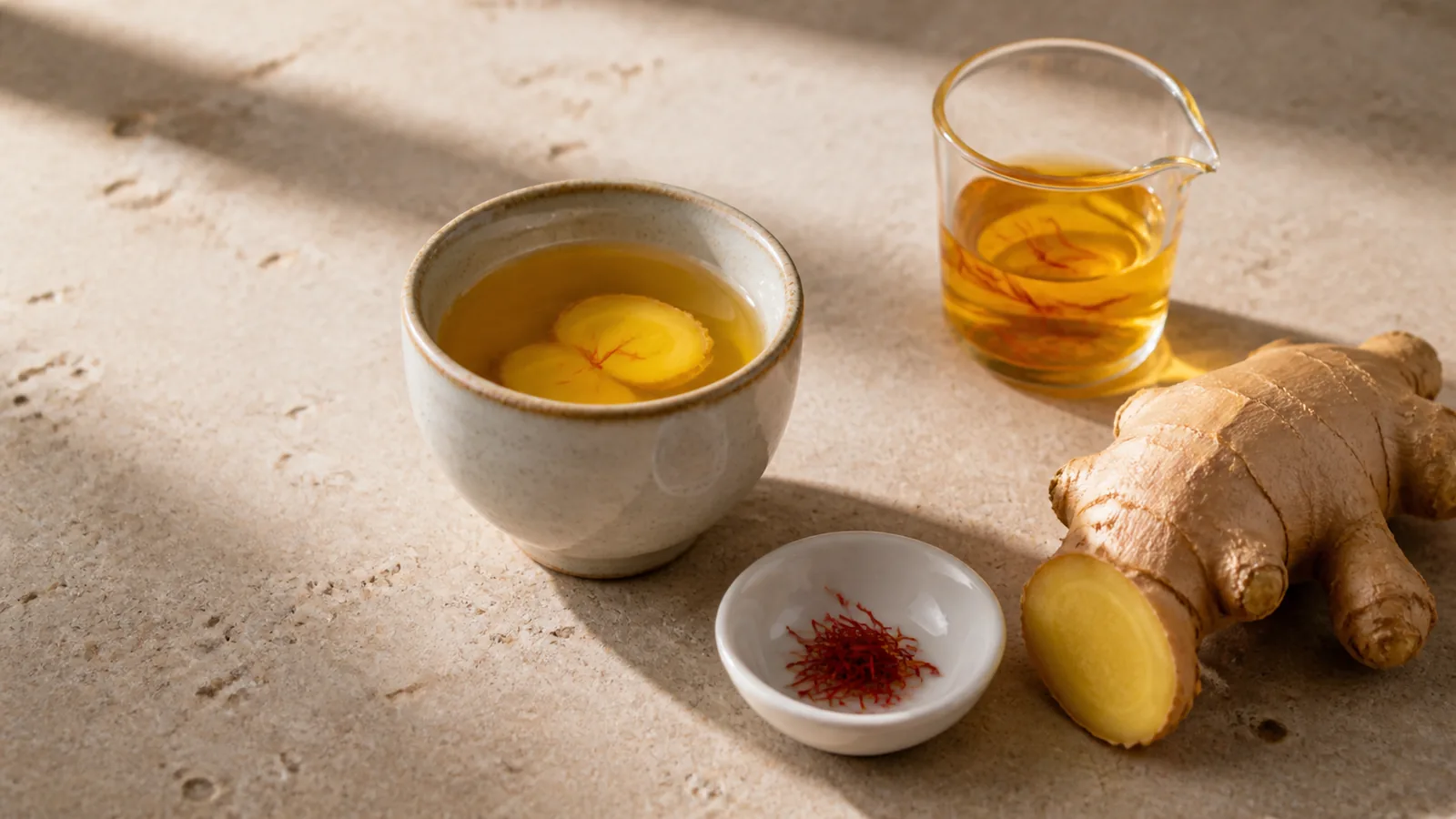
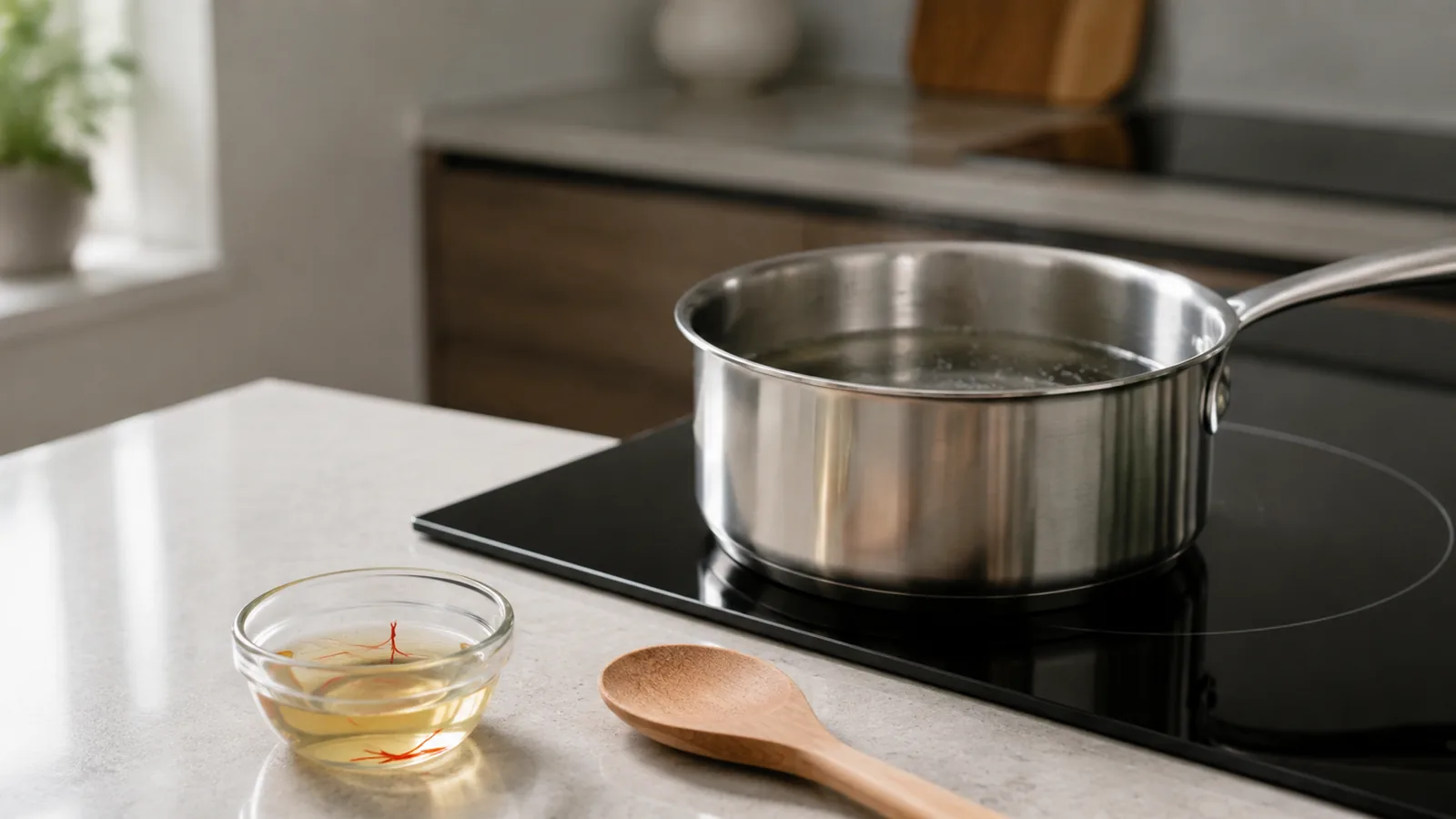
Prepare each grade consistently before deciding. Weigh a small amount, crush it lightly if the recipe calls for even distribution, and bloom it in warm water for the same length of time. Compare the clear golden color, aroma and flavor rather than using an uneven pinch.
The Best Grade Is the Best-Documented Batch for Your Use
Sargol or Negin is often the straightforward answer for a premium all-red cooking grade. The more accurate answer is conditional: choose a pure, fresh, traceable batch whose grade is clearly defined and whose performance suits the dish. Origin, prestige and price can inform that decision, but none should make it for you.