No country produces the best saffron in every batch. Iran is usually the most practical source for range, availability and value; Kashmir offers scarce protected-origin saffron; Spain has a respected culinary tradition and protected regional products. Buy the origin that suits your use, but judge the actual package by purity, freshness and traceability.
Top Saffron Sources: A Buyer’s Answer
Country matters because soil, climate, altitude, harvest timing and local processing shape the crop. It does not settle quality on its own. Saffron is traded through long supply chains, and the place where a jar is packed or sold may not be where the flowers were grown.
For a useful comparison of top saffron sources, look at five things together: genuine origin, thread presentation, batch quality, storage and seller documentation. A famous place name without evidence is weaker than a clearly identified lot from a less celebrated producer.
Iran: Broad Choice and Reliable Availability
Iran is the world’s largest saffron producer and supplies a wide range of cuts, grades and package sizes. The Food and Agriculture Organization’s account of Iran’s qanat-based saffron farming system documents a long cultivation tradition adapted to an arid landscape.
Buyers commonly encounter Iranian Negin, Sargol, Pushal and Dasteh. Sargol and Negin have a high proportion of red stigma and can be efficient for cooking, but those trade names do not guarantee the condition of an individual batch. Ask which grade definition the seller uses and whether the batch information supports it.
Kashmir: Limited Protected-Origin Supply
Kashmir Saffron is registered in India as a geographical indication. The official Geographical Indications Registry entry connects the protected name with its defined regional identity.
Authentic supply is limited, which can increase price and make traceability especially important. The regional name is valuable, but it also attracts vague or unsupported marketing. A buyer should expect a credible origin trail rather than relying on dark-red threads or a premium price as proof.
Spain: Culinary Tradition and Protected Regions
Spanish saffron is closely associated with rice dishes and regional cooking. Protected names such as La Mancha come with defined product rules. An official European Union publication for Azafrán de La Mancha documents a regional product rather than a universal quality ranking for everything packed in Spain.
Read the origin statement carefully. “Packed in Spain” does not necessarily mean “grown in Spain,” and a Spanish-language label is not proof of geographical origin. If regional authenticity matters to the recipe or purchase, look for the appropriate protected designation and lot details.
Afghanistan, Greece and Morocco
These countries also produce genuine Crocus sativus saffron. Greece has protected regional traditions, Morocco is known for production around Taliouine, and Afghan growers supply export markets. Availability varies by location, but the same buying rules apply: verify origin, grade, batch and storage.
A smaller or emerging source is not automatically lower quality. It may simply lack the production scale or international name recognition of Iran, Kashmir or Spain.
Where Does the Best Saffron Come From?
The most honest answer is that excellent saffron can come from several regions. Iran is hard to match for depth of supply and grade choice. Kashmir offers a distinct protected regional product. Spanish saffron can be a strong fit for buyers seeking a specific culinary tradition. The best jar still depends on the harvest and handling after the flowers leave the field.
The fuller guide to which country has the best saffron compares production scale, protected names and batch quality. For a direct regional comparison, read about Kashmiri and Iranian saffron.
How Origin Can Affect Cooking
Origin descriptions often use words such as strong, sweet, earthy or delicate. Treat these as broad tasting conventions, not rules. Drying, age, storage and dose can change aroma and flavor more than the country printed on the package.
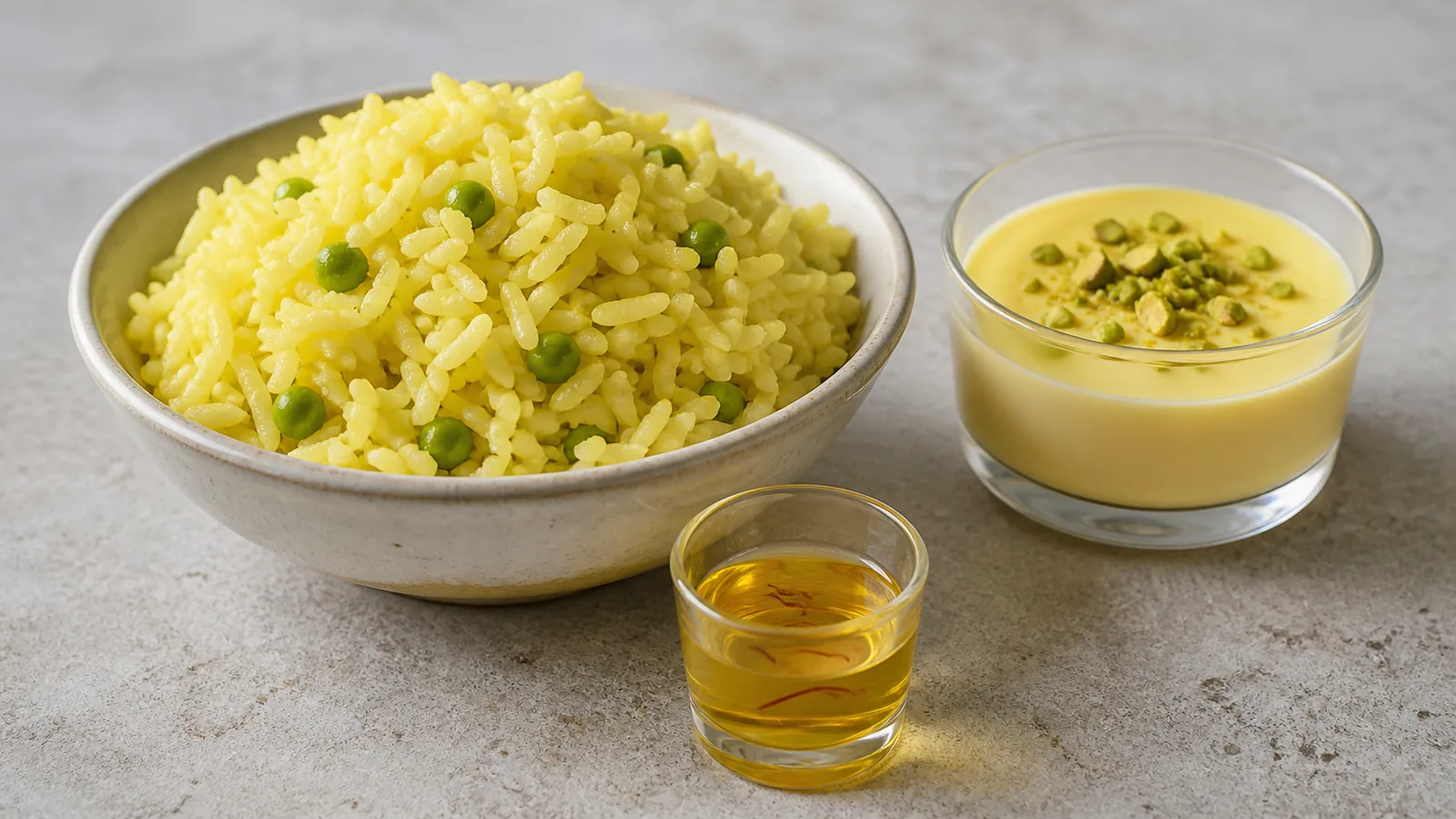
- Everyday rice, sauces and desserts: a fresh, traceable Iranian all-red grade is widely available and easy to measure.
- A recipe tied to a regional tradition: saffron from that protected region can add cultural context.
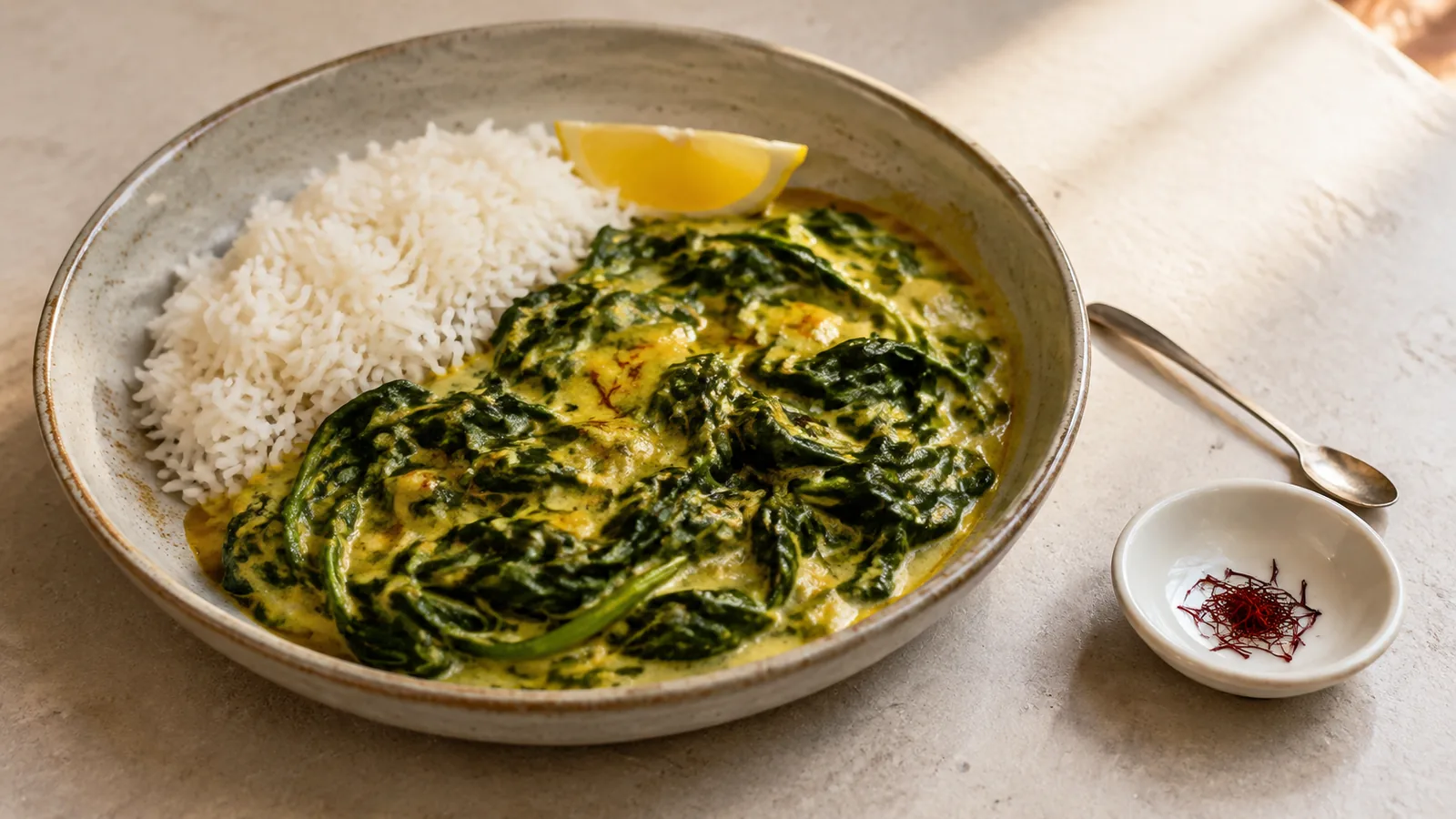
- Paella and Spanish dishes: documented Spanish origin may matter to the cook, but genuine saffron from another origin still provides color and aroma.
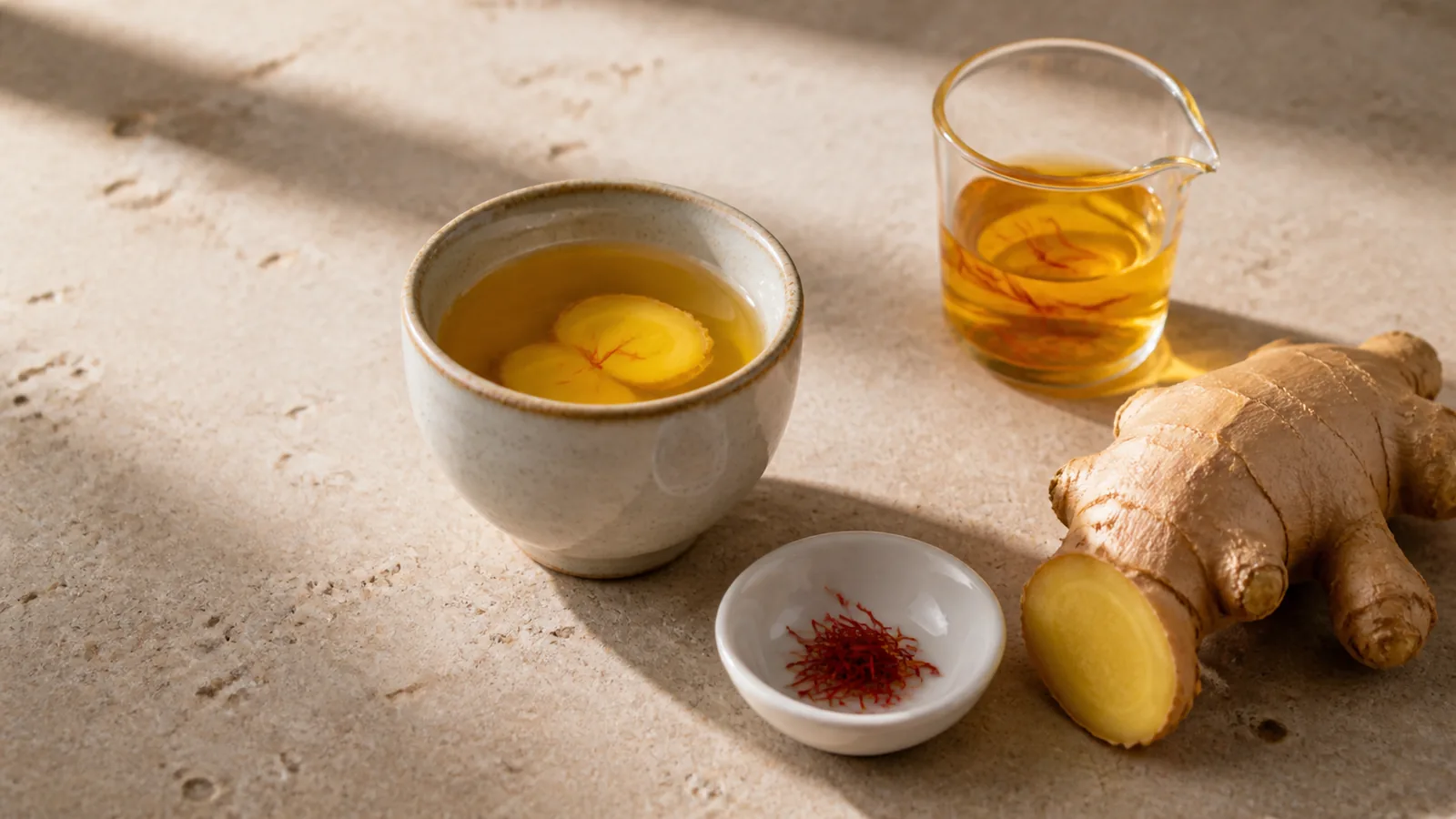
- Tea and drinks: choose a clean fresh batch and control the dose; country alone does not make it suitable.
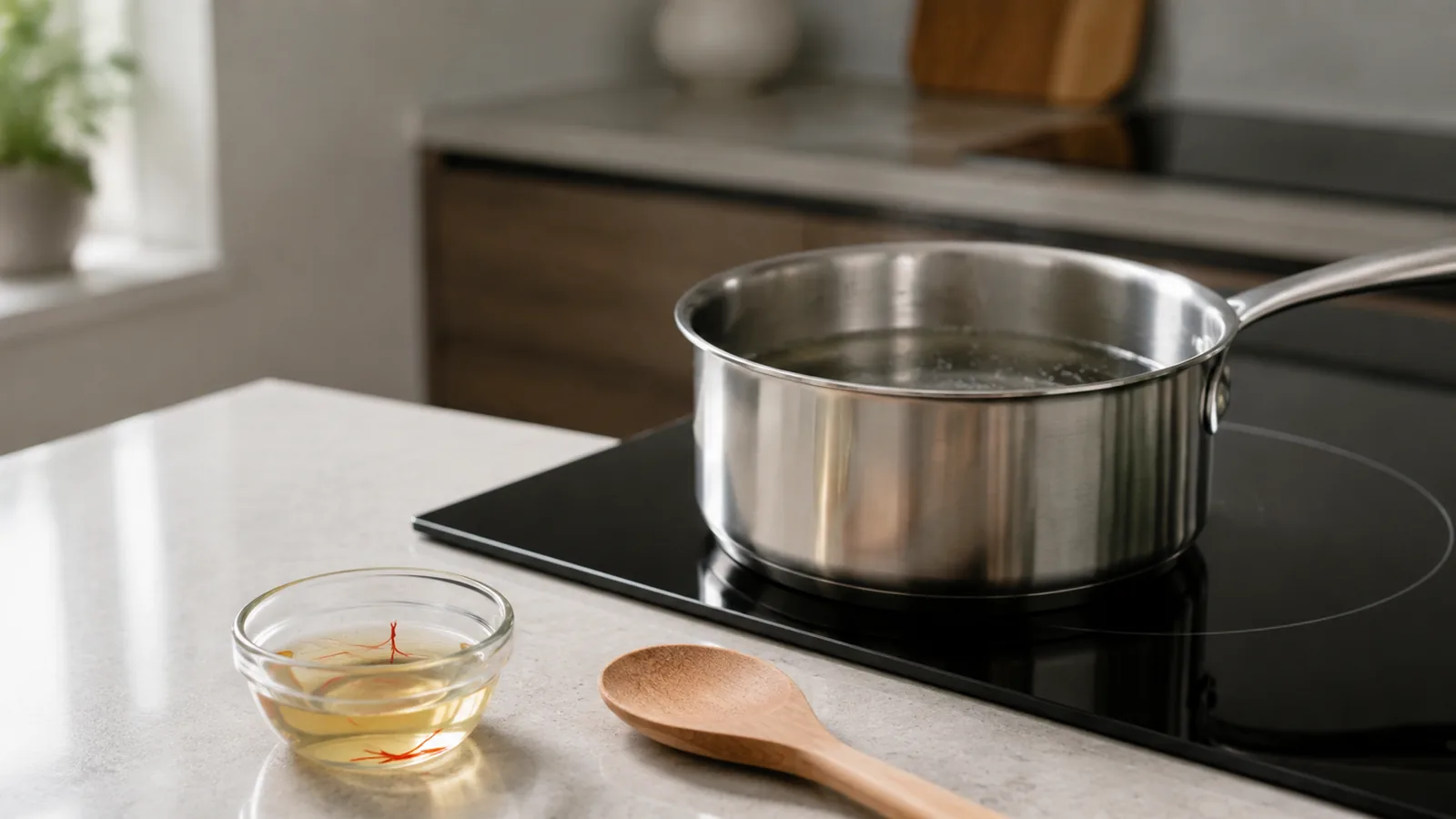
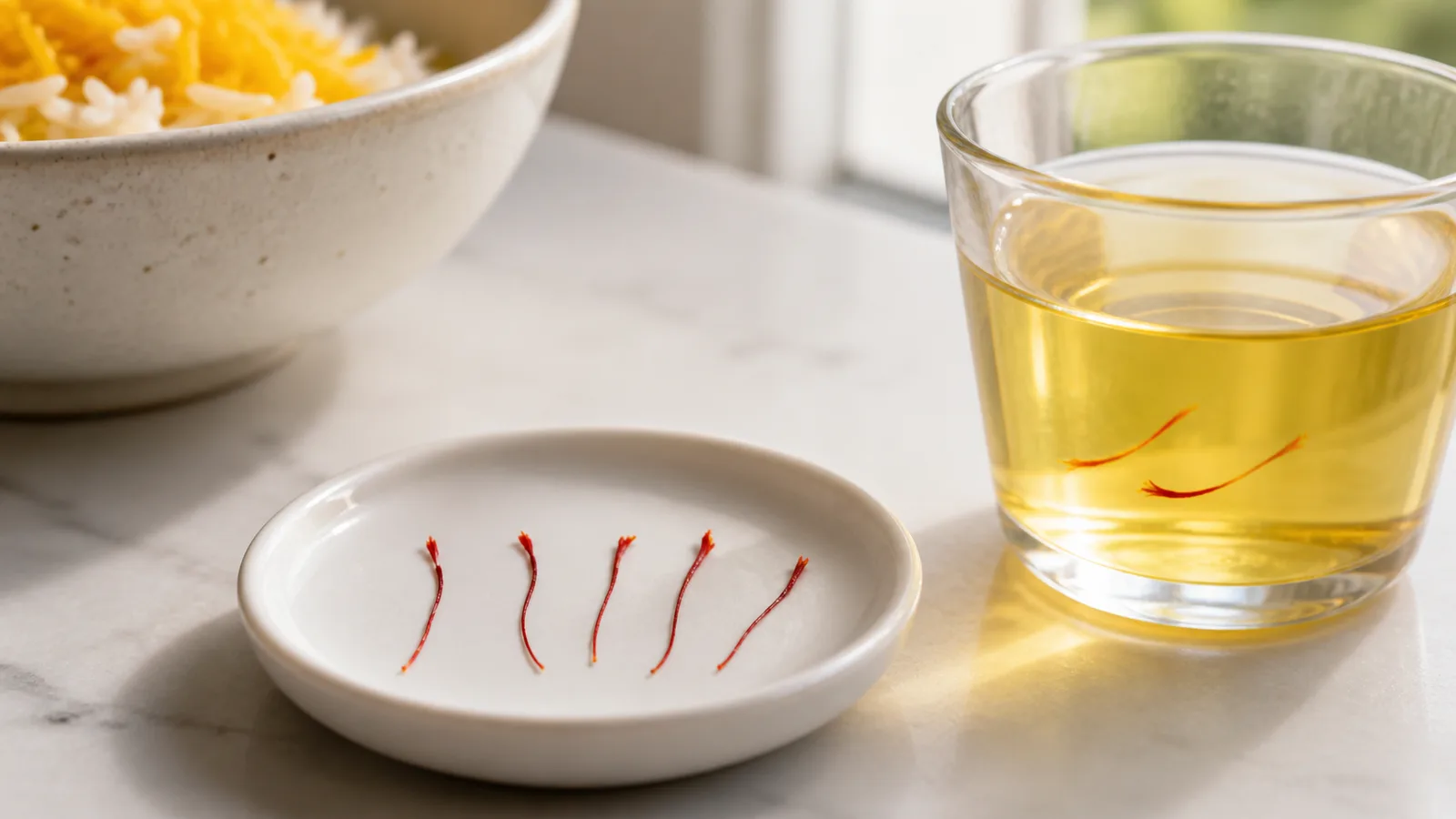
When comparing samples, infuse equal weights in equal volumes of warm water for the same time. Look for a clear golden-yellow color and a clean complex aroma. A peer-reviewed review of saffron quality assessment explains why chemical and sensory evidence extends beyond origin and appearance.
How to Verify a Saffron Source
- Confirm that the ingredient is saffron stigma from Crocus sativus.
- Distinguish country of cultivation from country of packing.
- Check what the grade name means and how much pale style is included.
- Look for a batch, producer, packer or certification trail.
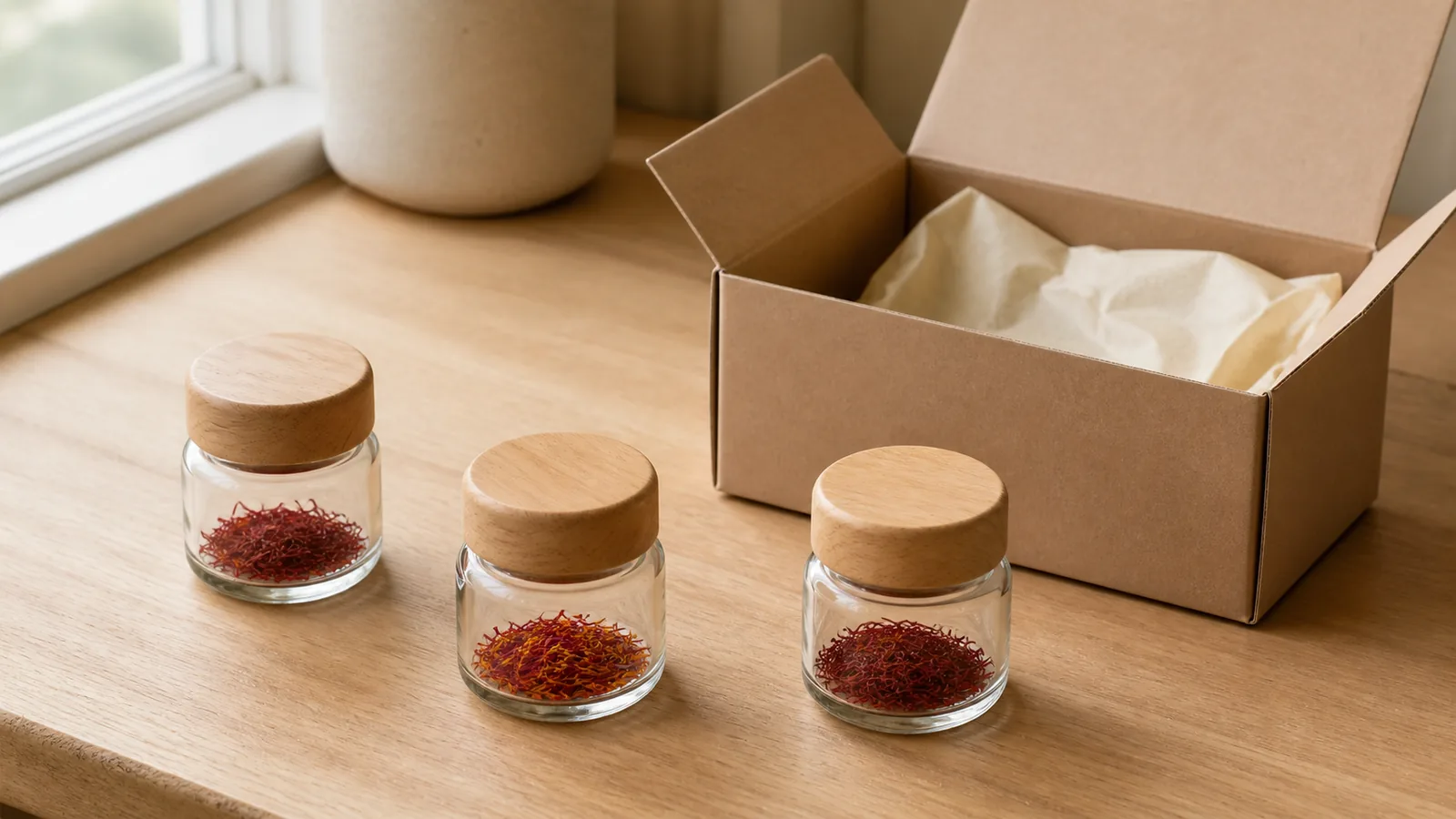
- Choose packaging that protects the threads from light, moisture and air.
- Be cautious with implausibly low prices, cure claims and unsupported “world’s best” labels.
The guide to identifying pure saffron covers practical warning signs. Home checks can reveal obvious problems, but they cannot certify country of origin or detect every adulterant.
Choosing a Seller Matters as Much as Choosing a Country
A reputable seller should describe the product accurately, answer where it was grown and explain the thread cut. Current batch evidence is more useful than a generic certificate or a claim that every product from one country has unmatched color, aroma and flavor.
Compare equal net weights and equivalent grades. Check return and contact information, especially when buying online. A lower price can be fair when the supply chain is efficient; a high price can reflect scarcity or packaging rather than stronger saffron.
Where to Buy Authentic Saffron
The saffron products page shows the formats currently available. Apply the same checks there or with any supplier: origin, ingredient, grade, batch trail, storage and realistic claims.
For most buyers, a traceable fresh Iranian batch offers the widest choice and practical value. Choose protected Kashmir or Spanish saffron when that origin itself matters. Whichever country you select, the best saffron to buy is the specific batch whose identity and quality are demonstrated rather than merely advertised.