What is the Queen of All Spices?
Small green cardamom is most widely known as the “Queen of Spices.” Saffron is often called red gold and is sometimes given a royal title of its own, which is why the two answers get mixed up online. These names are cultural nicknames, not official grades, but cardamom is the documented answer to the question.
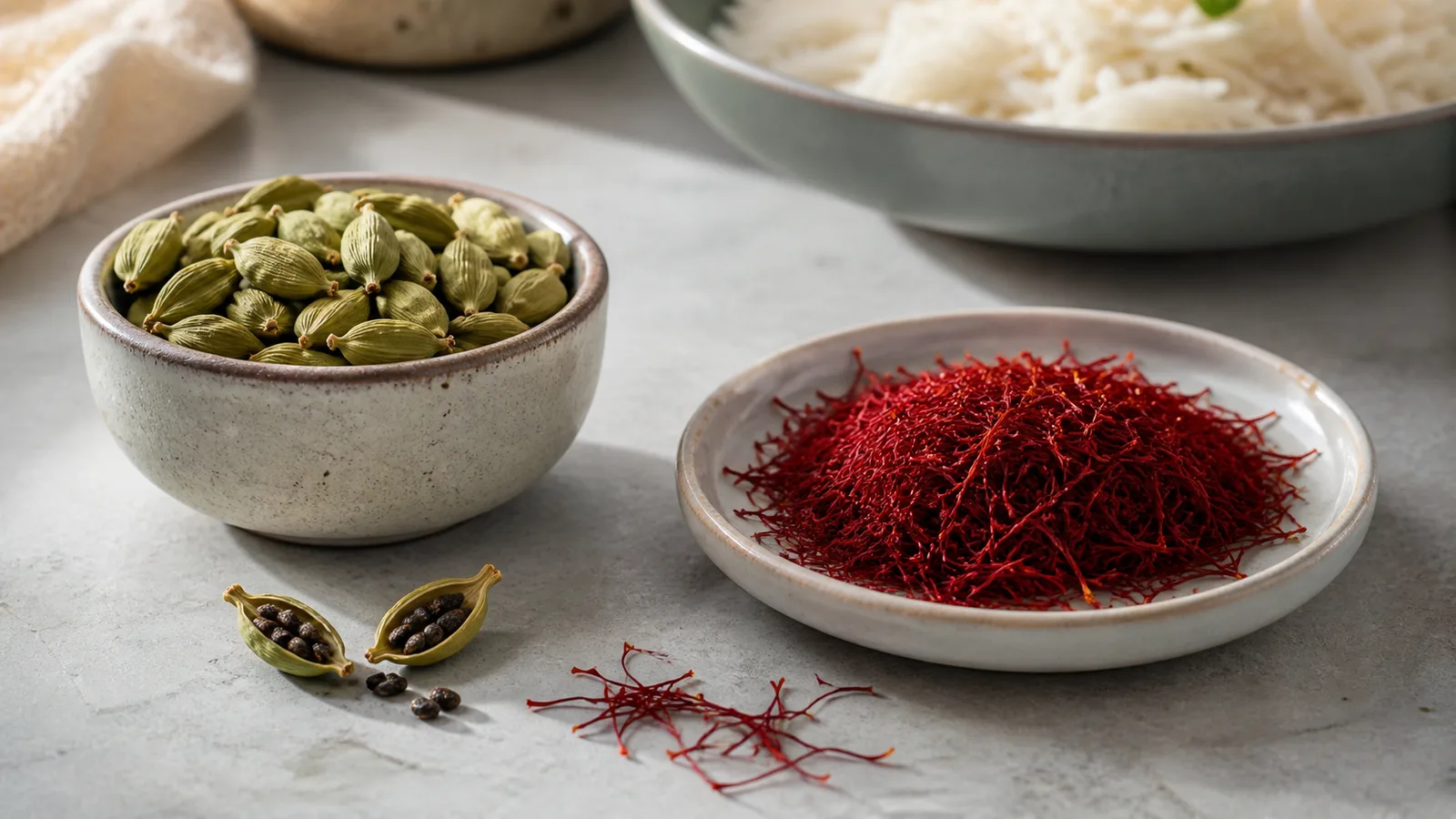
India’s official Spices Board describes small cardamom, Elettaria cardamomum, as the Queen of Spices because of its pleasant aroma and taste. A proposal submitted to the FAO/WHO Codex Committee on Spices and Culinary Herbs uses the same name. Saffron has a different claim to fame: it is the costly red stigma of Crocus sativus, valued for the colour, fragrance and flavour it contributes in minute amounts.
Why is cardamom called the Queen of Spices?
Green cardamom has an unusually layered aroma. Crack a fresh pod and the black seeds inside smell citrusy, resinous, floral and gently eucalyptus-like. That fragrance carries into both sweet and savoury food, from masala chai and coffee to rice, curries, breads and desserts.
The nickname also reflects value and culinary status. Cardamom has long been an important trade spice, and good green pods remain relatively costly because cultivation, picking and curing require care. The “queen” wording is especially well established in Indian spice literature. It is not a worldwide law that ranks one seasoning above every other.
How Do People Harvest Saffron?
Saffron comes from a completely different plant. Each purple saffron flower carries only three red stigmas. Growers pick the flowers and separate those delicate strands by hand, then dry them so their colour and aroma remain usable. The current ISO saffron specification defines the spice as dried material obtained from the pistils of Crocus sativus.
That tiny yield and the amount of skilled hand work explain much of the price. The process makes saffron spice rare and precious, but rarity does not transfer cardamom’s familiar nickname to it. If you want the full production picture, read why saffron is so expensive.
The Culinary Importance of Saffron
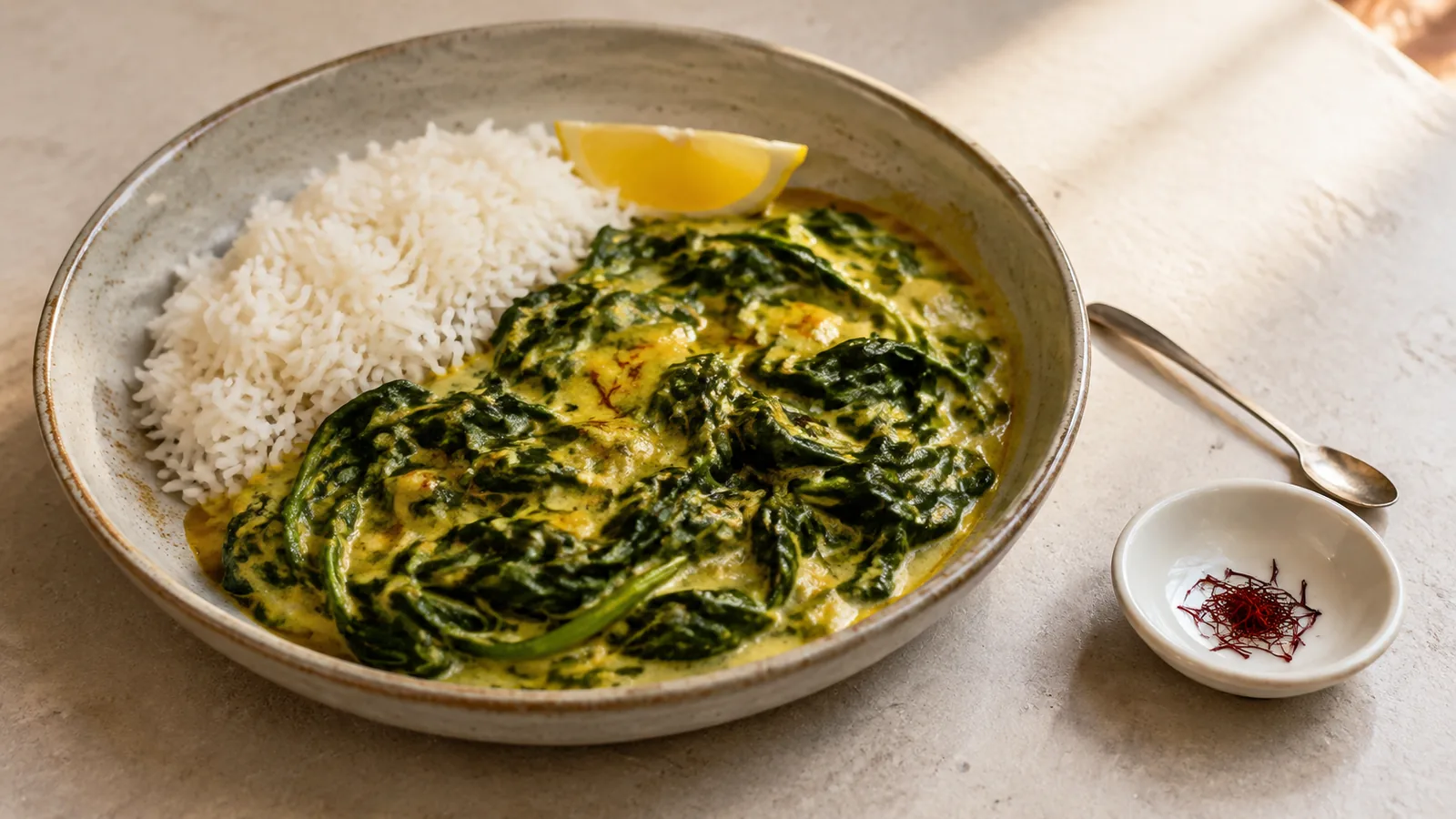
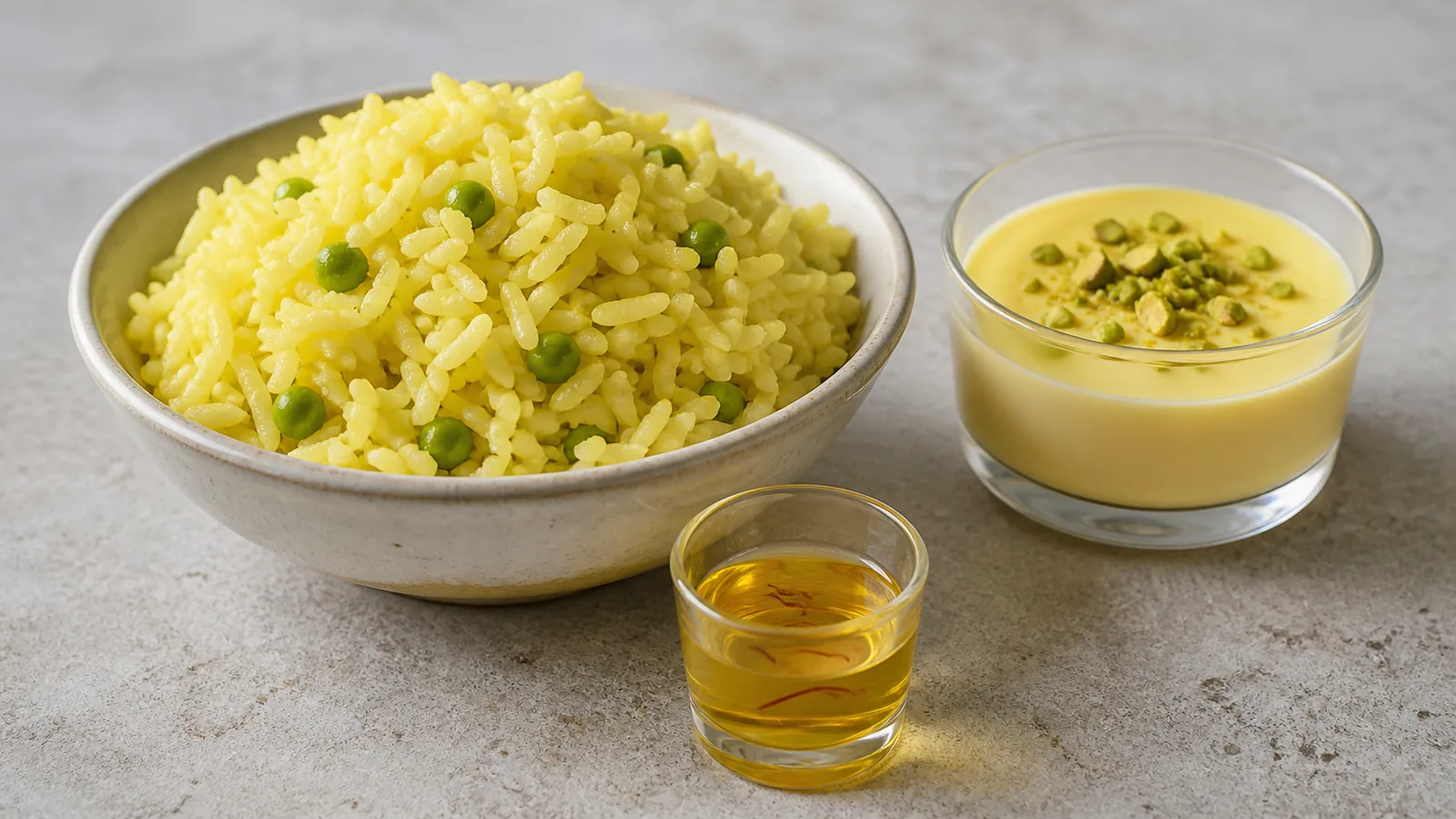
Saffron adds a warm golden colour and an aroma that can seem floral, honeyed, hay-like and faintly earthy. It is not simply a red food dye. Used carefully, it changes the flavour as well as the appearance of Persian rice, Spanish paella, Italian risotto, broths, milk drinks and desserts.
Cardamom behaves differently. Its seeds give a more immediate, cool and highly aromatic spice note. Some recipes use both: cardamom brings perfume and warmth, while saffron colours and rounds out the dish. They complement one another, but one is not a substitute for the other.
Saffron’s Medicinal Benefits
Saffron has a history of traditional use, and modern researchers have studied defined saffron preparations for several health outcomes. That does not make “Queen of Spices” a medical award, nor does it prove that ordinary food use treats depression, anxiety or digestive disease.
Clinical findings depend on the extract, dose, participants and outcome measured. Eating saffron rice is not the same intervention as taking a standardised capsule. Our evidence review of whether saffron is good for health separates promising research from claims that the studies do not establish. Anyone considering a supplement alongside medicines or treatment should discuss the actual product with a qualified professional.
Saffron vs. Other Spices
Spice nicknames overlap because they grew from different languages, regions and trading traditions. Black pepper is commonly called the King of Spices. Small cardamom is the Queen of Spices. Saffron is widely called red gold and is also described as a king—or occasionally a queen—in promotional writing. Turmeric has its own place in food but is neither a cheaper version of saffron nor a reliable flavour replacement.
A practical comparison is more useful than a royal ranking:
- Cardamom: dried seed capsules with a strong, sweet, citrusy-resinous aroma.
- Saffron: dried flower stigmas that provide golden colour and a delicate, distinctive aroma.
- Turmeric: a ground rhizome with an earthy flavour and a bold yellow colour.
- Black pepper: dried berries prized for pungency and heat.
Each earns its place by doing a different job. Price, colour or an old nickname cannot tell a cook which one a recipe needs.
How to Use Saffron in Your Cooking
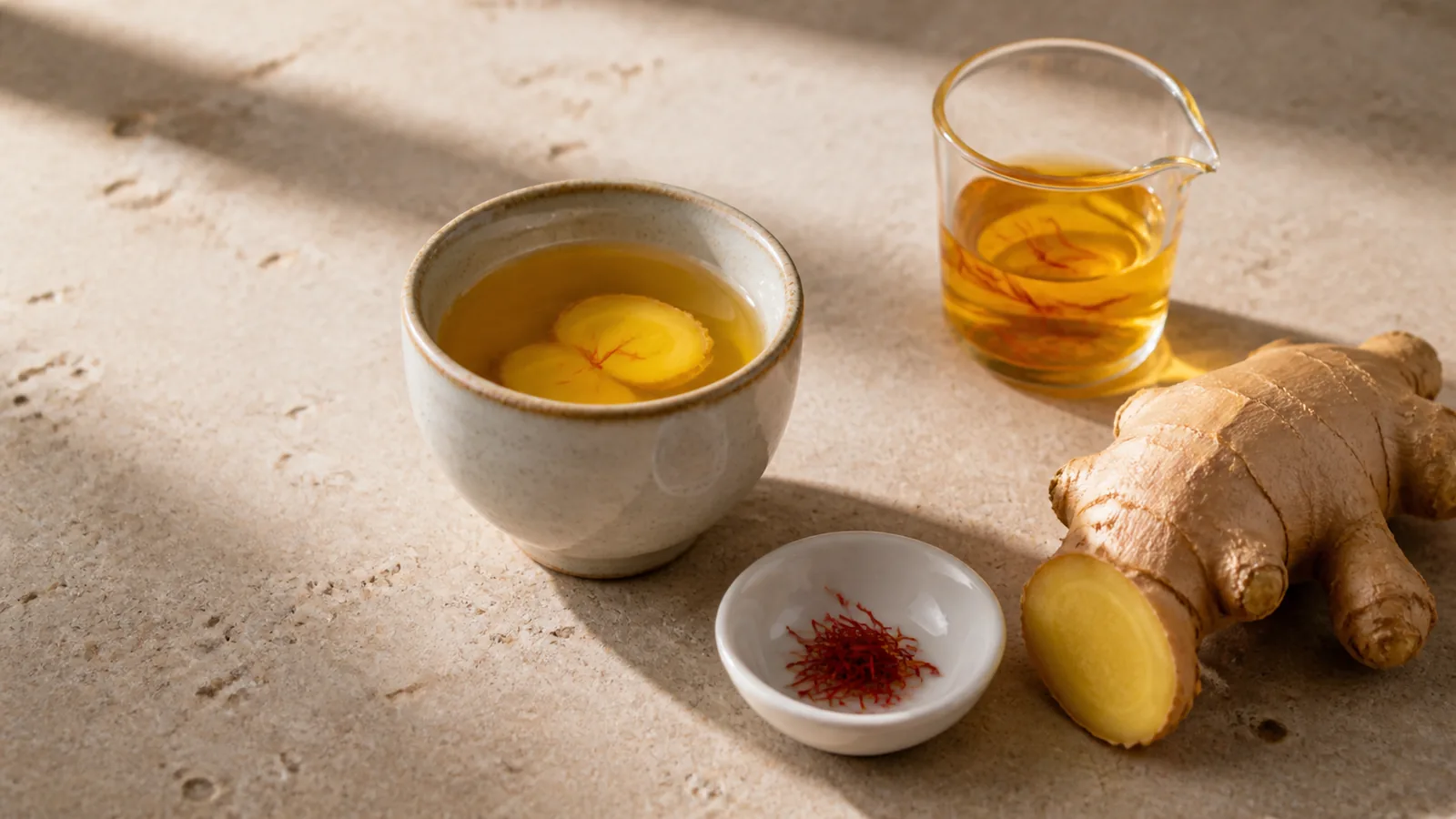
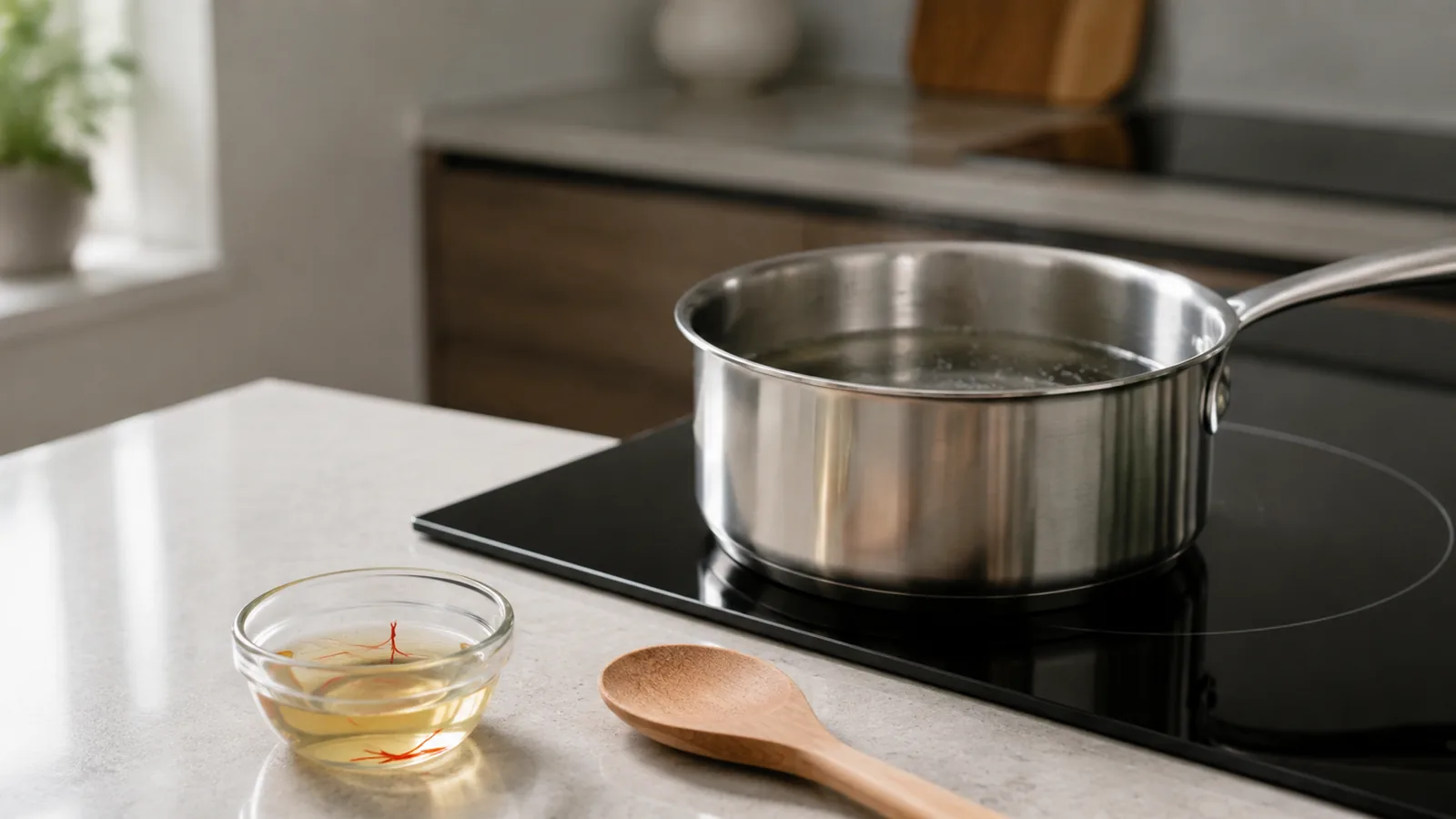
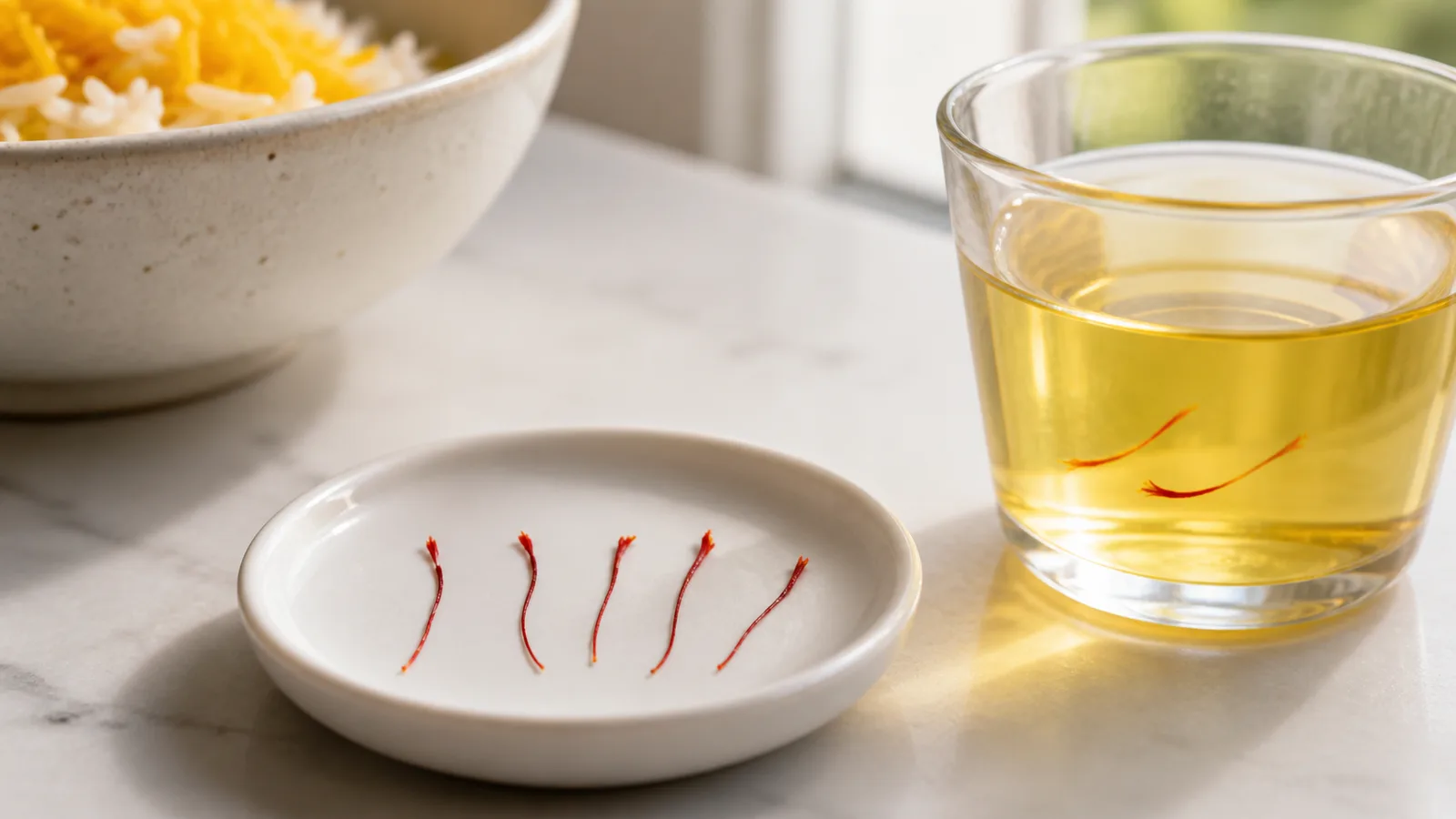
Crush a small pinch of threads lightly, then bloom them in warm—not boiling—water for about 15 to 20 minutes. Add the liquid and threads early enough to distribute them through the dish. Start modestly; too much can turn the flavour bitter or medicinal.
For rice, the right quantity depends on serving size and how pronounced you want the aroma. Our guide to saffron for one cup of rice gives a practical starting range. Store the remaining threads in an airtight container away from heat, light and moisture.
So which spice is the queen?
The clearest answer is small green cardamom. Saffron remains one of the world’s most distinctive and valuable spices, but “red gold” is the nickname more closely tied to it. Knowing the difference is better than forcing two remarkable ingredients into the same crown.