Is Saffron Good for Health?
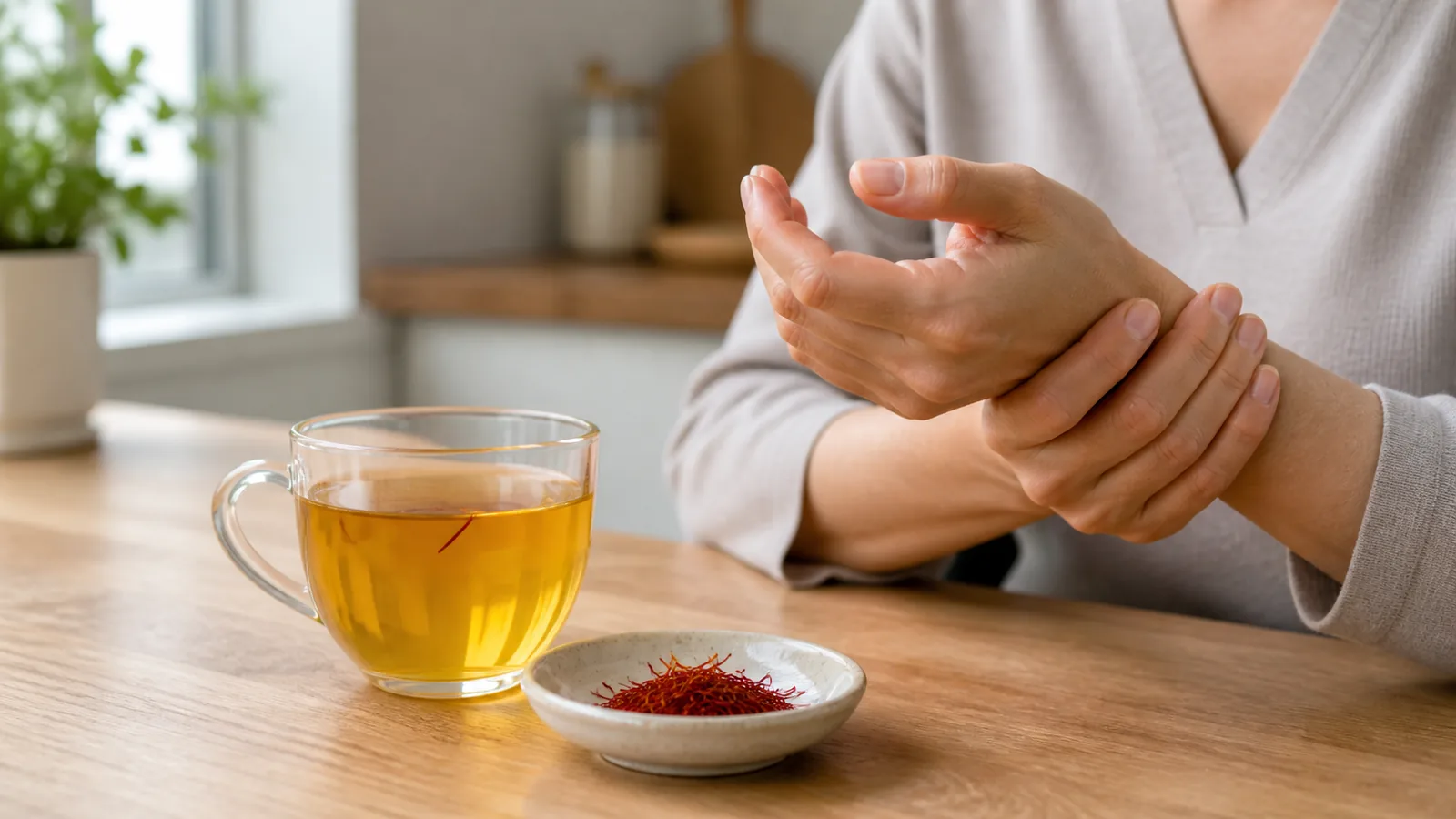
Saffron can be part of a healthy diet, but it is not a health requirement or a proven cure. As a spice, a small amount adds flavour, aroma and colour without needing much salt or sugar. Research on saffron supplements has found promising signals in several areas, yet the results depend on the preparation, dose, participants and outcome measured.
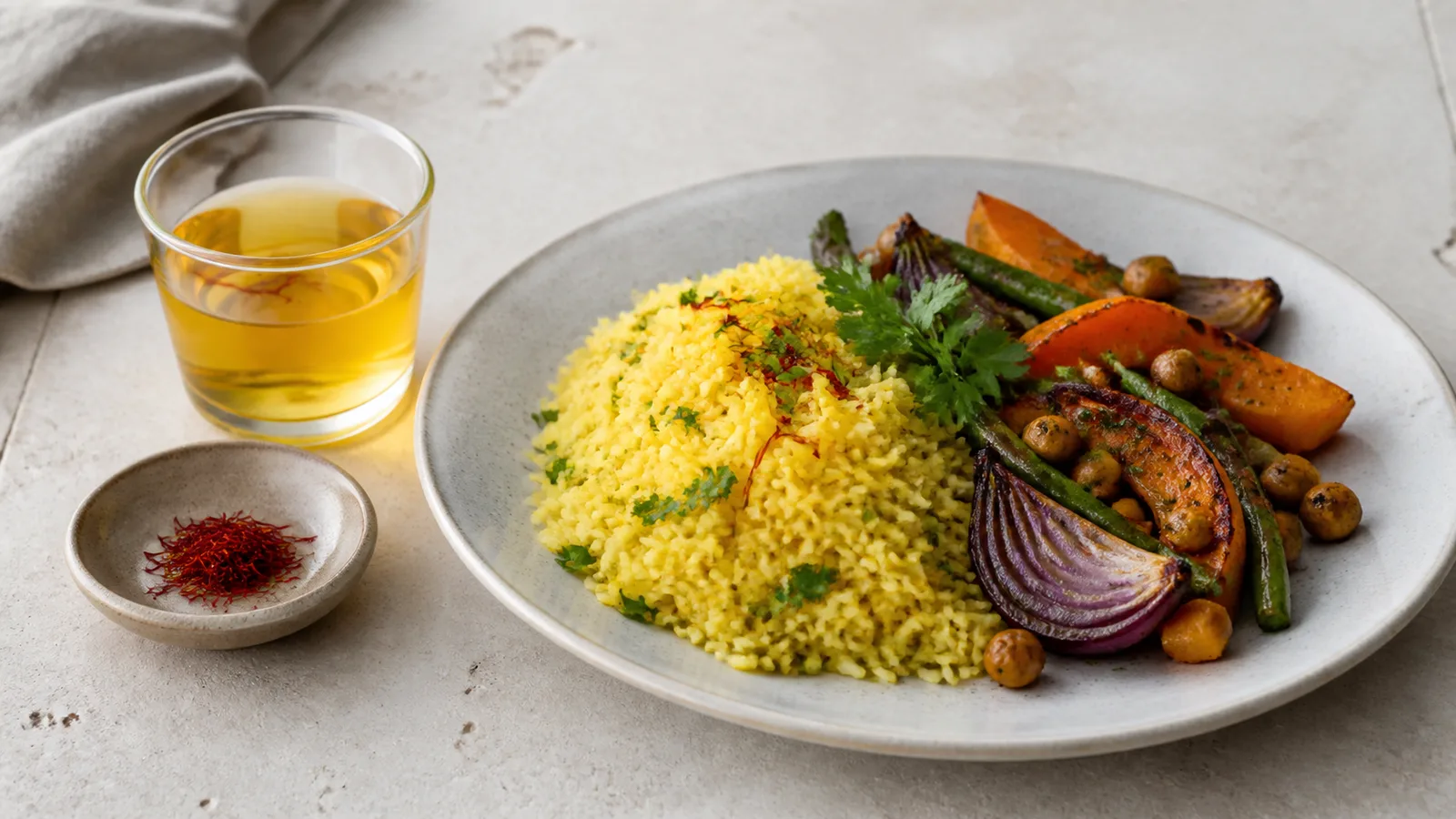
Saffron health benefits should therefore be discussed in two layers: what is reasonable for food, and what clinical trials of specific extracts or stigma preparations have actually shown. Eating saffron in rice is not the same intervention as taking a standardised capsule every day.
What is in saffron?
Saffron is the dried stigma of Crocus sativus. Crocins contribute much of its colour, picrocrocin contributes bitterness, and safranal is important to its aroma. Laboratory studies often describe antioxidant or anti-inflammatory activity involving saffron or isolated constituents. Those experiments help researchers form questions, but activity in a test tube or animal is not proof of a health outcome in people.
Human evidence is more useful, although it still has limits. Trials may use whole stigma, extracts with different standardisation, different daily amounts and treatment periods ranging from weeks to months. Pooling unlike products can make a summary look more certain than an individual buyer’s situation really is.
Mood Enhancement
Mood is the best-studied area, but the responsible answer is still cautious. A 2026 GRADE-assessed review of 34 randomised trials found improvements on some self-reported depression and anxiety scales. It found no significant effect on several clinician-rated or other mood measures, and variation between studies was high. The authors rated the overall certainty moderate and called for better trials.
That means saffron supplementation may have a complementary role for some adults; it does not show that eating a few threads increases serotonin, nor does it justify stopping therapy or prescribed medication. Depression, anxiety, suicidal thoughts and a major change in mood deserve qualified care. If a person wants to discuss a supplement, the clinician needs the exact product and ingredient list.
Cognitive Function and Memory
A systematic review of saffron for mild cognitive impairment and dementia found only four randomised trials. Some cognitive measures improved compared with placebo, but the authors concluded that there were too few high-quality studies to recommend clinical use.
Those participants already had mild cognitive impairment or Alzheimer’s disease. The results do not prove that regular saffron consumption keeps a healthy person’s mind sharp, prevents Alzheimer’s disease or reduces everyone’s future risk of cognitive decline. Memory concerns should be assessed because medicines, sleep, mood, hearing, nutrition and several medical conditions can also affect cognition.
Heart Health Benefits
Reviews of saffron supplementation report small average changes in some cardiovascular and metabolic risk markers, but the pattern is inconsistent. A 2025 meta-analysis of 25 trials in people with metabolic syndrome or related conditions found modest changes in blood glucose, HbA1c, total cholesterol and blood pressure. It found no significant change in several other measures, including LDL cholesterol, triglycerides, HDL cholesterol, body-mass index and waist circumference.
This is not evidence that saffron prevents a heart attack, clears arteries or replaces blood-pressure, cholesterol or diabetes treatment. A small average change across selected trial participants may not be meaningful for an individual. Use food patterns, activity, sleep, smoking cessation and evidence-based treatment as the foundation of cardiovascular care.
Eye Health Protection
Small clinical studies have investigated saffron supplementation in people with diagnosed age-related macular degeneration. For example, a 60-person randomised six-month trial found changes in some retinal measurements, but results differed by outcome and time point. A later open-label extension followed selected adults with mild or moderate disease.
That research does not prove that saffron shields healthy eyes from UV light or prevents macular degeneration. It also should not delay an eye examination, AREDS advice for an eligible patient, injections or another treatment recommended by an ophthalmologist. Vision distortion, a new blind spot, flashes, a curtain-like shadow or sudden loss of sight needs urgent assessment.
Food use and supplement use are different
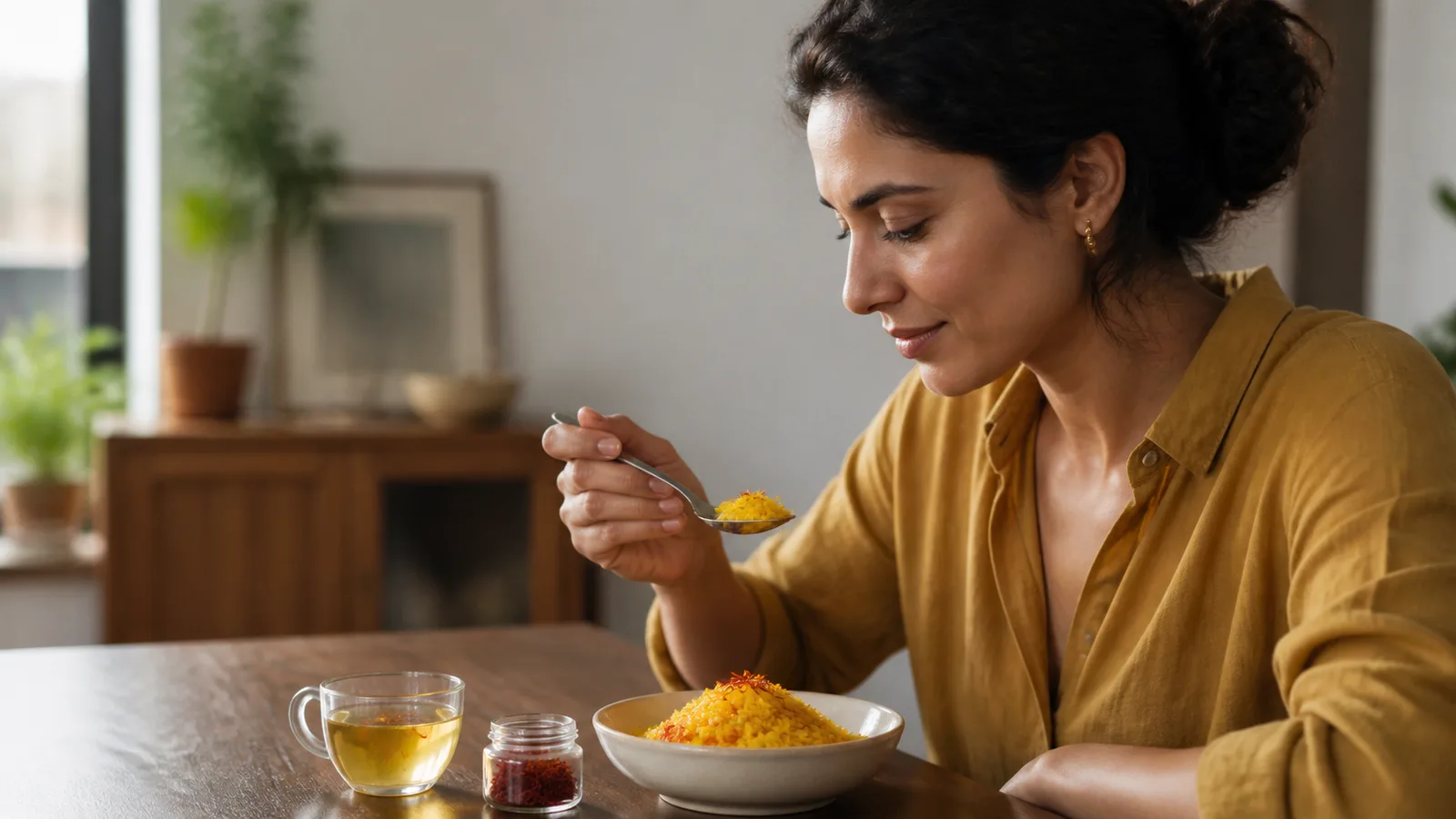
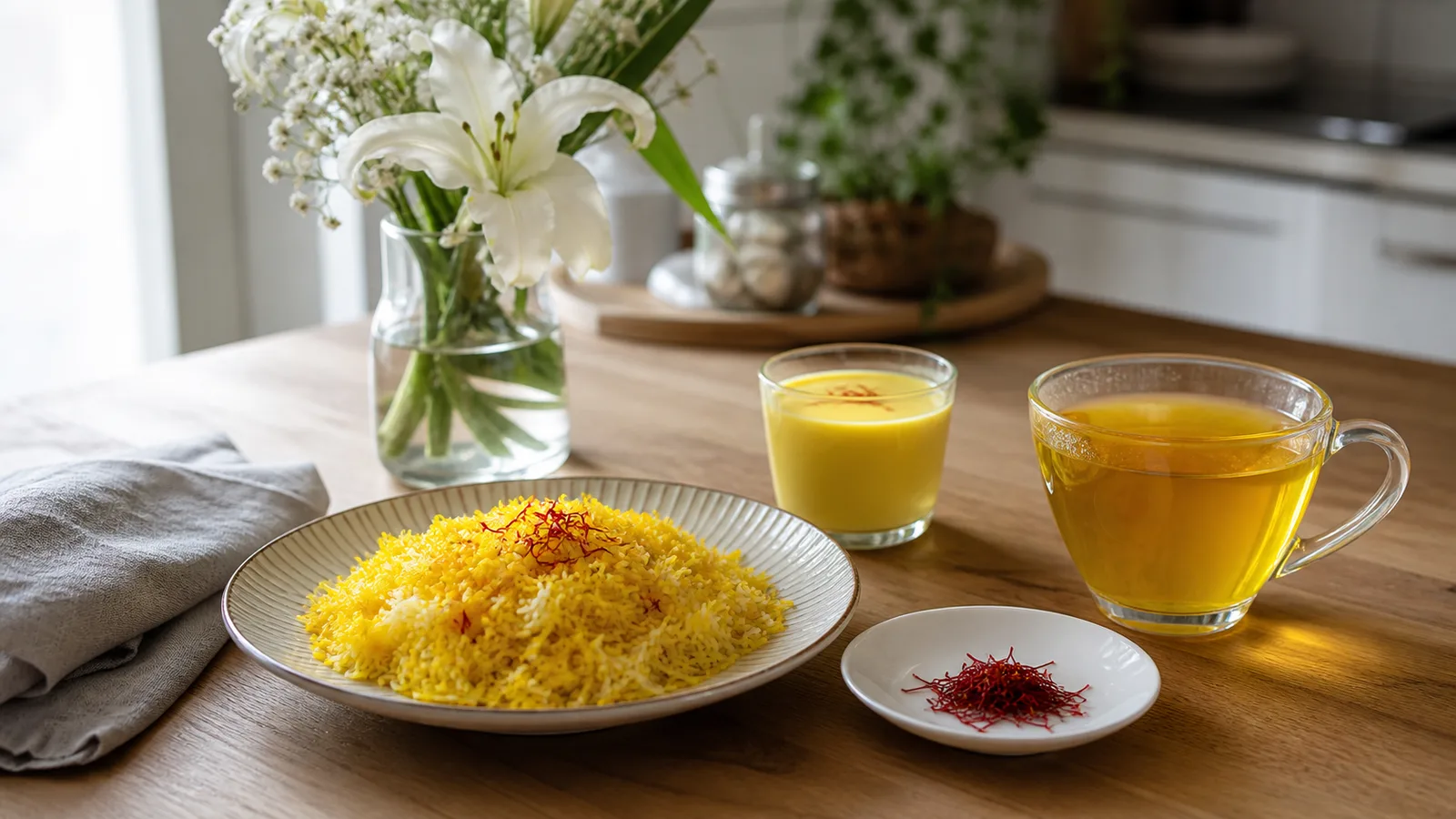
In cooking, saffron is used in a small amount to flavour rice, tea, soups, sauces and desserts. The US Food and Drug Administration lists saffron for use as a flavouring and colouring ingredient under good manufacturing practice. That is a food-use context, not approval of a medicinal claim or supplement dose.
A supplement may contain whole stigma powder, a concentrated extract, isolated constituents or additional ingredients. Milligram amounts cannot be freely exchanged between products. A trial of a named extract does not validate an unlabelled powder, and more is not automatically better.
Who should be cautious?
A 2026 systematic review of adverse events found that saffron monopreparations were generally tolerated in clinical trials, while adverse events—most often gastrointestinal—still occurred. The authors noted monitoring concerns around higher-dose or prolonged medicinal use.
Discuss a saffron supplement with a healthcare professional if you are pregnant, trying to become pregnant or breastfeeding; take prescription or over-the-counter medicines; are preparing for surgery; have a health condition; or want to give it to a child. The FDA advises reviewing supplements together with medicines rather than assuming a botanical product cannot interact.
How to use saffron as a healthy ingredient
- Use it for flavour and aroma, not as permission to make a treatment claim.
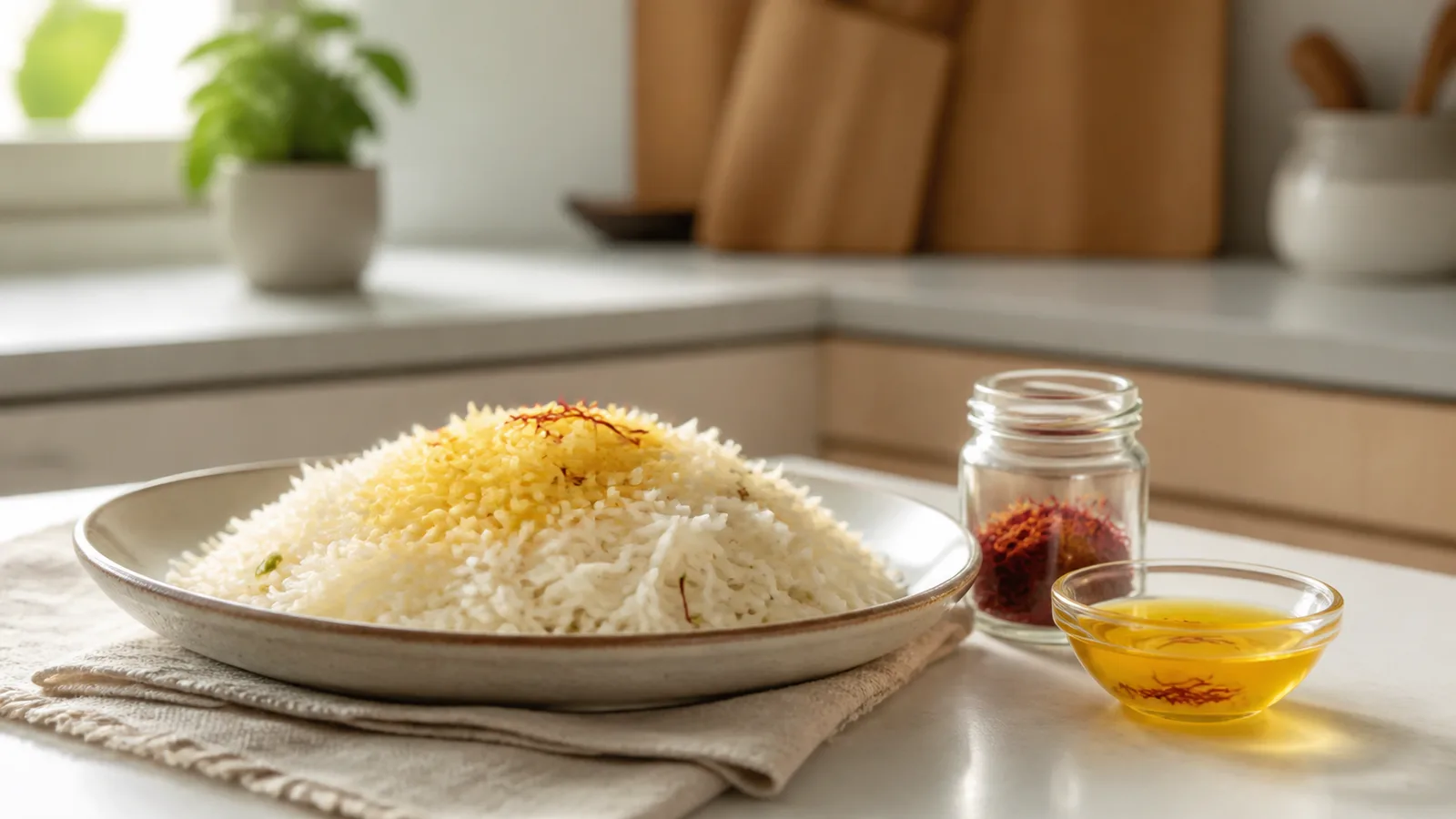
- Bloom a small amount of threads in warm water so it spreads through the dish.
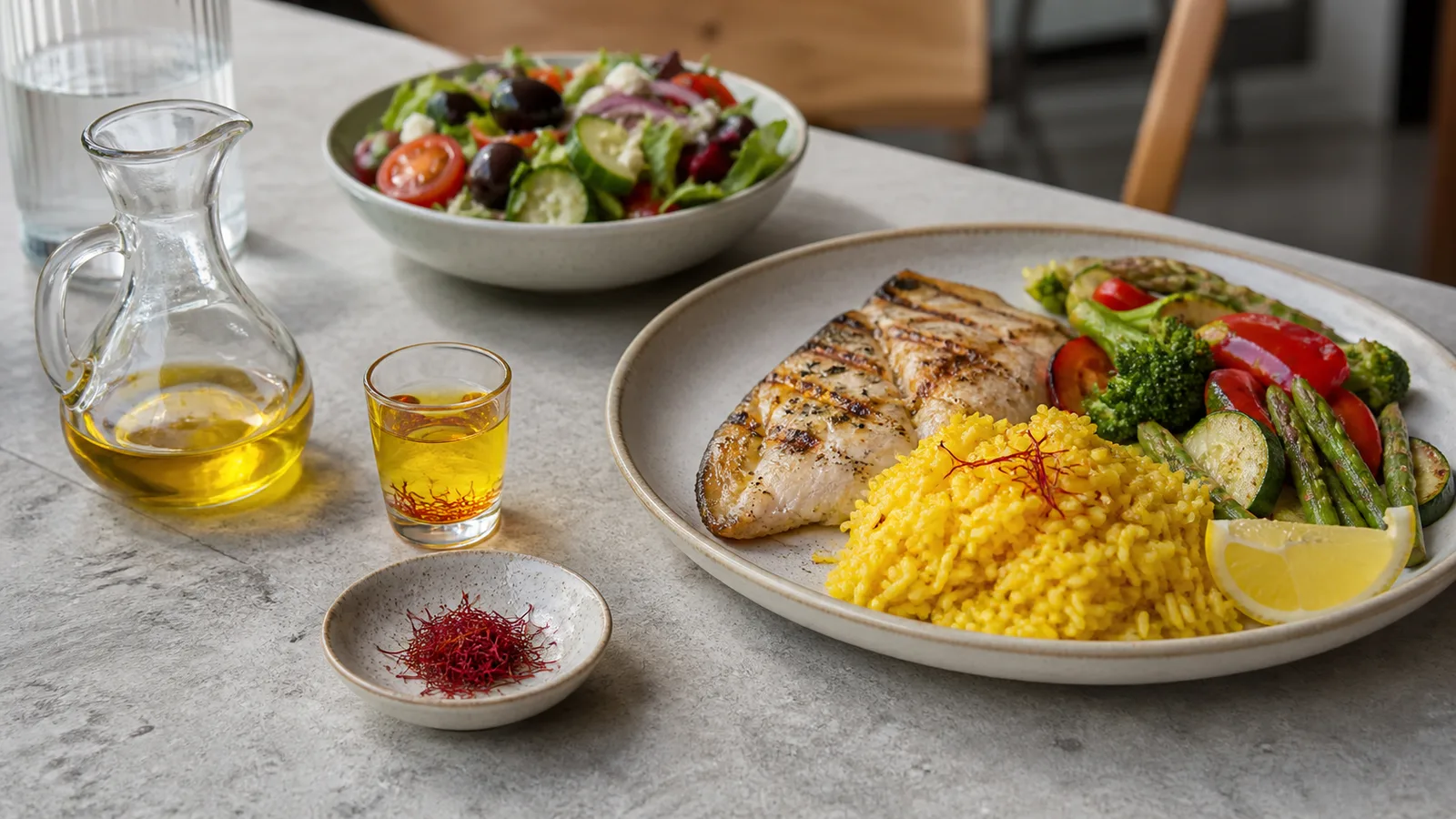
- Add it to minimally processed foods you already enjoy, such as rice, vegetables or unsweetened tea.
- Do not judge a dessert or sweet drink as healthy simply because it contains saffron.
- Choose a product identified as Crocus sativus with clear net weight and traceability.
You can explore our all-red saffron selection for culinary threads and read the evidence-based guide to daily saffron safety before treating food use and supplements as the same thing.
Conclusion
Is saffron healthy? It can be an enjoyable part of healthy cooking, and clinical research gives researchers reasons to keep studying defined saffron preparations. The evidence is not a licence to promise mood, memory, heart or eye protection to everyone. Enjoy the spice in food; use individual medical guidance when the goal is treatment or repeated supplementation.