Saffron is not inherently bad for a woman. A small amount used in food is a different question from taking a concentrated supplement every day. Saffron safety for women depends on the form, amount, pregnancy, medicines, health conditions and reason for using it; it cannot be reduced to a blanket yes or no.
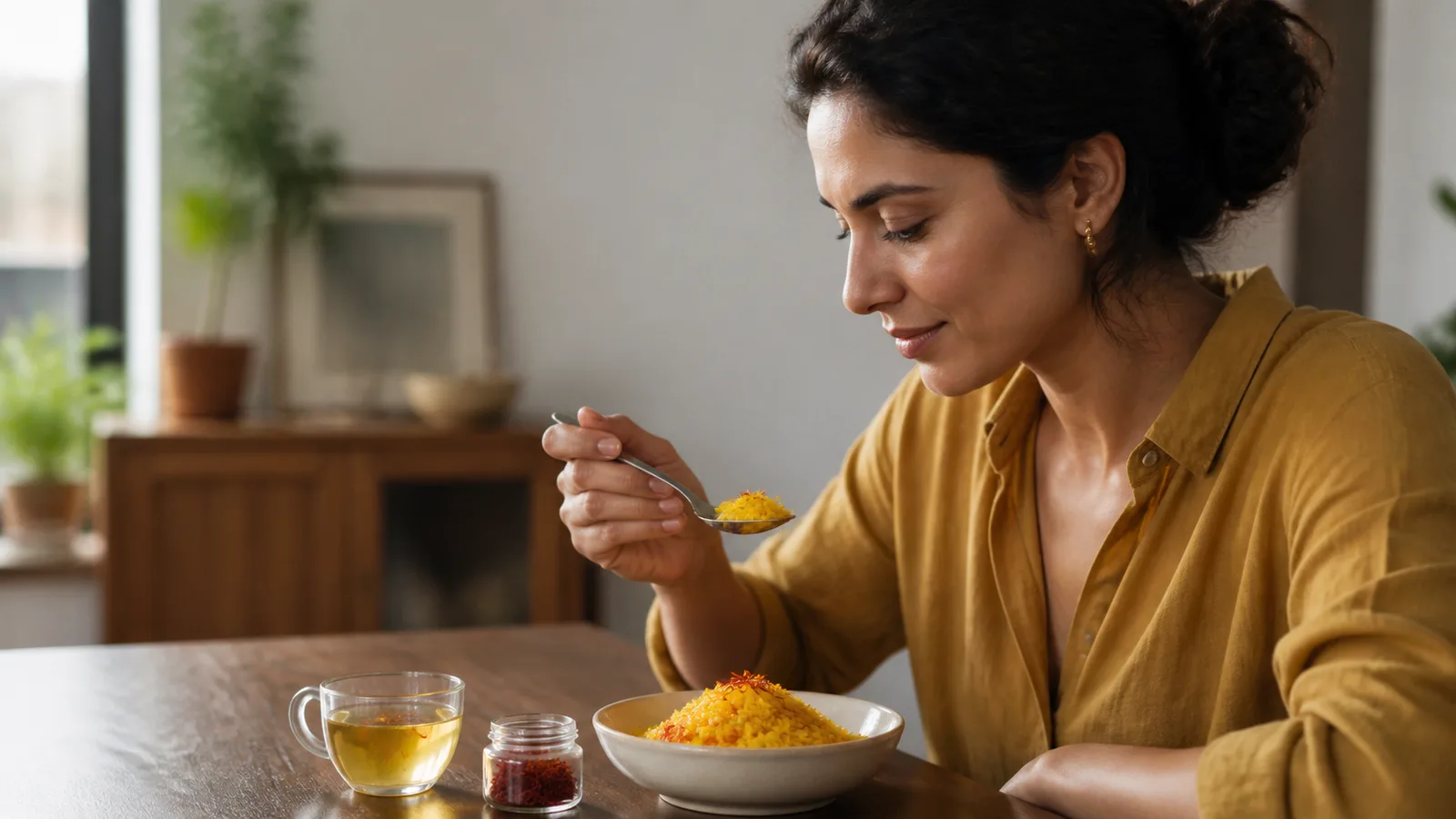
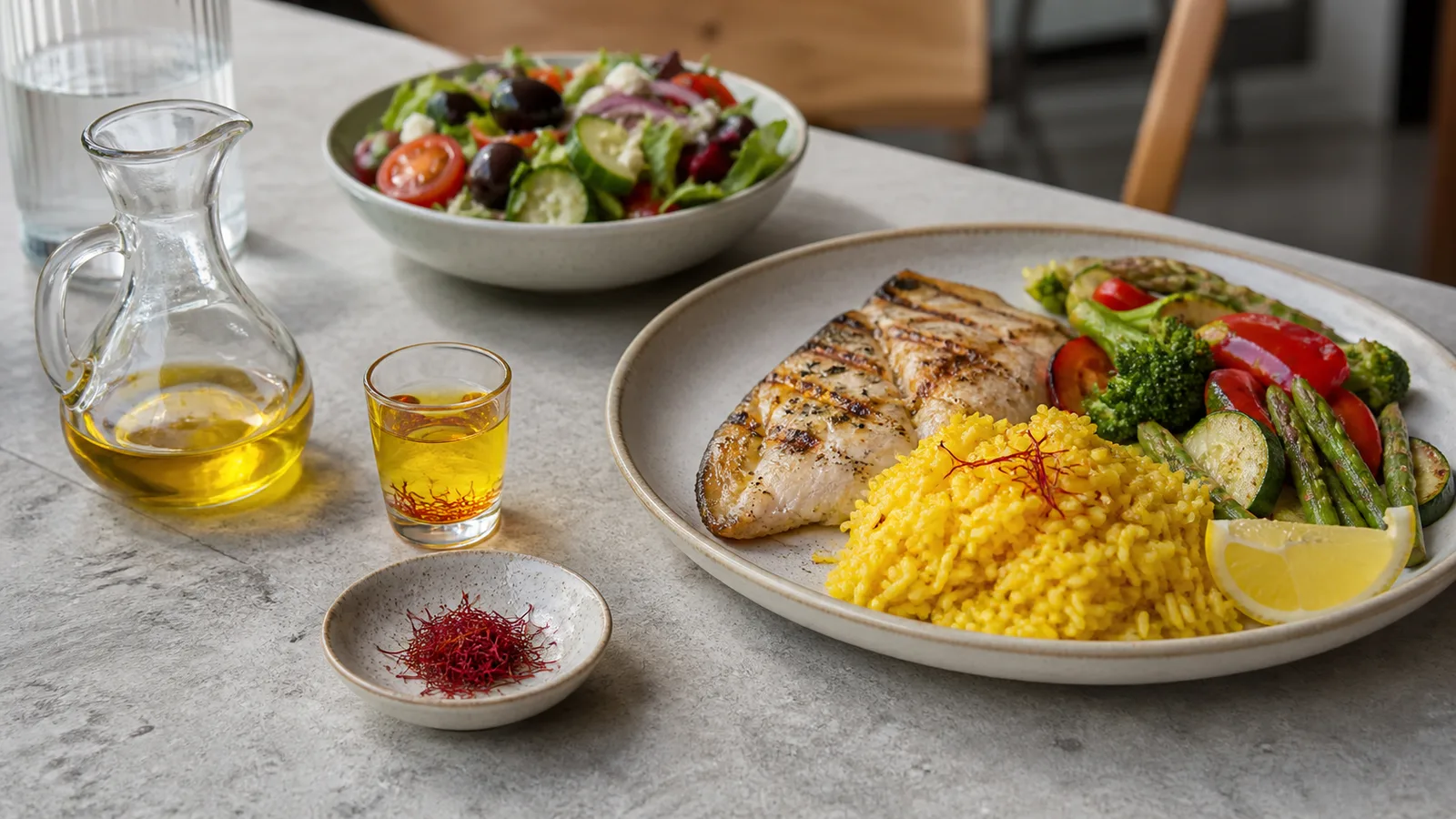
For ordinary cooking, a few threads can add colour, aroma and flavour. Someone considering incorporating it into their diet daily should still distinguish food from a supplement. Claims about hormones, menstrual symptoms, mood or “wellness” need more care because they refer to medical outcomes and often come from studies of defined products rather than a saffron dish.
What is known about saffron and menstrual symptoms?
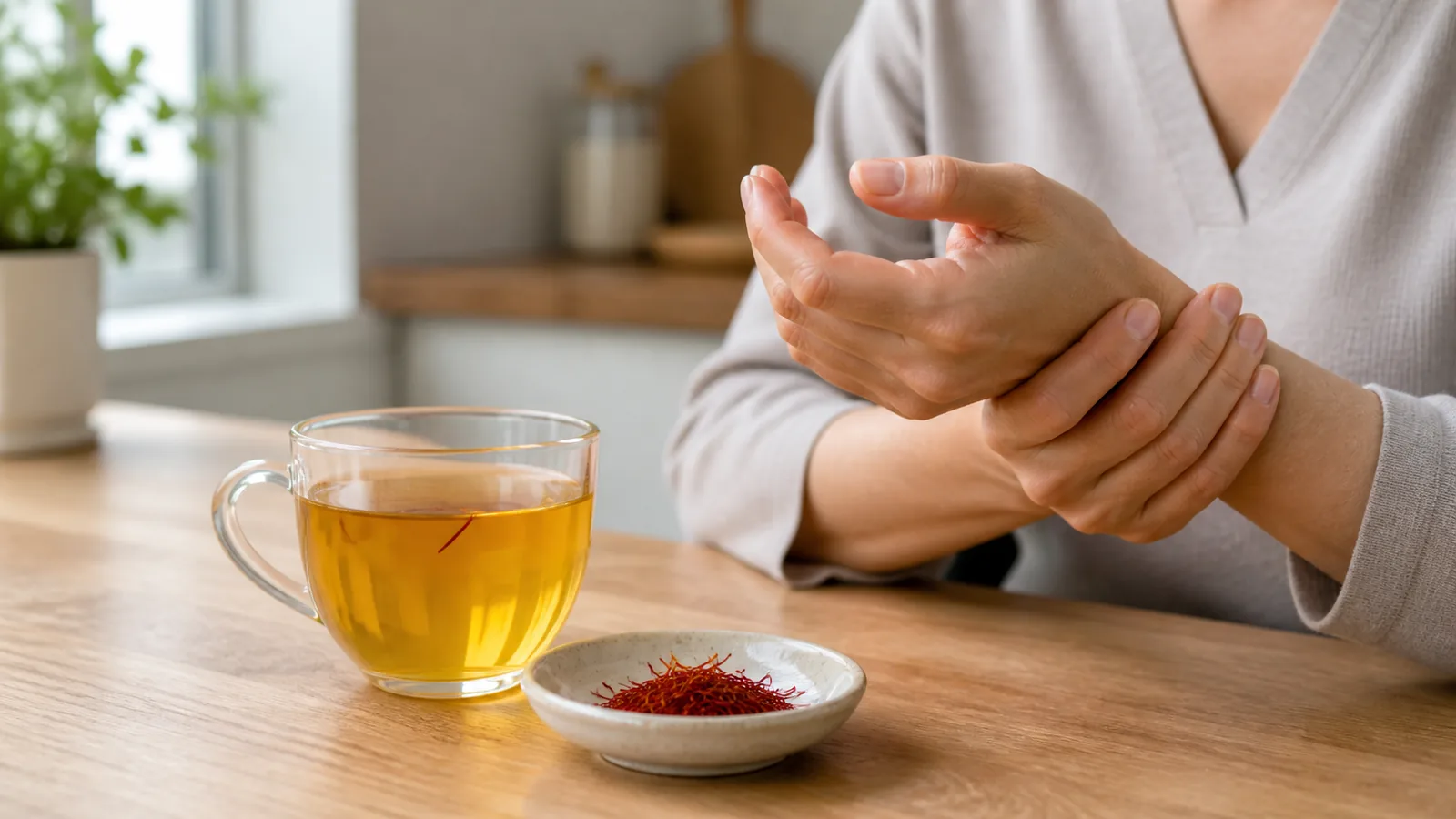
Trials have investigated saffron for premenstrual syndrome (PMS), premenstrual dysphoric disorder and period pain. A 2026 systematic review and meta-analysis reported improvements in pooled PMS and dysmenorrhea outcomes. This is more meaningful than a laboratory mechanism alone, but it does not establish the right product or dose for every person, and it should not be turned into a promise to alleviate menstrual discomfort.
One trial may use a standardized capsule, another a different preparation, and study participants meet defined criteria. A few threads in tea are not automatically equivalent. Persistent or severe period pain, very heavy bleeding, fainting, or symptoms that disrupt daily life deserve clinical assessment rather than self-treatment.
Does saffron regulate hormonal imbalances?
Saffron contains crocin, safranal and picrocrocin. Laboratory and clinical research explores antioxidant, mood-related and anti-inflammatory effects, but this does not prove that saffron “regulates hormonal imbalances.” Hormonal imbalance is not one diagnosis, and its causes can include thyroid, ovarian, pituitary, medication and other factors.
If cycle changes, fertility concerns or new symptoms suggest a hormone problem, the useful next step is an appropriate evaluation. Saffron should not delay testing or replace a prescribed treatment. “Emotional balance” and overall wellness are also too broad to guarantee from one spice.
Pregnancy requires a separate decision
Normal food seasoning and supplement use are not interchangeable during pregnancy. A few threads in a meal may be customary, while concentrated or medicinal use creates a different exposure. Pregnant women, people trying to conceive and those breastfeeding should discuss deliberate high-dose or regular supplement use with their obstetric clinician.
ACOG’s prepregnancy guidance advises bringing medications, herbal remedies and supplements to an obstetric provider, who can assess their safety. NCCIH likewise advises discussing non-vitamin/mineral dietary supplements during pregnancy because some are unsafe and others have uncertain safety.
Daily use, medicines and low blood pressure
Culinary amounts are much smaller than a concentrated extract. Excessive intake may cause nausea, dizziness or other adverse effects, and a product may be unsuitable alongside specific medications. Someone with low blood pressure, a bleeding concern, several prescriptions or an existing health condition should have the supplement reviewed before regular consumption.
There is no universal proper dosage or thread count that ensures safe and beneficial use for all women. Start with a small amount for taste when cooking, but do not use tolerance to a meal as proof that a capsule is safe.
Preparation for food and drinks
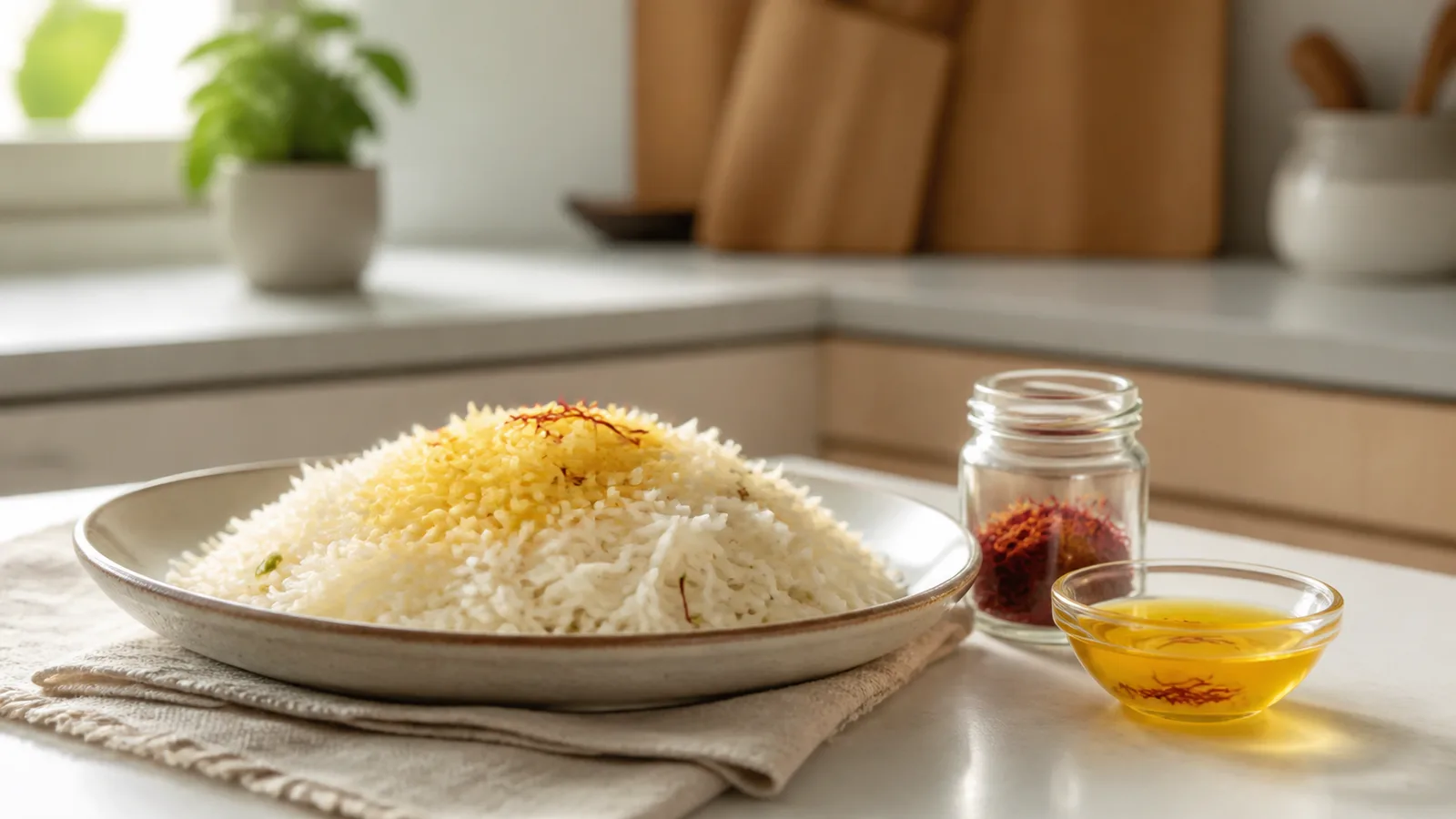
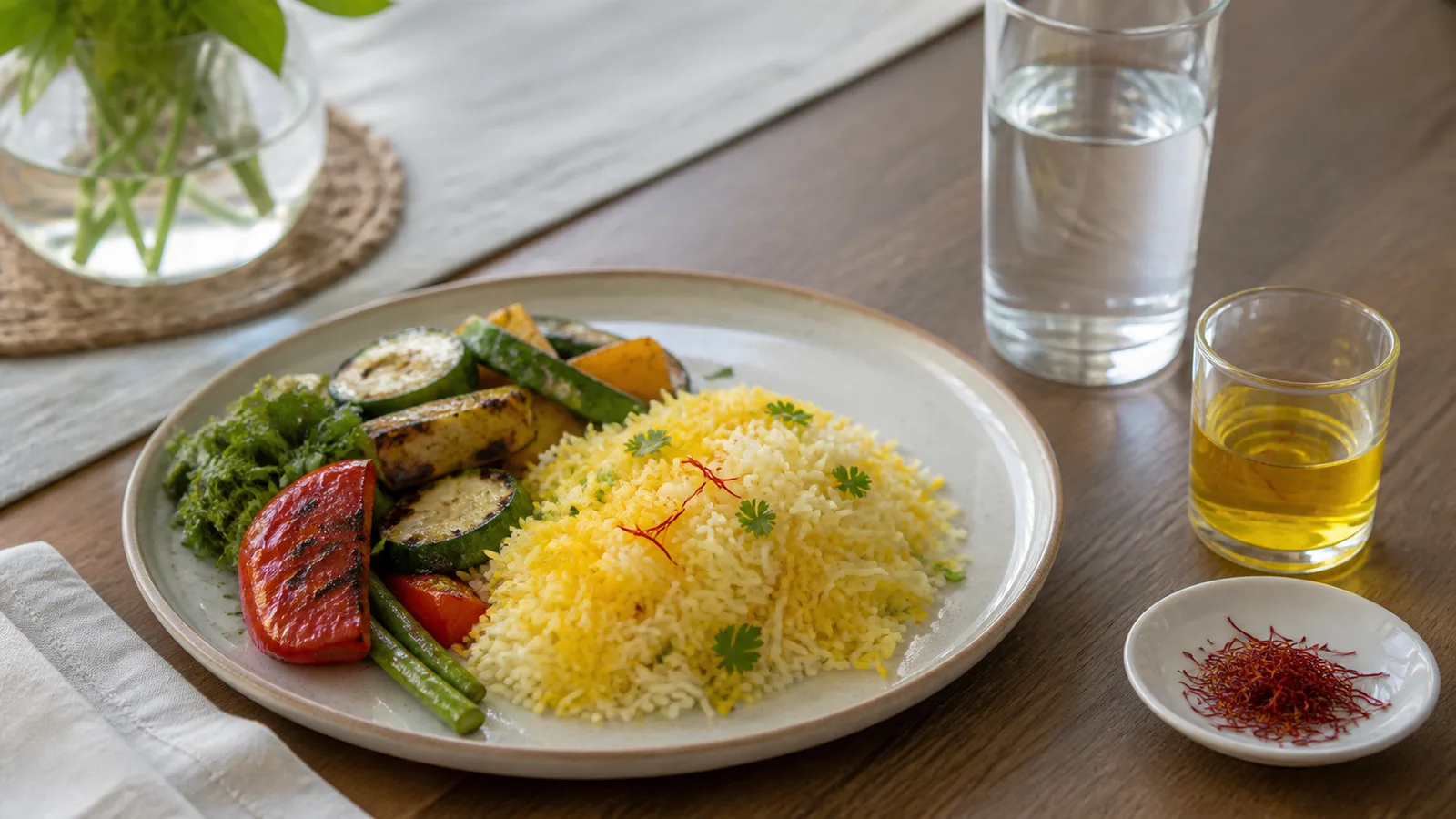
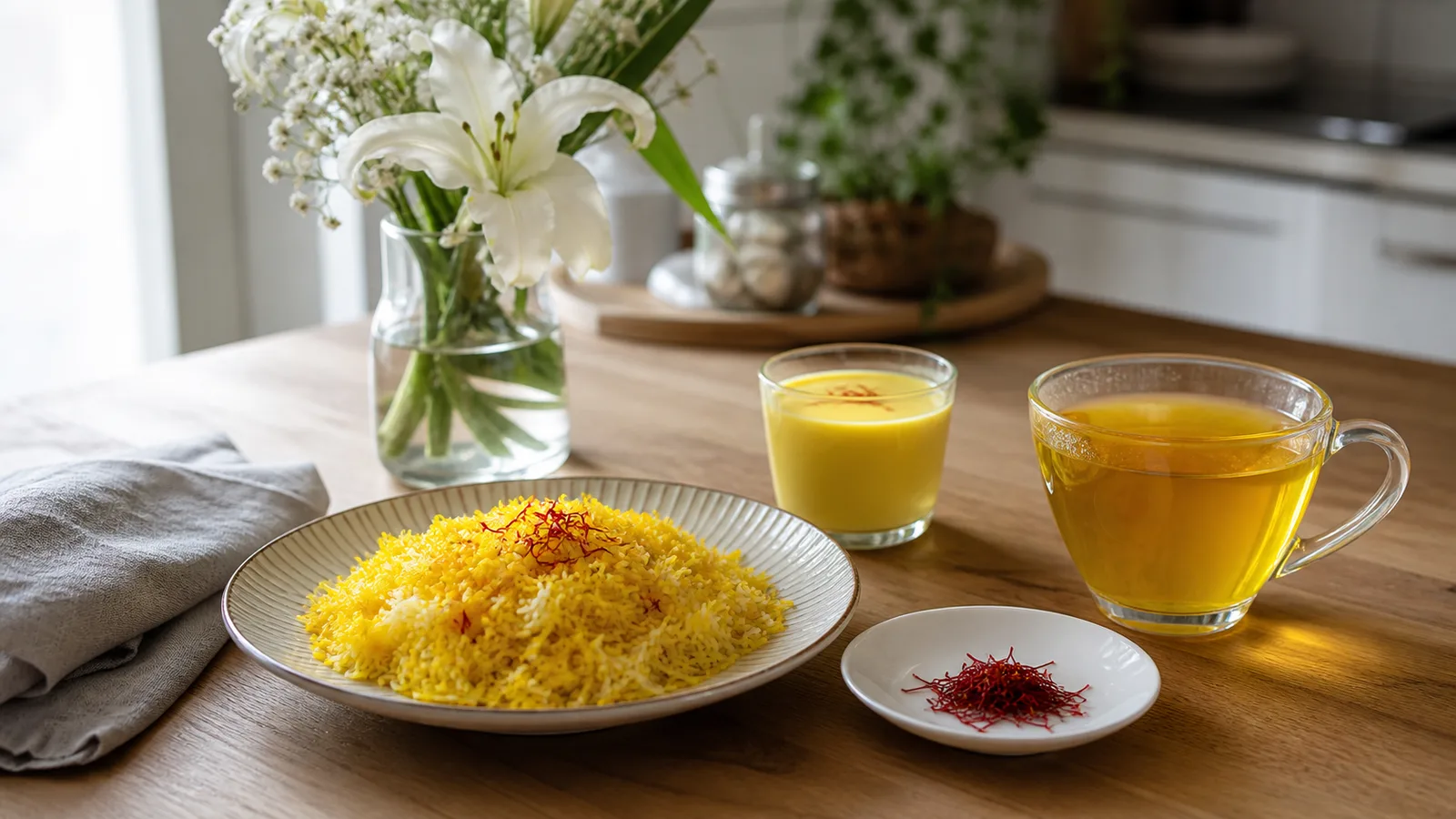
For even colour and aroma, soak saffron threads in warm water, milk or broth for 10 to 15 minutes. Add both the infusion and softened threads to rice, vegetables, tea or desserts. Beginning with a small pinch lets you adjust flavour without waste or bitterness.
This preparation improves sensory distribution; it does not increase health efficacy or unlock a medical benefit. Enjoying the spice in a dish is a culinary choice, not a way to maximize hormonal or mood effects.
Authenticity reduces uncertainty, not all risk
Choose recognisable deep-red threads from a traceable supplier. Authentic, high-quality saffron lowers the chance of adulteration or contamination. It cannot guarantee quality and safety for a particular person’s condition, eliminate interactions or prove benefits for wellness purposes.
Our all-red saffron is sold for culinary use and tea. Its strong aroma and thread quality should not be read as a claim of treatment, efficacy or full wellness benefits.
The practical answer
Is saffron bad for a woman? In a normal food serving, there is no reason to describe saffron as broadly harmful to women. The decision changes with pregnancy, supplements, high doses, medicines and individual conditions. Use small culinary amounts for flavour, and ask a clinician about concentrated or therapeutic use.
Research into PMS and period pain is promising enough to discuss honestly, but it is not evidence that every woman should take saffron daily. Safe use means matching the evidence to the actual product and the person, not assuming that natural or premium automatically means risk-free.