For most people without kidney disease, the tiny amount of saffron used to season food is different from taking a capsule, extract or concentrated tea. There is no good evidence that ordinary culinary use harms healthy kidneys. There is also not enough kidney-specific research to promise that saffron is safe for every person or that it improves renal health.
Saffron kidney safety depends on the form, amount, health of the person using it, medicines and product quality. Anyone with chronic kidney disease, reduced kidney function, dialysis or a kidney transplant should discuss saffron supplements with their renal team before taking them.
Saffron and kidneys: food is not the same as a supplement
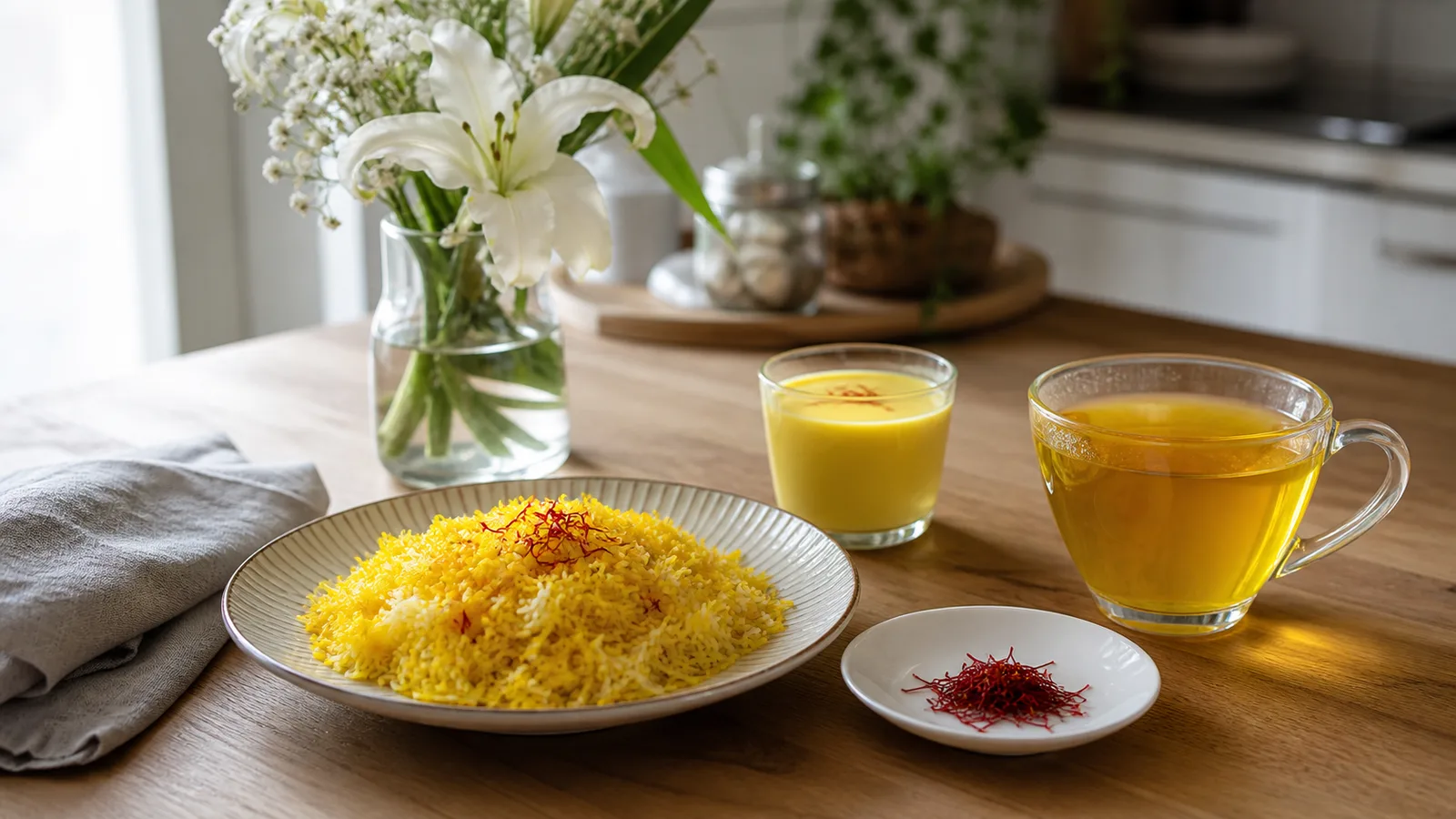
A few threads dispersed through rice, soup or tea are ordinary culinary amounts. Supplements and extracts may deliver much more plant material, sometimes in blends with other ingredients. A safety conclusion about seasoning cannot be carried over automatically to a high-dose product.
The National Kidney Foundation’s guidance on herbal supplements and kidney disease explains that risk varies with the stage of kidney disease, other conditions and medicines. It also warns that supplements may interact with prescriptions, contain contaminants or build up differently when the kidneys do not work normally.
Is saffron good for kidney patients?
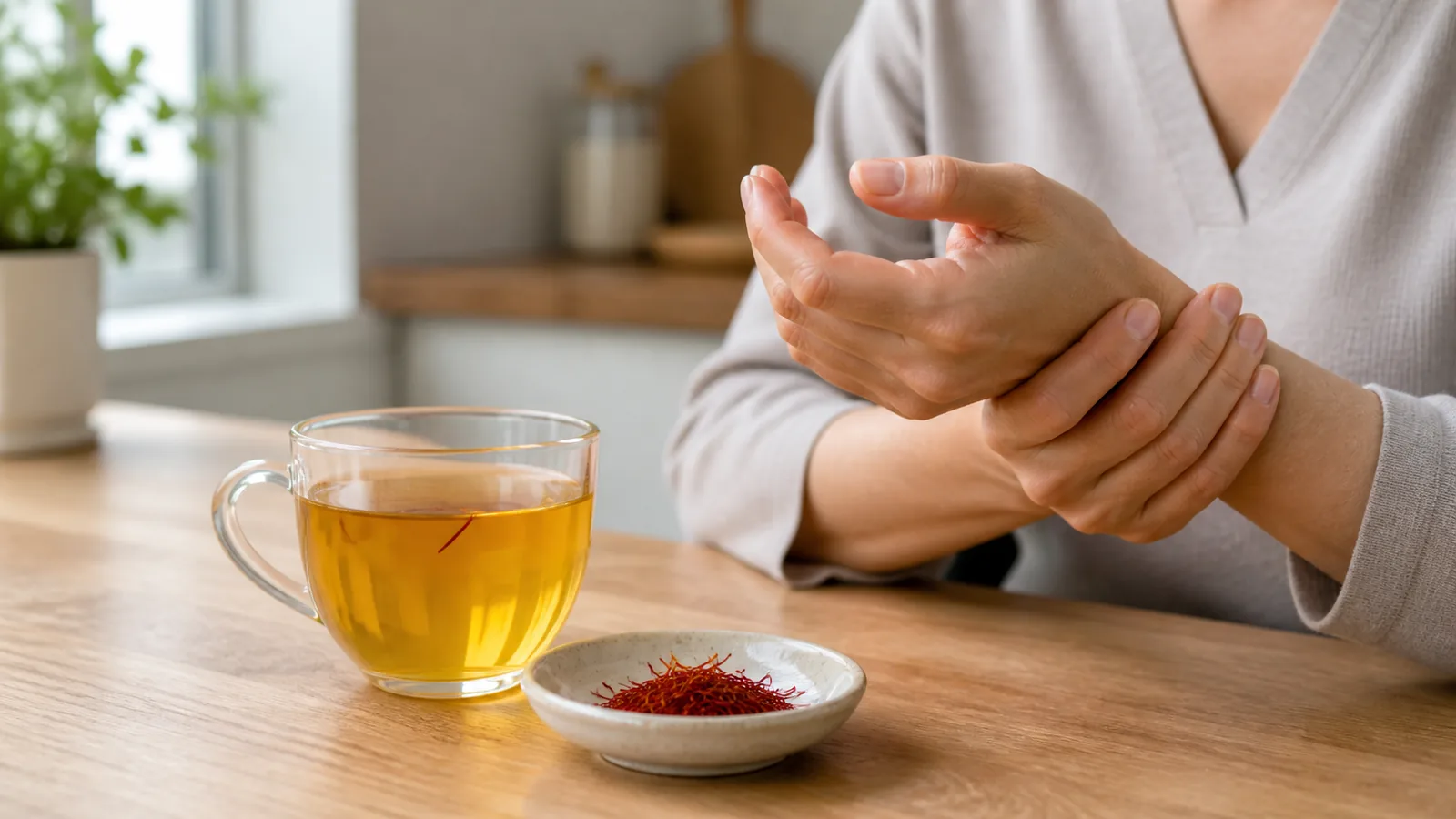
Saffron has not been established as a treatment for kidney disease, and “natural” does not mean kidney-safe. Laboratory and animal studies sometimes explore saffron’s antioxidant properties, but they do not prove that eating the spice can support kidney health in people. A kidney patient should not add a saffron extract to protect the kidneys or replace prescribed care.
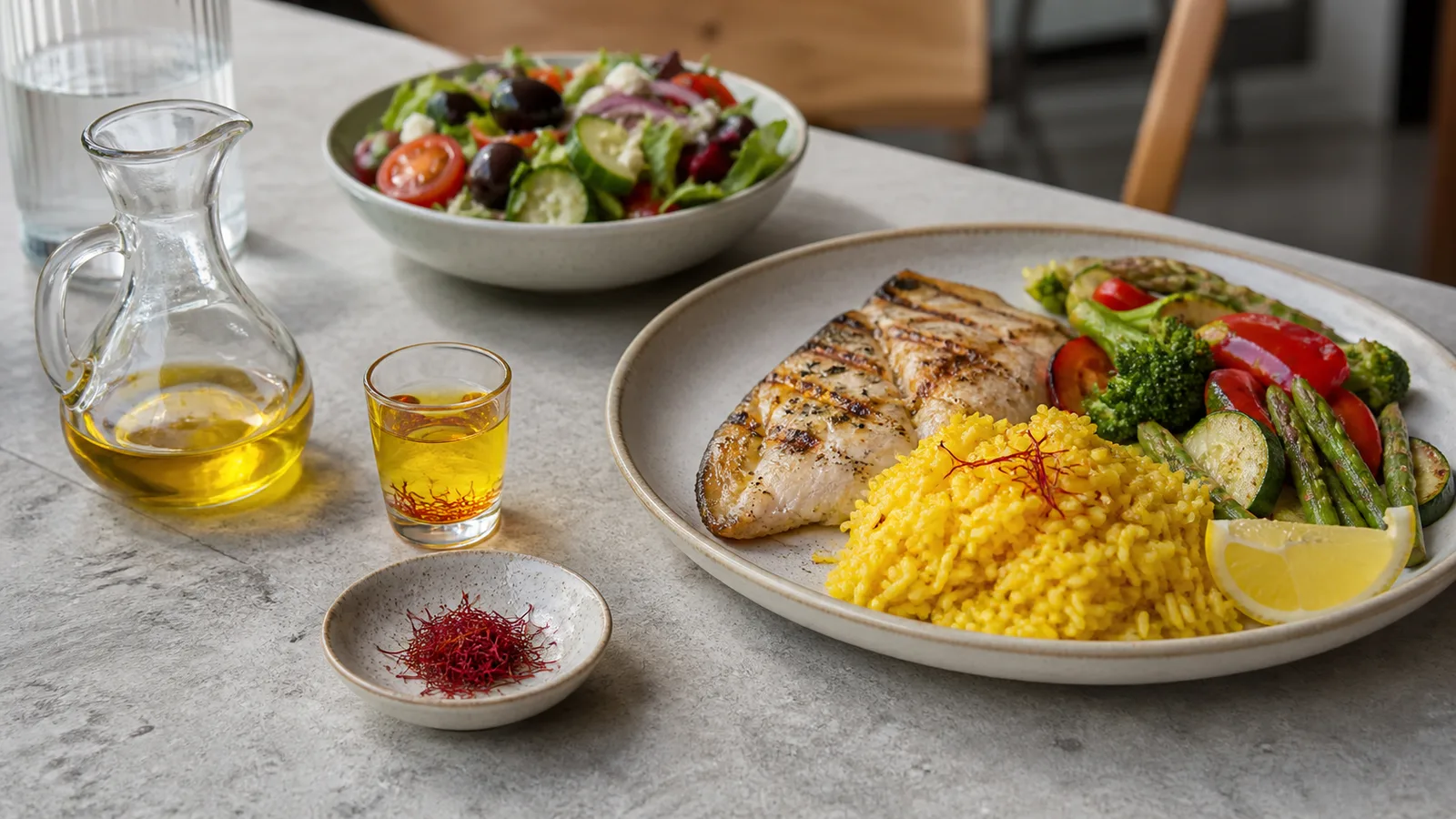
Small culinary quantities may fit an individual’s renal diet, but kidney diets are not identical. Potassium, phosphorus, fluid and other limits depend on test results and treatment. A renal dietitian or clinician who knows those results is the right person to decide whether a particular tea, food or supplement belongs in the plan.
Can excessive saffron place stress on the kidneys?
It is reasonable to avoid excessive intake, but claims that a particular amount will “stress the kidneys” are too vague without clinical evidence. The clearer concern is that high doses have a different safety profile from seasoning, especially for someone with pre-existing renal conditions, reduced clearance, interacting medicines or an unknown supplement formulation.
Do not use culinary advice as a medicinal dose. If a label recommends concentrated daily use, bring the actual product or a photograph of its ingredient list to a pharmacist or kidney clinician. The NIDDK’s kidney-safety guidance recommends asking how an over-the-counter medicine or supplement may affect the kidneys and interact with other medicines.
Who should take extra care?
- People with chronic kidney disease or a history of acute kidney injury.
- Anyone receiving dialysis or living with a kidney transplant.
- People taking prescription medicines, especially when the saffron product is a multi-ingredient supplement.
- Anyone advised to follow fluid, potassium, phosphorus or other renal-diet restrictions.
- Pregnant people considering more than ordinary food use.
- Anyone who develops a new symptom after a supplement.
This does not mean saffron is uniquely dangerous to these groups. It means the consequences of an unsuitable supplement or interaction can be greater, and individual medical review matters.
Product quality reduces uncertainty, not medical risk
Choose recognisable saffron threads from a supplier that can identify the product and its batch. Adulterated or poorly controlled herbal products may contain substances that are not declared. High-quality saffron reduces one source of uncertainty, but “verified purity” cannot guarantee kidney safety or make a product suitable for wellness purposes.
The FDA’s dietary-supplement guidance advises speaking with a health professional before taking a supplement because ingredients can have strong effects, interact with medicines or interfere with tests. A culinary package of saffron and a marketed kidney supplement should not be treated as equivalent.
Using saffron conservatively in food
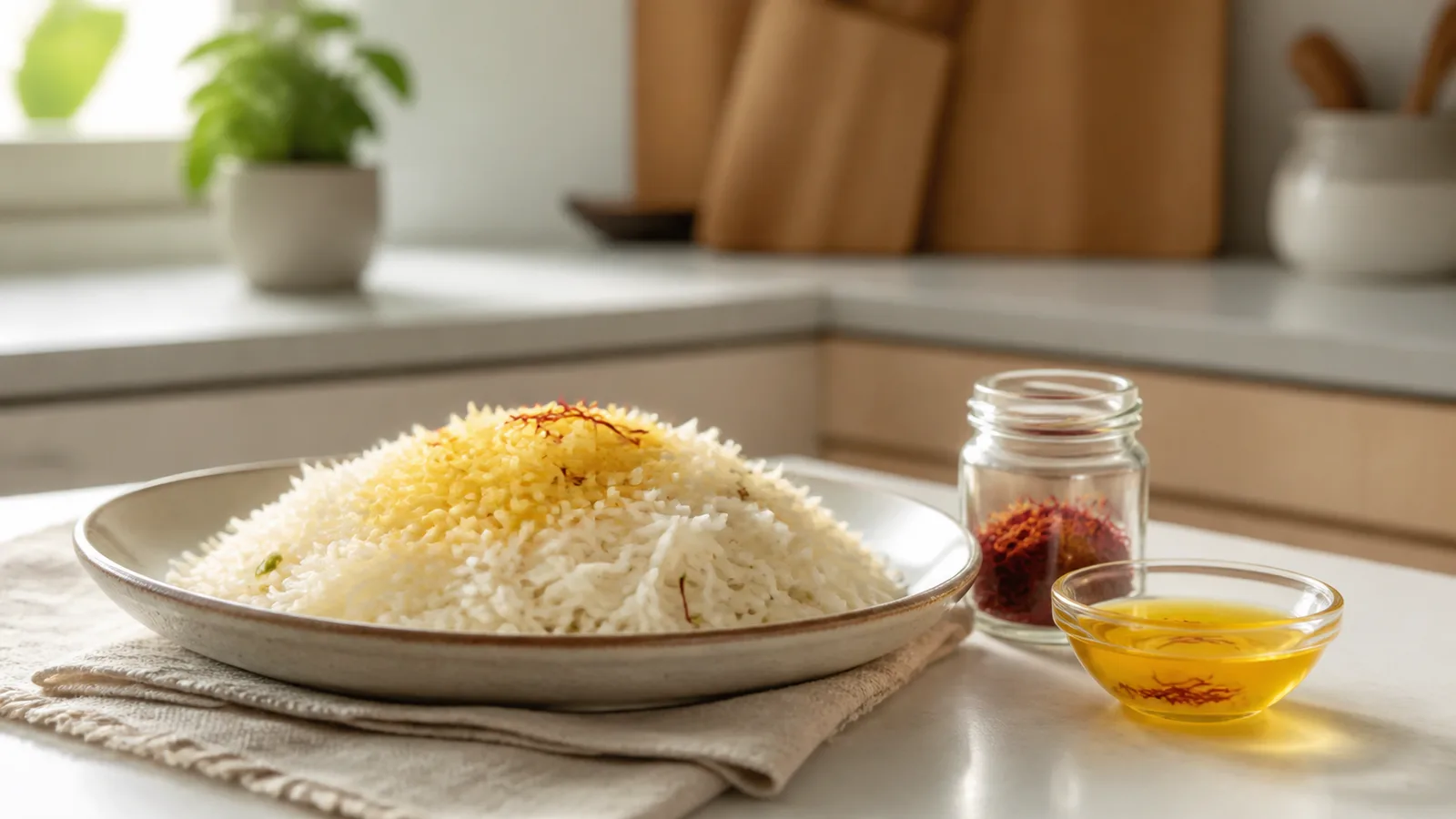
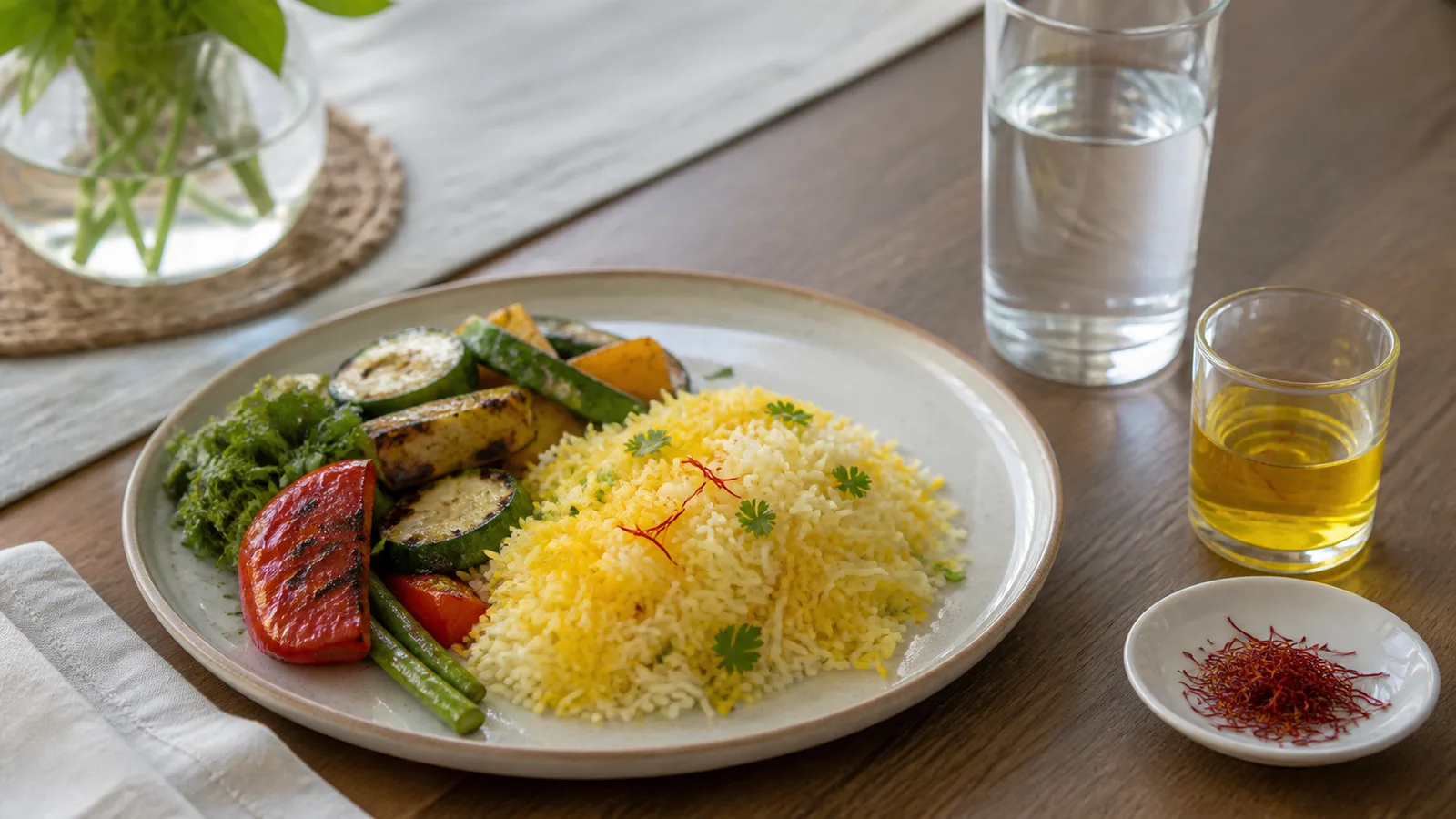
If saffron already fits your eating plan, use it for colour, aroma and flavour. Bloom a small pinch in warm water and spread the infusion through several servings of rice or vegetables. This keeps the amount modest and makes it easy to taste. It can also add flavour without relying on a heavy sauce, although the whole recipe still needs to follow any sodium or renal-diet instructions you have been given.
Our all-red saffron is sold as a culinary spice, not a kidney treatment. Do not interpret product quality or strong aroma as evidence of a health effect.
The practical answer
Is saffron safe for the kidneys? In food, a few threads are a very different exposure from a concentrated extract, and there is no established reason for a healthy person to avoid saffron solely because of the kidneys. For people with kidney disease, the answer must be individual. Check supplements, medicinal use and concentrated teas with the clinician or renal dietitian who knows your kidney function and medicines.
It is therefore too strong to say saffron kidney safety is generally assured by “moderation” alone. Amount matters, but so do form, renal function, interactions and contamination. Use saffron as a spice, keep health claims modest, and get personal advice when kidney function is reduced.