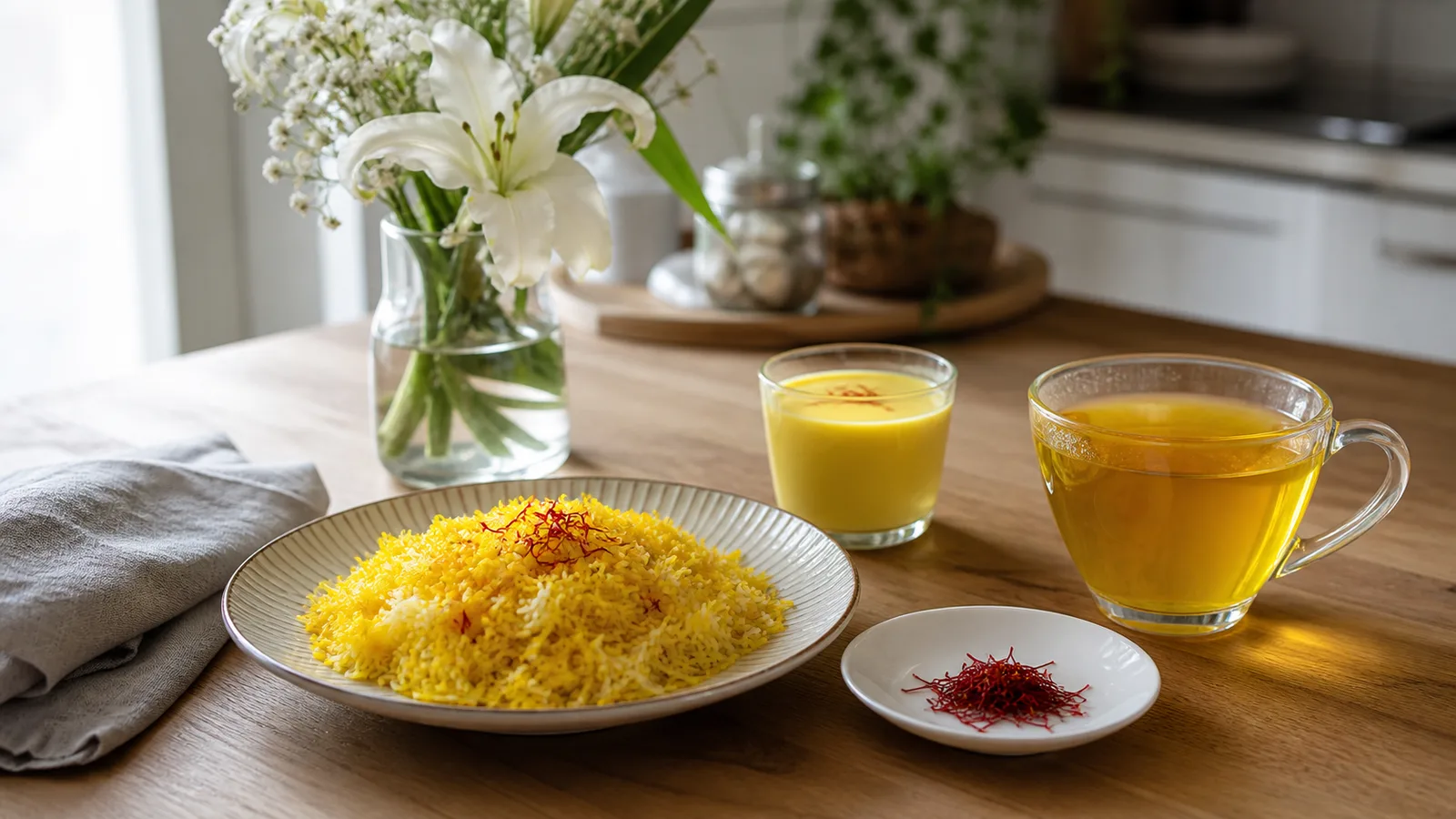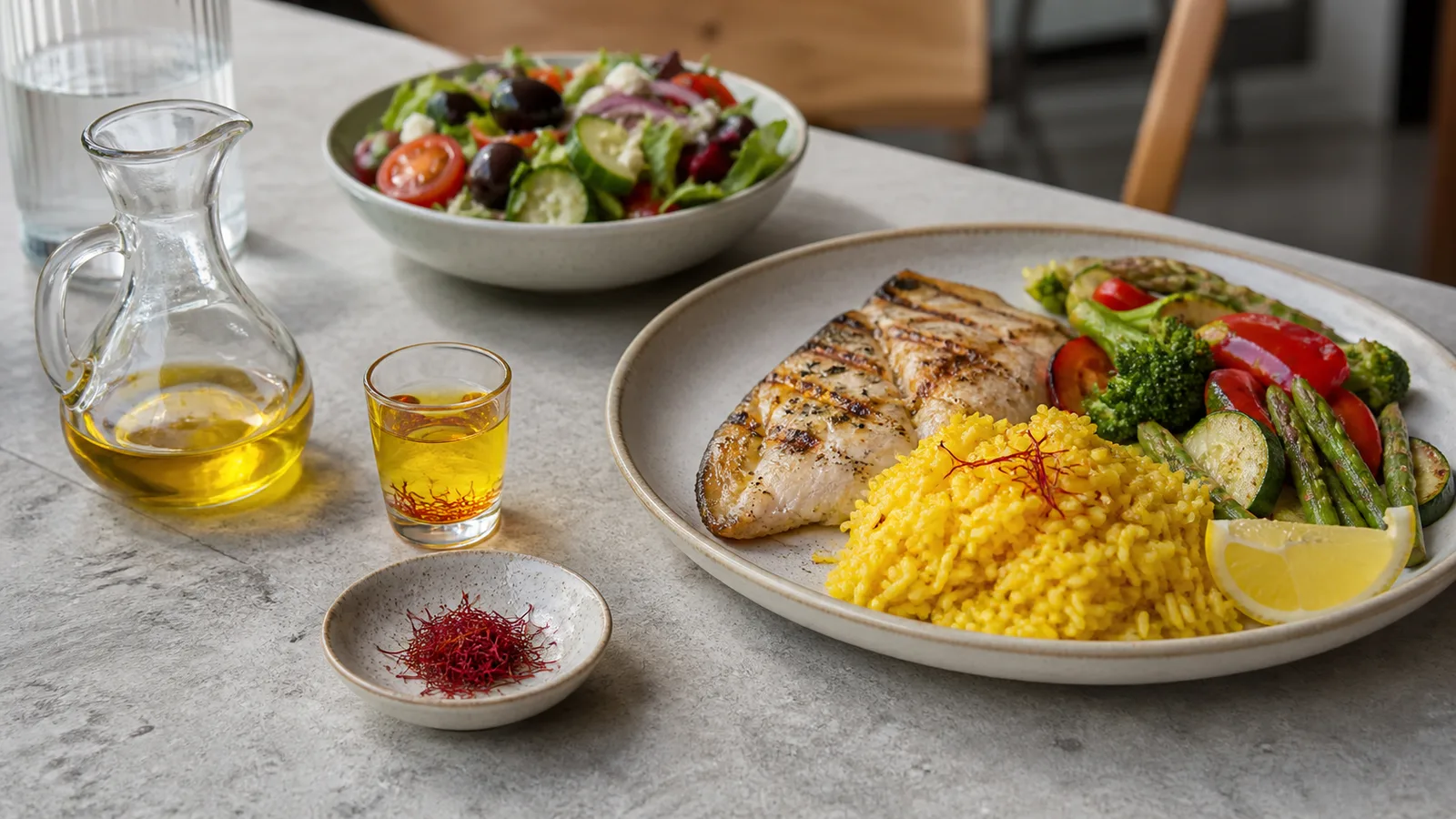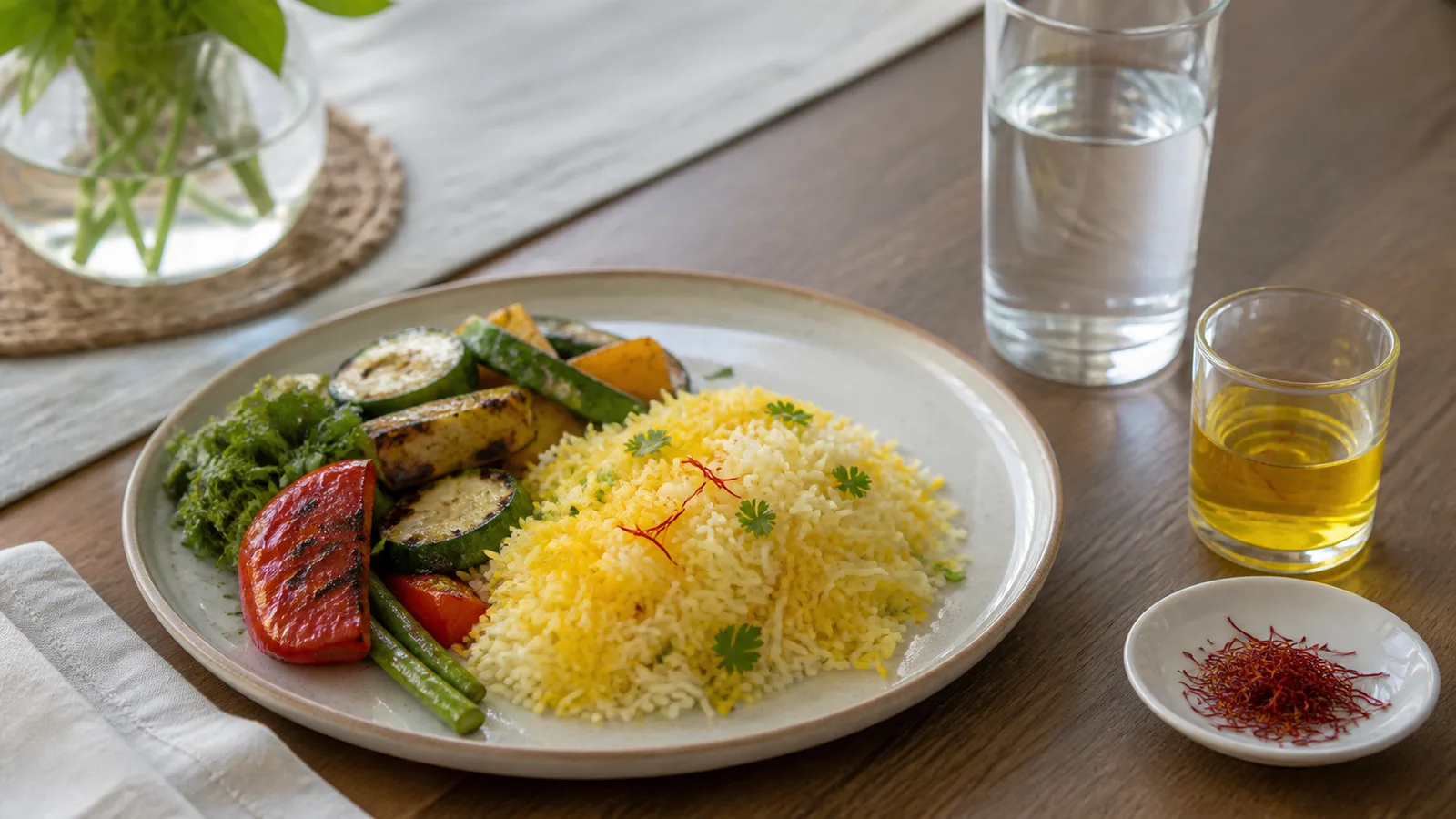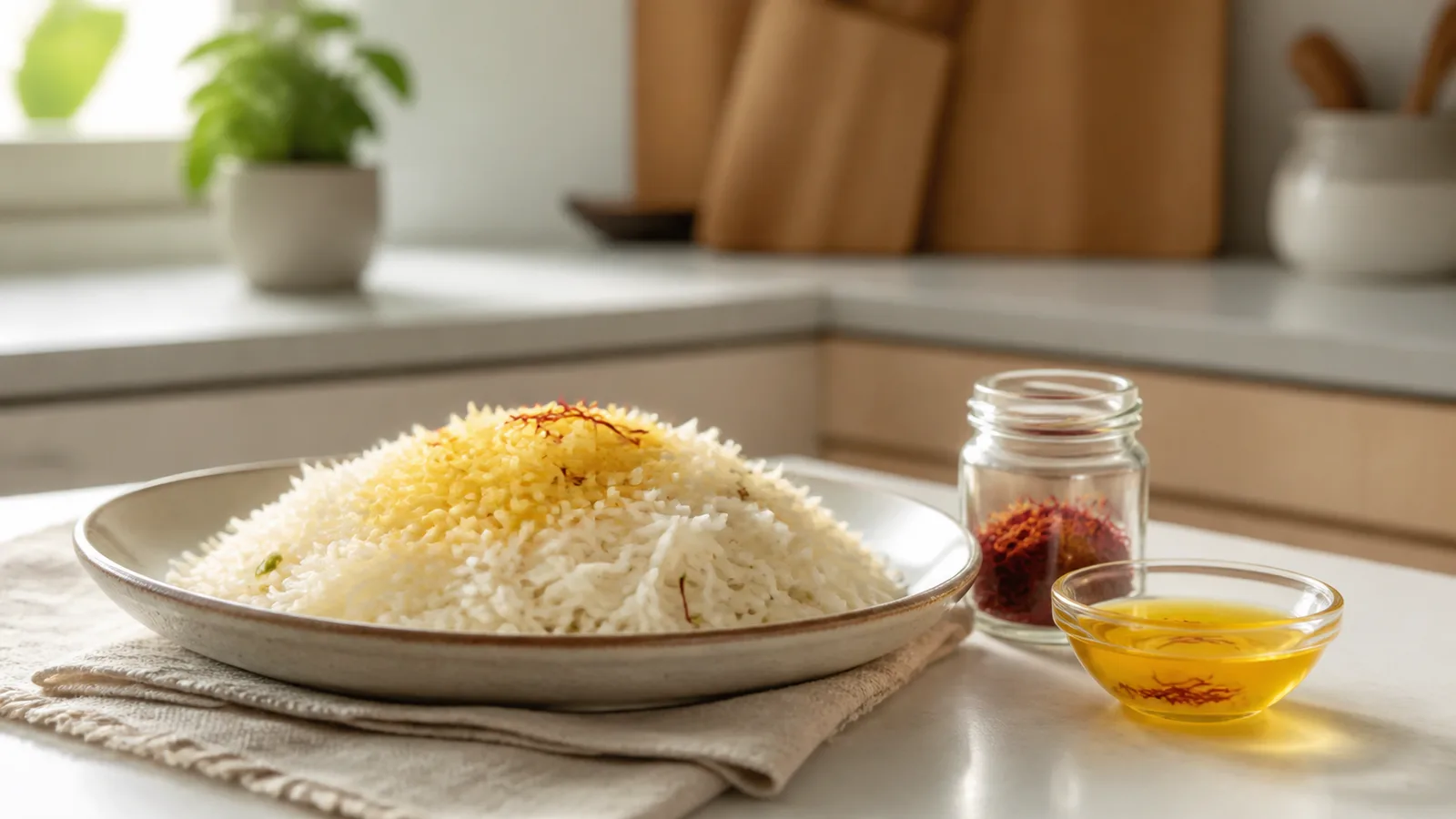
Small culinary amounts of saffron are not known to be hard on healthy kidneys. The more important question is whether someone has kidney disease and is using saffron as a seasoning, a concentrated drink, or a supplement. Those are different exposures, and claims about saffron and kidney health should not blur them together.
There is not good human evidence that a few threads “strain” renal filtration, cause dehydration or damage the kidneys. There is also not enough clinical evidence to recommend saffron as a kidney treatment. For a person with chronic kidney disease, dialysis, a transplant or medicines affected by kidney function, individual advice matters more than a generic safe/unsafe label.
Is saffron good for kidney patients?
Saffron should not be described as good for kidney patients in the sense of treating, protecting or repairing their kidneys. A review of proposed kidney-protective effects found laboratory and animal research around saffron or crocin, but stated that human studies were not available in that field. Results from toxin-exposed animals cannot establish a benefit for a person with chronic kidney disease.
Using a few threads as part of a meal may be acceptable for many people, but a kidney diet is individual. Potassium, phosphorus, sodium, fluid targets, dialysis status, transplant medicines and other conditions can all affect what is suitable. Ask the renal dietitian, nephrologist or pharmacist who knows your results.
Culinary saffron and supplements are not equivalent
A rice dish may contain only a small pinch spread across several servings. A capsule can contain powdered stigma or a standardised extract, sometimes alongside other botanicals. A homemade concentrated tea can also vary widely. It is not reliable to convert one form into another by counting threads.
The National Kidney Foundation’s guidance on herbal supplements and kidney disease notes several concerns for people with CKD, including interactions, worsening disease and product-content uncertainty. That guidance is not a claim that saffron food seasoning is automatically harmful; it explains why supplements need closer review.
When to ask before using saffron
Speak with a healthcare professional before taking concentrated saffron or a supplement if you:
- have chronic kidney disease, reduced kidney function or a history of acute kidney injury;
- receive dialysis or have a kidney transplant;
- take transplant, blood-pressure, anticoagulant, diuretic or other regular medicines;
- have been given fluid, potassium, phosphorus or sodium limits;
- are acutely ill, vomiting, experiencing diarrhoea or unable to drink normally; or
- are pregnant or breastfeeding and considering more than culinary use.
The US National Institute of Diabetes and Digestive and Kidney Diseases advises people with CKD, diabetes or high blood pressure to ask a pharmacist how a medicine or supplement may affect the kidneys or interact with other medicines. Bring the actual package or a photograph of its label; “saffron supplement” alone may not identify every ingredient.
Possible symptoms need proper assessment
Nausea, vomiting, diarrhoea, dizziness or an allergic reaction can occur with concentrated saffron use, but none is a specific sign of kidney injury. Kidney problems may also have few symptoms early on. Do not use urine colour, taste after a drink or an online symptom list to diagnose renal function.
Seek prompt medical advice for markedly reduced urine, new swelling, breathlessness, persistent vomiting or diarrhoea, confusion, severe weakness, blood in the urine, or an adverse reaction after a supplement. If someone swallowed a large or unknown amount, contact a local poison service or emergency medical service.
Using saffron as a food spice
If your healthcare team has not restricted it, use whole threads in a modest recipe amount. Blooming them in warm water, milk or broth helps distribute colour and aroma, so less is needed for a satisfying dish. Blooming improves culinary extraction; it does not detoxify saffron or make an unsuitable supplement safe.
Staying appropriately hydrated is important for many people, but “drink more water” is not universal kidney advice. Some people with advanced disease or dialysis have fluid limits. Follow the plan provided by the renal team rather than changing fluid intake because a saffron article says so.
Quality reduces uncertainty, not medical risk
Whole threads from a traceable supplier are easier to identify and measure than an anonymous powder. Even so, authenticity cannot guarantee freedom from every contaminant, prevent an allergy or prove suitability for a kidney patient. Product quality and medical appropriateness are separate questions.
The Rowhani Saffron products page lists whole-thread formats intended for cooking. Use saffron for colour, aroma and flavour; do not take it to improve kidney function unless a qualified clinician has specifically advised a product and dose.