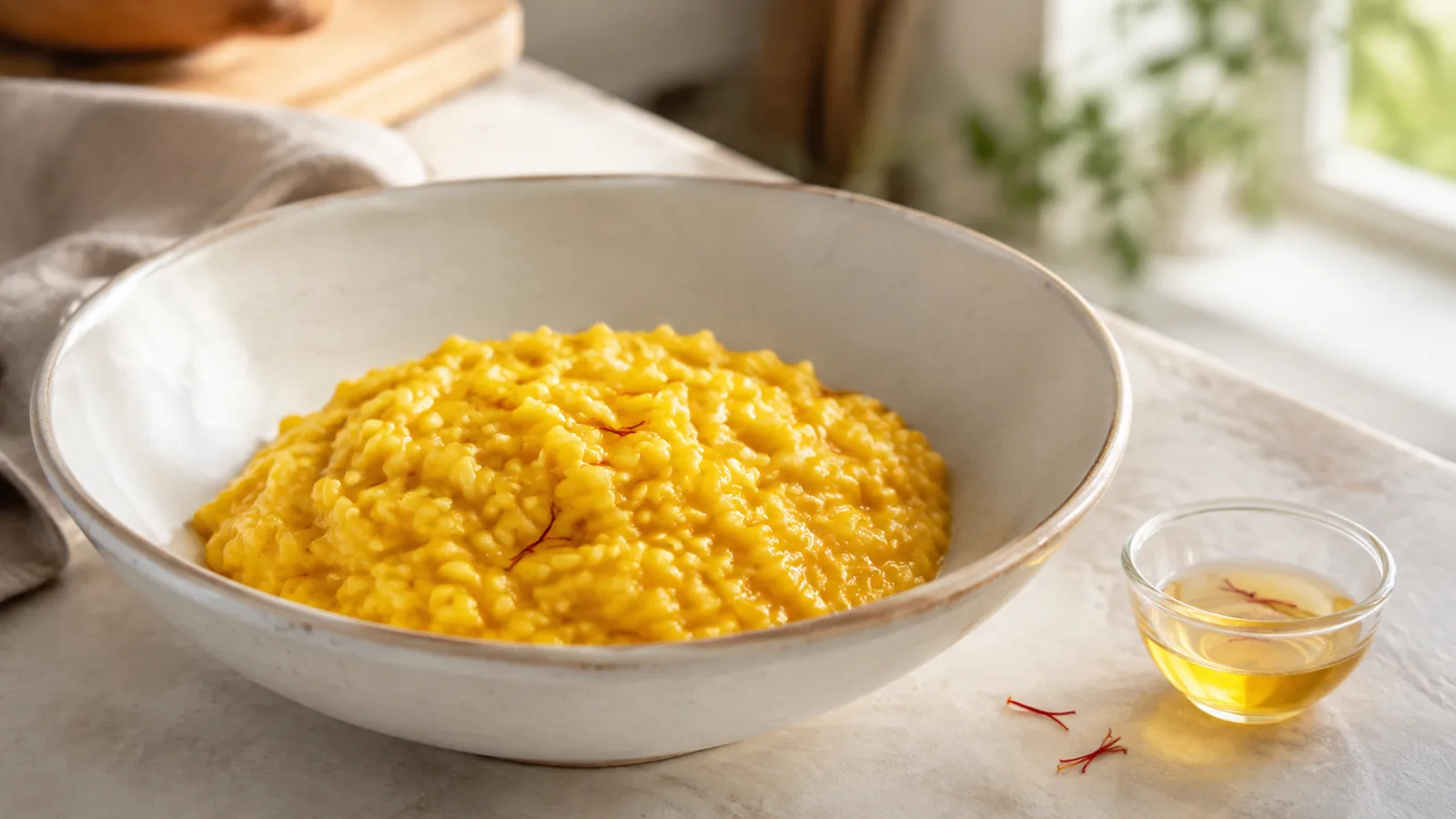
Saffron tastes aromatic, gently bitter, floral, and grassy, with an earthy warmth that is difficult to compare with a single familiar spice. The taste of saffron is not sugary, although some people describe hints of honey or dry hay in its aroma. Used in the right amount, its flavour is distinctive rather than overpowering.
The saffron flavor profile at a glance
A useful saffron flavor description separates taste from aroma. On the tongue, genuine saffron can be mildly bitter and a little astringent. Its aroma is more expansive: floral, grassy, warm, and sometimes reminiscent of dried hay or honey. The finished impression changes with the saffron, the dose, and the food around it, which is why two people may describe the same cup or dish differently.
A peer-reviewed trained-panel study of saffron assessed attributes including flowery, fruity, grassy, bitter, astringent, pungent, and characteristic safranal notes. The three samples did not produce identical sensory profiles. That is more accurate than saying every saffron sample has one fixed taste.
Does saffron have a flavor, or does it only add colour?
Saffron does add flavor. Colour is the first change many cooks notice, but aroma and taste are central to the spice. Three groups of compounds help explain the experience: crocins are closely associated with colour, picrocrocin with bitterness, and safranal with saffron’s characteristic aroma. A dish can therefore look golden without capturing its full flavor profile if the threads are weak, stale, or poorly infused.
The smell matters because much of what we call flavour is perceived through aroma while eating. If you want a closer look at that part of the experience, see what genuine saffron smells like.
Is saffron bitter, sweet, or savory?
Pure saffron has a natural bitter component. At a culinary dose, that bitterness should sit underneath the aroma rather than dominate the dish. If the result is harsh or medicinal, too much saffron may have been used, or the threads may have been unevenly distributed.
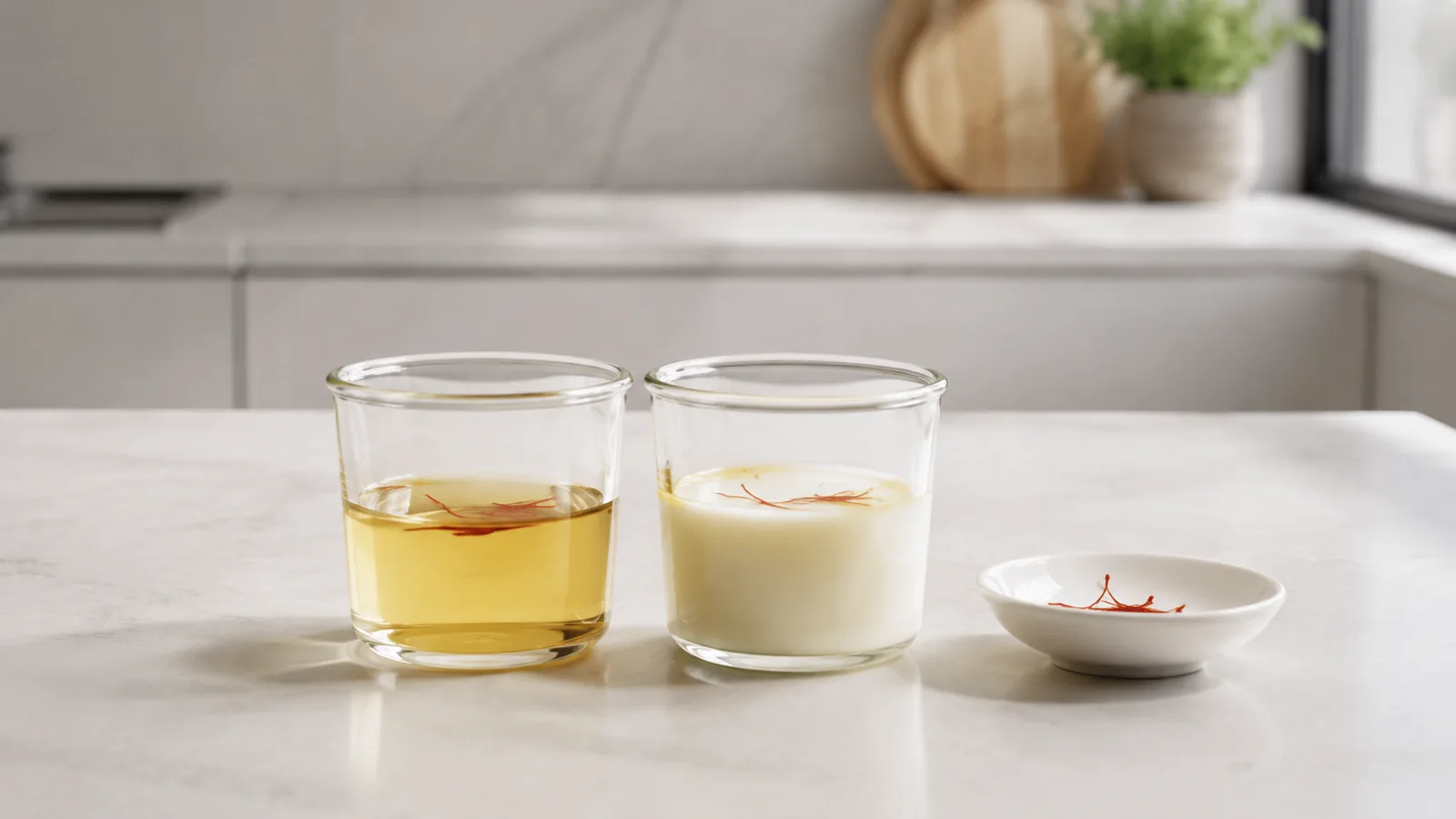
Saffron is not sweet in the way sugar or honey is sweet. The honey comparison usually describes an aromatic association, not actual sweetness. It works in both sweet and savory cooking because it does not lock a recipe into either category. Milk, cream, sugar, and warm spices can soften its bitter edge in desserts; stock, rice, onion, seafood, and butter give it a savory setting.
What does saffron taste like when cooked?
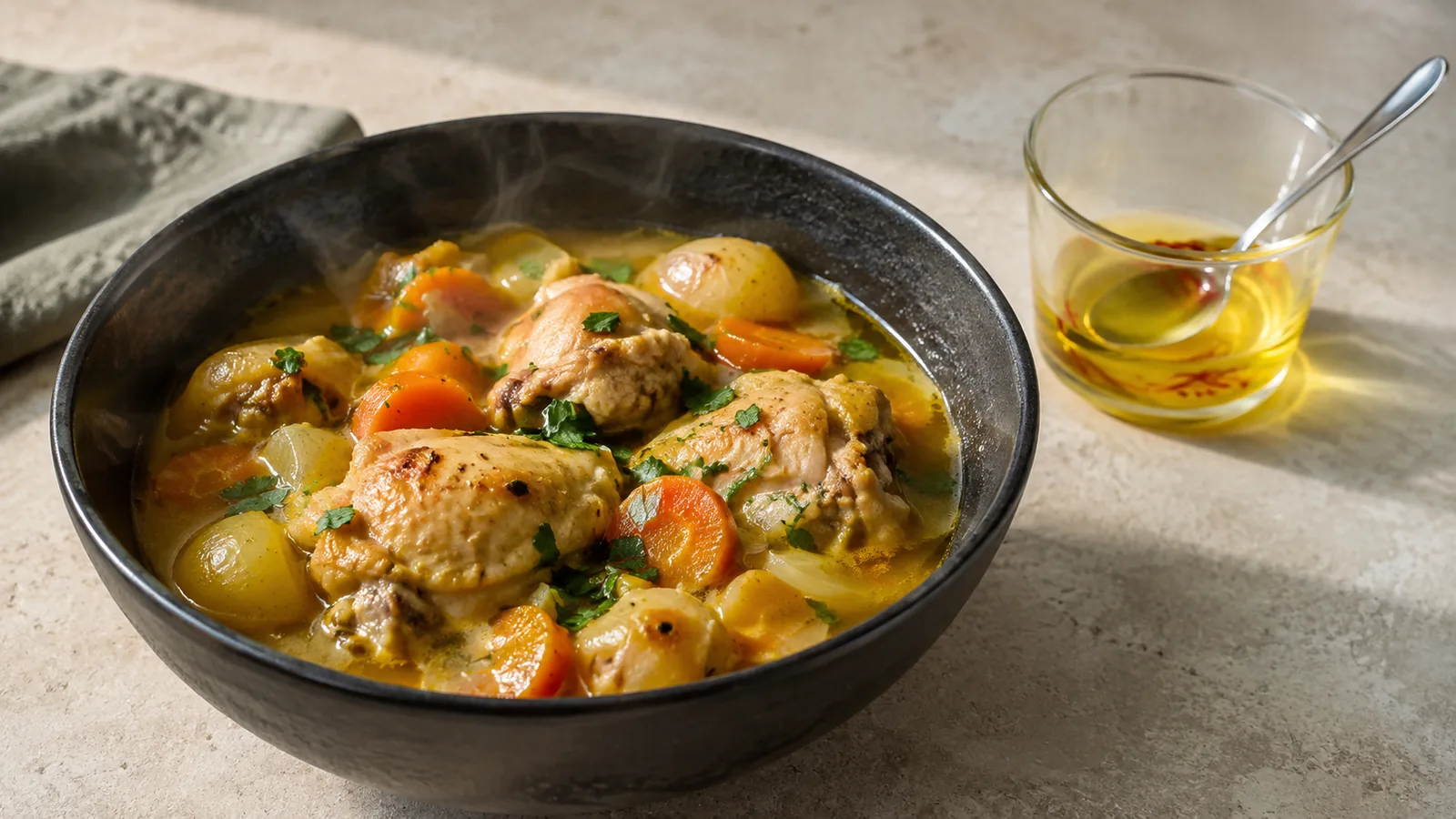
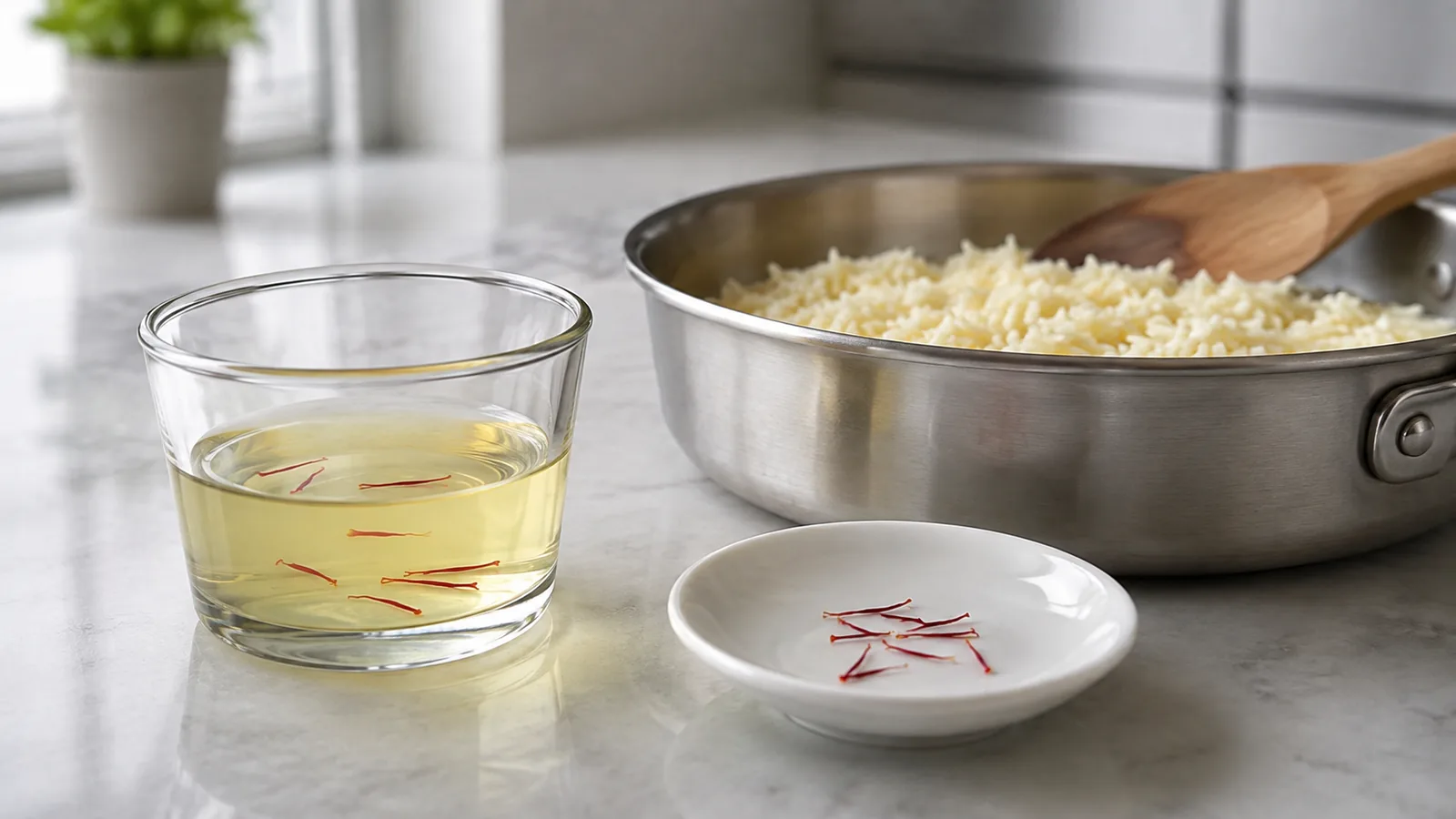
Cooking spreads saffron through the surrounding liquid and ingredients. In rice, the flavour often feels warm, fragrant, and slightly earthy. In soups and stews, it becomes part of the liquid rather than sitting on the surface like a dry spice. In milk-based desserts, the floral aroma tends to be more obvious while sugar rounds out the bitterness. Tangy ingredients can provide contrast, but they should not overwhelm the infusion.
Strong chilli, smoke, heavy browning, or a large amount of another aromatic spice can cover saffron. It is usually better to build a clean infusion and add it where the dish can carry the aroma. Our guide to activating saffron in cooking explains how temperature, liquid, and timing affect extraction. For examples in specific dishes, read what saffron tastes like in food.
How to taste saffron clearly
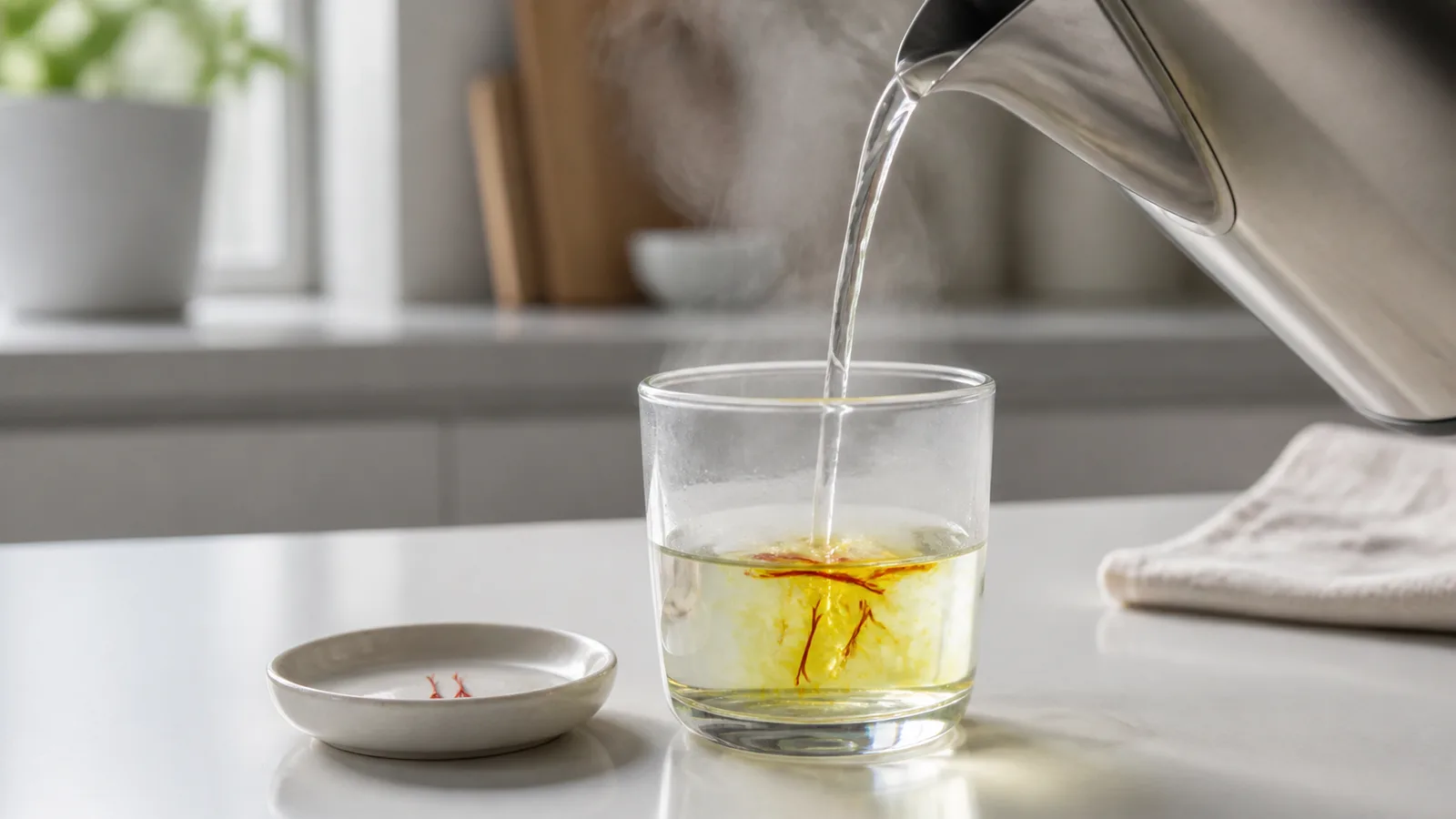
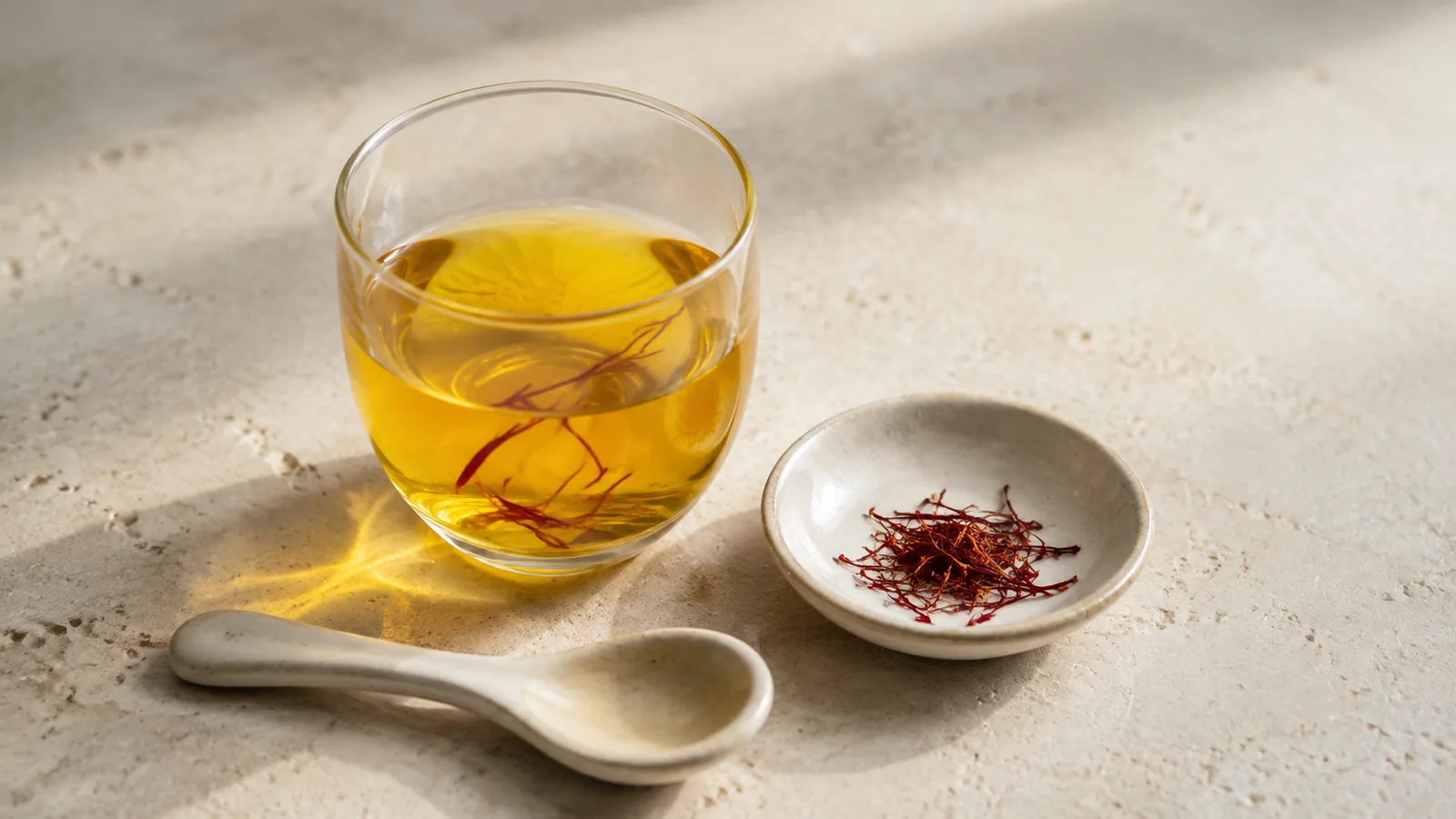
To learn the flavour without a complicated recipe, crush a small pinch of threads and steep it in a little warm water for several minutes. Smell the dry threads first, then the infusion. Take a small taste before adding sugar, dairy, stock, or other spices. This makes the bitter, floral, and grassy parts easier to distinguish.
Avoid judging quality by one dramatic “test.” Colour release, aroma, and taste all vary with temperature, concentration, age, and the way the threads were processed. A weak cup can mean too little saffron or poor extraction; it does not prove fraud on its own. If the identity of the product is in doubt, use the more complete checks in our guide to identifying real saffron.
Does saffron taste good?
That is personal, but dosage has a large influence. Someone tasting an over-concentrated infusion may encounter bitterness before the subtler aroma. In a measured amount, saffron contributes depth without making a dish taste simply “spicy.” It is especially effective when the rest of the recipe leaves room for its fragrance.
Pairing also changes what stands out. Dairy can make the aroma feel rounder; rice and mild stock provide a neutral base; citrus and some warm spices add contrast. The practical guide to foods that pair well with saffron covers those choices in detail.
What should good saffron taste like?
Expect a clean, aromatic profile with mild bitterness and floral or grassy notes—not sugary sweetness and not a single blunt flavour. “Kesar taste” describes the same spice under another familiar name, and its strength still depends on quality, freshness, dose, and preparation. A current Sargol saffron listing provides pack information if you want whole red threads for cooking or a simple tasting infusion.