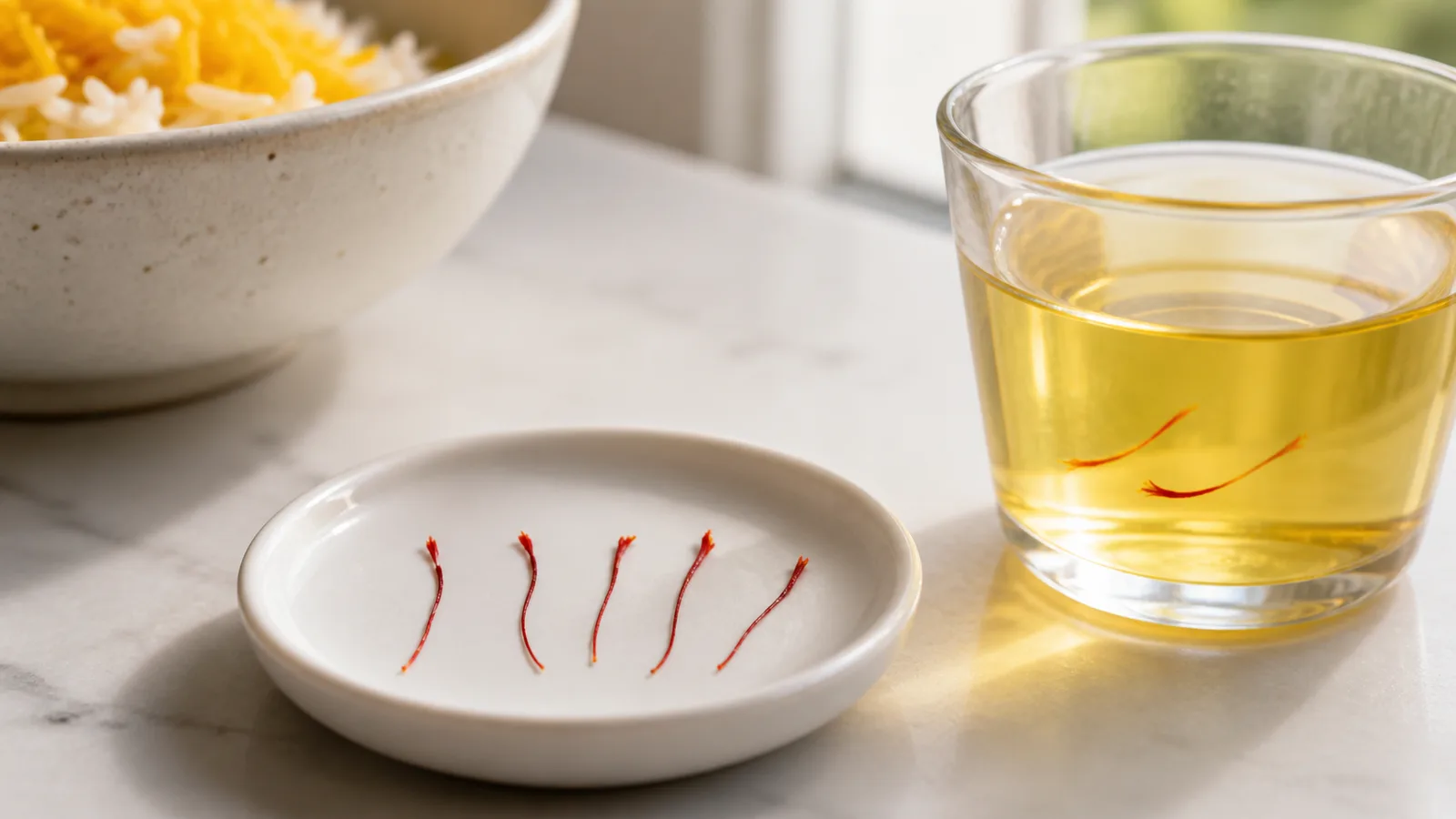
If you are asking “is Iranian saffron good?”, the short answer is yes: it can be excellent. Iran has deep experience in cultivation and grading, and a fresh, authentic batch can offer strong color, a clean aroma and the characteristic bitter flavor cooks expect. Iranian saffron quality still varies by farm, cut, harvest, drying and storage, so “from Iran” is a promising origin—not a complete quality guarantee.
Why Iranian Saffron Has a Strong Reputation
Much saffron from Iran comes from the Khorasan provinces, where generations of growers have worked with the crop. Soil and climate affect cultivation, but the decisive work continues after flowering. Stigmas must be collected, separated, dried and protected from light, air and moisture.
Scale also makes Iranian saffron available in several recognizable trade presentations. Buyers can choose a thread cut for a particular purpose instead of treating every packet as the same product. That is useful, provided the seller explains the grade and can trace the batch.
Iranian Saffron Grades Explained
Iranian commercial names describe how much of the stigma and style is present and how the threads are arranged. They should not be confused with laboratory quality categories.
- Negin: separated red stigmas that are generally long and intact, with little or no visible style.
- Sargol: the red stigma portion, often shorter or broken after separation and sorting.
- Pushal: red stigma with some attached pale style.
- Dasteh or bunch: stigmas and a larger portion of style kept together in a bundle.
A peer-reviewed study on Iranian saffron type classification describes these distinctions and notes that Sargol contains the red part of the stigma. A packet can match the appearance of a grade and still need purity, freshness and storage checks.
What High-Quality Threads Look Like
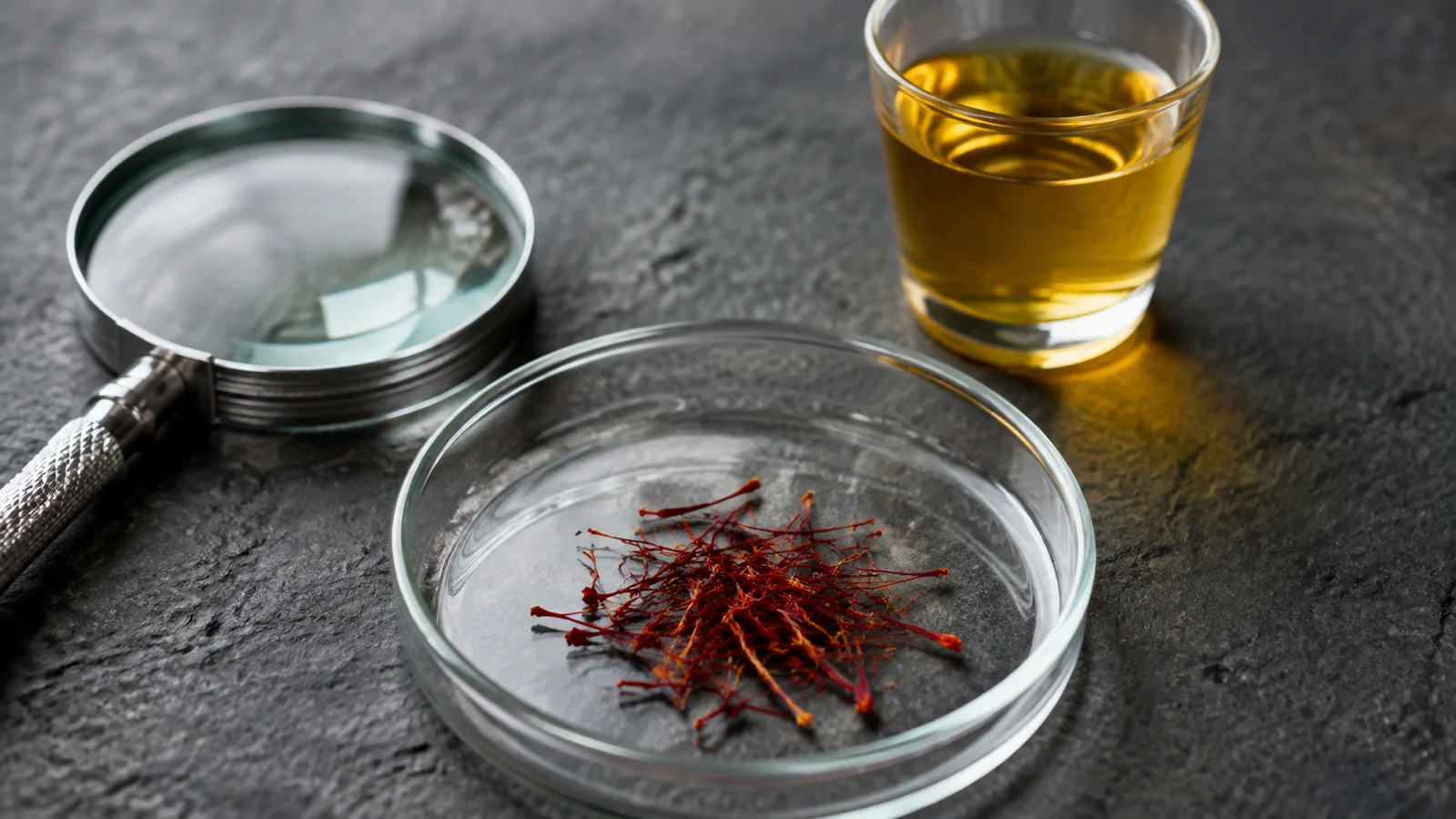
Good whole saffron has recognizable Crocus sativus stigmas. The threads are usually deep red, slender through the body and widened or flared near the end. Long, unbroken threads can be visually appealing, while minimal yellow style raises the proportion of red stigma by weight.
Broken pieces are not automatically low quality, especially in Sargol. Conversely, vivid red hues do not prove that the contents are pure. Added color, substituted plant material or careful photography can imitate a premium appearance.
Aroma, Taste and Golden-Yellow Color
Fresh Iranian saffron should smell clean and complex. Its aroma may be described as floral, hay-like, honeyed or earthy. The taste is characteristically bitter, not sweet. A musty, damp or flat smell suggests that age or storage may have damaged the spice.
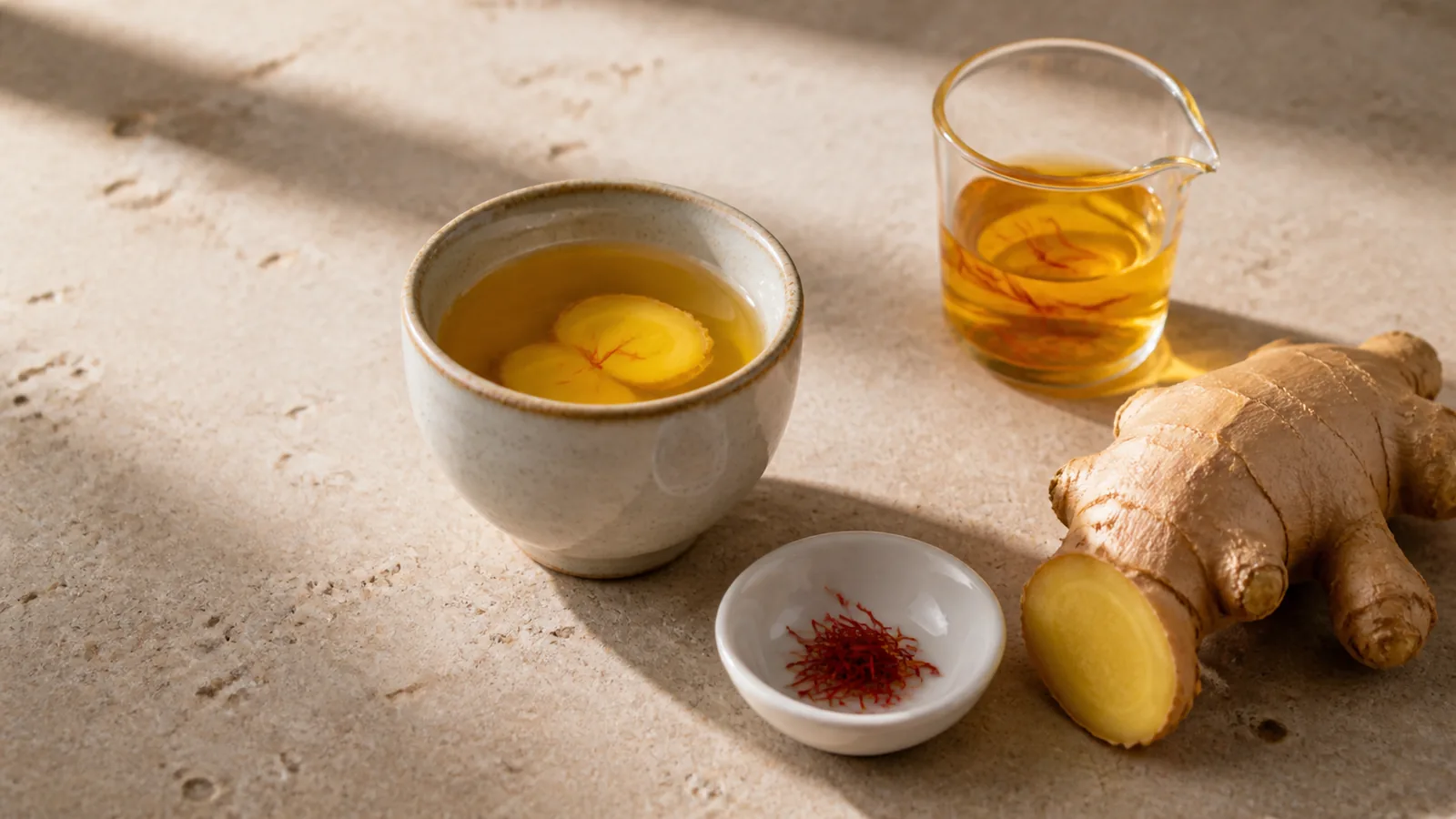
A few threads steeped in warm water should gradually release a clear golden-yellow color. Crocins contribute the coloring strength, picrocrocin is associated with bitter flavor, and safranal contributes to the fragrance. Research on saffron’s commercial-quality compounds explains how harvesting, drying and storage can change these characteristics.
An infusion is a useful observation, not a certificate. Genuine threads need not turn white, and a cup cannot confirm Iranian origin or uncover every adulterant.
Why One Iranian Batch Can Be Better Than Another
The country’s growing regions do not produce an identical result every year. Farm conditions, flower handling, the time before separation, drying temperature, moisture and storage all matter. “Traditional harvesting methods” can describe skilled work, but tradition alone does not make the final lot unmatched.
A storage study found that the chemical profile of saffron changes over time and links quality with climate, soil, harvesting, drying and storage conditions. Its findings on storage time and saffron quality are a reminder to ask when a batch was harvested or packed, not only where it came from.
Is Iranian Saffron the Best?
For many culinary buyers, a verified Iranian Negin or Sargol is a strong choice. It can provide vivid color, robust aroma and rich flavor in rice, desserts, sauces and tea. That does not establish a permanent winner over good saffron from Kashmir, Spain, Afghanistan, Morocco, Greece or Italy.
Research into authenticating Iranian saffron examined traceable samples from several countries that met ISO quality criteria. It also shows that establishing geographical origin requires specialist methods. The practical answer to “is Iranian saffron the best?” is therefore batch-specific.
The comparison of the world’s top saffron explains why origin, trade cut and measured quality should be considered separately.
What the Best Iranian Saffron Brand Should Prove
A brand name is valuable when it provides accountability. It should tell you who packed the saffron, identify the cultivation origin, explain the grade, connect the package to a lot, and share current testing where appropriate. Search results for “best Iranian saffron brand” are not a substitute for those records.
Look closely at the origin statement. A label may read “saffron: Iran,” “product of Iran” or “saffron from Iran.” Check that it identifies cultivation rather than simply a packing or trading location.
How to Buy Good Iranian Saffron
- Confirm that the ingredient is Crocus sativus stigma.
- Choose the thread grade for your purpose, not just the most expensive name.
- Check the producer, lot number, harvest or packing date, and country of cultivation.
- Ask for batch-specific quality or purity results when a seller makes laboratory claims.
- Compare price per gram for the same grade and traceability.
- Prefer packaging that limits light, air and humidity.
Use the guide to identifying high-quality saffron for thread, aroma and infusion checks, and the guide to buying good-quality saffron for seller and batch questions.
Using and Storing Iranian Saffron
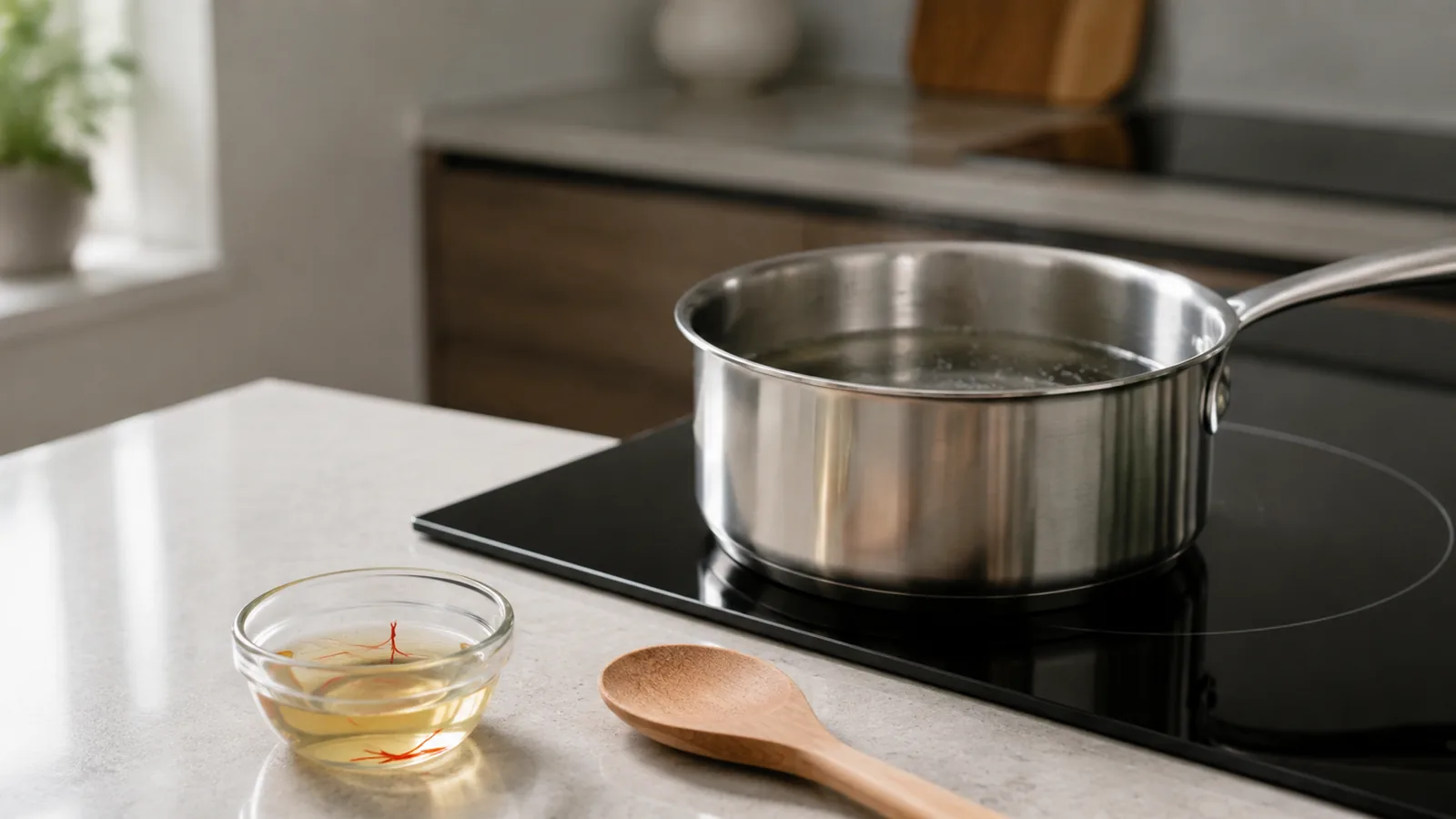
For cooking or tea, measure the threads, lightly crush the required amount and bloom it in warm water. Add the liquid and threads to the dish so the color and aroma spread evenly. A consistent method makes it easier to compare one purchase with another.
Keep the remaining threads tightly closed in a cool, dry, dark place. Do not store the jar beside a hot stove or in a humid refrigerator door. Good Iranian saffron can lose the qualities you paid for when it is repeatedly exposed to heat, light and air.
Iranian Saffron Quality Depends on Evidence
Iran is a credible source of premium saffron, and Negin and Sargol give buyers useful choices in thread presentation. The strongest purchase is a pure, fresh, properly stored batch whose origin and grade are clear.
When comparing the available saffron products, apply those checks to the actual package. Country reputation can guide the shortlist; batch evidence should make the final decision about Iranian saffron quality.