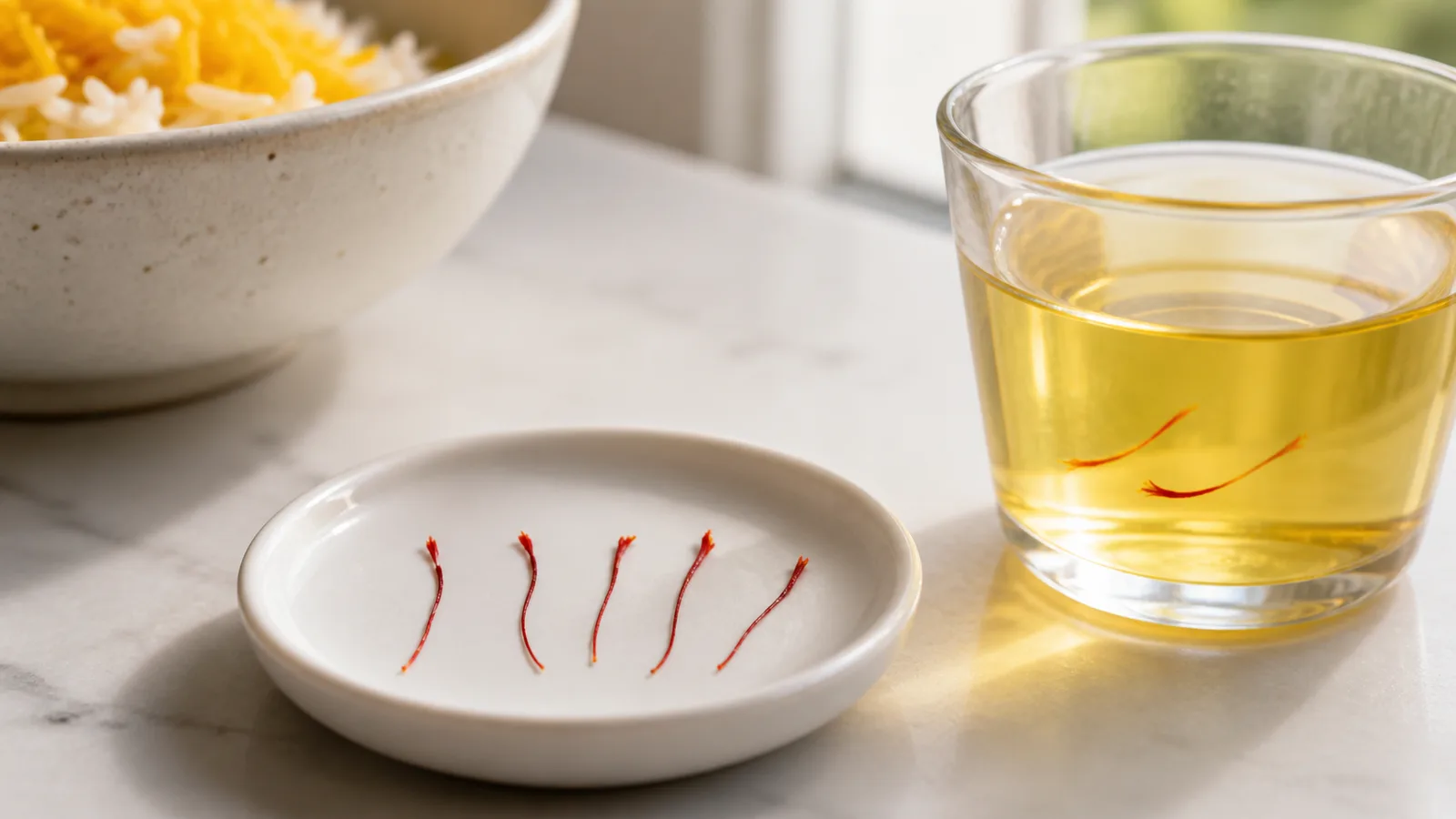
Yes, Turkish saffron can be good quality. Safranbolu Safranı is a protected Turkish saffron with a defined place of origin, but the same rule applies as it does elsewhere: judge the jar by its identity, freshness, processing and batch evidence. A Turkish name alone does not prove that the contents are genuine Crocus sativus.
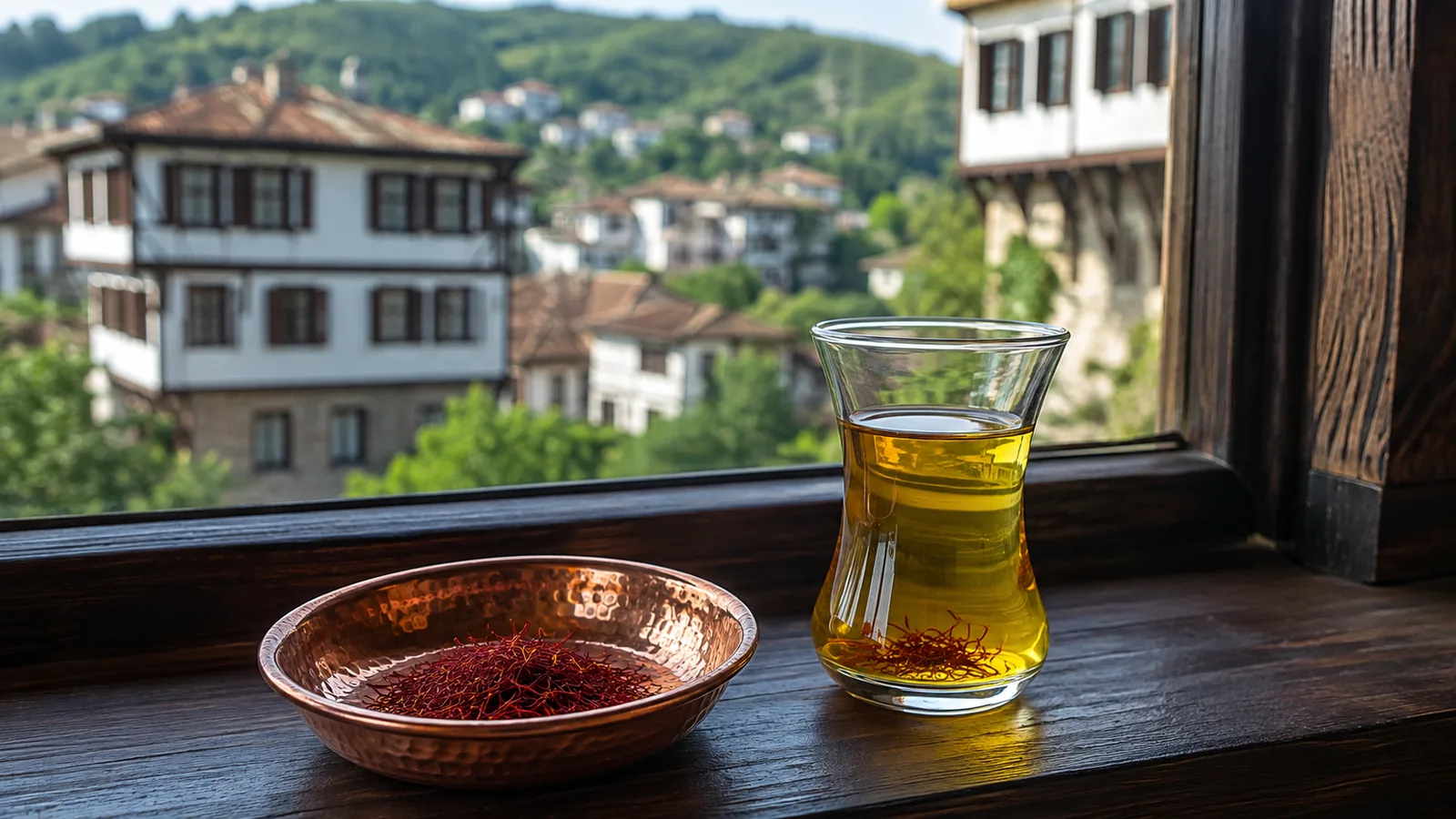
Safranbolu Is Türkiye’s Best-Known Saffron Origin
Safranbolu, in Karabük Province, has a long association with saffron cultivation. The Turkish Patent and Trademark Office records Safranbolu Safranı as a registered designation of origin. The protected name refers to saffron from a defined area, not to any spice that happens to be packed or sold in Türkiye.
The name also has European protection. The European Union entered Safranbolu Safranı in its PDO register in 2024. That is useful evidence of geographical identity. It does not eliminate the need to verify the package or make every unprotected “Turkish saffron” listing equivalent.
Is Turkish Saffron Real?
Real culinary saffron is the dried stigma of Crocus sativus. Turkish-grown Safranbolu saffron meets that botanical identity. Confusion arises because cheaper yellow or orange plant material, including safflower, is sometimes called false saffron or used as a substitute.
Check the ingredient before relying on color or a familiar place name. If a listing says only “saffron turki,” “Turkish spice” or “saffron color,” ask for the botanical name, cultivation origin and thread description. Genuine origin claims should become more specific when questioned, not less.
What Premium Turkish Saffron Looks Like
High-quality whole saffron has recognizable stigmas. The threads are generally deep red, slender through the body and wider or flared toward the end. Long stigmas can be attractive, and minimal yellow style raises the proportion of red stigma by weight. Natural threads are not perfectly identical, however, and some breakage can occur during drying and packing.
A photograph cannot prove purity. Added dye, other flower parts or substitute plants can imitate a strong red or orange appearance. Research reviewing saffron quality and adulteration describes safflower and other plant materials among the substances used to imitate or dilute the real spice.
Aroma, Flavor and Infusion
Fresh saffron should have a clean, complex aroma that may seem floral, hay-like, honeyed or earthy. Its flavor is characteristically bitter rather than sugary. A musty, damp or flat smell can indicate age or poor storage.
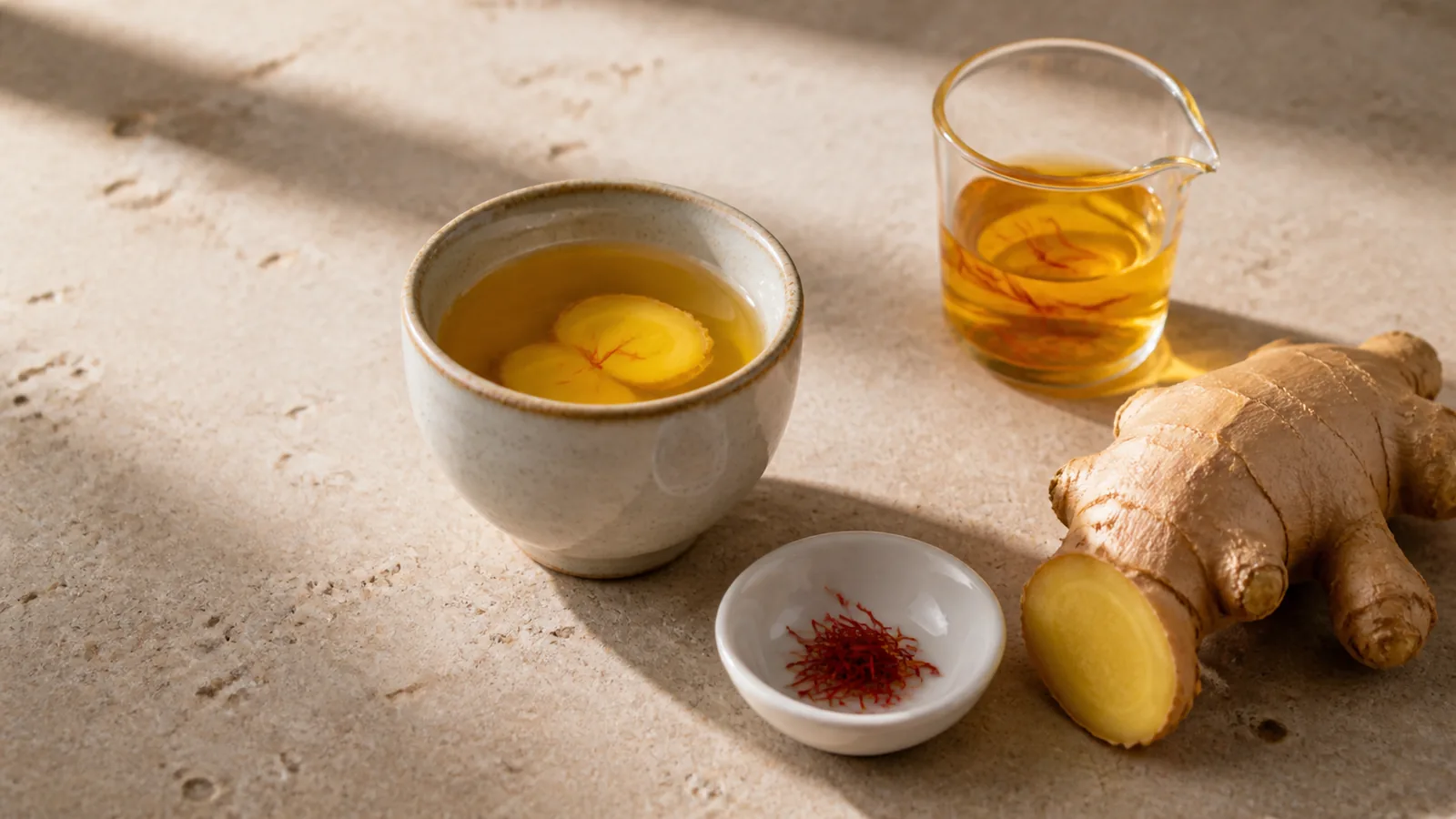
A few threads in warm water should gradually release a clear golden-yellow color. The fragrance should remain distinct in the infusion. Immediate opaque red dye is a warning, but genuine threads do not have to turn white, and a home water test cannot confirm Safranbolu origin or detect every adulterant.
How Turkish Saffron Quality Is Measured
Saffron’s coloring strength is associated with crocins, its bitterness with picrocrocin, and its aroma with safranal. Moisture, extraneous material and contaminants also matter. These characteristics require more than a visual inspection when a seller makes a laboratory-grade claim.
A review of analytical methods for saffron quality explains how laboratories use techniques such as UV-visible spectroscopy, chromatography and chemical fingerprinting. Ask for the laboratory, test date, lot number and actual result rather than accepting “tested quality” as a complete statement.
Soil and Tradition Are Only Part of the Result
Safranbolu’s soil conditions, climate and sunlight influence cultivation. Traditional harvesting techniques and careful hand separation can protect delicate stigmas. Yet the quality can still fall if flowers wait too long before processing, drying is uncontrolled, or finished saffron is exposed to humidity, heat and light.
This is why two lots from the same region may not have the same potency or consistency. The protected origin tells you where qualifying saffron belongs; the current batch tells you how well its color, aroma and flavor were preserved.
How It Compares With Other Origins
Good Safranbolu saffron can sit comfortably beside respected saffron from Iran, Kashmir, Spain, Afghanistan, Morocco, Greece or Italy. Country comparisons become misleading when one carefully tested fresh sample is placed against an unspecified old packet.
Iranian Sargol, for example, is a trade cut consisting mainly of red stigma. Kashmir and La Mancha have their own protected identities. None of these names creates a universal flavor ranking. The guide to buying saffron by country explains how to separate cultivation origin, packing country and batch quality.
What “Turkish Saffron Benefits” Should Mean
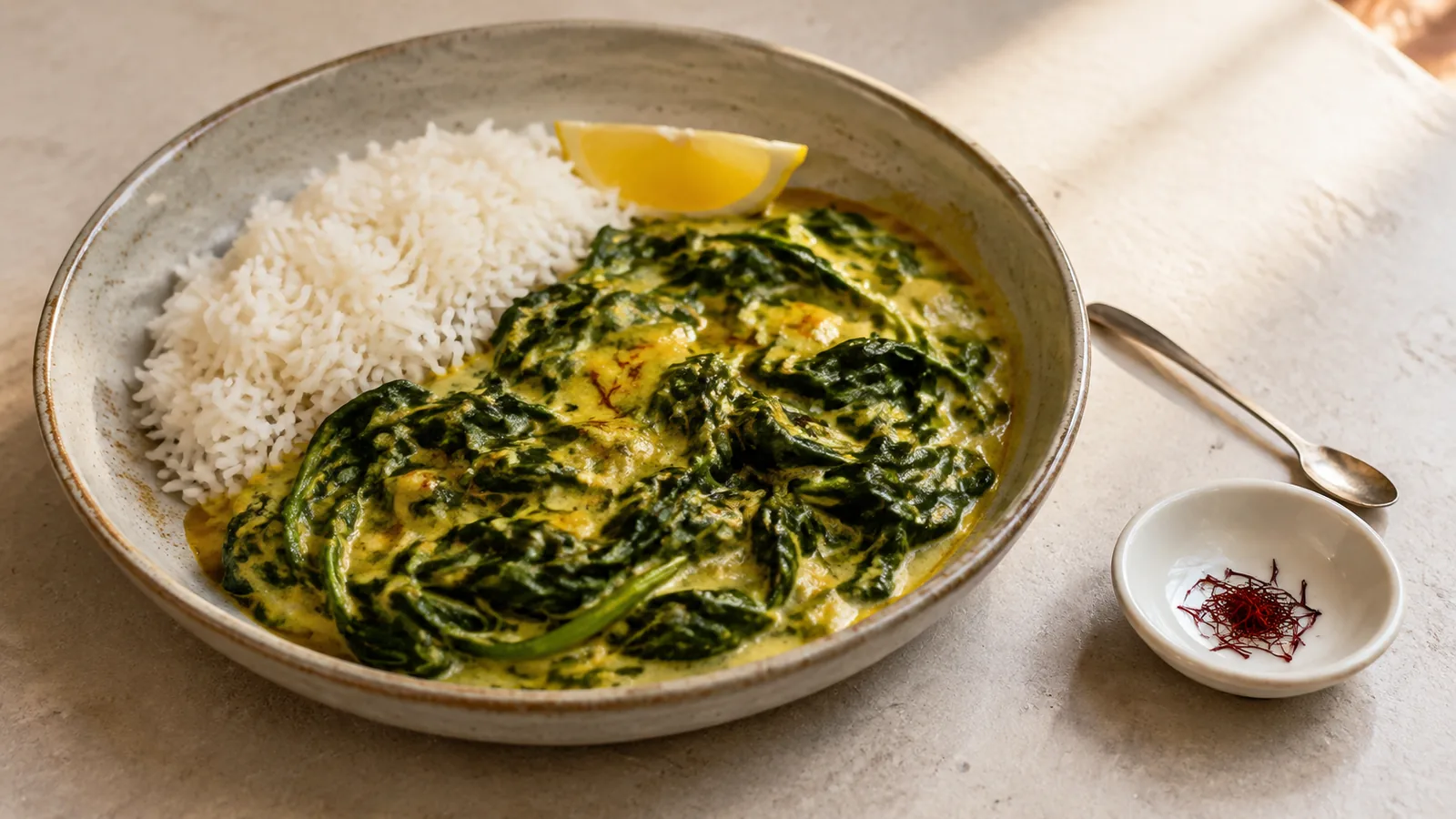
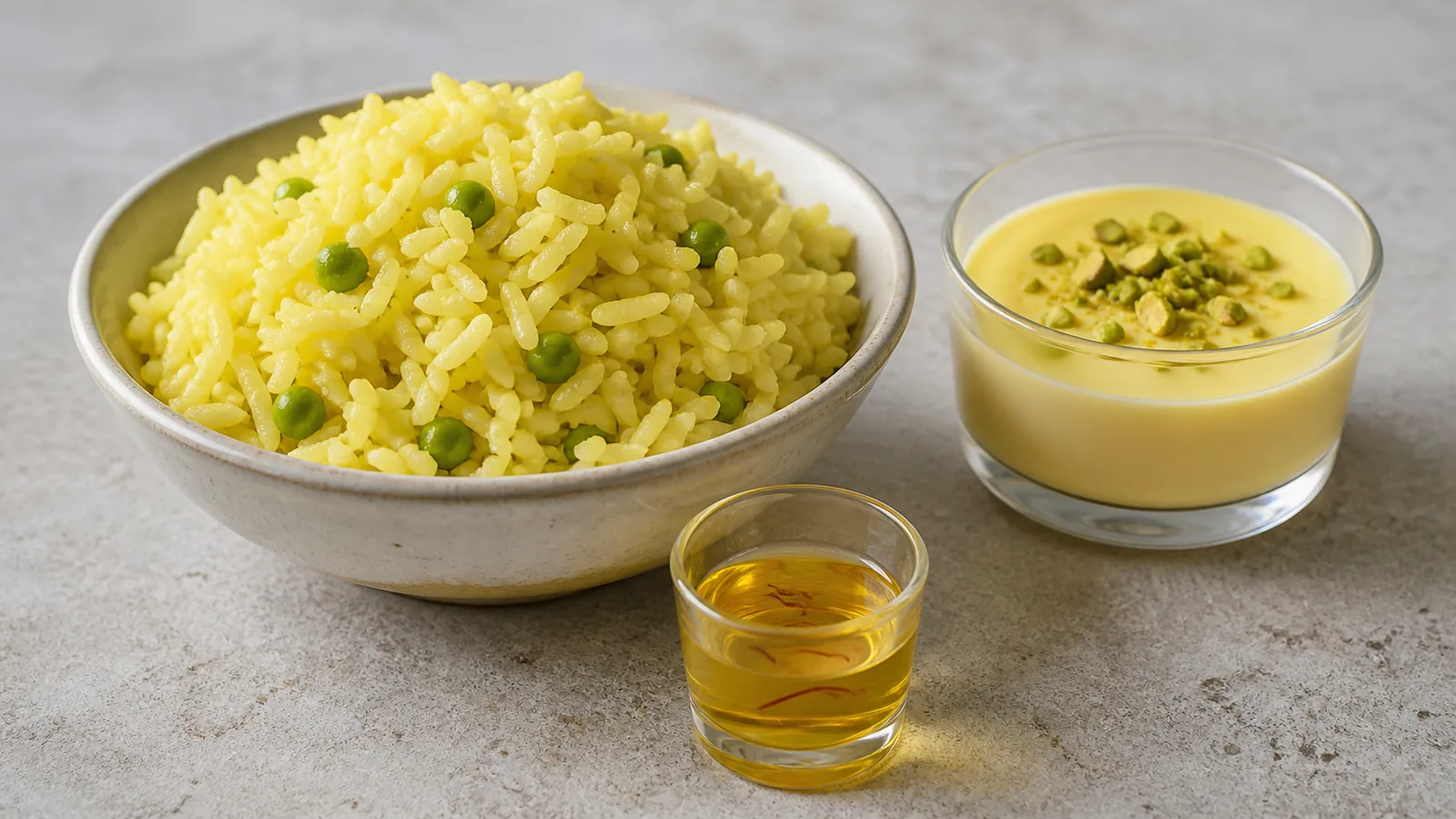
Searches for “Turkish saffron benefits” often mix culinary qualities with health claims. Its clear practical benefits in the kitchen are concentrated color, distinctive aroma and bitter depth from a small measured amount. Those properties can improve rice, soups, breads, desserts and tea.
Medical effects are not established by Turkish origin, a protected name or a seller’s description. Do not treat a Safranbolu label as evidence that a product prevents, treats or cures a condition. Health decisions deserve evidence about the specific preparation and advice from an appropriate clinician.
How to Buy Authentic Turkish Saffron
- Look for the full Safranbolu Safranı name when protected origin matters.
- Check the appropriate PDO or Turkish geographical-indication identification on the package.
- Confirm that the ingredient is Crocus sativus stigma, not safflower or a color blend.
- Ask for the producer, cultivation area, lot number, and harvest or packing date.
- Request batch-specific results when purity or laboratory grade is claimed.
- Choose packaging that limits exposure to light, moisture and air.
The guide to identifying high-quality saffron provides additional thread, aroma and infusion checks.
Use and Store It Carefully
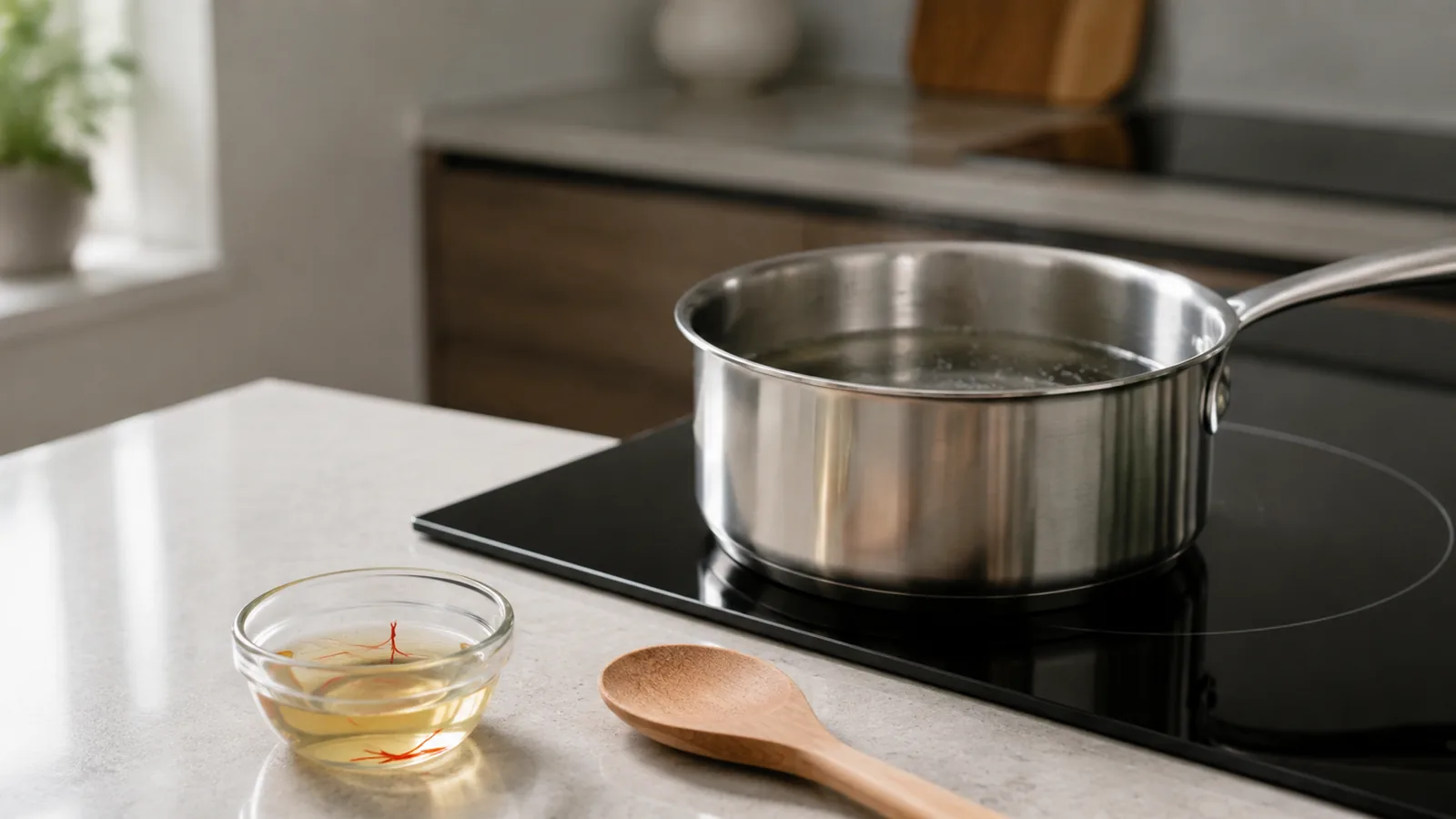
For cooking or tea, lightly crush a measured amount and bloom it in warm water. Add both the liquid and threads to the dish. This distributes the golden-yellow color and aroma more evenly than dropping a dry clump into one spot.
Store the remaining saffron tightly closed in a cool, dry, dark place. Avoid a shelf beside the stove or a humid refrigerator door. Even excellent Turkish saffron loses value when storage weakens its flavor and fragrance.
Good Turkish Saffron Is Specific and Traceable
Safranbolu gives Turkish saffron a credible, protected origin and a clear identity. The best purchase is a genuine, fresh, properly handled batch whose producer and evidence can be checked.
When comparing the available saffron products, apply that same standard to the individual package. Traceability and condition should decide Turkish saffron quality, not a country name or a dramatic red photograph by itself.