Zaran Saffron is a real saffron brand with an active company website and published product information. That does not let anyone authenticate an individual container from the brand name alone. Zaran saffron authenticity depends on whether the package came through a legitimate seller, matches the company’s current packaging and lot information, and contains saffron supported by evidence for that batch.
What Can Be Confirmed About Zaran Saffron
The company’s official history page says Zaran Saffron was founded in California in 2016 and describes it as a family-run business. This establishes that Zaran is a brand rather than a botanical variety or a geographical grade.
The distinction matters. “Zaran” does not describe a species of crocus, a protected origin or an independent laboratory category. The ingredient still needs to be dried Crocus sativus stigmas, and quality should be assessed on the lot in the container.
How to Check a Zaran Package
Start before opening it. Compare the seller, packaging, net weight, seal and batch markings with information from the official brand. Marketplace listings can be copied, changed or attached to different sellers, so a familiar product photo is not enough.
- Buy from the brand or a seller the brand identifies as authorized.
- Check that the container is sealed and that printing and lot details are clear.
- Look for a batch or lot number, not only a generic quality statement.
- Compare any QR code or certificate route with the official company domain.
- Keep the receipt and photograph the unopened package if authenticity is a concern.
If packaging or seller information does not match, contact the brand with the lot number and photographs. Do not rely on a stranger’s photograph of another container to validate yours.
Read the Batch Certificate, Not Just the Badge
Zaran’s lab-analysis page states that its batches are independently tested against ISO 3632-related measures. This is a statement from the company, so a careful buyer should inspect the certificate linked to the exact harvest or lot rather than treating the general page as proof of every package.
A useful certificate should identify the sample or batch, laboratory, report date and results. Crocin-related measurement concerns coloring strength, picrocrocin is associated with bitter flavor, and safranal is associated with aroma. Moisture, foreign material and other purity checks may also matter.
A review of analytical methods used for saffron quality explains why several laboratory techniques may be needed for thorough authentication. A single marketing badge cannot communicate all of that information.
What Real Zaran Saffron Threads Should Look Like
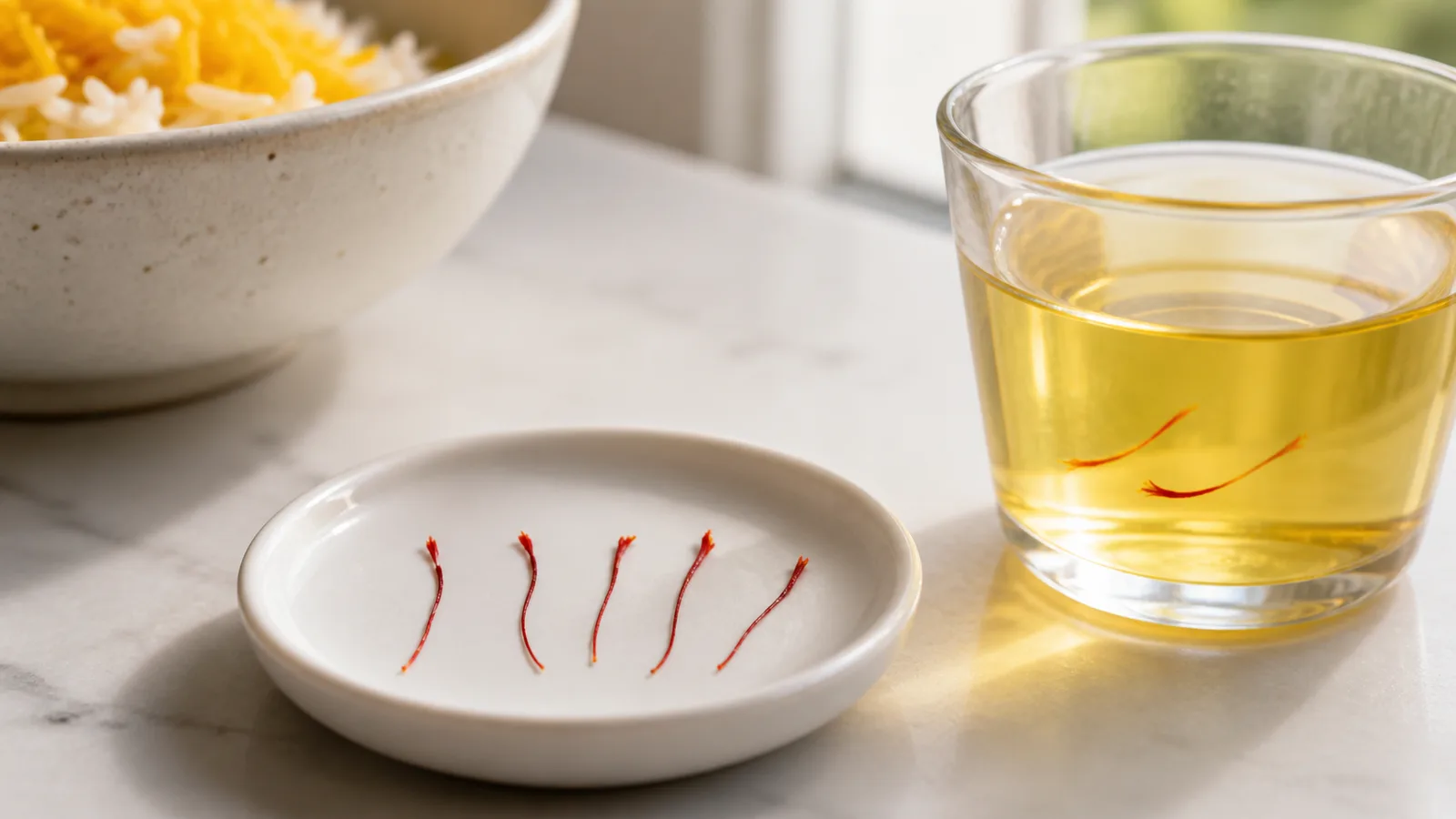
Zaran saffron threads should have the physical form of dried Crocus sativus stigmas. Natural threads are slender, irregular in length and often wider or flared at one end. They are generally deep red, though slight color variation and some breakage can occur during drying, packing and transport.
Long, unbroken stigmas can be visually appealing, and minimal yellow style means a greater proportion of red stigma by weight. Those features help describe the contents but cannot prove the seller, origin or purity on their own.
Uniform strips, orange petals, fibers with identical ends or unexplained powder deserve closer inspection. Research reviewing saffron adulteration and quality control documents substitute plants, other flower parts and added material among the problems laboratory methods may need to detect.
Use Aroma and Flavor as Supporting Clues
Fresh saffron has a clean, complex fragrance often described as floral, hay-like, honeyed or earthy. Its flavor is characteristically bitter, not sweet. A musty or damp odor may point to poor storage, while a simple perfume-like smell does not establish authenticity.
A weak aroma can also reflect age, a small sample or storage after opening. Compare a measured amount under the same conditions rather than deciding from the smell of a closed container.
Use an Infusion Test Carefully
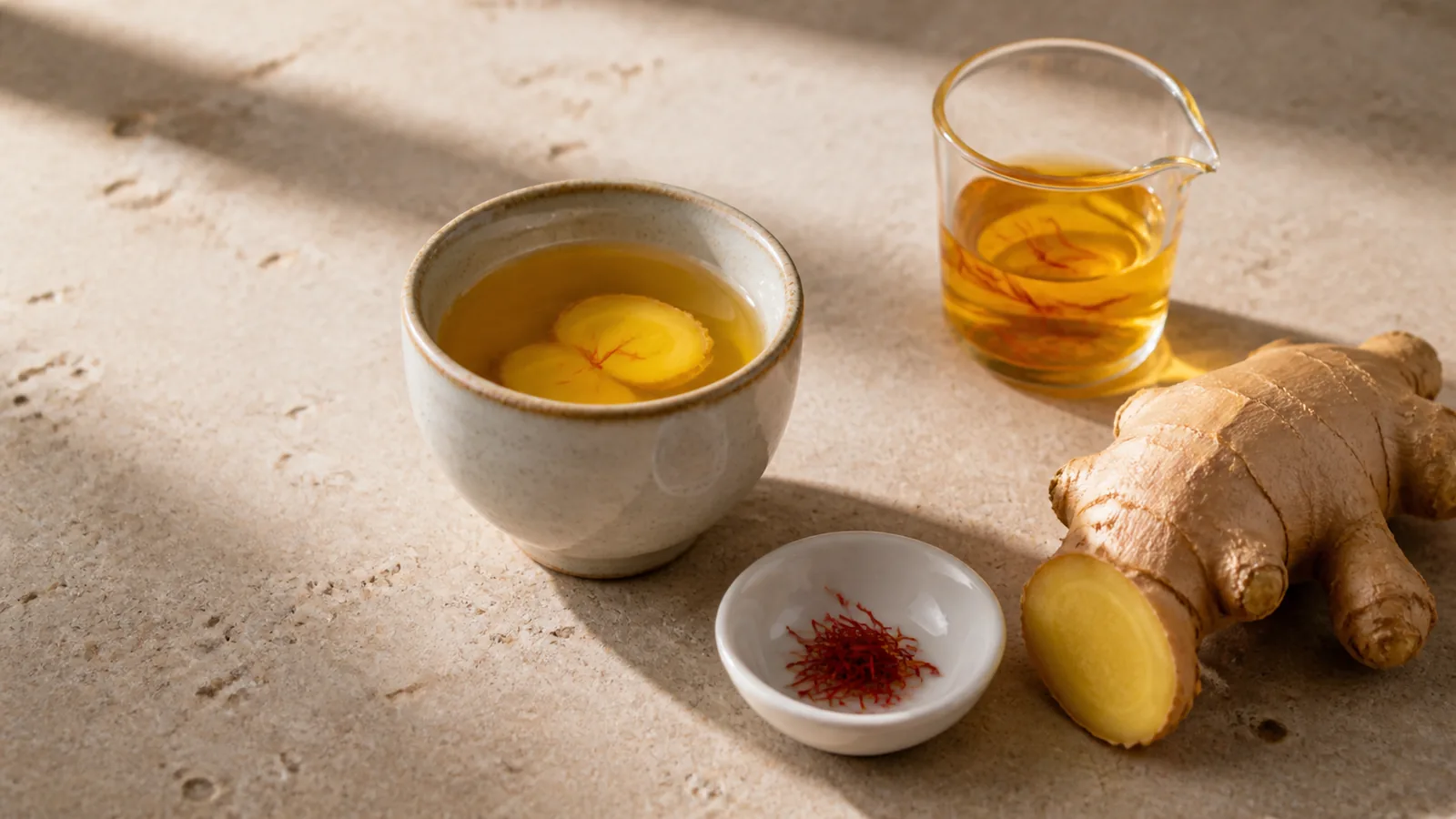
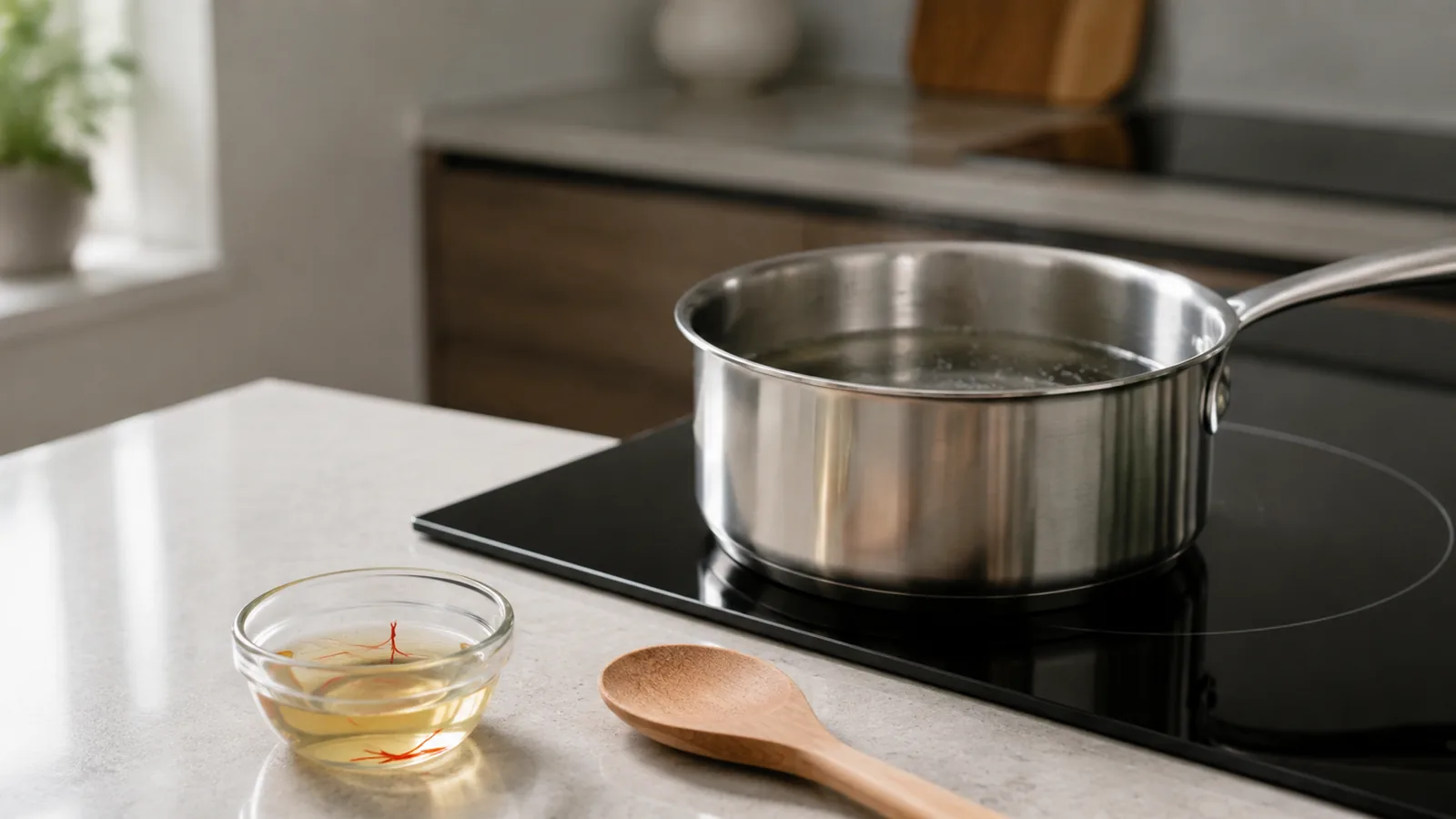
A few threads in warm water should gradually produce a clear golden-yellow infusion. Water or milk can both be used in cooking, although clear water makes the color easier to observe. Immediate opaque red dye is a warning sign. Genuine stigmas do not have to become completely white, and some legitimate threads soften or break when wet.
Home tests can reveal an obvious problem but cannot confirm Zaran saffron authenticity, geographical origin or the absence of every adulterant. Thread color, aroma and infusion are best treated as observations that support—not replace—seller and batch evidence.
The guide to identifying high-quality saffron explains how to combine these checks without turning one result into a guarantee.
Authenticity and Quality Are Different Questions
An authentic branded package can contain a batch that is older or weaker than another harvest. Conversely, strong color does not prove that a marketplace package came from the named brand. Ask two separate questions: is this genuine Zaran merchandise, and what is the condition and measured quality of this lot?
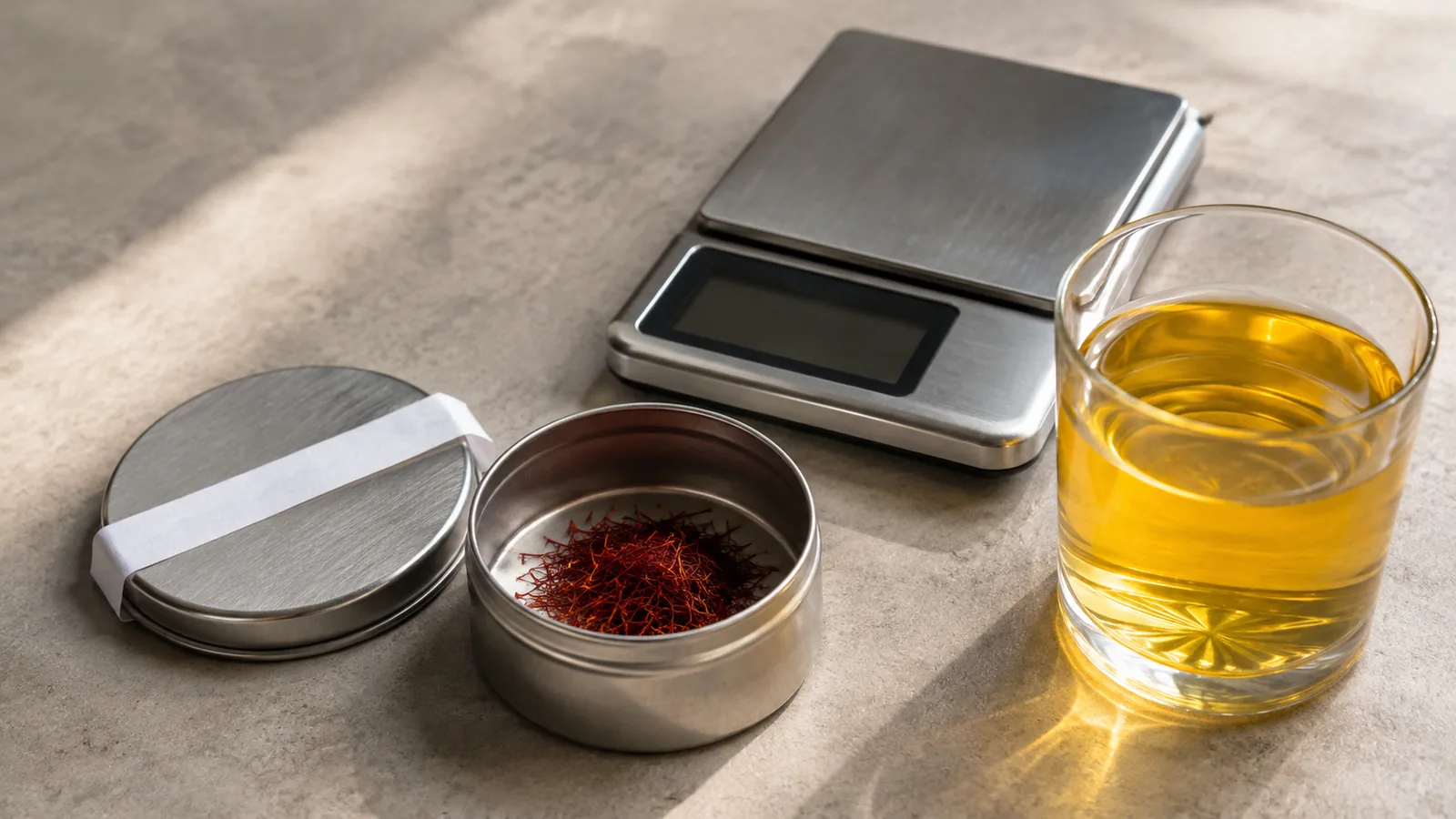
Quality also changes after purchase. Heat, light, moisture and repeated exposure to air can reduce the spice’s culinary performance. A certificate issued when the lot was packed cannot protect threads stored badly in a kitchen.
How to Buy With Less Risk
- Verify the seller and return policy before ordering.
- Prefer whole threads to powder when visual inspection matters.
- Match the lot number to any certificate the brand provides.
- Compare price per gram and do not let an unusually low price override missing evidence.
- Store the opened package tightly closed in a cool, dry, dark place.
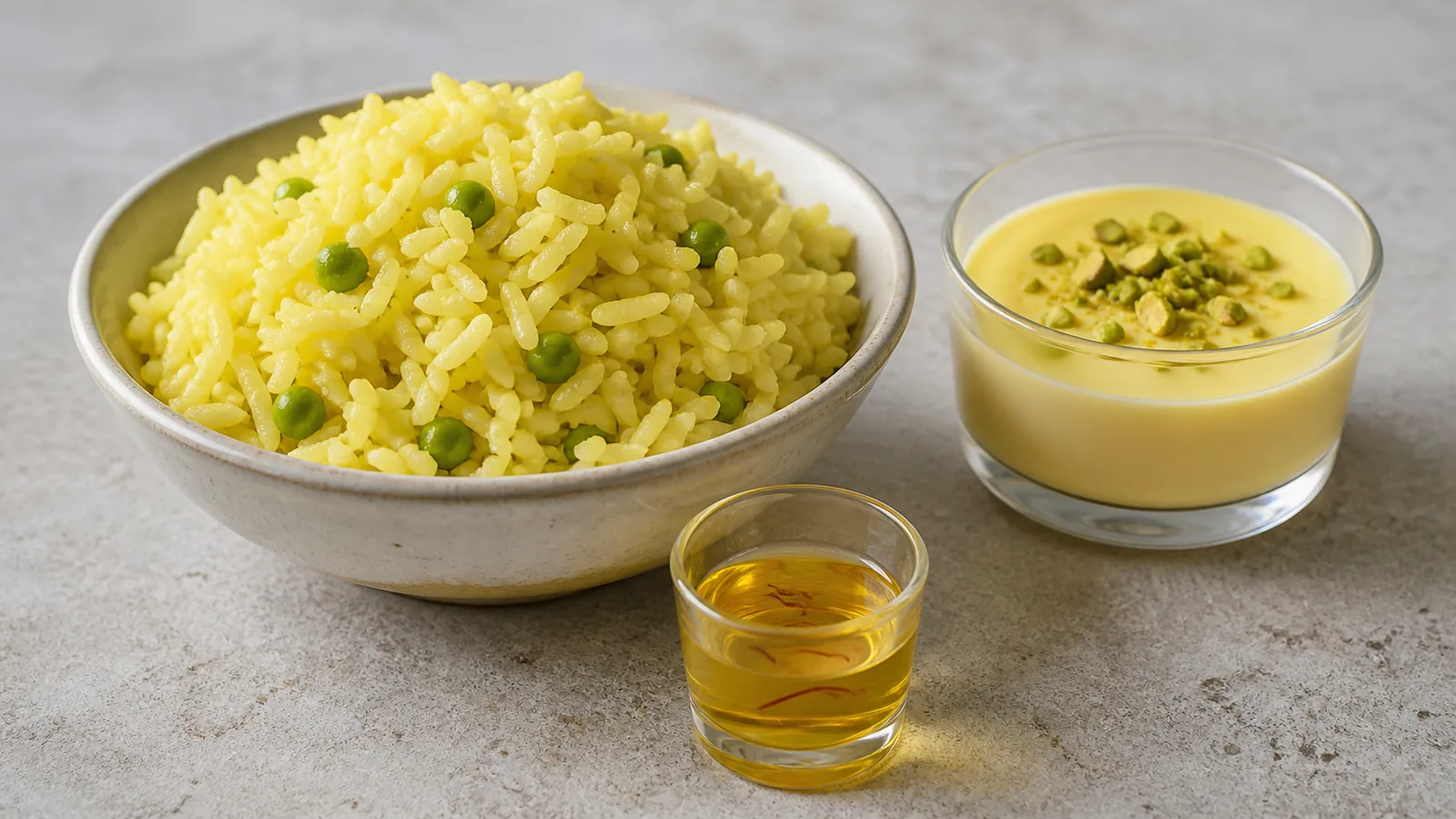
A reliable seller should be able to answer ordinary questions about the product and resolve a mismatched lot or damaged seal. Once verified, store saffron carefully and use a measured amount in cooking or tea.
Our guide to buying good-quality saffron provides a broader seller and batch checklist. The available saffron products should be judged by the same evidence; this article does not claim they are Zaran-branded products.
Zaran Saffron Authenticity Is Batch-Specific
Zaran is a real commercial brand, but a logo or listing title cannot authenticate the Zaran saffron threads in front of you. Confirm the seller and packaging, match the lot to current evidence, then use thread structure, aroma, flavor and infusion as supporting checks.
That approach is more reliable than either accepting every branded container automatically or declaring a product fake from one home test.