The short answer to ‘which country produces the best saffron?’ is that Iran produces the most, but no country automatically produces the best saffron in every harvest. The top saffron producers include Iran, Spain, India’s Kashmir region, Morocco and Afghanistan. What matters in the jar is the quality of that particular crop and batch: genuine Crocus sativus stigmas, careful drying, clean handling, sound storage and credible testing.
Why “best saffron” is not a country ranking
Origin can tell you something useful about tradition, growing conditions and regional styles. It cannot replace a batch certificate or a close look at the product. Two lots from the same field may differ because the flowers were picked at different times, the stigmas were separated differently, or one lot spent too long in heat, moisture or light.
There is also no single worldwide meaning of “Negin,” “Sargol,” “all-red” or similar commercial terms. These names usually describe how the dried threads have been cut and sorted. They do not, by themselves, prove purity or strength. Analytical standards assess measurable characteristics of the spice rather than declaring one nationality the winner.
Iran: the largest producer and a major quality source
The UN Food and Agriculture Organization’s account of Gonabad’s saffron farming system identifies Iran as the world’s largest producer and places much of that production in Khorasan Razavi. The region’s dry climate, established cultivation knowledge and large skilled workforce help explain its scale.
Iranian saffron is sold in several thread styles. Sargol generally contains separated red stigma portions, while Negin is selected for longer, neatly aligned red threads with little or no visible yellow style. Those visual distinctions can be useful, but a handsome thread is not a laboratory result. A well-handled Iranian batch can be outstanding; a stale or poorly stored one is not rescued by its country name.
For a closer look at origin and thread style, see our comparison of Kashmiri and Iranian saffron.
Other established saffron-producing regions
Spain
Spain has a long saffron tradition, especially in Castilla-La Mancha. “Azafrán de La Mancha” is a protected designation of origin, not a generic label for every product packed in Spain. The current EU product specification defines its geographic link, production rules and measurable purity requirements. Buyers should therefore distinguish saffron actually certified under that designation from saffron merely processed or packaged in Spain.
Kashmir, India
Kashmir saffron is grown on a far smaller scale and has its own registered geographical indication. India’s official GI record for Kashmir Saffron identifies the protected geographic area and registration. Thick, deep-red threads are often associated with Kashmiri lots, but the same rule applies here: confirm the seller, seal, origin claim and batch details rather than buying on reputation alone.
Morocco
Taliouine and Tazenakht in Morocco’s Anti-Atlas are recognised saffron-growing areas. An FAO-backed production guide for Moroccan saffron explains how local climate, harvest timing, stigma separation and drying practices affect yield and quality. Moroccan saffron can be excellent, yet “Moroccan” remains an origin statement, not an automatic grade.
Afghanistan
Afghanistan has also developed a recognised saffron industry, particularly around Herat. As with the better-known origins, the sensible comparison is between documented lots. Producer reputation, harvest year, storage and test results are more informative than a sweeping claim that every batch from one country is superior.
How to compare saffron from different producers
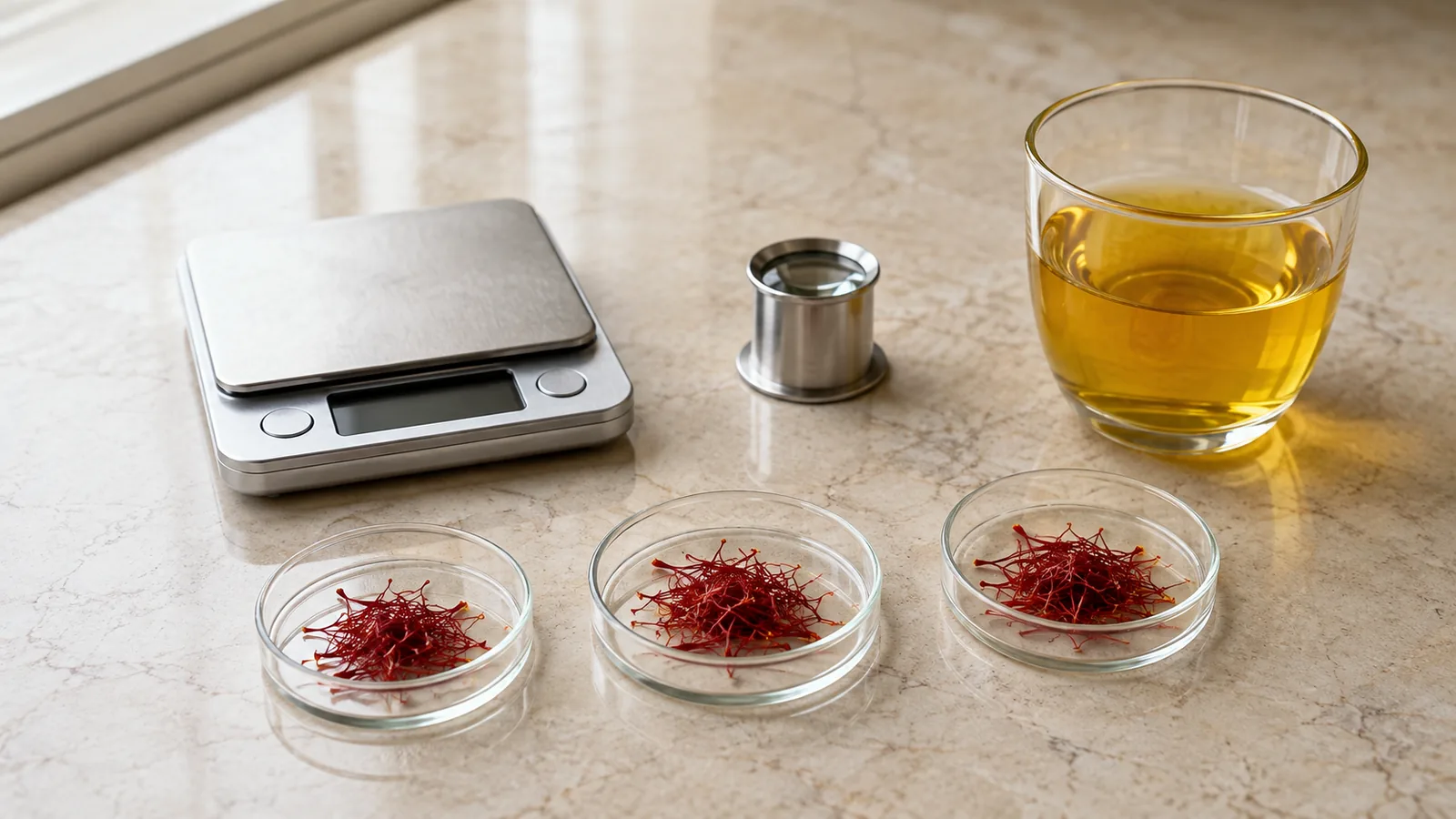
Start with the evidence you can verify. A good seller should be able to identify the country of harvest, the product form, the net weight and the lot or batch. If laboratory results are offered, the report should identify the tested sample and date rather than displaying an unrelated certificate.
- Read the origin wording carefully. “Packed in” does not necessarily mean “grown in.” Look for a clear country of origin statement.
- Prefer intact threads when possible. Powder is harder to inspect and makes substituted plant material less obvious.
- Look for mostly red stigmas. A little natural variation or breakage is normal. Large amounts of yellow style add weight without the same colouring strength.
- Check the aroma after opening. Fresh saffron has a distinctive complex scent. It should not smell musty, damp or perfume-like.
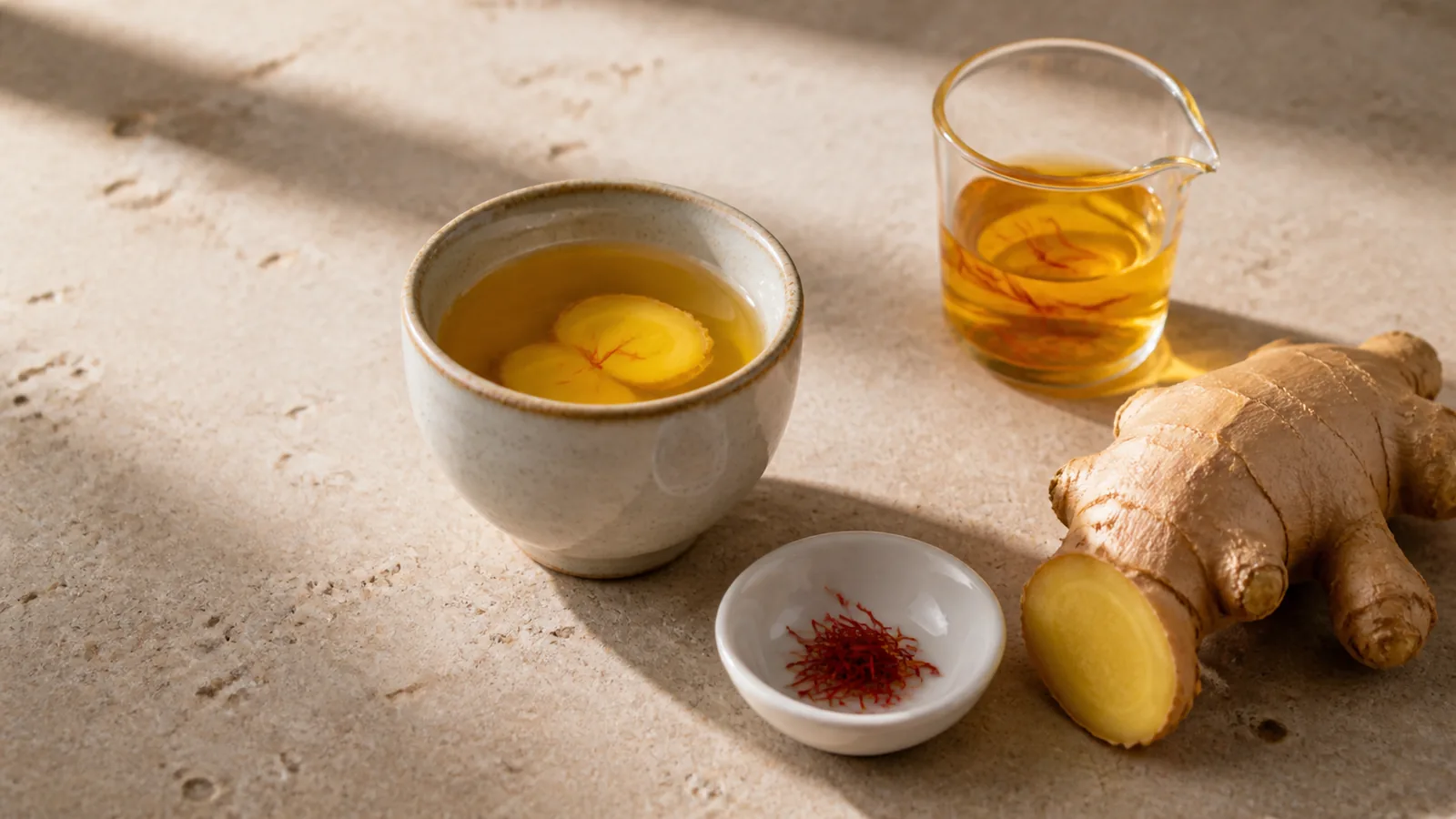
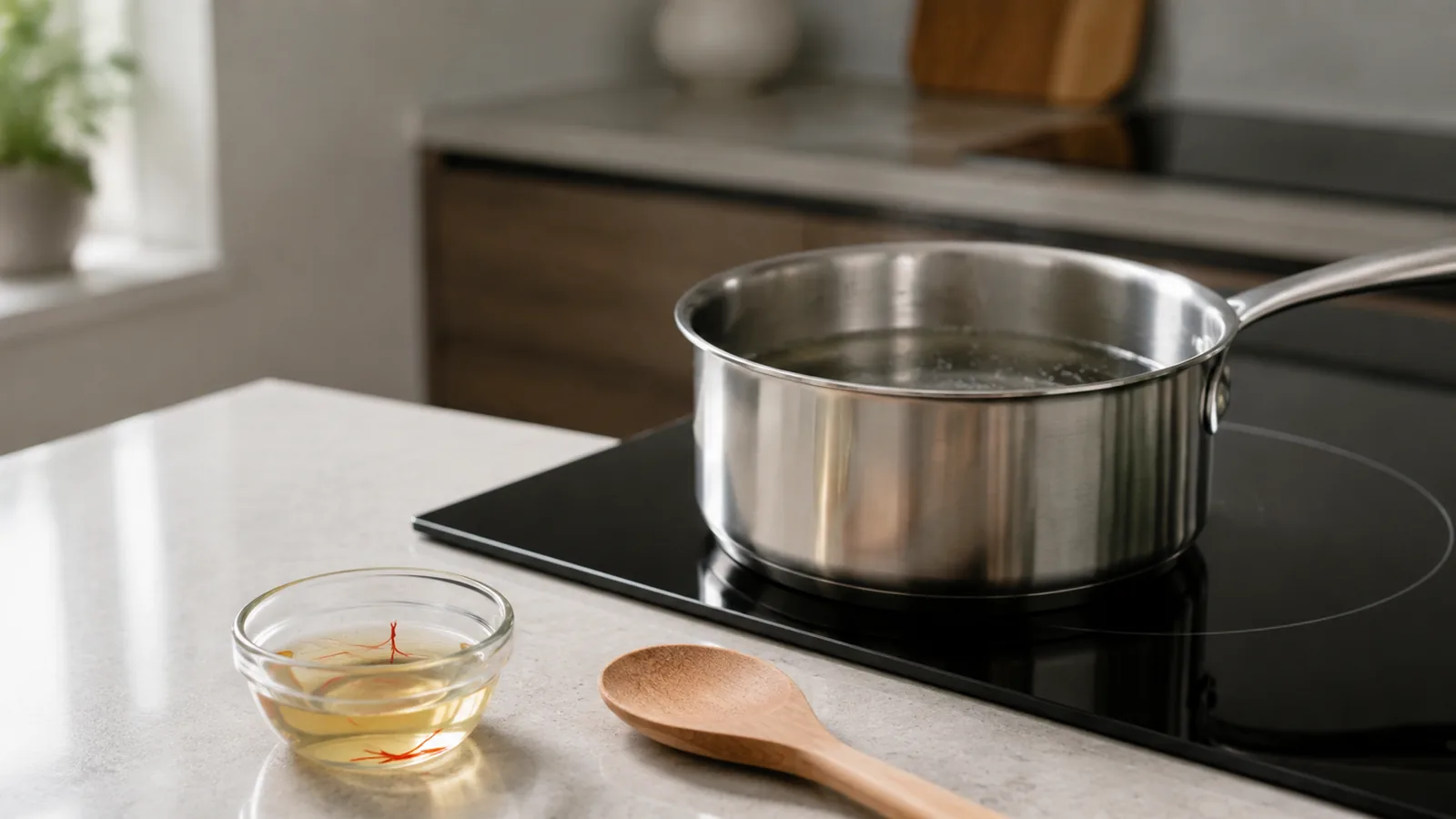
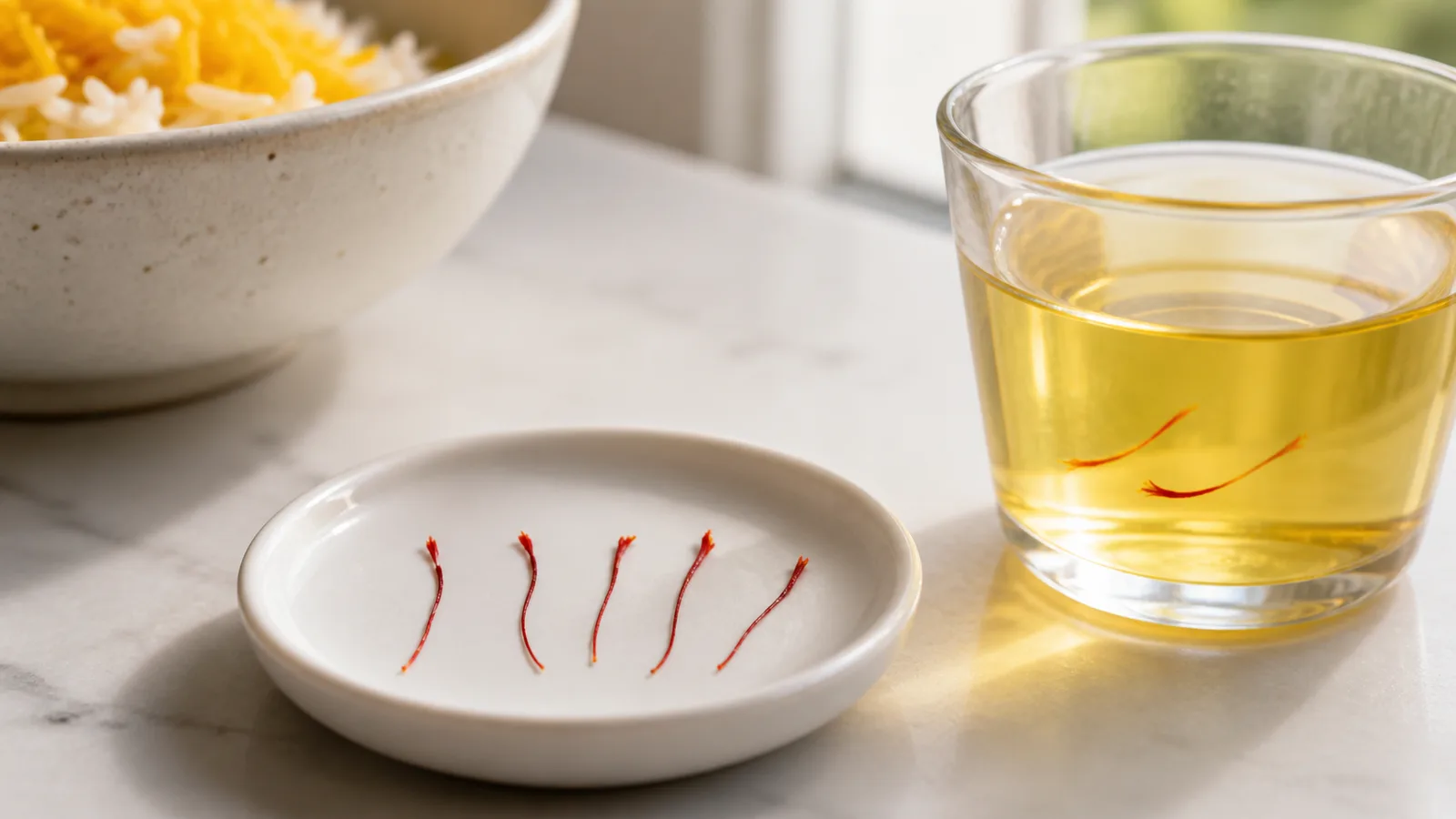
- Expect gradual colour release. Crushed threads steeped in warm water produce a clear golden-yellow infusion. An immediate cloud of harsh red dye is a warning, though no home test can certify a batch.
- Protect it after purchase. Keep saffron tightly sealed, dry and away from heat and light. Poor storage weakens aroma, flavour and colouring strength.
Our guide to identifying high-quality saffron explains these checks in more detail.
Choose for the dish, not for a trophy
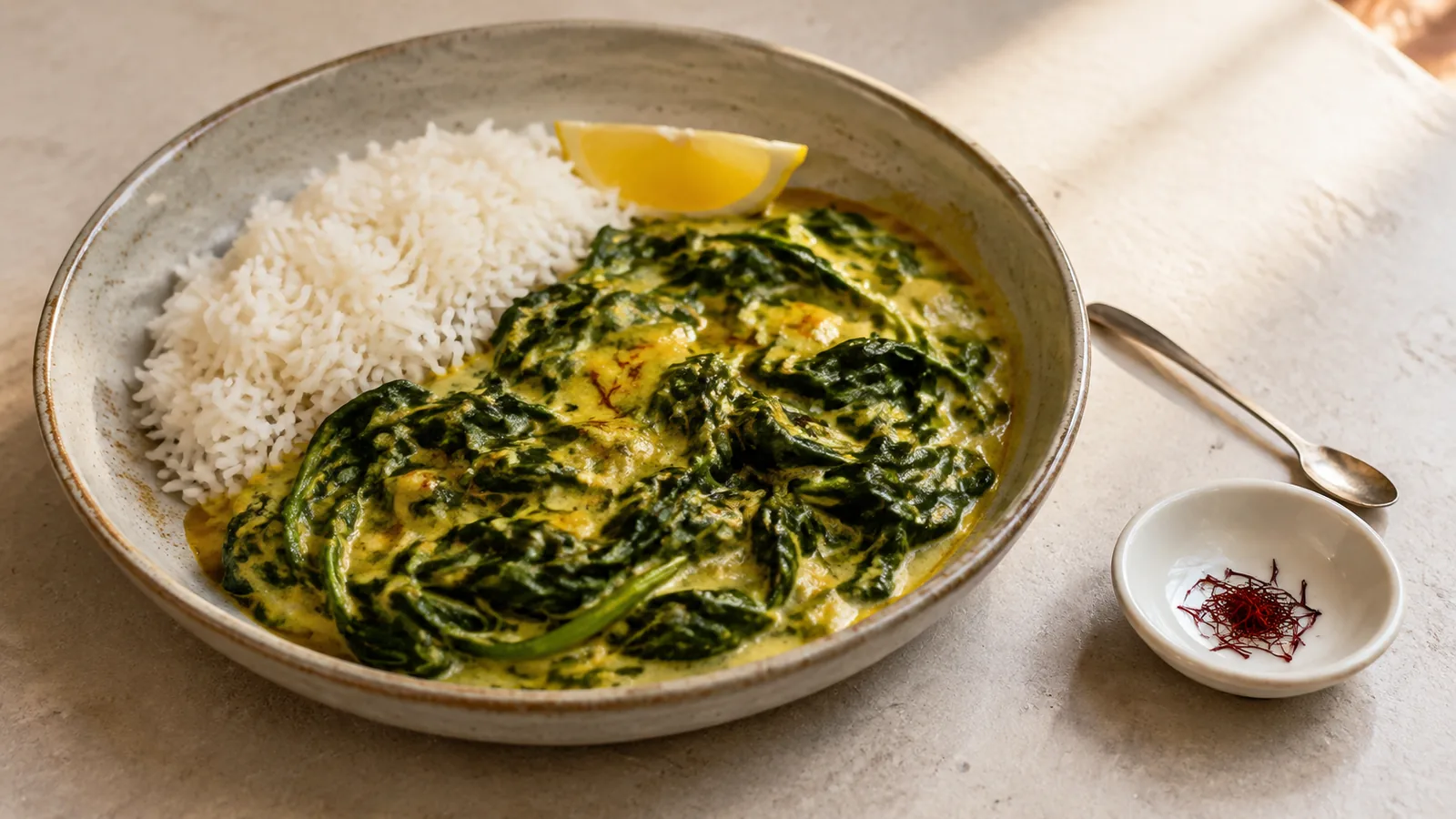
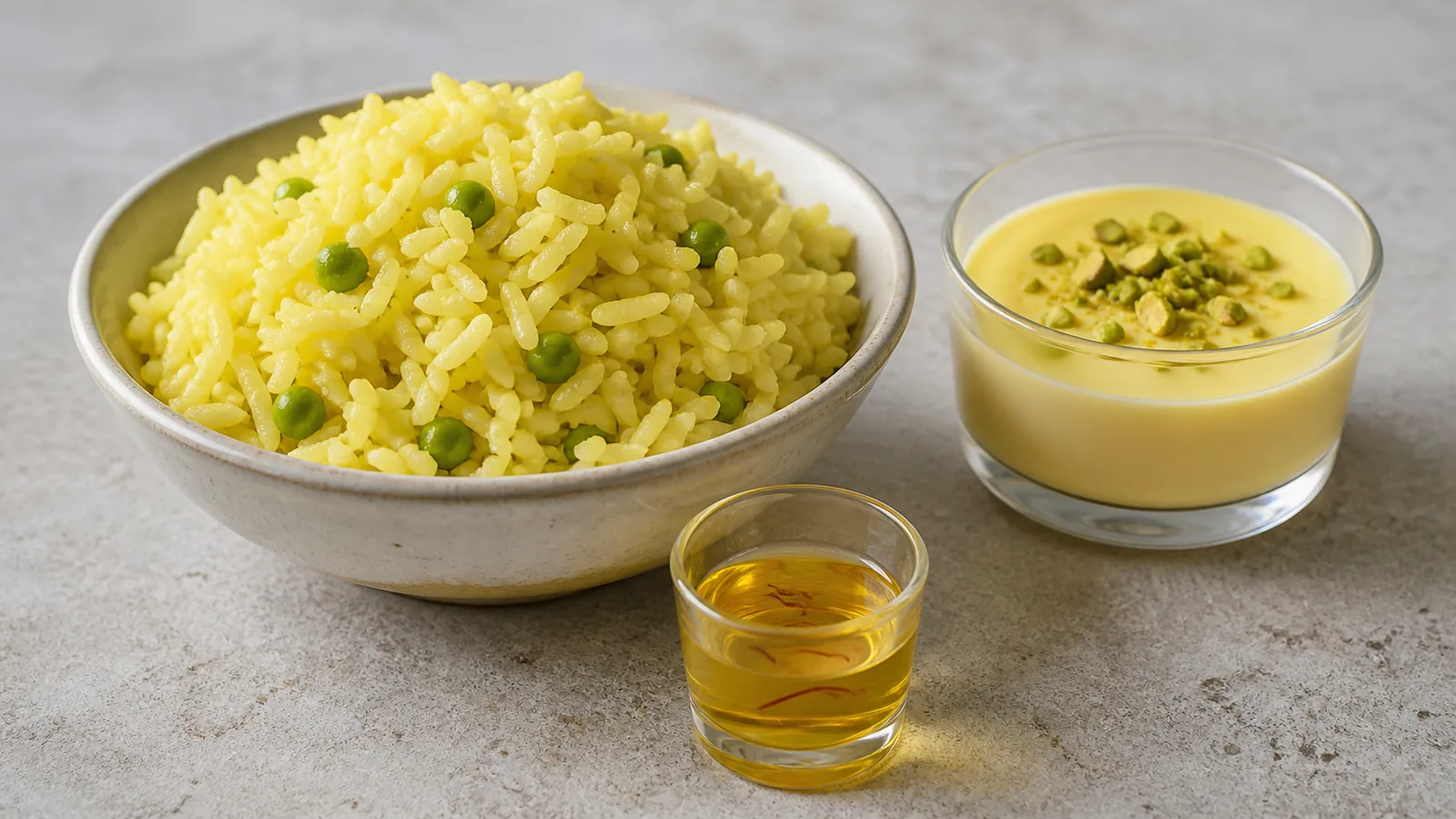
For rice, stews, tea and baking, freshness and measured potency usually matter more than a national league table. Buy a modest quantity of whole threads from a supplier that gives clear origin and batch information. Bloom a small amount in warm water, then judge the aroma, flavour and golden colour in the food you actually cook.
If you are comparing products for regular kitchen use, the available saffron products should be assessed by the same evidence rather than by price or origin alone.
So, who produces the best saffron?
Iran produces the greatest volume and is fully capable of producing exceptional saffron. Spain, Kashmir, Morocco and Afghanistan also produce respected lots with distinct regional histories. The honest answer is that the best saffron comes from a careful grower and processor, reaches you through a traceable seller, and retains strong aroma, clean flavour and golden colour in that specific batch. Country matters, but the contents of the package matter more.