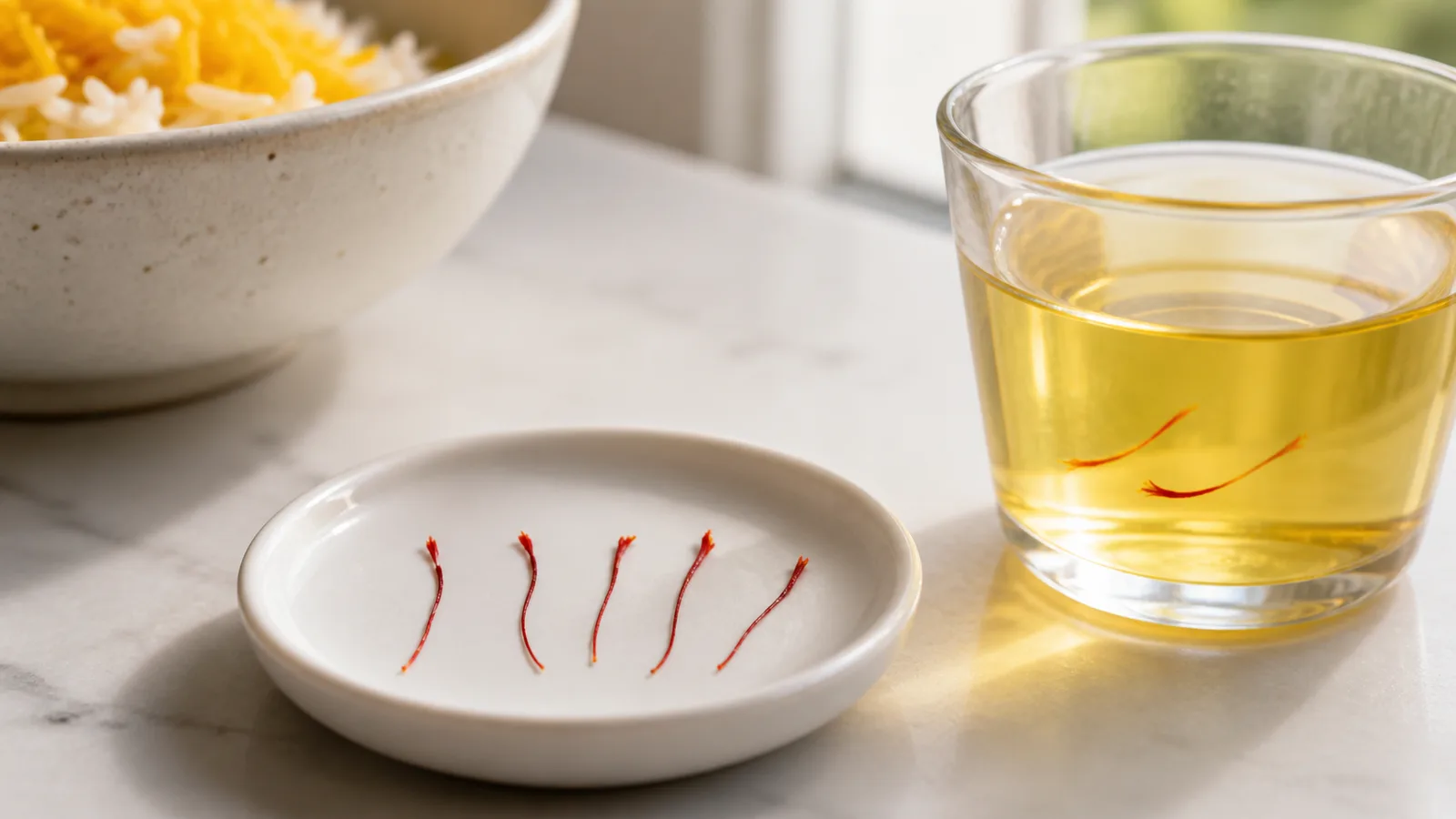
For laboratory classification, Category I is the highest grade in the widely used ISO 3632 saffron framework. In the Iranian thread trade, Super Negin or Negin is often sold as the premium visual cut, while Sargol is another high-quality all-red style. These systems describe different things, so top saffron quality cannot be confirmed by a grade name alone.
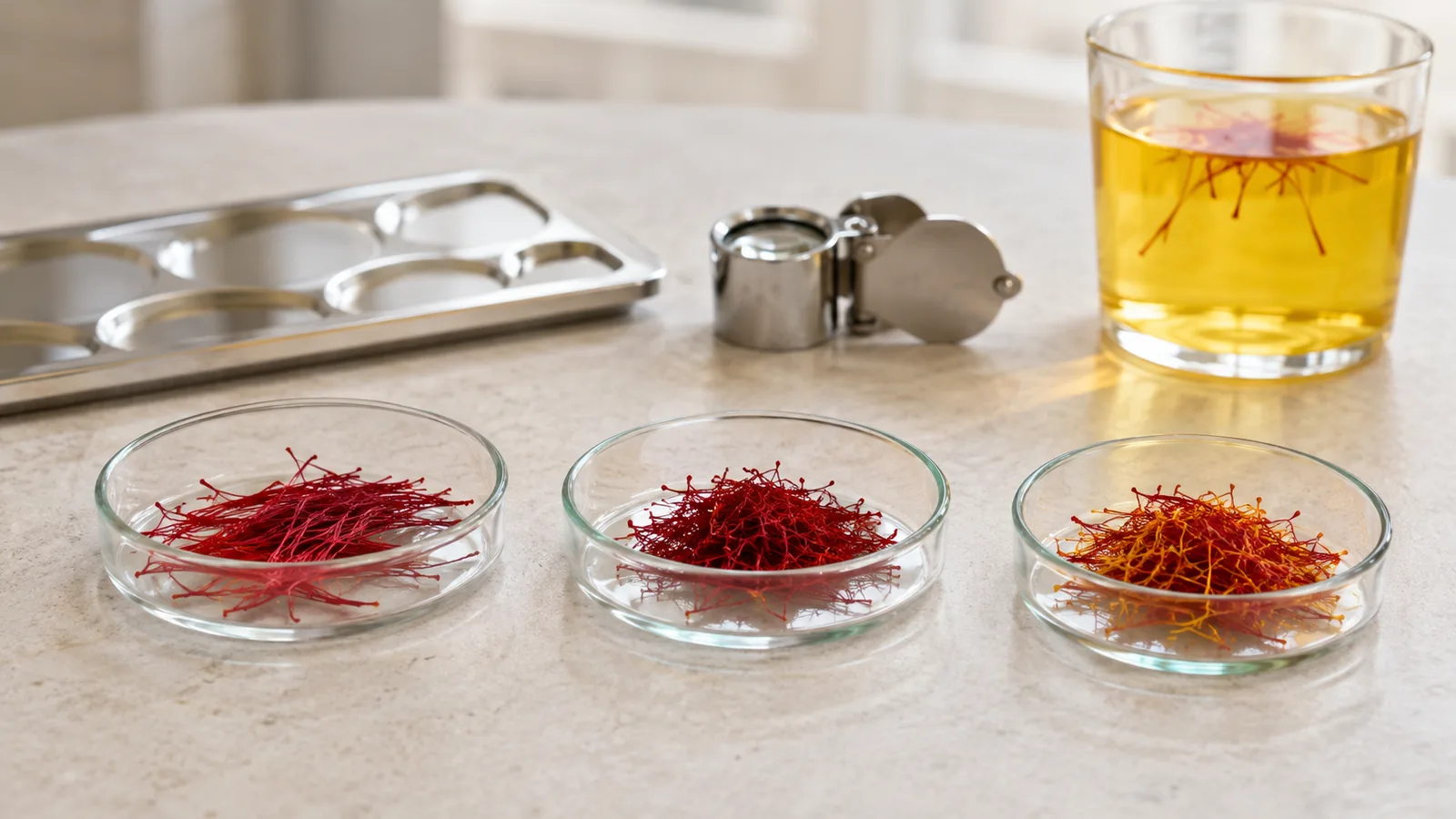
Two meanings of “highest grade”
A saffron label may refer to an analytical category or to the way the threads were cut and sorted. The first is based on a tested sample. The second describes visible parts of the dried stigma. A package can look like a premium cut and still be weak, stale or adulterated; a less dramatic-looking cut can deliver excellent colour and flavour.
This distinction explains why buyers see several products described as the “highest” grade. Category I, Negin and Sargol are not rival names on one universal ladder.
Category I: the highest analytical category
ISO 3632 has long been the main international reference for commercial saffron classification. A peer-reviewed multi-analytical study of saffron quality describes three categories, with Category I requiring the highest colouring and bittering measurements as well as compliance with aroma and moisture limits.
The measurements are associated with the compounds that shape saffron’s culinary performance:
- Crocin-related absorbance is used as an indicator of colouring strength.
- Picrocrocin-related absorbance reflects the characteristic bitter flavour.
- Safranal-related absorbance is used in the standard’s aroma assessment.
- Moisture and foreign matter help reveal poor drying, excess non-stigma material or contamination.
Category I is therefore the clearest answer when “grade” means an independently tested quality class. Even then, read the report carefully. It should identify the batch, test date and laboratory. A generic certificate on a seller’s website does not prove that the jar in front of you was sampled.
What Super Negin, Negin and Sargol mean
Super Negin and Negin
Negin saffron is selected for long, mostly unbroken red stigma sections with little or no yellow style. “Super Negin” usually indicates an especially tidy selection with longer, straighter and more evenly presented threads. It is a commercial sorting term, however, and the exact specification may vary between suppliers.
That neat appearance makes Negin attractive for gifts and dishes where whole threads remain visible. It does not guarantee that the batch will outperform Sargol in a laboratory test or in your cooking.
Sargol
Sargol consists largely of separated red stigma portions. The threads may be shorter because the style has been removed and the red section has been separated during processing. A strong Sargol batch can have excellent colour, aroma and flavour, even if it lacks the long presentation associated with Negin.
Pushal and Dasteh
Pushal retains more of the lower stigma and some yellow or pale style. Dasteh, sometimes called bunch saffron, keeps the stigmas bundled in a more complete form. These styles can make the flower’s structure easier to recognise, but they contain a greater proportion of material that contributes less colour by weight.
For a fuller explanation of these trade names, see our guide to the four common saffron grades.
What premium saffron should look and smell like
High-quality whole saffron is usually dominated by deep crimson stigmas. Natural threads are slender and irregular, with a subtly widened end; some breakage and colour variation are normal. Perfectly identical fibers, a glossy dyed surface or a large amount of yellow style deserves closer scrutiny.
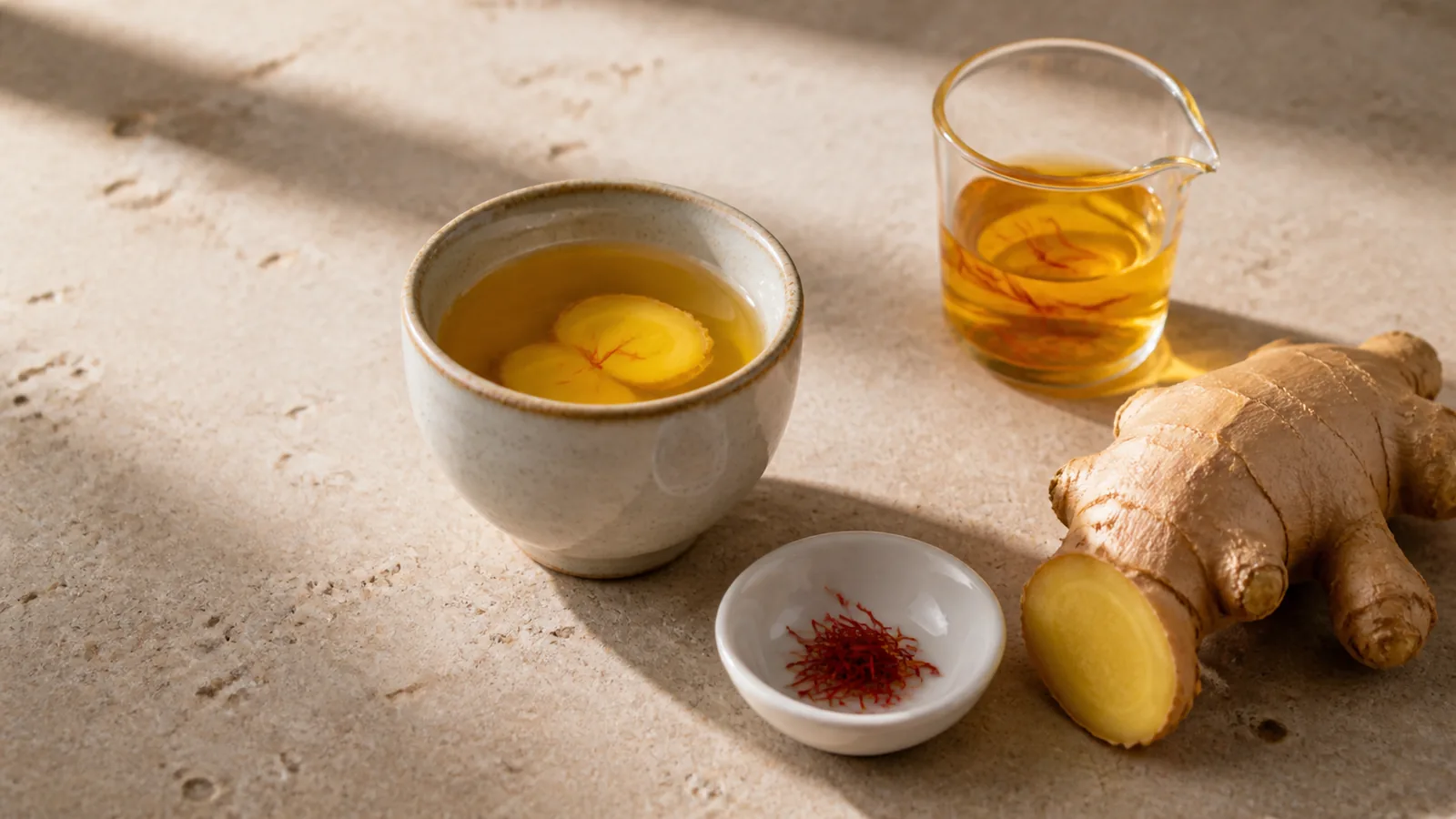
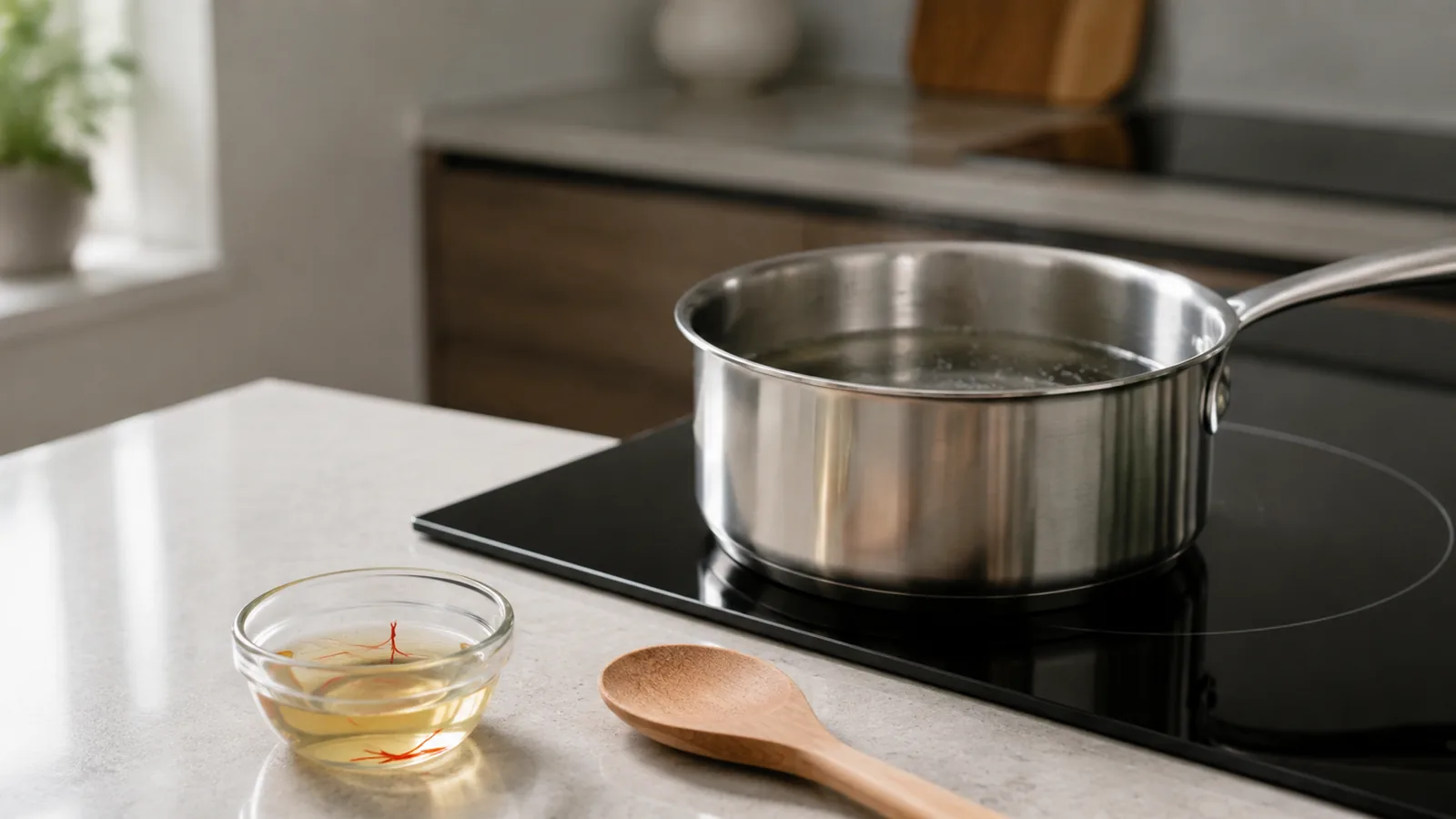
The aroma should be distinctive and complex rather than merely sweet or perfumed. When a small measured portion is steeped in warm water, genuine saffron releases a clear golden-yellow colour gradually. It should not produce an instant opaque red cloud. These checks can expose warning signs, but they cannot certify purity.
An overview of analytical methods for saffron assessment shows why laboratories use several techniques when authenticity matters. No single home test identifies every substitute, dye or quality defect.
How to buy a premium saffron grade
- Prefer whole threads in sealed packaging over anonymous powder.
- Look for the country of origin, harvest or packing date, net weight and lot number.
- Ask whether “Category I” is supported by a report for that exact batch.
- Treat “Super Negin” as a visual trade description, not a substitute for analysis.
- Buy a quantity you can use while the aroma remains fresh, then keep it airtight, dry and dark.
Our practical guide to buying good-quality saffron covers seller, packaging and batch checks. The available saffron products should be judged by those same standards.
The practical answer
Category I is the highest recognised analytical category under the established ISO framework. Super Negin is commonly the top visual thread selection in Iranian trade, with Negin and Sargol also sold as premium saffron grades. For cooking or tea, choose the batch with credible testing, clean deep-red threads, fresh aroma and careful storage. The most impressive name on the label is useful only when the saffron inside supports it.