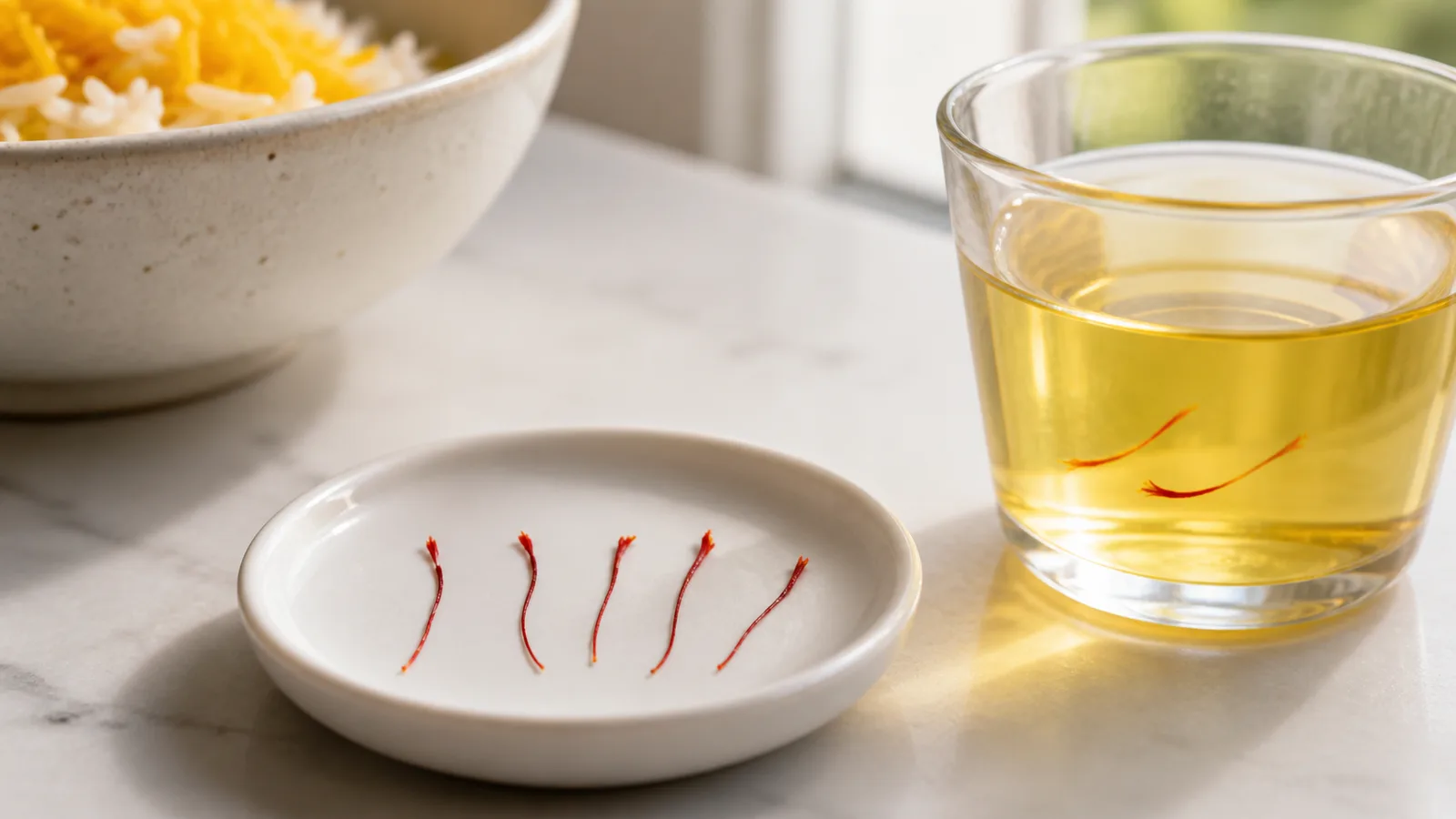
The best saffron to purchase is whole-thread saffron from a traceable batch, sold in sealed packaging by a supplier who states the origin, net weight and lot details. Look for mostly deep-red Crocus sativus stigmas, a fresh complex aroma and evidence that the batch was handled and tested properly. A premium name or high price is not enough.
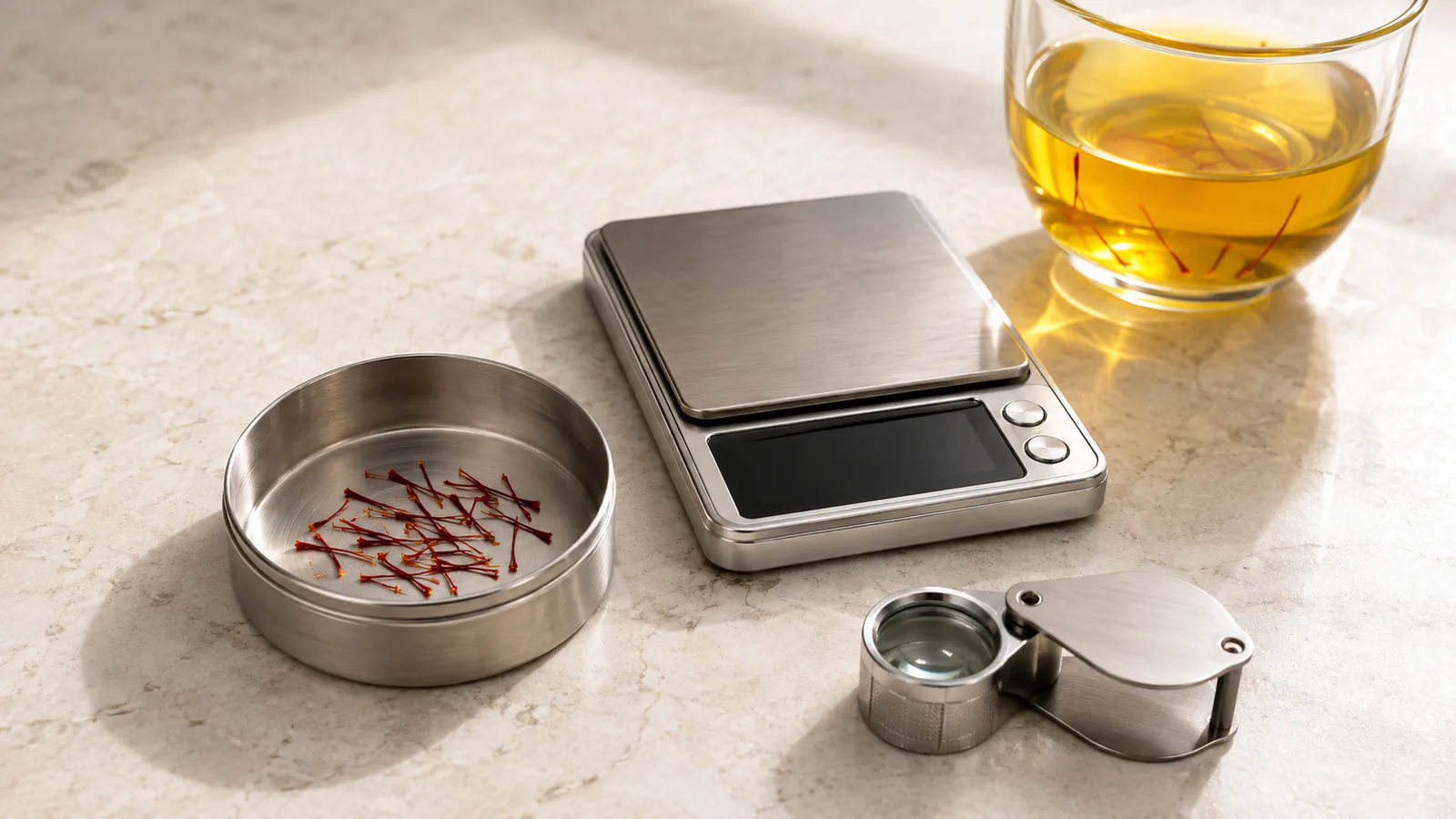
What “best saffron quality” means in practice
Good saffron has to do three things well in the kitchen: release a clear golden colour, contribute its characteristic aroma and add a subtle bitter-honeyed flavour without tasting dusty or musty. Freshness, drying and storage affect all three. That is why the best saffron in the world cannot be identified from country or brand alone.
Laboratory classification gives buyers a stronger basis for comparison. A peer-reviewed study of saffron quality assessment explains how the ISO 3632 framework uses colouring, bittering and aroma-related measurements alongside moisture limits. Category I is the highest analytical category in that established system. If a seller claims it, ask for a report tied to the lot you are buying.
Choose whole threads before powder
Whole stigmas are easier to inspect. Natural saffron threads are slender and irregular, with a slightly widened end. They are not perfectly straight or identical. A small amount of breakage is normal, while large quantities of pale style reduce the proportion of red stigma by weight.
Powder can be convenient, but it conceals the thread structure and makes added plant material or colour harder to notice. A review of saffron quality control and adulteration describes the range of materials that can be substituted or mixed into saffron and why laboratory methods remain important. If you buy powder, choose a sealed, traceable product from a supplier you know.
Negin, Sargol and the buying decision
Negin saffron is selected for long red stigma sections with little or no yellow style. Super Negin is usually an especially tidy visual selection. Sargol consists mainly of separated all-red stigma portions and may have shorter threads. Both can be premium choices.
These names describe commercial cuts rather than guaranteed chemical performance. A fresh Sargol batch may provide stronger colour than an older Negin batch. Our explanation of the highest saffron grade separates these trade names from analytical categories.
Does origin identify the best purchase?
Iran is the largest producer and supplies excellent Sargol and Negin saffron. Kashmir, Spain, Morocco and Afghanistan also produce respected saffron. Climate and regional practice matter, but so do the grower, harvest, drying method, storage and seller.
Someone searching for the best Iranian saffron brand should therefore look beyond a familiar logo. Check whether the package says where the saffron was grown, not merely where it was packed. Look for a lot number, sensible harvest or packing date, intact seal and batch-specific analysis. Brand reputation helps only when the evidence follows the product.
A quick pre-purchase checklist
- Identity: the label names saffron or Crocus sativus, not a “saffron-style” substitute.
- Origin: the country of harvest is stated clearly and separately from the packing address.
- Form: whole threads are visible through the pack or shown accurately by the seller.
- Appearance: most of the material is deep red, with natural variation rather than uniform dyed fibers.
- Traceability: the pack has a lot number, net weight and contact details for the responsible seller.
- Evidence: any purity or Category I claim is supported by a recent report for that batch.
- Quantity: buy an amount you can use while it remains aromatic instead of storing a large bargain pack for years.
What to check after opening
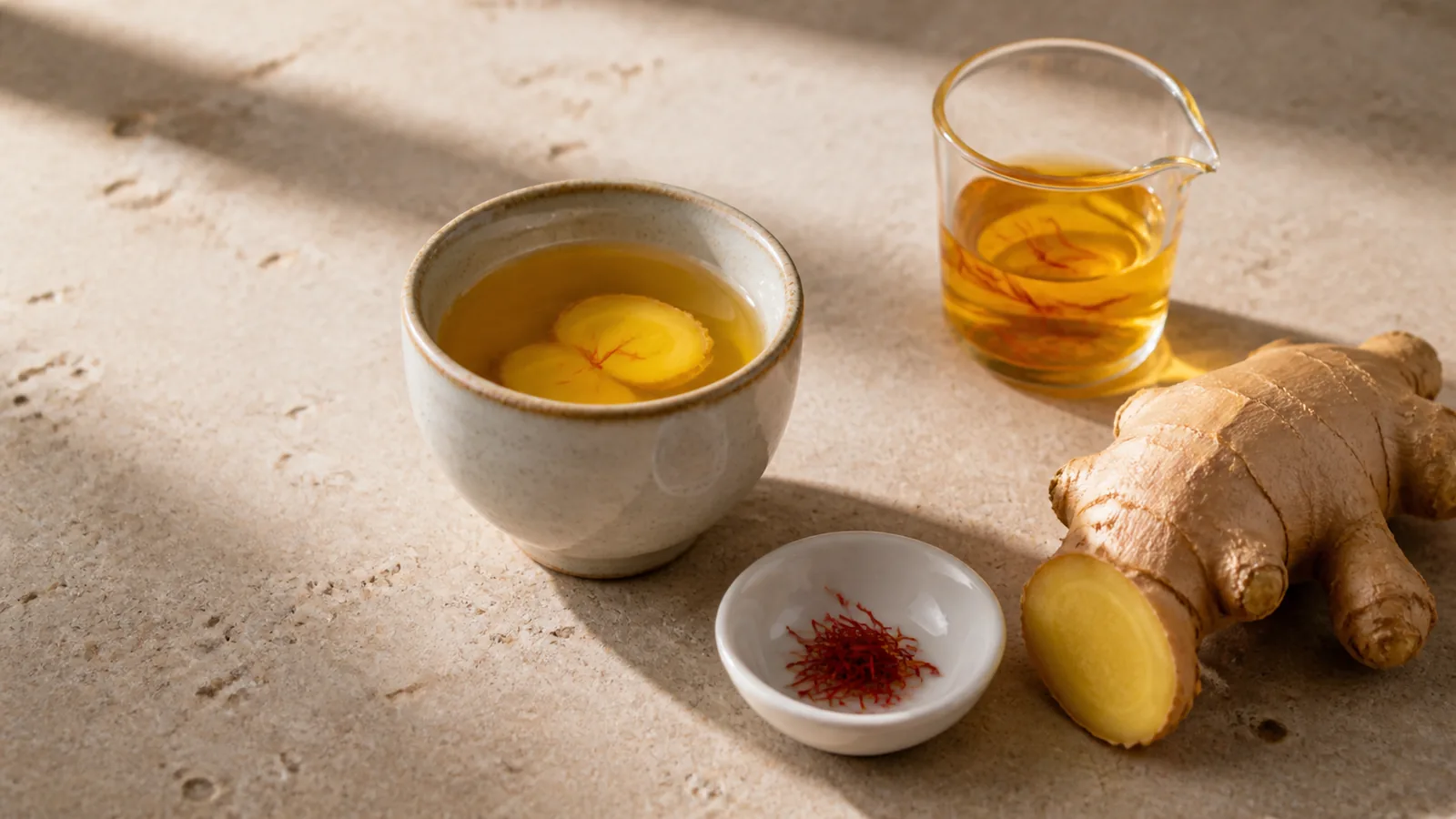
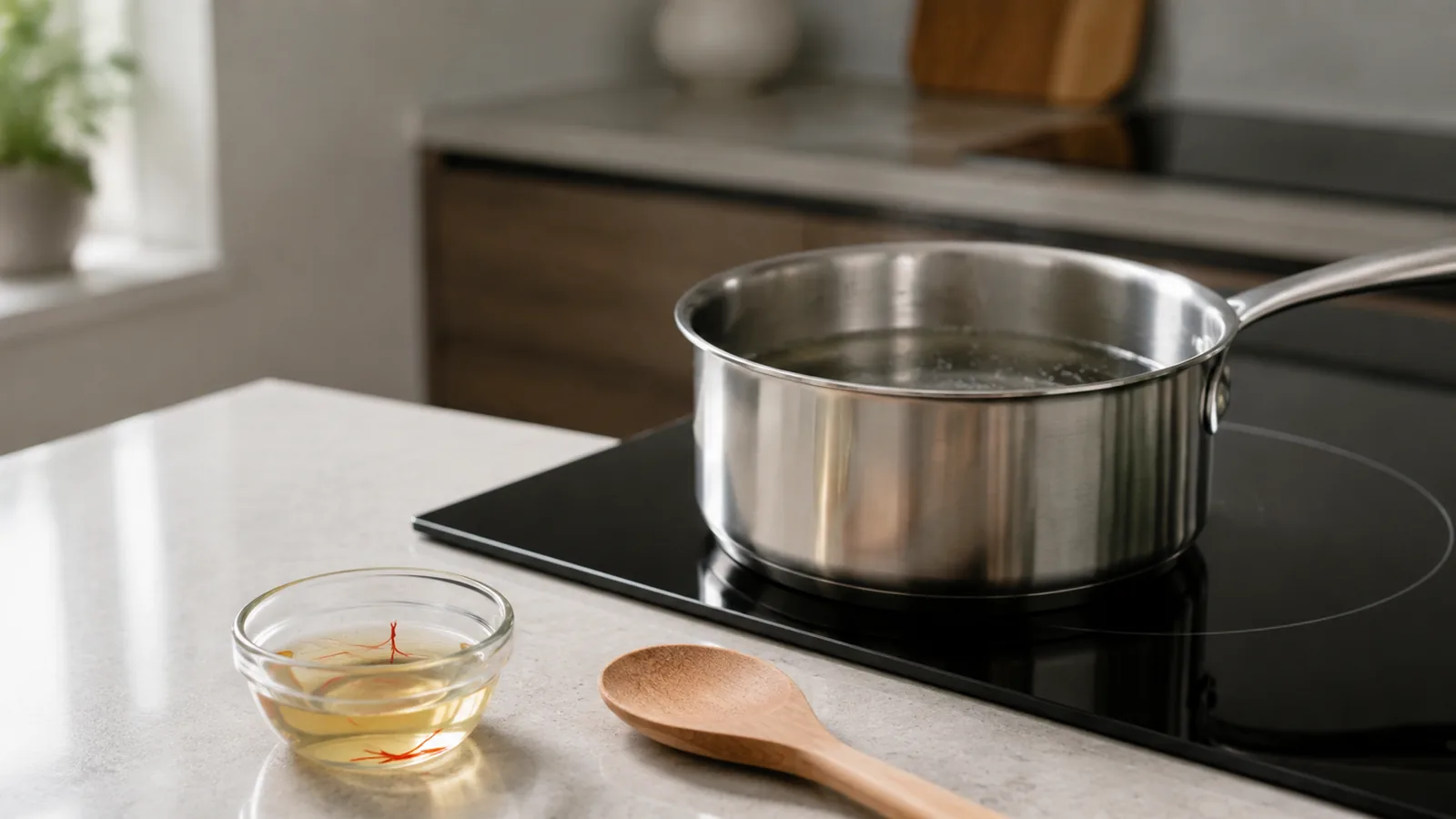
The aroma should be strong but not perfume-like, damp or stale. Crush a small measured pinch and steep it in warm water for about 10 to 15 minutes. Genuine threads release a clear golden-yellow infusion gradually. They do not need to lose all their red colour, and instant red dye is a warning sign.
This kitchen check is useful for learning how your purchase behaves, not for certifying purity. Sophisticated adulteration, excess moisture and weak chemical quality require proper analysis. If a product seems wrong, keep the package and receipt and contact the seller.
Buy for the way you cook
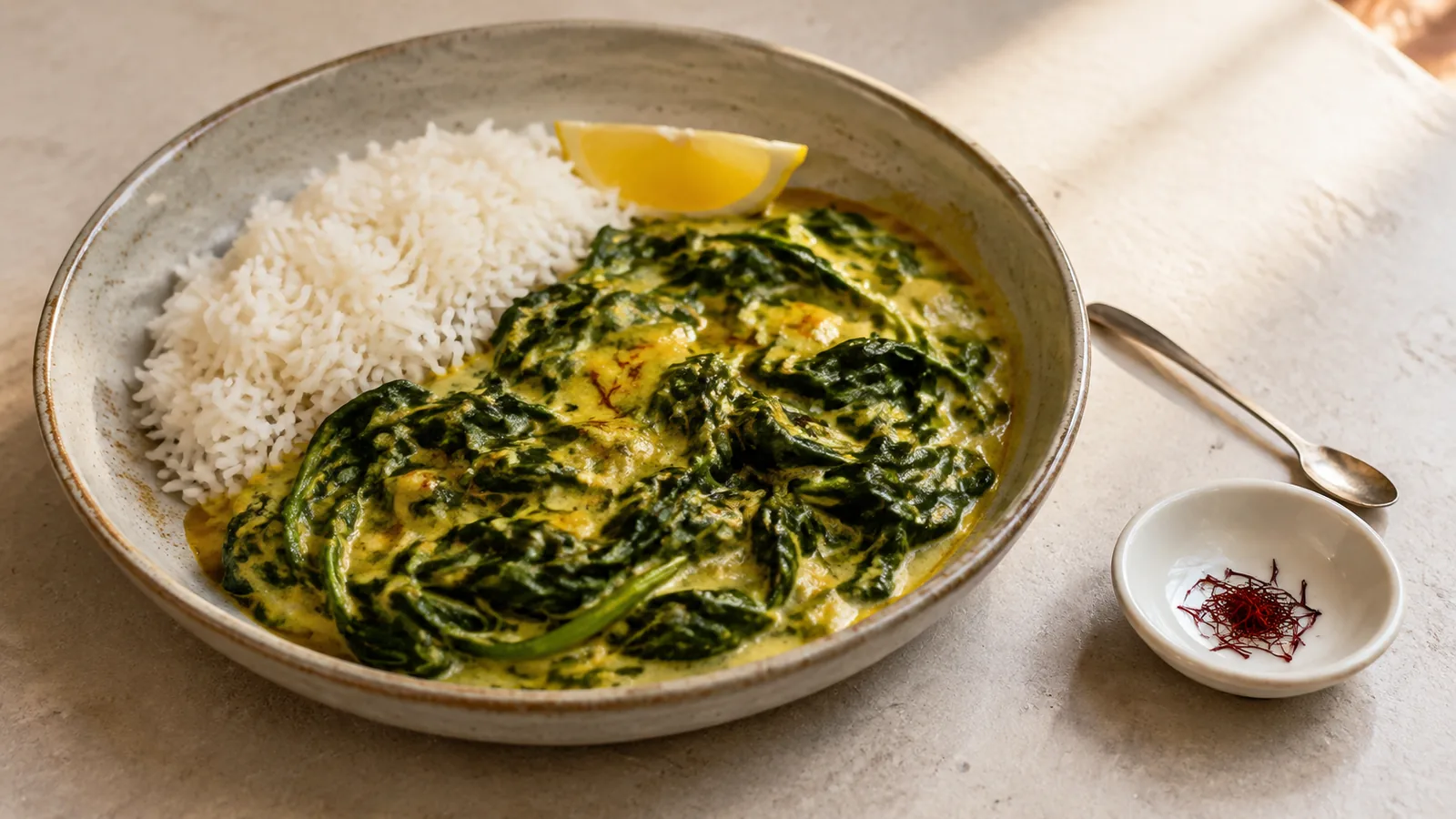
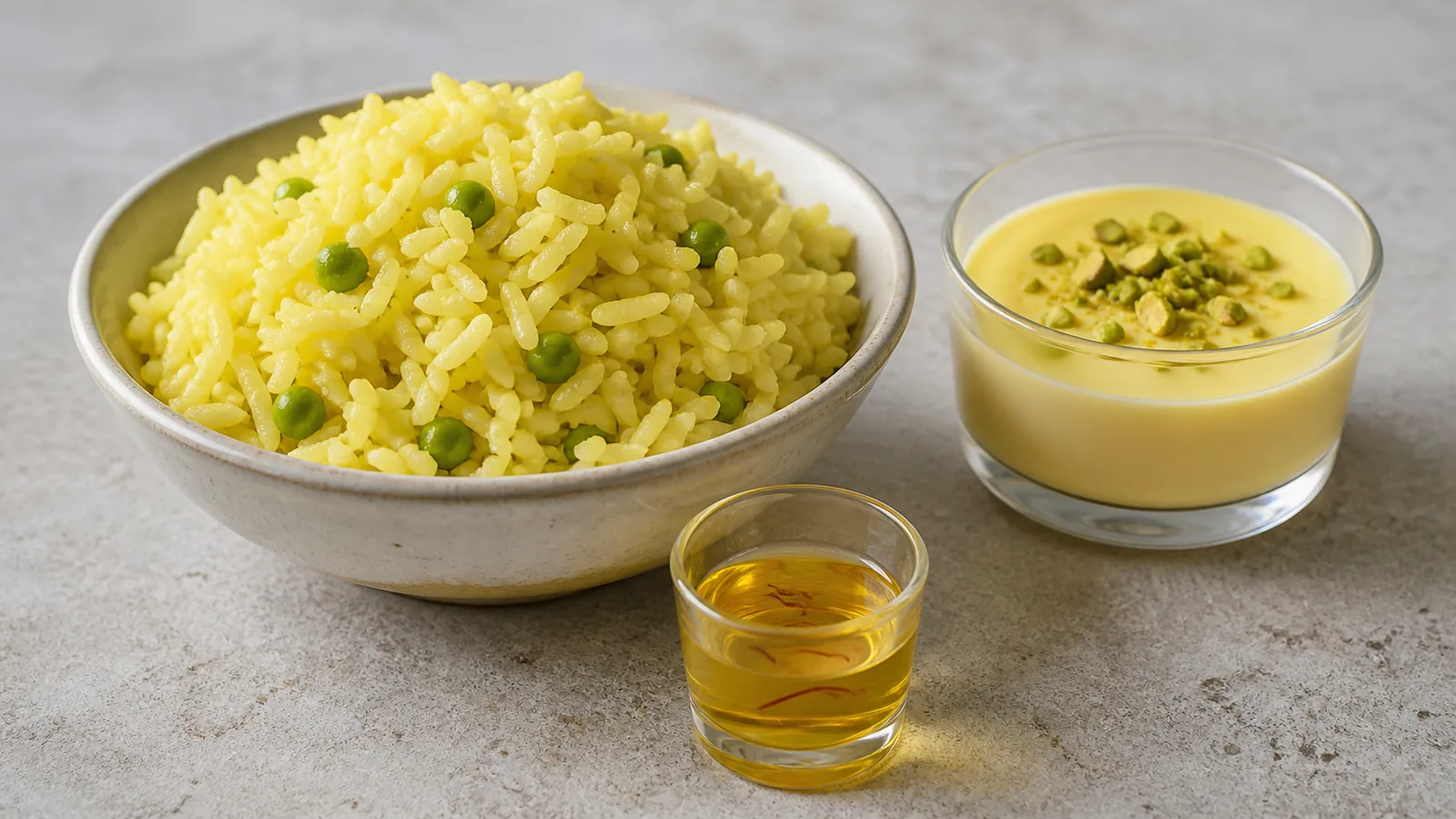
For rice, sauces, baking and tea, colouring strength and freshness matter more than perfectly long threads. For a gift or a dish where the threads remain visible, a clean Negin presentation may be worth the extra cost. In either case, a small authentic pack usually offers better value than a large anonymous one.
Use our detailed saffron buying checklist when comparing sellers. The available saffron products can then be judged by the same origin, batch and packaging evidence.
The best saffron to buy
For everyday cooking, choose sealed whole threads with a traceable origin and batch, mostly deep-red stigmas, fresh aroma and credible quality information. If you are asking ‘what is the best saffron to buy?’, Iranian Negin or Sargol can be an excellent premium saffron for purchase, but no country, cut or brand guarantees every jar. The best buy is the batch that is authentic, fresh, properly stored and suited to what you plan to cook.