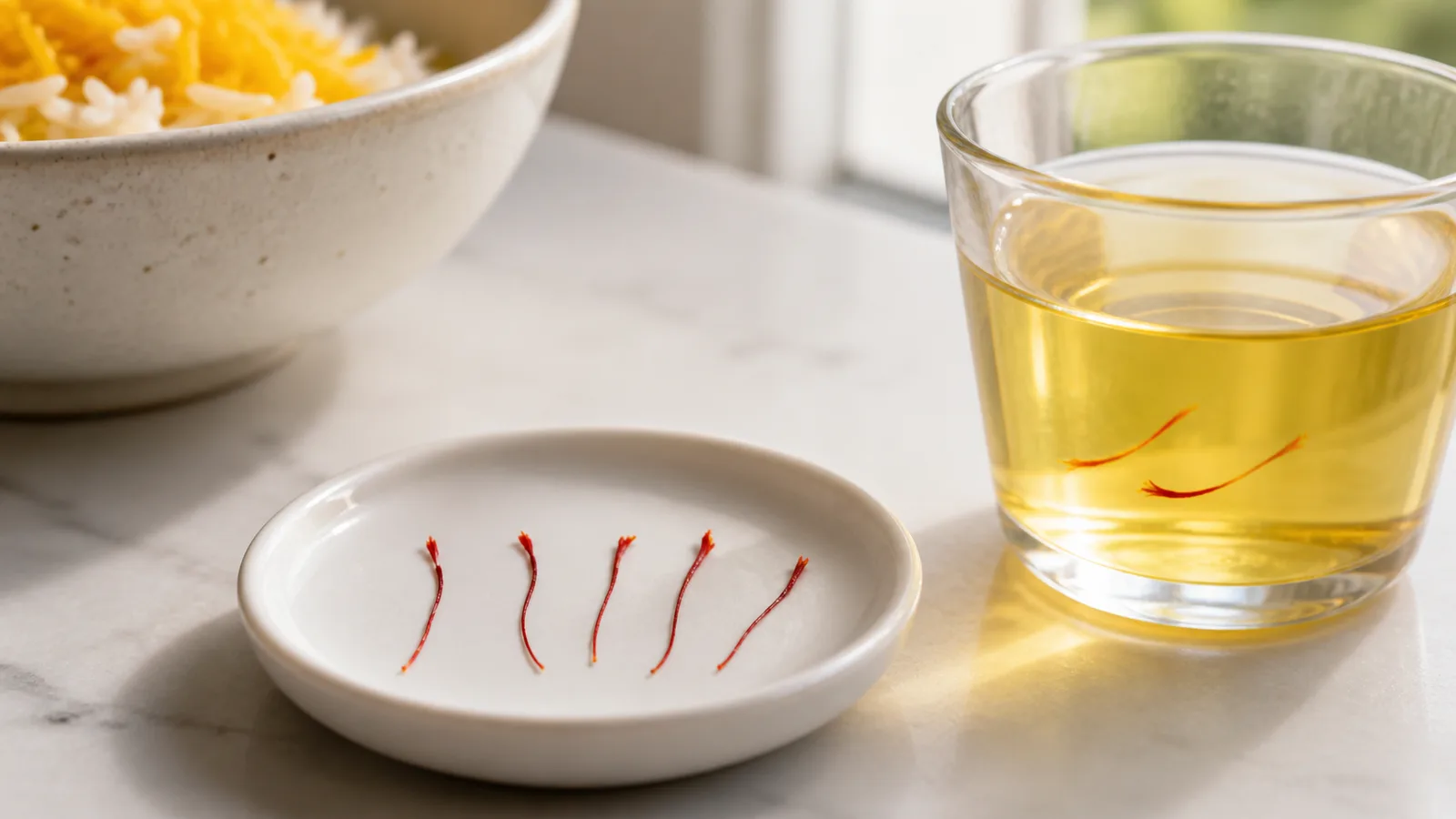
Afghan saffron can be among the world’s best, particularly when it comes from a traceable Herat batch and has been dried and stored well. Afghan saffron quality should still be judged on the product in the jar. National reputation, an award or a vivid photograph cannot guarantee every harvest.
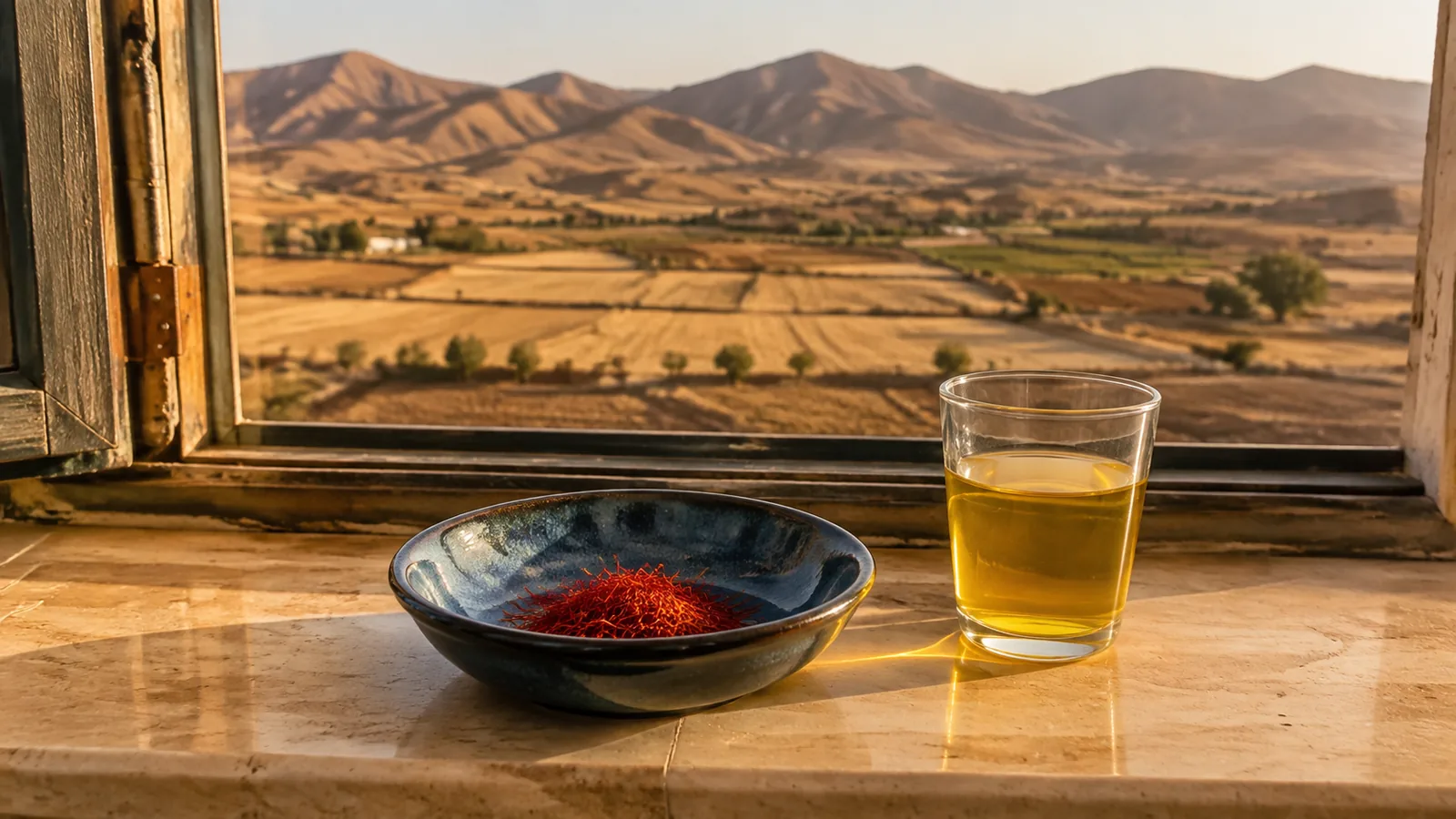
Why Herat Is Central to Afghan Saffron
Most discussions of premium Afghan saffron lead to Herat Province in western Afghanistan. Its growing areas include districts such as Ghoryan, Zindajan, Guzara, Anjil, Karokh, Pashtun Zarghun, Shindand and Obe. Soil, altitude and a dry climate all shape cultivation, but the finished spice also depends on timely flower collection, careful stigma separation, controlled drying and suitable storage.
The Food and Agriculture Organization describes Herat-Bastan Saffron as an origin-linked Afghan product marketed in threads. Its specification connects red stigmas, coloring power, aroma and bitter taste with crocin, safranal and picrocrocin. That provides a more useful identity than a generic “Afghan premium” label.
What Good Afghan Saffron Looks Like
A strong whole-thread sample should contain recognizable Crocus sativus stigmas. They are usually deep red, narrow through the body and broader or flared at the tip. Long, unbroken threads can be attractive, while minimal yellow style means more red stigma by weight. Broken threads, however, are not automatically weak; genuine saffron can break during sorting and transport.
Color alone is not enough. Added dye or substituted plant material can imitate a bright appearance, and dark lighting can make ordinary threads look richer online. Check the stated origin, ingredient, batch and grade as well as the photograph.
Aroma, Flavor and Infusion
Fresh saffron has a clean, complex fragrance that may seem floral, hay-like, honeyed or earthy. Its flavor is characteristically bitter, not sugary. The exact impression varies with dose, drying, storage and the food around it, so “slightly sweet” should not be treated as a test for Afghan origin.
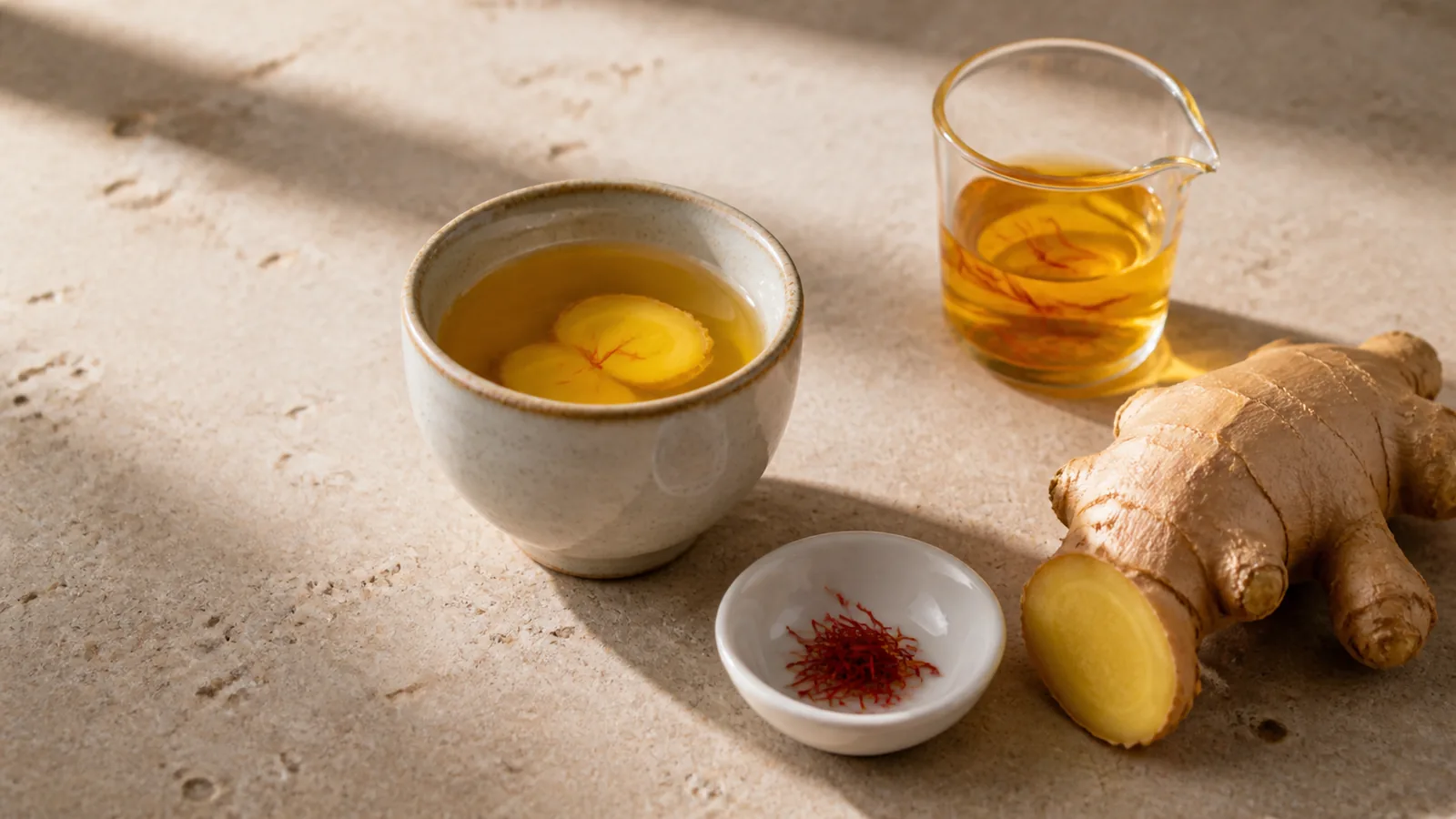
A few threads steeped in warm water should gradually make a clear golden-yellow infusion. The aroma should remain distinct rather than musty or merely perfumed. Instant opaque red color is a warning, but an infusion test cannot establish Herat provenance or detect every adulterant.
What Laboratory Results Can Tell You
Commercial saffron quality is commonly assessed through coloring, flavor and aroma-related measurements, along with moisture and purity checks. Crocins contribute color, picrocrocin contributes bitterness, and safranal is associated with aroma. Results should be tied to the lot being sold.
A Herat University study listed by FAO’s AGRIS database tested saffron from several Herat districts. The researchers found regional differences in picrocrocin and safranal, while the sampled lots met the study’s stated Category I thresholds. The important lesson from the Herat saffron quality study is not that every Afghan batch is identical; it is that Afghan saffron can be measured and that results vary by sample.
Geographical origin may also require more than ordinary quality testing. Research comparing fluorescence patterns in Moroccan, Iranian and Afghan samples shows the specialist methods involved in classifying saffron by origin. A home buyer should therefore ask for traceability rather than trying to infer country from color or scent alone.
Is Afghan Saffron Better Than Iranian, Kashmiri or Spanish Saffron?
There is no permanent country ranking that covers every batch and every use. Iranian Sargol is an all-red commercial cut with a strong reputation for color. Kashmir saffron and Spain’s La Mancha saffron have recognized geographical identities. Afghan Herat saffron has also earned international attention and can perform at a high level.
Aromatic intensity, coloring strength and thread presentation can differ within the same country, between producers and from one season to another. Storage may erase an advantage that existed at harvest. Comparing origin names without comparing freshness, grade and evidence produces a confident answer, not necessarily an accurate one.
The broader guide to the number one saffron in the world explains why a verified batch is more defensible than a national winner.
International Recognition Needs Context
Afghan producers have received prizes and publicity, and that recognition helped bring Herat saffron to new markets. An award normally evaluates particular submitted samples under a particular program. It should not be stretched into a permanent claim about all saffron grown in Afghanistan.
FAO’s account of the Afghan saffron value chain describes work in Herat on processing, packaging, hygiene and ISO certification. Those practical controls explain quality more clearly than a medal alone.
How to Buy Authentic Afghan Saffron
- Look for a specific cultivation origin, ideally Herat and a named producer or cooperative.
- Ask whether a Herat-Bastan claim is supported by appropriate origin documentation.
- Check that the ingredient is Crocus sativus stigma and read the thread-grade description.
- Request a lot number, harvest or packing date, and current test information.
- Choose packaging that limits exposure to light, moisture and air.
- Compare price per gram at the same grade and level of traceability.
The guide to identifying high-quality saffron gives a practical sequence for checking threads, aroma and infusion. If you are comparing countries, also separate cultivation from packing by using the saffron-origin buying guide.
Using Afghan Saffron in Food and Tea
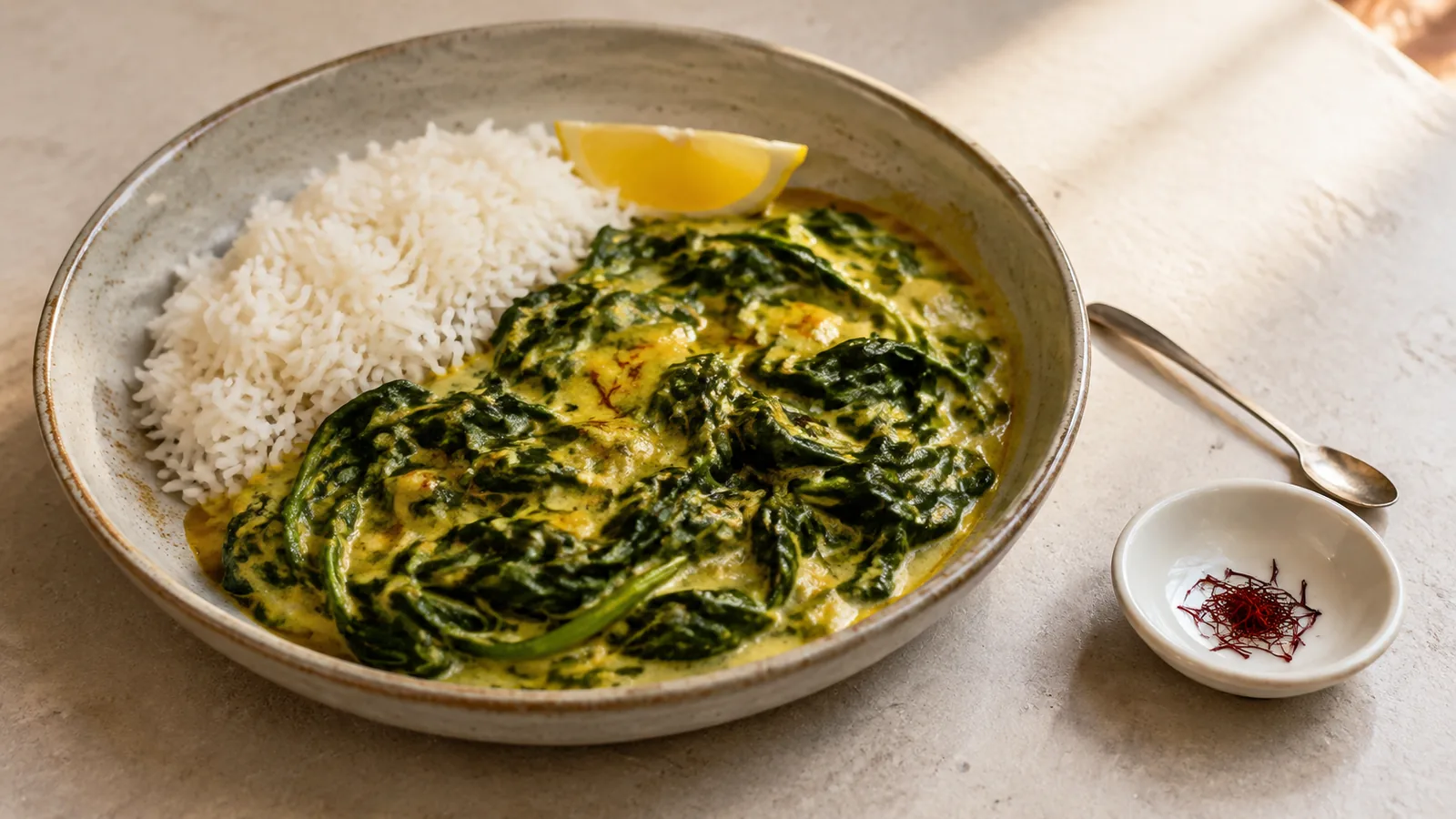
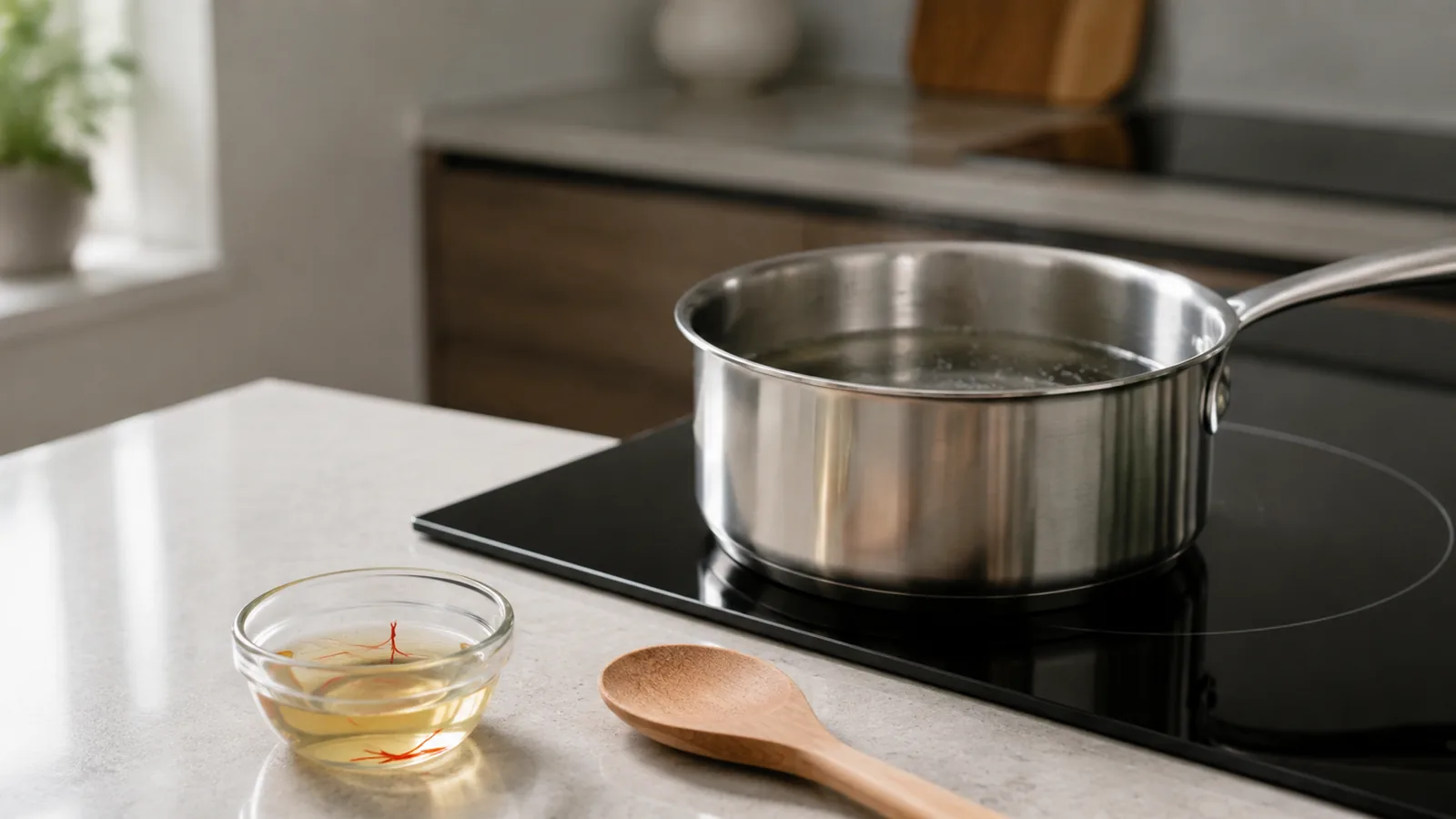
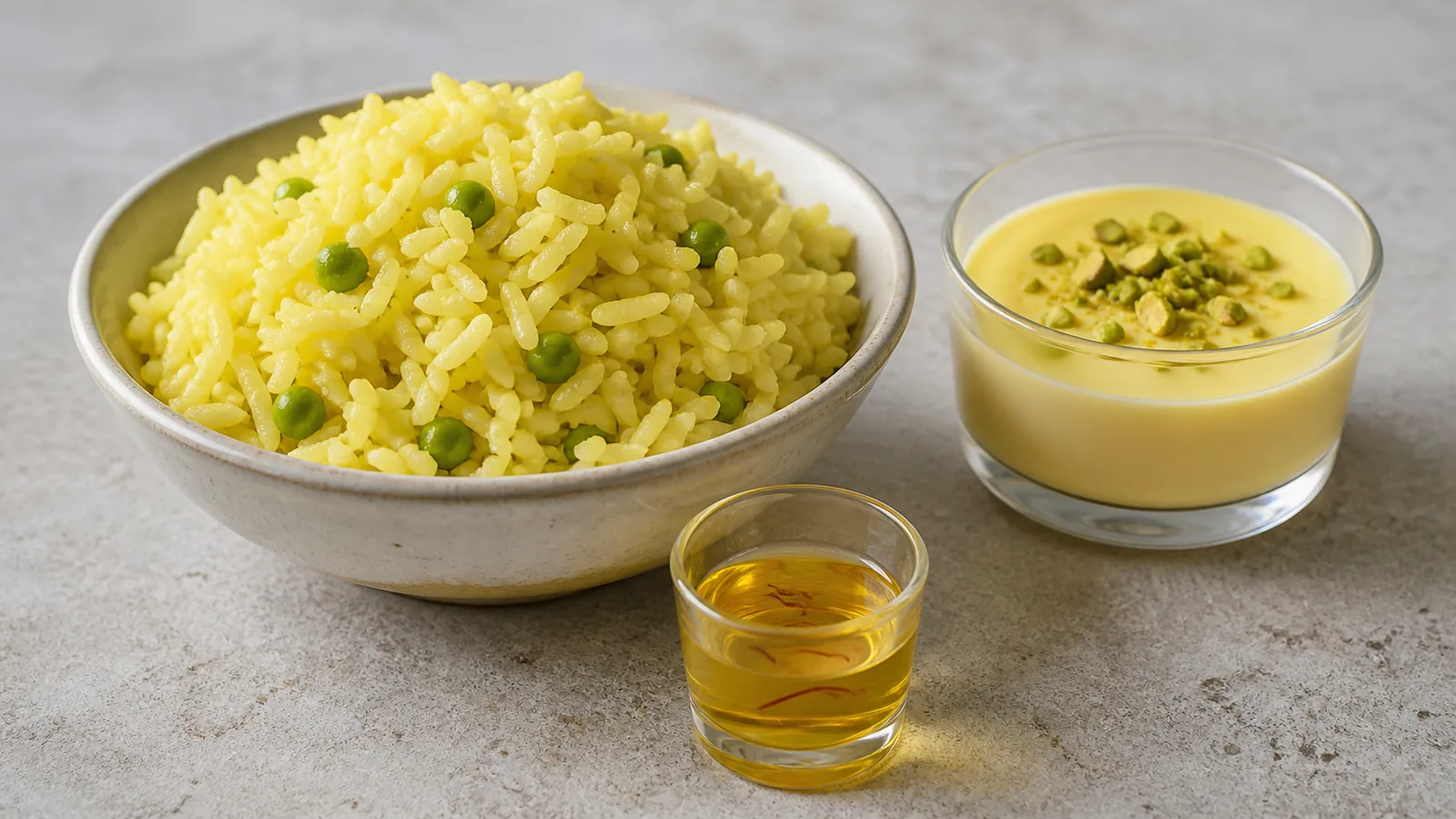
For cooking, Afghan saffron can be used in rice, soups, breads, desserts and milk drinks; it also suits tea. Measure it rather than judging the dose by eye. Lightly crush the required threads, bloom them in warm water, and add both liquid and threads to distribute the color and aroma.
Keep the remaining spice in a tightly closed container away from heat, light and humidity. Good storage matters after purchase just as much as careful drying mattered before it.
The Best Afghan Saffron Is the Batch You Can Verify
Herat gives Afghan saffron a credible and distinctive origin, and measured samples show that the region can produce excellent spice. The best Afghan saffron is still a fresh, pure, properly stored lot with evidence behind its origin and quality.
When reviewing the available saffron products, use those same checks. Do not assume a country name, intense red color or high price settles Afghan saffron quality on its own.