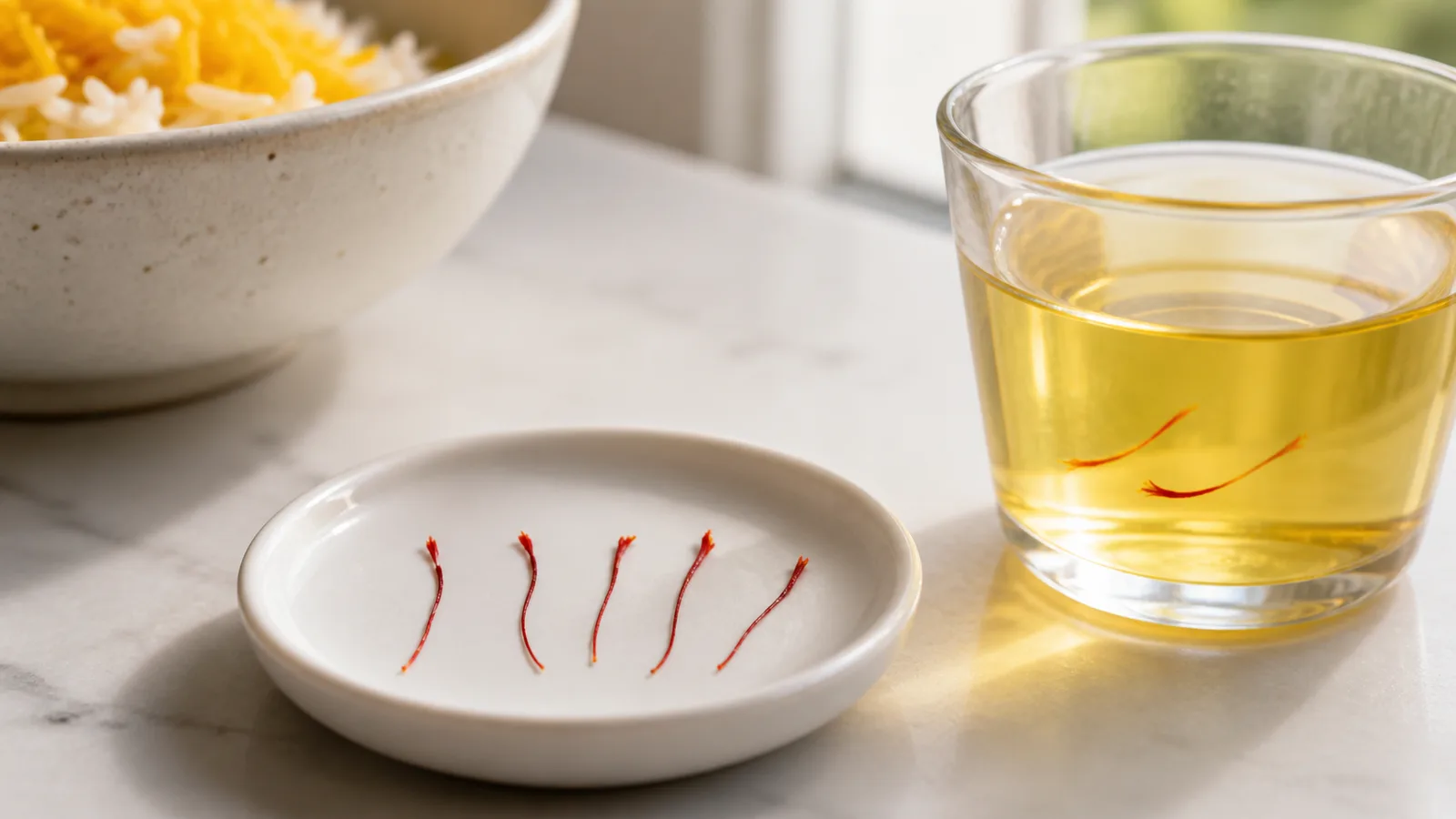
Yes, saffron grows in Italy. Saffron cultivation in Italy includes three European Union–registered Protected Designations of Origin in Abruzzo, Tuscany and Sardinia, as well as smaller farms in Sicily and other parts of the country.
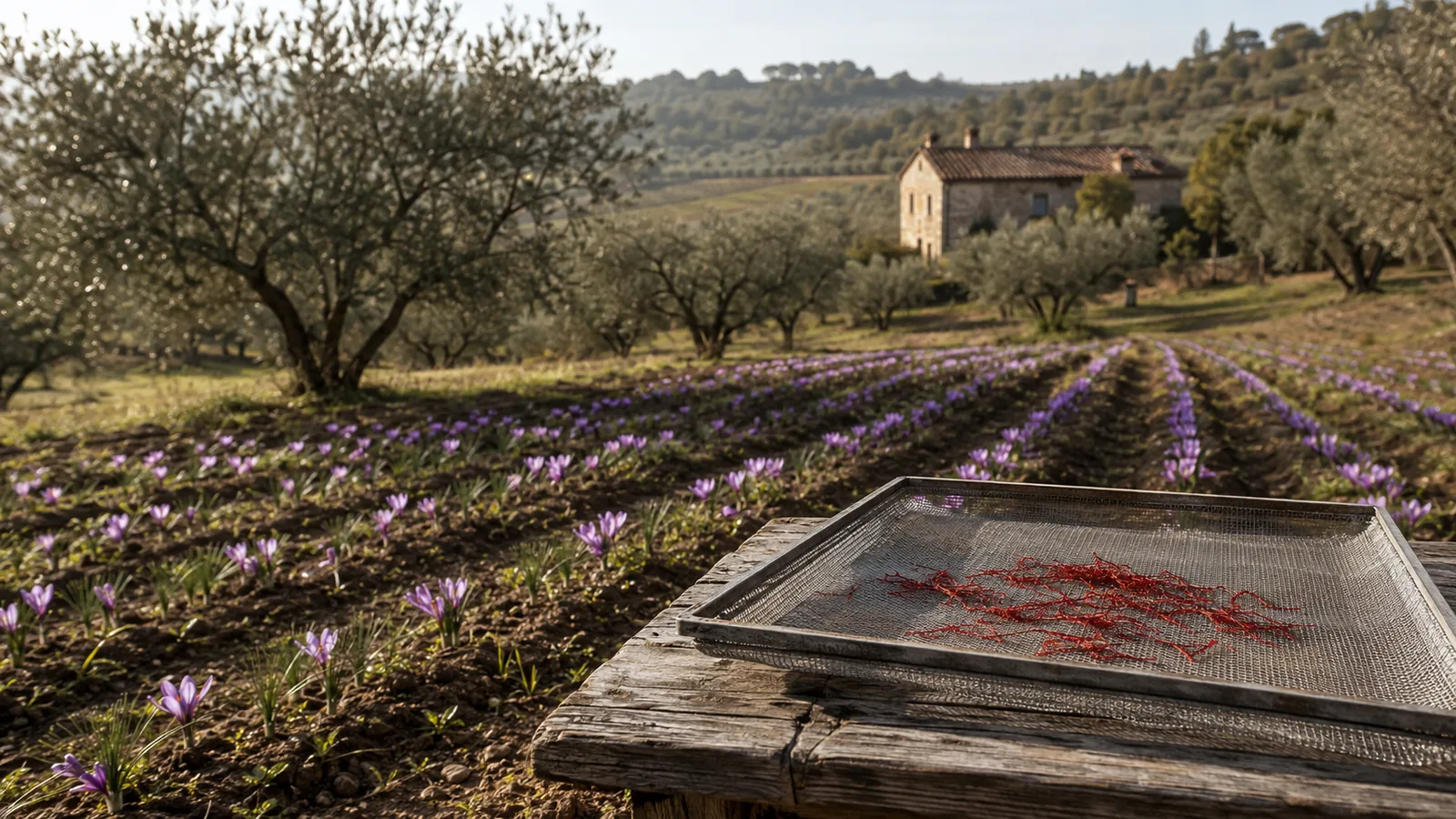
Where does saffron grow in Italy?
Italy’s best-documented saffron origins are not one broad national zone. Each protected name has a defined production area and its own specification:
- Zafferano dell’Aquila PDO comes from a group of municipalities in the province of L’Aquila, Abruzzo, including L’Aquila, Navelli, Barisciano and neighbouring communities listed in the official Zafferano dell’Aquila specification.
- Zafferano di San Gimignano PDO has a production area limited to the municipality of San Gimignano in the province of Siena, Tuscany, according to its official EU registration document.
- Zafferano di Sardegna PDO is tied to San Gavino Monreale, Turri and Villanovafranca in Sardinia. Those three municipalities are named in the EU’s Zafferano di Sardegna specification.
These PDO areas prove established Italian production, but they do not mean saffron is grown nowhere else in Italy. Farmers can cultivate Crocus sativus outside a protected zone; they simply cannot use a protected geographical name unless the product complies with that designation’s area and rules.
Saffron farming around L’Aquila and Navelli
The L’Aquila designation covers a defined part of Abruzzo rather than the whole region. Navelli is strongly associated with the crop, but the formal production area includes several municipalities. The EU specification describes cultivation in a submontane environment and connects the product with local agronomic practices developed over centuries.
This matters because “Mediterranean climate” is too simple an explanation for all Italian saffron. The broad pattern of warm summers and cold winters can suit the crop, but L’Aquila’s conditions are not identical to coastal Sicily or the warmer plains of Sardinia. Saffron can fit different local climates when soil drainage, the seasonal cycle and field management are suitable.
Saffron in San Gimignano, Tuscany
San Gimignano’s saffron history is extensively documented in its PDO application. The official record traces local trade to the thirteenth century and defines today’s geographical area as the municipality itself. It describes sandy or sandy-loam soil, autumn flowering and manual work from flower harvest through stigma separation and drying.
The product’s geographical protection is separate from Tuscany’s fame as a visitor destination. A jar labelled Zafferano di San Gimignano PDO should represent saffron made under that specification, not merely saffron packed or sold somewhere in Tuscany.
Saffron in Sardinia
The Sardinian PDO area centres on San Gavino Monreale, Turri and Villanovafranca. Its EU specification describes a typically Mediterranean pattern with mild, wetter autumn-winter conditions and hot, dry summers, along with deep alluvial soils in the defined area.
It also requires cultivation, harvest and preparation within the geographical area. That makes Zafferano di Sardegna a precise protected name, not a general label for any saffron traded on the island.
Does saffron grow in Sicily?
Yes. Sicily has saffron cultivation, although it does not have one of the three Italian saffron PDO names described above. The scale and location should not be guessed from a broad regional label.
For readers searching for a Sicily saffron production town, one documented example is Marianopoli in the province of Caltanissetta. A feature published on the Sicilian regional administration’s agriculture portal describes a saffron farm in Marianopoli, Caltanissetta. That is evidence of production there, not proof that Marianopoli is Sicily’s only or largest saffron town.
What saffron needs to grow in Italy
Saffron is propagated from corms rather than harvested seed. The crop needs a field that does not leave the corms sitting in water, a seasonal rhythm that supports summer dormancy and autumn growth, and careful management of disease, weeds and planting material.
“Rich soil” is not enough on its own. A fertile field with poor drainage can be a bad site. Soil texture, slope, rainfall, irrigation, corm health, planting depth, rotation and local winter conditions all affect the result. A grower should assess the particular field rather than copying a schedule from another Italian region.
The protected specifications illustrate that variation. San Gimignano refers to well-drained sandy or sandy-loam soils; the Sardinian document describes deep alluvial soils with good permeability and water-holding capacity. Different soil profiles can work when water and aeration are properly managed.
The Italian saffron growing cycle
- Corm selection and planting: healthy corms are selected and planted during the dormant period according to local conditions and the production system.
- Autumn emergence and flowering: leaves and purple flowers appear as the growing season begins.
- Early flower harvest: flowers are picked promptly, often while still closed or soon after opening, to protect the stigmas and simplify handling.
- Stigma separation: the three red stigmas are removed from each flower. This remains delicate manual work in the protected methods.
- Drying: the fresh stigmas are dried under controlled conditions to form the spice. Drying influences weight, stability, colour and aroma.
- Leaf growth and dormancy: the plant continues its seasonal cycle before the above-ground growth declines and the corm enters dormancy.
The short flowering window concentrates labour. A field may need attention every day during harvest, and the flowers must be processed without careless delay. That labour helps explain why even a small Italian crop can require considerable work.
Is all Italian saffron PDO saffron?
No. “Italian saffron” can simply mean saffron grown in Italy. PDO is a narrower legal designation that links the protected name to a defined area, specification and control system. The label should state which claim is being made.
A seller located in Italy is not proof that the saffron was cultivated there. Likewise, Italian packaging does not establish Italian agricultural origin. For a protected product, look for the complete PDO name and required identification; for other Italian saffron, ask for the stated growing location, producer and lot information.
Does Italian origin guarantee the best quality?
Origin can carry real history and a defined production method, but it does not make every jar identical or automatically superior to every saffron from another country. Freshness, drying, storage, thread integrity, adulteration control and measurable batch characteristics still matter.
PDO status protects a geographical name and its specification. It should not be turned into an unsupported “best in the world” claim. Our guide to comparing saffron quality by country and batch explains why the individual product still needs evaluation.
Italian production and world production are different questions
Italy has culturally important regional saffrons, but that does not make it the largest producer. National volume, protected origin and culinary reputation measure different things. Iran supplies saffron at a much larger scale, while Italian production is associated with smaller defined territories and local traditions.
The current comparison of which country produces the most saffron separates worldwide production estimates from origin and quality.
Saffron in Italian cooking
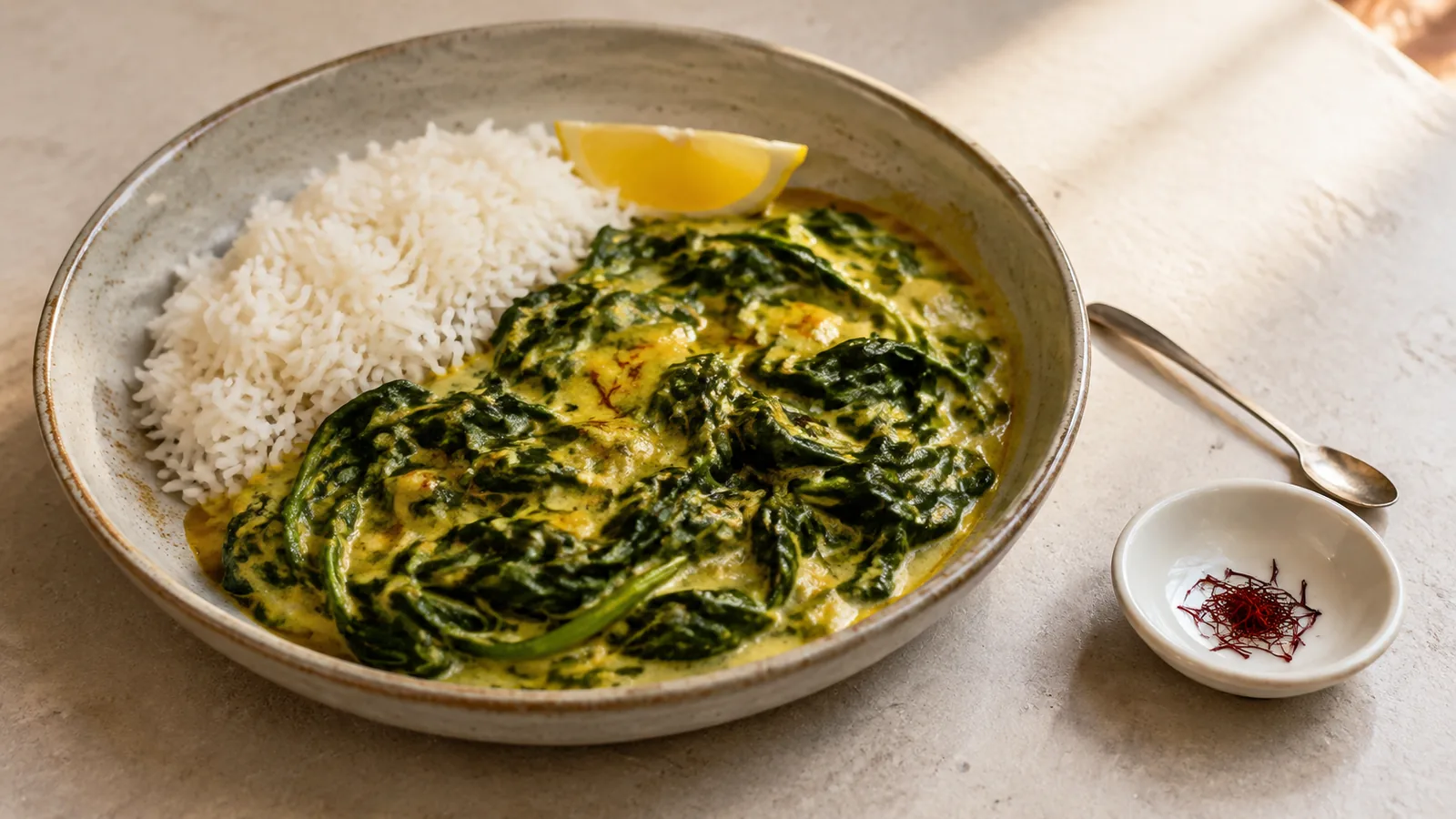
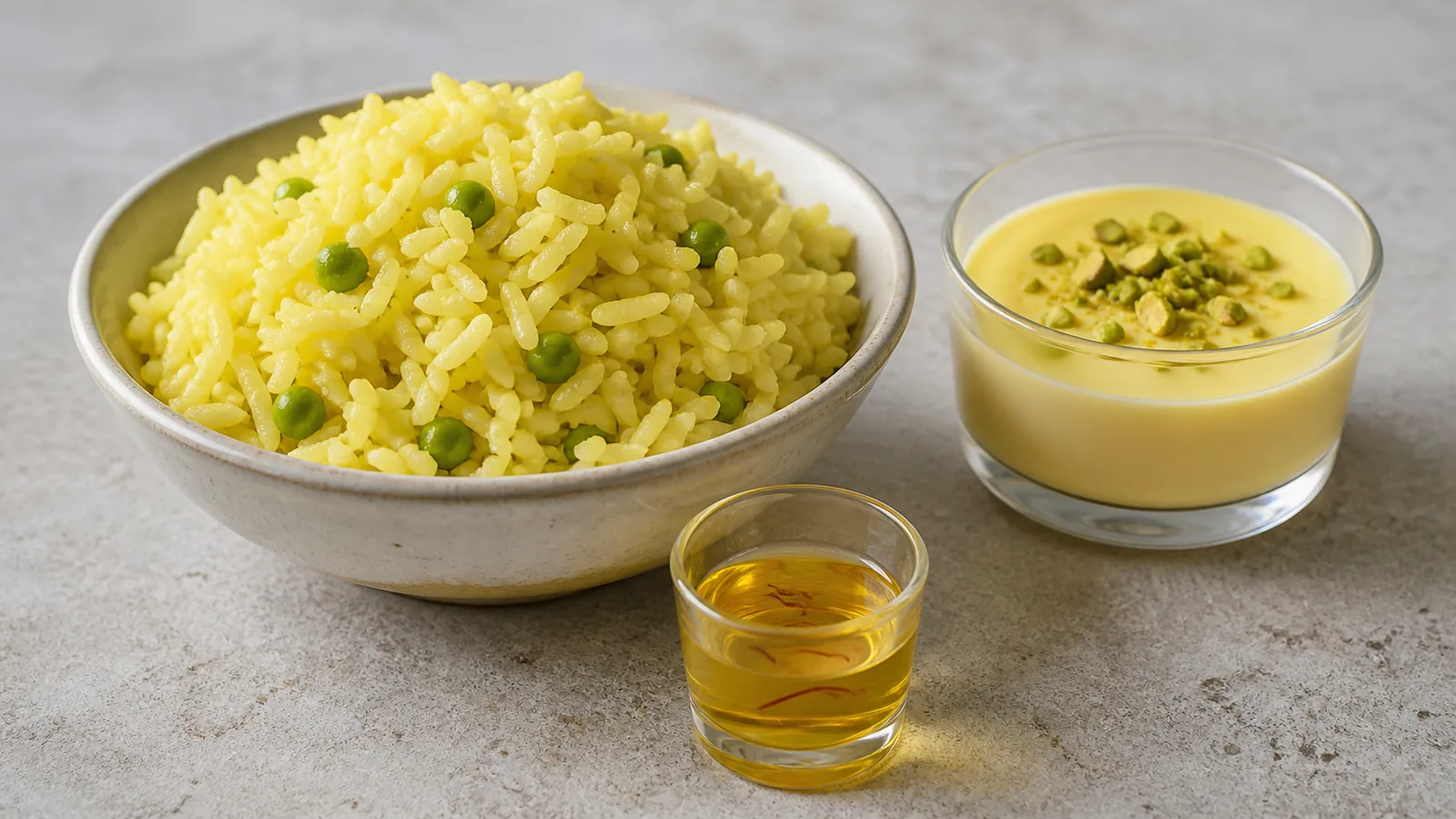
Risotto alla Milanese is the best-known Italian association for many diners, although a dish prepared in Milan does not prove the saffron itself was grown there. Saffron also appears in regional breads, sauces, pasta, sweets and local recipes connected with the protected areas.
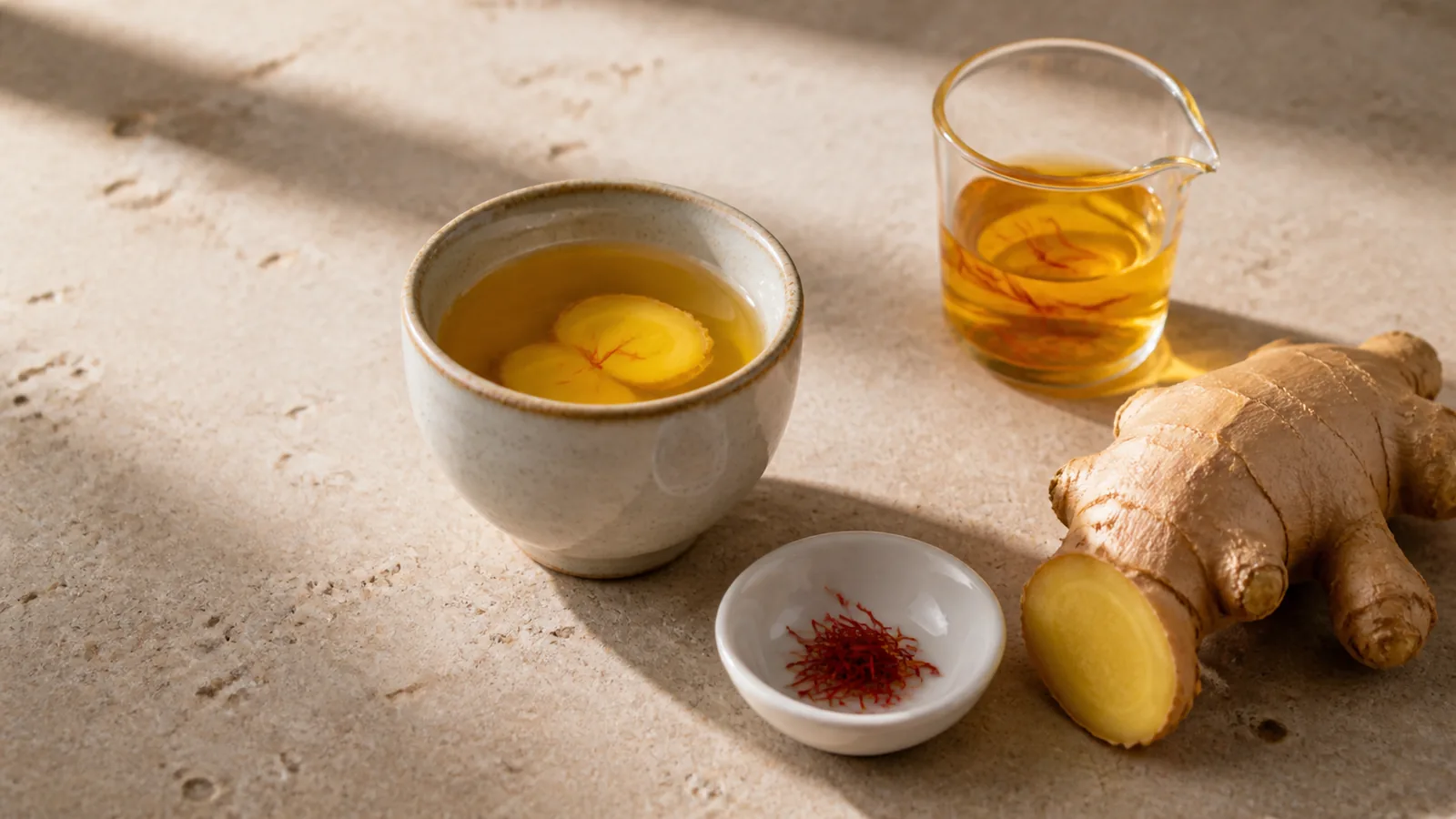
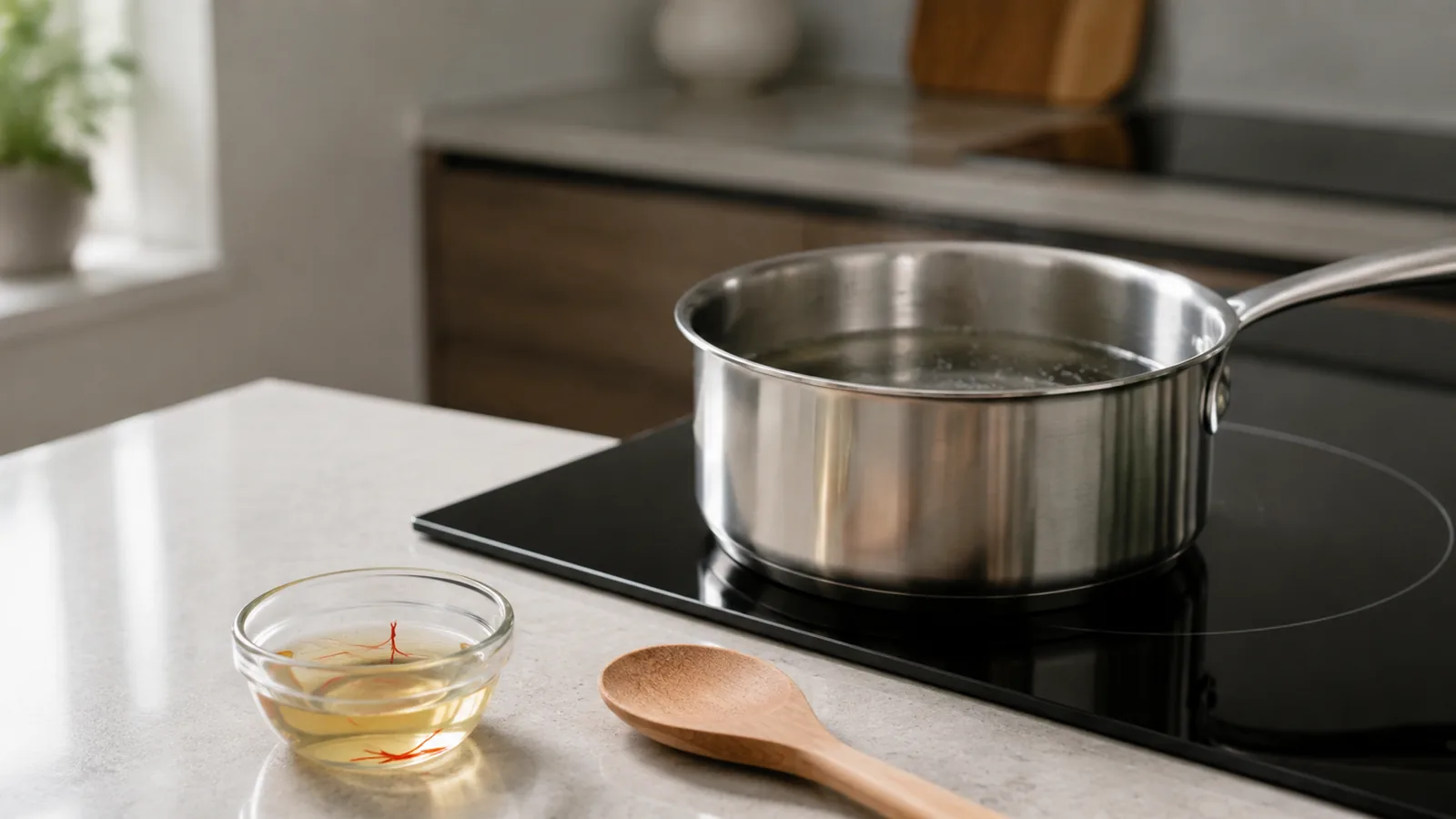
Use the product in a way that makes its origin worthwhile: crush a modest amount, bloom it in warm liquid and add it where the color, flavor and aroma can spread. A strong provenance story cannot compensate for poor storage or careless cooking.
Questions about saffron in Italy
Is saffron native to Italy?
Modern saffron is cultivated in Italy, but “native” is a different historical and botanical question. Written records establish long Italian cultivation; they do not by themselves prove that domestication began there. The article on how saffron reached and developed in Italy examines that history.
Which part of Italy is most famous for saffron?
L’Aquila and the Navelli area in Abruzzo are especially well known, while San Gimignano in Tuscany and the three Sardinian PDO municipalities have their own protected traditions. “Most famous” is subjective; all three protected names are documented.
What is the saffron town in Sicily?
There is no single official Sicily-wide PDO town. Marianopoli in Caltanissetta is one documented production location, but it should not be presented as the island’s only saffron-growing community.
Is Italian saffron used in risotto?
Yes. Saffron is central to risotto alla Milanese. Check the jar’s origin separately, because the name of the dish does not identify where the saffron was cultivated.
The clear answer
Saffron does grow in Italy. The clearest established origins are Zafferano dell’Aquila PDO in Abruzzo, Zafferano di San Gimignano PDO in Tuscany and Zafferano di Sardegna PDO in three Sardinian municipalities. Sicily also has documented farms, including at Marianopoli in Caltanissetta. Each place should be described precisely rather than folded into a vague claim that all Italian saffron is the same.
You can browse our saffron products or ask about origin and lot information.