Safety of Taking Saffron Daily: Is It Safe for Regular Use?
For most healthy adults, a small culinary amount of saffron in food is generally a low-risk daily use. Taking a concentrated extract every day is a different decision. Supplement safety depends on the product, dose, duration, medicines and the person using it, and long-term evidence is limited.
That is the practical answer to whether it is safe to take saffron daily. On a daily basis, a few threads in dinner should not be treated like a capsule, and a dose used in one clinical trial is not a universal recommendation.
Culinary saffron and supplements are different
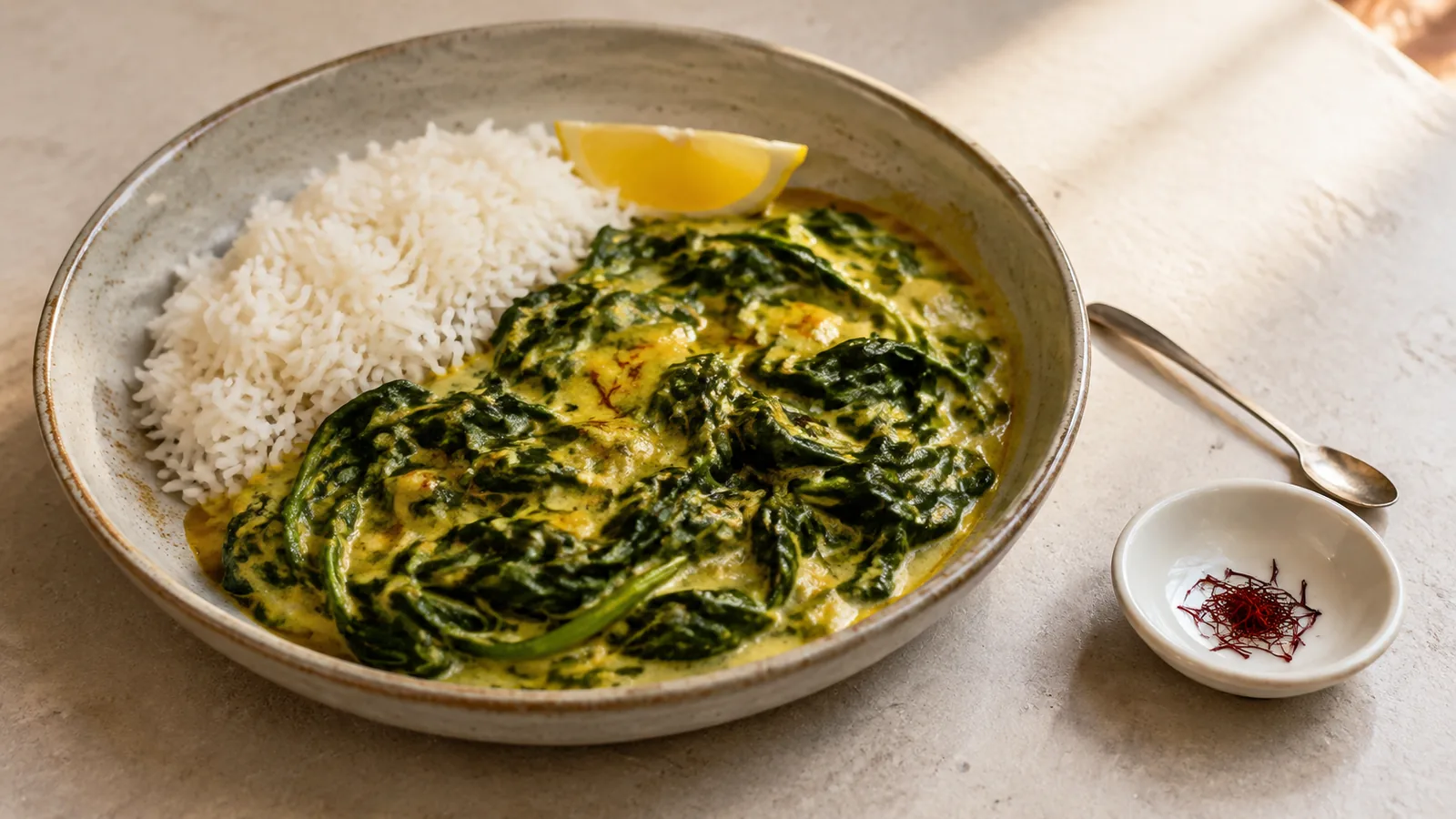
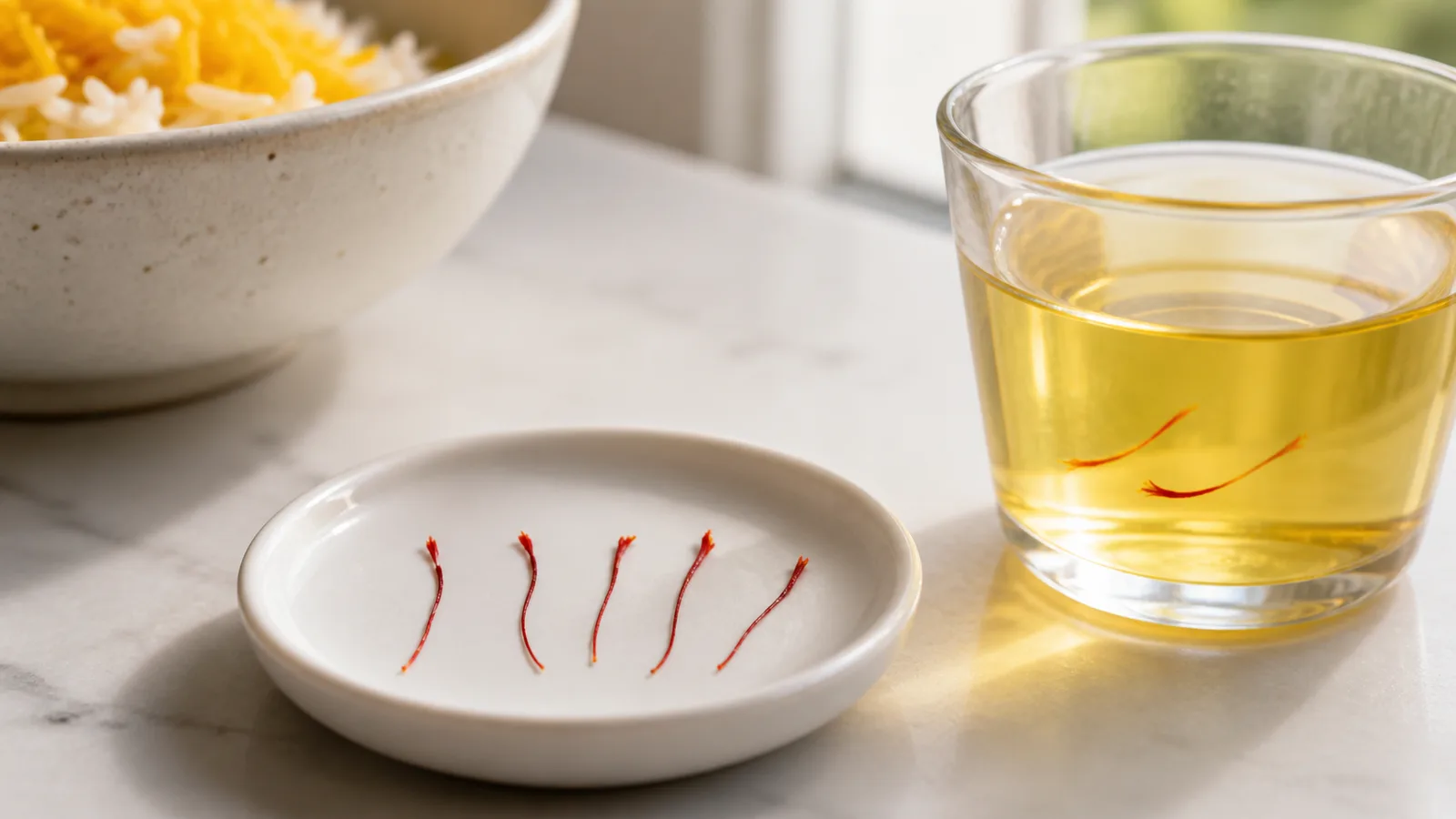
A culinary portion is a modest pinch spread through a dish or drink. Some descriptions put a small pinch near 20–30 milligrams, but pinches vary too much to be a medical measurement. Food use also involves a different exposure from swallowing a standardised extract or a large amount of stigma powder.
Supplements may specify saffron, an extract or an isolated constituent, and their concentration can differ. Quality and authenticity matter too. The number on one label cannot automatically be compared with a thread weight or with a different extract.
There is no recommended daily dosage for general health
No health authority has established one daily saffron dose that everyone should take for “wellness.” Many mood and sleep trials have tested around 28–30 mg a day of a particular extract; other studies used different products and amounts. Those are research protocols for selected participants, not proof that 30–50 mg is necessary, optimal or safe indefinitely for every adult.
A frequently cited 2008 safety study gave 30 healthy volunteers placebo, 200 mg or 400 mg of saffron tablets for only seven days. It found no gross clinical changes, but the 400 mg group had changes in blood pressure and several laboratory measures. “Well tolerated for one week” is not a long-term recommendation for 400 mg daily.
For practical food amounts, see our guide to using saffron correctly. If you are considering a supplement for a health condition, ask about the specific product rather than trying to calculate a dose from recipes.
What side effects can occur?
A 2026 systematic review of 102 clinical trials and one case report found that saffron preparations were generally well tolerated. It estimated adverse events related to saffron at about 17.5%, most commonly minor, self-limiting gastrointestinal problems. Longer use and higher medicinal doses still require caution.
Reported problems across studies include nausea, stomach discomfort, poor appetite, dry mouth and headache. Dizziness or feeling faint also matters, particularly if your blood pressure is already low. Stop a supplement and seek advice if symptoms begin after you take it. Trouble breathing, facial swelling, collapse or another severe reaction needs urgent care.
What about high doses?
More saffron does not create more benefit. Gram quantities are far outside normal culinary use and should not be experimented with. The online statement that “more than 5 grams is toxic” is not a safe boundary to approach; product form, purity, body size and individual health all affect risk, and serious symptoms can never be managed from a web threshold.
If someone swallows a large amount or develops repeated vomiting, severe dizziness, abnormal bleeding, confusion or fainting, contact a poison centre or emergency service. Do not wait for a home remedy.
Pregnancy, breastfeeding and children
Using saffron as a normal food flavour is not the same as taking it medicinally during pregnancy. A 2026 integrative review found that pregnancy safety and effectiveness evidence remains limited and inconclusive. Traditional claims about uterine stimulation or making labour easier are not instructions for unsupervised use.
Pregnant women should avoid supplement-strength saffron unless an obstetric or maternity clinician has reviewed the exact product; the same caution applies during breastfeeding. Children should not be given an adult saffron supplement or trial dose without paediatric guidance.
Who should ask before taking saffron every day?
Speak with a doctor or pharmacist before regular supplement use if you:
- take prescription medicines or several supplements;
- have low blood pressure, a bleeding problem, kidney or liver disease;
- are preparing for surgery;
- are pregnant, breastfeeding or trying to conceive;
- have a diagnosed mood, neurological or other chronic condition; or
- have previously reacted to saffron or another plant product.
Evidence about many saffron–medicine interactions is incomplete. That uncertainty is a reason to check, not a reason to assume either that an interaction definitely occurs or that none is possible. Do not stop prescribed medicine to make room for saffron.
Do the possible benefits justify daily use?
Saffron contains crocin, crocetin, picrocrocin and safranal. Studies have explored mood, anxiety, sleep, cognitive function, digestion, skin health, inflammation and oxidative stress. The evidence is not equally strong for all these outcomes, and it does not establish that every healthy person benefits from daily consumption.
Choose daily food use because you enjoy the flavour, aroma and colour. If the goal is to treat a symptom, define that goal with a clinician and use evidence for that condition. “Supporting overall health” is too broad to tell you whether a concentrated product is working.
How to include saffron safely
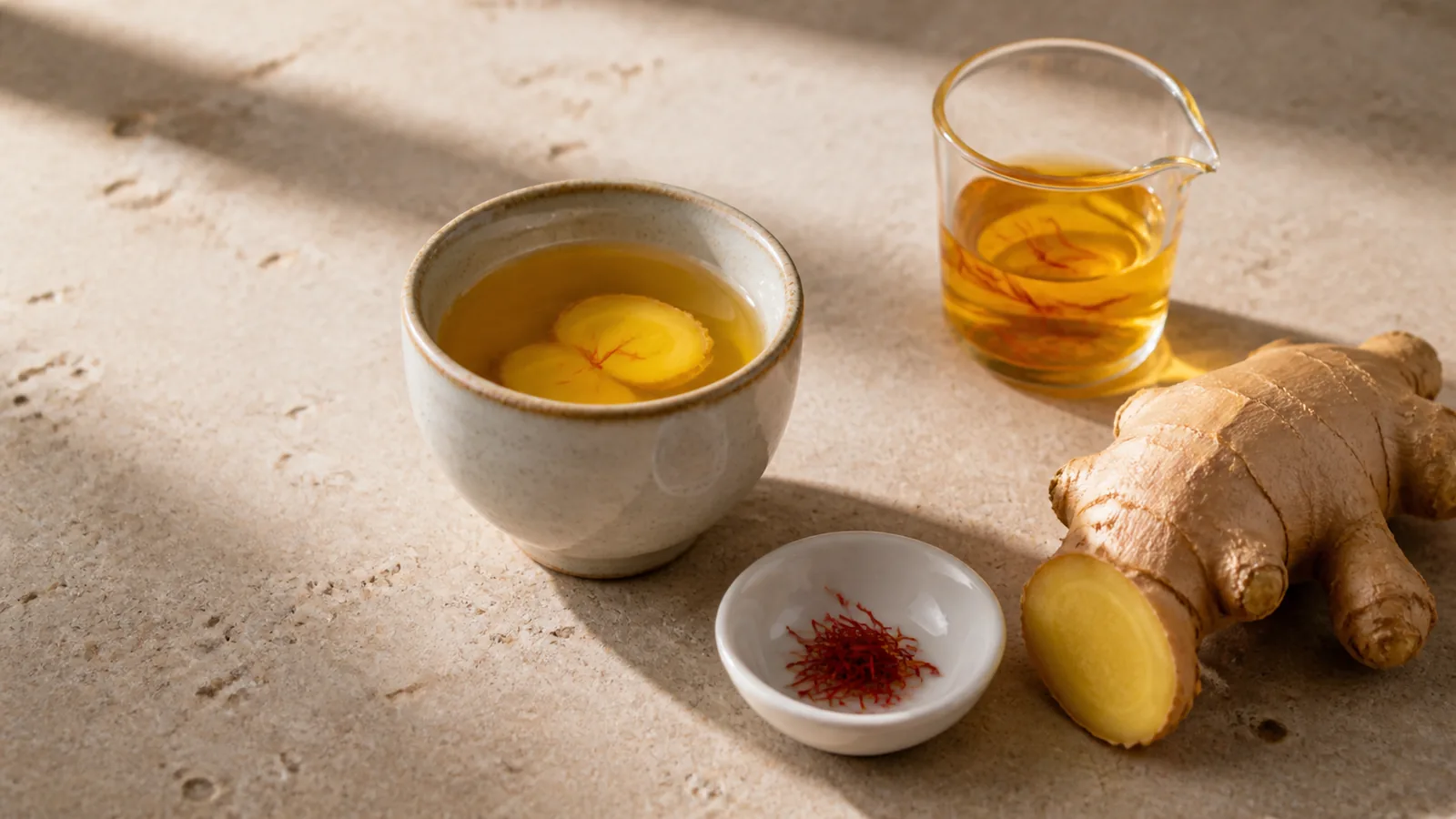
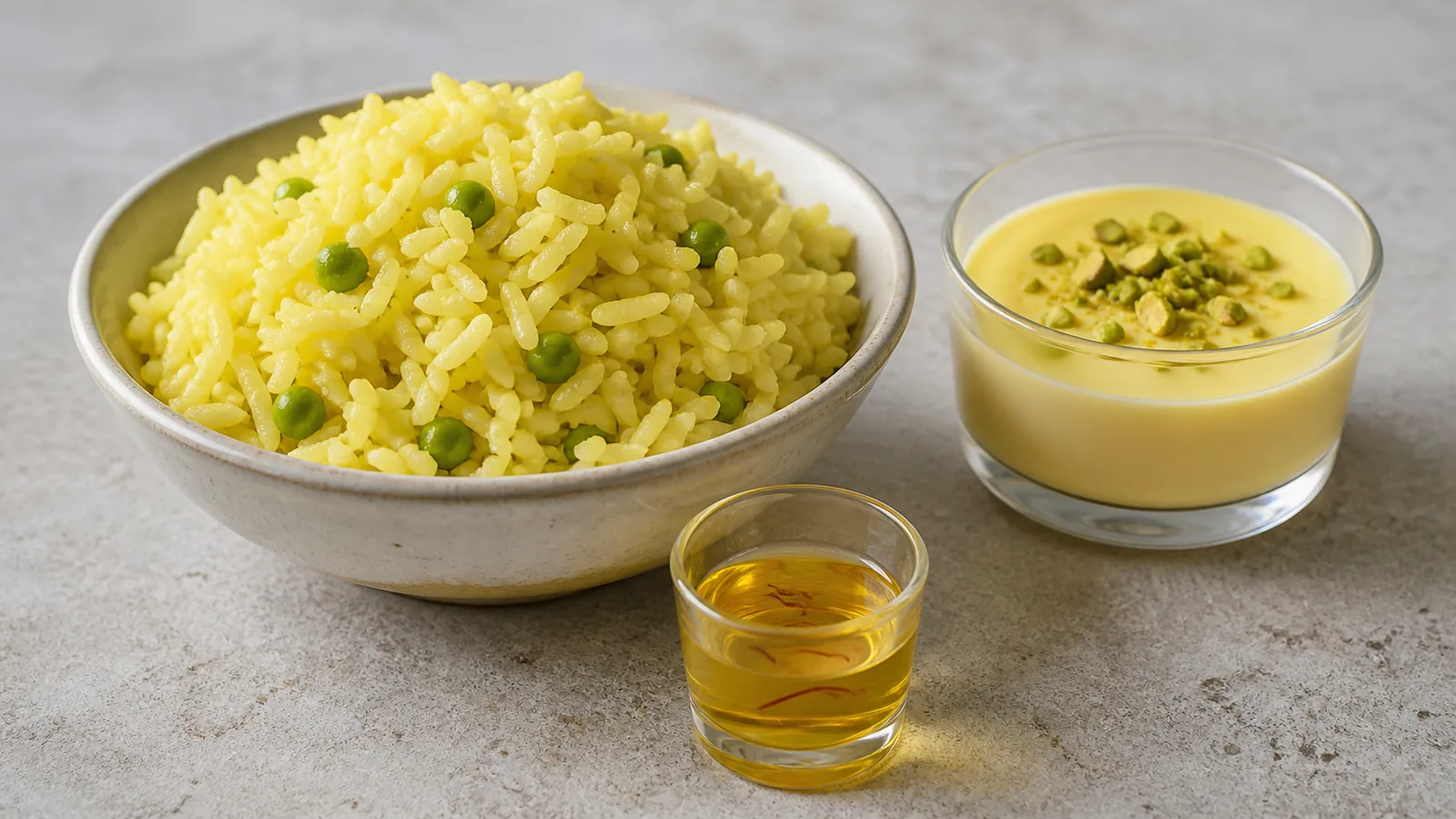
- Use a modest quantity in meals such as rice, soup or vegetables, or in saffron tea or warm milk.
- Keep threads dry, sealed and away from heat and light.
- Do not increase the amount because a benefit is not immediate.
- For supplements, record the brand, extract and dose and review other medicines.
- Stop if you develop a new adverse effect and report serious reactions.
The practical answer
Is it safe to take saffron daily? Small culinary amounts are generally reasonable for most healthy adults. A daily supplement requires more thought because formulations vary and long-term safety is less certain. Stay well below gram quantities, do not treat a short trial as a dosage guideline, and ask a healthcare professional when pregnancy, illness or medicines change the risk.