What happens if I eat saffron daily?
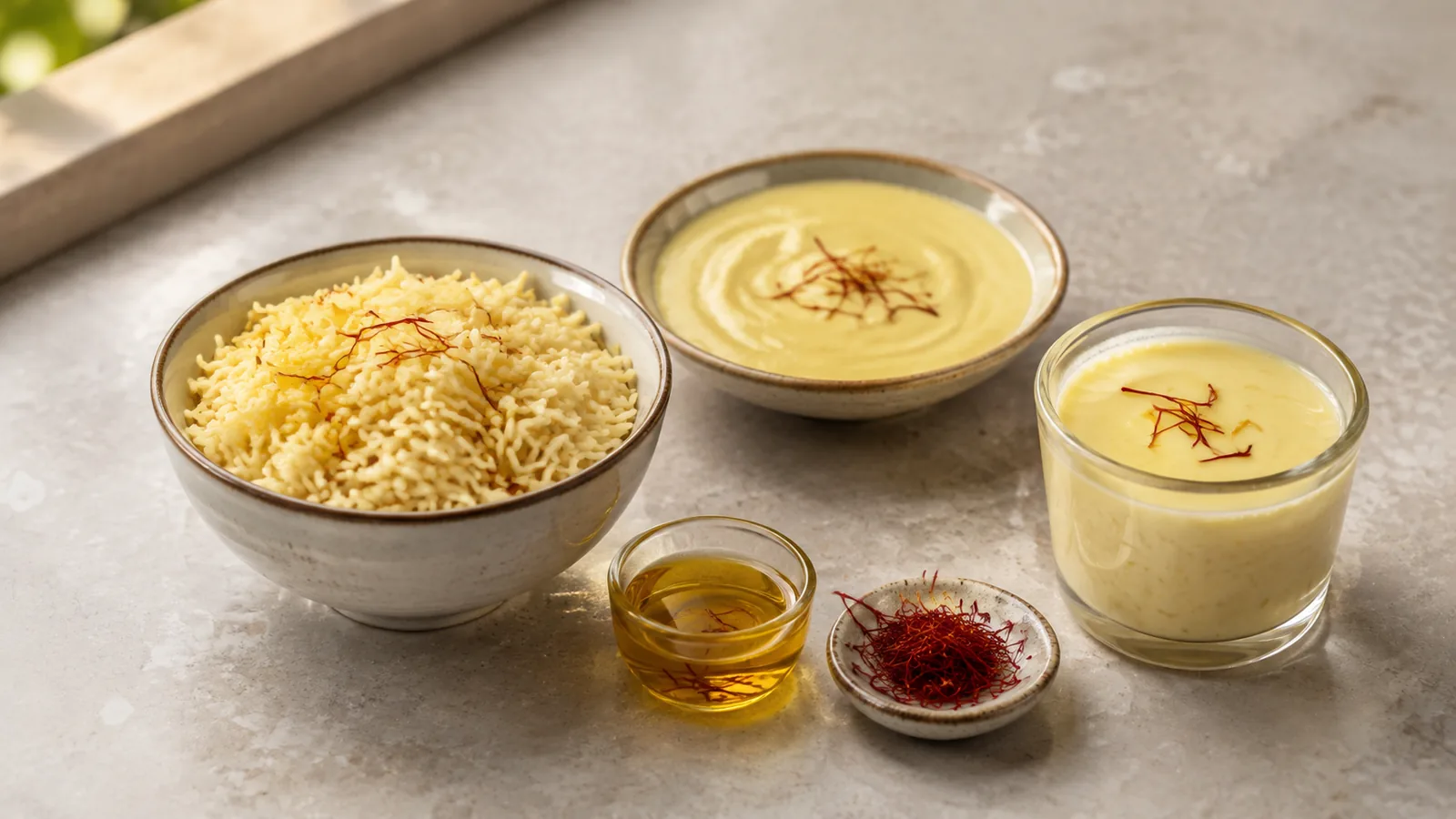
If you eat a small culinary amount of saffron every day, the most predictable effects are flavour, aroma and colour in your food. Research has ... Read More...




If you eat a small culinary amount of saffron every day, the most predictable effects are flavour, aroma and colour in your food. Research has ... Read More...
Yes. Saffron changes the taste of food even in a small amount, adding an aromatic, earthy flavour with floral notes and mild bitterness. Its smell ... Read More...
For a dish serving four people, begin with a small pinch—roughly 10 to 15 intact threads—then adjust after the saffron has bloomed and spread through ... Read More...
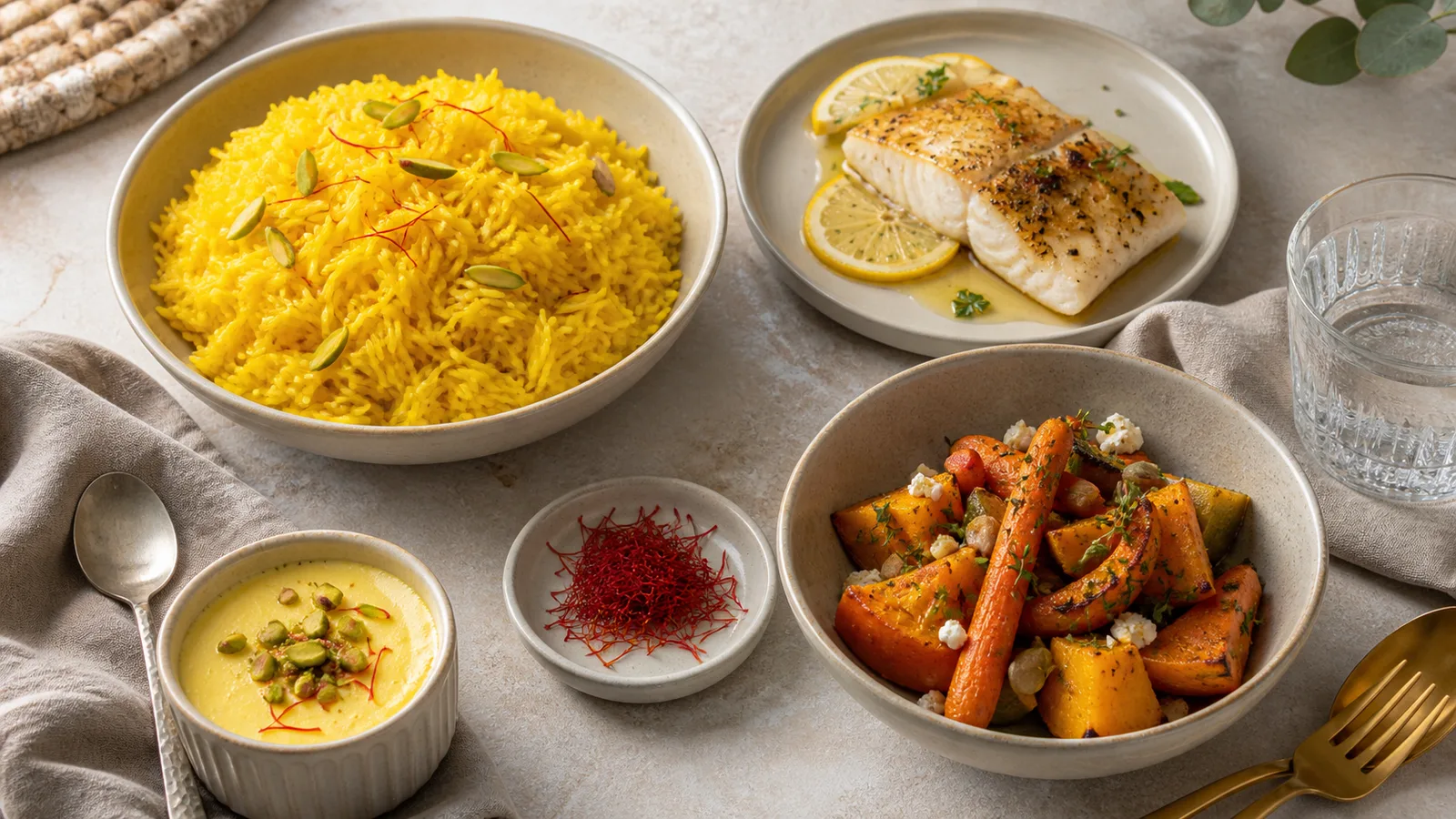
Saffron works especially well with rice, seafood, chicken, lamb, dairy, eggs, tomatoes, root vegetables, citrus, honey and nuts. Its aroma is floral and hay-like, with ... Read More...
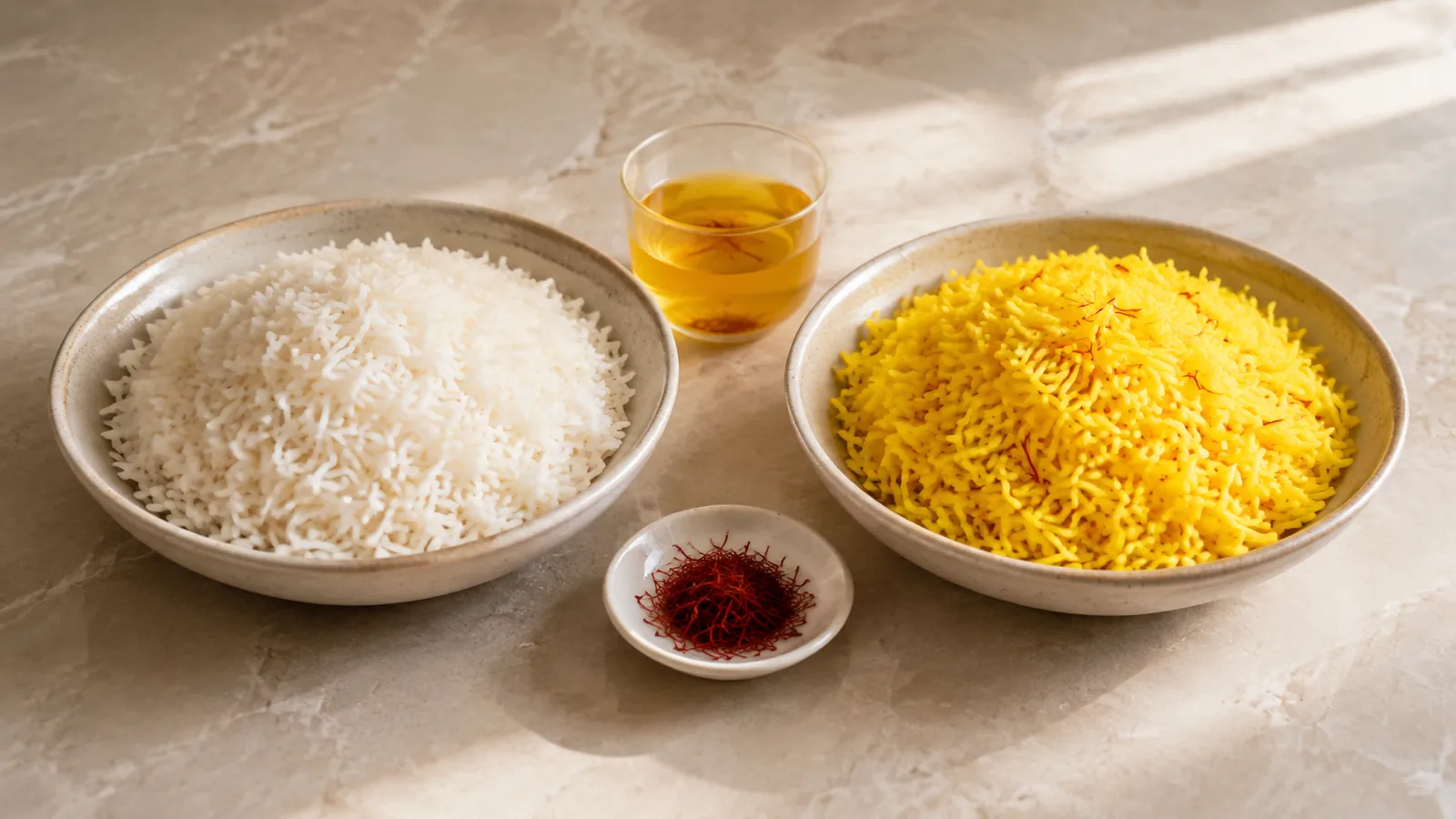
Saffron changes a meal in three connected ways: it turns receptive foods golden, adds a distinctive floral and hay-like aroma, and brings an earthy taste ... Read More...
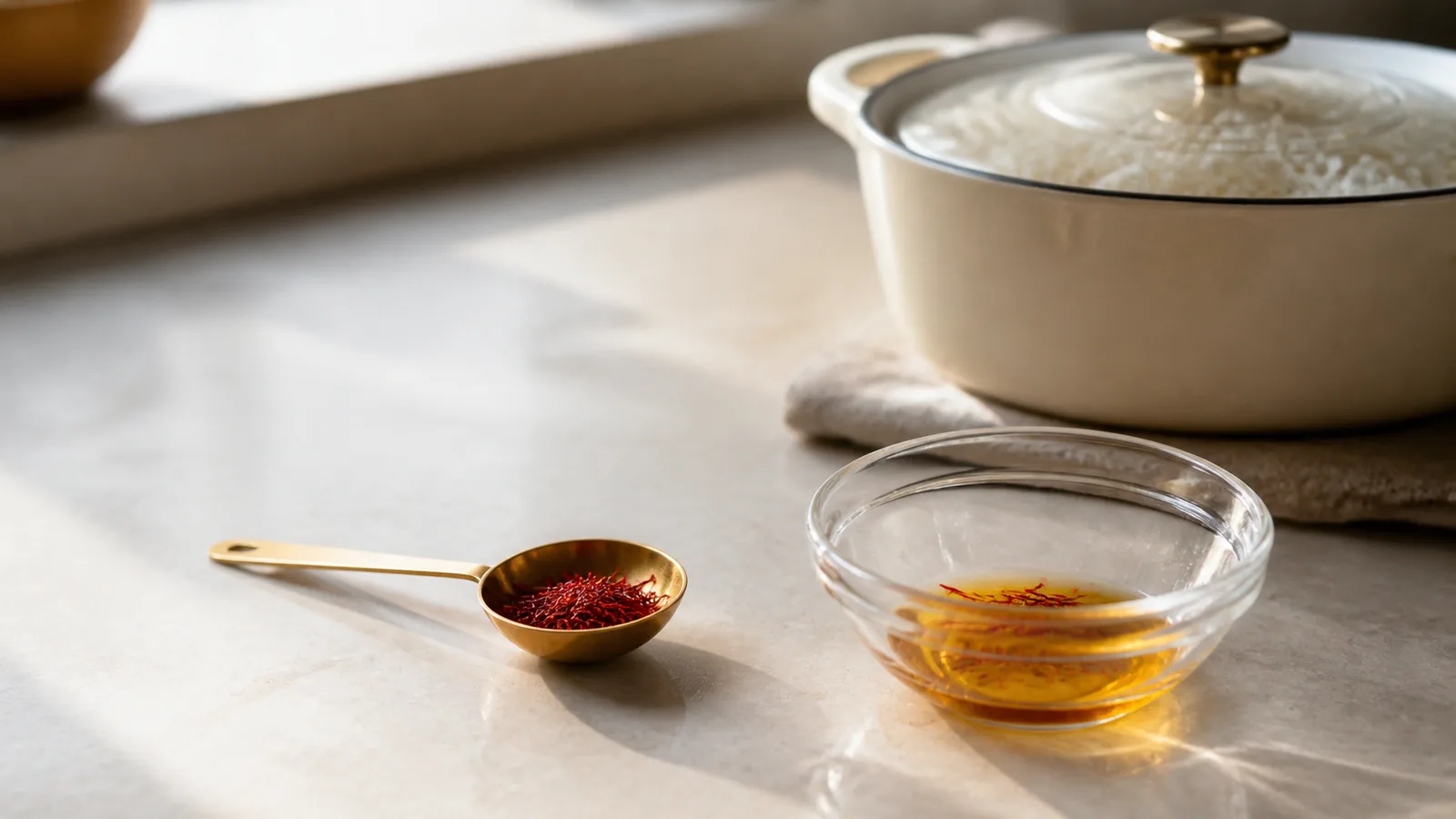
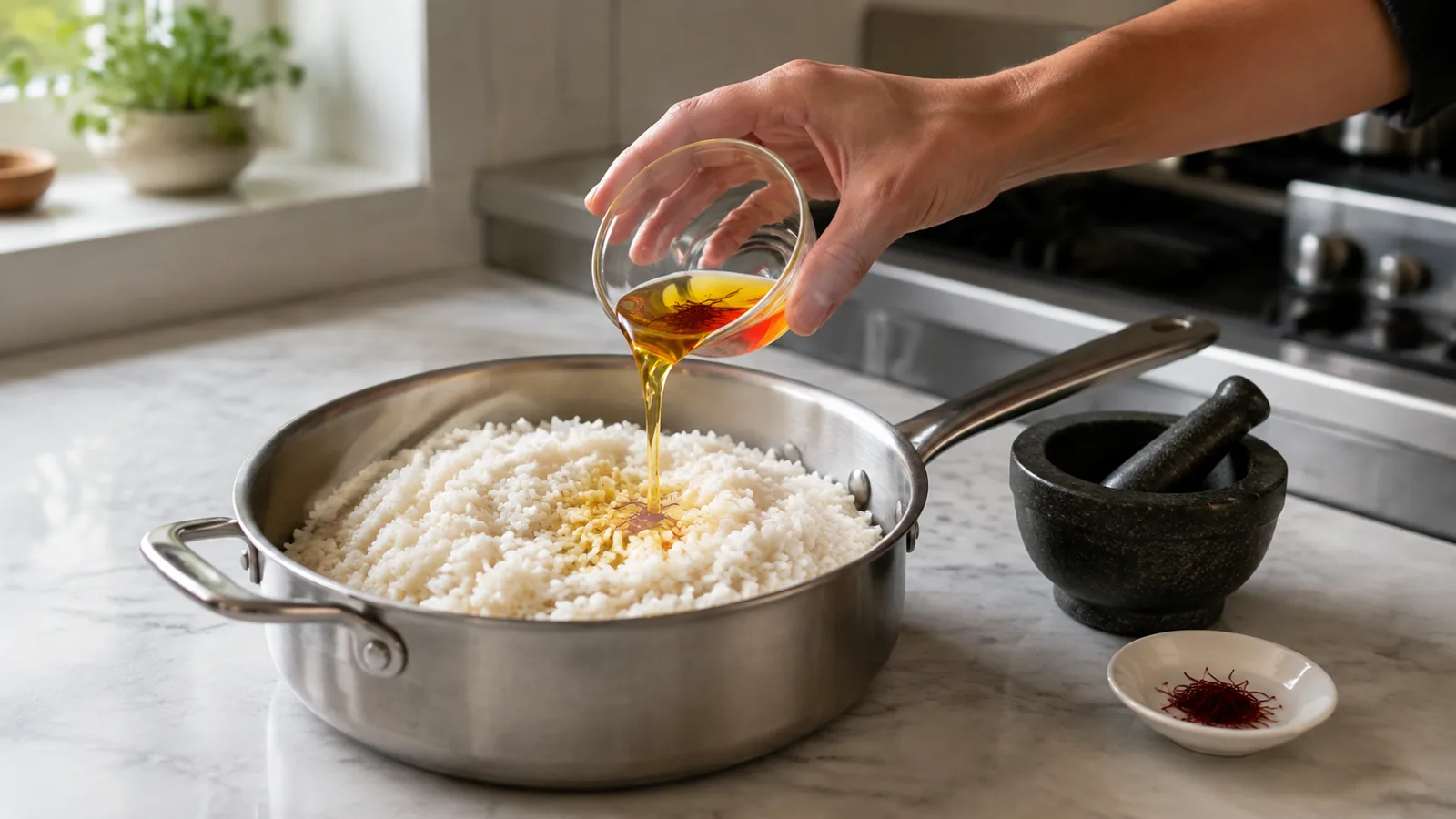
To use saffron in cooking, lightly crush a measured pinch of threads, steep it in a small amount of warm water, milk or stock for ... Read More...
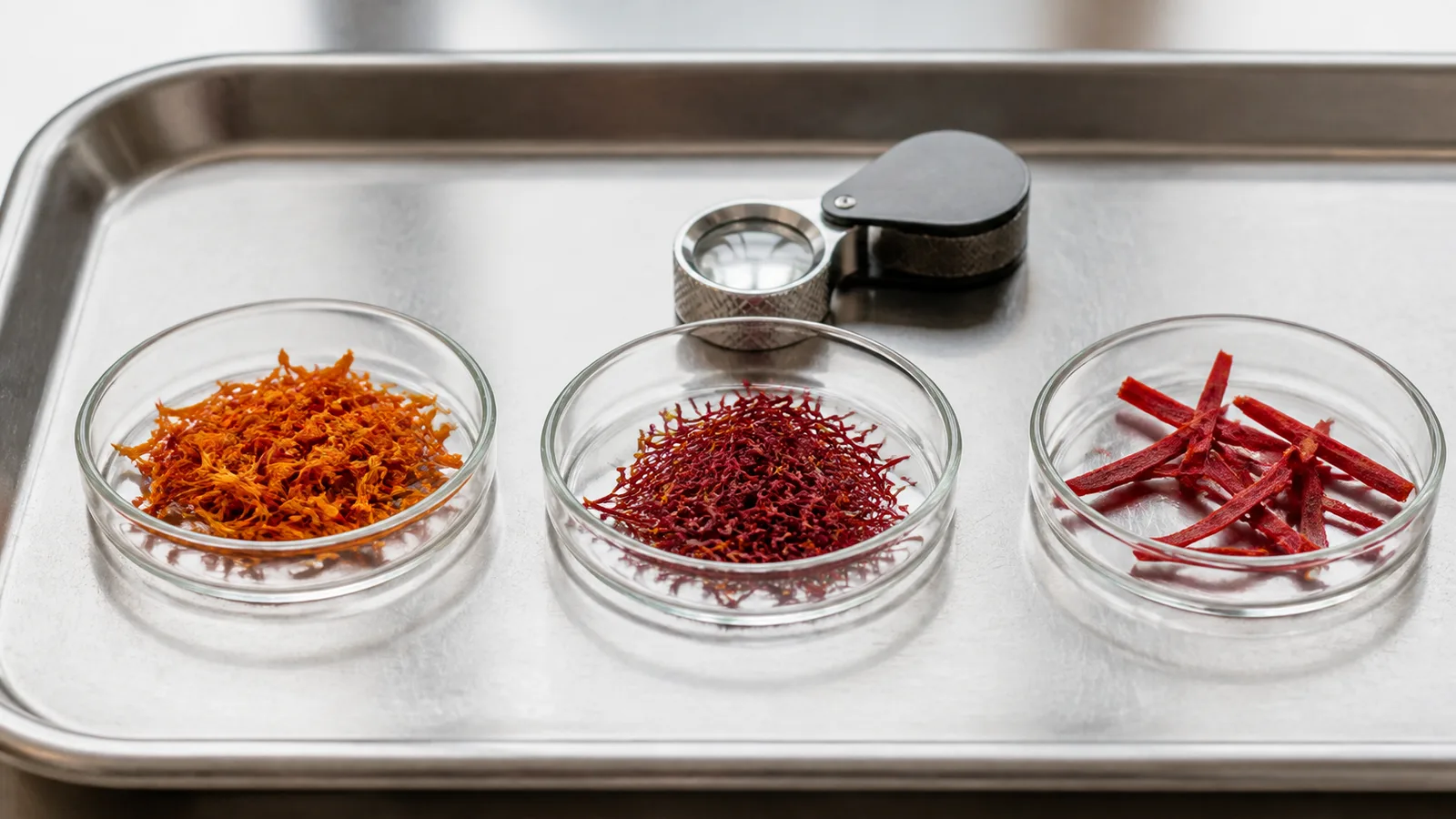
Do not eat a product merely because someone calls it “false saffron.” The term can describe a known food spice such as safflower, a deliberately ... Read More...
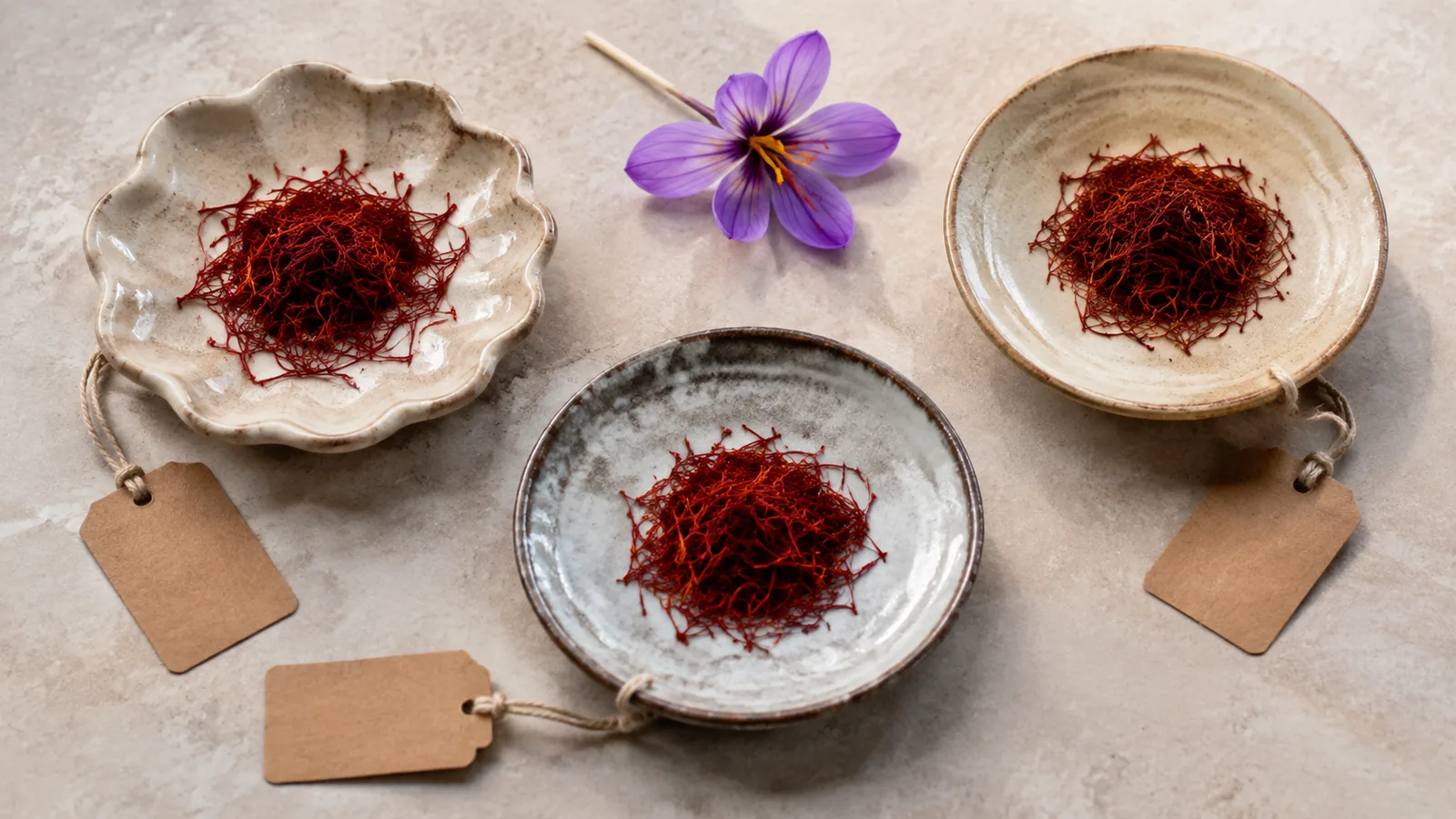
No modern country has exclusive ownership of “original” saffron. Real saffron is the dried stigma of Crocus sativus, wherever that plant is cultivated correctly. Iran ... Read More...
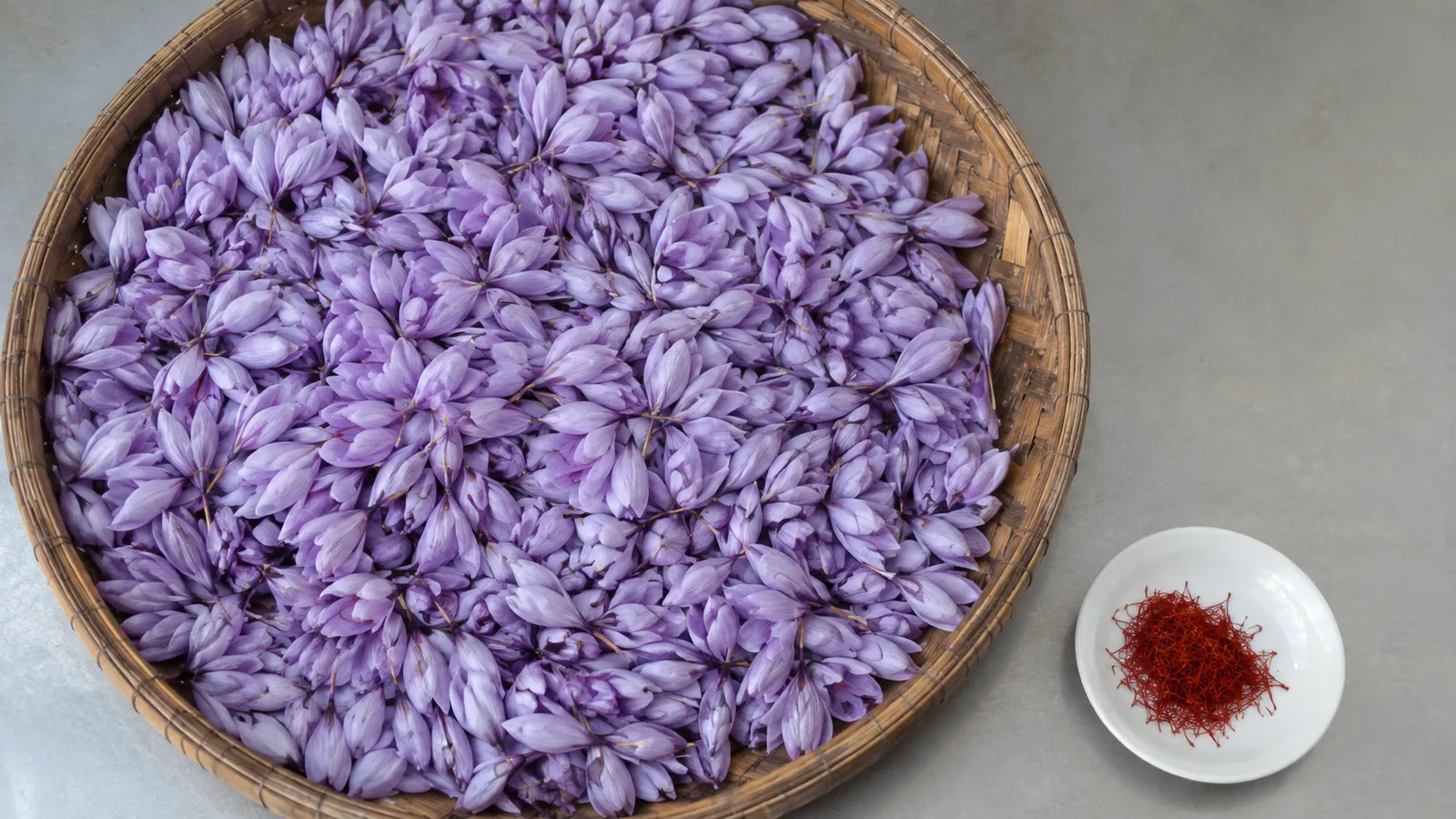
Saffron is expensive because each Crocus sativus flower produces only three usable red stigmas, the flowers open during a short harvest season, and much of ... Read More...
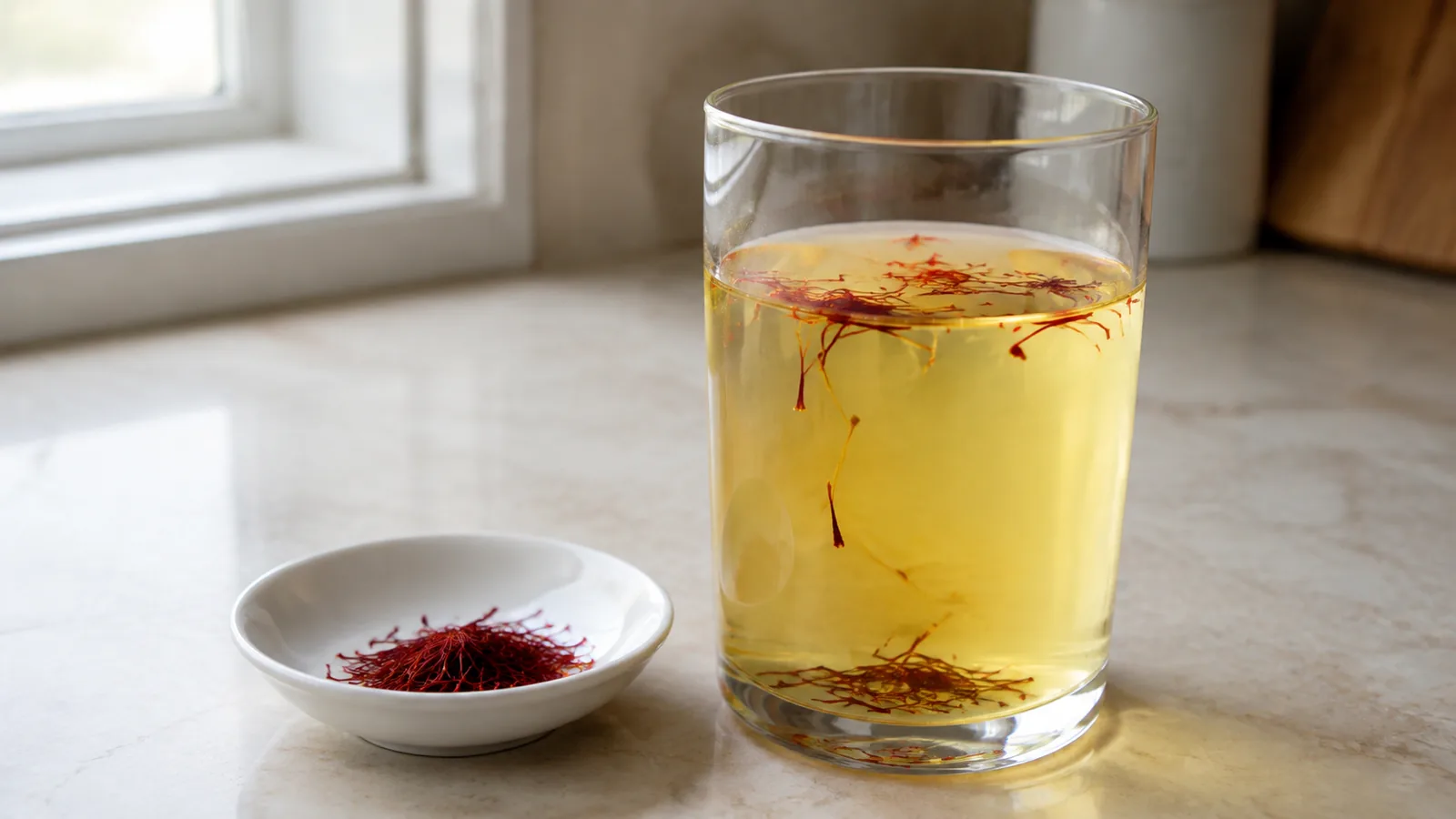
Real saffron can float at first, sink quickly or do both in the same glass. Thread thickness, trapped air, dryness and handling all affect buoyancy, ... Read More...