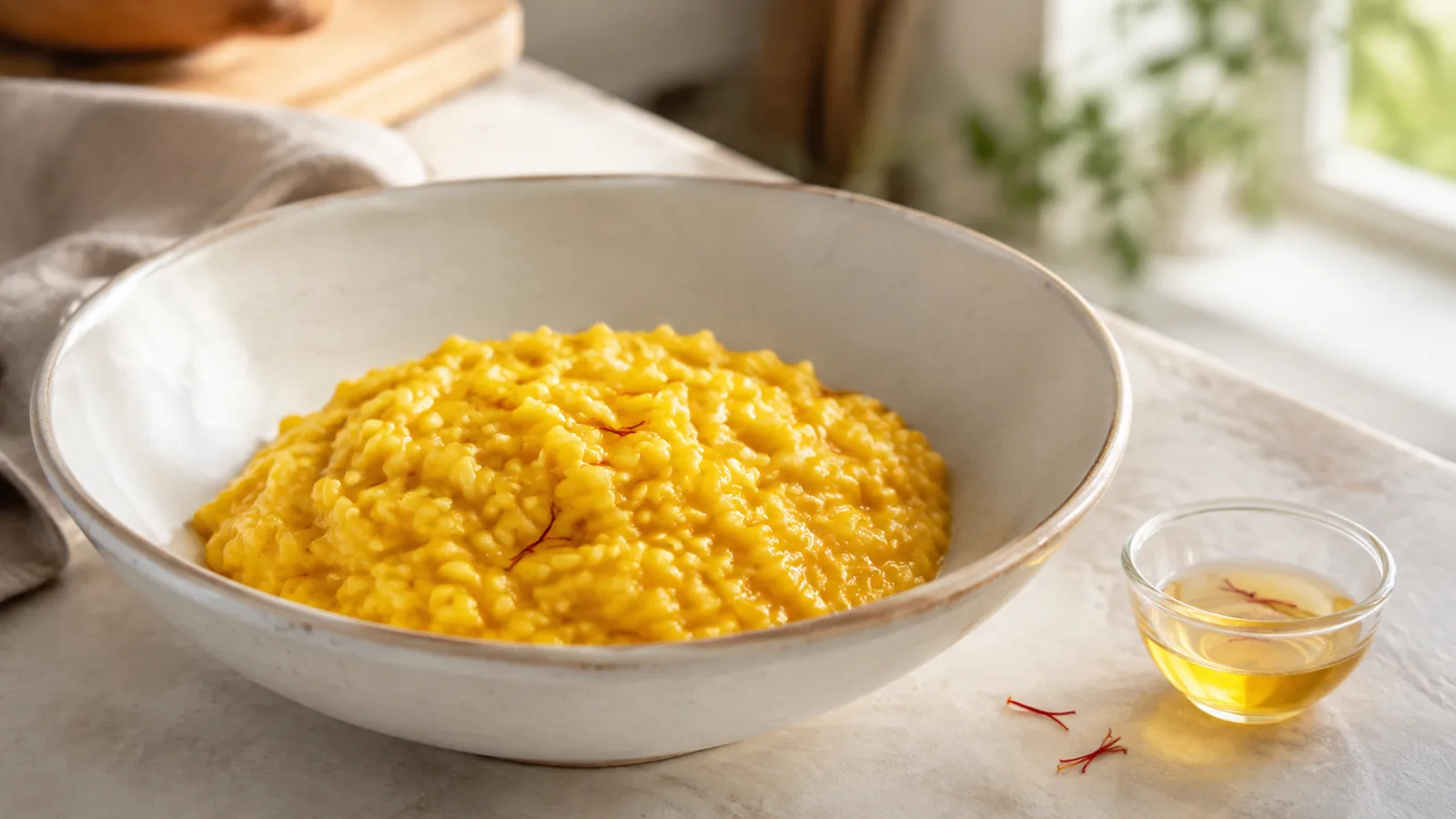
Yes. Saffron changes the taste of food even in a small amount, adding an aromatic, earthy flavour with floral notes and mild bitterness. Its smell can suggest honey or sweetness, but saffron itself is not sugary. A balanced dose deepens a dish; too much can make it taste bitter or medicinal.
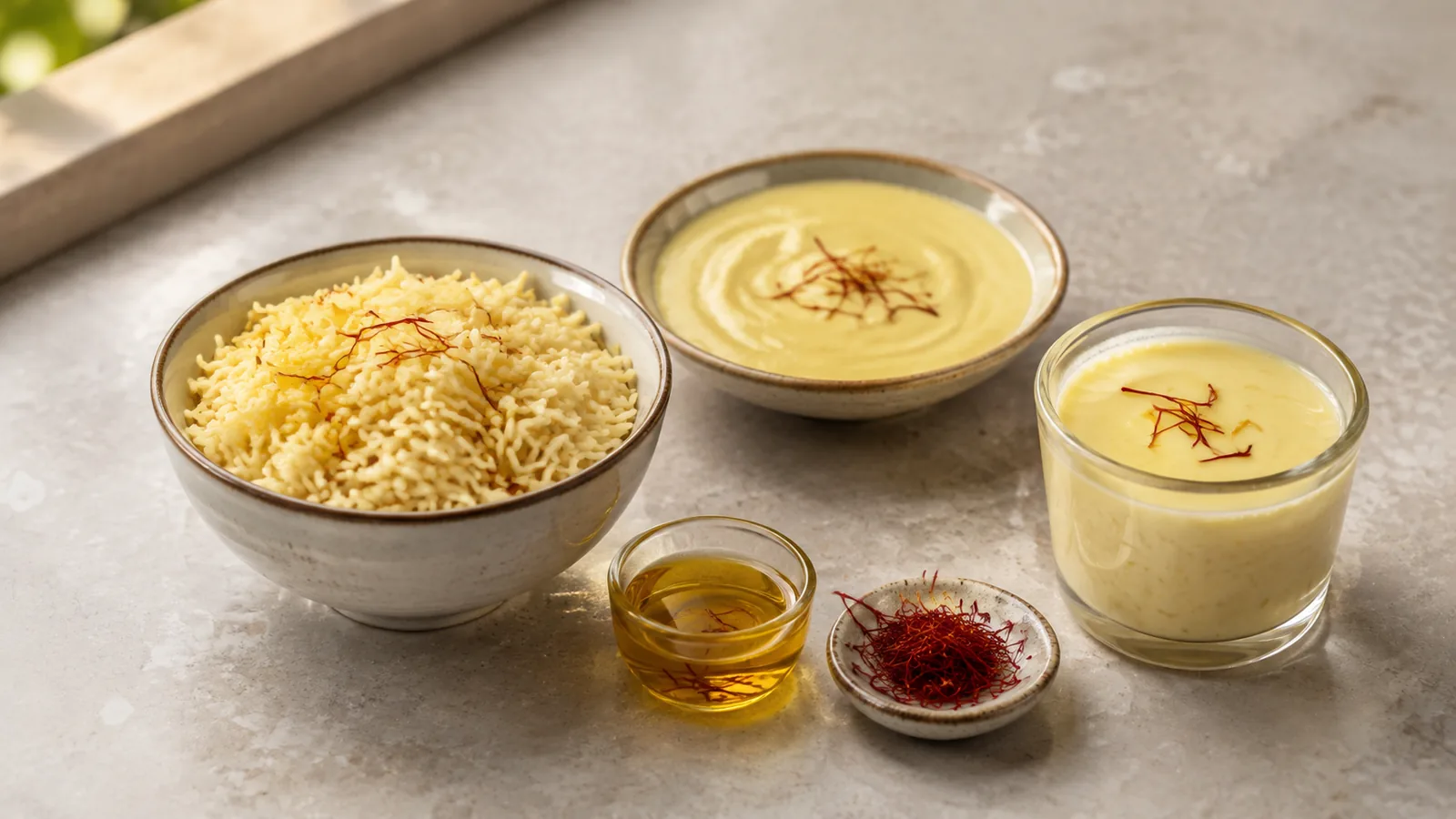
What does saffron taste like in food?
Saffron does not taste hot like chilli or sharp like black pepper. Its character is more fragrant: warm flowers and dry hay in the aroma, earthiness on the palate and a restrained bitter finish. The exact impression changes with the base, the dose and the other seasonings.
That complexity is why the saffron flavor impact can be difficult to name after a first bite. Our detailed description of saffron’s taste separates what the nose perceives from what the tongue detects.
Aroma changes flavour perception
Much of “taste” is aroma. When hot rice or a warm sauce reaches the table, saffron’s volatile fragrance arrives before the food is chewed. That scent makes the eating experience feel deeper even when the actual amount of spice is small.
If saffron is boiled aggressively for a long time, a dish can keep its colour while losing much of that aromatic lift. In delicate dishes, adding it later in cooking can preserve more fragrance.
Saffron also changes colour
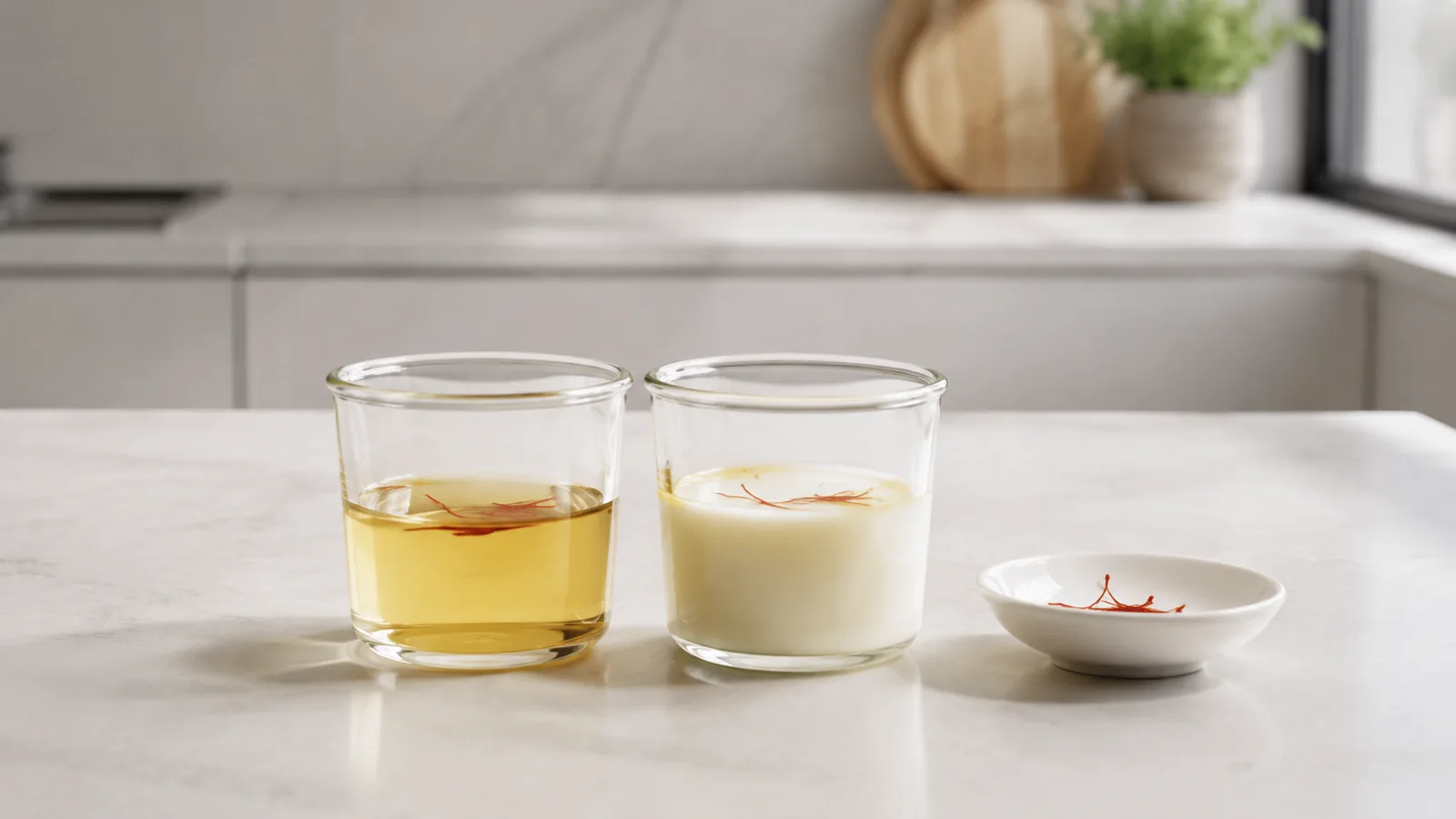
The threads release a yellow to golden colour into warm liquid. That visual cue shapes expectation: golden rice or custard signals saffron before the first bite. Colour, aroma and taste work together, but strong colour does not always mean strong flavour.
An old or poorly stored lot may colour food while contributing little fragrance. Conversely, a fresh aromatic lot may need only a restrained dose.
How it changes rice
Rice gives saffron room to be recognised. In paella, biryani, Persian rice and risotto, the spice brings floral aroma, earthy depth and a gentle bitter contrast to stock, butter or oil. It does not merely dye the grains.
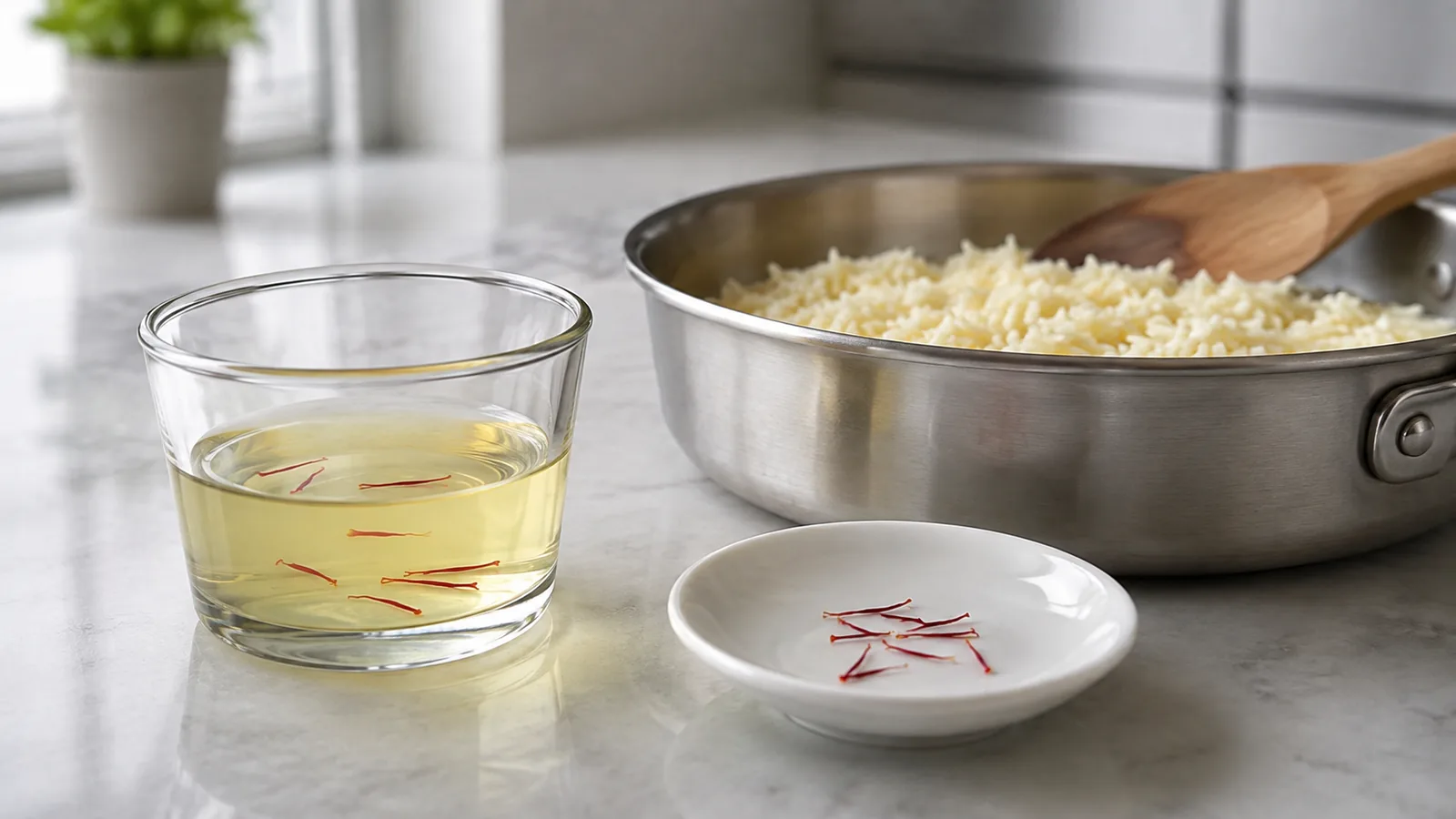
Even distribution matters. A well-mixed infusion reaches the dish more evenly than dry threads dropped into one section, though some rice dishes deliberately use a concentrated golden portion for contrast.
How it changes soups, stews and sauces
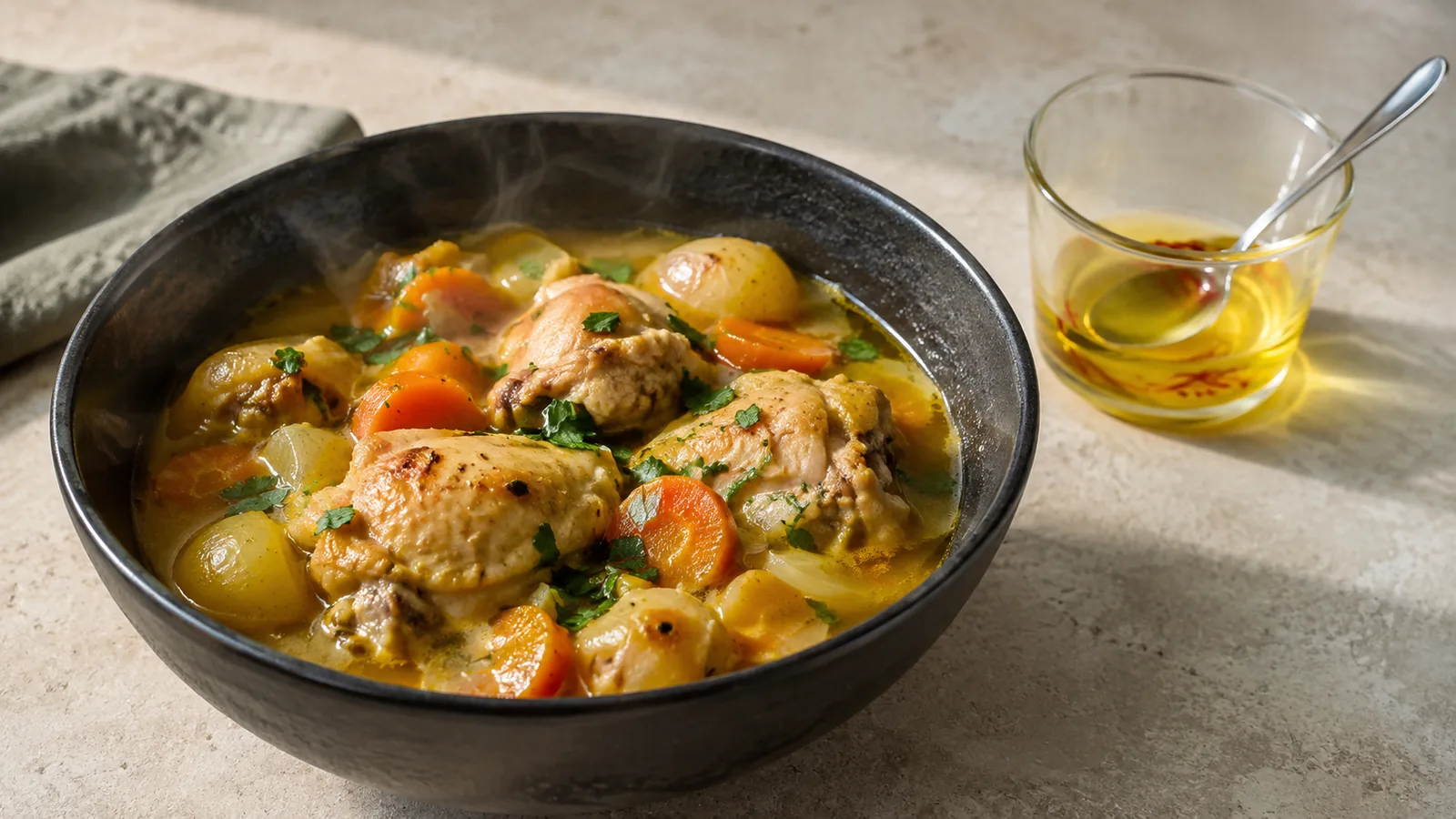
In a light soup or sauce, saffron adds fragrance and a long aromatic finish without adding heat. It can support seafood, chicken, lamb and vegetables. In a heavy stew, its subtler notes may disappear behind smoke, chilli or too many strong spices.
Saffron cannot correct an unbalanced base. Adjust salt, acidity and burnt flavours first, then decide whether more saffron is actually needed.
How it changes desserts
Milk, cream and sugar soften saffron’s bitterness and highlight its fragrant side. In custards, ice cream, puddings and baked goods, the result can seem honeyed or floral even though the spice itself is not sweet.
Cardamom, vanilla, rosewater, citrus and nuts are familiar partners. Keep them in proportion so the finished dessert has a clear centre rather than several perfumes competing.
Why the same saffron tastes different in different foods
- Fat rounds the eating experience and carries aroma.
- Acid can make a dish feel brighter and alter the perceived balance.
- Salt changes the way bitterness and savoury depth are noticed.
- Sugar creates contrast and softens the bitter edge.
- Heat and time determine how much aroma survives to serving.
Blooming makes the flavour more even
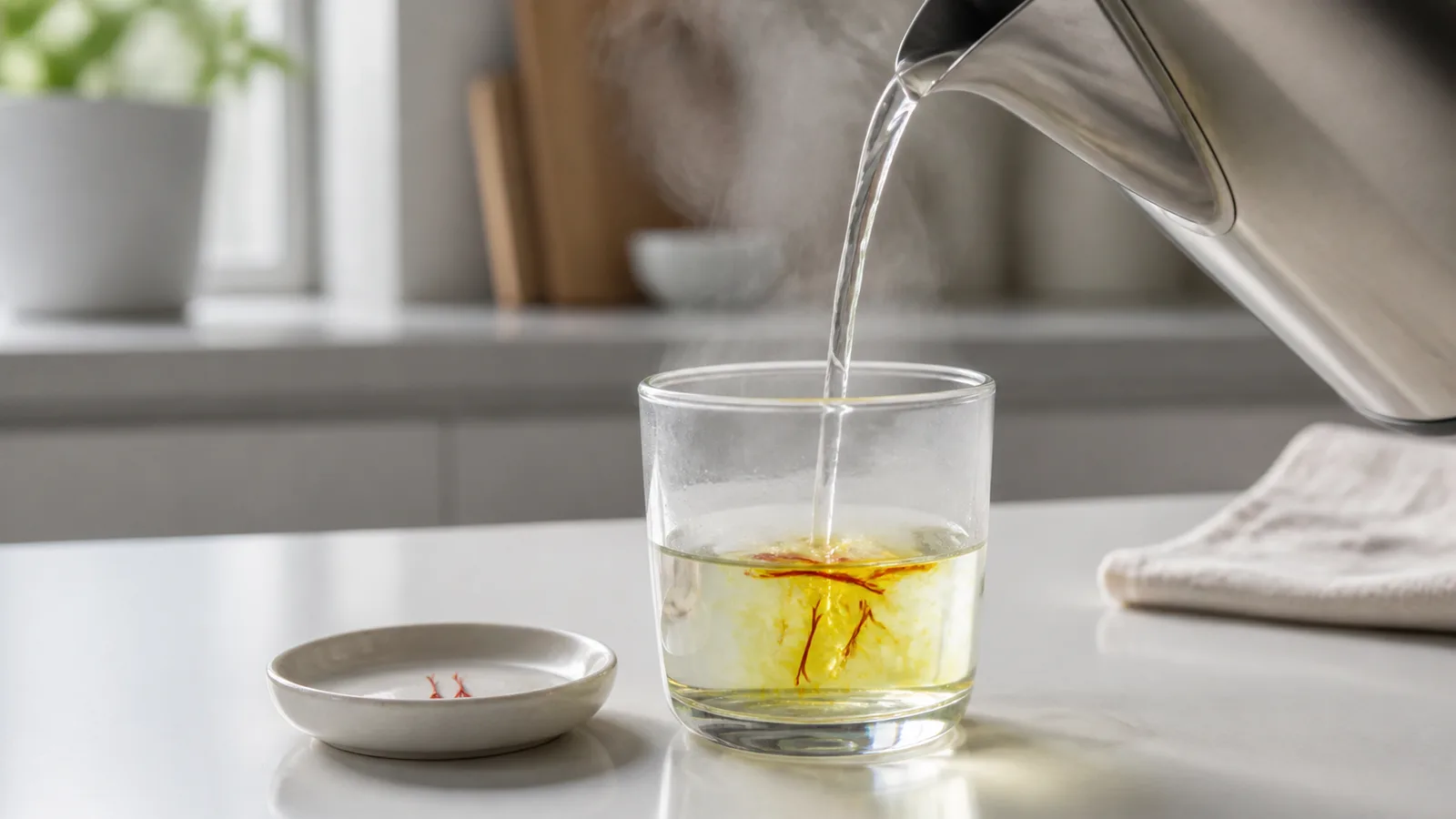
Lightly crush a measured pinch, cover it with a few spoonfuls of warm water, milk or stock, and leave it for 10 to 15 minutes. Add both the coloured liquid and the softened threads. This gives the spice a chance to extract before it has to spread through a larger dish.
For temperatures and practical variations, see the best way to bloom saffron.
How much is enough to change the taste?
There is no single thread count for every recipe. A family-size rice dish, a cup of tea and a tray of baked goods have different volumes and flavour backgrounds. Start with a small measured amount and record what you used.
More is not automatically better. Excess saffron strengthens bitterness and can flatten the balance that made the spice appealing.
Quality and storage affect the result
Authentic whole threads make appearance easier to inspect than powder, but origin or grade alone does not guarantee a lively flavour. Freshness, drying and storage all matter. Keep saffron airtight, dark, cool and dry, and crush only the amount you are about to use.
A musty, chemical or plainly spoiled taste is not a culinary nuance. Stop using questionable material rather than trying to hide it in a stronger recipe.
The short answer
Saffron changes food by adding floral aroma, earthy depth, mild bitterness and golden colour. The impact can be subtle but unmistakable in a quiet base such as rice, milk or light stock. Bloom a measured amount, avoid prolonged boiling and keep stronger seasonings in balance so the food gains saffron’s character without losing its own.