No modern country has exclusive ownership of “original” saffron. Real saffron is the dried stigma of Crocus sativus, wherever that plant is cultivated correctly. Iran is the leading source by a wide margin, while India, Spain, Greece, Afghanistan, Morocco and other countries also produce genuine saffron. Country of origin and authenticity are related buying information, but they are not the same test. Understanding authentic saffron origins means separating those ideas before comparing products.
What does original saffron mean?
People use “original” in three different ways: the place where saffron was first domesticated, the country that produces the most today, or a product that is genuine rather than substituted. Those questions need separate answers.
For a jar in your kitchen, the useful question is whether it contains genuine Crocus sativus stigmas and whether the stated origin is traceable. A historical claim cannot prove the contents of a modern packet.
Where is saffron native to?
Cultivated saffron is a sterile plant propagated through corms, not a wild spice that can simply reseed itself. Its domestication has a long history across the eastern Mediterranean and West Asia, and the precise beginning is still discussed by researchers. Ancient use does not fit neatly inside today’s national borders.
It is therefore more accurate to describe saffron as an old cultivated crop with regional history than to assign its invention confidently to one present-day country.
Iran is the main modern producer
Where is saffron produced today? Iran supplies most of the saffron traded worldwide, alongside smaller crops from several other countries. The dry climate, suitable soils, established growing regions and accumulated knowledge of planting, picking, separating and drying all support production at scale. Khorasan is especially associated with Iranian saffron.
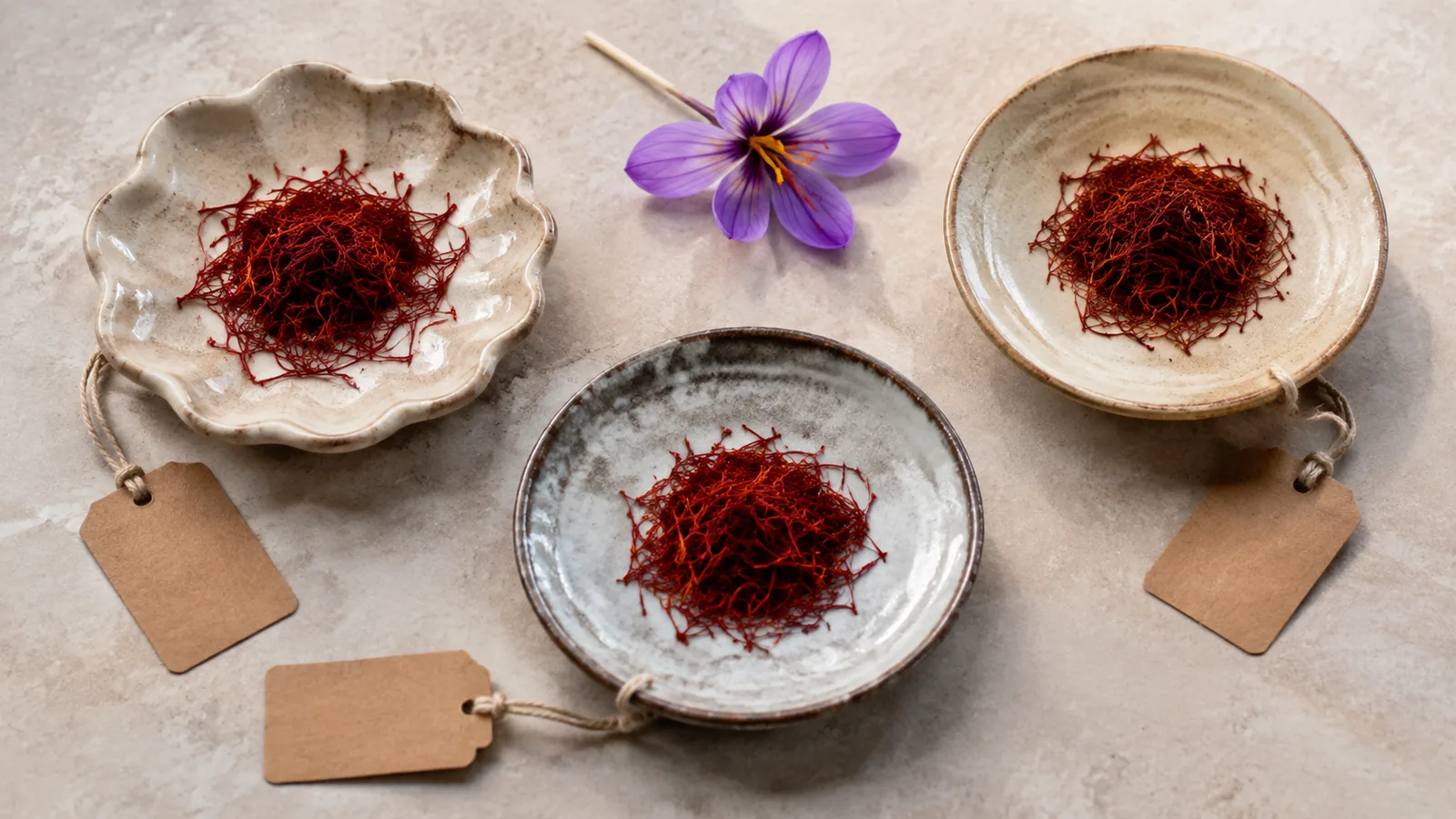
Iranian grades such as Negin and Sargol describe forms of prepared saffron rather than separate botanical species. They are prized for a high proportion of red stigma, but quality still varies by harvest, processing, storage and seller. Our overview of Iranian saffron explains the crop and its production context.
Can saffron from other countries be authentic?
Yes. Authentic saffron can be grown wherever Crocus sativus receives suitable conditions and the stigmas are harvested and processed properly. A smaller national crop is not automatically less genuine than a larger one.
- India: Kashmir has a recognised saffron tradition and produces intensely coloured, aromatic lots.
- Spain: La Mancha has a long association with saffron cultivation and protected regional production.
- Greece: Kozani is known for cultivated saffron and organised production.
- Afghanistan and Morocco: both have commercial saffron-growing regions and genuine producers.
These descriptions identify traditions, not a guaranteed flavour ranking. Each lot should be judged on its own evidence.
Saffron country of origin is not a quality grade
A country name tells you where a product claims to come from. It does not by itself disclose colouring strength, moisture, red-stigma proportion, age or storage conditions. Two lots from the same district can differ, and two lots from different countries can both be excellent.
Origin can affect style, availability, labour cost and reputation. It should be read alongside the batch, grade, harvest information and supplier’s traceability rather than used as the only quality measure.
Which country’s saffron is best?
There is no defensible universal “top 10 best saffron in the world” list without defining the purpose and testing the actual lots. A chef may value aroma and clean thread presentation; a food producer may need measured colouring strength and consistent documentation; a household buyer may prioritise freshness, traceability and price.
Iran offers exceptional saffron and the widest production base, but the best purchase is a genuine, fresh and well-handled lot that meets the buyer’s needs. A respected origin cannot rescue stale or adulterated material.
How to verify a stated origin
Look for a named producer or packer, a physical business identity, batch or lot information, clear net weight and origin wording that is specific rather than decorative. For larger purchases, request relevant analysis or certification and make sure documents refer to the same batch being offered.
Be alert to wording such as “Spanish style,” “packed in Spain” or “Persian quality.” Such phrases may describe presentation or packing without stating where the saffron was grown. Ask a direct question when the label is ambiguous.
How to check whether the saffron itself is genuine
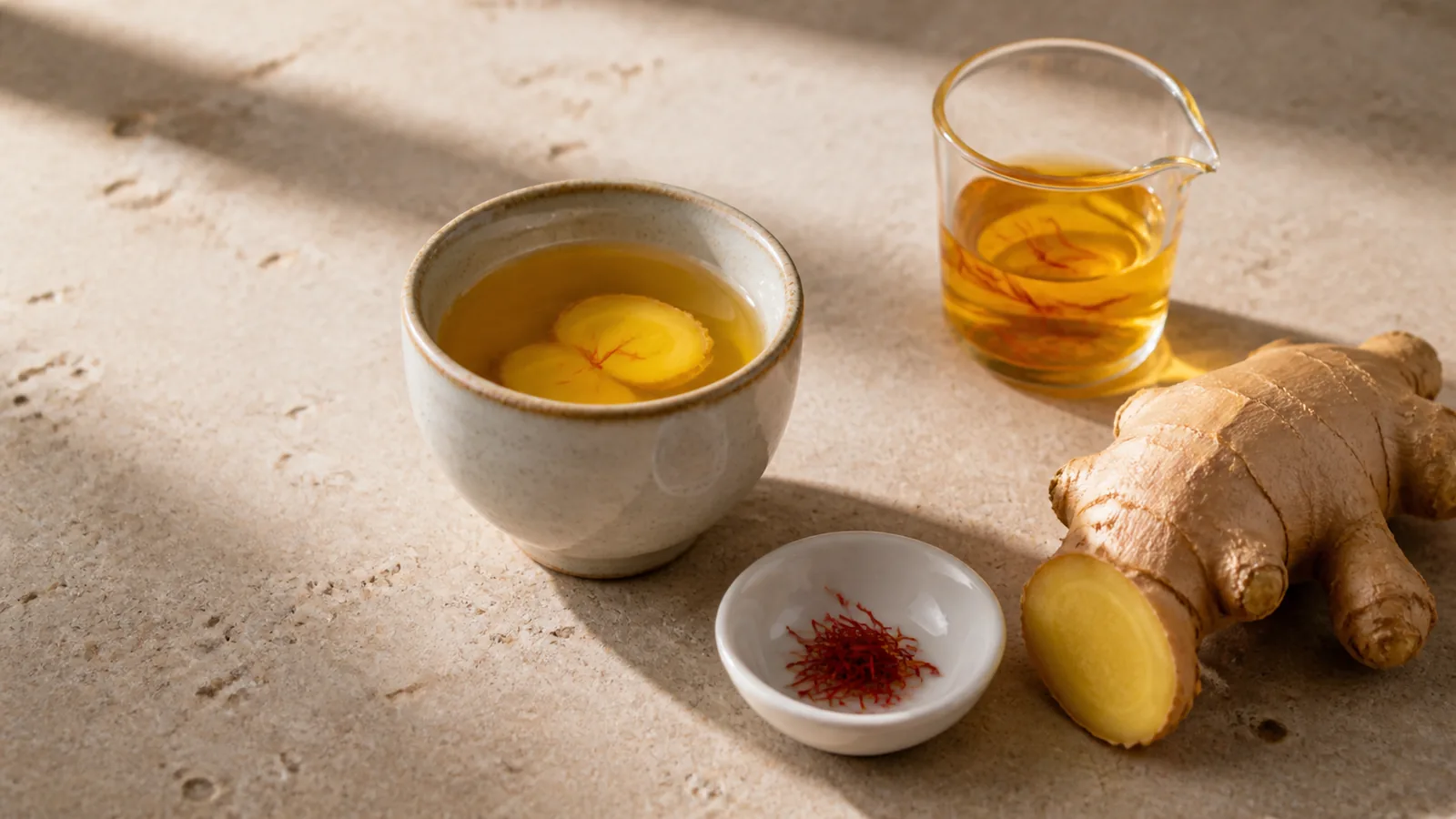
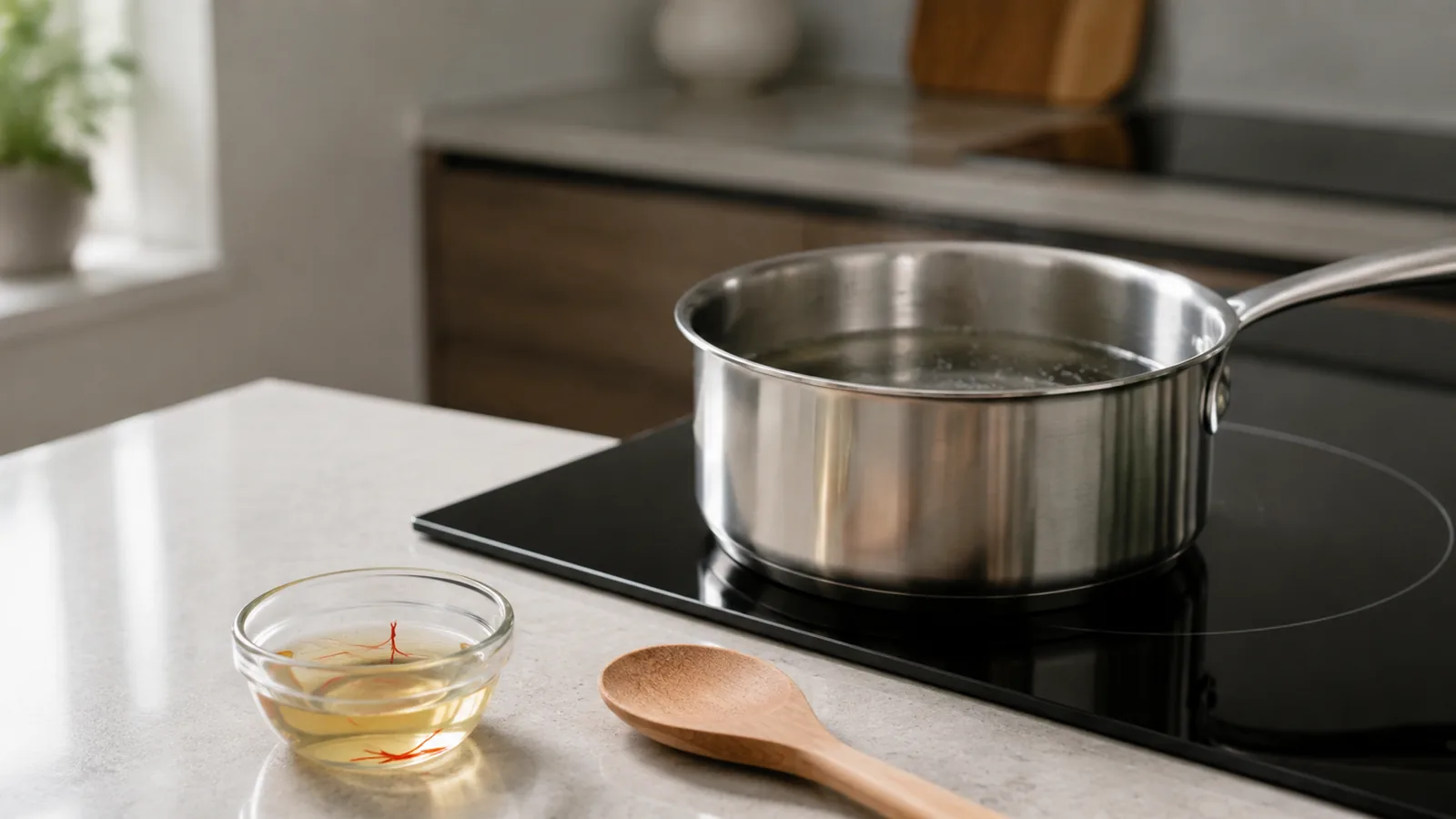
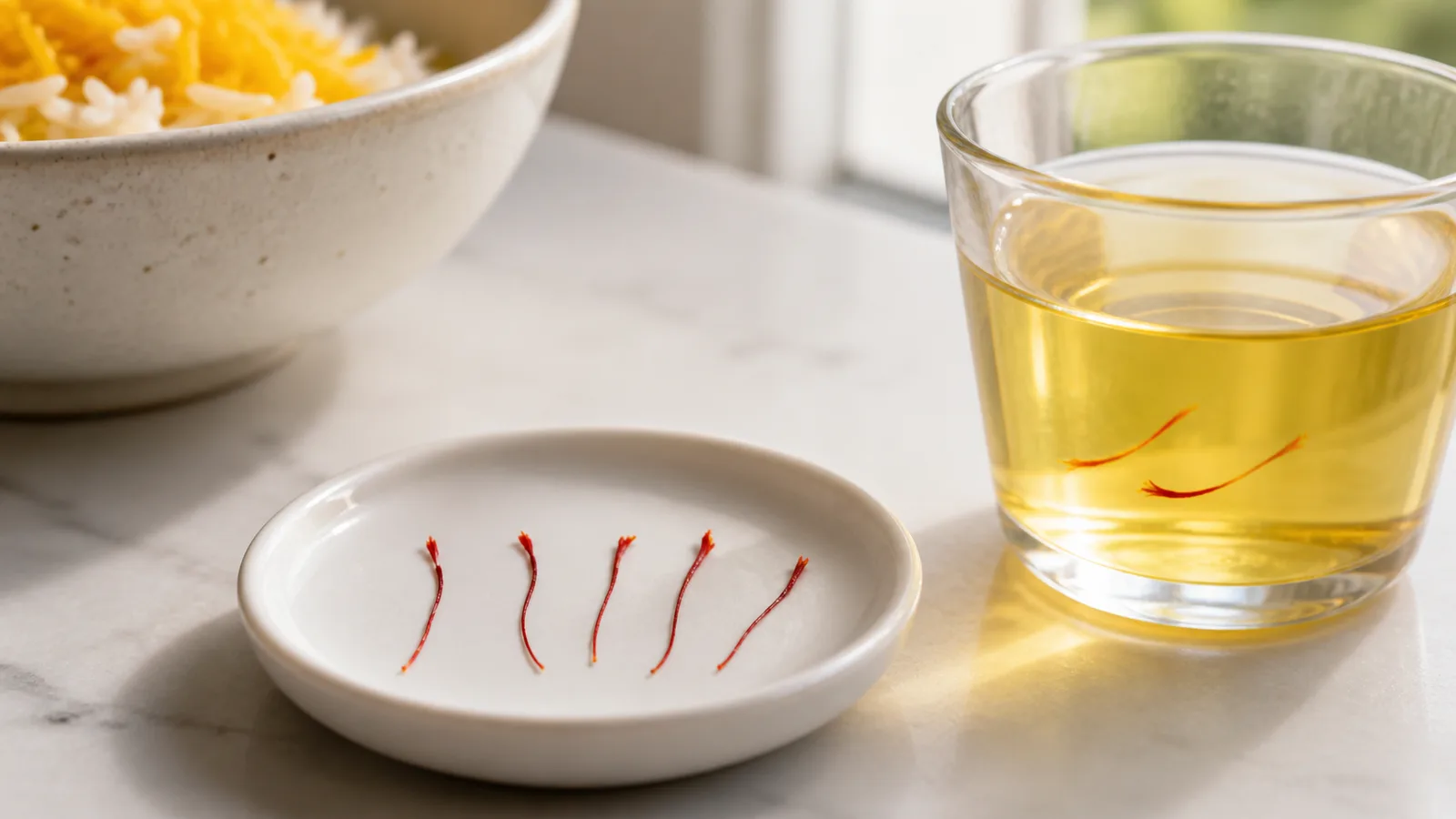
Whole threads reveal more than powder. Genuine stigmas are slender and deep red, widening toward one end. Their aroma is distinctive, and a warm-water infusion develops yellow to golden colour while the threads remain recognisable. None of these home observations proves origin.
Visual inspection should compare the vivid red colour, thread texture and natural variation. Powder is not necessarily bad, but it hides thread structure and makes dilution, added dye or filler harder to spot. Trusted suppliers should be able to support origin and quality statements with relevant records or recognised standards. Our guide to identifying authentic saffron separates practical checks from laboratory confirmation.
Why traceability matters more than a famous place name
Saffron can cross borders for sorting, packaging or resale. A consumer-facing label may emphasise the country where it was packed even when the crop grew elsewhere. That does not automatically make the product poor, but the supply chain should be described honestly.
Traceability connects a packet to a supplier, batch and declared origin. It gives the buyer something that can be checked if colour, aroma, documentation or weight does not match the promise.
The short answer
If “original” means today’s main source, Iran is the clear answer. If it means genuine saffron, several countries produce the real Crocus sativus spice. Historical domestication is older and more complex than modern borders. Buy on verified origin, batch quality, freshness and traceability—not on nationality alone.